
Last updated October 9, 2026
Free in-home measure and quote - PGT, CGI and CWS impact lines compared on your actual openings, style by style
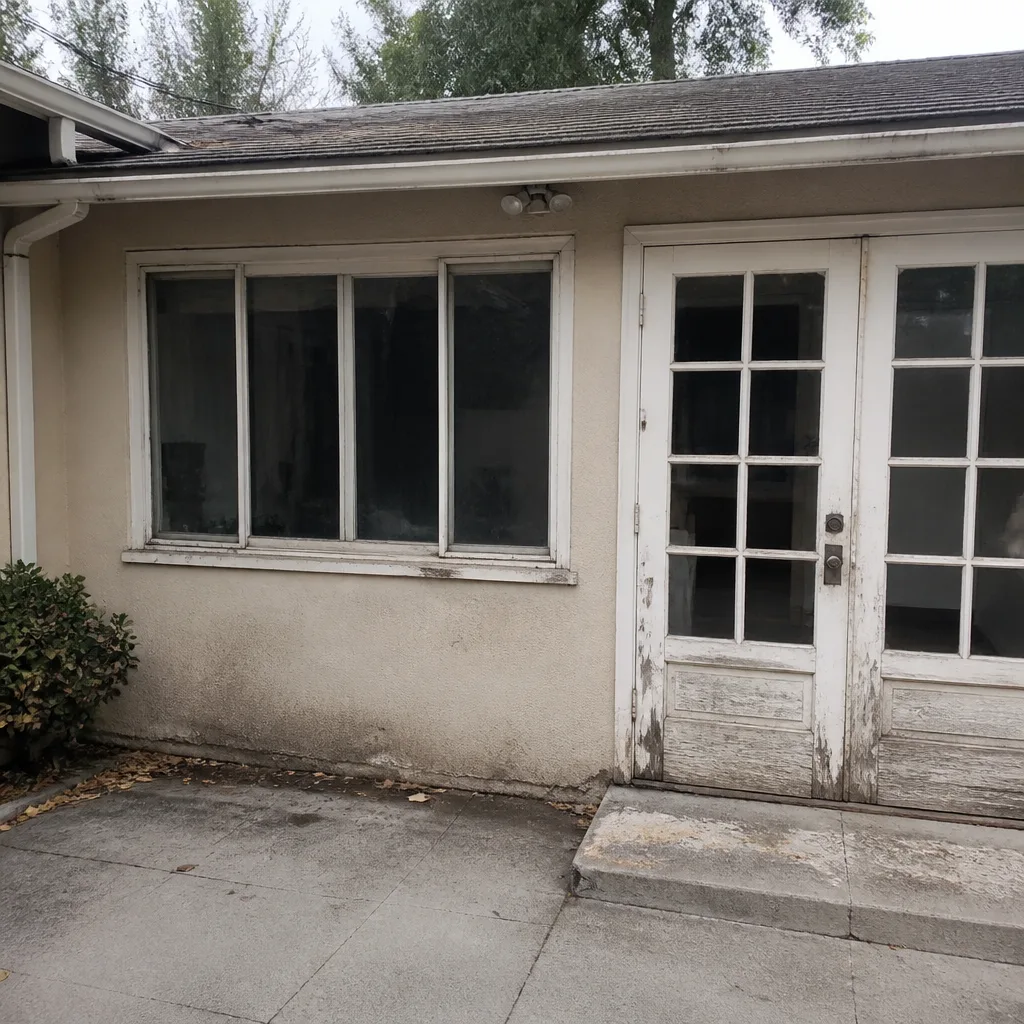 Before
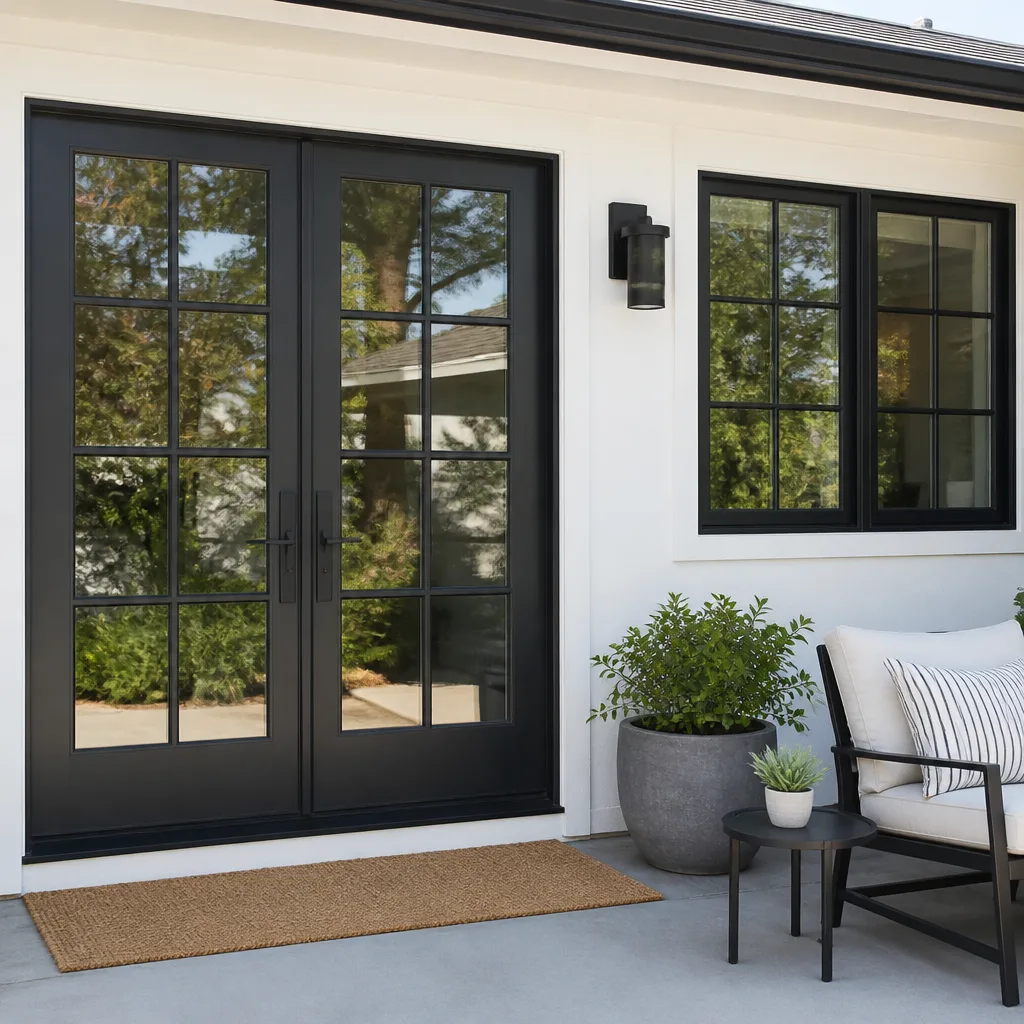 After
After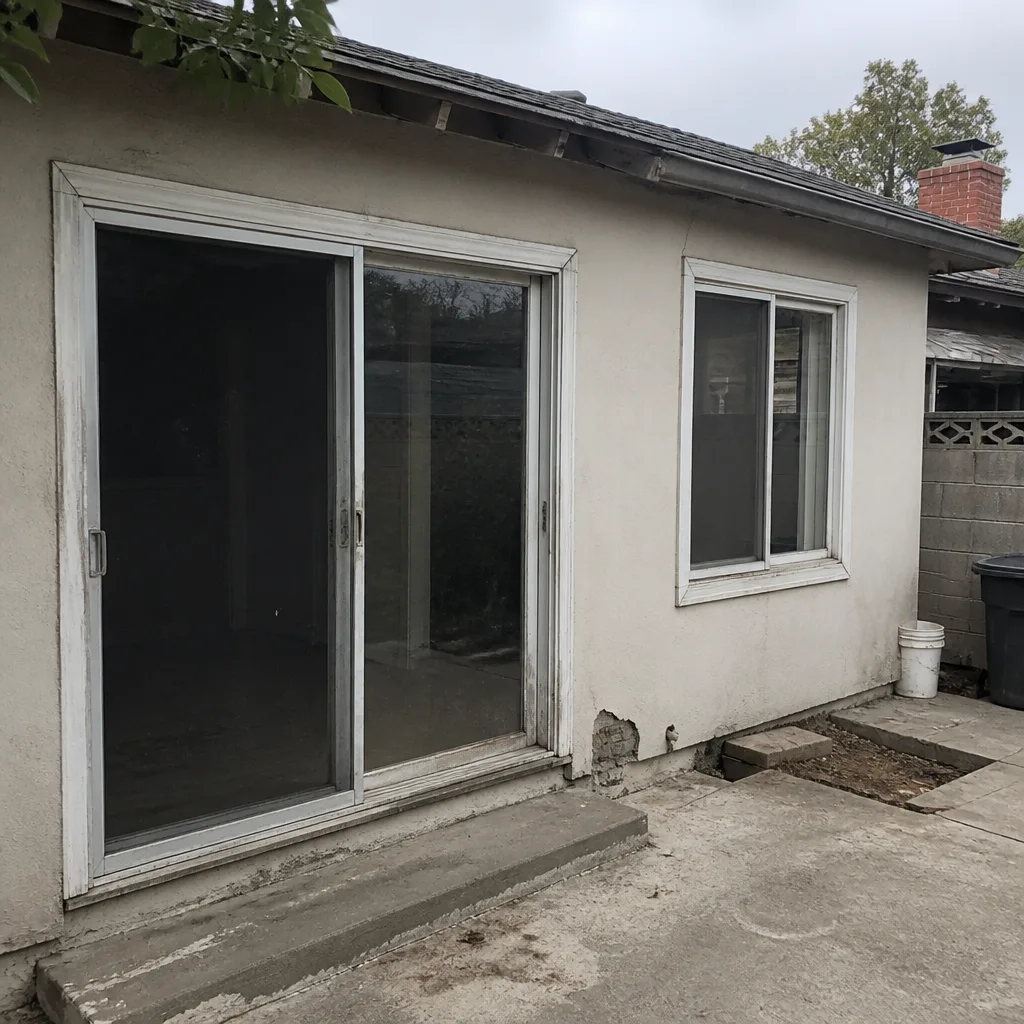 Before
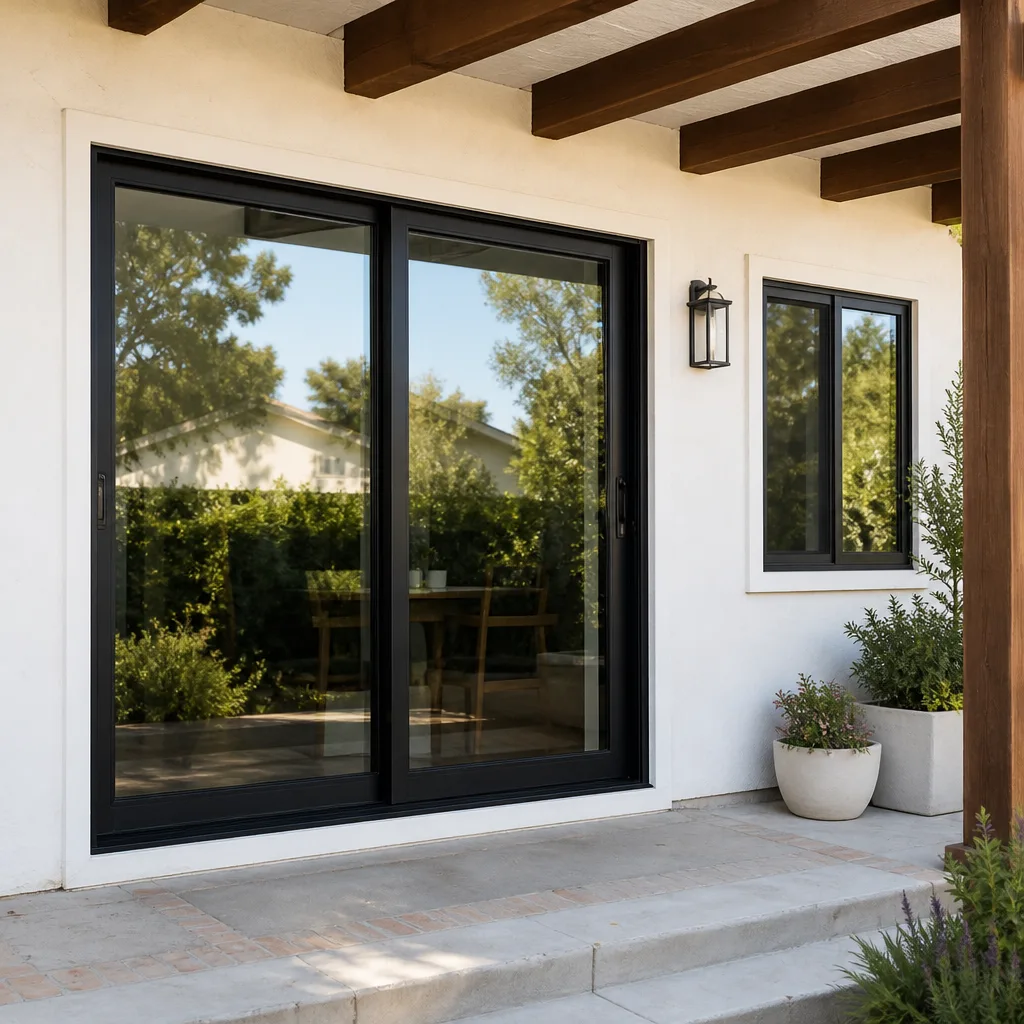 After
After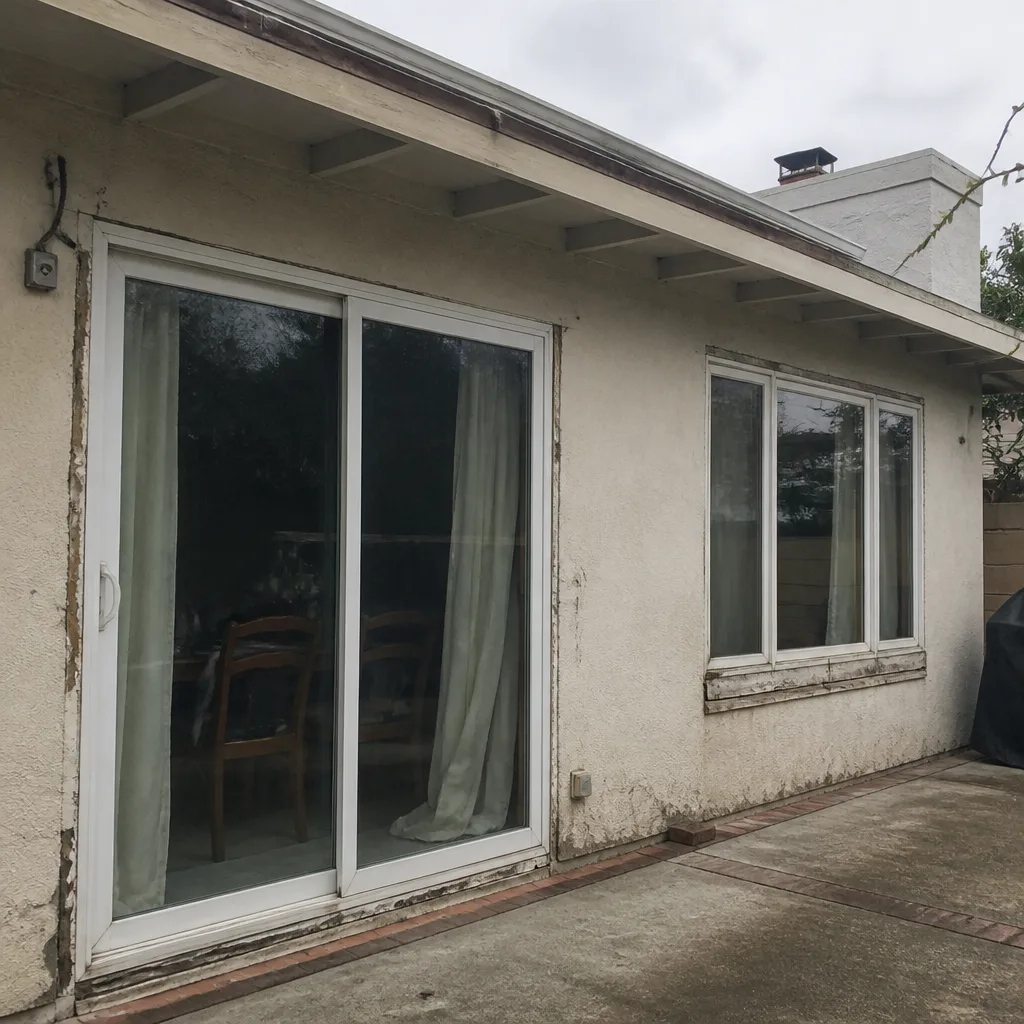 Before
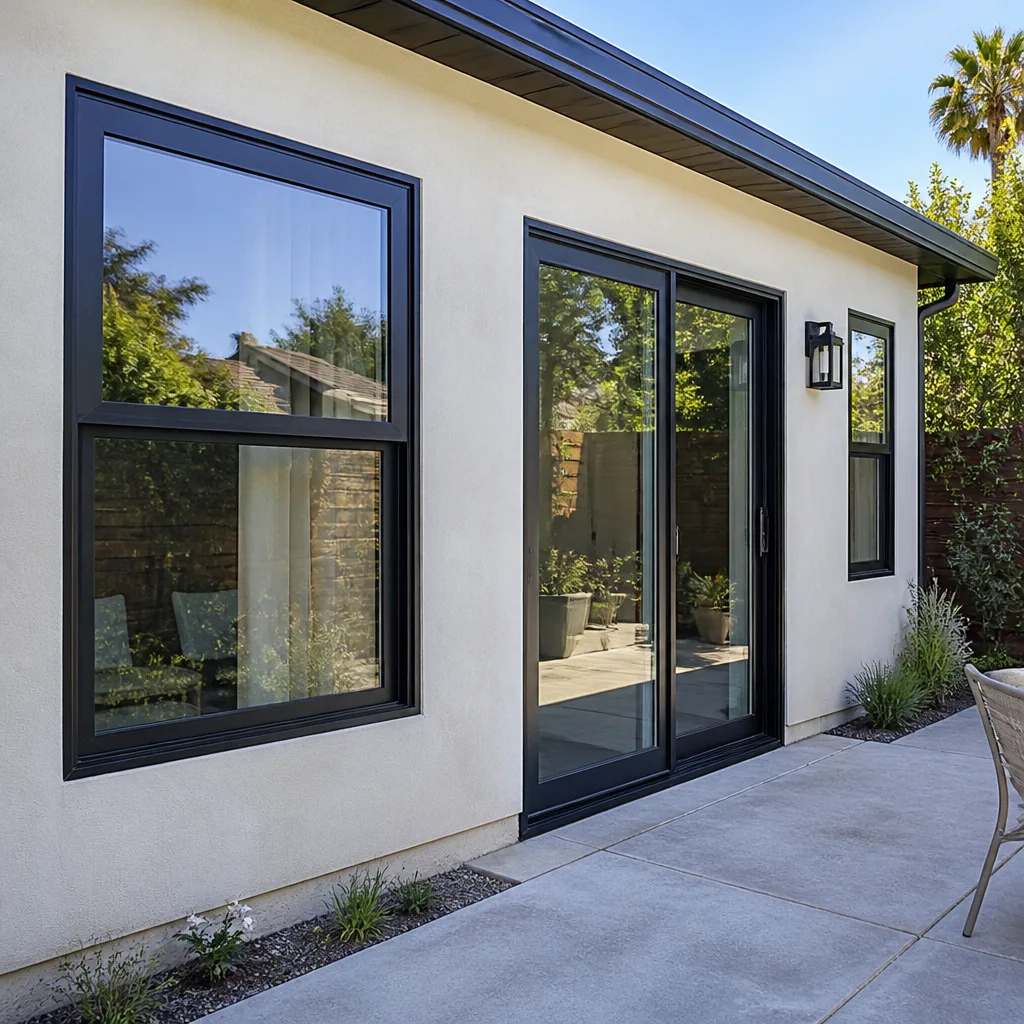 After
AfterWindows & Doors Permits, Codes & Inspections in CA: What You Need to Know
Most Los Angeles homeowners don’t find out they needed a permit for a window swap until the escrow papers hit the table. That’s when an unpermitted alteration shows up on the property record, and a buyer’s lender starts asking questions nobody wants to answer. California’s Title 24 energy code and the LADBS permitting process catch more people off guard than any other part of a window or door project. Our Windows & Doors Warning Signs: A Los Angeles Homeowner’s Reference Guide covers the red flags to watch for; here’s what actually requires a permit, what it costs, how long it takes, and how to keep your project from becoming a title headache. Once you understand the three triggers that require a permit, the process is predictable and easy to protect.
Quick Answer
You need a permit for window or door replacement in Los Angeles when you change the rough opening size, modify the structural header, or install products that don’t meet California Title 24 energy code minimums for your climate zone. Straight swaps that keep the same opening size and meet energy code are generally permit-exempt. Permits cost roughly $100 – $400 for typical residential replacements, depending on project scope, and take anywhere from same-day over-the-counter approval to 2 – 6 weeks if plan check is required.
Table of Contents
- The Three Triggers That Require a Permit
- What You Can Swap Without a Permit
- Title 24 Energy Code: U-Factor and SHGC Minimums for LA
- How the LADBS Permit Process Actually Works
- Historic Overlays: Hancock Park, Angelino Heights, and HPOZ Review
- Rough-In vs. Final Inspection: What Happens at Each
- What Permits and Inspections Cost in Los Angeles
- Common Mistakes to Avoid
- When to Call a Professional
- Frequently Asked Questions
- The Bottom Line
The Three Triggers That Require a Permit
Most window and door work in Los Angeles falls into one of three buckets. If your project touches any of these, LADBS wants a permit on file. If it doesn’t, you’re usually clear. Here’s the breakdown.
Trigger 1: Size change. Enlarging or shrinking the rough opening means you’re altering the wall itself, not just swapping a product. Going from a 36-inch window to a 48-inch one, or converting a window to a sliding patio door, changes the structural framing around that opening. LADBS treats this as an alteration requiring permit drawings, even if the wall isn’t load-bearing. In neighborhoods like Silver Lake and Echo Park, where mid-century homes have non-standard window sizes, homeowners often want to standardize openings. That requires a permit, full stop.
Trigger 2: Structural header modification. If your project touches the header above the opening, you’re into structural territory. A header carries the load from above, and altering it without approval can create sagging, cracking drywall, or worse. Adding a wider door where a double-hung window used to be usually means a new, larger header. This is the most expensive permit trigger because LADBS may require structural calculations signed by a California-licensed engineer.
Trigger 3: Energy code non-compliance. California’s Title 24, Part 6 energy code has minimum performance standards for replacement windows and doors. If the product you’re installing doesn’t meet the U-factor and SHGC minimums for Climate Zone 9 or 10 (which covers most of Los Angeles), you’ll need a permit variance or a different product. More on the actual numbers in the section below. The point here: non-compliant glass triggers permit review because it affects the home’s overall energy envelope.
In our experience, most Los Angeles projects that need permits fall into Trigger 3 without the homeowner ever realizing it. They bought a window on clearance, it doesn’t meet the spec, and now the project stalls at inspection.
What You Can Swap Without a Permit
California Building Code Section 105.2 exempts certain work from permit requirements. For windows and doors, the key phrase is “minor repair and replacement.” Here’s what typically qualifies as exempt in Los Angeles:
- Same-size window replacement. Pulling a rotted wood window and installing a new vinyl or fiberglass unit that fits the exact same rough opening, with no framing changes.
- Same-size door slab swaps. Replacing a door panel without touching the frame, threshold, or surrounding structure. The opening doesn’t change, so the permit trigger doesn’t fire.
- Glazing replacement. Replacing broken or fogged glass within an existing frame, assuming the frame itself is sound.
- Weatherstripping and hardware. New seals, locks, hinges, and operators on existing windows or doors.
- Trim and exterior casing. Cosmetic replacement of trim around an existing opening, as long as the opening structure is untouched.
One caveat that catches people: same-size does not mean same visible glass. If you replace a single-pane wood window with a dual-pane vinyl unit of the same rough opening but different frame thickness, you may have altered the glass area. LADBS inspectors check for this during field inspections, and a sharp one will flag it. When in doubt, a quick call to LADBS before ordering product saves everyone time.
Title 24 Energy Code: U-Factor and SHGC Minimums for LA
California’s Title 24 energy code divides the state into climate zones. Most of Los Angeles sits in Climate Zone 9, with portions of the San Fernando Valley and inland areas in Climate Zone 10. The code sets maximum U-factor and maximum SHGC values for residential replacement windows and doors. Higher numbers mean worse performance, so the code says: your product must be at or below these maximums.
U-factor measures how much heat passes through the glass and frame. Lower is better. For residential replacement windows in Climate Zone 9, the maximum U-factor is 0.30. In Climate Zone 10, it’s 0.32. A window with a U-factor of 0.25 exceeds the minimum requirement and is more efficient. A window with a 0.35 doesn’t comply.
SHGC (Solar Heat Gain Coefficient) measures how much solar radiation passes through the glass. Lower SHGC keeps a home cooler in direct sun. For Climate Zone 9, the maximum SHGC is 0.23. For Climate Zone 10, it’s 0.25. This matters a lot in Los Angeles, where south-facing and west-facing windows in neighborhoods like Sherman Oaks or Woodland Hills get hammered by afternoon sun. Choosing a window with an SHGC of 0.22 means the glass blocks more of that heat.
Here is a quick reference table for Los Angeles:
| Climate Zone | Area | Max U-Factor | Max SHGC |
|---|---|---|---|
| Zone 9 | Most of LA Basin, coastal, downtown, Westside | 0.30 | 0.23 |
| Zone 10 | San Fernando Valley, inland portions | 0.32 | 0.25 |
Impact-rated glass products from brands like PGT and ES Windows are engineered to meet these standards, but see our Choosing the Right Windows & Doors Brand: A Buyer’s Guide for Los Angeles before you buy, and always confirm the exact U-factor and SHGC for the specific model and size. Frame material changes these numbers. A vinyl-framed window performs differently than an aluminum-framed one, even with identical glass.
How the LADBS Permit Process Actually Works
Los Angeles operates under the Los Angeles Department of Building and Safety (LADBS). Most window and door permits follow one of two paths: over-the-counter or plan check. Here’s the step-by-step for both.
Over-the-counter (OTC) permits. These are for straightforward projects: same-size window replacements that do require a permit for other reasons (like an HPOZ overlay, see below), or simple size changes with no header work. You submit basic project information, pay the fee, and walk out with a permit the same day. Current LADBS processing times for OTC window permits are typically 1 – 3 business days if filed online, or same-day if you visit a field office in person.
Plan check permits. Any project involving header modification, size changes beyond a certain threshold, or structural work goes to plan check. You’ll need drawings. For a typical single-opening door conversion or window enlargement, LADBS plan check currently runs 2 – 6 weeks depending on workload at the Metro office. More complex projects, or those requiring engineering calcs, can take longer.
Here’s the numbered sequence for a typical Los Angeles window or door permit:
- Determine if your project is permit-exempt. Same-size swap, no header change, Title 24 compliant? You may not need a permit at all.
- If a permit is needed, gather product specs. You’ll need the window or door make, model, U-factor, and SHGC. LADBS won’t accept a permit application without these numbers.
- File online or in person. LADBS accepts permit applications through its online portal. For OTC permits, you can file and pay the same day.
- Pay the permit fee. Fees are based on project valuation. See the cost section below for ranges.
- Schedule the rough-in inspection. This happens after the old window or door is removed and before the new one is fully installed.
- Schedule the final inspection. This happens after everything is installed, trimmed, and finished.
- Close the permit. LADBS issues a signed final inspection card. Keep this document. You’ll want it when you sell.
Historic Overlays: Hancock Park, Angelino Heights, and HPOZ Review
If your home sits within a Historic Preservation Overlay Zone (HPOZ), you have an extra layer before that LADBS permit is issued. Los Angeles has more than 35 HPOZ districts. Hancock Park, Angelino Heights, Windsor Square, and parts of West Adams are the ones we see most often for window and door work.
The HPOZ review process is run by the city’s Office of Historic Resources, not LADBS. You’ll need a Certificate of Appropriateness (COA) or a Certificate of Compatibility before the building permit can be issued. The HPOZ board reviews your proposed window or door to determine whether it’s compatible with the historic character of the neighborhood. A vinyl double-hung window in a 1920s Craftsman in Angelino Heights may get rejected because the material and sightlines don’t match the original wood windows.
Here’s what the HPOZ layer adds in practice:
- An additional 2 – 8 weeks for the HPOZ review itself, depending on whether your case goes before the full board or is approved administratively.
- Material restrictions. Many HPOZ districts require wood or wood-clad windows in original openings. Aluminum and vinyl are frequently rejected for street-facing elevations.
- Sightline requirements. The width of the window frame members matters. Thicker modern frames are often flagged as incompatible with the original design.
- Color and finish review. Even the exterior paint or cladding color on a window can be subject to HPOZ approval.
If you’re replacing windows in an HPOZ home, budget for the extra review time. And don’t order product until the COA is in hand. We’ve seen homeowners in Hancock Park order custom wood windows only to have the HPOZ board require a different muntin pattern. That’s an expensive mistake.
Rough-In vs. Final Inspection: What Happens at Each
Two inspections bookend a permitted window or door project in Los Angeles. Understanding what each one covers helps you schedule work in the right sequence and avoid failed inspections.
Rough-in inspection. This happens after the old unit is out and before the new window or door is fully installed and sealed. The inspector checks the exposed framing: header size, king and jack studs, sill plate, and flashing. They’re verifying that the structural support matches what was approved on the permit. For a door conversion, the rough-in is critical because the header and cripple studs are exposed. If the inspector doesn’t like the header size or the nailing pattern, they’ll write a correction and you’ll need a follow-up visit. A failed rough-in is the most common inspection failure we see on Los Angeles projects.
Final inspection. This happens after the window or door is installed, flashed, trimmed, and operational. The inspector checks that the product matches the permit (manufacturer, model, U-factor), that the flashing is properly lapped, and that the unit operates correctly. They may also verify the glazing meets Title 24 requirements by checking the NFRC label on the glass. The final is usually faster than the rough-in, but only if the rough-in passed cleanly first.
Scheduling them in the right order matters because a contractor’s workflow depends on it. You don’t want the final inspection scheduled the day after the rough-in on a project where the rough-in failed. That creates a reschedule cycle that adds weeks. A good project file keeps both inspections on the calendar from day one.
What Permits and Inspections Cost in Los Angeles
Permit fees in Los Angeles are calculated from project valuation, which LADBS determines using standard construction cost tables. For a typical single window or door replacement, here’s what you should budget:
- OTC permit for a straight size change: $150 – $350
- Plan check permit for header work or structural changes: $350 – $800, including the plan check review surcharge
- HPOZ Certificate of Appropriateness: $0 – $400 depending on the district and whether board review is required
- Each inspection: included in the permit fee for the first visit; re-inspection fees run $150 – $300 per visit if corrections are needed
- Title 24 energy documentation (if required for plan check): $75 – $250 for the compliance form prepared by a third party
These ranges reflect residential work in Los Angeles as of the most recent LADBS fee schedule. Larger multi-opening projects scale up based on valuation. If you’re budgeting for a whole-home window replacement across ten or more openings, permit costs can reach $1,500 – $3,000 before HPOZ review. Factor that into your project budget from the beginning, not as an afterthought.
Common Mistakes to Avoid
- Skipping the permit on a size change. Changing the rough opening from a 36-inch window to a 48-inch without a permit means the project is unpermitted from day one. When you sell, it becomes a title issue and you’ll be discounting the price or retro-permitting it under pressure.
- Buying product before confirming Title 24 compliance. A double-pane window with a U-factor of 0.35 fails Climate Zone 9 requirements. If it’s already ordered and delivered, you’re stuck either paying for a variance or returning the product at a restocking fee.
- Ignoring HPOZ requirements until after install. In a district like Angelino Heights, replacing original wood windows with vinyl without a COA can result in a stop-work order and a mandate to remove the new windows. That’s a five-figure correction.
- Failing the rough-in and pushing ahead anyway. Some contractors proceed to full installation after a failed rough-in, hoping the final inspection will overlook the issue. It doesn’t. LADBS inspectors compare the final product against the approved plans and the rough-in notes.
- Not closing the permit. A permit that’s left open after the work is done is an unresolved item on your property record. Lenders and buyers both flag it. Always get the signed final inspection card and confirm the permit is closed in the LADBS system.
- Assuming all contractors pull permits. Some Los Angeles window and door companies quote a price without permit costs, then present the permit as an extra after the job starts. Get the permit scope and cost in writing before you sign anything.
When to Call a Professional
A straight size-for-size window swap with a Title 24 compliant product is something a qualified installer can handle without much permitting drama. But when the project involves header work, HPOZ review, or a size change that shifts structural loads, you want someone who knows where the pitfalls are before the first cut is made. The risk isn’t just a failed inspection, it’s a structural problem that shows up years later as a sagging door or a cracked ceiling. Window Replacement in Los Angeles through a contractor who handles permits as part of the job means the price you’re quoted includes the paperwork, the inspections, and the final signed card. Juniper Windows & Doors offers free estimates in Los Angeles. Call (682) 281-2168 to get a written price before anything starts.
Frequently Asked Questions
A typical residential window replacement permit in Los Angeles costs $150 – $350 for over-the-counter approval, with plan check permits running $350 – $800. HPOZ review, if your home is in a historic district, adds up to $400. Re-inspection fees after a failed inspection run $150 – $300 per visit.
In most cases, no. Replacing a window with a new unit that fits the same rough opening, doesn’t modify the header or structure, and meets Title 24 energy code is generally permit-exempt in Los Angeles. When in doubt, confirm with LADBS before ordering product.
For Climate Zone 9, which covers most of Los Angeles, the maximum U-factor is 0.30 and the maximum SHGC is 0.23. In Climate Zone 10 (San Fernando Valley and inland areas), the maximum U-factor is 0.32 and the maximum SHGC is 0.25. Lower numbers are better and always compliant.
Over-the-counter permits are typically issued same-day or within 1 – 3 business days online. Plan check permits, required for header work or structural changes, currently run 2 – 6 weeks depending on LADBS workload. HPOZ review adds another 2 – 8 weeks in historic districts.
Unpermitted window replacements become a title and mortgage issue when you sell. The work shows up as an unresolved alteration on your property record, and buyers or their lenders will typically require either a retro-permit or a price reduction. In HPOZ districts, unpermitted work can also trigger a stop-work order and mandated removal.
Yes, LADBS does issue retroactive permits, but the process is not a formality. You’ll need to document the existing condition, demonstrate that the work meets current code, pay permit fees and penalties, and pass inspections. If the work doesn’t meet Title 24 or structural requirements, you may need to tear it out and redo it. It’s always cheaper to permit correctly the first time. If you’re unsure whether your project needs a permit, call (682) 281-2168 for guidance.
The Bottom Line
Windows and door permits in Los Angeles come down to three triggers: size change, structural header modification, and Title 24 energy code compliance. If your project avoids all three, you can probably do the work permit-free. If it touches any one of them, get the permit before the first cut. Historic neighborhoods add an HPOZ layer that many homeowners miss until it stalls the project. Scheduling inspections in the right order keeps the workflow moving and prevents expensive re-inspection fees. And a signed final inspection card is the document that protects you when the house goes on the market. The process is predictable once you know the triggers. Juniper Windows & Doors home, Window Installation in Los Angeles, and Door Replacement in Los Angeles are all available as resources if you want more detail on any part of this. Call (682) 281-2168 for a free estimate and a written price before anything starts.
Written by Sean Mackey, Owner at Juniper Windows & Doors, serving Los Angeles since 2001.