Free in-home measure and quote - PGT, CGI and CWS impact lines compared on your actual openings, style by style
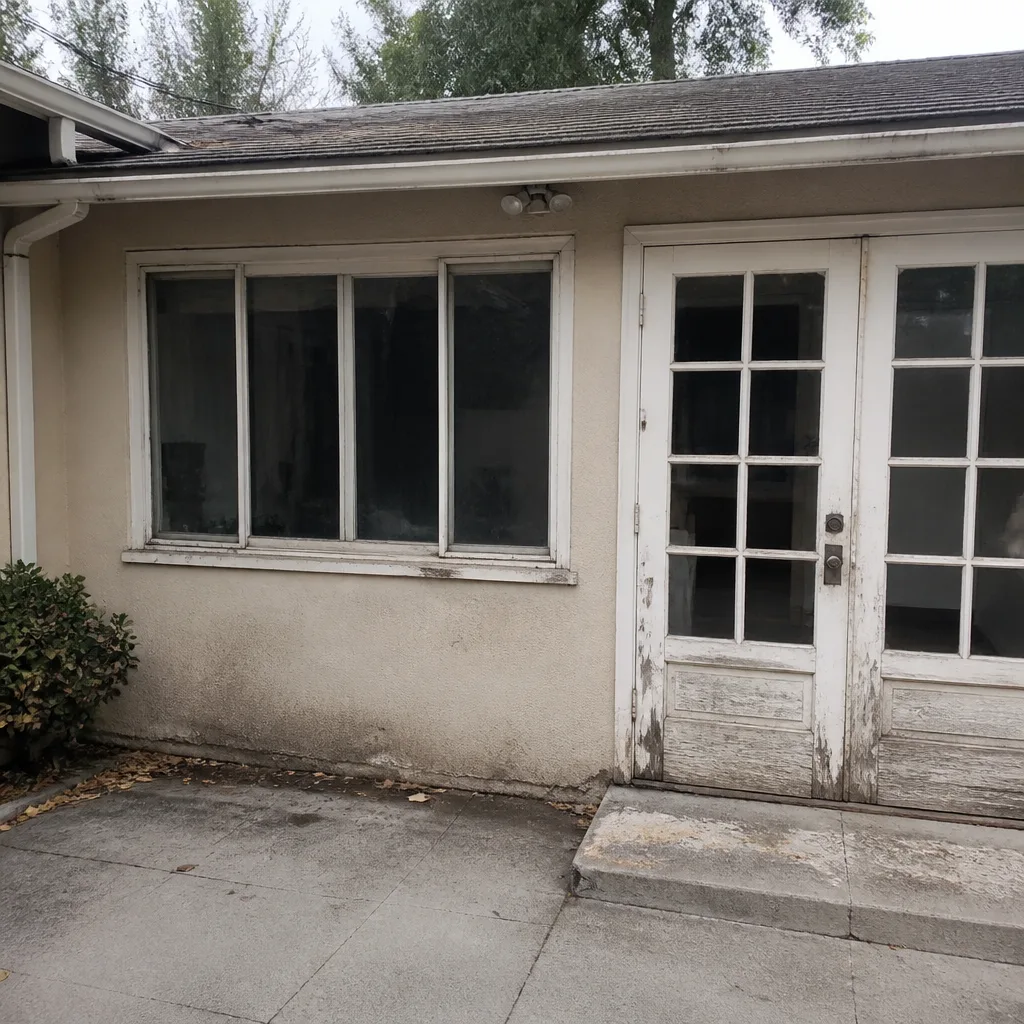 Before
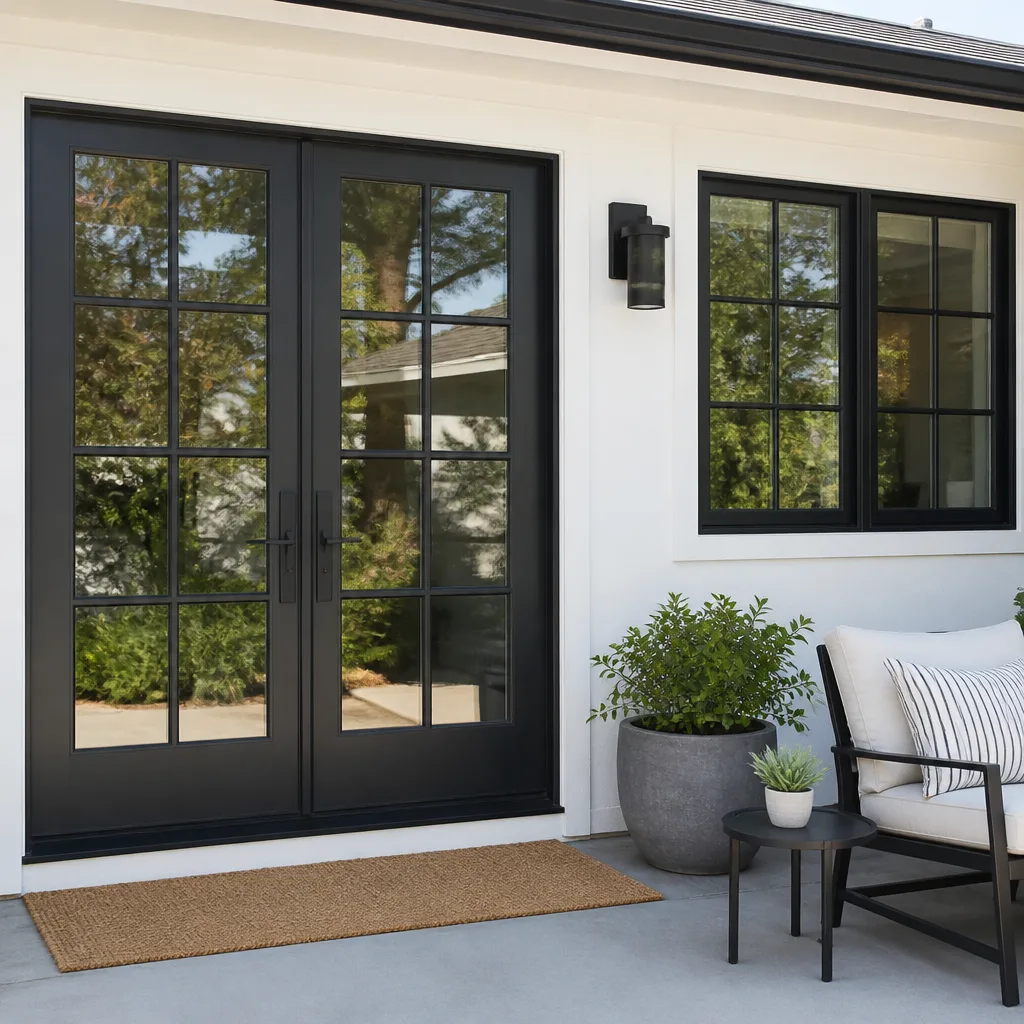 After
After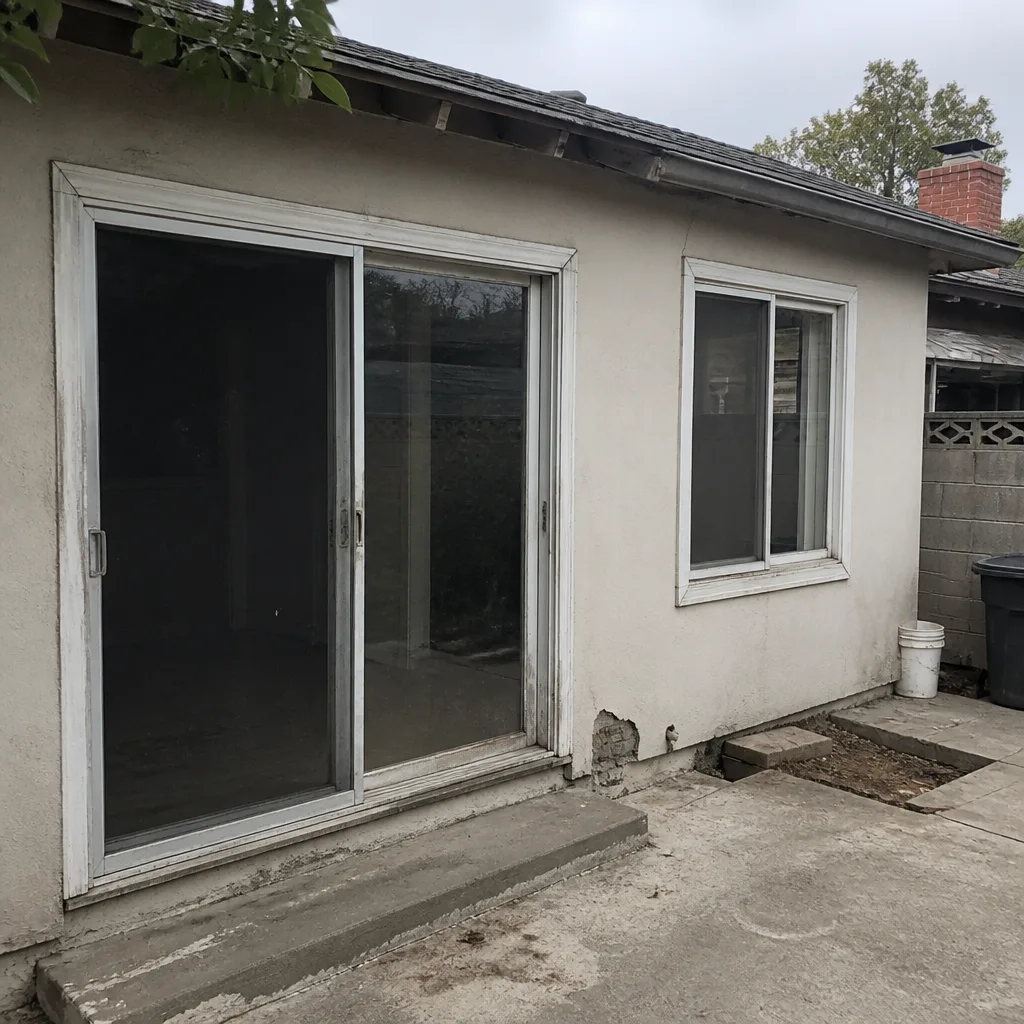 Before
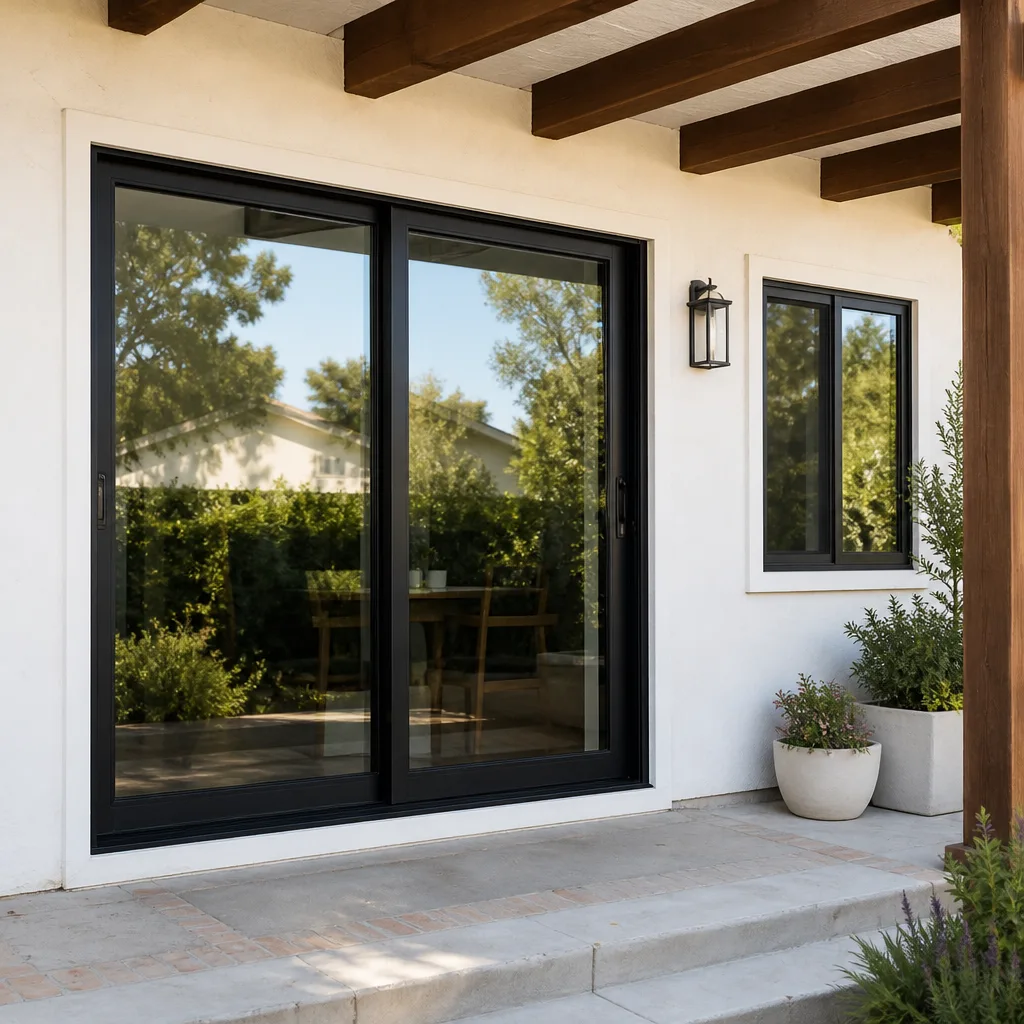 After
After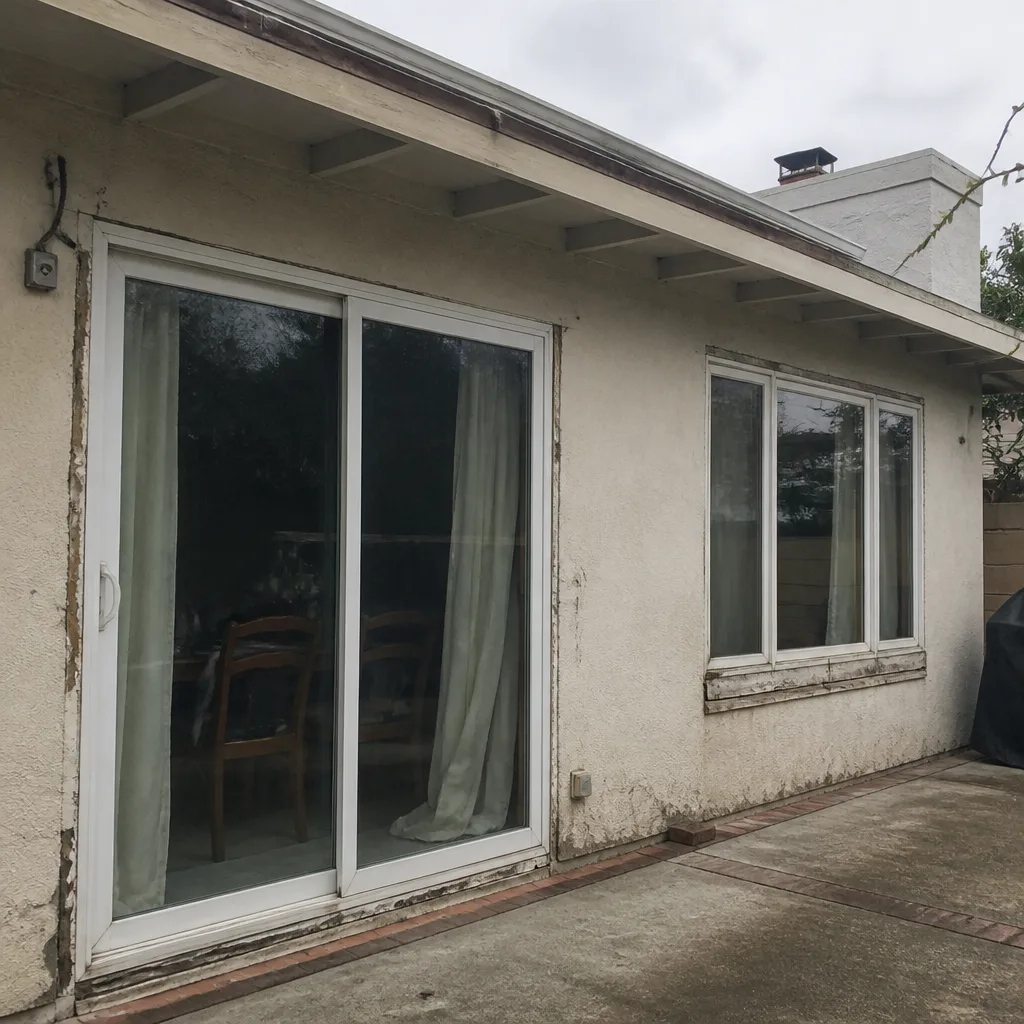 Before
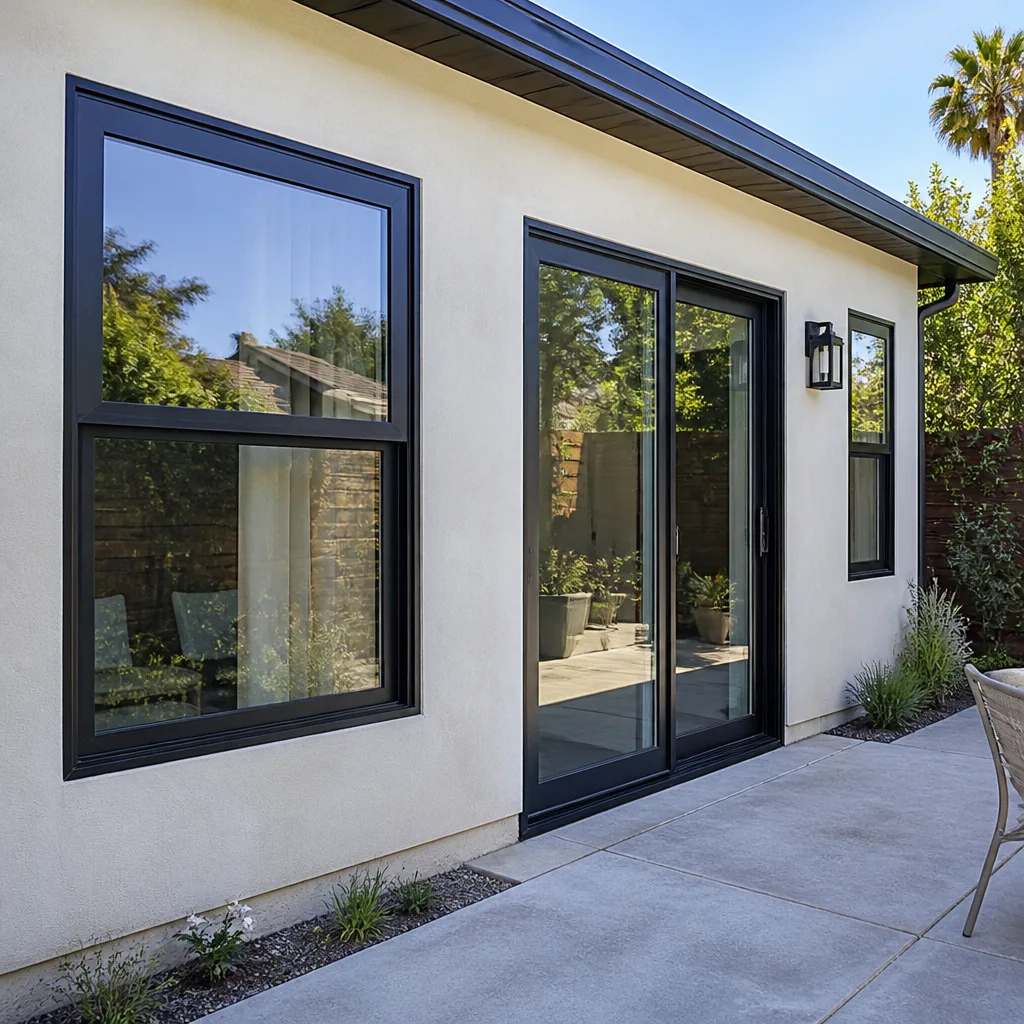 After
AfterAwning Windows in Los Angeles, CA | Juniper Windows & Doors
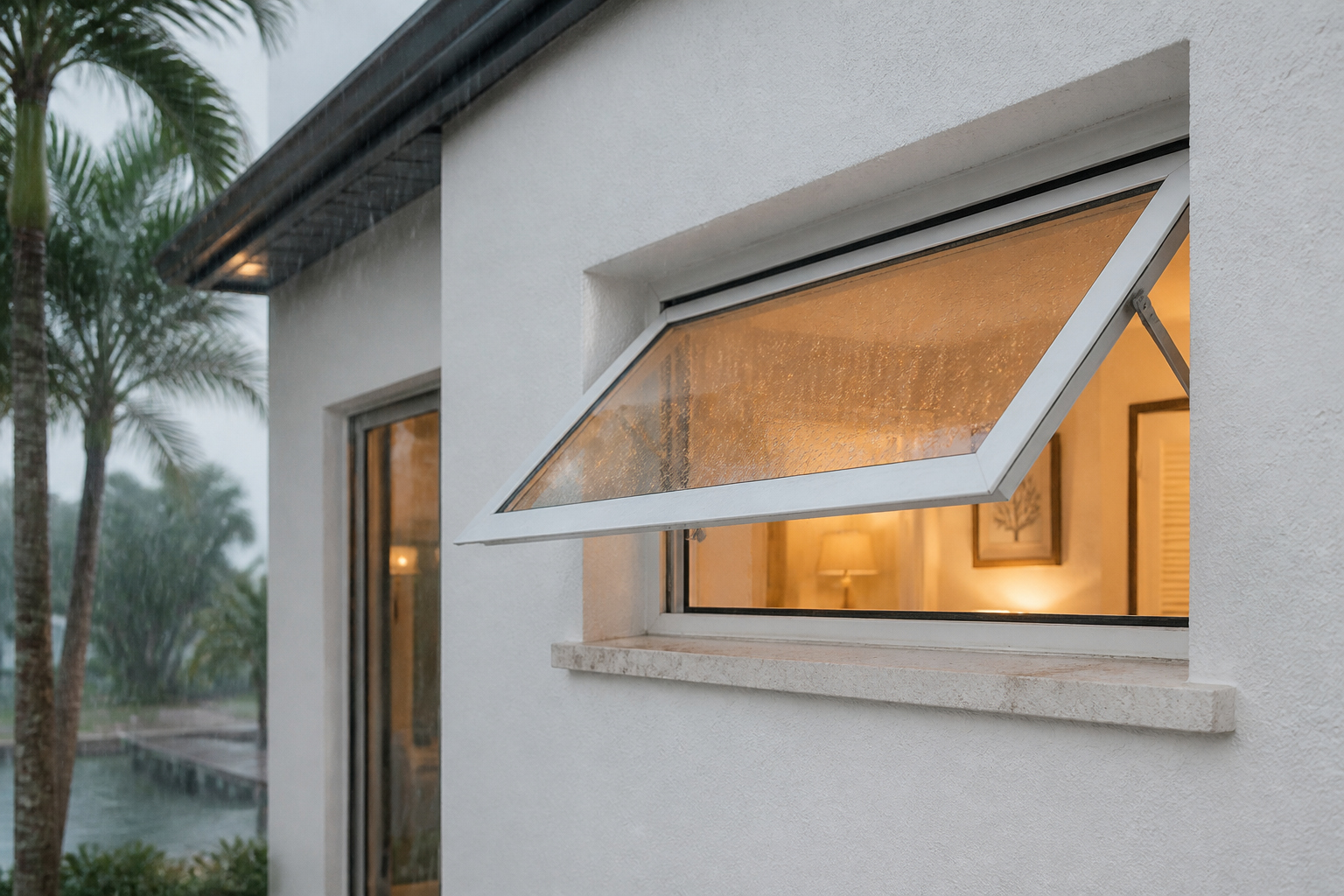
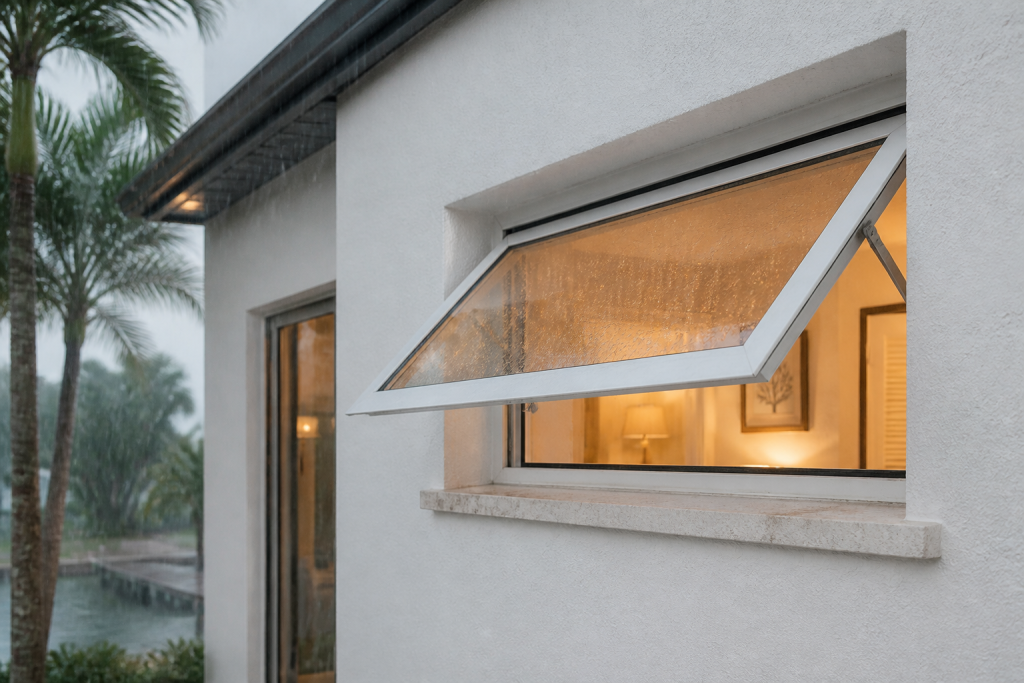
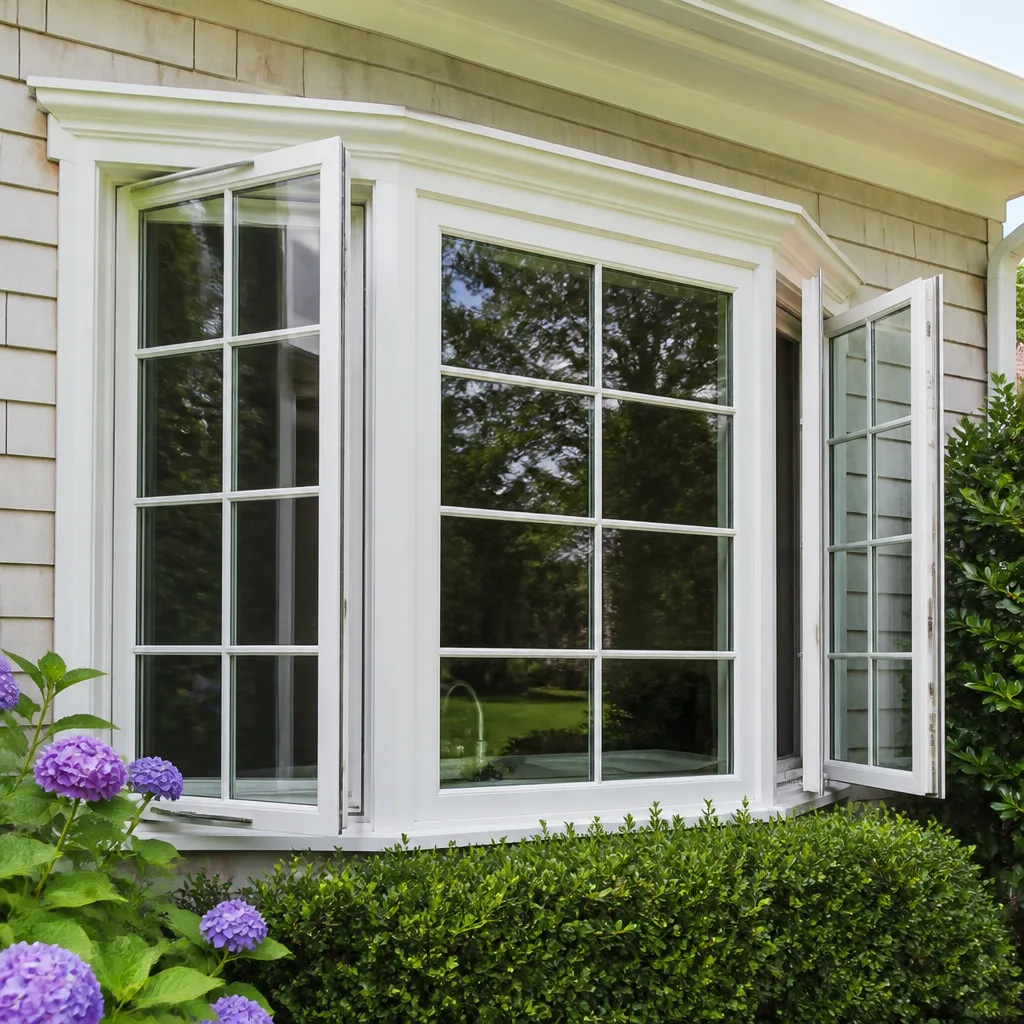
Awning windows hinge at the top and crank outward from the bottom, so they shed rain while staying cracked open for airflow. That single design feature makes them one of the smartest choices for Florida’s afternoon downpours and for Los Angeles homes where coastal moisture meets warm, still evenings. Juniper Windows & Doors installs impact-rated awning windows across neighborhoods like Brentwood, Pacific Palisades, Sherman Oaks, and Westchester, and we carry them in our PGT, CGI, CWS, ES Windows, ECO, and Mr-Glass lines. If you’re ready to price a project, call (682) 281-2168 for a free estimate.
Product Overview – Awning Windows
An awning window is top-hinged and crank-operated, pushing the sash outward from the bottom to create a sloped plane over the opening. Rain hits the glass and runs off, which means you can leave it open during a light storm and still get cross-ventilation. In hurricane-prone construction, that opening needs to hold its own against flying debris and negative wind pressure, and that’s exactly what the impact-rated version is built to do.
What separates these from standard awning windows is the laminated impact glass sitting in a weathertight frame. The glass carries a PVB interlayer that holds the pane in the frame if it gets struck. The frame itself, whether aluminum or vinyl, is engineered around that glass and around the hardware it carries. Crank mechanisms, hinges, and locking points have to resist both inward and outward load cycles, and the whole assembly is tested as a unit under Florida Building Code High-Velocity Hurricane Zone protocols. In Los Angeles, where hillside homes get real wind exposure and canyon lots channel gusts, that rated assembly matters.
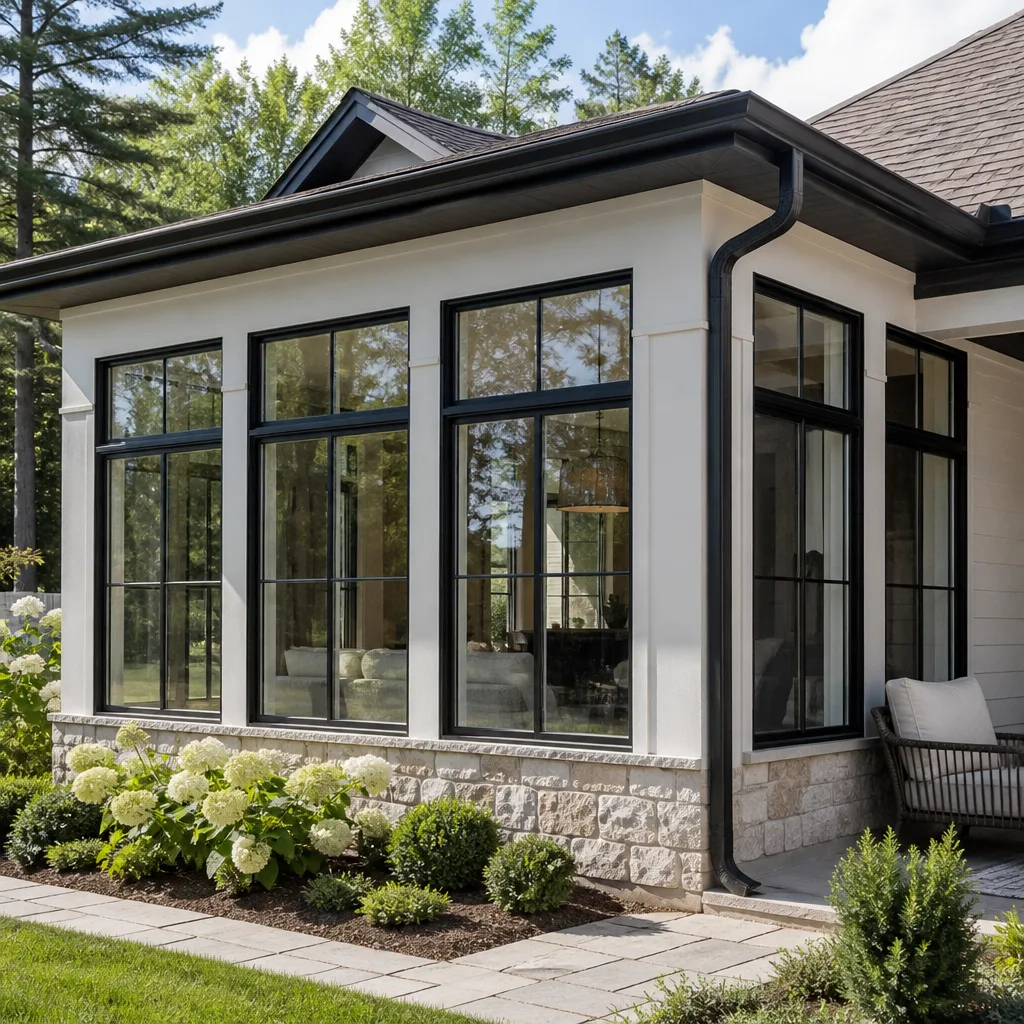
Architecturally, awning windows do their best work in places where you want light, air, and privacy at once. Think bathrooms, kitchens over counters, basement hopper replacements, hallway transoms, and second-story bedrooms. They pair well with picture windows, sitting above or below fixed glass to give a clean line and a working vent. Because they open outward, they don’t take up room inside, which makes them useful over sinks and desks. Juniper Windows & Doors installs them throughout Los Angeles with the same care we give every project: level, plumb, square, and sealed. Call (682) 281-2168 to talk through your options.
Technical Specifications
- Frame materials: Aluminum or vinyl. Aluminum suits modern and coastal elevations and holds tighter tolerances. Vinyl suits budget-conscious replacements and offers strong thermal separation.
- Glass options: Laminated impact glass with a PVB interlayer, Low-E insulated glass, tinted glass, or clear glass. Impact and energy packages can be combined on most configurations.
- Finish options: White, almond, bronze, black, and tan. Not every line offers every finish, and we’ll confirm availability on your quote.
- Screen options: Fixed screen or retractable screen. Fixed screens sit on the interior or exterior depending on configuration; retractable screens disappear when not in use.
- Operation: Crank-out, top-hinged, with multi-point locking on the sash. Hardware is corrosion-tested for coastal use.
- Design pressure: Matched to your wind zone, up to +/-100, never higher than what your specific elevation and product configuration call for.
Hurricane & Compliance Performance
Laminated Impact Glass – The pane is built as a sandwich: glass on both sides, a PVB (polyvinyl butyral) interlayer in the middle. When debris hits, the glass may crack, but the interlayer holds the broken pieces in the frame. In Los Angeles, that’s the difference between a broken window and a breached building envelope during a storm.
Miami-Dade NOA / Florida Product Approval – The awning window configurations we quote carry Miami-Dade Notice of Acceptance and Florida Product Approval numbers. These are issued per configuration, meaning the exact frame, glass, hardware, and size you order has its own documentation. We verify the numbers on your specific quote before you buy.
FBC / HVHZ Compliance – These products are engineered to Florida Building Code High-Velocity Hurricane Zone requirements. HVHZ is the strictest windborne-debris standard in the building code, written for counties with direct coastal exposure. The design intent transfers to any high-wind application.
TAS 201 / 202 / 203 Testing Context – The HVHZ protocol family includes TAS 201 for large-missile impact, TAS 202 for cyclic wind-pressure loading, and TAS 203 for forced-entry resistance. Products rated under HVHZ are tested and labeled against these methods. We don’t guess at compliance; we match the approved configuration to your building department’s submittal.
Design Pressure for Your Wind Zone – Design pressure is the PSF (pounds per square foot) rating the window assembly is certified to carry, both positive and negative. We match the DP to your wind zone, up to +/-100, and we will never sell you a rating higher than the product configuration actually carries. Your Los Angeles project gets the DP it needs, documented on the quote.
Energy Performance – Low-E and insulated glass options are available for this product line. Low-E coatings cut solar heat gain, which matters in Los Angeles summers when afternoon sun sits on west-facing glass. Insulated units add thermal resistance and reduce condensation on interior glass during cooler, damp mornings along the coast.
Color & Glass Options
We order these windows in white, almond, bronze, black, and tan. The right choice depends on your architecture and your neighborhood’s palette. White and almond stay classic on Spanish and traditional stucco homes in Los Angeles. Bronze and black read sharp on mid-century and contemporary elevations, and they hold up visually against salt air. Tan bridges the gap on Tuscan and Mediterranean facades where warm tones dominate. We’ll walk you through finish matching on your existing trim and iron work.
On glass, start with what the opening needs to do. Clear impact glass keeps views and light as close to standard as possible while still meeting HVHZ impact requirements. Tinted glass cuts glare and solar heat gain, a real benefit on Los Angeles elevations that catch full afternoon sun. Low-E insulated glass is the most balanced choice, combining impact protection with an energy-performance package that handles both heat and condensation. We’ll help you cross-reference each glass type against the Florida Product Approval for your exact configuration, since not every glass package is approved for every size and frame in every line. Call (682) 281-2168 and we’ll price the combos that work.
Installation by Juniper Windows & Doors in Los Angeles
How an impact window is set matters more than the sticker on the glass. If the frame isn’t level, plumb, and square, the sash binds and the locking points don’t engage. If the rough opening isn’t flashed and sealed right, water gets behind the frame and rots the wall. If the perimeter seal doesn’t tie the rough opening to the frame correctly, the assembly can’t transfer wind load the way the engineering assumes. None of that is acceptable to us.
Our installation process starts with a pre-install inspection. We check the rough opening, the existing framing, and the condition of the surrounding wall before anything gets ordered or removed. On install day, we set the frame level, plumb, and square, shimming as needed, then bed the perimeter with AAMA 812 low-expansion foam sealant. Exterior flashing and sealant are applied in a shingle-lapped sequence so water drains down and out, never in. We follow AAMA 2400/2410 installation practice on standard installations, and we pay attention to the product approval documents when the job has HVHZ jurisdiction.
Los Angeles throws its own curveballs. Coastal zones deal with salt and moisture. Hill properties get wind acceleration through canyons and over ridge tops. Permitting offices from the City of Los Angeles Department of Building and Safety to the more particular coastal jurisdictions want approved products with clean submittals, and we handle that documentation as part of the job. After the frame is set and the sash is hung, we run a final water test on the installation and walk the openings with you before we clean up and leave the site neat. Call (682) 281-2168 to schedule a measurement.
Frequently Asked Questions – Awning Windows
What wind zone and design pressure are the Awning Windows rated for? The design pressure is matched to your wind zone, up to +/-100 PSF, and never higher than what your specific frame, glass, and size configuration is actually approved for. We document the DP on your quote and on your permit submittal. Call (682) 281-2168 and we’ll confirm the rating for your exact opening.
What is the lead time on awning windows? Lead time depends on the line, frame material, glass package, and finish you select, and it’s quoted at the time of order. Most Los Angeles projects land in the 4 to 10 week range from deposit to delivery. We’ll give you a written date range on your quote so you’re never guessing.
Does my permit require a Miami-Dade NOA or Florida Product Approval submittal? In most Los Angeles jurisdictions, yes, when the project involves impact-rated openings. We’ll pull the approval documents for your exact configuration and include them in the permit package. The numbers are issued per configuration, so we verify them before you order, not after.
Can I customize the size or configuration? Yes, within the approved size ranges and hardware limits of the line you choose. Awning windows work well in singles, pairs, and transom-style arrangements above fixed glass. We’ll show you what’s approvable in the catalog and what’s not before we quote it.
How do I maintain the frame and glass? Wash the glass and frame with mild soap and water, rinse the track and weep holes, and lubricate the crank mechanism and hinges with a dry silicone spray once a year. In Los Angeles’ coastal zones, rinse frames every few months to clear salt buildup. If a screen tears, call us and we’ll order a replacement panel.
Get a Quote – Awning Windows in Los Angeles
If you’re planning new construction or replacing existing windows in Los Angeles, start with a free on-site measurement. We’ll confirm your wind zone, check the openings, and price the exact configuration you need, with approval documents to match. Call Juniper Windows & Doors at (682) 281-2168 today.
Written by the team at Juniper Windows & Doors, serving Los Angeles, CA with hurricane-impact windows and doors.
Detailed Images