
Last updated October 9, 2026
Free in-home measure and quote - PGT, CGI and CWS impact lines compared on your actual openings, style by style
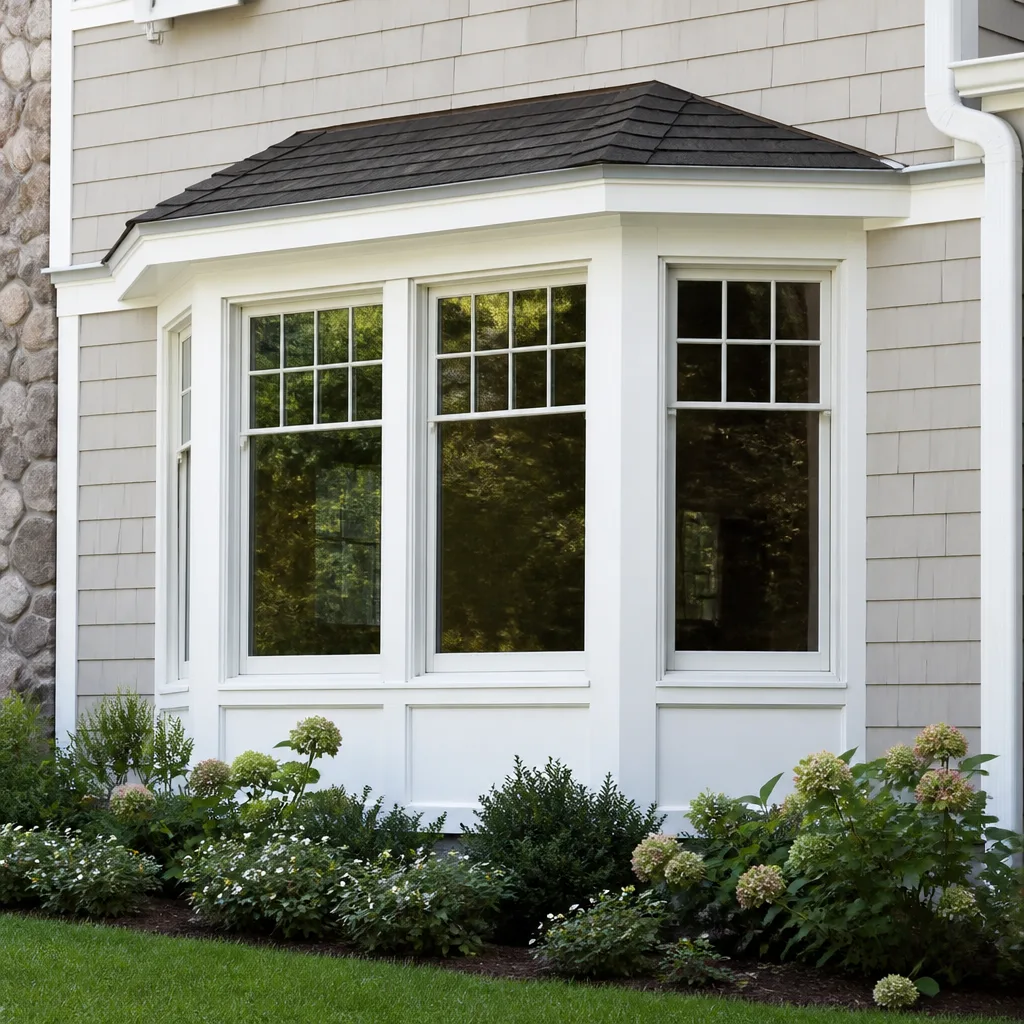
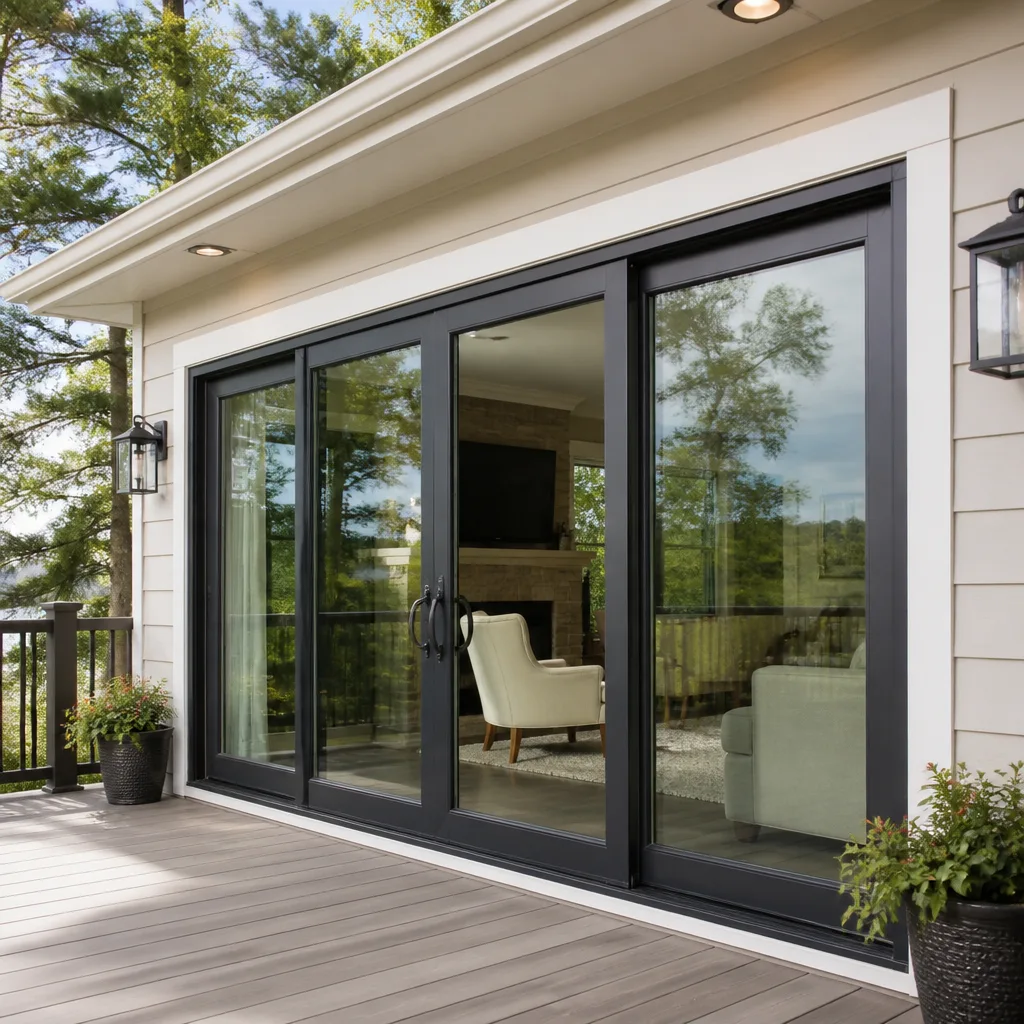
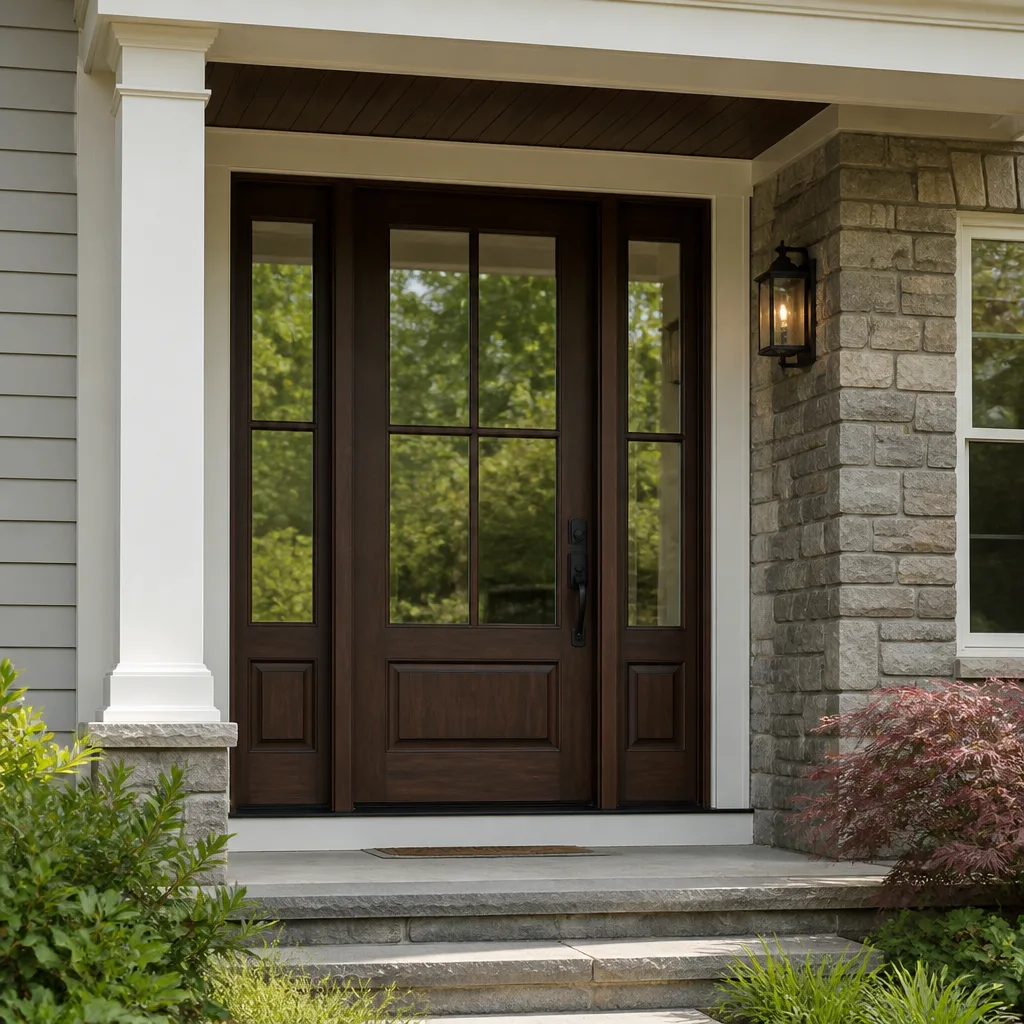
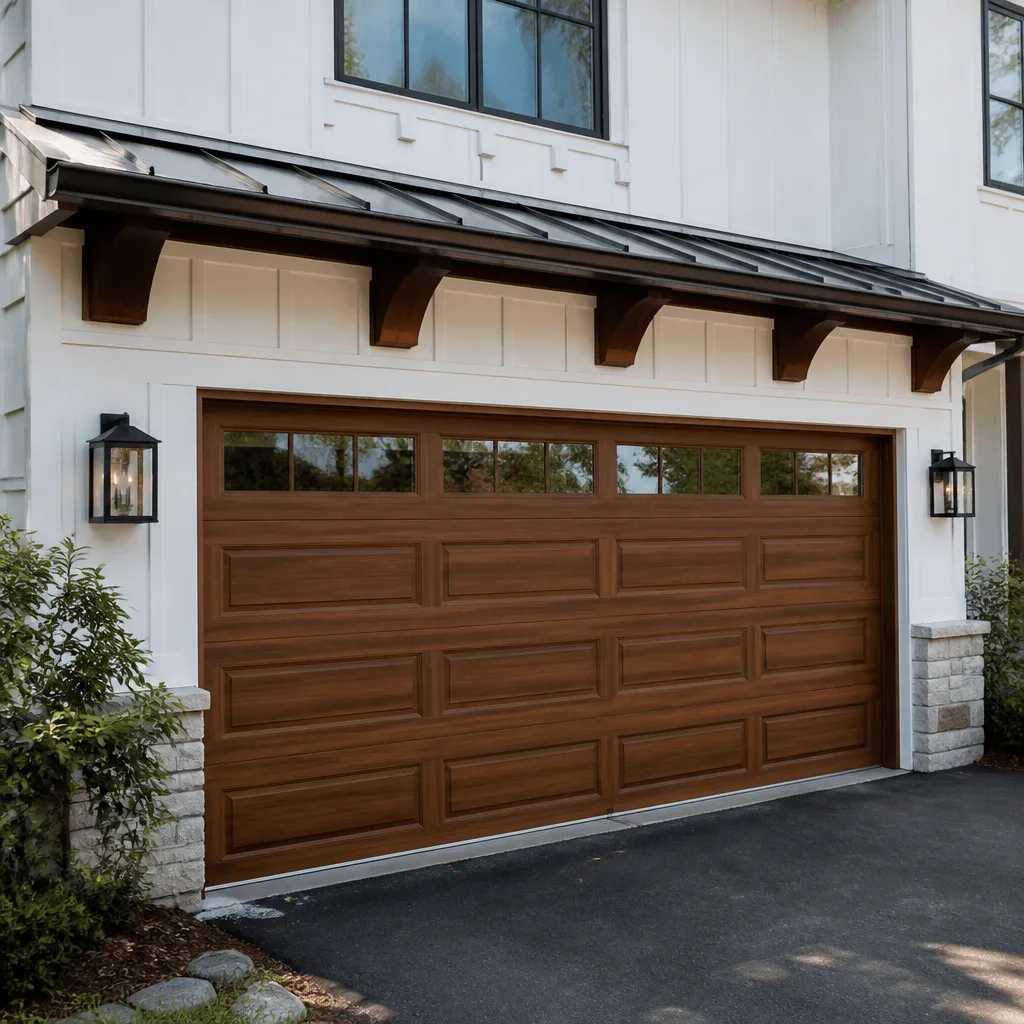
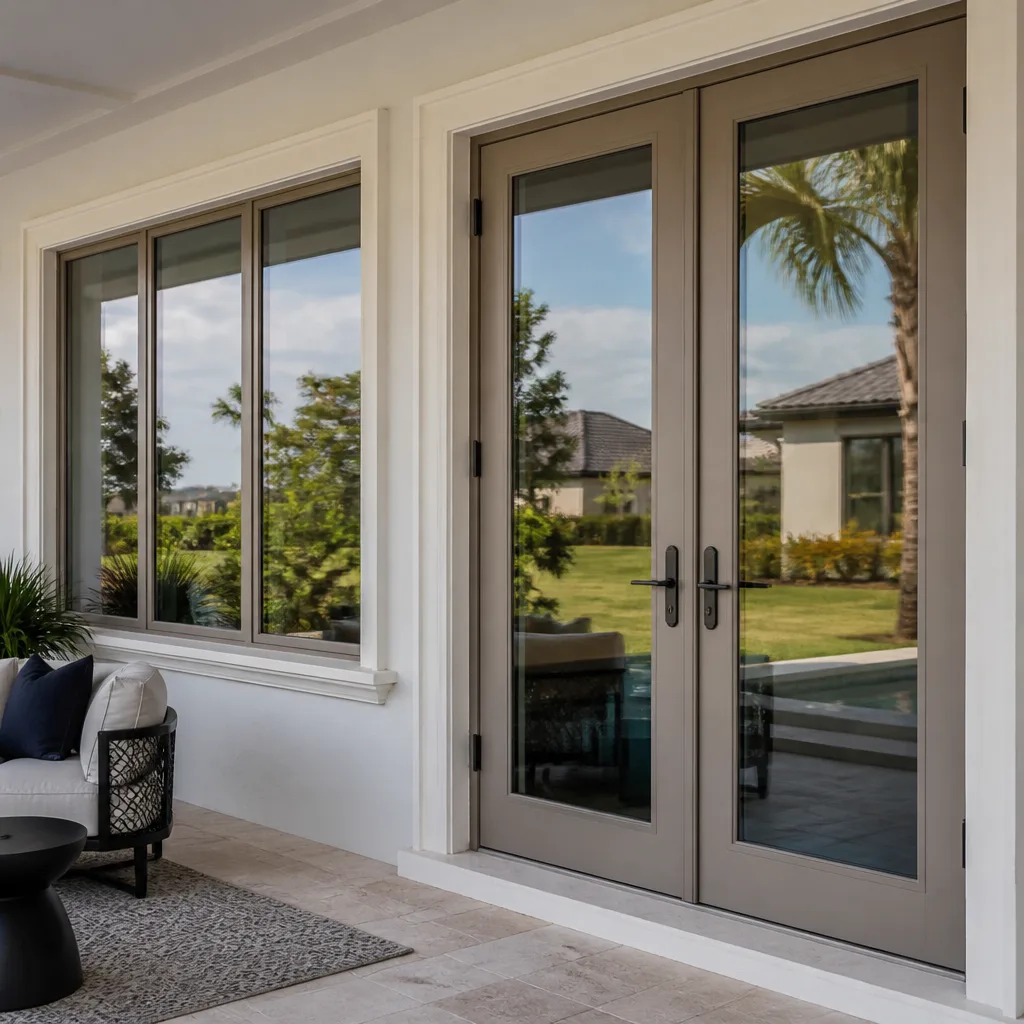
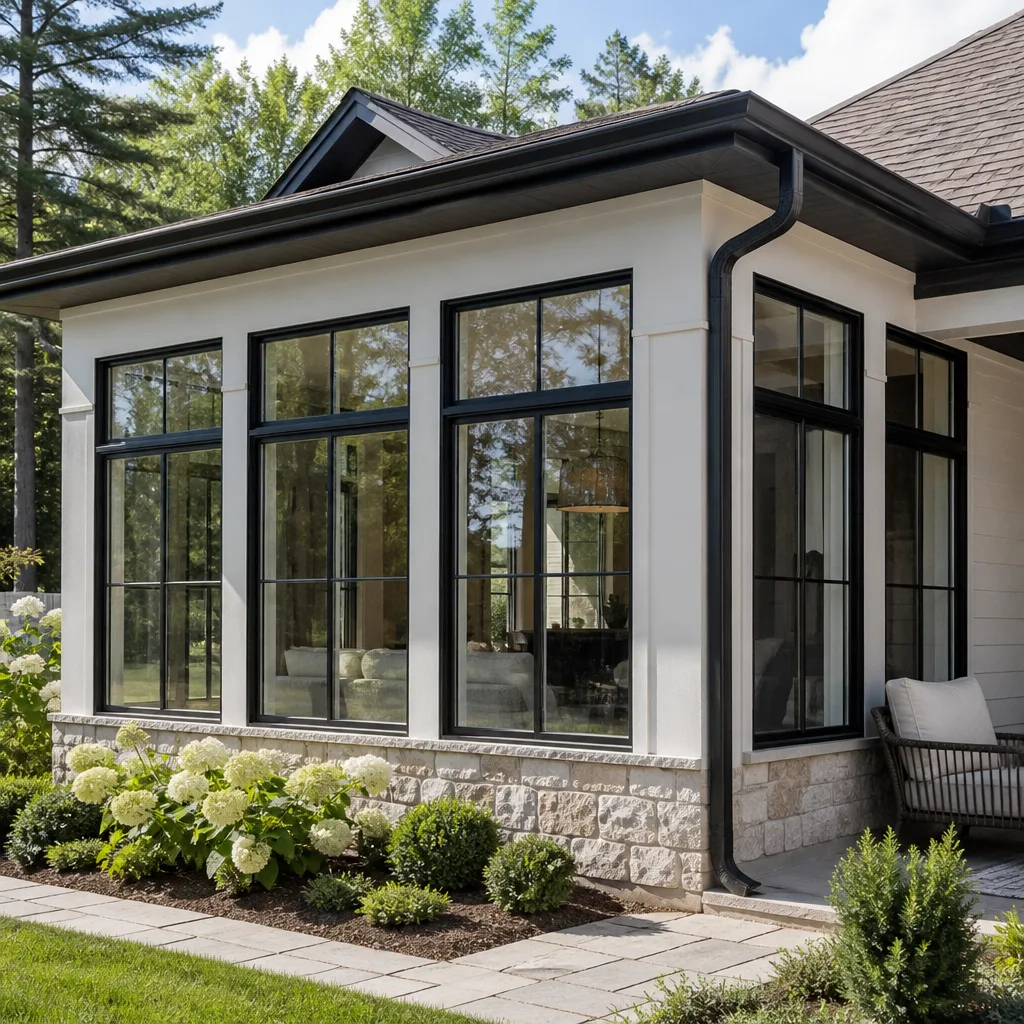
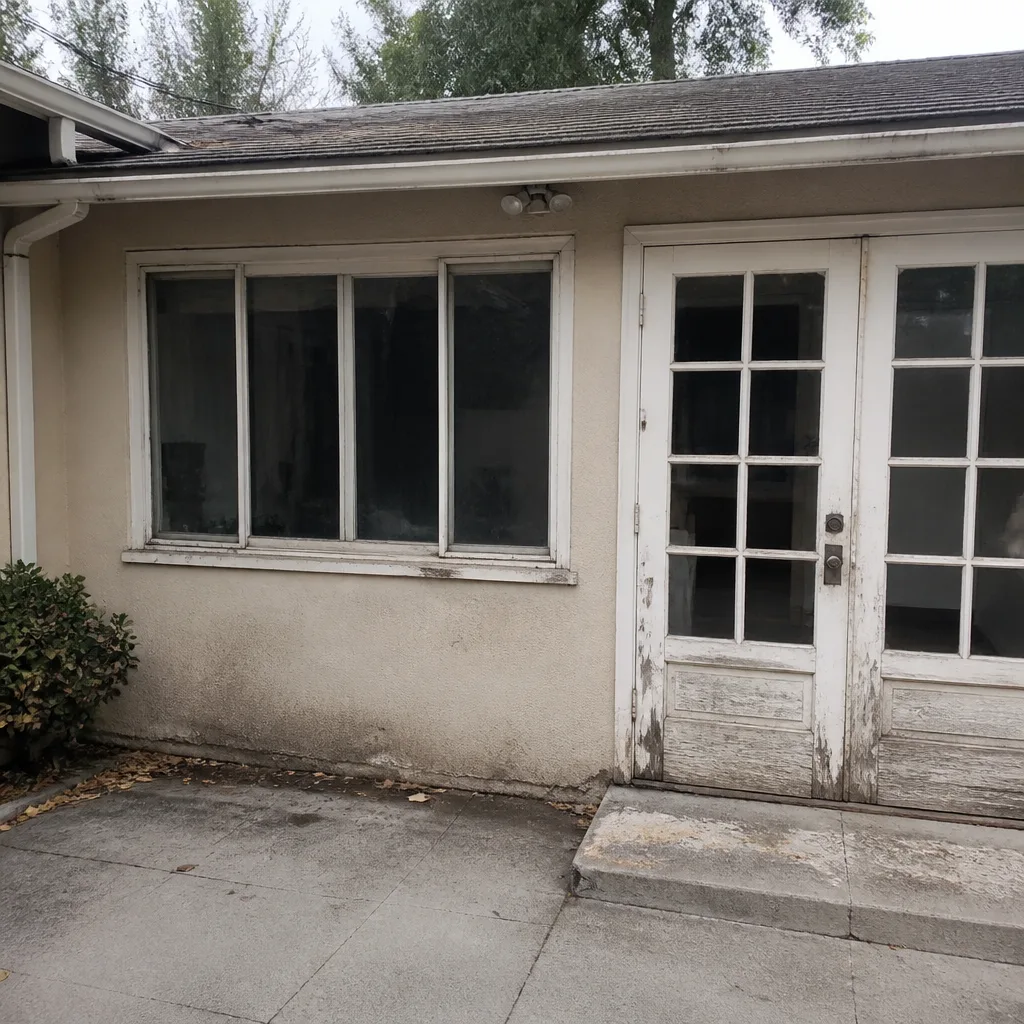 Before
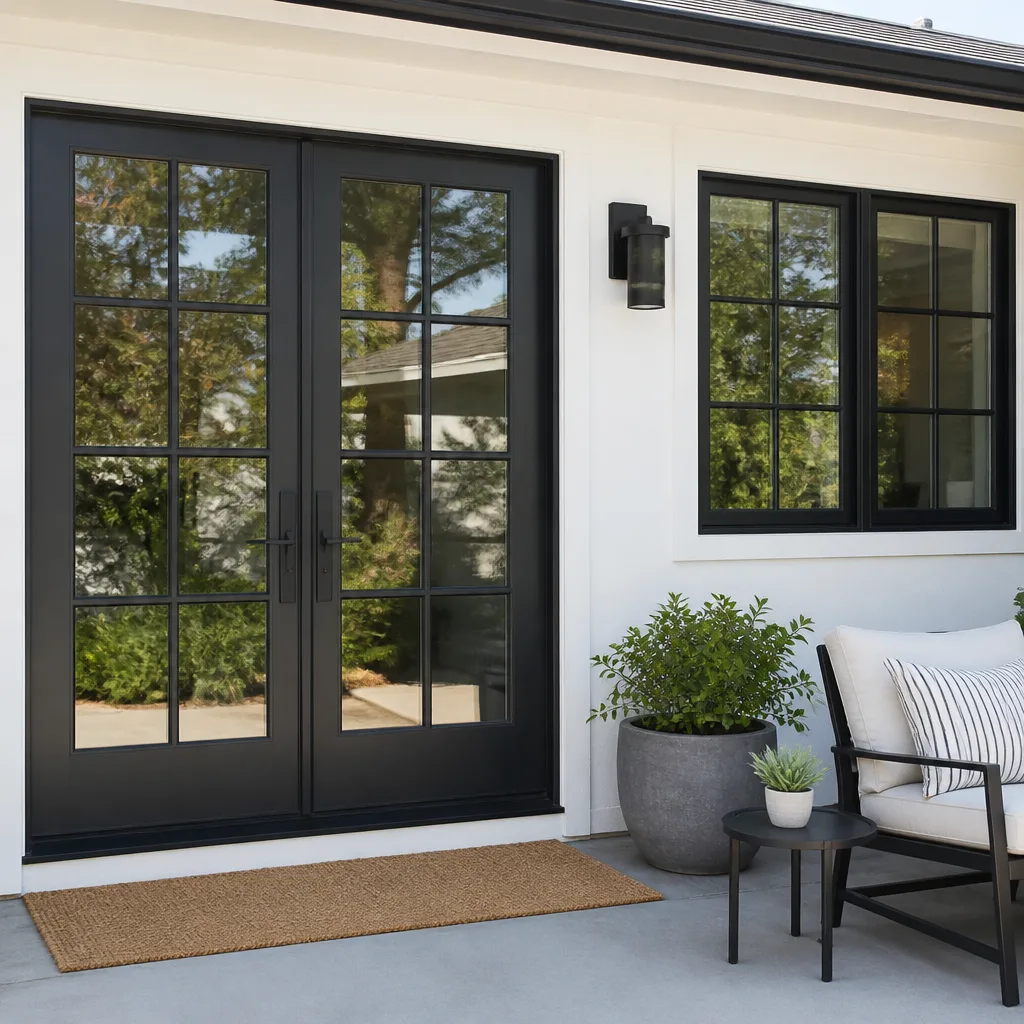 After
After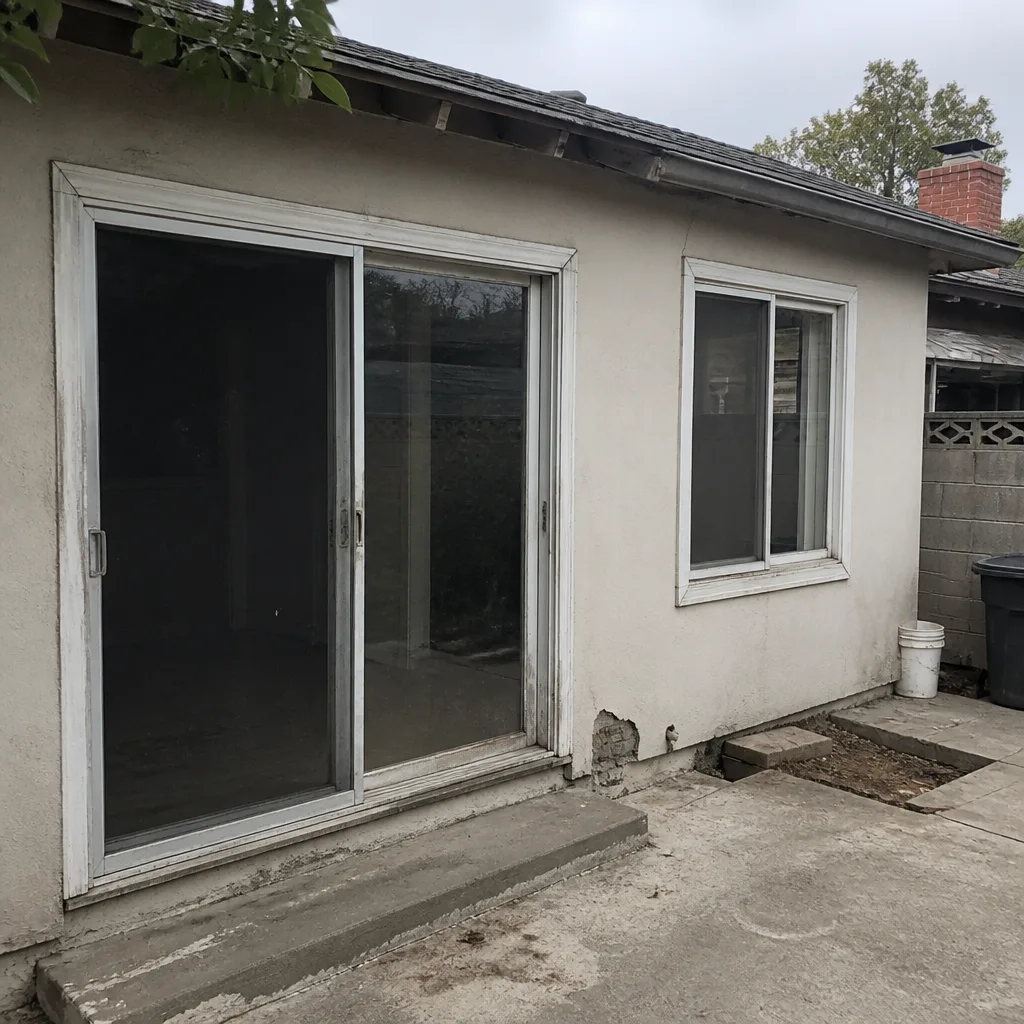 Before
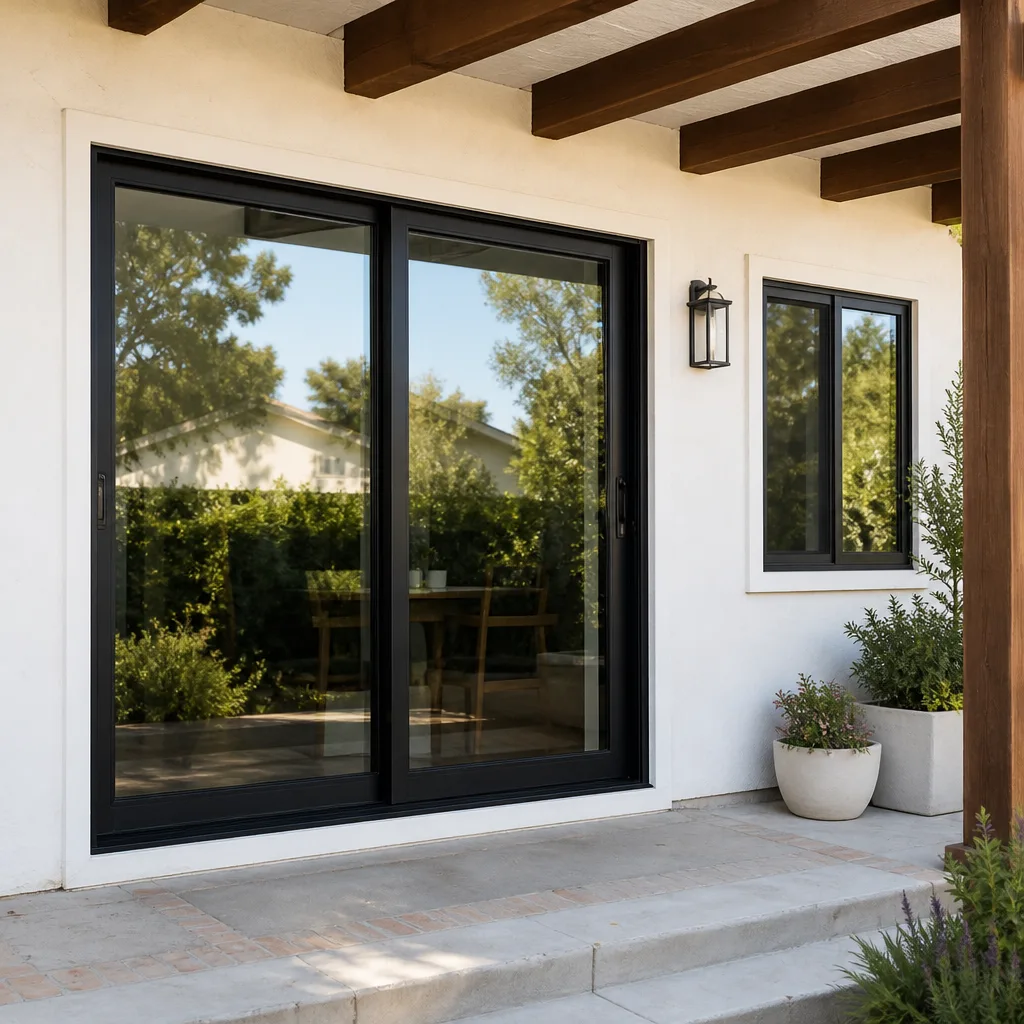 After
After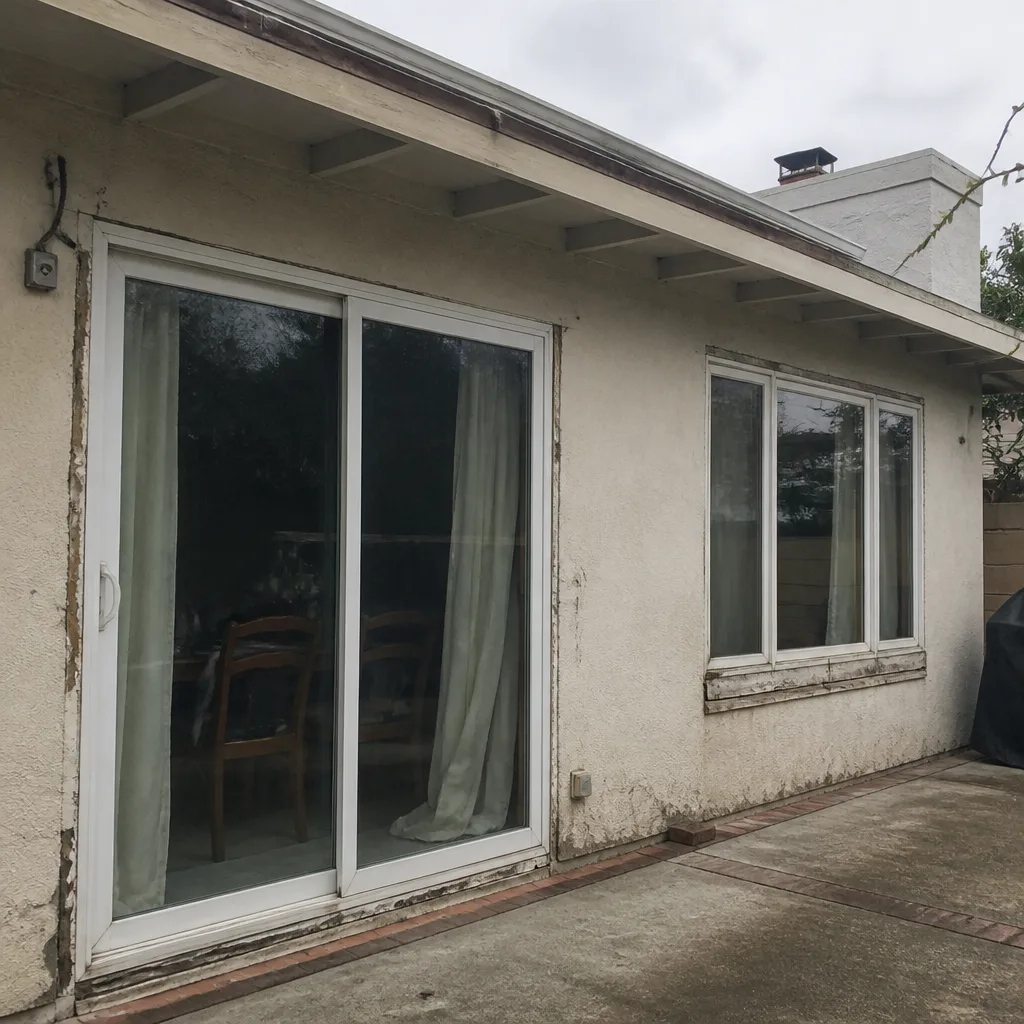 Before
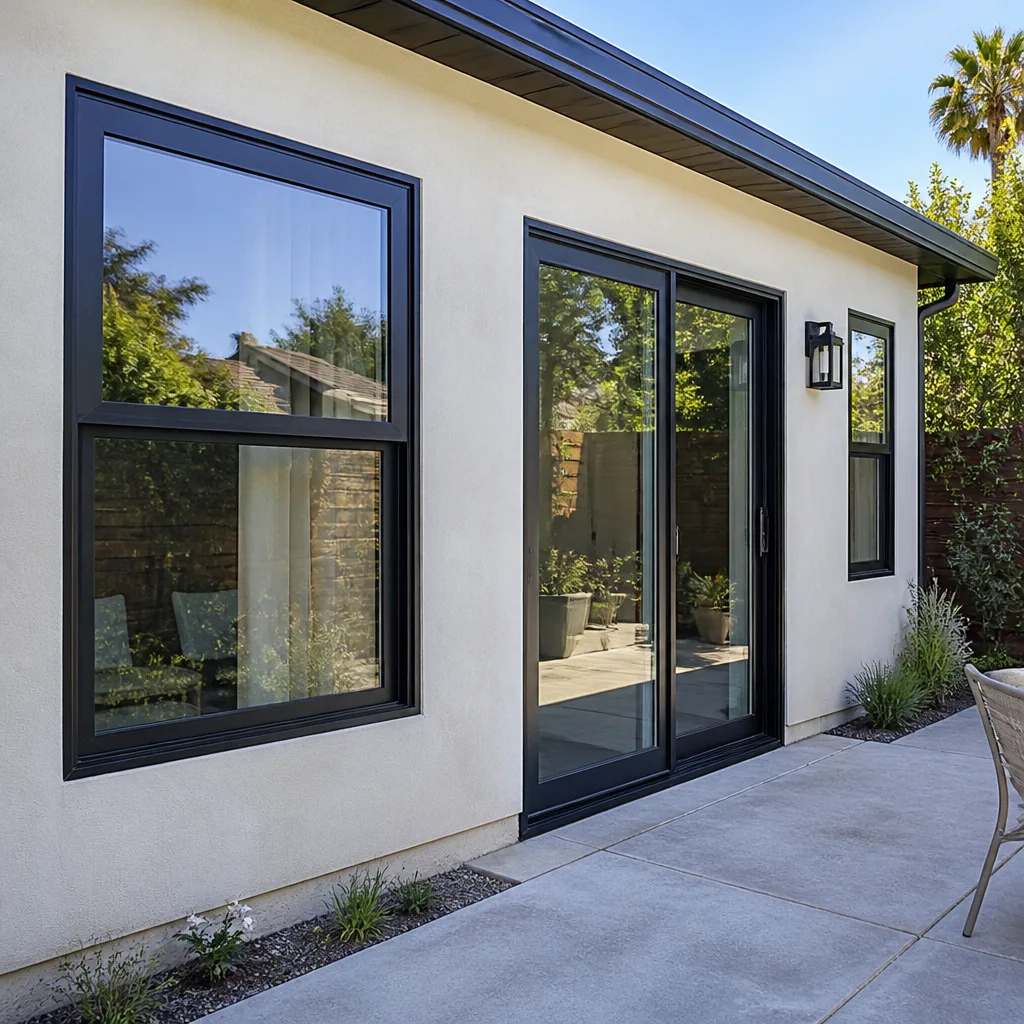 After
AfterWindows & Doors Emergency Preparedness Guide for Los Angeles Homes
During the 2025 Eaton and Palisades fires, we saw something that most wildfire prep checklists never address: homes with ember-resistant vents and defensible space still failed at the glazing. Standard single-pane windows cracked under radiant heat before flames ever touched the frames, and once that glass went, the fire had a straight path inside. This guide explains why Los Angeles homes face three distinct threats to windows and doors, how each one attacks differently, and what you can do now, before the next Santa Ana wind event or seismic shake. For Windows & Doors Warning Signs: A Los Angeles Homeowner’s Reference Guide, see our deeper breakdown.
Quick Answer
Windows and doors in Los Angeles need three separate layers of emergency preparation: glazing that resists wildfire radiant heat and embers, door frames that stay operable after earthquake racking, and a fast board-up plan for Santa Ana wind damage using 5/8-inch CDX plywood with 3-inch screws at 12-inch spacing. Impact-rated glass, square door frames, and pre-cut plywood panels stored on site cover all three threats.
Table of Contents
- Wildfire Glazing: What Actually Fails and Why
- Earthquake Door Clearance: Why Doors Jam After Seismic Events
- Santa Ana Board-Up: The Right Plywood Spec and Fastener Pattern
- Evacuation Security: Locking Up Without Locking Out Responders
- Insurance Documentation: Recording Window and Door Specs Before You Need Them
- Cal Fire WUI Code: What LA County Rebuild Zones Now Require
- Priority Checklist: What to Do This Weekend
Wildfire Glazing: What Actually Fails and Why
Wildfire heat attacks glass in two ways: radiant heat from a distance and direct ember contact. Radiant heat can crack a standard annealed glass pane from 30 to 50 feet away, depending on flame height and wind. Embers landing directly on a sill or mullion then find that crack and push hot gases through. We’ve replaced enough fire-damaged windows in Los Angeles to know the failure sequence: glass cracks first, frame flexes second, and the fire enters through the gap.
Here’s the material breakdown that matters for LA homes:
- Annealed glass (standard single-pane): Fails fastest under radiant heat. Cracks propagate immediately. This is the glass in most pre-1980 Los Angeles homes.
- Tempered glass: Resists thermal stress better but shatters completely when it does fail, leaving a wide-open frame.
- Laminated glass: Two panes bonded with a plastic interlayer. The interlayer holds the glass in place even when cracked, which blocks embers and reduces radiant heat transfer.
- Impact-rated glass: Laminated glass built to resist wind-borne debris without shattering. This is the top tier for wildfire zones because it stays intact under both radiant heat and flying embers.
For Los Angeles homes in the Very High Fire Hazard Severity Zone, which now includes large portions of the San Fernando Valley and the foothills above Pasadena and Altadena, laminated or impact-rated glass is not a luxury. It’s the glazing that keeps a cracked pane from becoming an open window. If you’re replacing windows anywhere in LA County, ask about the U-factor and the glazing type together. A low U-factor means better insulation, but without a laminated interlayer, that insulated glass still fails structurally under wildfire conditions.
Brands like CWS and ES Windows both offer laminated configurations with solid thermal performance. For help evaluating options, see our guide on Choosing the Right Windows & Doors Brand: A Buyer’s Guide for Los Angeles. The point is to specify the laminate layer, not just the glass package.
How to Check What Glass You Currently Have
- Look for a permanent etching in the corner of each pane. It will say “tempered,” “laminated,” or nothing at all.
- If there’s no etching, shine a flashlight at the glass at an angle. Laminated glass shows a slight double reflection.
- Check the window tag or paperwork from the original installation. The glazing type is listed there.
- If you find annealed glass in a fire-prone zone, mark that window for replacement first.
Earthquake Door Clearance: Why Doors Jam After Seismic Events
Earthquakes don’t break doors. They rack the frames around them. When the ground shifts laterally, a door frame that was square at 90 degrees becomes a parallelogram. The door slab, still rectangular, no longer fits the opening. That’s why after the 1994 Northridge quake, first responders found people trapped inside structurally sound homes. The walls were fine, the doors were wedged shut.
Testing your door frames for square takes 60 seconds per door. You’ll need a tape measure and a door that opens and closes freely now.
How to Test Door Frame Square
- Stand inside the room facing the closed door.
- Measure the diagonal distance from the top-left corner of the door slab to the bottom-right corner.
- Measure the other diagonal, top-right to bottom-left.
- If the two measurements differ by more than 1/4 inch, the frame is already out of square.
- Open and close the door slowly. Listen for scraping at the top or latch side.
- Repeat for every exterior door and bedroom door in the house.
If a door is already binding, a moderate earthquake will likely seize it completely. The fix is a frame adjustment or door replacement, ideally before seismic event day. In older Los Angeles homes built before current shear wall requirements, we regularly see bedroom doors with less than 1/8 inch of clearance at the top. That’s not enough.
If you’re trapped in a room after an earthquake and the door won’t open, remove the hinge pins if they’re on your side. If they’re not, use a flat tool to unscrew the hinges from the frame. A multi-tool or flathead screwdriver stored in each bedroom is a low-cost insurance policy. And don’t force the door. Kicking a racked door wedges it tighter and can split the jamb.
What Makes a Door Frame Earthquake-Resistant
- Solid wood or steel frames hold their shape better than hollow composite frames.
- Frames anchored to the rough opening with structural screws at six points minimum resist racking.
- Doors with adjustable thresholds allow clearance changes after ground movement.
- Reinforced strike plates distribute impact force and keep the latch functioning after frame flex.
When we install doors in Los Angeles, we set clearance with seismic racking in mind. An extra 1/8 inch of clearance is invisible to the eye but makes a real difference when the ground moves. Thermal performance and door replacement don’t have to be separate conversations. The right exterior door handles wind, heat, and seismic stress without compromise.
Santa Ana Board-Up: The Right Plywood Spec and Fastener Pattern
Santa Ana wind events are the most predictable emergency in Los Angeles. They arrive every fall, they gust to 60 mph or higher in the passes, and they turn unsecured objects into projectiles. A tree branch through a window is common. A window that loses its seal and blows out under pressure differential is less common but happens, especially on second-story windows facing canyon corridors.
When a window breaks during a Santa Ana event, replacement glass is often days out. Glaziers get swamped, and in a major wind event, the wait stretches longer. Your board-up plan needs to work with materials you can store now.
Plywood Board-Up Specification
- Plywood grade: 5/8-inch CDX exterior plywood. Don’t use OSB, it delaminates when wet. Don’t use interior plywood, it swells and sags.
- Sheet size: Measure each window opening and pre-cut panels to overlap the frame by 3 inches on all sides. Label each panel with the window it fits.
- Fasteners: 3-inch #10 exterior screws, hex head preferred for speed. Torx or Phillips work but strip faster under pressure.
- Anchor points: Drill pilot holes in the plywood at 12-inch spacing around the perimeter, 1 inch from the edge. Mark corresponding pilot hole locations on your wall sheathing or stucco.
- Washers: Use 1-inch fender washers under each screw head. This prevents the plywood from tearing away from the screw under wind load.
- Clear broken glass from the opening. Wear leather gloves and eyewear.
- If the window is still partially intact, put painter’s tape in an X pattern across the remaining glass before touching it.
- Set the pre-cut panel over the opening. Have a second person hold it if possible.
- Drive screws at the two top corners first. This hangs the panel while you work the rest of the pattern.
- Work clockwise or counterclockwise, placing a screw every 12 inches. Don’t skip corners.
- Check the panel from inside. If it flexes when you push on it, add screws at 8-inch spacing.
- Keyed-alike exterior deadbolts: Every exterior door keyed to the same key. You carry one key, and you can secure the house from outside in seconds.
- Access pad or lock box: A small lock box attached to a side gate or service door with a spare key inside. Many LA homeowners now give the code to their local fire station’s community liaison.
- Exterior-grade passage hardware: A door that locks from outside but has a thumb-turn on the inside. Good for evacuation because responders can open it from inside without breaking anything.
- Reinforced strike plates: Security hardware matters during evacuation, not just against intruders. A door that’s been kicked or forced during a prior incident won’t lock properly again.
- Photograph every window and door from inside and outside, including close-ups of hardware and glass etchings.
- Write down the manufacturer name and model number for each unit. For example, a CWS or ECO Window Systems product has a model designation printed on a label or sticker.
- Record the glazing type, U-factor, and any impact rating. These are on the National Fenestration Rating Council sticker if the window still has one.
- Note the frame material: vinyl, aluminum, wood, or fiberglass.
- Note the door material and hardware brand: Therma-Tru doors, for instance, have a model number stamped on an interior label.
- Save purchase receipts, installation contracts, and any warranty documentation.
- Store scanned copies in cloud storage and email them to yourself with a searchable subject line like “house window specs 2026.”
- Exterior glazing: Multi-pane assemblies with at least one tempered pane or laminated glazing are now required. Single-pane annealed glass does not meet current code in WUI zones.
- Frame materials: Combustible wood frames require exterior cladding or specific treatments. Metal and fiberglass frames meet code more directly.
- Exterior doors: Solid core wood, metal, or fiberglass with weatherstripping and no glass panels in the lower half unless the glass is tempered or laminated.
- Skylights and roof glazing: Must be tempered or laminated. Roof embers land here first.
- Garage doors: Must have weatherstripping and a solid construction that resists ember intrusion.
- Check your door clearing with a tape measure. If any door differs by more than 1/4 inch on the diagonals, schedule a frame adjustment.
- Identify your glazing type. Find the etching, check for the laminate reflection, or call a pro for inspection. Replace annealed glass in fire zones.
- Document every window and door. Photos, model numbers, glazing specs. Store them in the cloud.
- Purchase and pre-cut two plywood panels. One for the largest window, one for a broken door if the door can’t be secured.
- Check your exterior door hardware. Keyed-alike deadbolts, working strike plates, and a physical key accessible outside.
- Put a multi-tool and flathead screwdriver in each bedroom. If a door jams in a quake, you can pop the hinge pins.
Board-Up Steps, in Order
One note on Los Angeles stucco: most homes here have stucco exteriors, and stucco doesn’t hold screws like wood sheathing. If your anchor points hit stucco only, you’ll need to either hit the framing beneath with longer screws or pre-install permanent anchor inserts around each window opening. We’ve seen boarded windows peel off stucco walls in sustained 50 mph wind because the screws were only biting into the stucco layer. That’s the failure point most DIY guides miss.
If you’d rather not pre-cut lumber for every window, companies that do window installation in Los Angeles can also supply and pre-fit emergency panels. At a minimum, store one panel for the largest window in the house and hardware to attach it.
Evacuation Security: Locking Up Without Locking Out Responders
Mandatory evacuation orders in Los Angeles create a strange problem: you’re leaving your home unguarded in an active emergency, but you also need fire, police, and utility crews to be able to enter. Standard deadbolts solve the first problem but fail the second. A fire crew that has to break your door to check for trapped occupants will do it, and you’ll need a door replacement when you get home. For details on compliance, read Windows & Doors Permits, Codes & Inspections in CA: What You Need to Know.
The solution is door hardware that works from both sides with the right access strategy:
What you don’t want during an evacuation is a smart lock that depends on phone battery or internet service. Santa Ana events knock out power and cell coverage in canyon neighborhoods. A deadbolt with a physical key still works when everything else is down.
The right exterior door for a Los Angeles home balances security, fire resistance, and evacuation access. Solid core doors with multi-point locking systems give you more than a single deadbolt. They secure the door at three points and hold the frame tighter under wind pressure. If you’re planning a door replacement, consider a configuration that works from outside with a key and from inside with a single lever turn.
Insurance Documentation: Recording Window and Door Specs Before You Need Them
After a fire, earthquake, or wind event, insurance claims for windows and doors stall for one reason more than any other: missing product data. The adjuster asks for the window brand, glazing type, U-factor, and original cost. The homeowner doesn’t have that information. The claim sits.
We’ve helped Los Angeles homeowners reconstruct window specs after claims, and it’s slow work. A packet assembled now saves weeks after the event. Here’s what to document:
What to Photograph and Record
For older homes in Los Angeles where the original window tags are long gone, a professional window inspection can identify glazing types and specs by measuring glass thickness and checking for laminates. That documented record is what lets claims move forward without weeks of back-and-forth.
This documentation also helps replacement work. If six windows are destroyed and three survive, knowing the exact existing product line lets you match the survivors instead of replacing all nine. In a post-disaster rebuild scenario, matching matters for both curb appeal and insurance payout.
Cal Fire WUI Code: What LA County Rebuild Zones Now Require
Wildland-Urban Interface, or WUI, codes changed after the 2025 fire season. Los Angeles County rebuild zones now enforce stricter window and door requirements for new construction and substantial remodels in the Very High Fire Hazard Severity Zone. If you’re planning a rebuild or a major renovation in an affected area, here’s what applies:
This is a shift for Los Angeles remodelers. A standard dual-pane vinyl window that met code in 2020 may not meet code in 2026 in a fire zone. The window replacement conversation now starts with location: are you inside or outside the fire hazard severity zone? That single question changes the glazing spec.
For homes in coastal Los Angeles neighborhoods outside the fire zones, standard dual-pane windows still meet code. But if you live anywhere with a canyon view or hillside exposure, the fire zone designations have expanded. Check your address on the Cal Fire hazard severity map, not your neighbor’s address. Zone boundaries cut through neighborhoods.
Priority Checklist: What to Do This Weekend
Here’s the condensed version, in order of impact. Every item on this list takes less than a day and costs less than the damage it prevents.
One thing we tell every Los Angeles homeowner: emergency preparation is not a one-time purchase. It’s a habit you check twice a year, the same way you check smoke detector batteries. The materials don’t expire, but doors settle, glass seals age, and plywood warps in the garage. A quick check in April and October, before fire season and before Santa Ana season, keeps everything ready.
If you’re not sure where to start, a professional window and door inspection gives you the full picture on glazing type, frame condition, and door clearance. We do these inspections across Los Angeles and provide a written price for any recommended work before anything starts. For more guides & resources on window and door preparation, visit our blog. It’s the same model we use on every project: you know the cost, you know the scope, and you decide what gets done.
Common Mistakes to Avoid
- Assuming all “dual-pane” windows are fire-resistant. Dual-pane means two layers of glass, not necessarily laminated. Dual-pane annealed glass fails under radiant heat just like single-pane.
- Pre-cutting plywood without measuring anchor points. If your panel doesn’t align with wall framing or pre-set anchors, your screws are grabbing stucco only. The panel peels off in the first sustained gust.
- Storing emergency plywood flat on the garage floor. Plywood stored flat absorbs moisture from concrete and warps. Store it vertically on edge or elevated on scrap lumber.
- Replacing windows after a fire zone rebuild without checking the WUI code update. What met code in 2020 may not meet the 2026 requirements. Confirming glazing specs before ordering saves expensive rework.
- Relying on smart locks for evacuation security. Smart locks lose functionality when power and cell service go down. A physical keyed deadbolt works the same in any condition.
- Skipping the documentation step because it feels tedious. Missing product specs after a loss delay claims by weeks. Thirty minutes of documentation now saves hours of work later.
- Forcing a racked door after an earthquake. Kicking or body-slamming a jammed door wedges it tighter. Hinge pins are the exit strategy, not brute force.
When to Call a Professional
Some preparation work is genuinely DIY-friendly, like photographing window tags and checking door diagonals. Other work belongs with a trained installer. If your door frame is out of square by more than 1/4 inch, you need a frame adjustment or replacement, not a sanding job. If your home has annealed glass in a fire hazard zone, replacing it requires proper measurement, correct flashing, and a permit in most Los Angeles jurisdictions. If you’re boarding up a broken window, do it yourself with the spec above, but get a professional glazing measurement as soon as possible, because temporary panels are exactly that. Juniper Windows & Doors offers free estimates in Los Angeles. Call (682) 281-2168 and we’ll walk through your windows and doors with you, identify what needs attention, and give you a written price before any work starts.
Frequently Asked Questions
Laminated and impact-rated glass holds up best because the plastic interlayer keeps the pane intact even when the outer glass cracks. This blocks embers and reduces radiant heat transfer that a standard annealed or tempered pane would let through.
Earthquakes rack door frames out of square. The frame shifts into a parallelogram shape while the door slab stays rectangular, which wedges the door against the jamb. Checking your door diagonals now shows you which doors are most at risk.
Window replacement in Los Angeles for a standard dual-pane window typically runs $600 to $1,200 per opening installed, depending on size and glazing type. Laminated glass adds $150 to $300 per window over standard annealed. This is a ballpark range, not a quote.
Use 5/8-inch CDX exterior plywood with 3-inch #10 screws at 12-inch spacing around the perimeter, with 1-inch fender washers under each screw head. Pre-cut panels and pre-drill anchor points so the panel goes up fast when needed.
The Cal Fire WUI code now requires multi-pane assemblies with at least one tempered or laminated pane in Very High Fire Hazard Severity Zone rebuilds and substantial remodels. Standard single-pane or dual-pane annealed glass no longer meets code in those zones.
Yes. Keyed-alike exterior deadbolts with reinforced strike plates let you secure your home from outside during an evacuation, while passage hardware with an interior thumb-turn lets emergency responders exit or enter without breaking the door. Physical keys work when smart locks lose power or connectivity.
The Bottom Line
Wildfires, earthquakes, and Santa Ana winds each attack Los Angeles homes through a different mechanism on the same components. Wildfire destroys glazing with radiant heat and embers, earthquakes rack door frames out of square, and wind turns windows into projectiles. Preparation means matching the material to the threat: laminated glass for fire, square frames and clear door clearance for seismic events, and pre-cut plywood with proper anchors for wind. Check your door diagonals, identify your glazing, document your specs, and have a board-up kit ready. That’s the full picture, and it’s all doable this weekend.
Written by Sean Mackey, Owner at Juniper Windows & Doors, serving Los Angeles since 2001.