

Free in-home measure and quote - PGT, CGI and CWS impact lines compared on your actual openings, style by style
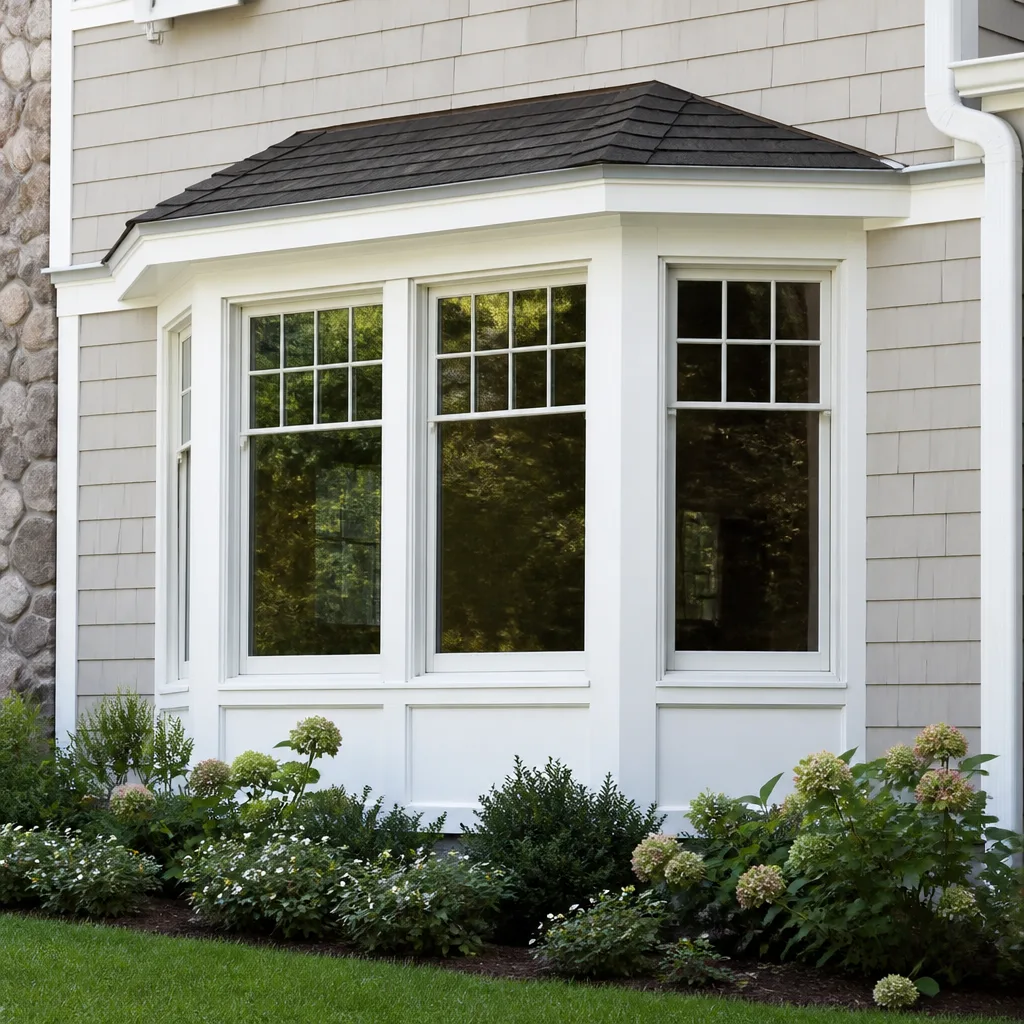
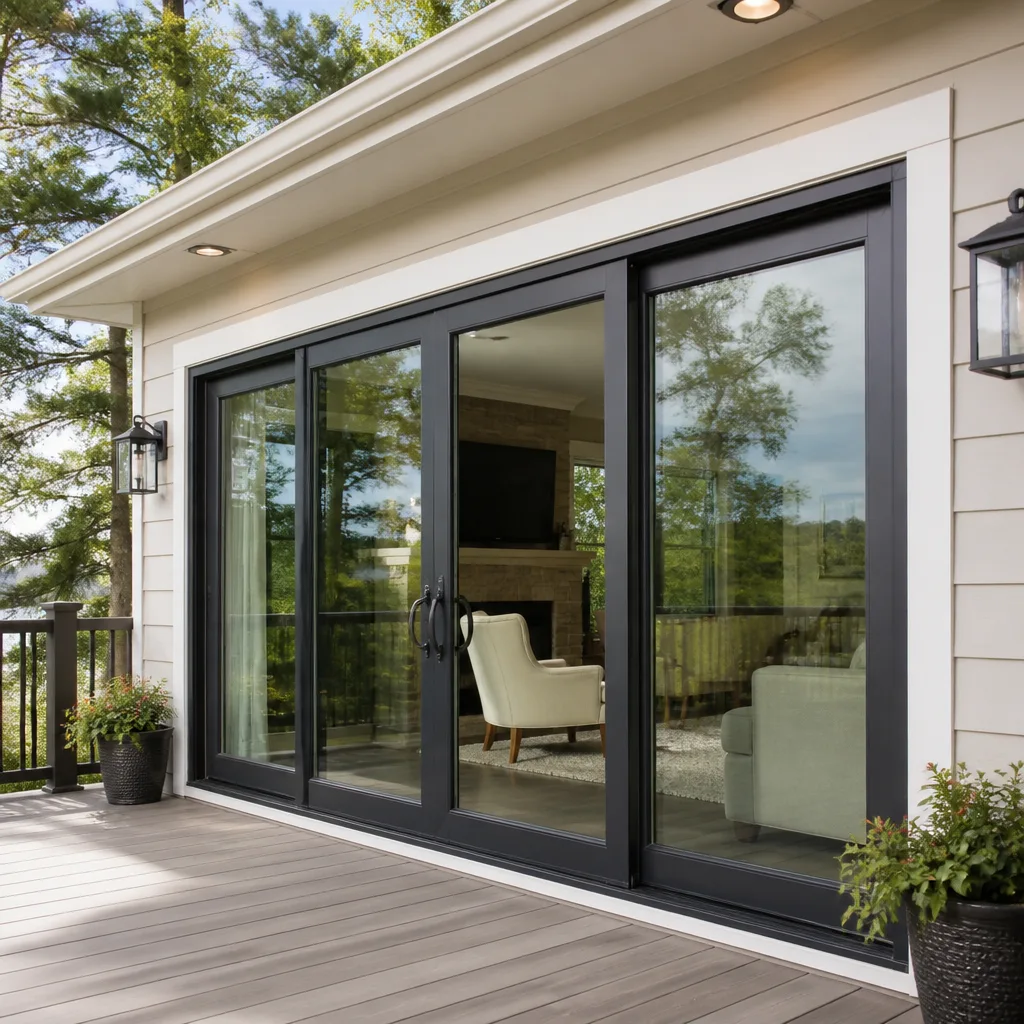
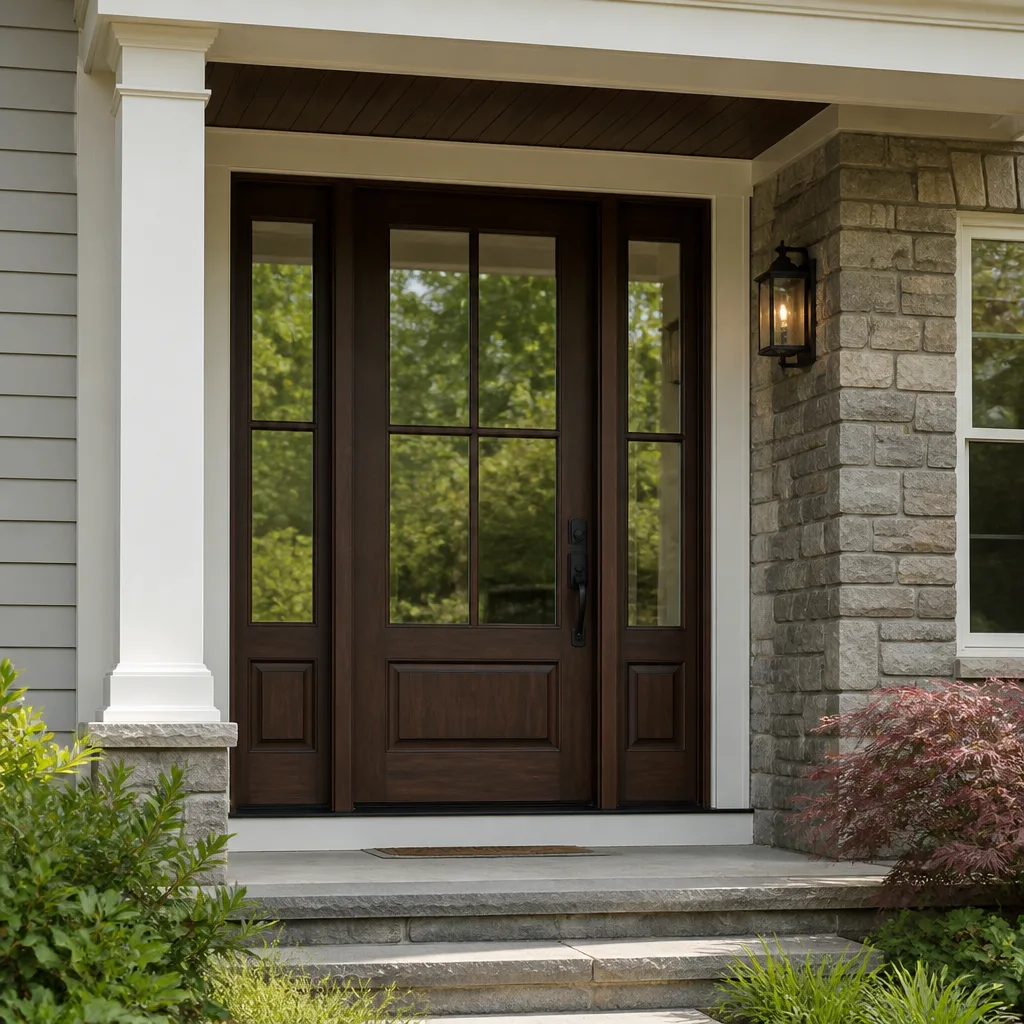
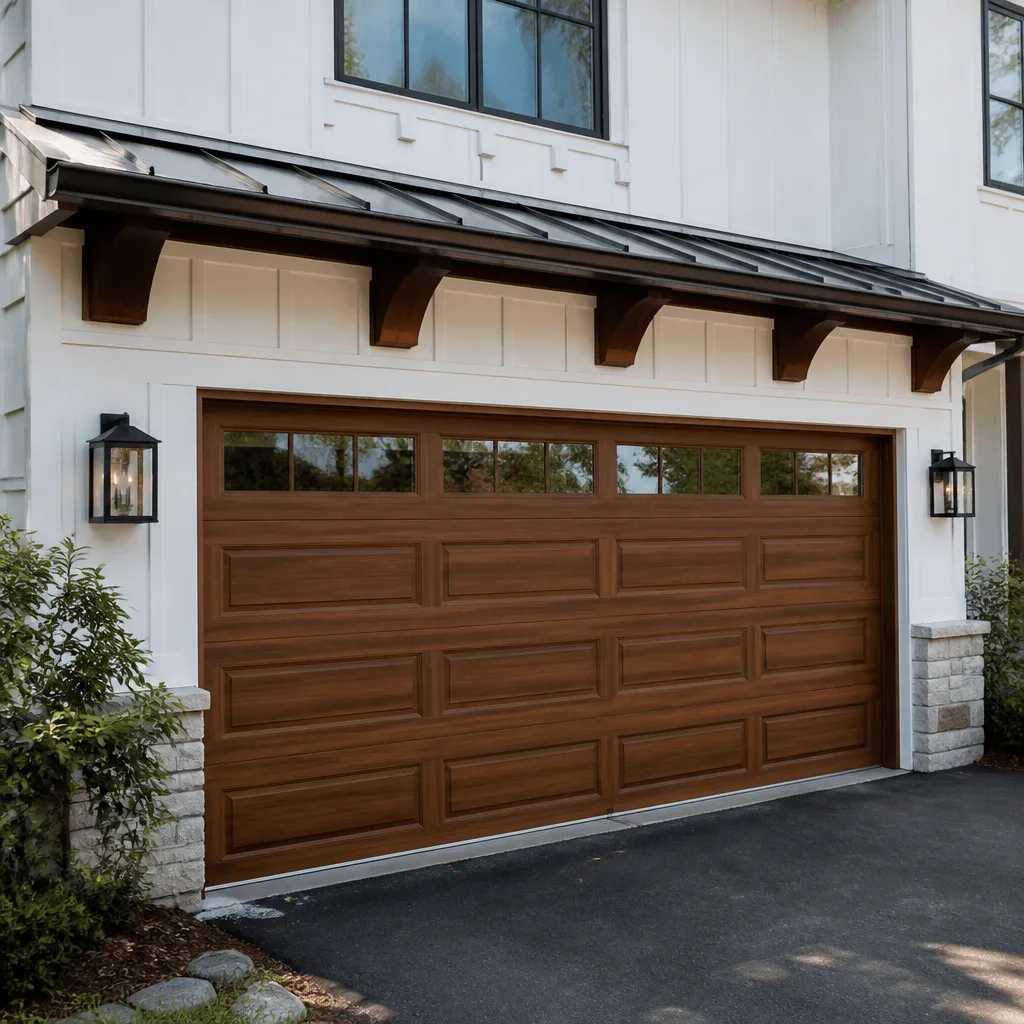
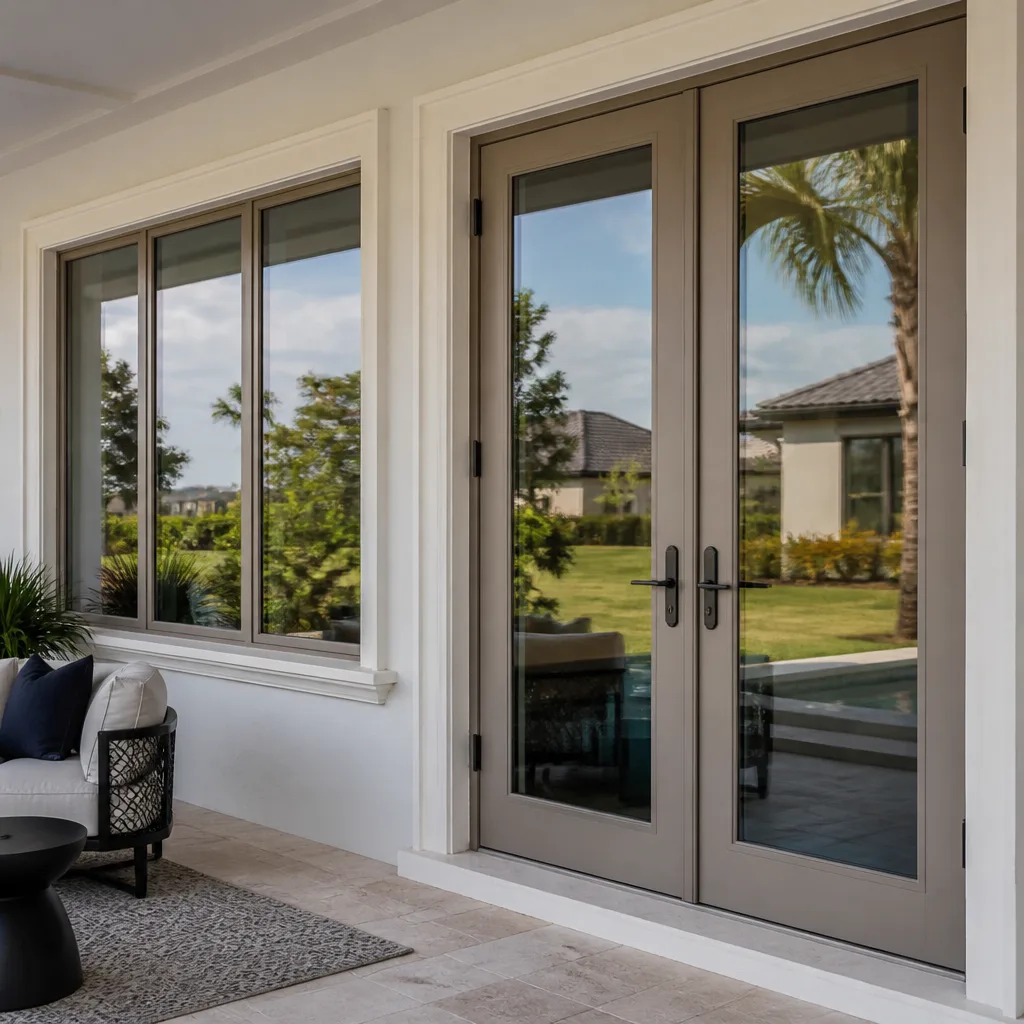
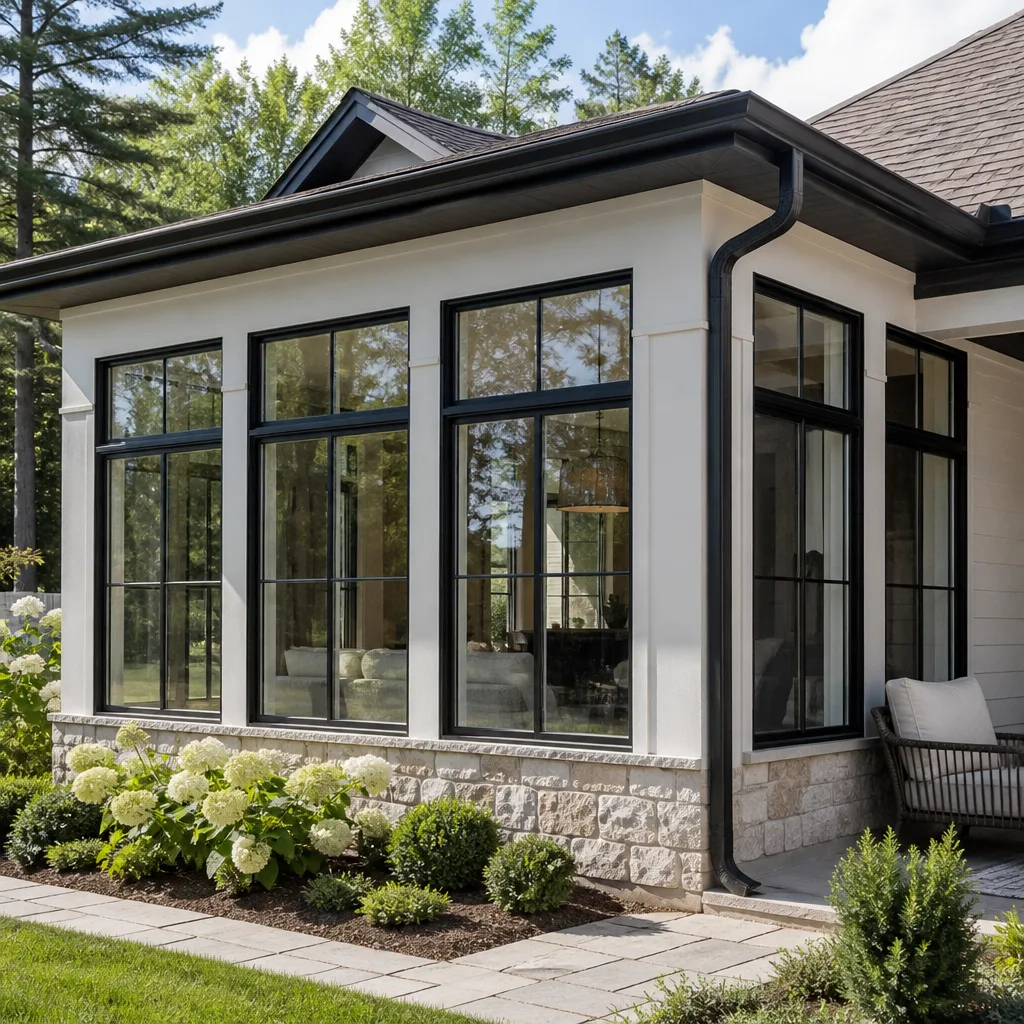
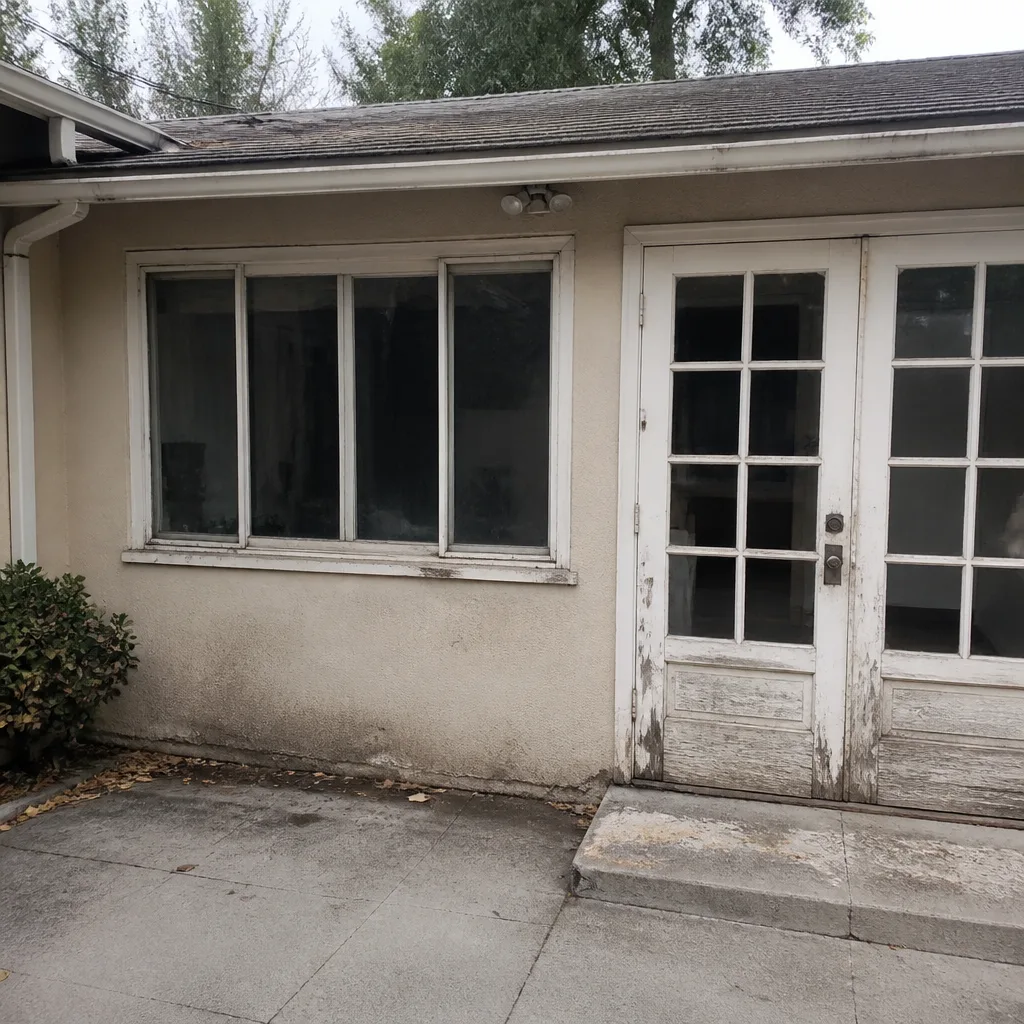 Before
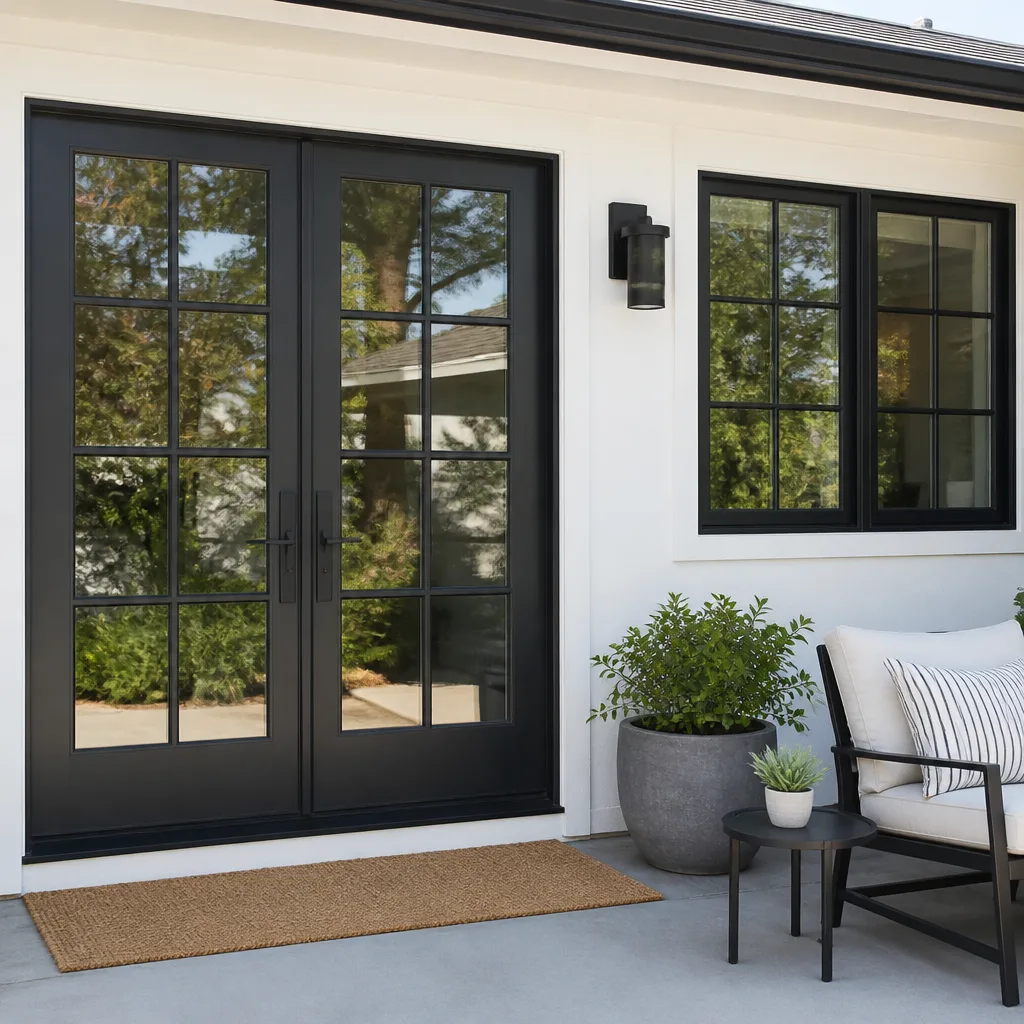 After
After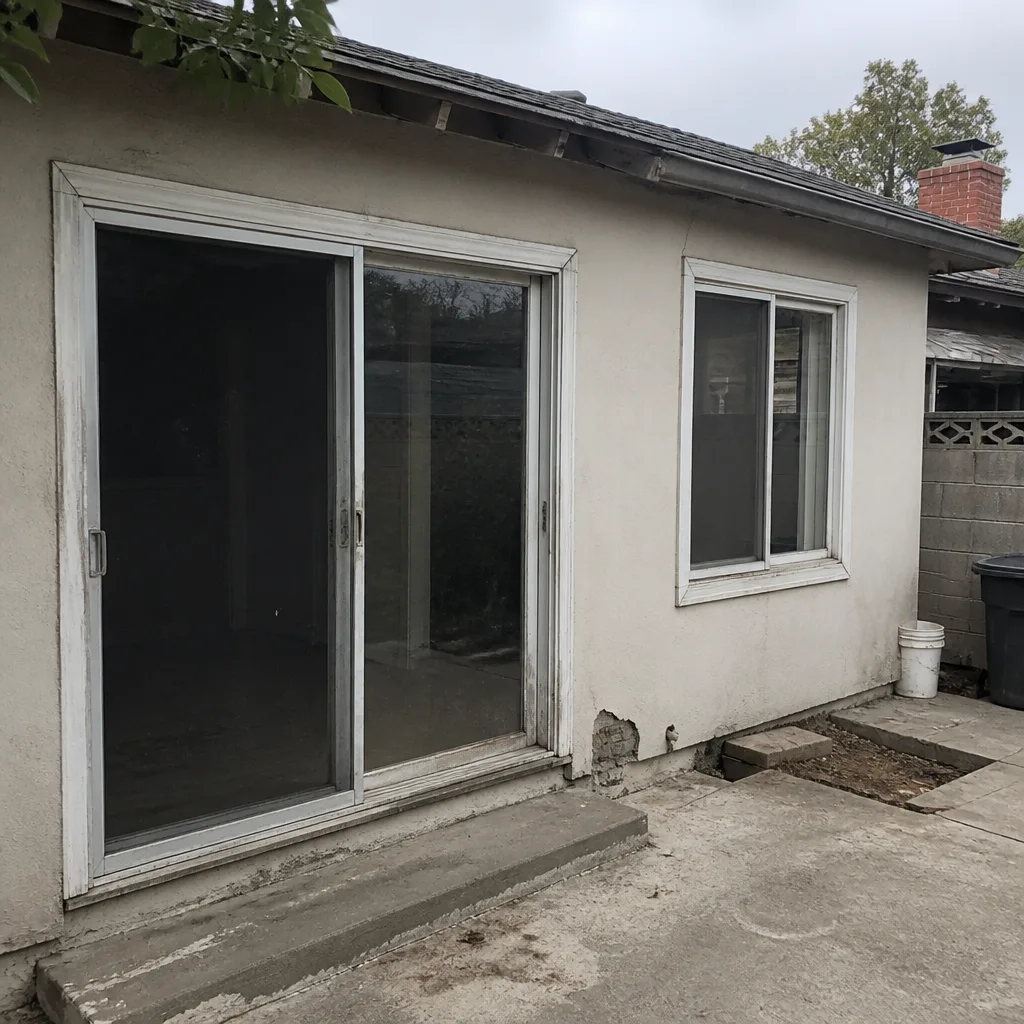 Before
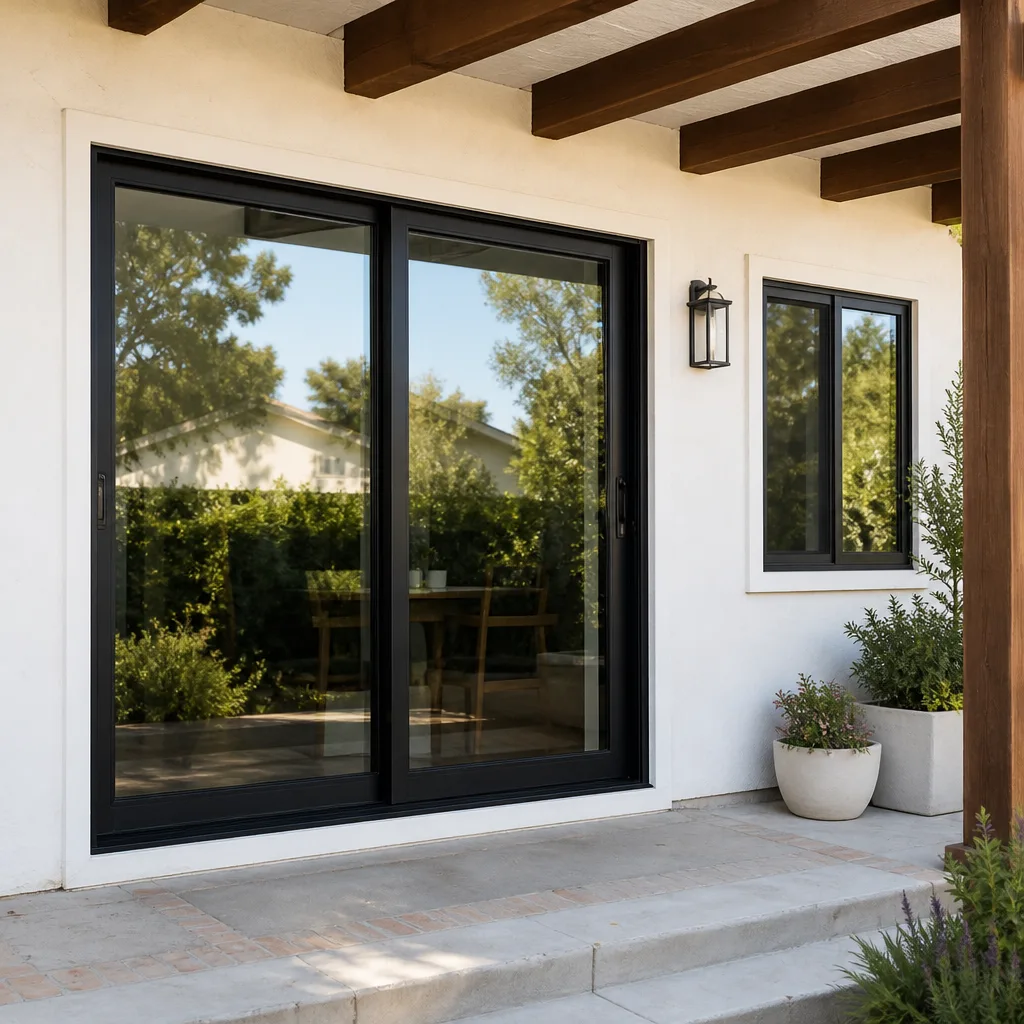 After
After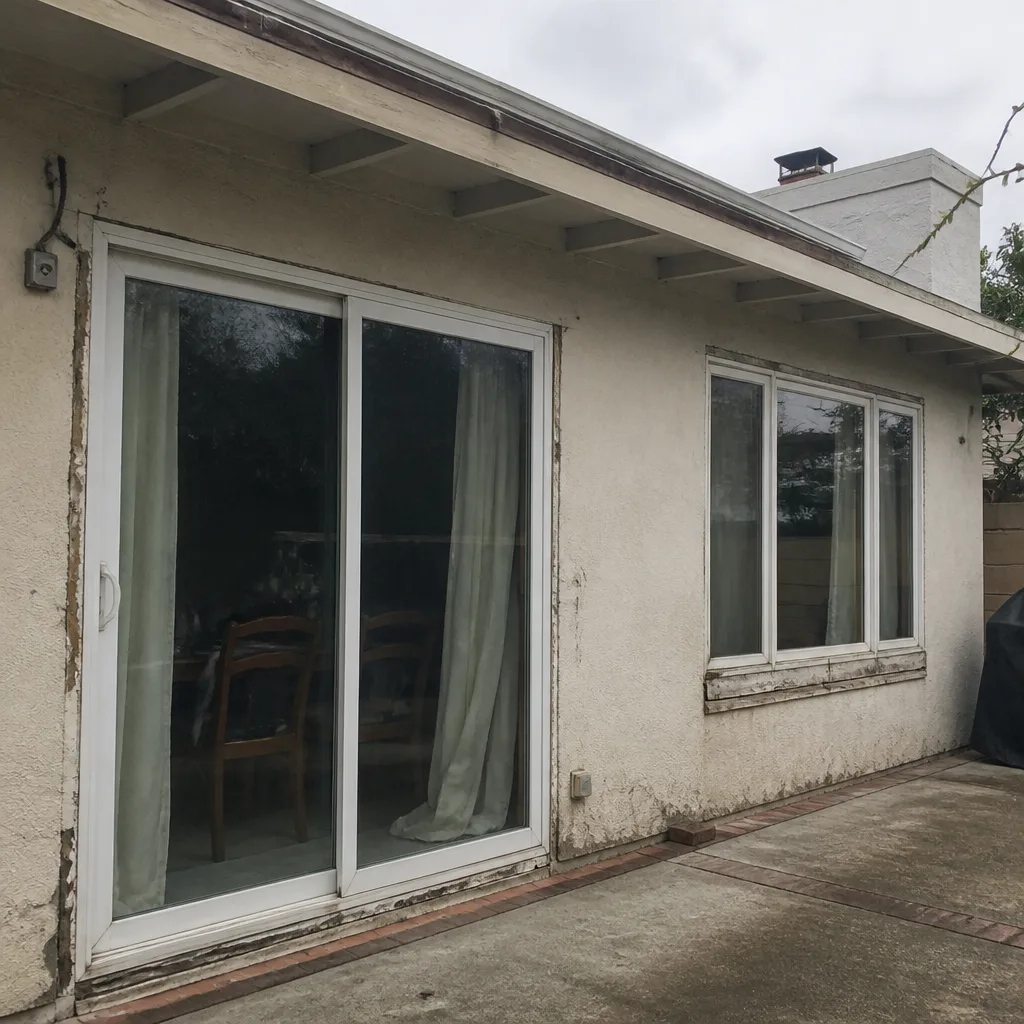 Before
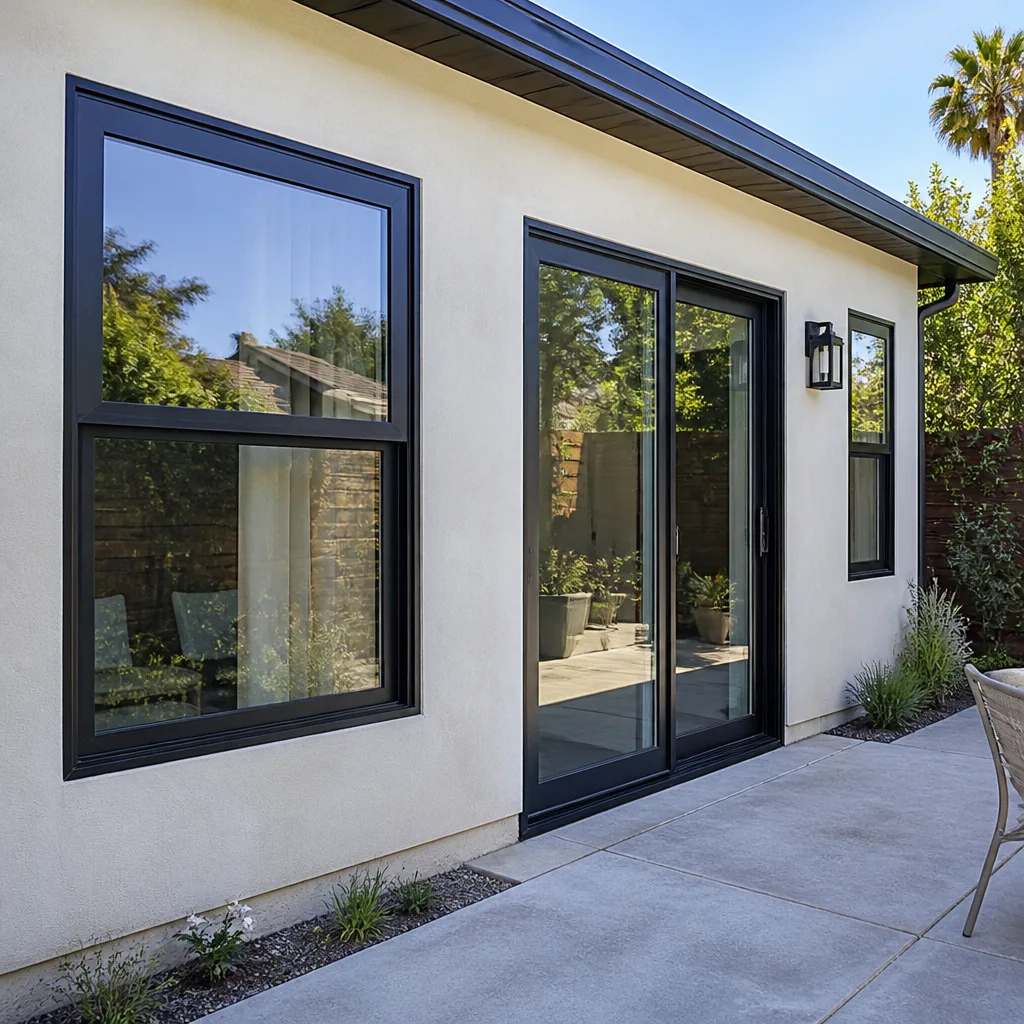 After
AfterDoor Replacement Stopped Working
A door that has stopped working – one that won’t open, won’t close, won’t latch, or grinds and sticks every time you try – almost always points to one of four things: a failed or misaligned frame, a worn-out door slab that has warped or sagged, hardware that has reached the end of its life, or a weatherstripping seal that has compressed so far it’s fighting the door shut. In most cases, the door itself needs to be replaced rather than repaired. A technician can tell you which within the first few minutes of looking at it.
Here’s the honest version: doors fail gradually, and most homeowners put up with a little friction or a stubborn latch for months before it becomes a full stop. By the time the door genuinely won’t cooperate, the underlying cause has usually been building for a while. That doesn’t make it your fault – it makes it easier to diagnose, because the failure pattern tells a trained eye exactly what gave out and why. The sections below walk you through what each pattern looks like so you can describe it clearly when you call.
Why It Happens
The Frame Has Shifted or Settled
Houses move. Over years, the framing around a door opening can rack slightly out of square – enough that the door no longer sits plumb in its frame. The giveaway is a door that drags on one corner when you open or close it, or that shows an uneven gap along one side: wide at the top, tight at the bottom, or the reverse. You may also notice the latch tongue no longer lines up with the strike plate hole. This is a frame-and-installation issue, not a slab issue, and it matters because the fix is different.
The Door Slab Has Warped or Sagged
Wood doors and even some fiberglass doors can warp when they’re exposed to repeated moisture cycles – humid summers followed by dry winters, or a door that faces direct weather on one side and a climate-controlled interior on the other. A warped slab bows away from the frame at the middle, leaving a visible gap and letting air and water through even when the door appears closed. If you put a straightedge against the face of the door and see daylight behind it, the slab is the problem.
The Hinges or Hardware Have Worn Out
Door hinges are load-bearing hardware, and they wear. Heavy doors – steel entry doors in particular – put real stress on hinge screws over time. Loose hinges let the door slab drop, and a dropped slab drags on the threshold or binds at the top corner of the latch side. Check by lifting the door handle firmly while you try to close it: if the latch suddenly lines up when you lift, a sagging hinge is almost certainly the cause. Deadbolts and handle sets also wear out – a bolt that won’t throw fully, or a handle that spins loose, usually means the mechanism inside has failed.
The Weatherstripping Has Failed or Compressed
Weatherstripping is the foam, rubber, or vinyl seal that runs around the door frame and keeps conditioned air in and outside air out. It compresses over years of use and eventually either disappears entirely or hardens into a shape that no longer seals. Failed weatherstripping shows up as visible daylight around a closed door, drafts near the frame on a windy day, or – in some cases – a door that suddenly closes more easily than it used to because the resistance of a good seal is gone. If this is the only issue, it may buy time. If it’s combined with any of the problems above, the door is past the point of small fixes.
What to Do Right Now
- Stop forcing it. If the door requires significant force to open or close, stop. Forcing a binding door stresses the frame, the hinges, and the slab simultaneously and can turn a fixable situation into a bigger one.
- Check the gap. With the door closed, look at the gap between the slab and the frame on all four sides. Take a photo. A uniform gap all around suggests a slab or hardware issue. An uneven gap – wide on one side, narrow on the other – points to a frame or hinge problem. That photo is useful when you call.
- Test the latch and deadbolt separately. Does the latch tongue throw freely when you turn the handle with the door open? Does the deadbolt extend and retract smoothly? If the mechanism works fine in the air but won’t engage when the door is closed, the problem is alignment, not the hardware itself.
- Look at the threshold. Crouch down and look at the gap between the bottom of the door and the threshold. Is the door dragging, clearing evenly, or sitting lopsided? A door that drags on one corner and clears on the other is almost always a hinge or frame issue.
- If the door is your main entry or a security door, don’t leave the problem for later. A door that won’t latch or lock properly is a security gap. Call your local Juniper Windows & Doors team at (682) 281-2168 and let them know it’s an entry door that won’t secure – that context matters for scheduling.
How We Fix It
When a Juniper technician arrives, the first thing they do is watch the door move through its full range – open, close, latch, lock – and look at the frame, slab, hinges, and hardware together. A door that stopped working almost never has just one thing wrong; the technician is looking at the full picture before quoting anything.
Based on what they find, the path forward is usually one of two things: a full door replacement, which swaps the slab, the frame, or both, or targeted hardware and weatherstripping work as part of a door replacement scope. Juniper carries product lines including Therma-Tru and ViewLux, so there’s a real selection of door styles, materials, and performance ratings to choose from – not just whatever happens to be in stock.
Before anything starts, you get the price in writing. That’s not a courtesy; it’s how every Juniper job works. The written price is what you pay. And the work is backed by the 365-Day Done Right Promise: if it’s not right within a year of installation, we make it right. A typical door replacement appointment runs a few hours depending on the scope and any frame work required.
Frequently Asked Questions
Yes, in most cases. A door that won’t latch or deadbolt reliably leaves your home unsecured, even if it looks closed from the outside. If your entry door or any exterior door has stopped latching or locking correctly, treat it as urgent rather than a deferred maintenance item. Call (682) 281-2168 and let the team know the door isn’t securing properly so they can prioritize accordingly.
It will almost always get worse. A door that is dragging, binding, or misaligned puts ongoing stress on the frame, hinges, and latch hardware every time it’s used. What starts as a stiff door can progress to a latch that won’t catch, a frame that splinters, or a slab that warps further into an unusable shape. Getting a technician to look at it now costs you nothing – your local Juniper team gives you a written price before any work starts. Call (682) 281-2168 to schedule.
Your local Juniper Windows & Doors team answers the phone 24/7 – a real person, not a voicemail. Call (682) 281-2168 and tell them what the door is doing; they’ll tell you what’s available and give you a live arrival time you can track under The Relay Visibility Guarantee. No four-hour windows, no guessing.
No. Every Juniper job gets a written price before any work starts – that’s a core part of how every project is handled, not an option you have to ask for. The number on the written estimate is the number on the invoice. If anything changes in scope, you’re told before it changes, not after.
Get It Fixed
Call (682) 281-2168 – a real person answers, around the clock. Your local Juniper Windows & Doors team will listen to what the door is doing, schedule a visit, and hand you a written price before anything starts. No obligation, no surprises. Just get it looked at.
Written by Sean Mackey, Owner & Installer at Juniper Windows & Doors, serving homeowners nationwide since 2001.
What Our Customers Say
"Front door looks great and shuts well. The threshold is sealed well and the lock lines up with the strike."
- Rory F."Quote came in the app with options for glass. Easy to compare."
- Vera L."Door replacement. Installer texted when on his way and finished by lunch. Tight and clean."
- Neil B.