
Free in-home measure and quote - PGT, CGI and CWS impact lines compared on your actual openings, style by style
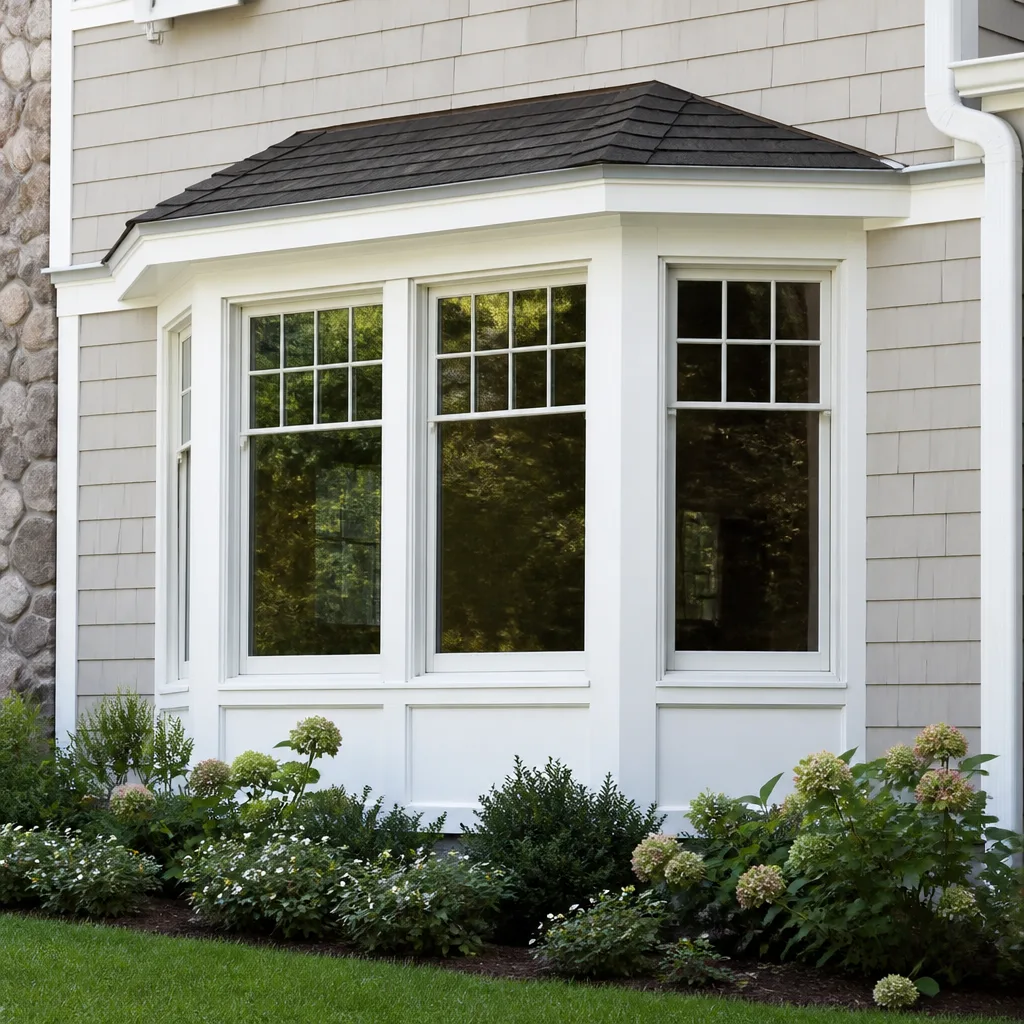
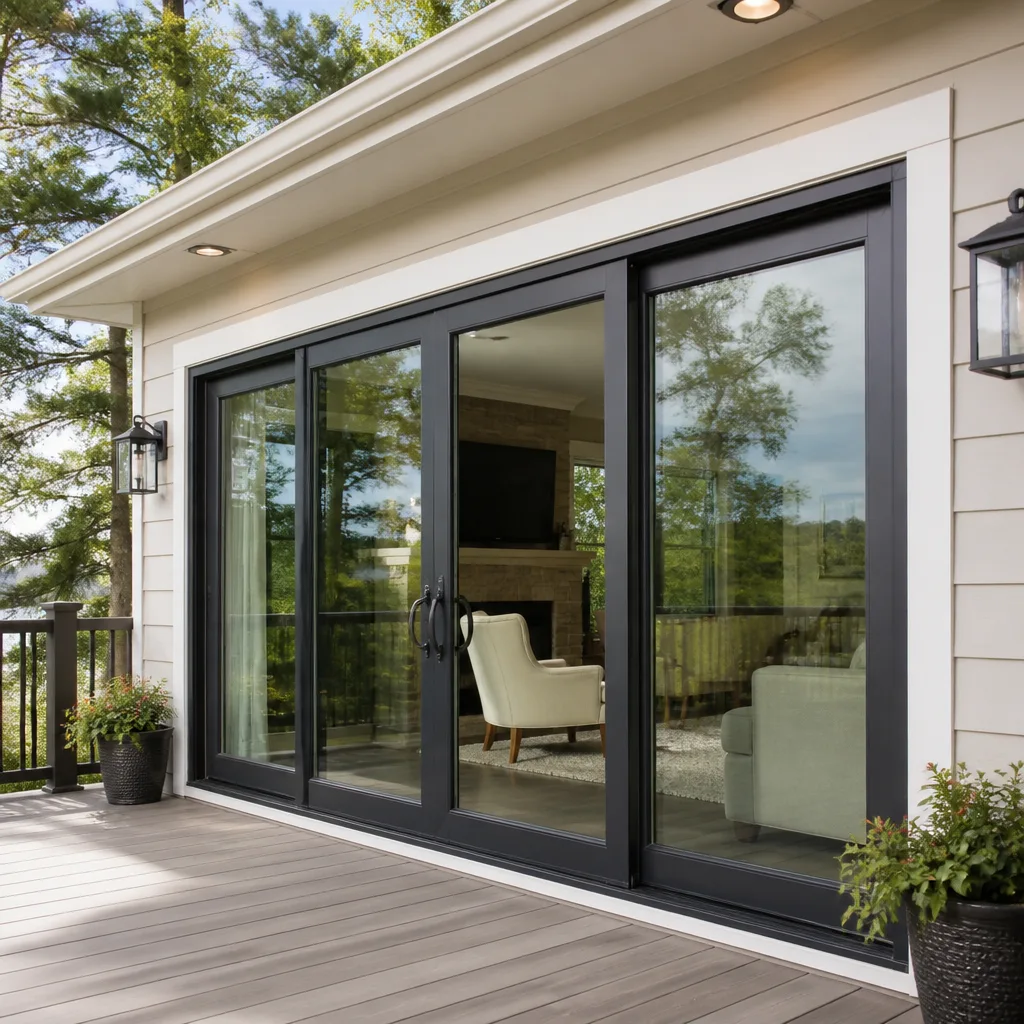
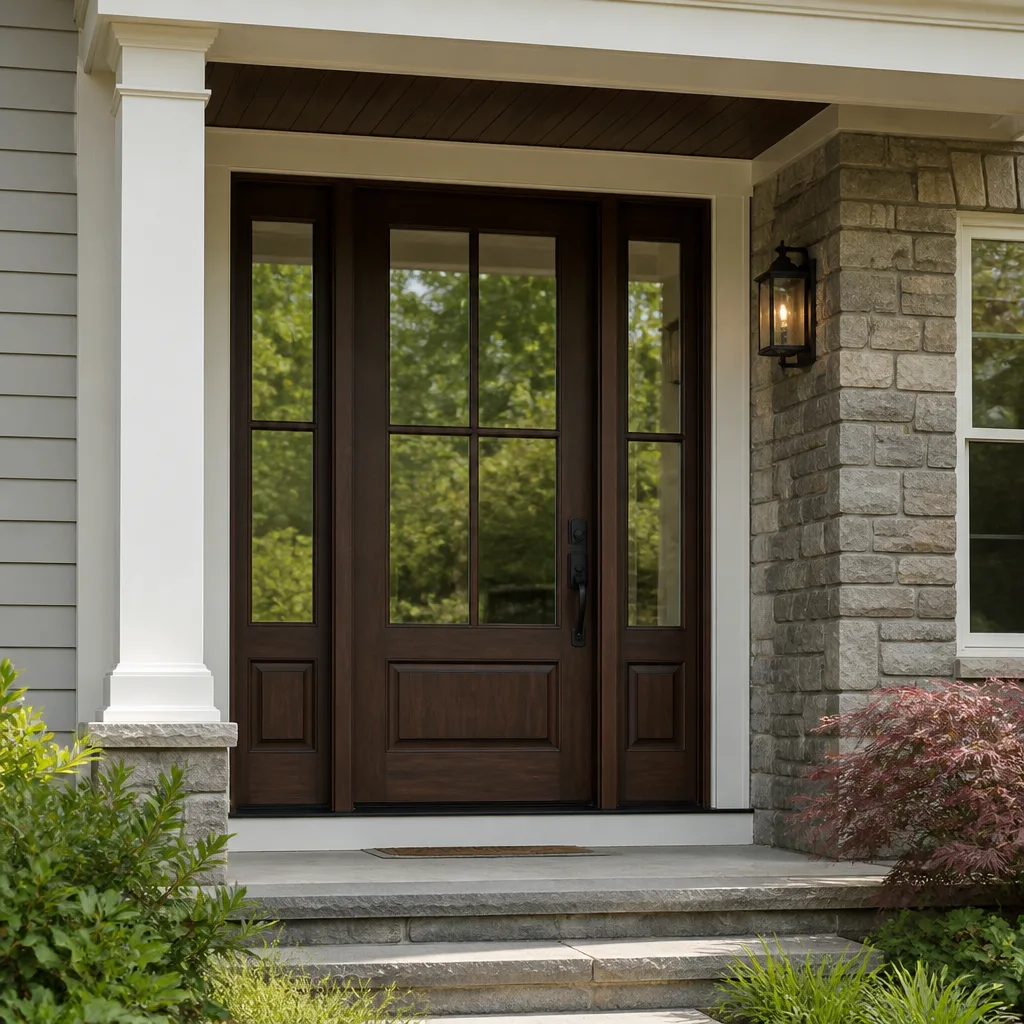
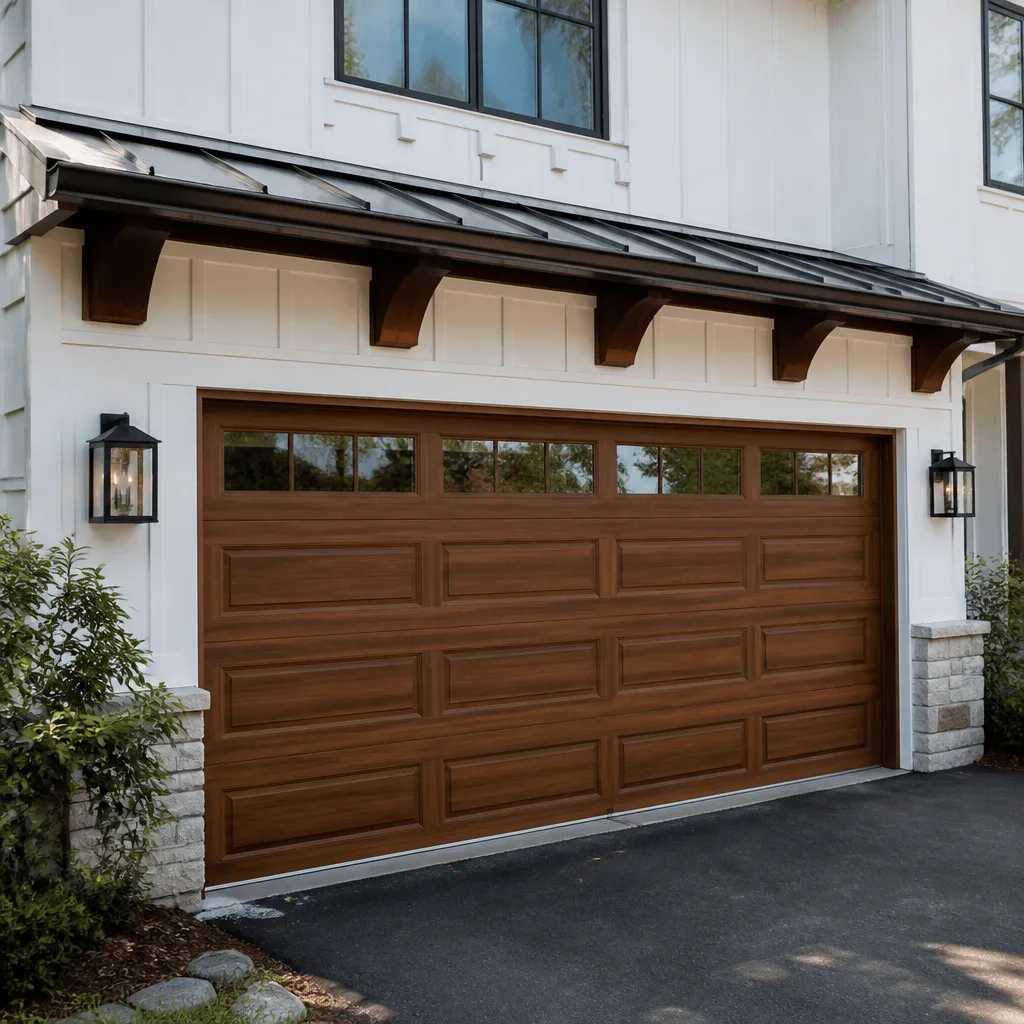
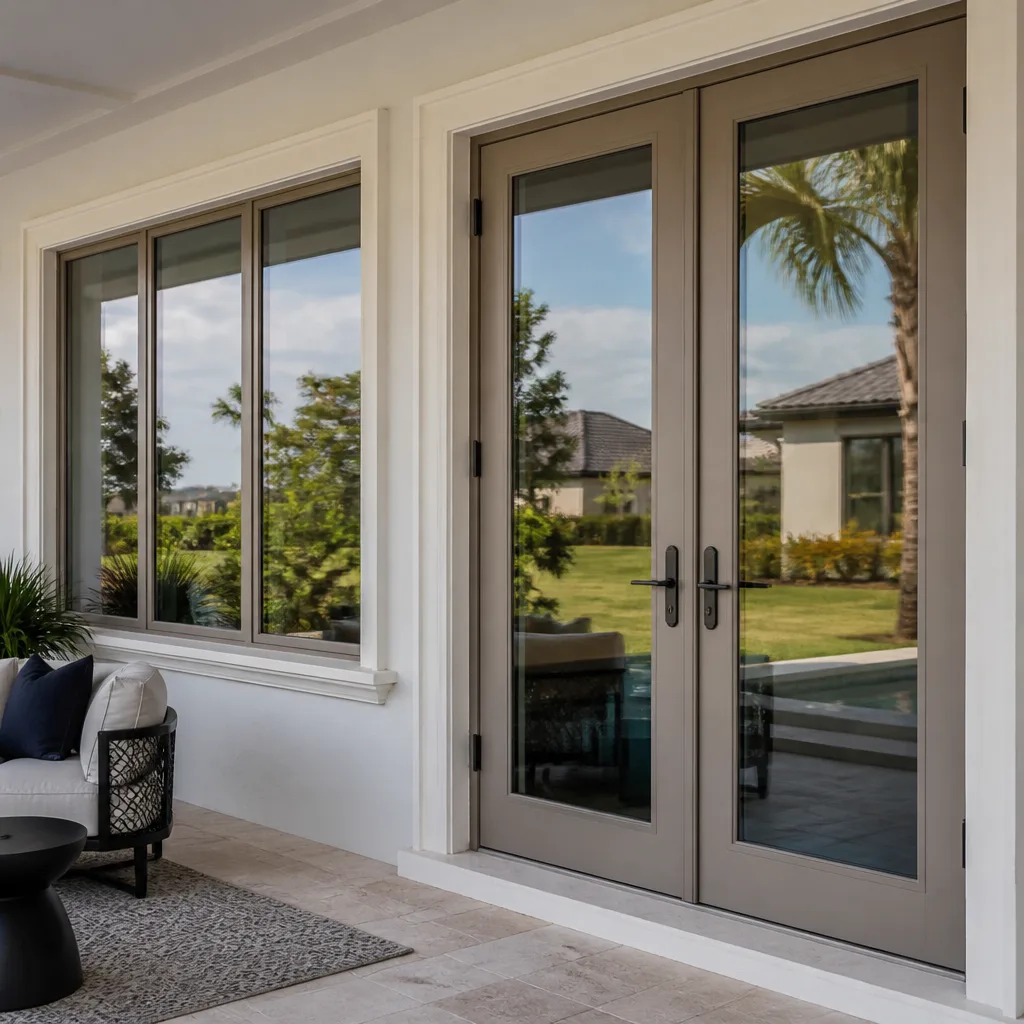
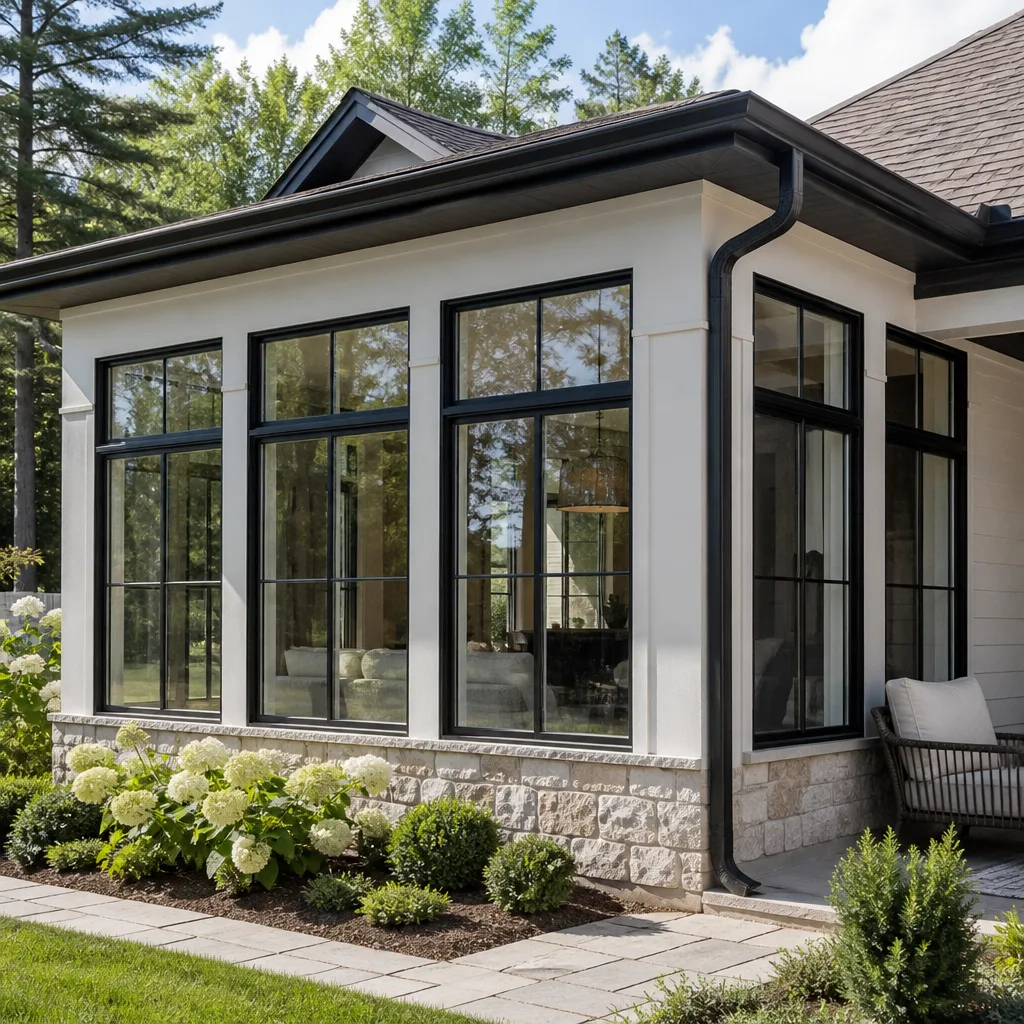
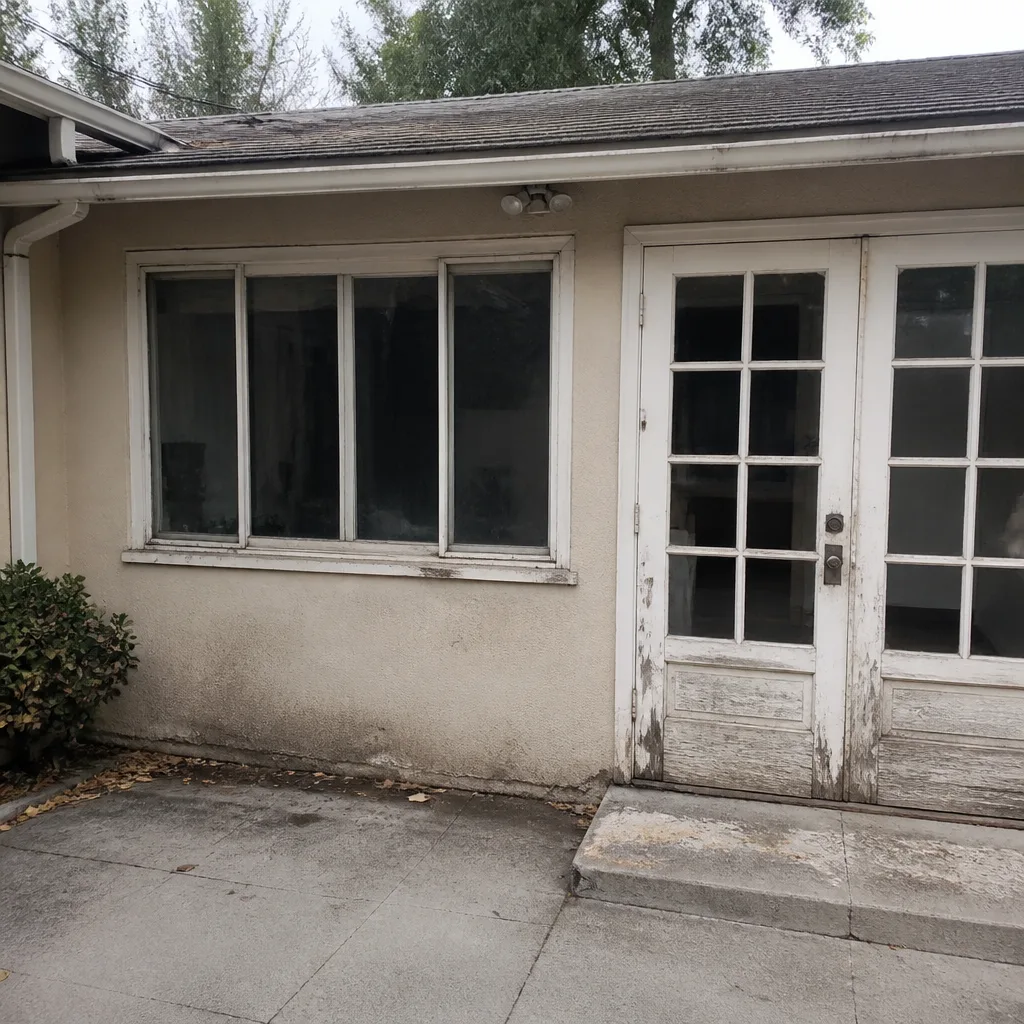 Before
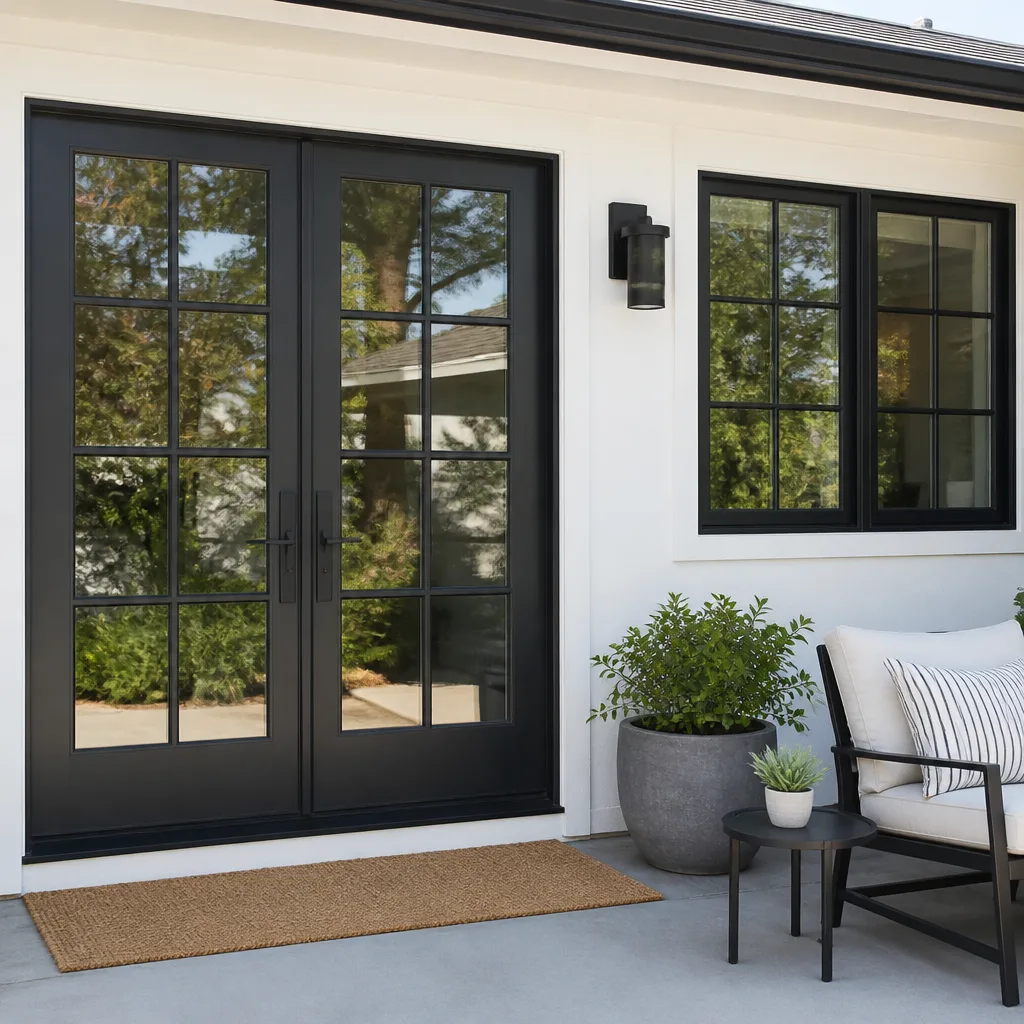 After
After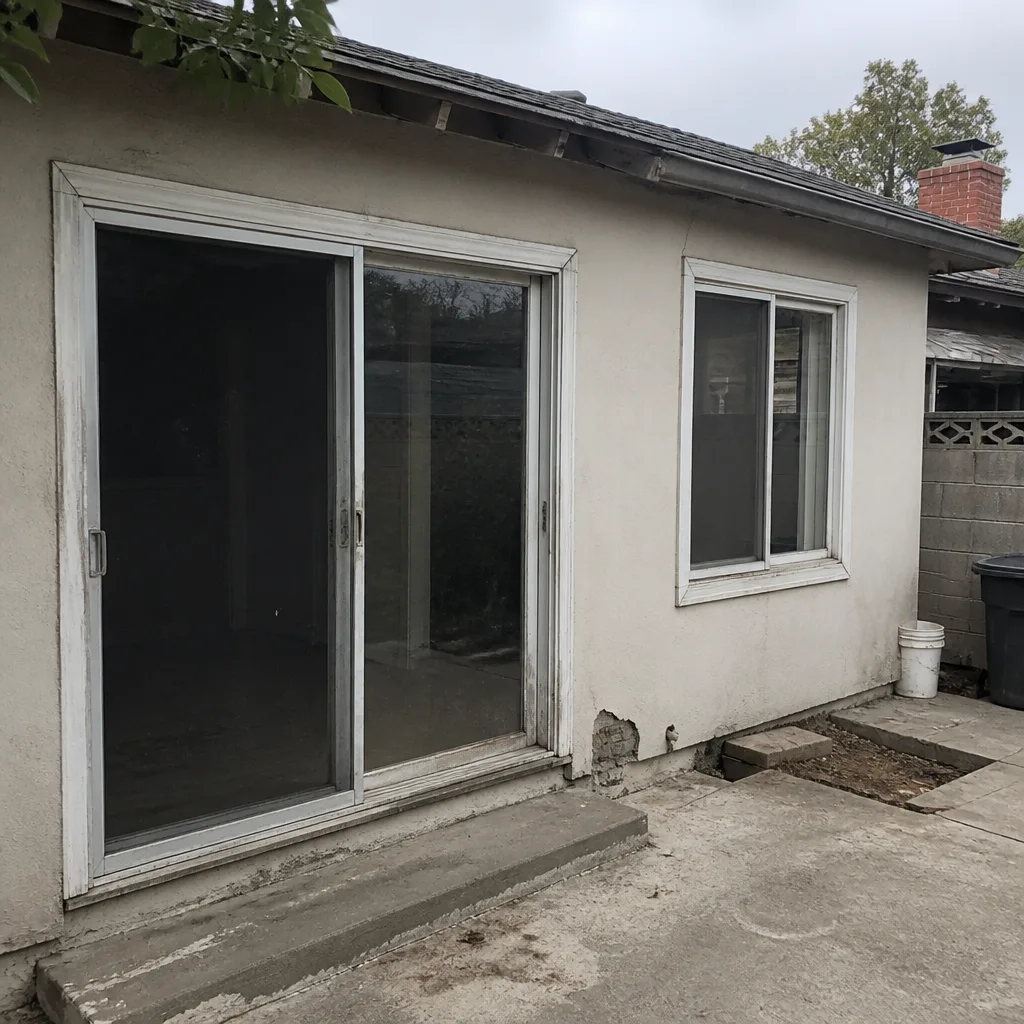 Before
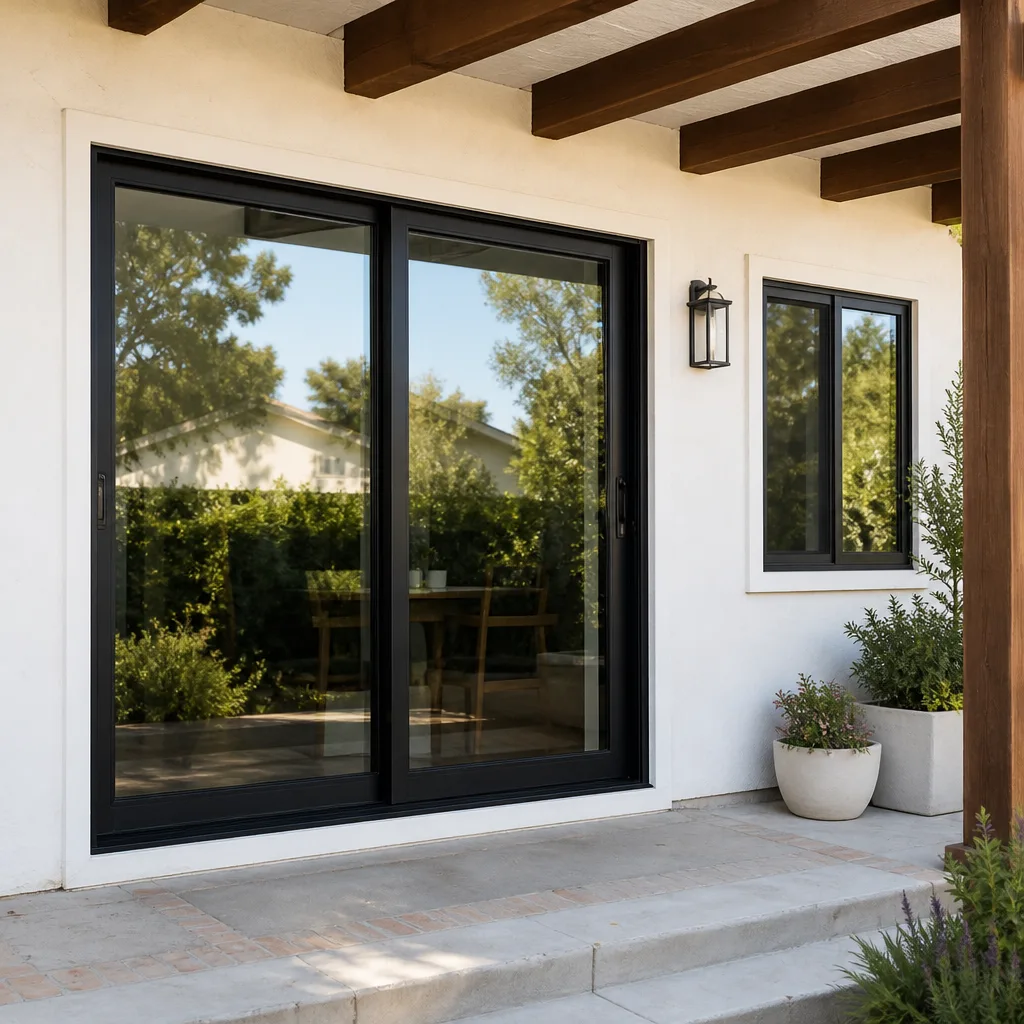 After
After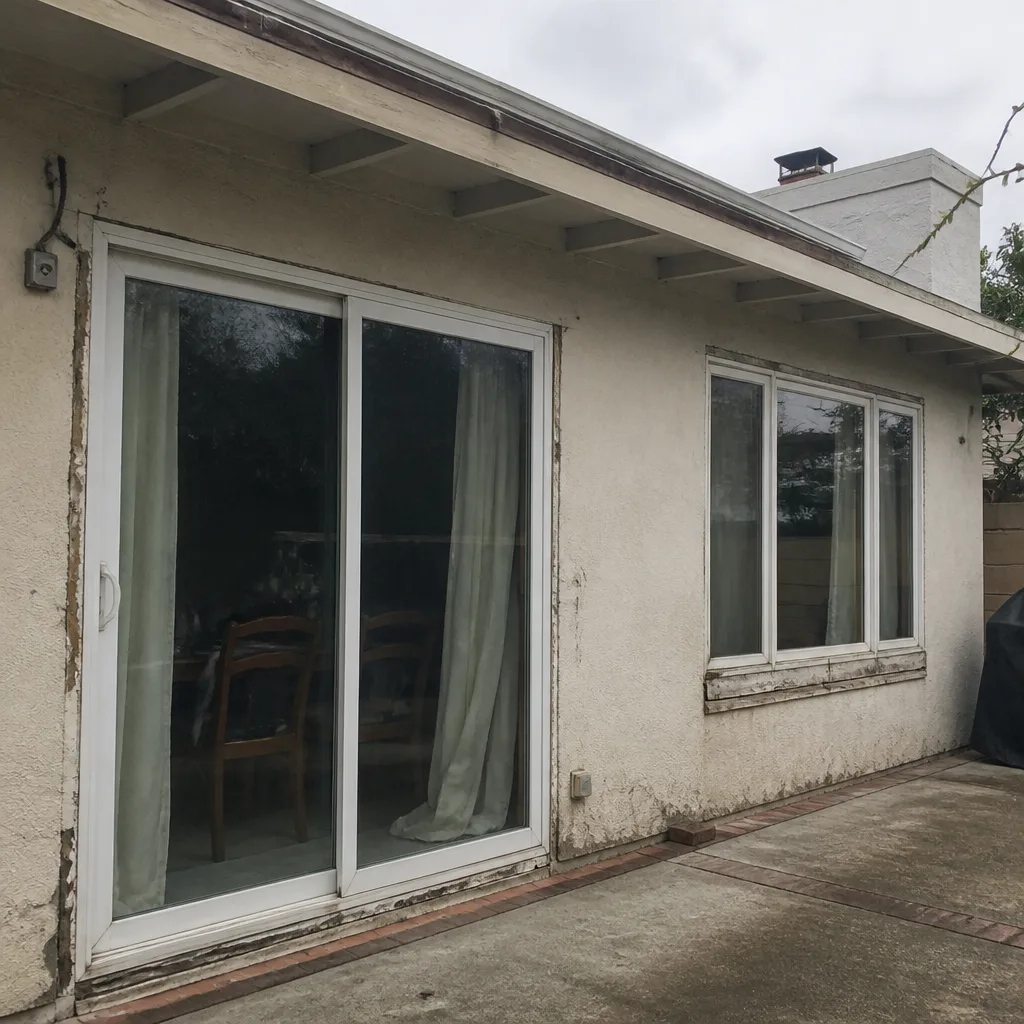 Before
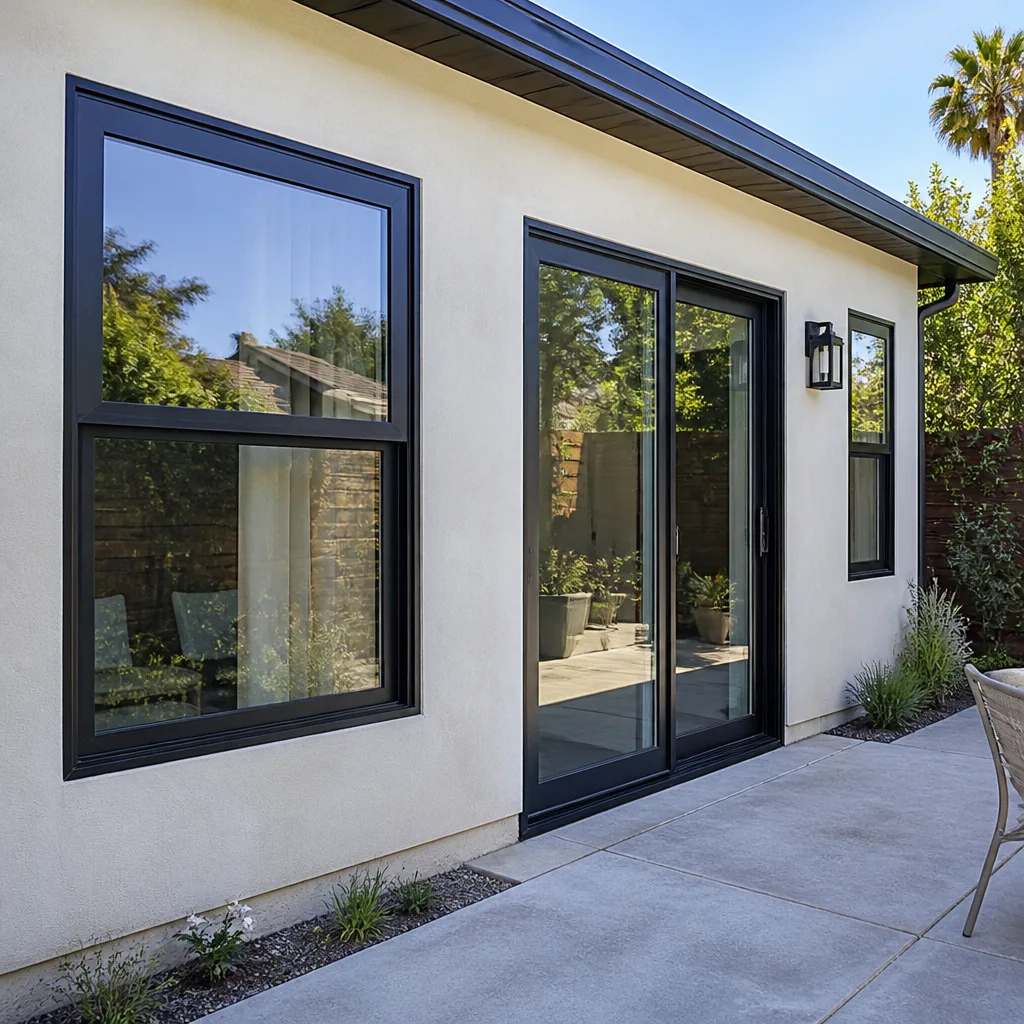 After
AfterCWS Window Replacement: The Los Angeles Owner’s Guide
We install CWS-compatible window replacements across Los Angeles, and a single hung or casement sash swap typically runs $450 – $900 installed for standard sizes with clear glass, while full-frame impact-rated CWS replacements land between $1,100 and $2,400 per opening depending on size, frame material, and whether we’re pulling the old frame or retrofitting into it. We stock common CWS hardware and weatherstripping on the truck, so a sash swap or balance replacement is usually a one-visit job. Most Los Angeles owners find out their CWS part has failed when the window won’t stay up, won’t lock, or starts letting in more street noise than it used to, and by then the fix is almost never a $20 part from a hardware store.
Quick takeaways:
- CWS sash replacements in LA: $450 – $900 installed for standard clear-glass sizes
- Full-frame impact CWS replacements: $1,100 – $2,400 per opening
- We’re an independent installer, not affiliated with CWS, and we work with their product lines every week
- Written price before any work starts, with the 365-Day Done Right Promise behind every install
If your CWS window is failing, the right question is usually not “can it be saved” but “what’s actually wrong with it.” We’ll walk through that below, including what we see fail first on CWS units in this climate and what it honestly costs to fix it right.
Which CWS Models This Applies To
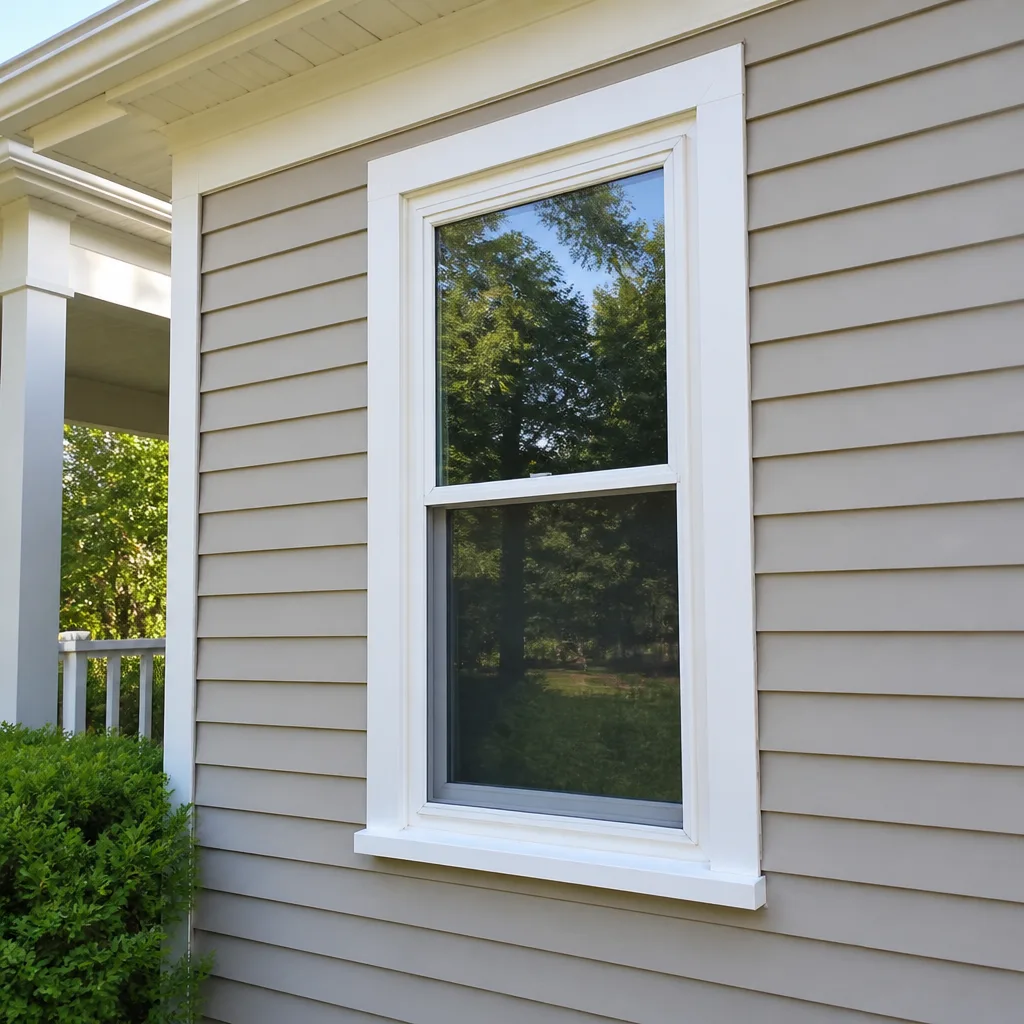
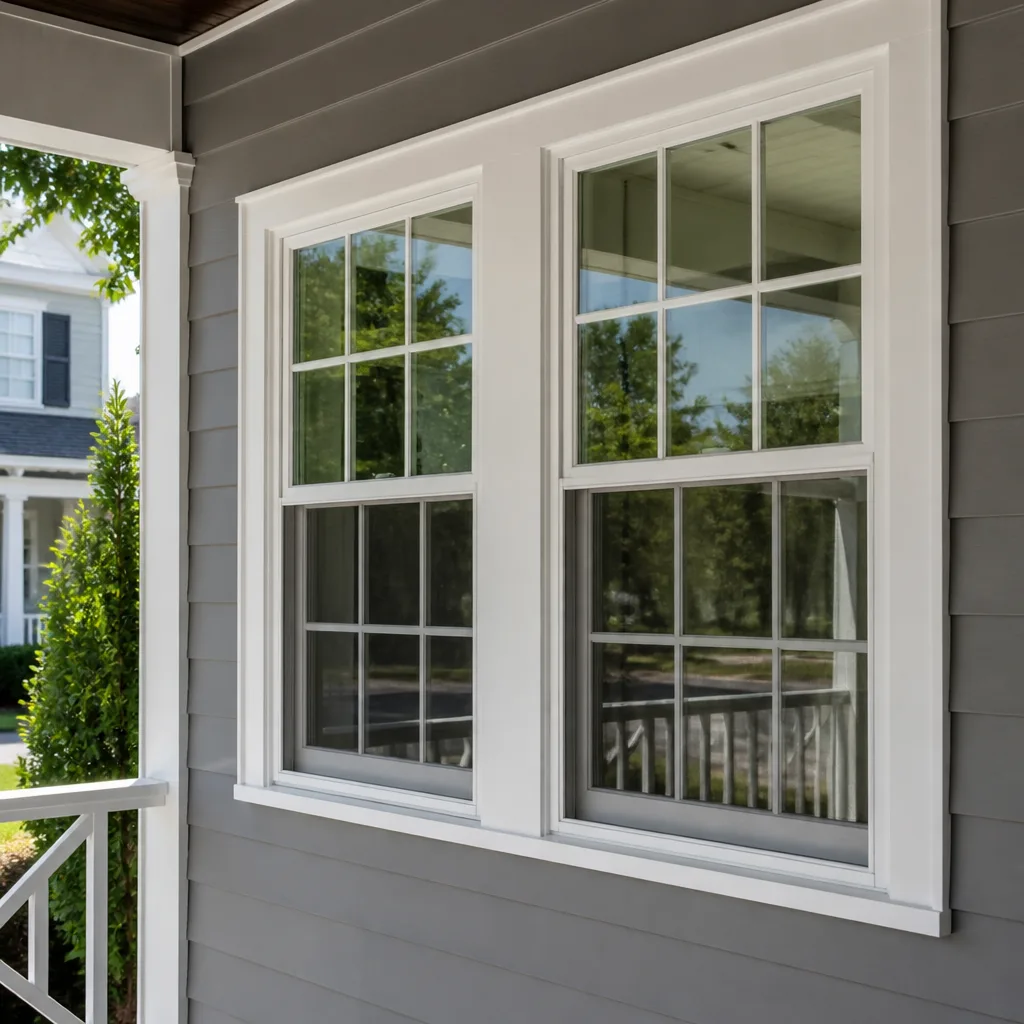
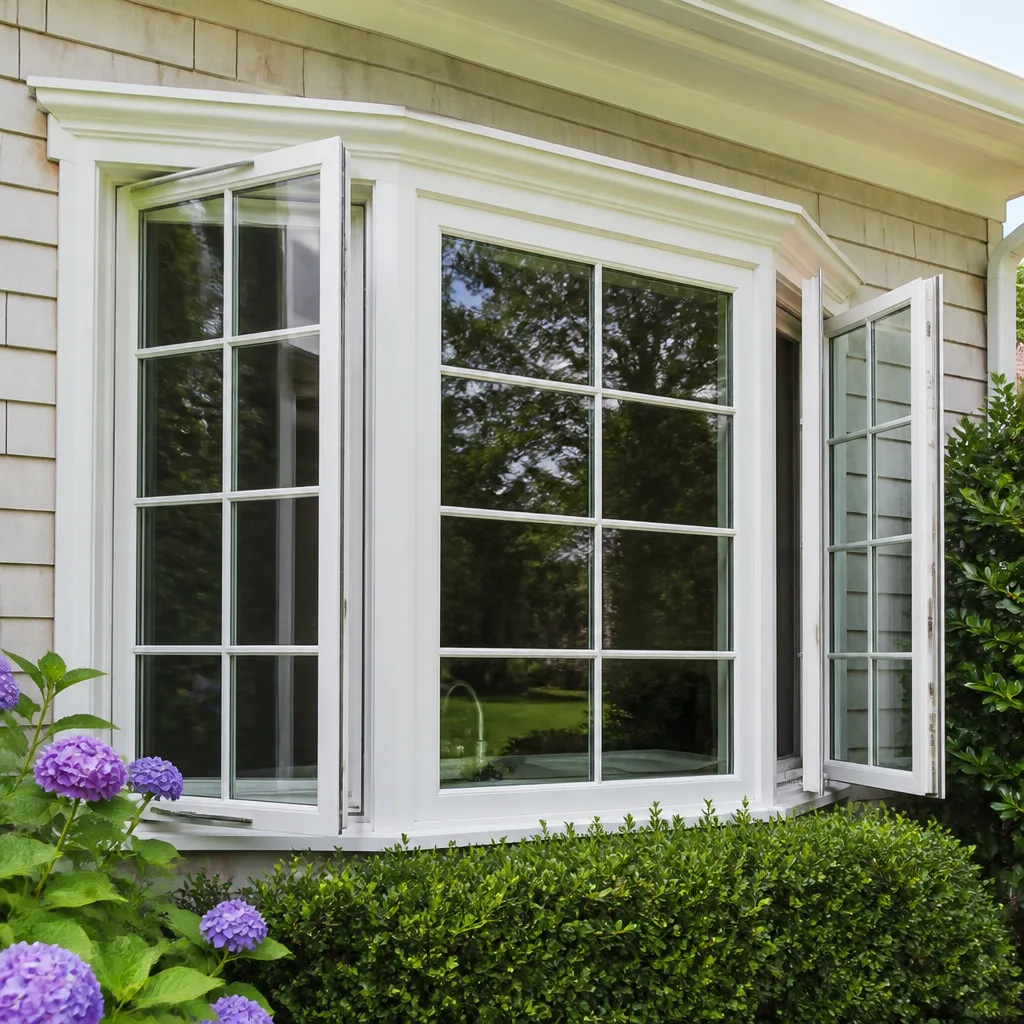
CWS, or Custom Window Systems, builds aluminum and vinyl windows sold largely through Florida and coastal distributors, but plenty of those units end up in Los Angeles on newer builds and renovations where the architect spec’d impact-rated or high-wind product. The CWS lines we see most in LA are the 8000 Series vinyl single hung and horizontal sliders, the 9000 Series vinyl casement and picture windows, and the Estate 600 Series aluminum windows, which are thermally broken and commonly paired with impact glass. Each series uses its own balance system, pivot bar, and lock hardware, so identifying the series before ordering a replacement sash or balance is not optional; guessing gets you a part that’s off by half an inch and a window that still falls shut.
How to identify what you have: check the small metal or foil label on the sash edge or the inside of the frame, which carries the CWS series code and the glass make-up, like “IG 1” for insulated glass or “IMPACT” for laminated impact units. If the label is gone, measure the visible glass width and height to the nearest 1/8 inch and pull one sash tilts out if it’s a single hung, because the balance cartridge length tells us more than the glass does. For CWS specifically, the OEM-vs-aftermarket decision is straightforward: locks, pivot bars, and balances have quality aftermarket equivalents from brands like Amesbury or Vision that fit reliably, but sash assemblies and glass packs should be matched to the original CWS profile because the wall thickness and glazing bead differ enough that a generic sash will leave an air gap you’ll hear on the 405-side of the house. We treat OEM-style replacement as the default for CWS because field retrofits on these frames tend to underperform on air and water.
Signs Your CWS Window Replacement Is Failing
- The sash won’t stay up or drops an inch when you let go. This is almost always a worn CWS constant-force balance cartridge, not the window frame. On vinyl single hung CWS units in Los Angeles, UV exposure and dust loading shorten balance life to roughly 8 – 12 years before a cartridge loses enough tension to matter.
- The window locks but daylight or a dollar bill slides through the weatherstrip. The CWS wool-pile or bulb seal has compressed and is no longer meeting the sash. In LA’s marine layer neighborhoods on the westside, this shows up as salt-tinged dust lines along the sill and worse sound sealing than the day the window was new.
- Condensation or haze between the glass panes. The CWS insulated glass unit’s seal has failed, which means the argon or krypton fill is gone and the U-factor of that sash is effectively dead, allowing the glass to fog. This is a glass pack replacement, not a window cleaning problem, and no amount of defogging service makes it right.
- The sash is hard to operate or you feel a gritty catch mid-track. On CWS horizontal sliders the integrally molded track often collects enough LA grime to score the roller or the track itself. Once the track is scored, new rollers alone won’t restore smooth travel; the sash needs a track insert or full replacement.
- Corrosion at the sash corners or visible frame warping. On CWS Estate 600 aluminum units near the coast, salt air finds any scratch in the paint or powder coat and starts crevice corrosion within a few seasons. Once the corner keys let go or the frame no longer sits square, a sash-only fix won’t hold.
Replacement Cost & What’s Included
For Los Angeles pricing, expect to pay $450 – $900 per CWS sash or balance replacement for single hung and slider units, $650 – $1,400 for an insulated or impact glass pack swap including the new glazing bead, and $1,100 – $2,400 per opening for a full-frame CWS replacement in the same size and finish. What drives the range is glass type (clear vs low-E vs laminated impact), whether we’re doing a sash-only retro versus pulling the old frame and replacing the flashing, and access on upper floors or tight egress areas. Every line item is broken out on a written price before any work starts, so you’ll see exactly what the part costs and what the labor costs; there’s no “labor overage” conversation after the fact.
Our work comes with the 365-Day Done Right Promise: if the window or the install isn’t right within a full year, we make it right, parts and labor, in writing. A blown glass pack, a balance that loses tension, a sash that stops locking after our install, we return and fix it at no charge. That promise is named on every project.
DIY or Call Us?
Some CWS issues are safe for a careful homeowner to check: tilt the sash in and look for an obvious broken balance string, clean the track with a dry brush, and check whether a lock screw has backed out. Those checks cost you ten minutes and a flashlight. What goes wrong in DIY territory with CWS is the balance cartridge swap; the constant-force spring is under tension even after the sash is out, and the wrong removal sequence sends a braided steel cable and spring assembly across the room. We’ve also seen owners order a “generic 32-inch balance” that binds in the CWS track because the shoe profile doesn’t match, doubling the cost of what would have been a $40 part in our hands. If the window is fogged, the glass pack is glued and bedded; removing it without the right glazing bead tools typically cracks the new bead and voids any manufacturer warranty. That one is not a weekend project.
Call us at (682) 281-2168 and we’ll ask you for the label info or measurements, give you an honest ballpark for the part, and book a visit. If it ends up being a clean-and-adjust rather than a replacement, we’ll tell you that on site instead of inventing a repair.
FAQs
CWS vinyl single hungs and sliders in Los Angeles typically hold up 15 – 25 years for the frame, while balances, weatherstripping, and glass seals fail in the 8 – 15 year range depending on sun exposure, coastal salt, and how aggressively the windows are operated. Aluminum Estate 600 frames can outlast the glass, but coastal corrosion shortens their hardware life unless they’re wiped down regularly.
Yes, in many cases we can replace just the balance cartridge, the pivot bar, the lock, the weatherstrip, or the glass pack without pulling the whole window, and that’s the cheaper correct fix when the frame is still square and dry. The decision comes down to whether the frame has water damage or the track is scored, and we’ll show you the wear before recommending a full replacement. Call (682) 281-2168 for an exact quote.
A sash, glass pack, or balance replacement is usually a one-visit job of one to three hours per window, and we bring the replacement part on the truck once we’ve matched the CWS series and glass make-up. Full-frame replacements take a full day per typical opening, including flashing, sealing, and clean-up, and we’ll set that expectation on the written price before work starts.
We keep common CWS balances, locks, pivot bars, and a range of weatherstripping profiles in stock, and for sash or glass pack replacements we confirm the series and measurements on the first visit, then schedule the install once the matched part is in hand. We also stock compatible hardware for PGT, CGI, and ES Windows lines, so if your home has a mix of brands, one visit usually covers it.
If your CWS window is sagging, fogged, or rattling, call (682) 281-2168 for a written estimate. We’ll give you the price range before we ever set foot on site, and the install is covered by the 365-Day Done Right Promise, in writing. Sean Mackey grew up in Silverlake, trained in building envelope fundamentals at Los Angeles Trade-Tech, and has been installing CWS and similar lines across Los Angeles for well over a decade; as he puts it, “If it belongs on the page, I’ll put it there, number, timeframe, or trade-off.”
Written by Sean Mackey, Owner & Installer, Juniper Windows & Doors at Juniper Windows & Doors, serving Los Angeles and nearby areas.