
Free in-home measure and quote - PGT, CGI and CWS impact lines compared on your actual openings, style by style
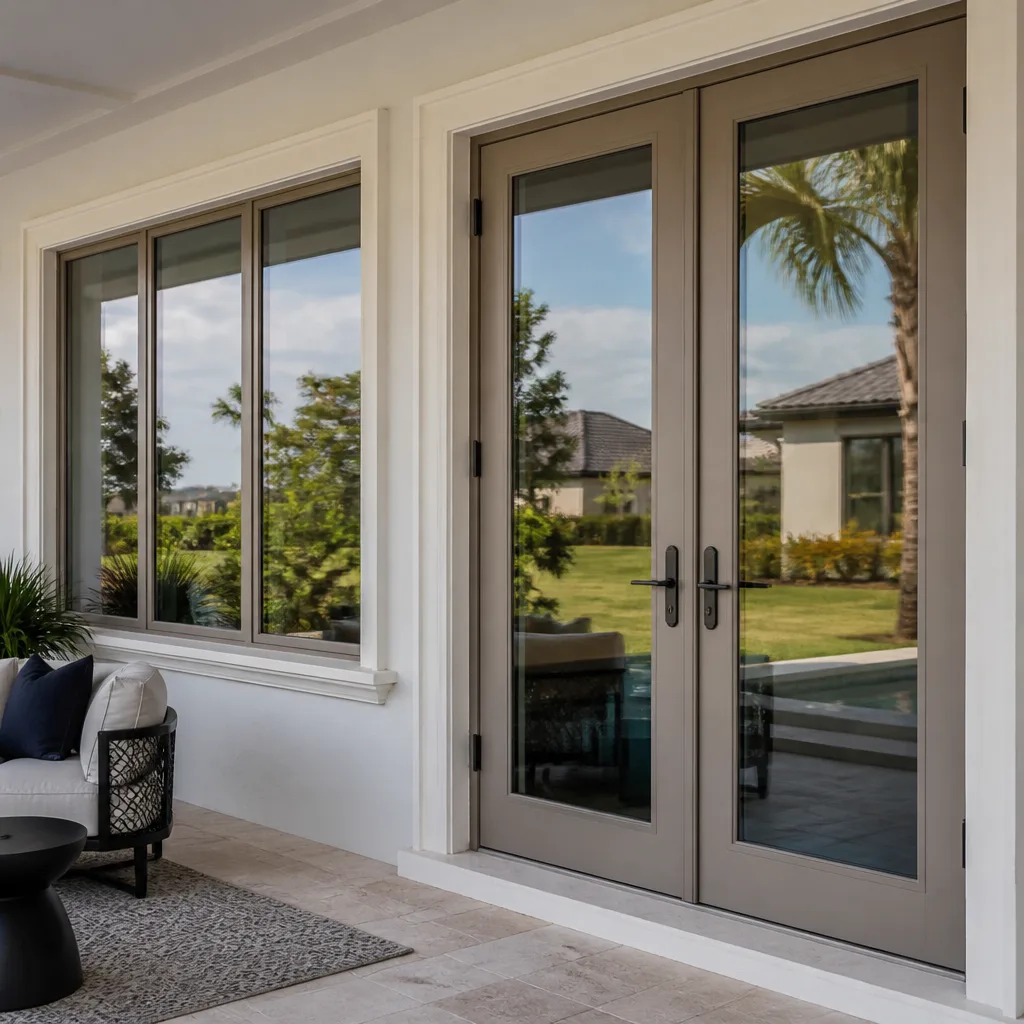
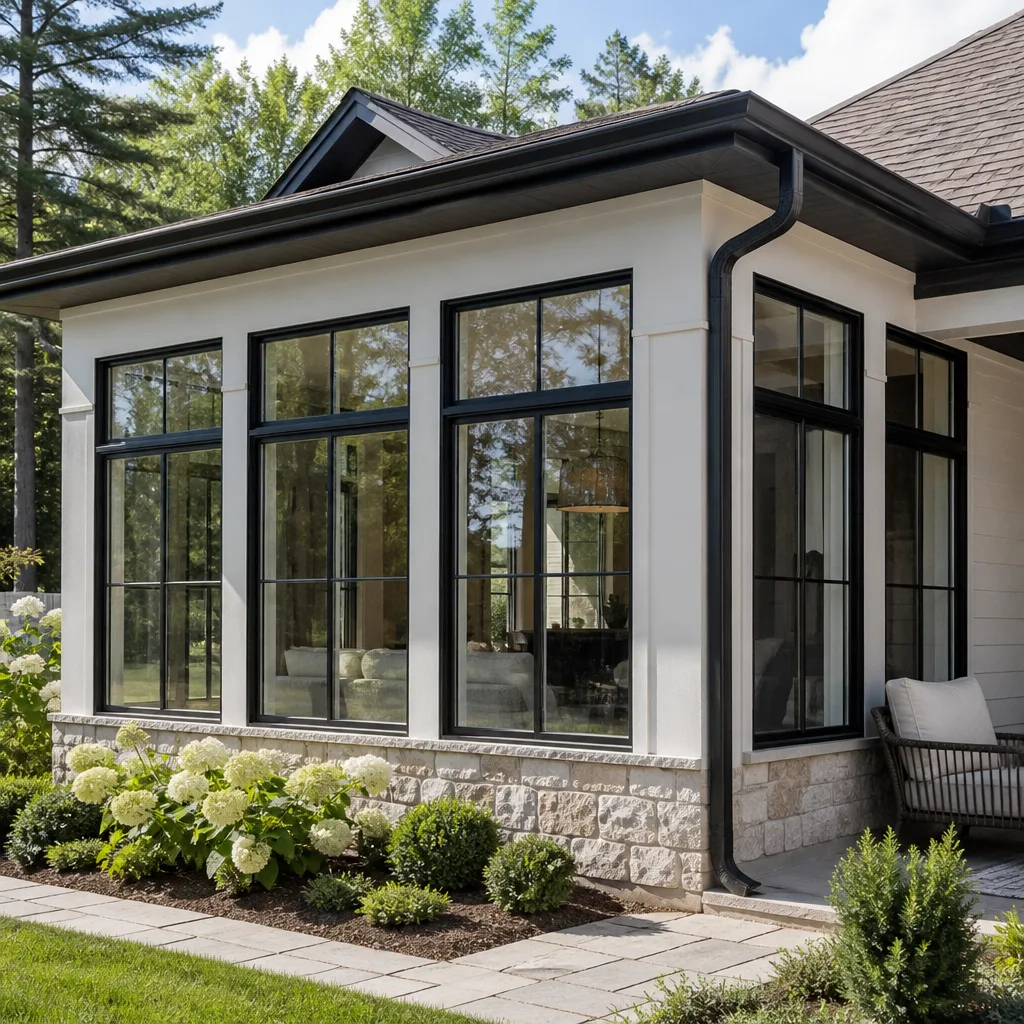
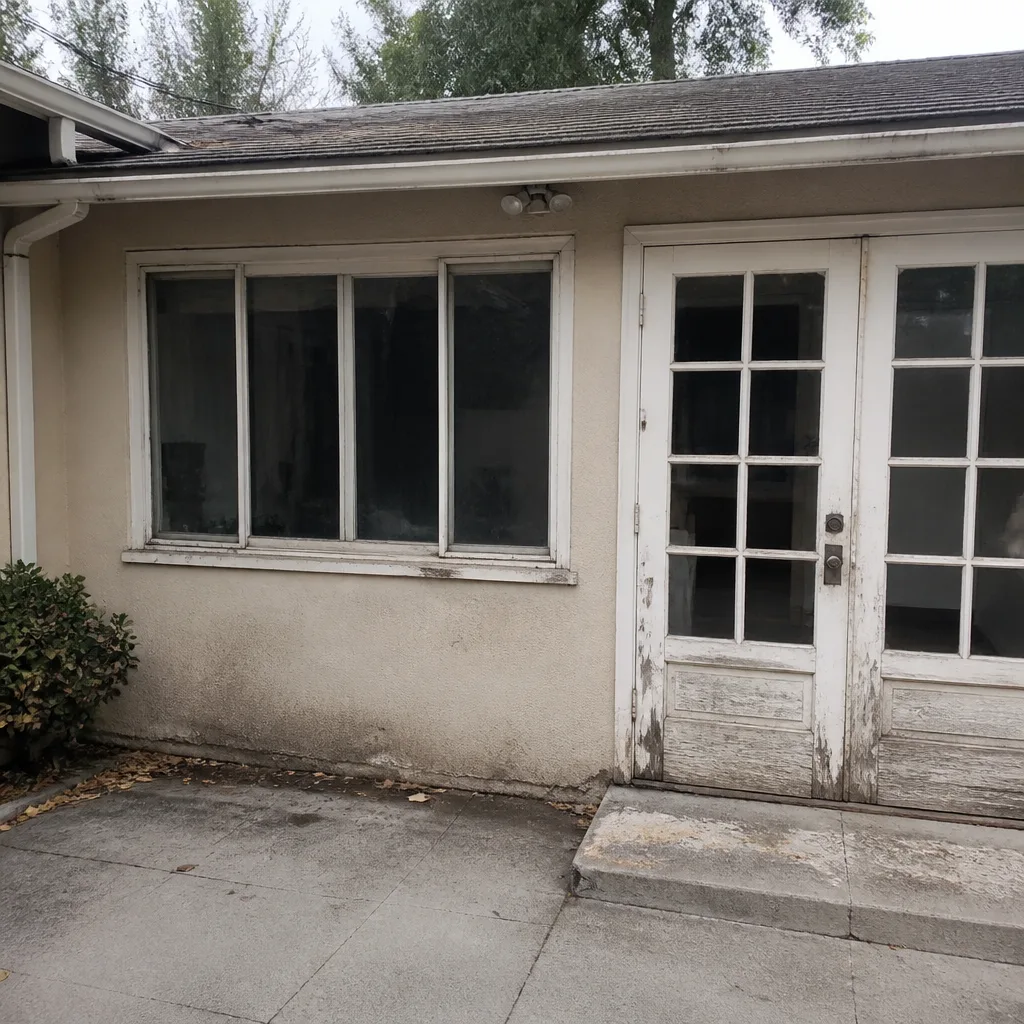 Before
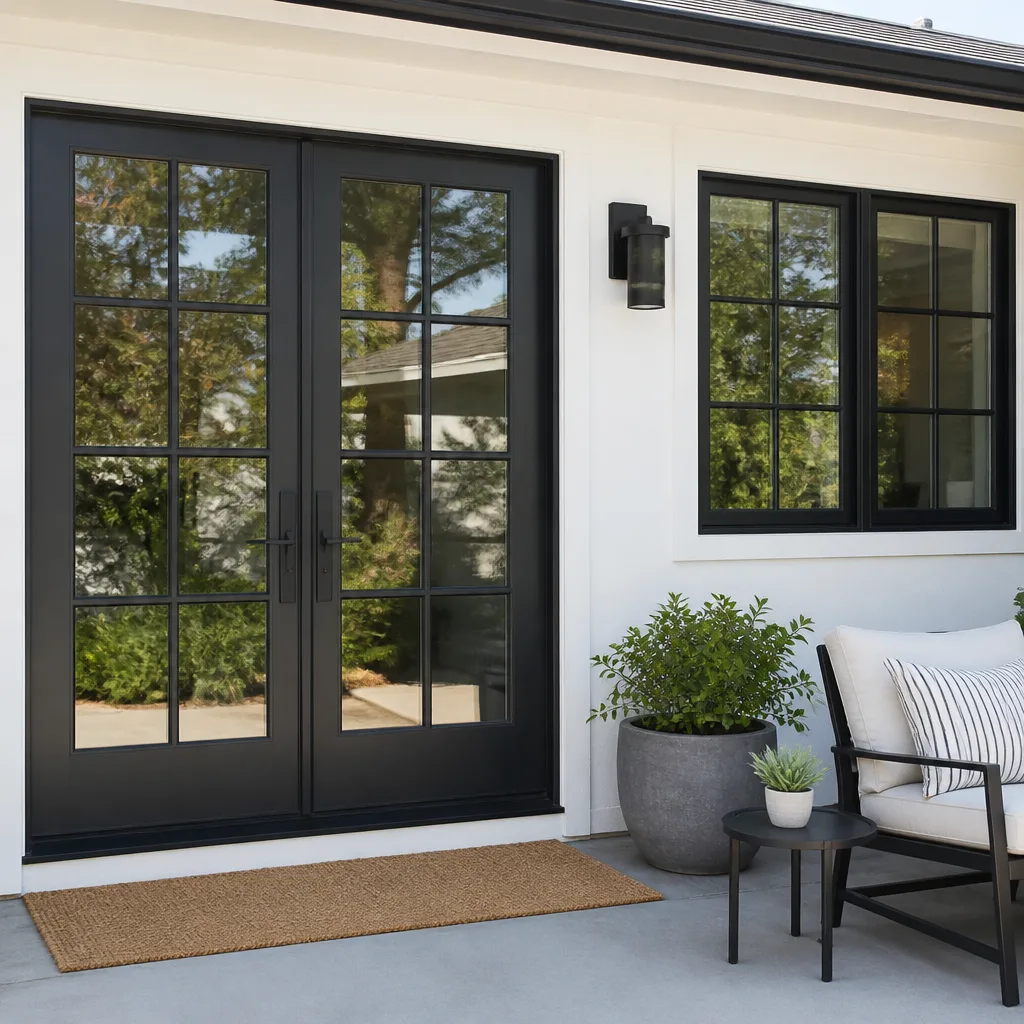 After
After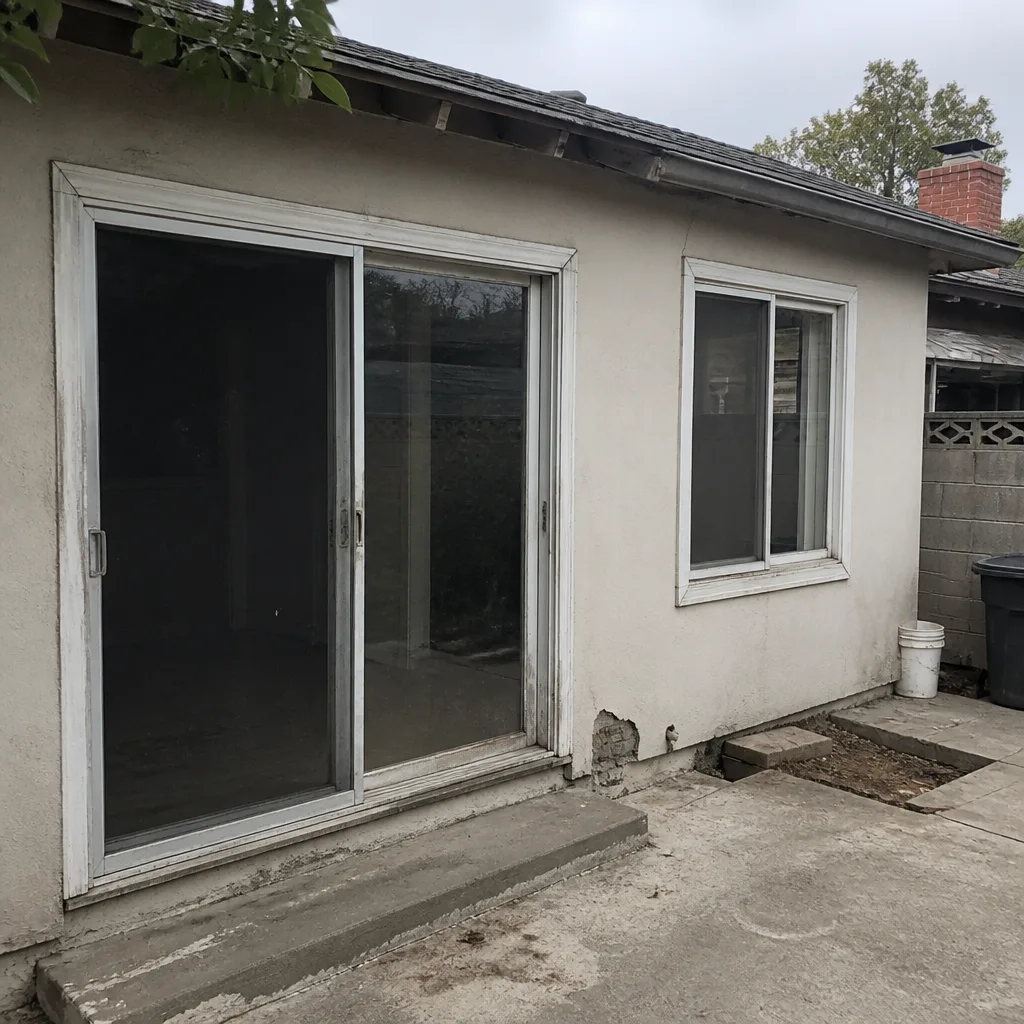 Before
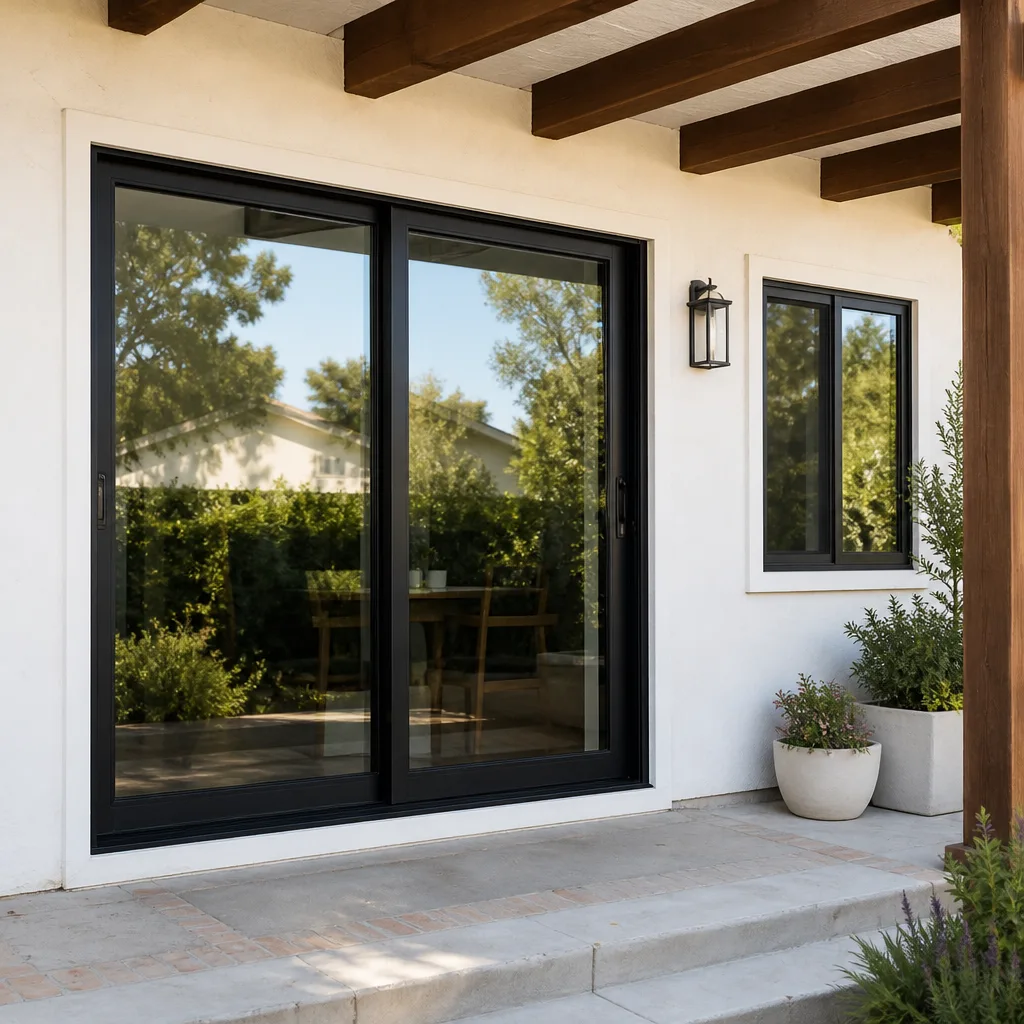 After
After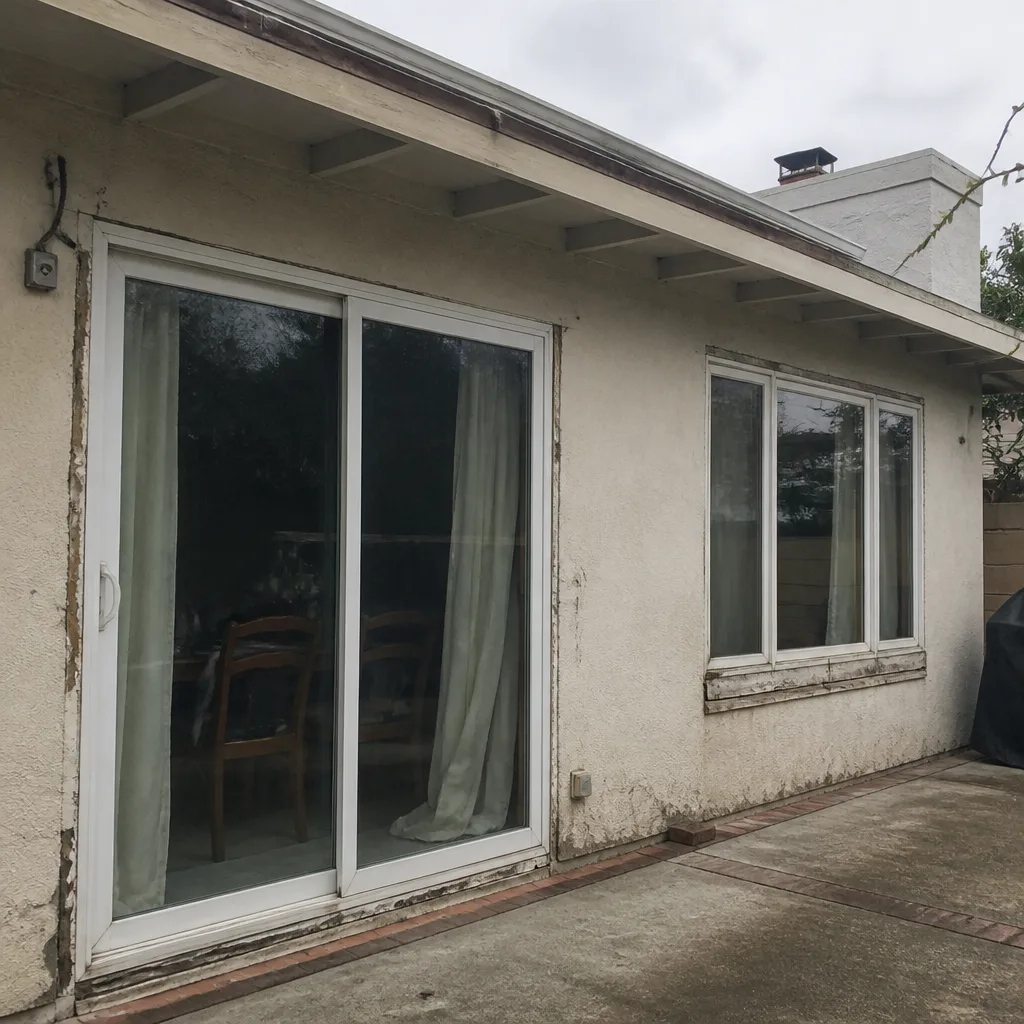 Before
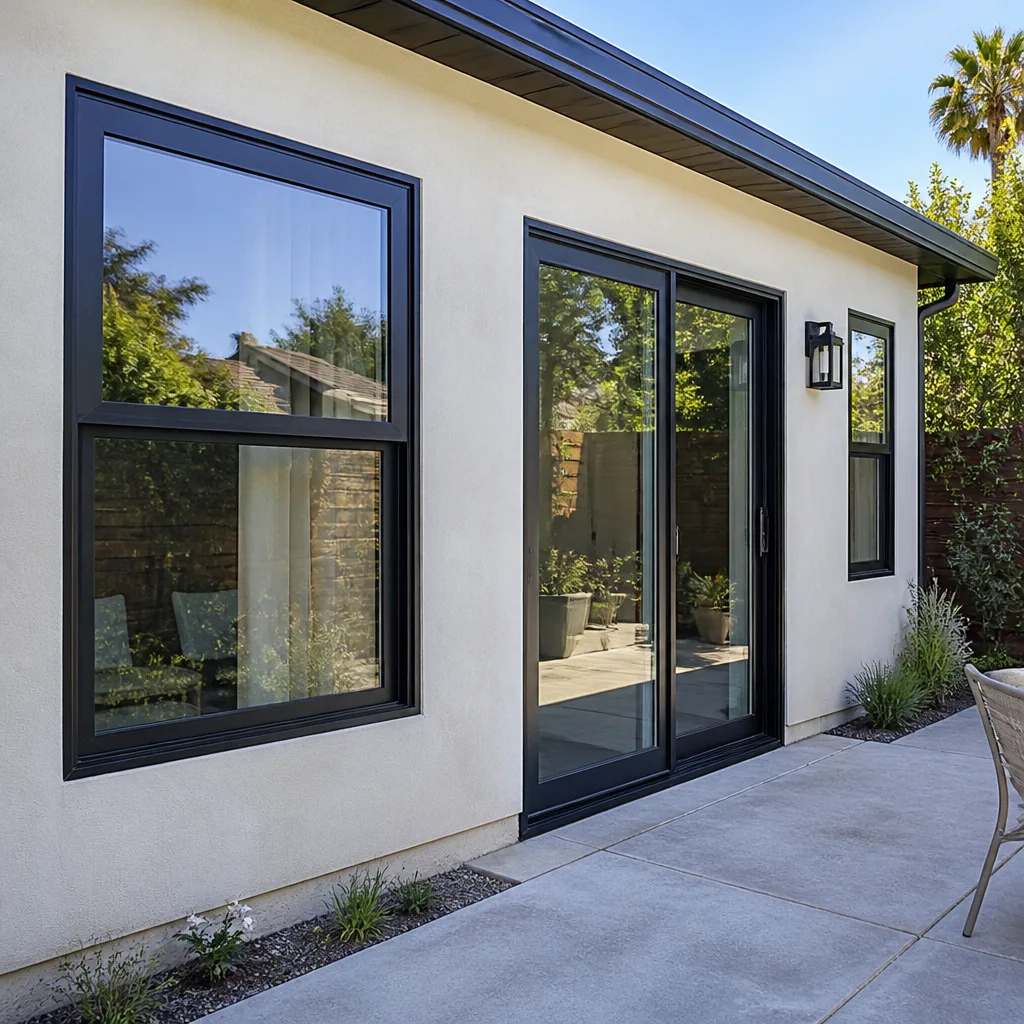 After
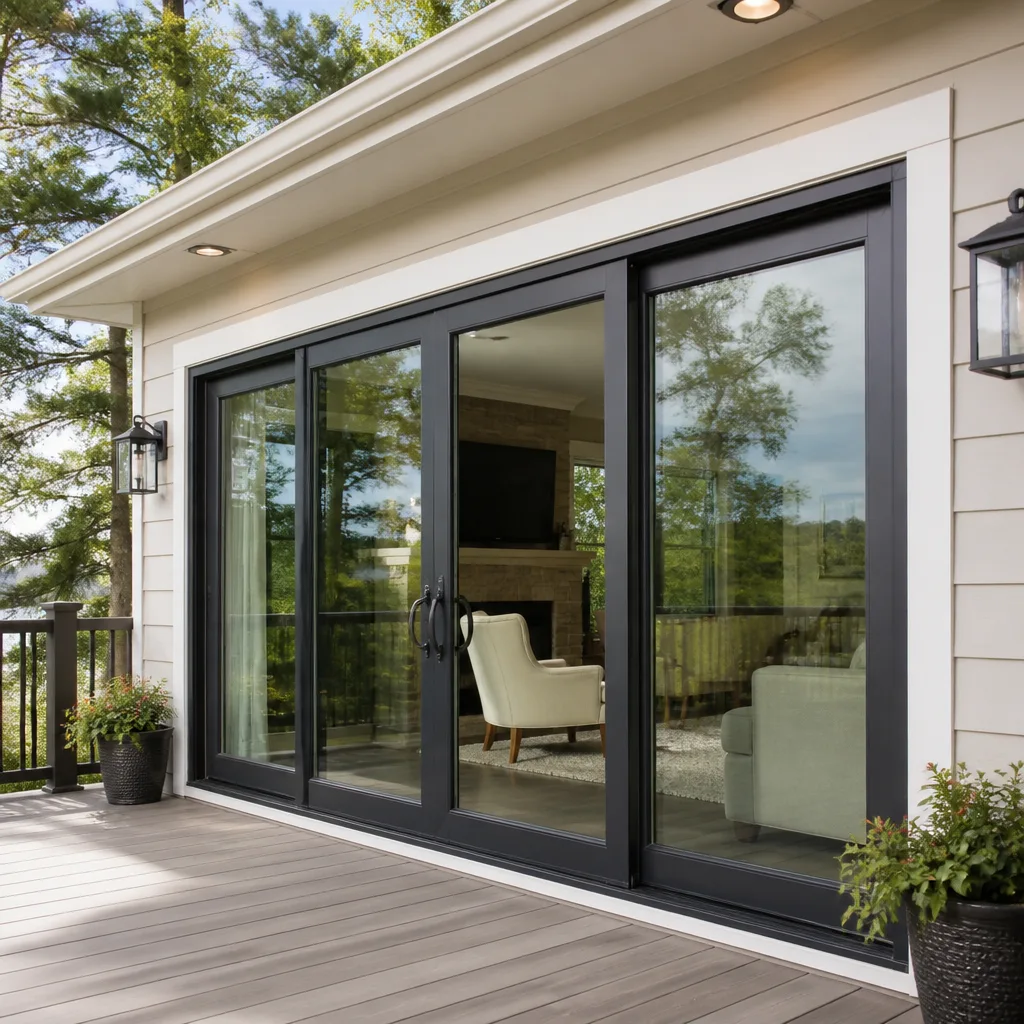
AfterMr-Glass Sliding & Patio Doors: The Los Angeles Owner’s Guide
We stock and install Mr-Glass-compatible sliding and patio door rollers, handles, locks, tracks, and weatherstripping across Los Angeles, with most parts replaced same-day for $95 to $385 installed depending on the component. The most common service call we get is a door that suddenly feels like it weighs 300 pounds, usually because the bottom rollers have flattened after years of carrying a heavy glass panel. You’ll notice it first as grinding or a door that lifts and drops as it moves, and if you live anywhere near the coast, salt air has probably accelerated the wear by a factor of two.
Mr-Glass doors are glass-heavy by design, which means their hardware works harder than most. The panel can easily weigh 180 to 260 pounds, and every ounce of it rides on two or four small nylon wheels. When those wheels start to disintegrate, the door doesn’t just get harder to open. It starts dragging its own weight across the track, which then chews up the track itself. By the time most Los Angeles homeowners call us, both the rollers and the track need attention, not just a quick wheel swap. We see it in Mar Vista, Encino, and Los Feliz equally: the part itself is rarely the whole story.
Which Mr-Glass Models This Applies To
Mr-Glass has a few sliding and patio door series that show up regularly in Los Angeles homes, and the hardware isn’t always interchangeable between them. The three we service most are the 600 Series (a budget-friendly vinyl sliding door common in condos and rentals), the 800 Series (a mid-range aluminum-clad door with better glass packages), and the 900 Series (a heavier, wider-panel door frequently used in custom builds and hillside remodels). Each series uses different roller assemblies, and the 600 Series in particular has a plastic roller housing that fails years earlier than the 800 or 900’s metal housings.
Finding your model is usually faster than homeowners expect. There’s a white or silver label on the interior edge of the door panel near the bottom corner, listing the series and a string of numbers that identify the glass type and frame dimensions. If the label’s gone, we measure the roller housing width and wheel diameter on site. Mr-Glass changed their roller and track geometry between the 600 and 800/900 series, so a generic big-box roller almost never sits correctly. We stock both OEM Mr-Glass hardware and a quality aftermarket equivalent we’ve tested on hundreds of Los Angeles doors, and we’ll tell you which one makes sense based on your door’s remaining service life. Some parts are no longer produced by Mr-Glass at all, so quality aftermarket is sometimes the only path to a door that actually glides again.
Signs Your Mr-Glass Sliding & Patio Doors Are Failing
- The door grinds or scrapes as it moves. The nylon or steel roller wheels have degraded to the point where metal is contacting metal against the track. Every pass makes the track worse, so this is a fix-it-now symptom in our book.
- The door lifts slightly before it moves, then drops when released. Classic worn-roller behavior. The door is literally riding on the edge of its own frame instead of the wheels, and the added friction is chewing up the frame lip.
- One end of the panel sags low, leaving a visible gap at the top corner. The adjustment screw inside one of the roller assemblies has backed out or the roller itself has collapsed. A sagging panel also makes the lock misalign, which brings us to the next one.
- The latch won’t engage, or it engages but pops open with light pressure. As the door sags, the latch hook no longer lines up with the keeper on the jamb. Homeowners often mistake this for a lock problem when the real issue is panel height.
- The track has visible grooves, pits, or a shiny wear line down the center. This happens when rollers fail and the door keeps getting dragged anyway. A new roller on a scarred track will fail quickly, so the track either gets cleaned and polished or a stainless cap gets installed over it.
Replacement Cost & What’s Included
For most Mr-Glass sliding door repairs in Los Angeles, you’re looking at $95 to $385 installed depending on what actually failed. Here’s the breakdown we quote from, written the way we end up quoting it on site:
- Roller replacement (both bottom rollers, adjusted): $175 to $285 depending on series and whether the aftermarket or OEM part is used.
- Track cleanup, polishing, and stainless cap if needed: $95 to $190, typically added when the original track shows visible wear.
- Handle and latch replacement: $135 to $250 installed, including realigning the panel so the latch actually catches.
- Full weatherstripping refresh (head, jamb, and interlock): $120 to $240, which kills the draft and the dust line that builds up on the track.
Every quote is a written price before we touch the door, and it covers parts, labor, and disposal of the old hardware. If we open the door and find track damage that wasn’t visible before, we stop, show you a photo, and give you the adjusted number before continuing. No surprise invoice at the end. The repair itself is covered by the 365-Day Done Right Promise: if anything we installed fails within a year, we come back and make it right, parts and labor, no charge.
DIY or Call Us?
Sliding and patio door rollers don’t carry the same risk as high-tension springs, but they can still go sideways fast if you’ve never lifted a glass panel out of its track. That panel weighs well over 200 pounds on many Mr-Glass doors, and the frame edges are sharp enough to cut. What homeowners can safely do is clean the track, vacuum out the debris, and visually confirm whether the wheels are visibly flat or missing material. If the answer’s yes, the panel has to come out, and that’s a two-person job with a specific lift technique. We’d genuinely rather you call us than wrestle a $2,000 glass panel onto your deck. We’re at (682) 281-2168, and we’ll give you a straight answer about whether it’s simple or one of the fiddly ones.
FAQs
Inland Los Angeles homeowners typically get 8 to 12 years from original rollers, while coastal areas like Playa del Rey or San Pedro are looking at 5 to 8 years because salt air accelerates wheel and bearing wear. If your door is used multiple times a day, cut those numbers by a third. Call (682) 281-2168 for an honest assessment of what’s actually left in your hardware.
No, roller assemblies on Mr-Glass doors are sealed units. The wheel, bearing, and housing all wear together. Cleaning and lubricating will sometimes buy you a few months, but the fix is a new assembly, not a rebuild. We stock both OEM and quality aftermarket replacements on our truck, so the swap’s typically done same-day in Los Angeles.
A roller and track refresh takes 60 to 90 minutes on most Mr-Glass doors. A handle and latch replacement with panel realignment runs 45 to 60 minutes. Weatherstripping takes about an hour. You get a live arrival time via the Relay Standard so you’re not sitting around all day.
We stock Mr-Glass roller assemblies, handles, latches, and weatherstripping for the 600, 800, and 900 series on our service vehicles, along with compatible aftermarket equivalents from our partner line. We also carry parts for PGT, CGI, and CWS doors for good measure. At this point, over two decades into this work, we’ve seen enough of these doors across Los Angeles to know what’s going to be on the truck and what needs a one-day order.
Written by Sean Mackey, Owner & Installer, Juniper Windows & Doors at Juniper Windows & Doors, serving Los Angeles and nearby areas.