Free in-home measure and quote - PGT, CGI and CWS impact lines compared on your actual openings, style by style
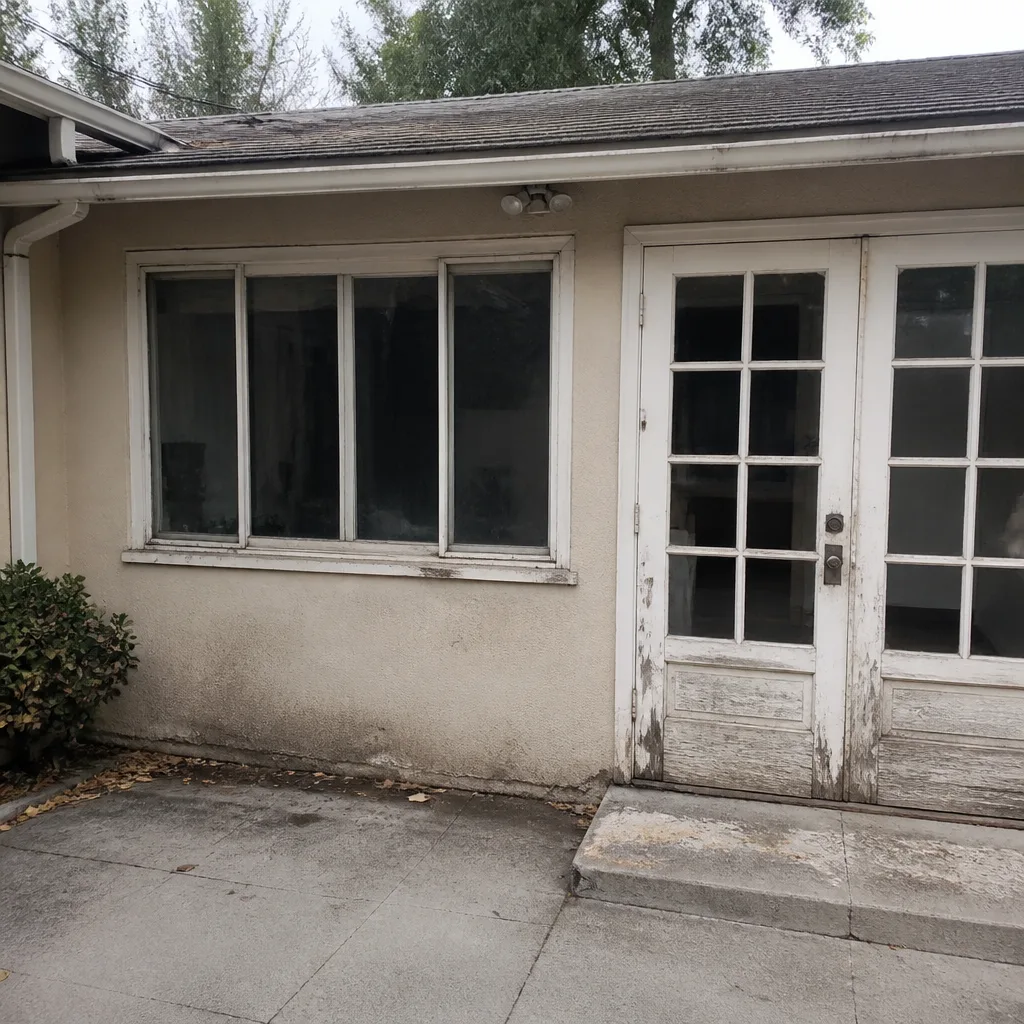 Before
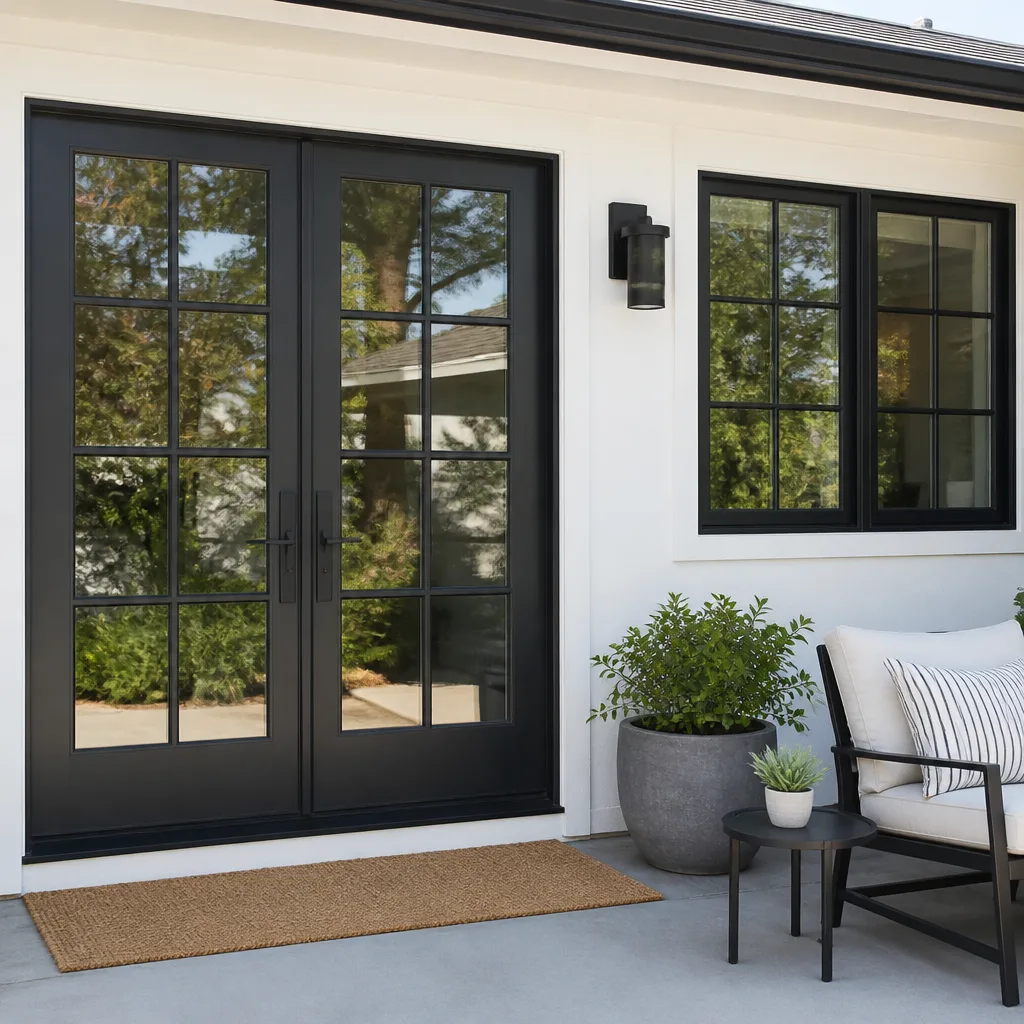 After
After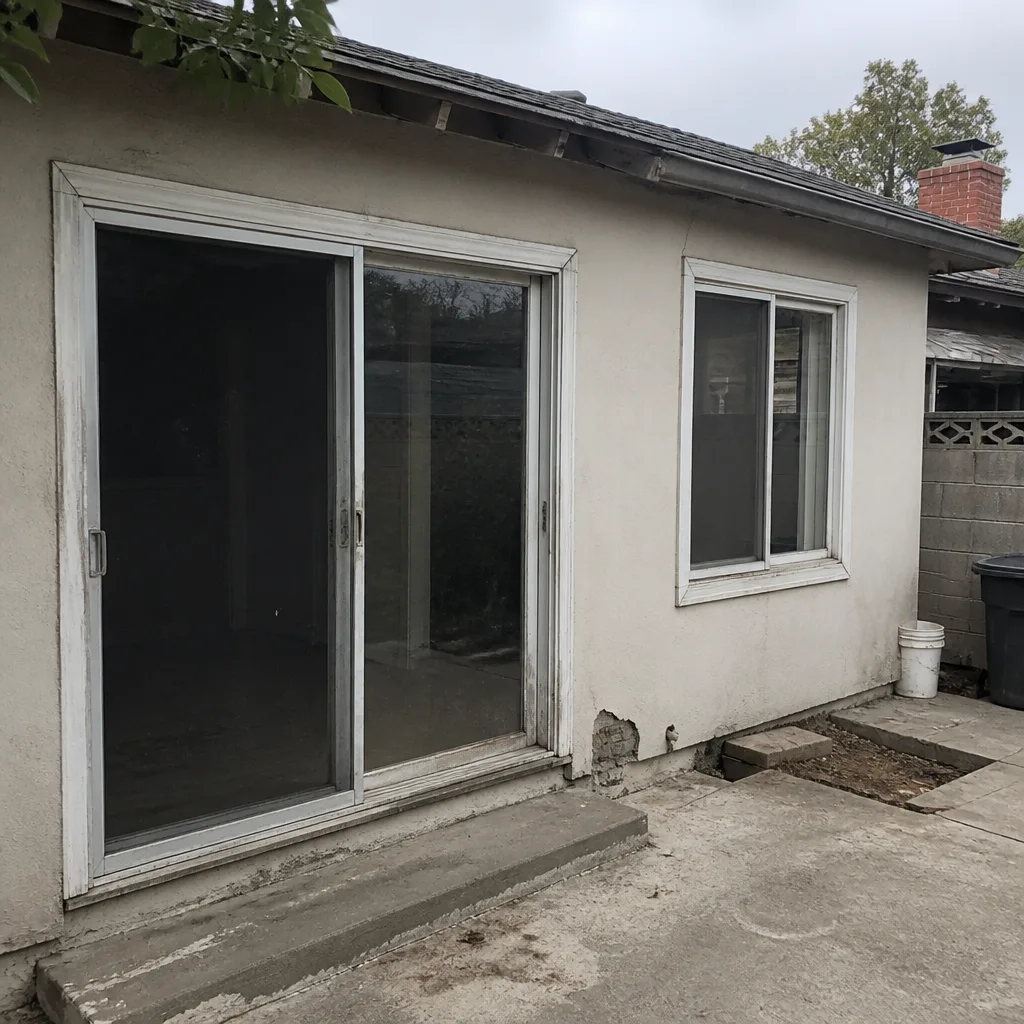 Before
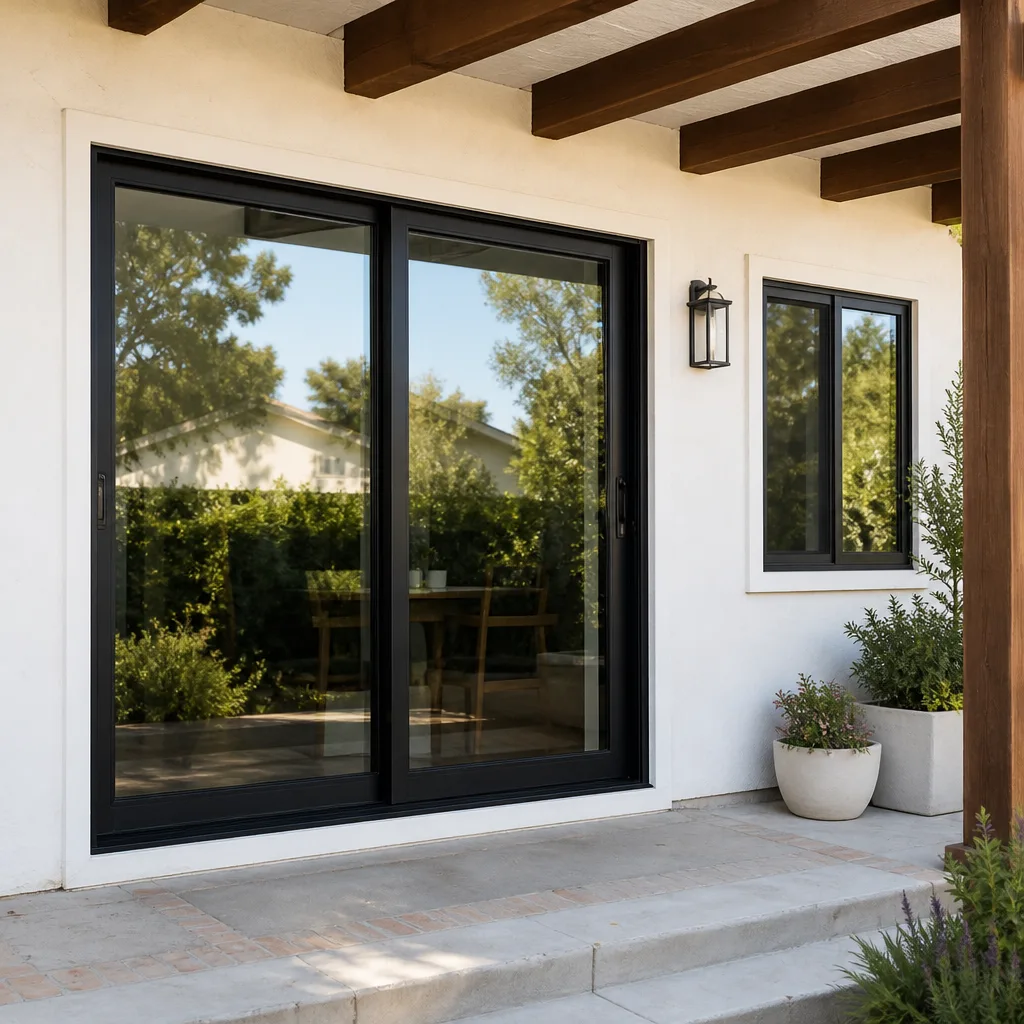 After
After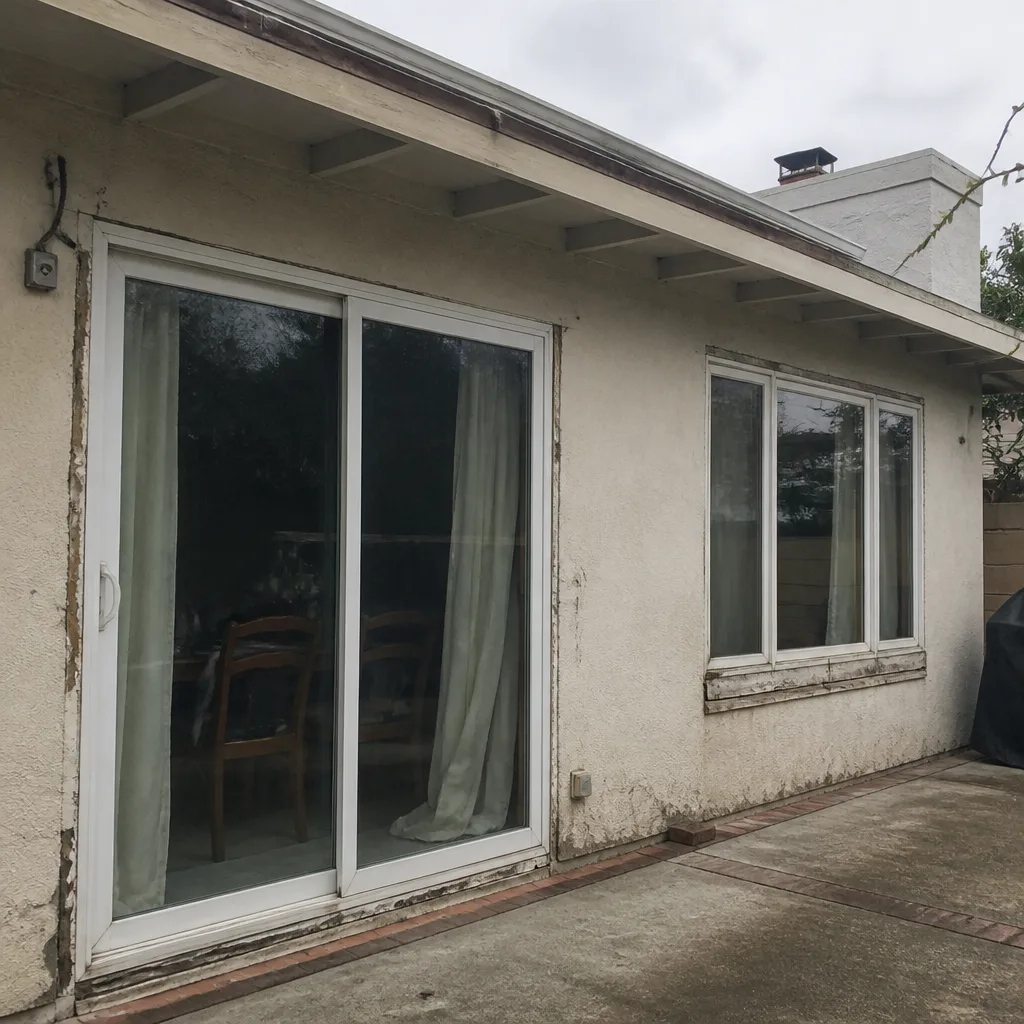 Before
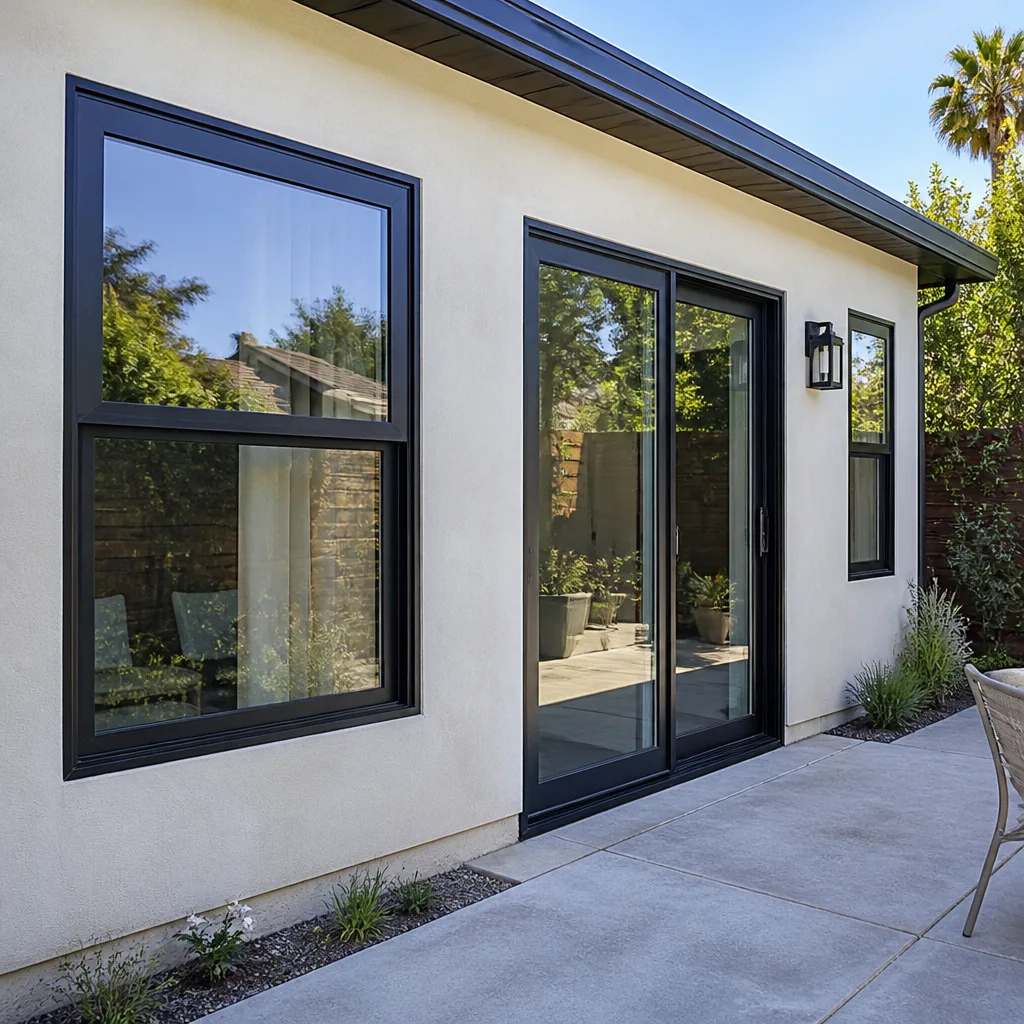 After
AfterCasement Windows in Los Angeles, CA | Juniper Windows & Doors
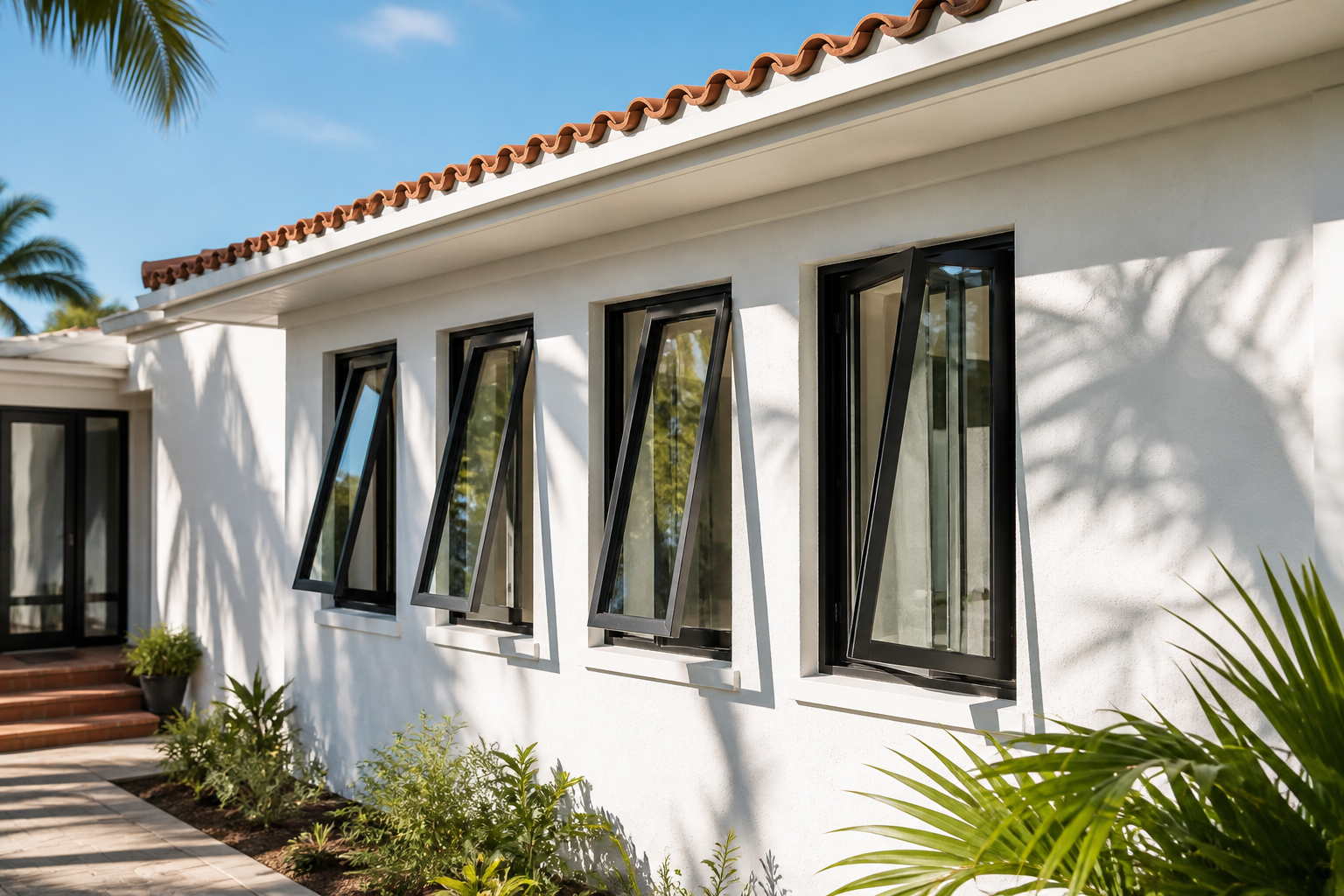
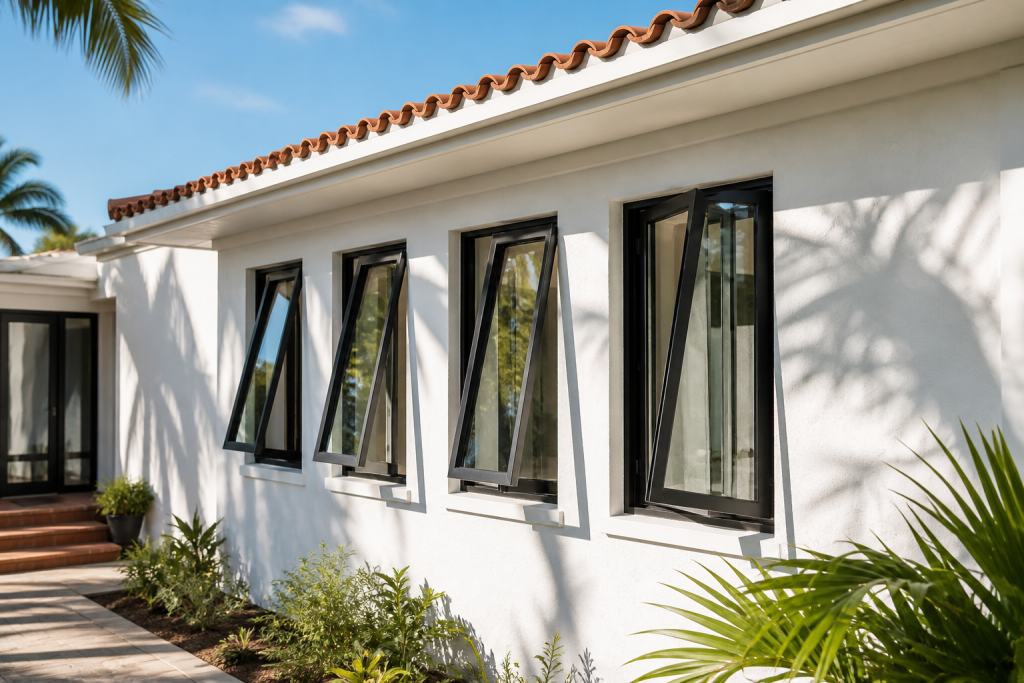
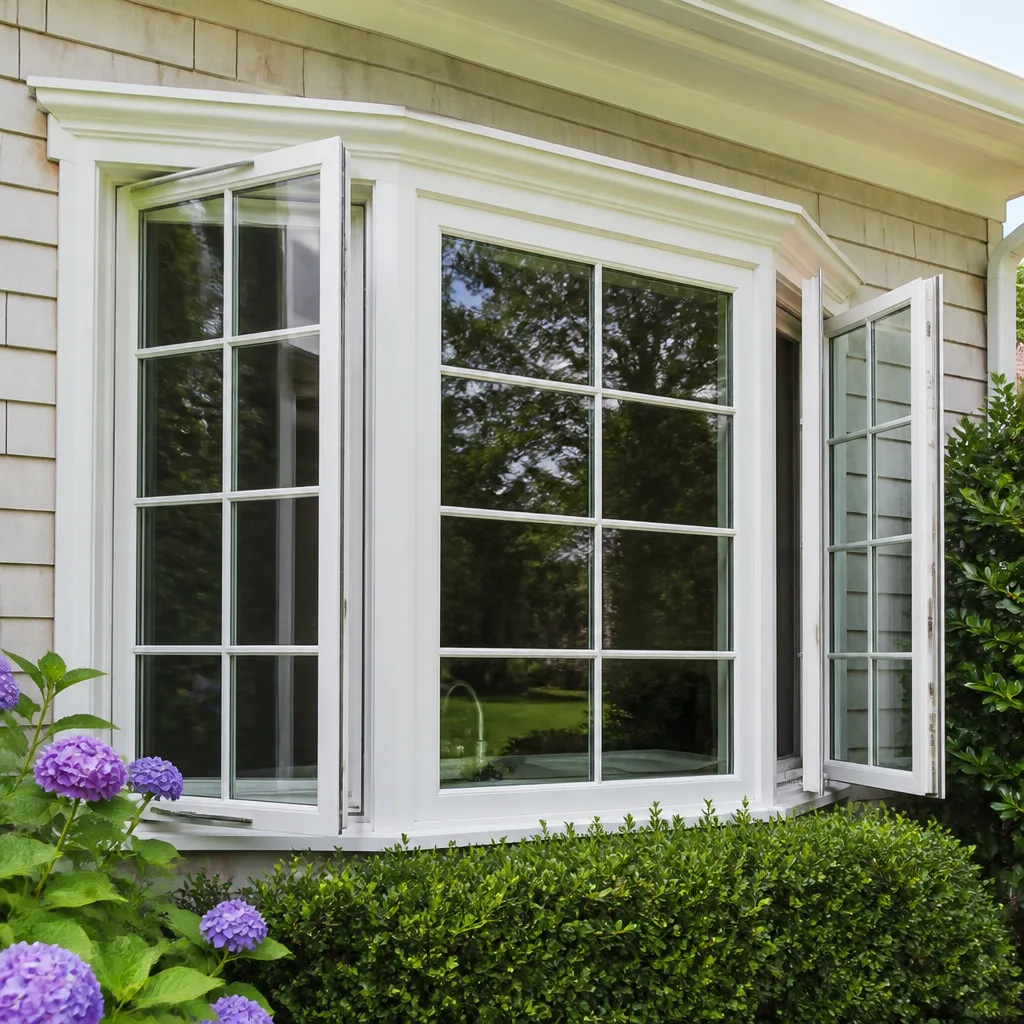
Casement windows give you something most Florida window styles can’t: a full, unobstructed opening with no center rail breaking the view. Ours are side-hinged, crank-operated impact casements that seal tight against wind and rain when closed, then swing fully outward for ventilation when you want it. Juniper Windows & Doors supplies and installs impact-rated casements across Los Angeles, CA, and we’ve spent years dialing in the installation details that matter in hurricane-prone construction. Whether you’re replacing a single window in a beach bungalow or outfitting a whole Mediterranean-style home, you’ll get the same careful measuring, same level setting, and same attention to sealant detail. Call (682) 281-2168 to talk through your project.
Product Overview – Casement Windows
A casement window is the workhorse of a hurricane-rated home when you want airflow without compromise. The sash is hinged on one side and operated by a crank, which lets you swing the entire glass panel open outward. When you close it, the sash presses into a full compression seal around all four edges. That’s the key difference between a casement and a sliding window: a slider relies on overlapping tracks and brushes, while a casement compresses a gasket tight, the way a refrigerator door seals. In a wind event, that compression seal works in your favor. Wind pressing against the outside of a closed casement actually pushes the sash harder into the frame, tightening the seal rather than flexing it open.
We offer these in aluminum and vinyl frames. Aluminum gives you a slimmer sightline and a more contemporary profile, which suits a lot of the modern and coastal homes we see in Los Angeles. Vinyl offers a thicker frame with excellent thermal performance and a softer, more traditional look on certain elevations. Both materials take the same impact-rated laminated glass packages, so the performance decision comes down to look, budget, and how the window sits on your elevation.
Technical Specifications
Here’s what you can choose from when we spec your casement windows. Every configuration is quoted specifically for your openings, so these are the building blocks, not a one-size-fits-all package.
- Frame materials: Aluminum or vinyl, selected for your exposure and aesthetic.
- Glass options: Laminated impact glass with PVB interlayer, Low-E insulated glass, tinted glass, or clear glass.
- Finish colors: White, almond, bronze, black, or tan.
- Screens: Fixed screen for year-round insect protection, or retractable screen that disappears when you want a clean sightline.
- Operation: Side-hinged, crank-operated sash with full perimeter compression seal.
- Design pressure: Matched to your wind zone, up to +/-100, never higher.
- Compliance: Miami-Dade NOA and Florida Product Approval numbers available per configuration; engineered to FBC HVHZ requirements.
Hurricane & Compliance Performance
The performance of an impact casement comes from how the glass, the frame, and the installation work together. Here’s what each layer does.
Laminated Impact Glass
The glass is laminated with a PVB (polyvinyl butyral) interlayer sandwiched between two panes. If something hits the window, the glass may crack but the interlayer holds the pieces in place and keeps the pane in the frame. That’s the core of impact protection: not making the glass unbreakable, but making the assembly hold together and keep the wind out of your house.
Miami-Dade NOA / Florida Product Approval
Each configuration we quote carries either a Miami-Dade Notice of Acceptance or a Florida Product Approval number, depending on the size, frame, and glass package you choose. These numbers are issued per configuration, so we verify the exact approval on your specific quote. If your jurisdiction’s permit review asks for them, we supply the documentation.
FBC / HVHZ Compliance
These casements are engineered to Florida Building Code High-Velocity Hurricane Zone requirements. That’s the stricter standard that applies to coastal and wind-prone areas, and it means the product has been designed for the pressures and impact conditions those zones demand. We won’t sell an HVHZ-required project a product that doesn’t meet the code.
TAS 201 / 202 / 203 Testing Context
HVHZ-rated products are tested under a family of protocols: TAS 201 for large-missile impact, TAS 202 for cyclic wind-pressure loading, and TAS 203 for forced-entry resistance. This is the testing battery that validates a window for use in areas that demand Miami-Dade-level protection. It’s not a marketing label, it’s a three-part engineering hurdle.
Design Pressure for Your Wind Zone
Design pressure is a PSF rating, not a wind-speed claim. We match the casement to your specific wind zone and never push a rating higher than +/-100. The right DP comes from your location, your building geometry, and your elevation. Going higher than needed adds cost without adding real protection.
Energy Performance
Low-E and insulated glass options are available for these casements. That matters in Los Angeles, where the sun works against your cooling bill most of the year. Low-E coatings cut solar heat gain while still letting in light, and insulated glass helps hold your indoor temperature steady. We’ll help you weigh the coastal glare factor against the thermal payoff.
Color & Glass Options
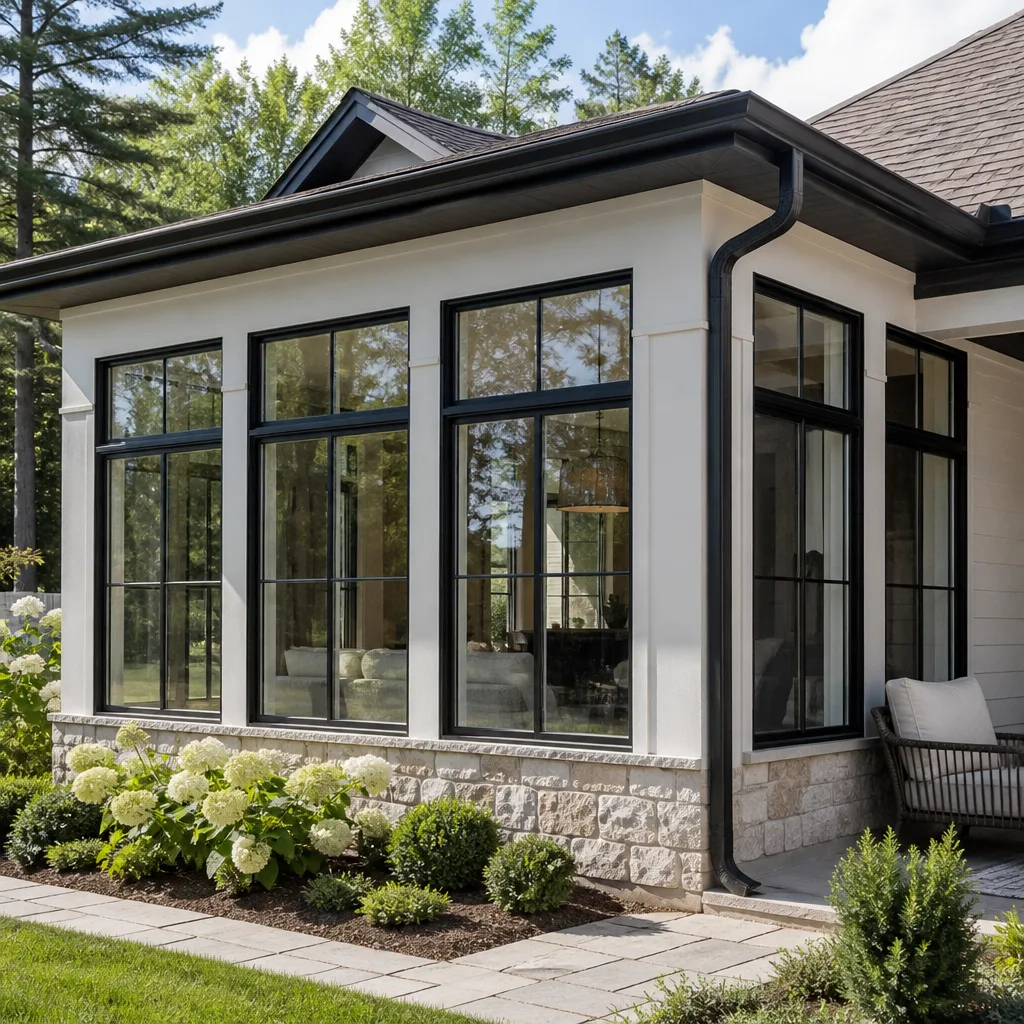
The finish you pick should work with your home’s architectural language, not fight it. White and almond read clean and traditional, which suits a lot of the older ranch and coastal homes we see across Los Angeles. Bronze and black give a sharper, more contemporary line, especially on modern elevations or homes with dark window trim. Tan splits the difference and sits naturally on neutral stucco, which is everywhere in this city.
On the glass side, laminated impact glass is the non-negotiable base for protection. From there, Low-E insulated glass is the upgrade that makes the most sense if your windows get direct afternoon sun. Tinted glass is another option for glare-heavy western exposures, and clear glass keeps the view as honest as possible when you’re looking out over the water or the hills. We’ll walk you through each combination when we quote your openings.
Installation by Juniper Windows & Doors in Los Angeles
An NOA-rated casement window is only as good as the installation around it. If the frame isn’t set level, plumb, and square, the sash won’t close evenly, and the compression seal won’t do its job. If the perimeter sealant isn’t right, water finds its way in before the hurricane ever does. That’s why Juniper Windows & Doors handles the install with the same care as the product selection.
Our process in Los Angeles starts with a pre-install inspection of every opening. We check the rough opening dimensions, the condition of the existing buck or framing, and any signs of water intrusion. Then we set the new casement level, plumb, and square, shim where needed, and anchor per the product’s approved installation method. We install to AAMA 2400/2410 practice, and the perimeter gets an AAMA 812 low-expansion foam sealant application. After the window is in, we flush-test the installation and check operation of the crank and the compression seal before we finish. Permits in HVHZ jurisdictions sometimes require the NOA or FL Product Approval submittal, and we handle that paperwork as part of the job. Coastal exposure in Los Angeles means we also account for salt air and sustained wind when we choose flashing and sealant products, not just the window itself.
Frequently Asked Questions – Casement Windows
What wind zone or design pressure is the casement window rated for?
Design pressure is matched to your specific wind zone, up to +/-100, never higher. The right DP for your home depends on your location, exposure, and building geometry. We’ll calculate the required rating when we quote your project, and we’ll show you the Miami-Dade NOA or Florida Product Approval documentation that corresponds to the exact configuration. Call (682) 281-2168 and we’ll walk you through the numbers.
What is the lead time on casement windows?
Lead times depend on the frame material, glass package, and finish color you choose. Custom configurations take longer than stock sizes, and certain glass options add time. We’ll give you a realistic delivery window when you place your order, and we’ll coordinate the installation schedule around it so you’re not living with a boarded-up opening. Call (682) 281-2168 for current lead times on your spec.
Does my permit require a Miami-Dade NOA or Florida Product Approval submittal?
In many Los Angeles-area jurisdictions, yes. If your local building department requires it, we provide the NOA or FL Product Approval number for your exact configuration with your permit package. We don’t guess on this, and we don’t leave you to chase down paperwork. Call (682) 281-2168 and we’ll tell you what your jurisdiction needs.
Can I customize the size or configuration of the casement windows?
Yes, within the approved size range for each configuration. Casements can be sized to fit most openings, and you can pair them with fixed windows or stack multiple casements in a row for a wider opening. The NOA or FL Product Approval applies per configuration, so we’ll verify the approval covers the sizes you want before we quote. Call (682) 281-2168 with your opening sizes.
How do I maintain the frame and hardware?
Keep the tracks and hinges clean, lubricate the crank mechanism lightly once or twice a year, and wipe down the frame with mild soap and water. In salt-air locations in Los Angeles, rinse the exterior frame a couple times a year to keep salt from building up. Use a mild, non-abrasive cleaner to avoid damaging the finish.
Get a Quote – Casement Windows in Los Angeles
If you’re replacing windows in Los Angeles and want impact casements that seal tight, open wide, and carry real NOA and Florida Product Approval documentation, we’re ready to help. Call (682) 281-2168 to schedule a free on-site measurement and get a written line-item quote. We’ll walk the property, check your openings, and spec the right window for every elevation.
Written by the team at Juniper Windows & Doors, serving Los Angeles, CA with hurricane-impact windows and professional installation.
Detailed Images