

Free in-home measure and quote - PGT, CGI and CWS impact lines compared on your actual openings, style by style
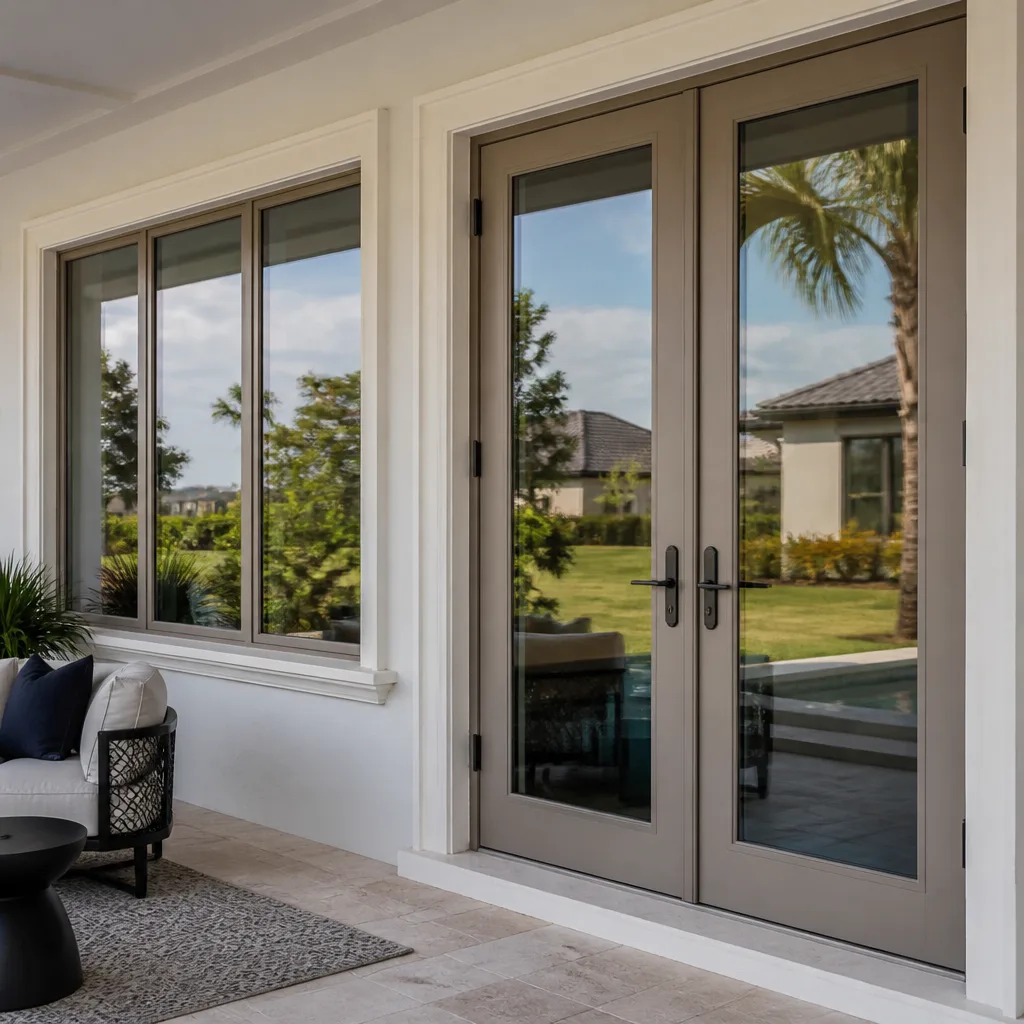

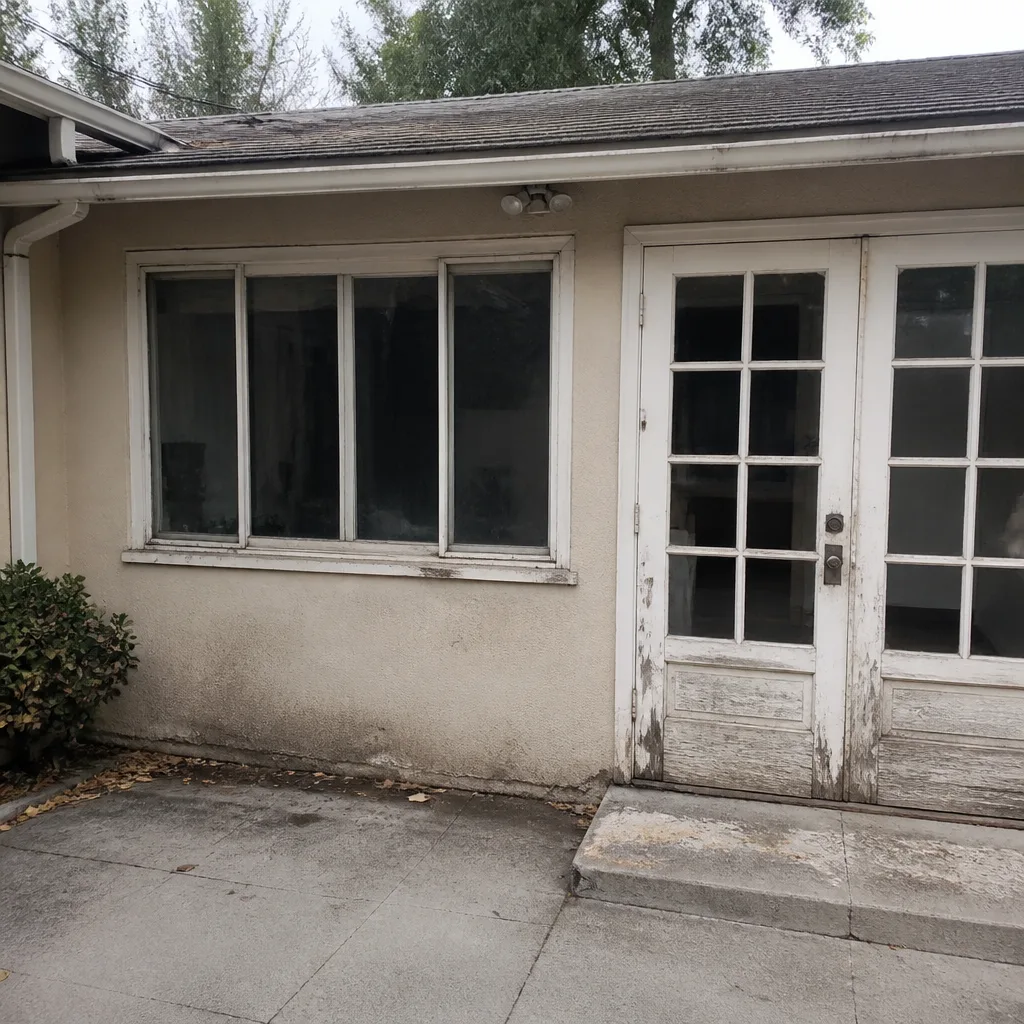 Before
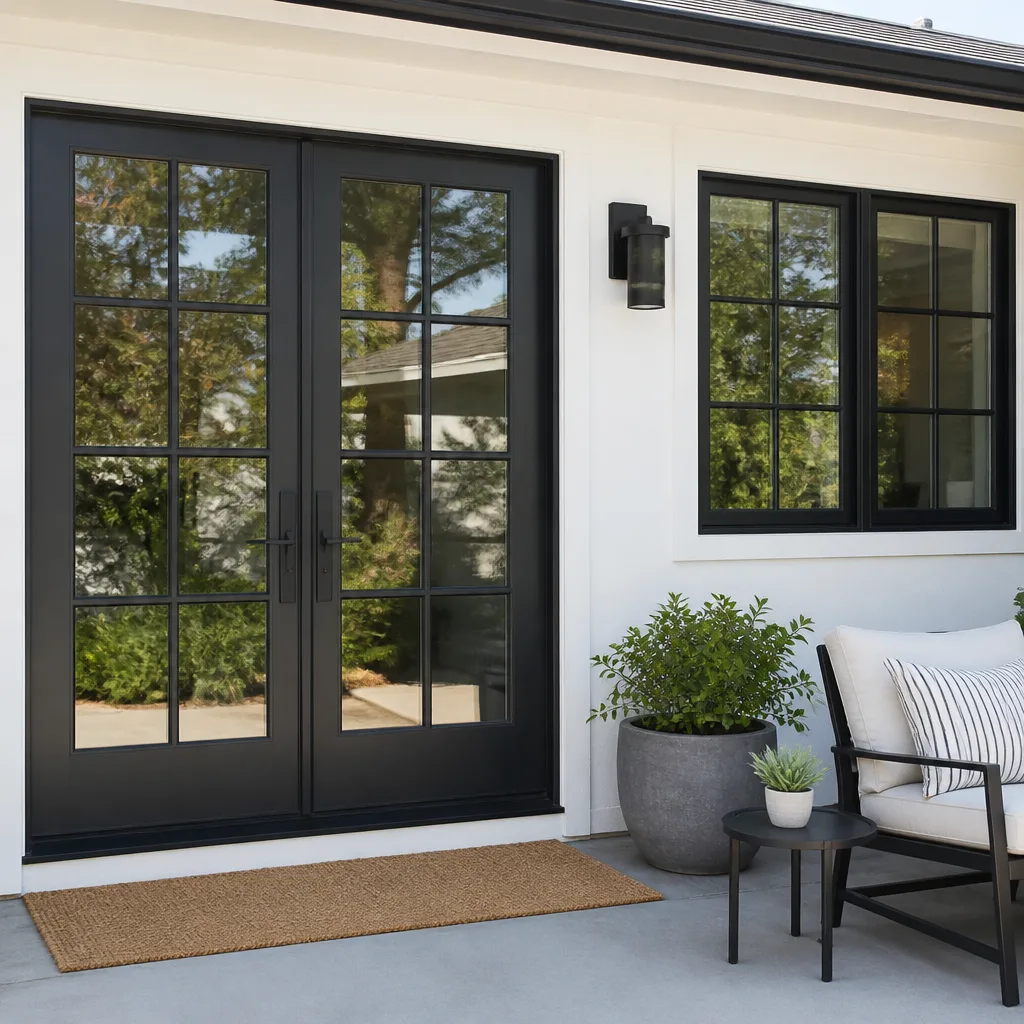 After
After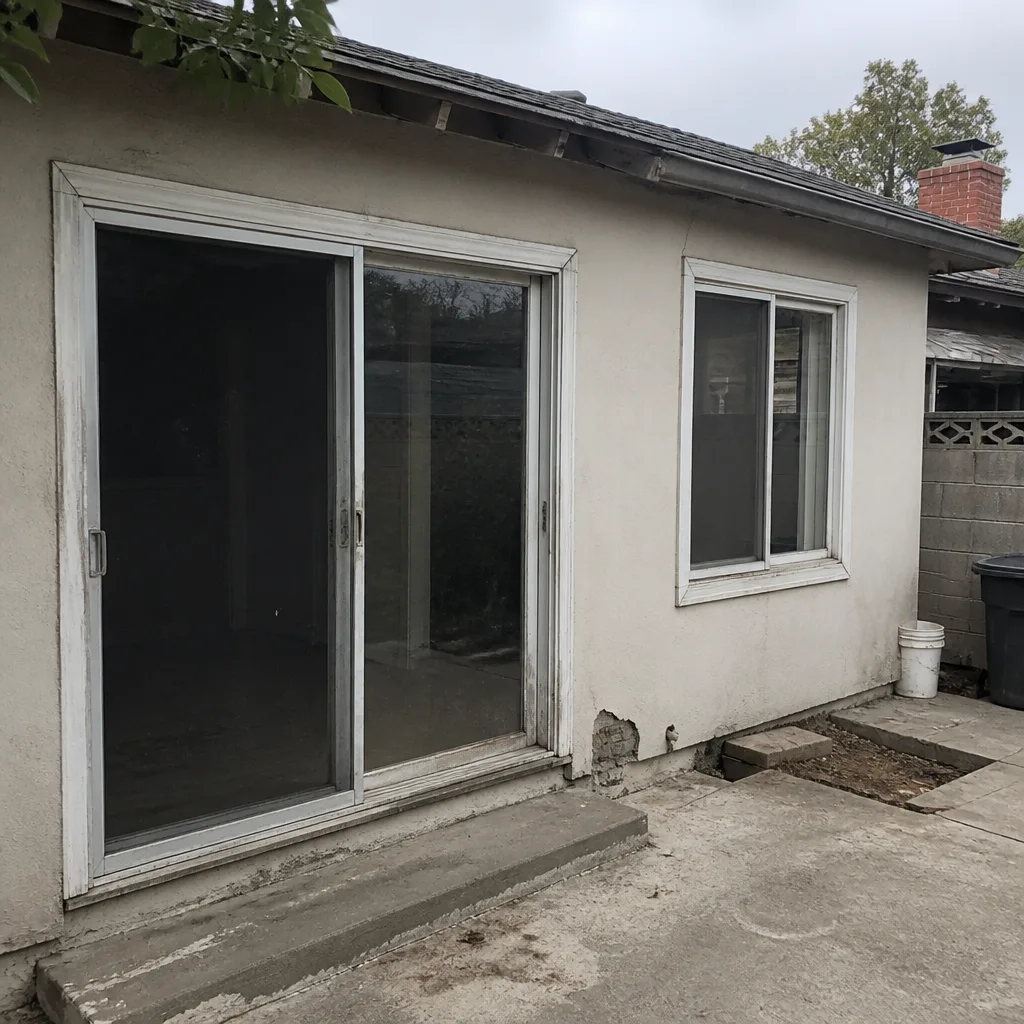 Before
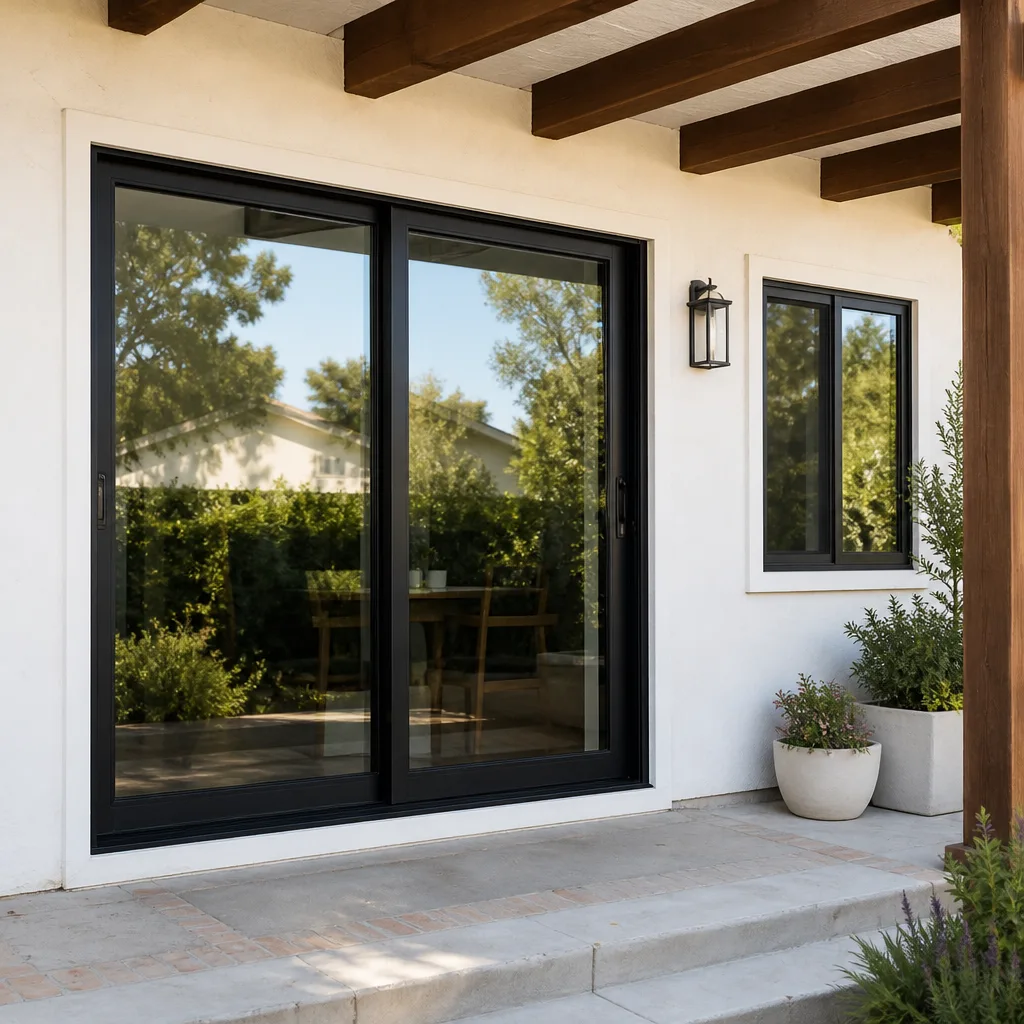 After
After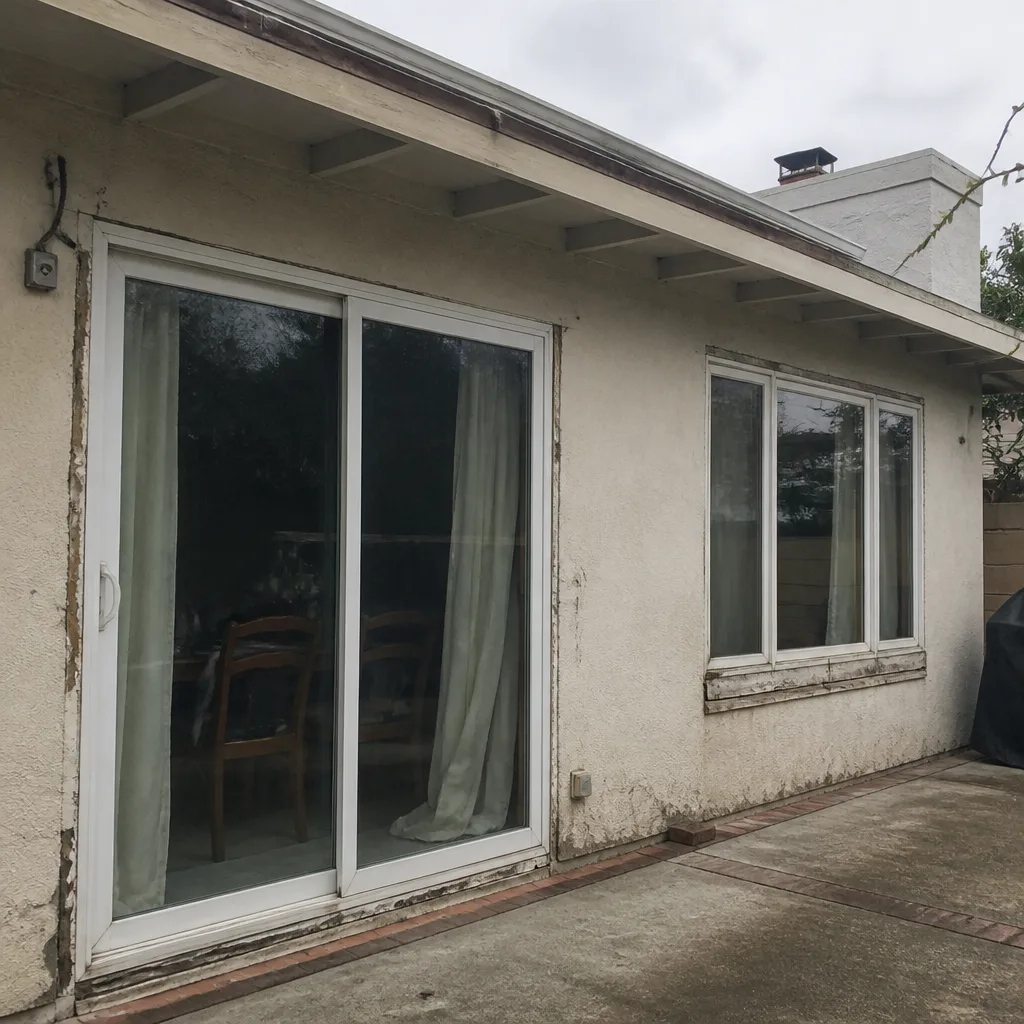 Before
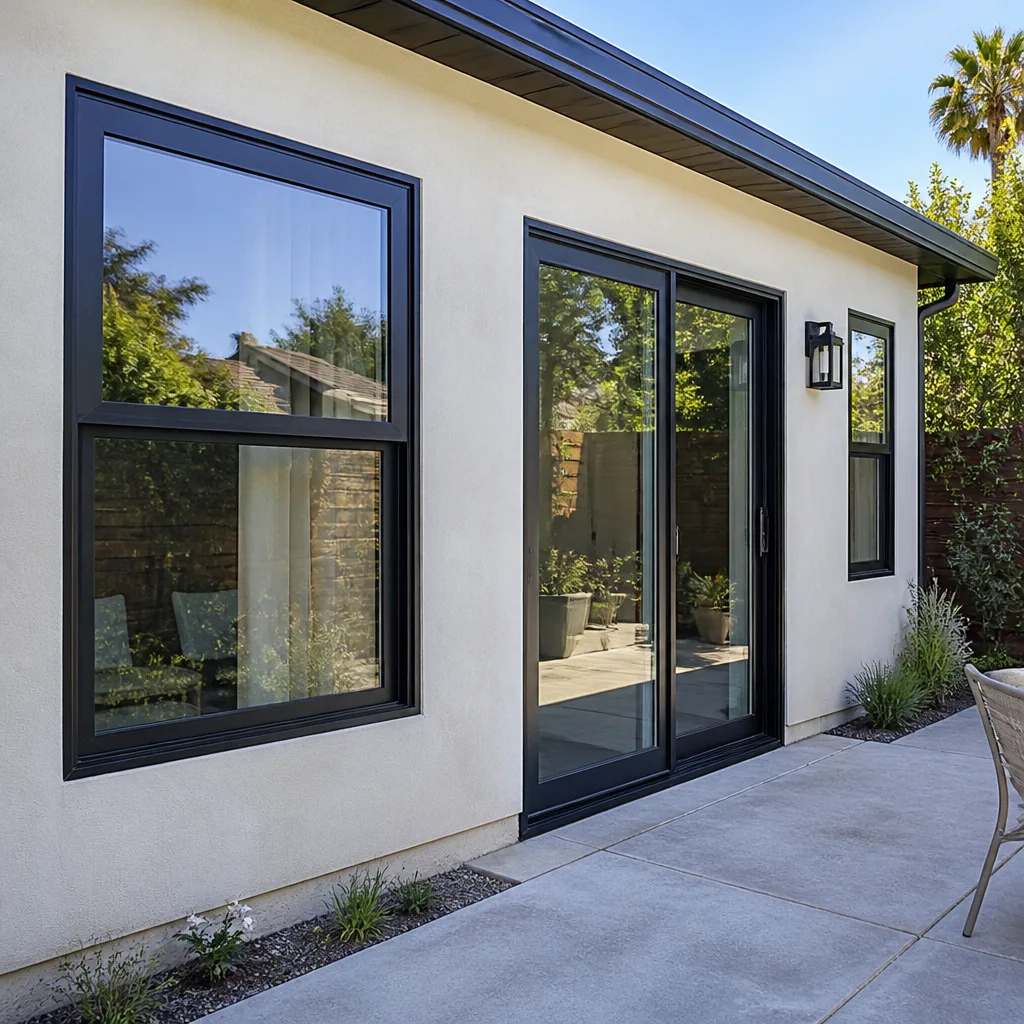 After
AfterBest Windows for Energy Efficiency
What’s Happening
The best energy-efficient windows combine a low-E glass coating, a thermally broken frame, and a tight multi-point seal – working together to slow heat transfer in both directions, summer and winter. If your home feels drafty near the glass, your utility bills have crept up year over year, or you can see condensation forming between the panes, your current windows are almost certainly failing on at least one of those three fronts.
Here’s the plain version of what that means: low-E coating is a nearly invisible metallic layer on the glass that reflects radiant heat. A thermally broken frame has an insulating barrier built into the frame material so the hot or cold outside doesn’t conduct straight through to your interior. And the seal – the perimeter gasket and the gas fill between double or triple panes – is what stops conditioned air from leaking out the moment you walk past the window. When any of those elements degrades, the window that once performed well starts working against you, and your HVAC system makes up the difference on your monthly bill.
Why It Happens
Seal Failure Between the Panes
Modern insulated glass units are filled with argon or krypton gas between two or three panes – that gas is what does the heavy insulating work. Over time, the perimeter seal that traps that gas can crack from repeated thermal expansion and contraction. When it fails, the gas escapes, regular air moves in, and you’ll often see it as a foggy or hazy film between the panes that won’t wipe off from either side. That haze is condensation forming on the interior glass surfaces – a clear sign the unit is no longer insulating the way it was built to.
Degraded Low-E Coating
Low-E coatings are durable but not indestructible. Harsh UV exposure over many years, combined with cleaning products that weren’t designed for coated glass, can degrade the coating unevenly. You might not see it visually, but you’ll feel it: a room that used to stay comfortable in full afternoon sun starts heating up noticeably, even with the window closed. If one side of your home runs warmer than it used to and the glass itself feels warm to the touch on a sunny day, the coating is likely compromised.
Frame Conductivity and Warping
Older aluminum frames, and wood frames that have absorbed moisture over the years, are notorious for conducting temperature straight from outside to in – what the industry calls thermal bridging. Aluminum is especially bad for this: it’s essentially a heat highway. You can check for this yourself by holding your hand a few inches from the frame edge on a cold or hot day. If the air near the frame feels noticeably different from the center of the room, the frame is part of the problem, not just the glass.
Air Infiltration at the Perimeter
Even a window with good glass can leak if the installation seal around the frame has dried out, cracked, or been physically damaged. Run your hand slowly around the interior perimeter on a windy day – any moving air you feel is conditioned air escaping or outside air entering. Daylight visible around the frame edge when the window is closed is an even more definitive sign. This kind of air infiltration doesn’t just hurt energy efficiency; it also lets in humidity and, over time, moisture that works into the wall framing.
What to Do Right Now
- Check for the fog test. Look at the space between your panes, not the surface. Fog or haze that won’t clean off means the insulating unit has failed. Photograph it – that image is useful when we assess the window.
- Do the hand-sweep around the frame. On a day when the temperature outside is noticeably different from inside, slowly move your palm around the interior edge of each window frame. Note which windows have air movement and where – front wall, back wall, second floor.
- Feel the glass surface itself. On a hot afternoon, carefully touch the interior glass surface. Warm glass on a closed window means heat is transferring through, which points to coating or glazing issues.
- Don’t attempt to reseal or re-glaze the unit yourself. The insulating gas fill in a double or triple-pane unit requires specialized equipment to replace properly. A DIY re-caulk around the frame edge might slow air infiltration slightly, but it won’t restore the thermal performance of a failed unit – and it can trap moisture in the wall cavity if it’s not done right.
- Photograph what you find and write down which windows concern you most. Room location, floor, which direction they face – all of that helps your local Juniper Windows & Doors team give you an accurate assessment when they arrive.
How We Fix It
When your local Juniper Windows & Doors team arrives, the first thing we do is a hands-on assessment of every window you flagged – and often a few you didn’t. We’re checking glass clarity, frame condition, perimeter seal integrity, and hardware function. From that, we can tell you clearly which windows are worth a targeted fix and which ones have degraded to the point where full window replacement is the right call.
For most energy efficiency problems, the answer is window replacement – swapping out the failed unit for a new one from product lines like PGT, ECO Window Systems, or ViewLux, all of which offer factory-sealed insulated units with current low-E coatings and thermally broken frame options. We also handle window installation when you’re looking to upgrade multiple openings at once. The work typically runs one to two days for a standard multi-window project, depending on scope.
Before anything starts, you get a written price under our no-hassle upfront pricing commitment. And every completed installation is covered by the 365-Day Done Right Promise – if it’s not right, we make it right, in writing, for a full year.
Frequently Asked Questions
The three that move the needle most are low-E glass coating, thermally broken frame construction, and a factory-sealed insulating glass unit filled with argon or krypton gas. Frame material matters too – fiberglass and vinyl frames outperform aluminum significantly in thermal performance. When you’re choosing a product, your local Juniper team can walk you through exactly what each option in our eight product lines delivers on those specs, so you’re not just picking by appearance.
A failed seal or degraded coating won’t cause immediate structural damage, so it’s not an emergency the way a broken lock or a shattered pane is. But it is costing you money every month it goes unaddressed – your HVAC runs longer and harder to compensate for the heat transfer. If you’ve also got air infiltration at the frame, moisture can work into the surrounding wall over time, which turns a window problem into a wall problem. Call (682) 281-2168 to schedule a free assessment and find out exactly what you’re dealing with before it compounds.
Yes – call (682) 281-2168 any time, day or night, and a real person answers. Your local Juniper Windows & Doors team will get you on the schedule and give you a live arrival time you can track, not a four-hour window to clear your calendar for. Under The Relay Visibility Guarantee, you’ll know who is coming and when before they pull up to your house.
No. Every Juniper project gets a written price before any work begins – that’s the no-hassle upfront pricing commitment, and it’s non-negotiable. What you see in writing before we start is what you pay when we finish. Call (682) 281-2168 to schedule your free written estimate, and you’ll have the number in hand before you make any decision.
Get It Fixed
Call (682) 281-2168 – a real person answers around the clock. Your local Juniper Windows & Doors team will assess your windows, put the price in writing before anything starts, and back every installation with the 365-Day Done Right Promise. Or book online and track your arrival time live.
Written by Sean Mackey, Owner & Installer at Juniper Windows & Doors, part of the Relay Home Co. family since 2001.
What Our Customers Say
"Front door looks great and shuts well. The threshold is sealed well and the lock lines up with the strike."
- Rory F."Quote came in the app with options for glass. Easy to compare."
- Vera L."Door replacement. Installer texted when on his way and finished by lunch. Tight and clean."
- Neil B.