
Last updated October 9, 2026
Free in-home measure and quote - PGT, CGI and CWS impact lines compared on your actual openings, style by style
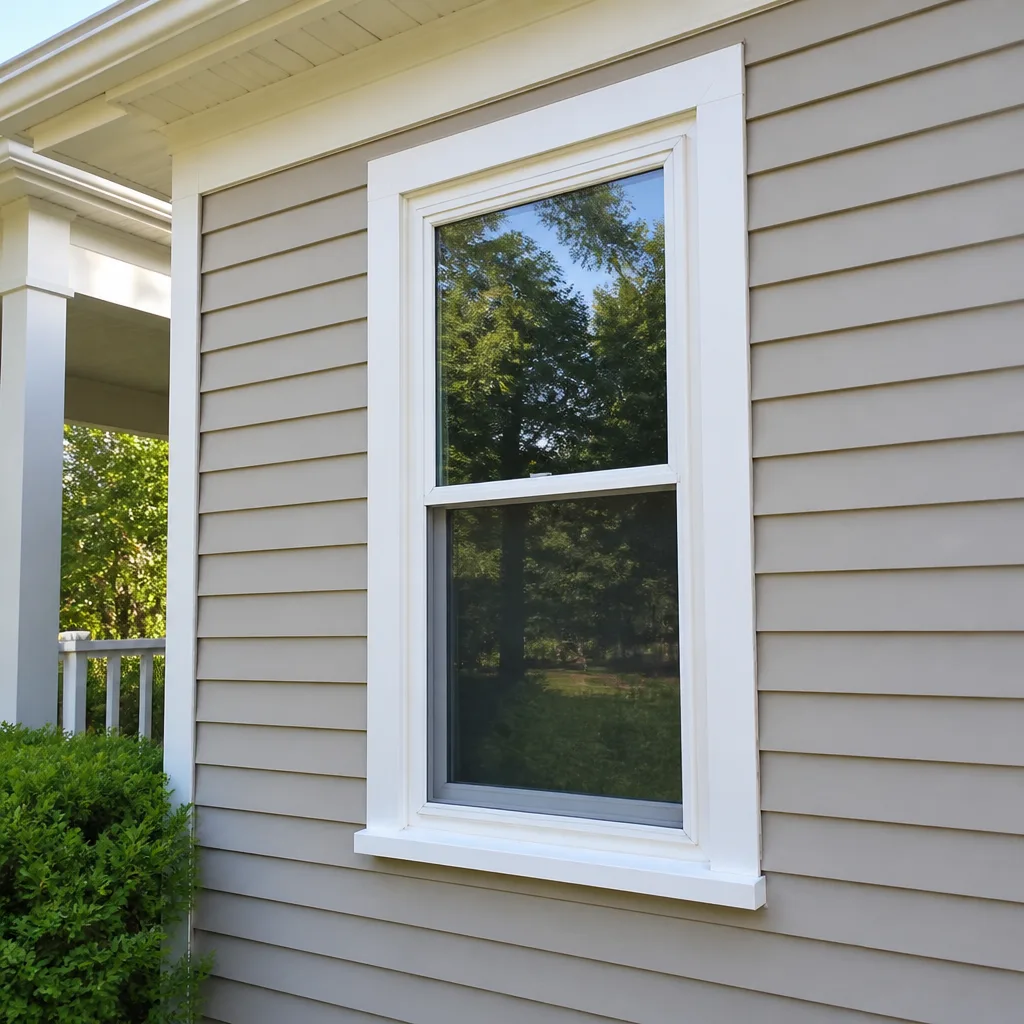
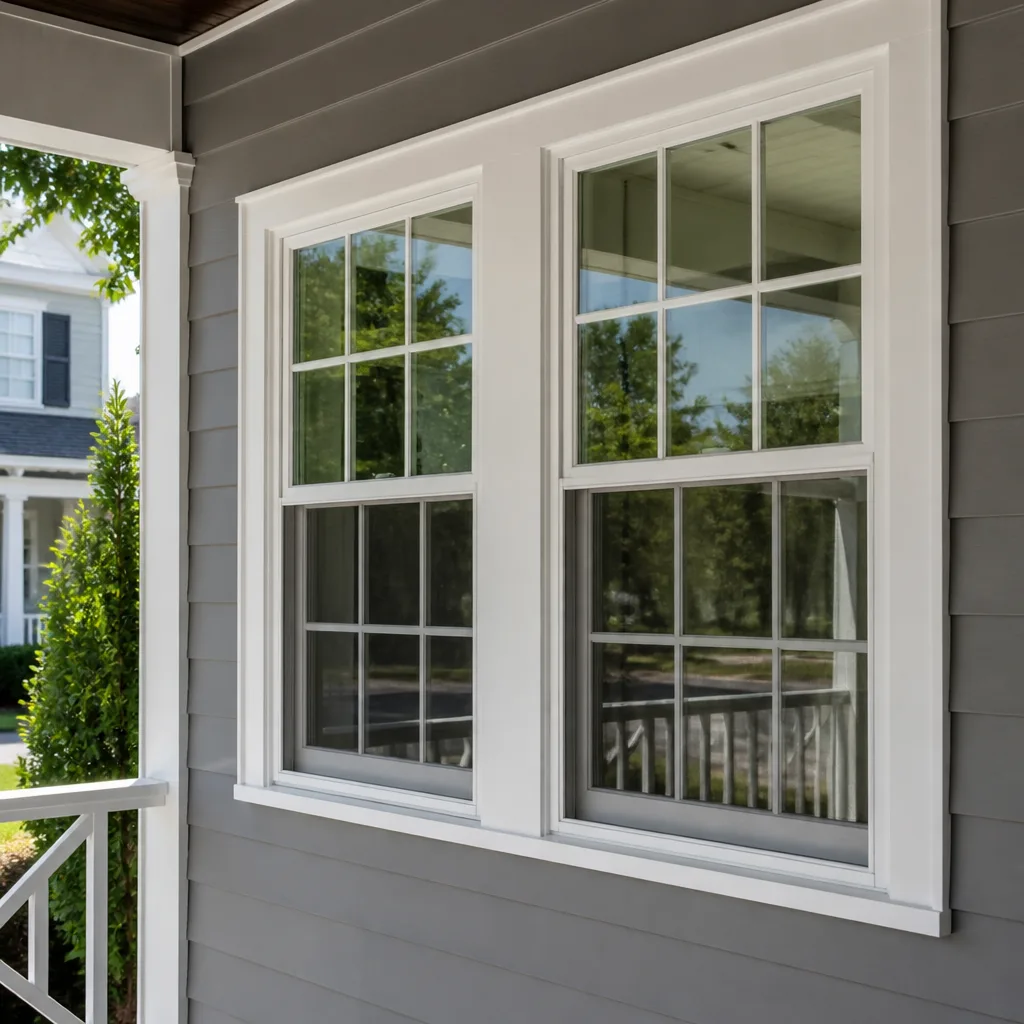
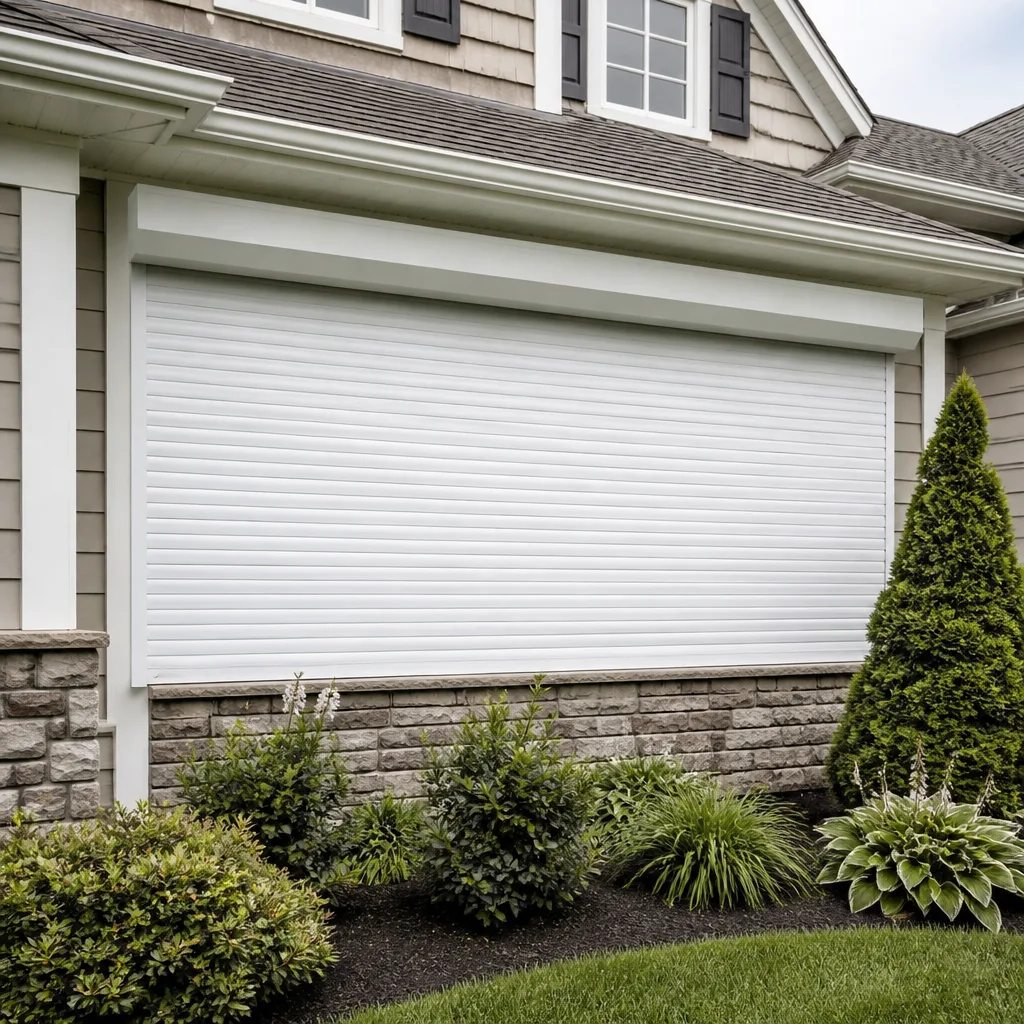
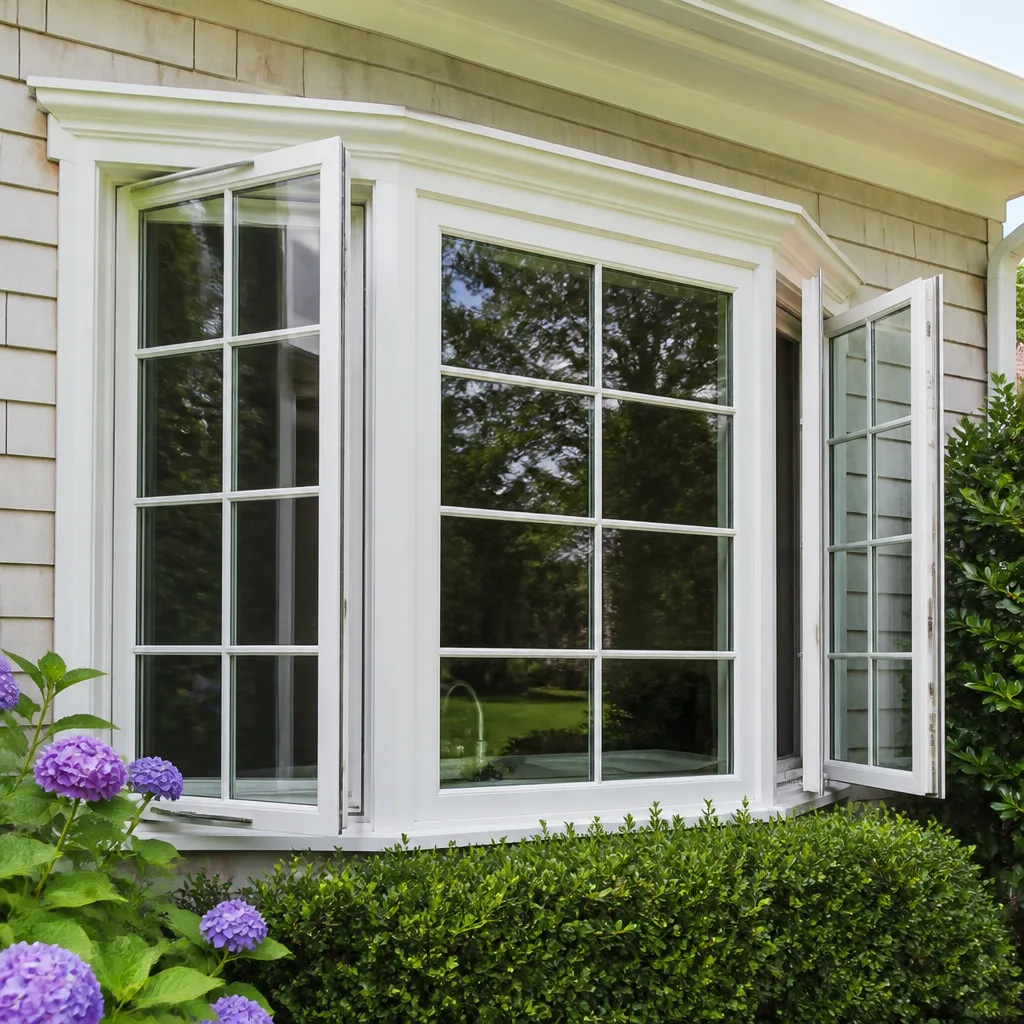
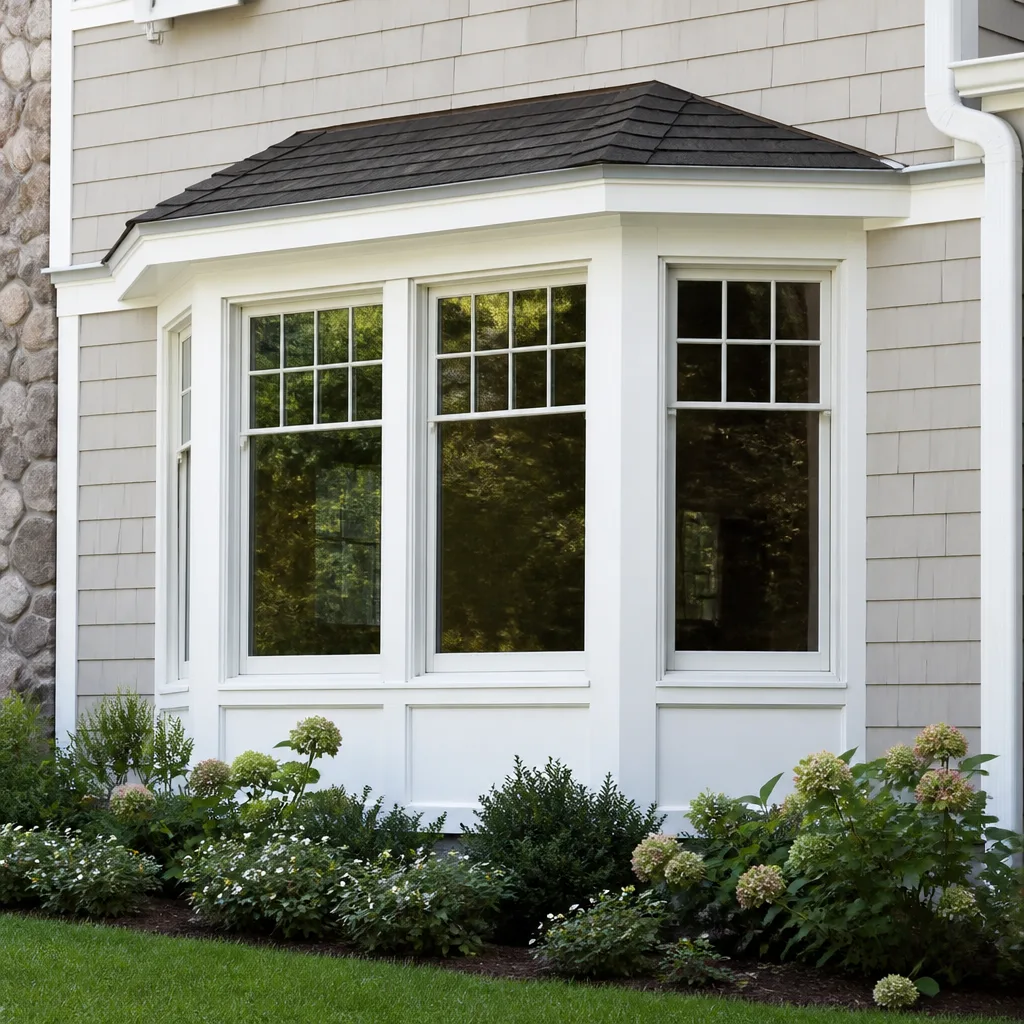
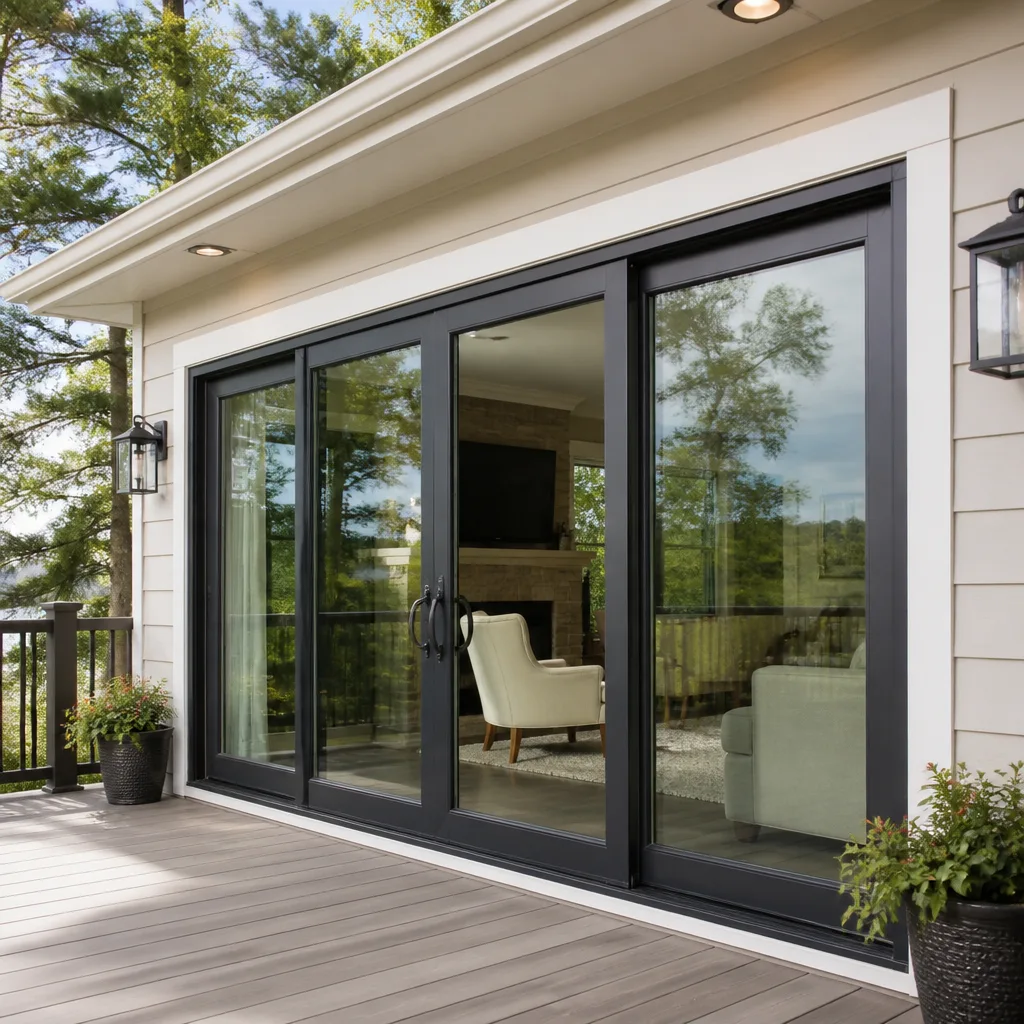
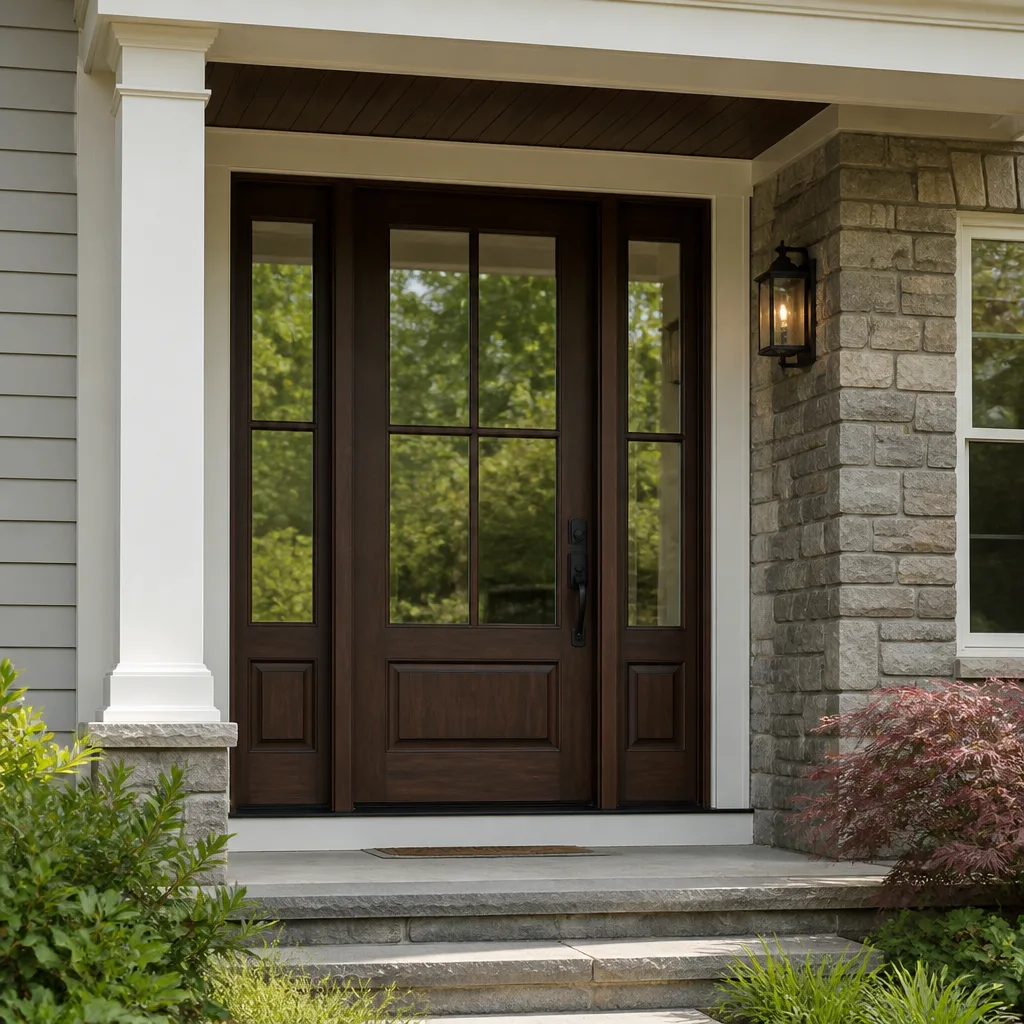
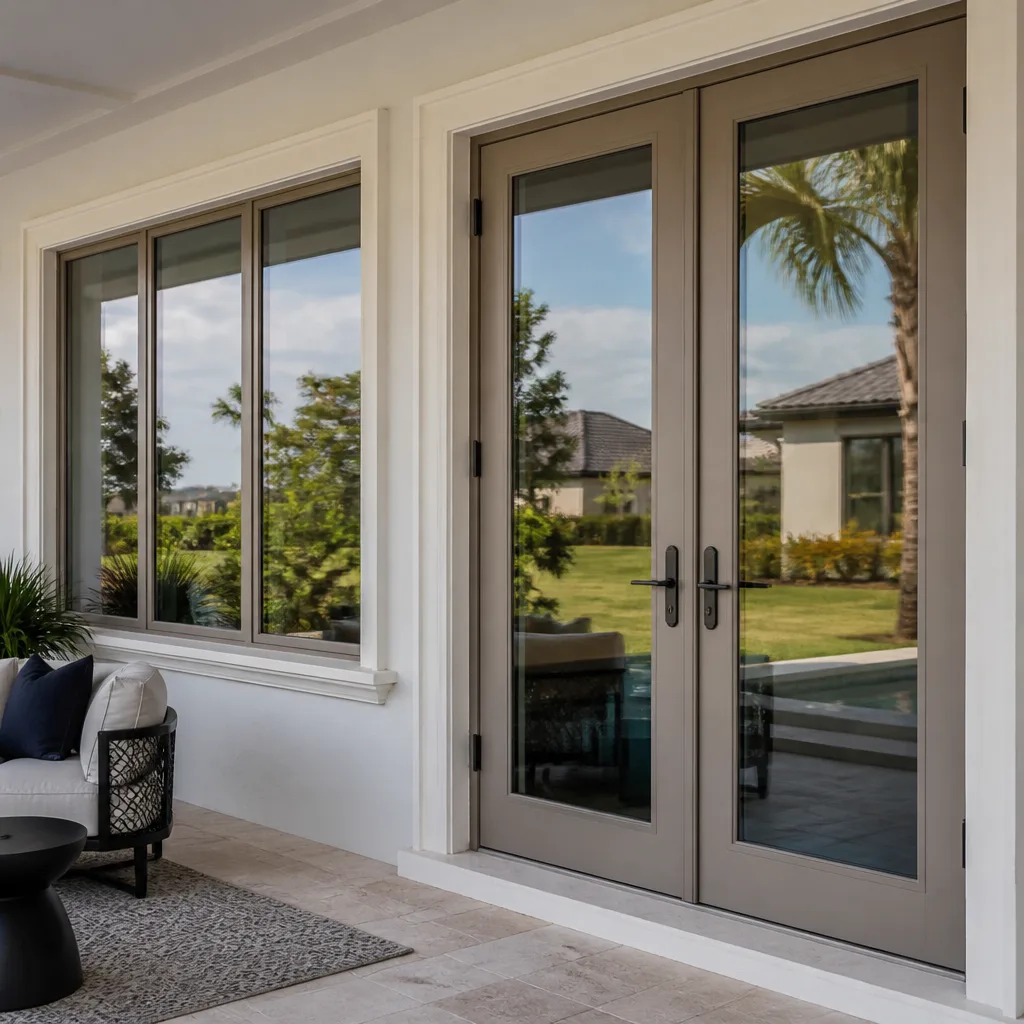
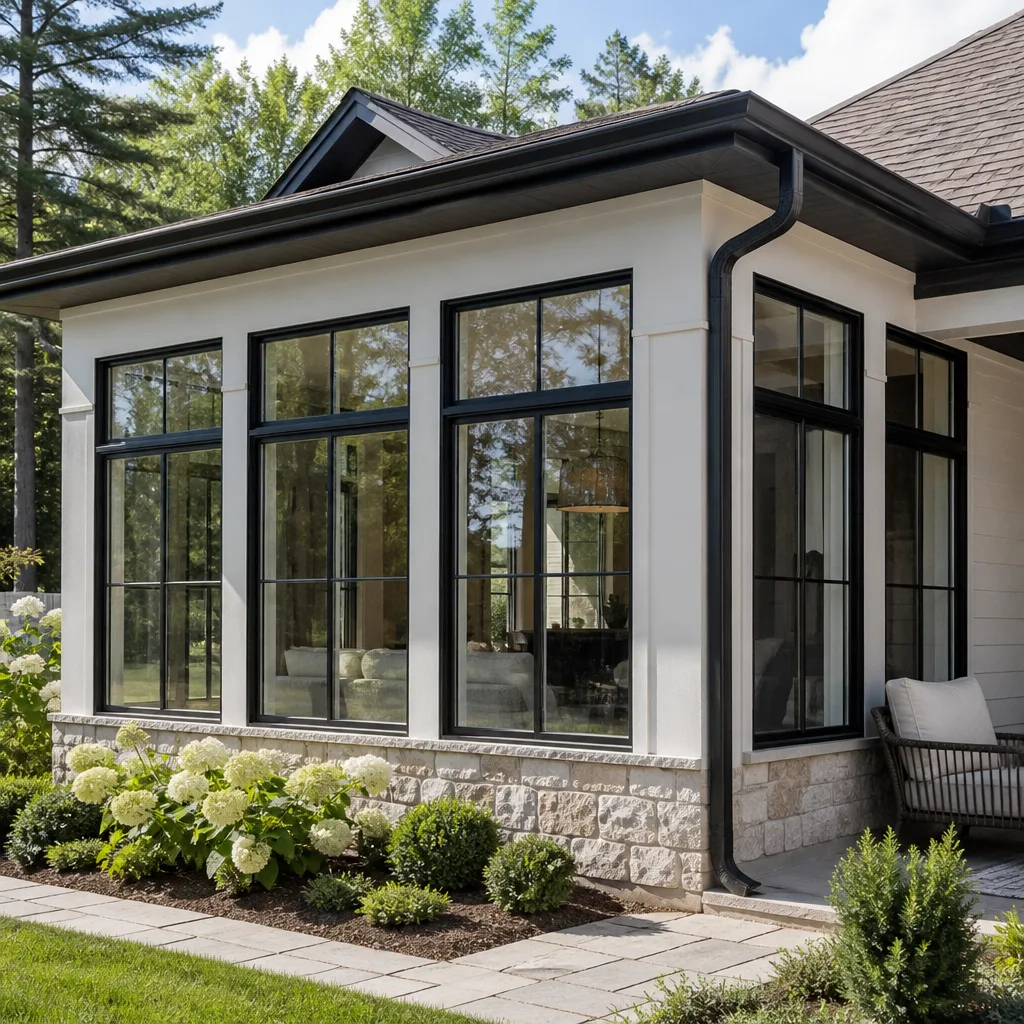
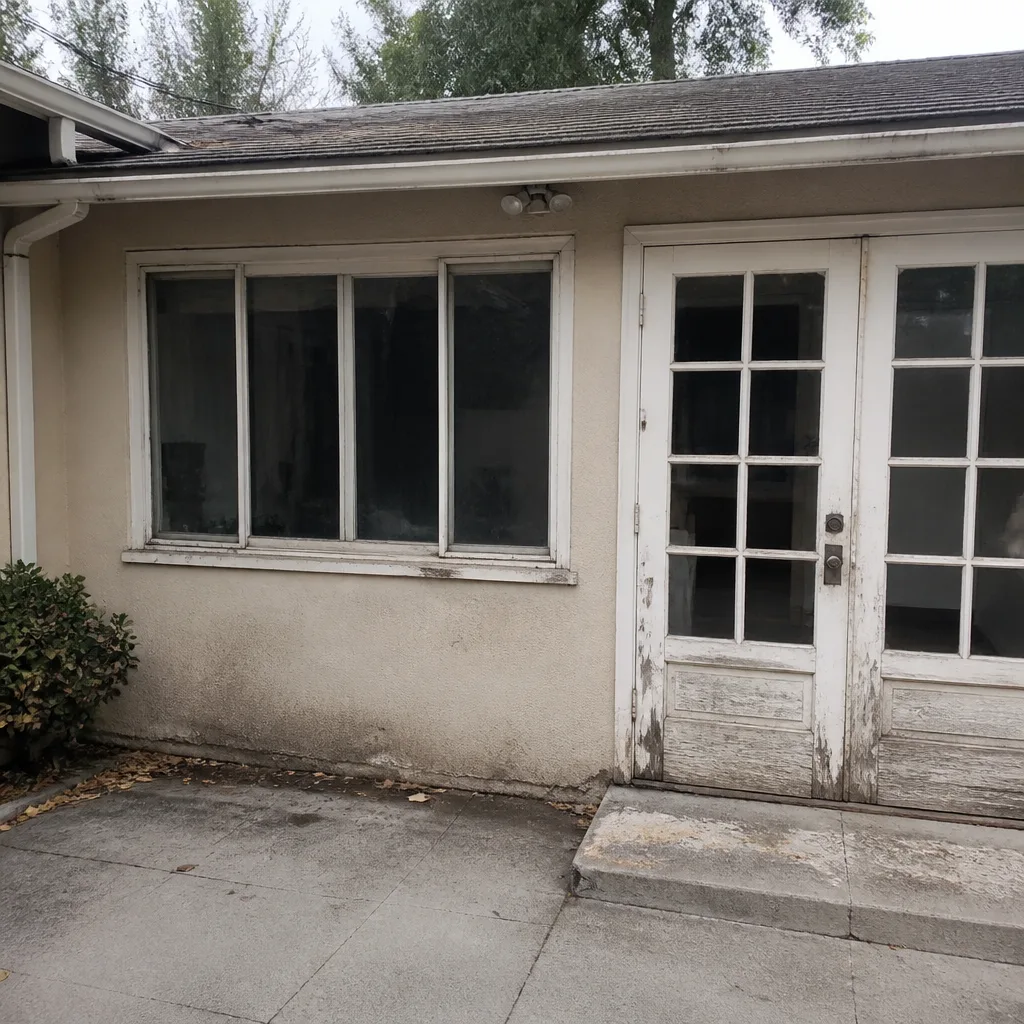 Before
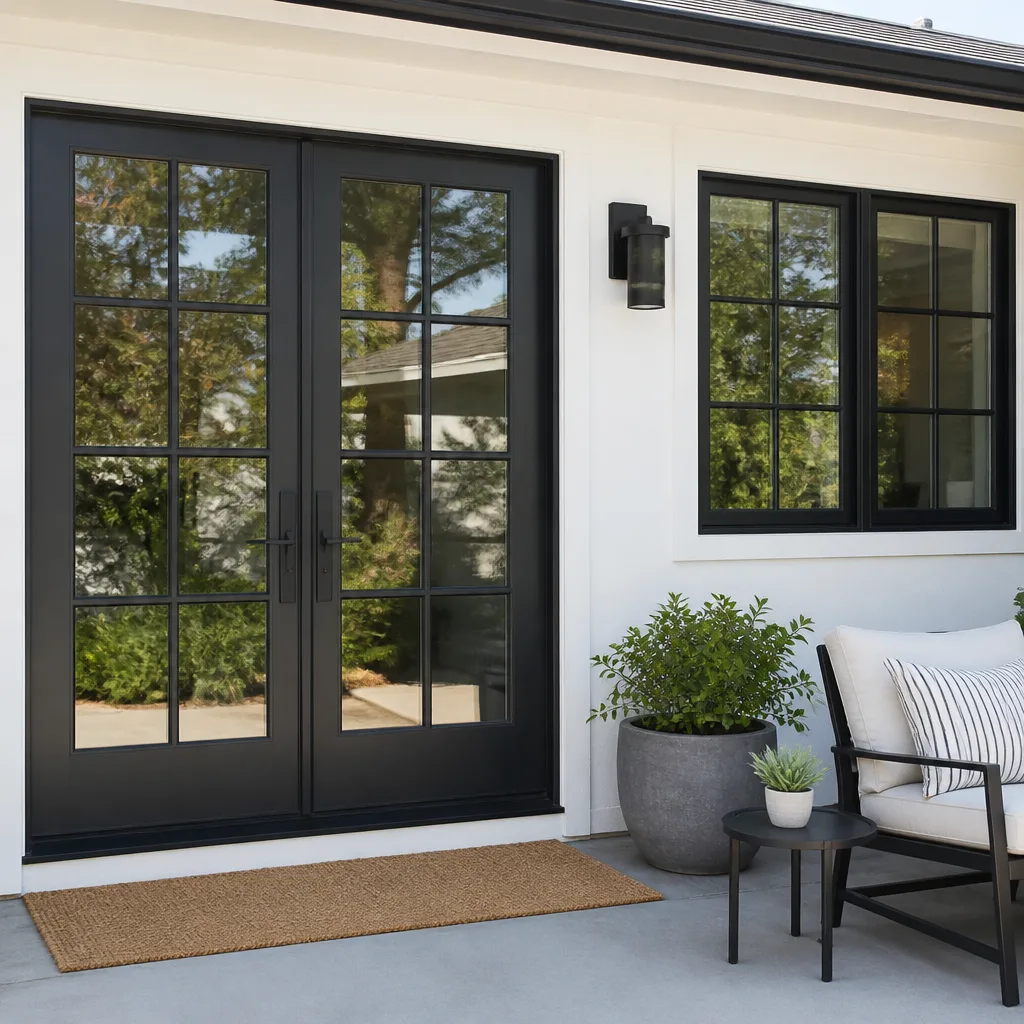 After
After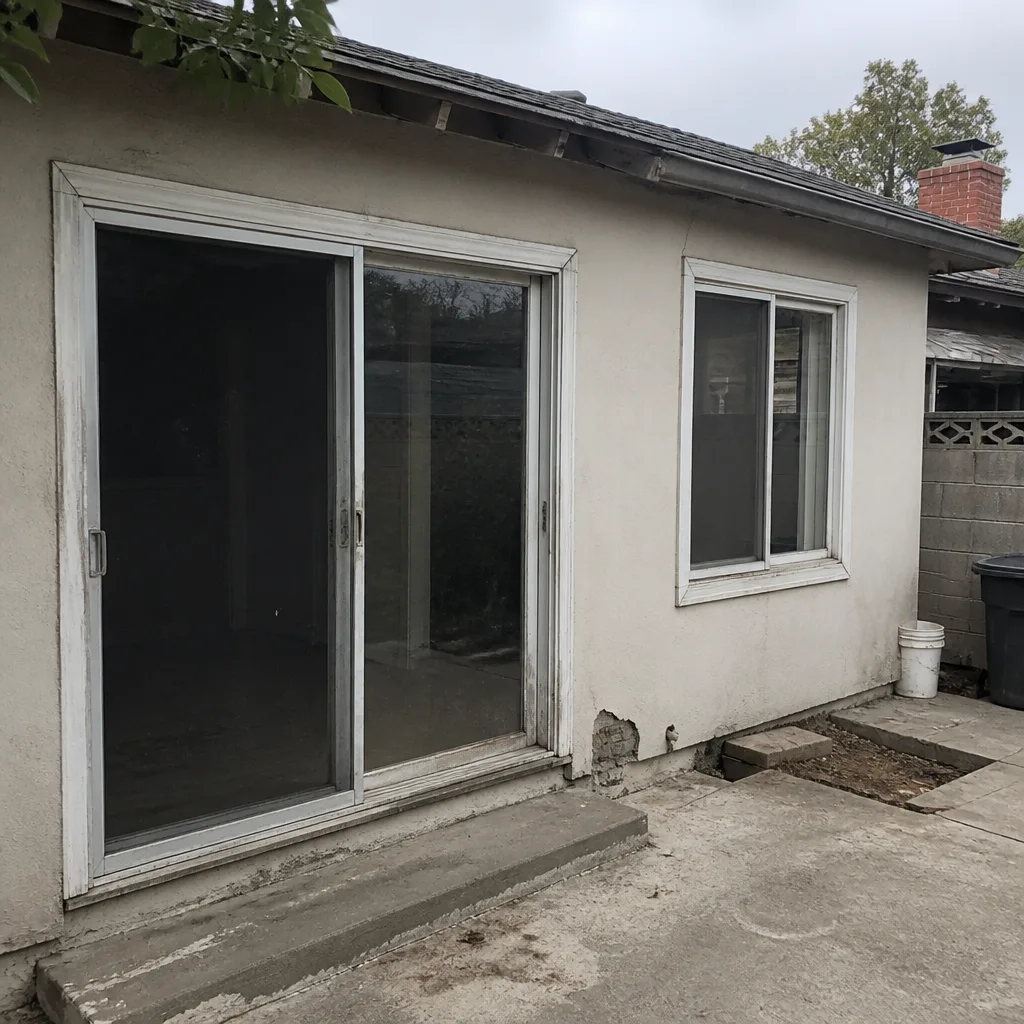 Before
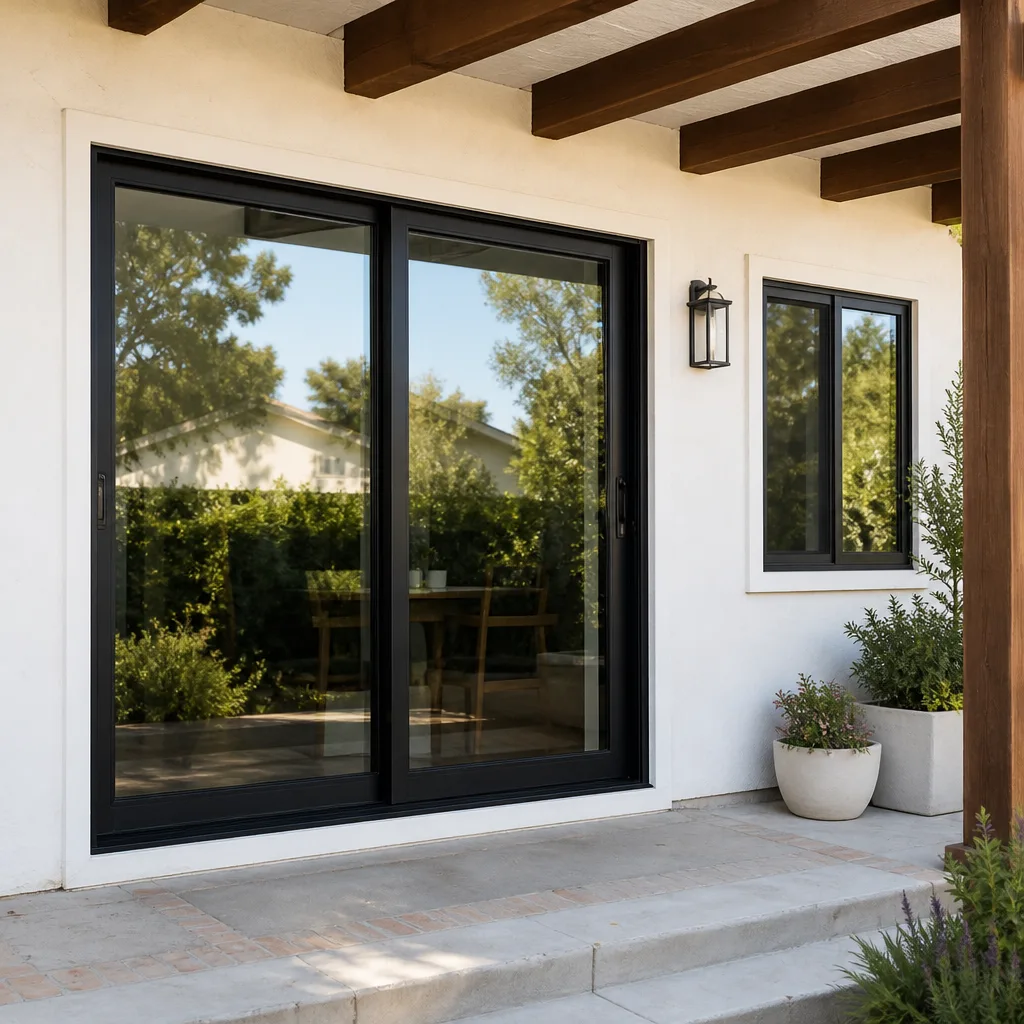 After
After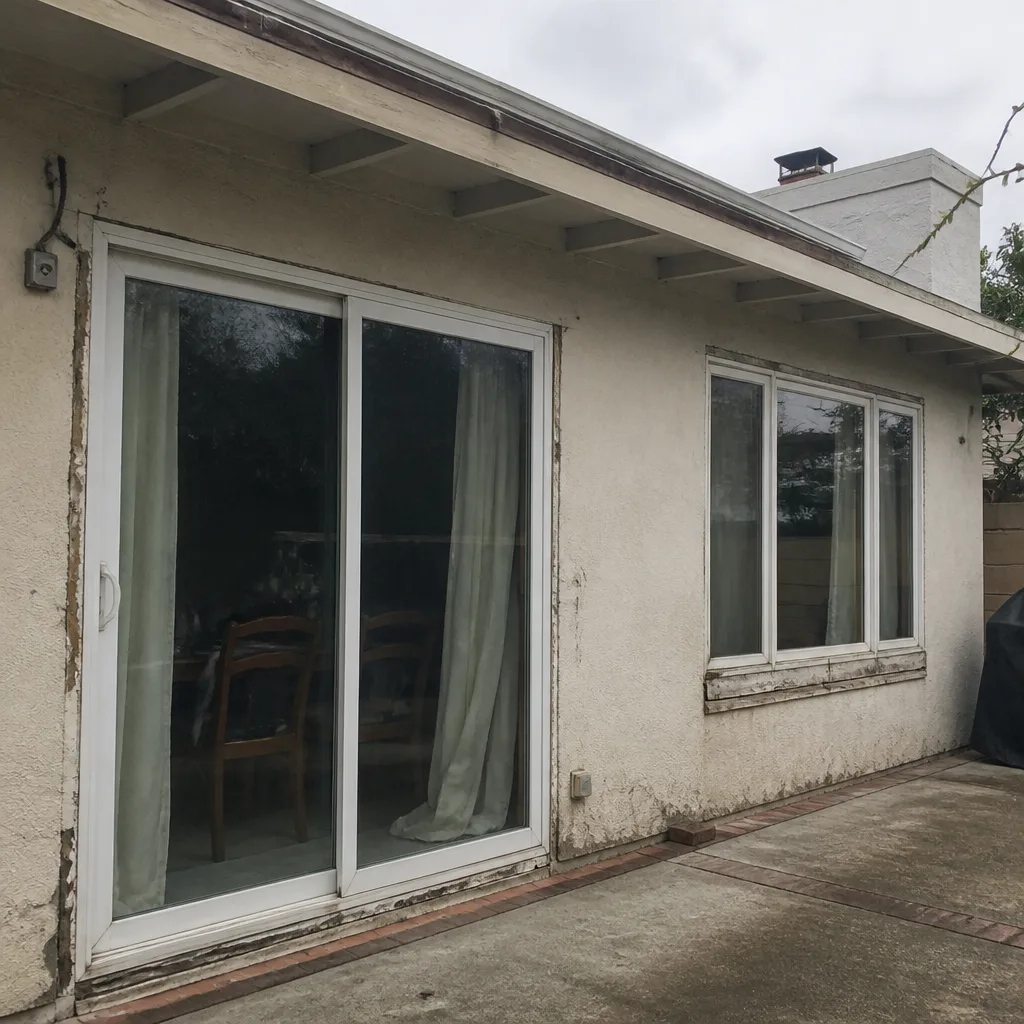 Before
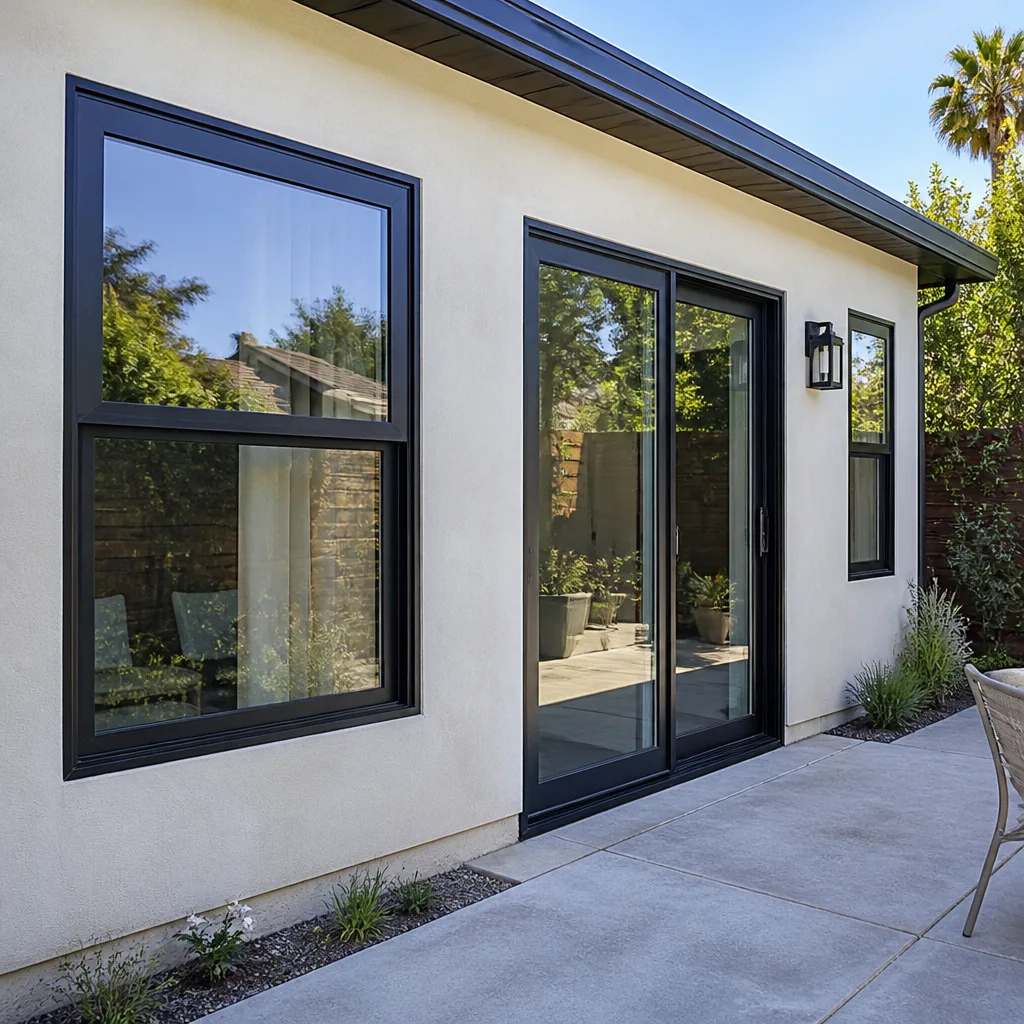 After
AfterWindows & Doors Cost Breakdown: The Los Angeles Homeowner’s Reference for 2026
The average Los Angeles homeowner who accepts the first window replacement quote they receive overpays by an estimated 18 – 24%. Not because contractors are dishonest, but because vague quotes make price comparison nearly impossible. A three-line bid that says “replace 8 windows, $14,200” tells you nothing about what you’re actually buying. This guide breaks every cost line apart so you know exactly what labor, materials, permits, and disposal should cost in Los Angeles in 2026, and can spot a padded quote on sight. For Windows & Doors Warning Signs: A Los Angeles Homeowner’s Reference Guide, see our related resource.
Quick Answer
Window and door replacement in Los Angeles in 2026 typically runs $600 – $1,800 per window installed and $1,200 – $4,500 per exterior door installed, depending on frame material, glass package, and whether stucco or trim work is required. A whole-home window replacement of 8 – 12 openings in Los Angeles generally lands between $7,000 and $22,000 all-in, including labor, materials, permits, and disposal.
Table of Contents
- Frame Material Costs: What You’re Actually Paying For
- Labor Cost Breakdown: The Line Items Hiding in Your Quote
- Glass Package Costs: U-Factor, SHGC, and Why LA Needs Both
- Door Replacement Costs in Los Angeles: Entry, Patio, and French
- Permits and LADBS Fees: The 2026 Structure Explained
- Hidden Cost Triggers in LA Homes: Stucco, Lead Paint, and HPOZ Rules
- How to Read a Line-Item Quote vs. a Lump-Sum Quote
- Common Mistakes to Avoid
Frame Material Costs: What You’re Actually Paying For
In Los Angeles, the frame material is the single largest driver of window cost. We install across the full spectrum, and the pricing gaps are stark. Vinyl frames run $300 – $700 per unit for the material alone. Fiberglass lands at $600 – $1,200 per unit. Aluminum-clad wood, the choice for many mid-century and Spanish Revival homes in neighborhoods like Hancock Park and Silver Lake, runs $900 – $2,000 per unit. These are material-only ranges: the glass package, labor, and installation hardware add on top.
Why does aluminum-clad cost three times vinyl? The wood interior requires milling, joinery, and finishing. The aluminum exterior gets a powder-coated cladding that resists the salt air rolling in from the Pacific, which matters if you’re within a few miles of the coast in Playa del Rey or San Pedro. Vinyl, by contrast, is extruded in bulk and cuts to size quickly. It’s not worse, it’s just a different trade-off: vinyl insulates well and costs less, but you won’t get the narrow sightlines that a wood interior provides.
LA-Specific Sourcing Reality
Los Angeles sits in a strange position for window pricing. We have access to a deep network of regional fabricators in the Inland Empire and Ventura County, which keeps lead times shorter than you’d expect for a city this size. But we also contend with the California energy code (Title 24), which sets minimum performance standards that cheaper windows from out-of-state big-box suppliers often fail. A $250 vinyl window that doesn’t meet Title 24 will cost you more in the long run: you’ll pay to replace it when you sell, or you’ll pay in energy costs every month. We recommend customers look at brands that build to California specs from the start. Mr-Glass and Therma-Tru both offer product lines that are engineered for this market, and we stock them for exactly that reason.
Labor Cost Breakdown: The Line Items Hiding in Your Quote
Most Los Angeles window quotes bundle “installation” as a single number. That’s where the padding hides. A proper line-item quote separates the work into at least three distinct labor categories, and each has a defensible price range in this market.
Rough Removal: $75 – $150 per Opening
This is the demolition phase: cutting out the old window, prying the frame free, and hauling the debris to the truck. In older Los Angeles homes, removal is often more involved than the install itself. Cast-iron counterweights in pre-1960 double-hung windows are heavy, and the sash pockets are frequently painted shut after decades of landlord-grade repaints. A skilled crew can demo a standard double-hung in under an hour. A stucco-embedded frame on a 1920s Spanish Revival in Los Feliz might take two.
Flashing and Waterproofing: $100 – $250 per Opening
This is the line item that separates a window that lasts 10 years from one that rots out the wall in five. Proper flashing means installing a sloped sill pan, sealing the jambs with a flexible membrane, and integrating the house wrap so water that gets past the exterior trim drains out instead of into the framing. It’s unglamorous work, but it’s the single best predictor of whether you’ll have a problem down the line. In LA’s winter rain season, a flashed opening is the difference between a dry wall and a mold claim.
Finish Carpentry and Trim: $150 – $400 per Opening
Once the unit is set and sealed, someone has to make it look like it belongs. That means cutting and installing interior casing, exterior trim (if the old trim was damaged during removal), and possibly re-texturing drywall around the opening. In Los Angeles homes with custom millwork, like the Craftsman bungalows in Pasadena and Eagle Rock, matching existing trim profiles adds labor because the stock profiles aren’t sitting on a shelf at the lumberyard. They get milled to match.
Add those three together, and a realistic labor range for a standard replacement window in Los Angeles is $325 – $800 per opening before the window itself is even priced.
Glass Package Costs: U-Factor, SHGC, and Why LA Needs Both
Here’s the part where homeowners either save real money or waste it. The glass package inside your window frame matters as much as the frame itself, and in Los Angeles you’re buying for two competing problems: heat gain from the sun and heat loss on cold nights. Both matter here.
U-factor measures how well the window insulates: lower is better. SHGC (Solar Heat Gain Coefficient) measures how much solar heat passes through the glass: lower keeps the house cooler in summer. In Los Angeles, Title 24 requires a maximum U-factor of 0.30 and a maximum SHGC of 0.23 for most residential replacement windows in climate zone 9, which covers most of the LA Basin. The San Fernando Valley sits in climate zone 8, where the SHGC requirement is slightly looser at 0.25.
What This Costs in the Real World
A dual-pane, Low-E coated window that meets the minimum Title 24 standard adds roughly $150 – $300 per unit over a basic dual-pane unit without Low-E. If you upgrade to a triple-pane package with argon gas fill (which drops the U-factor to around 0.20), expect to add $400 – $700 per unit. For most Los Angeles homes, triple-pane is overkill, unless you’re in the high desert zones around Palmdale or Lancaster, where winter nights are harsh and the extra insulation actually earns its keep.
The smart money in Los Angeles is usually a dual-pane window with Low-E coating and a higher-quality spacer. That combination meets code, cuts heat gain by 40 – 50% during the August peak, and costs far less than triple-pane. If impact resistance matters, because you’re in a wind-borne debris zone near the foothills, expect to add $200 – $450 per unit for impact-rated glass (built to resist wind-borne debris without shattering). For preparation tips, read our Windows & Doors Emergency Preparedness Guide for Los Angeles Homes. We install impact-rated lines from manufacturers including ES Windows for homes in those areas, and the glass upgrade is genuinely worth the cost when the Santa Anas hit.
Door Replacement Costs in Los Angeles: Entry, Patio, and French
Doors follow a different cost logic than windows, because a door is both a weather barrier and a security statement. In Los Angeles, the average exterior door replacement runs $1,200 – $4,500 installed, and the spread depends almost entirely on what the door is made of and whether the frame needs replacing at the same time.
Entry Doors: $1,500 – $6,000 Installed
A basic steel door with a primed frame starts around $1,500 installed in Los Angeles. Move up to a fiberglass door with a wood-grain finish and decorative glass, and you’re at $2,500 – $4,000. A solid wood door, particularly a custom-sized one for an older home with non-standard rough openings, can hit $6,000. The frame matters as much as the slab: if the existing jamb is rotted or out of square, you pay more for the carpenters to rebuild the opening before the door even goes in. We work with Therma-Tru entry systems because their pre-hung units include a rot-resistant composite frame, which removes the most common failure point in coastal Los Angeles homes.
Patio and French Doors: $2,000 – $8,000 Installed
Sliding glass patio doors run $2,000 – $4,500 for a standard 6-foot opening in Los Angeles. French doors, which swing instead of slide, run $2,500 – $6,000 for a pair, and the hardware matters: cheap hinges and rollers wear out fast in a door that gets used 40 times a day. Multi-slide and folding door systems, the kind you see on indoor-outdoor living spaces in the Hollywood Hills, start around $8,000 and climb from there. The cost driver on those is the engineering: the panels are heavy, the tracks must be perfectly level, and the weather sealing is unforgiving when the winter rains arrive.
Permits and LADBS Fees: The 2026 Structure Explained
Los Angeles requires a permit for window and door replacement when the opening size changes, when the project involves structural alterations, or when the work is on a property within a designated historic district. See our Windows & Doors Permits, Codes & Inspections in CA: What You Need to Know for full details. A straight size-for-size swap in a standard single-family home usually does not require a permit, but the moment you enlarge an opening, add a new window, or change the header above a door, you’re in permit territory.
The Los Angeles Department of Building and Safety (LADBS) bases permit fees on the project valuation. As of 2026, the base permit fee for a residential window or door project starts around $250 – $500 for a typical 3 – 5 opening project. Larger projects that exceed a valuation threshold of a few thousand dollars in construction value push into a tiered surcharge structure, where the additional fee is calculated as a percentage of the total valuation. For a $20,000 whole-home window replacement with structural changes, the total permit cost typically lands between $600 and $1,200. It’s not the largest line item on your quote, but it’s non-negotiable, and any contractor who suggests skipping it is asking you to carry the liability for an unpermitted install.
Why Unpermitted Work Costs More Long-Term
Los Angeles is a disclosure-heavy market. When you sell your home, you’ll answer questions about whether the work was permitted. Unpermitted window replacements get flagged in escrow and can kill a sale or force a retrofit at the worst possible time. The $700 you save today gets paid back with interest when escrow stalls. We pull permits on every job that requires one, and we’ve never had a final inspection fail.
Hidden Cost Triggers in LA Homes: Stucco, Lead Paint, and HPOZ Rules
Los Angeles housing stock is old, and old houses hide costs. These are the three triggers we see most often on window and door projects across the city.
Stucco Repair After Frame Swap
Most Los Angeles homes built before 1980 are stucco. When you remove a window set into stucco, the surrounding stucco cracks. That’s not a mistake, it’s physics. The repair cost depends on how much stucco comes off with the frame and whether the texture can be matched. A simple patch runs $150 – $350 per opening. A full resurface of a wall section can push $1,000 – $2,500. In neighborhoods with sand-finished or hand-troweled textures, like the older Spanish Revival stock in Highland Park or West Adams, matching the texture is an art, and it takes more time.
Lead Paint Testing on Pre-1978 Homes
Federal law requires contractors working on pre-1978 homes to follow lead-safe work practices, which include testing for lead paint and containing the work area. In Los Angeles, a huge share of the housing stock was built before 1978, so this applies broadly. The testing and containment add $100 – $300 per project, but they’re legally required and protect you from lead dust that’s genuinely dangerous, especially if you have kids in the house. Any contractor who waves this off is not someone you want inside your walls.
HPOZ Compliance Upgrades
Los Angeles has over 40 Historic Preservation Overlay Zones (HPOZs), covering neighborhoods like Angelino Heights, Spaulding Square, and portions of Silver Lake. If your home sits inside an HPOZ, any window or door change that alters the exterior appearance requires sign-off from the HPOZ board. That means matching the original material, sightline, and profile, and it often means windows that cost more because they’re custom-milled to match. The compliance upgrade alone can add 15 – 30% to the project cost. It’s not optional, and it’s not a scam, it’s the price of owning a protected piece of Los Angeles architectural history.
How to Read a Line-Item Quote vs. a Lump-Sum Quote
Lump-sum quotes are the default in Los Angeles window sales, and they’re the reason the 18 – 24% overpay statistic exists. A lump-sum quote gives you one number and hides the assumptions inside it. A line-item quote separates materials, labor categories, permits, and disposal so you can compare actual value.
The Three Questions That Reveal a Bad Bid
- “What’s the U-factor and SHGC on the glass you quoted?” If the answer is vague or the rep doesn’t know, the windows are probably the cheapest thing they could source that would pass inspection. A specific answer (0.28 U-factor, 0.21 SHGC) means they actually spec’d real products for a real building science reason.
- “Is flashing and waterproofing a separate line item?” If it’s buried in the lump sum, it’s the first thing that gets skipped when the crew is running behind. Flashing is the most important part of the install and the most commonly deleted step. Make them say it’s included, in writing.
- “Who’s pulling the permit, and is the fee included in this quote?” If the contractor says you don’t need one and the project involves structural changes, walk. If they say the permit is included but won’t show you the LADBS fee breakdown, ask why. The permit fee is a pass-through cost with public fee schedules; there’s no legitimate reason to hide it.
A competitive quote in Los Angeles should be detailed enough that you could hand it to another contractor and discuss the line items without needing a translator. If a quote is three lines and a phone number, it’s not a quote, it’s a starting position.
What Disposal Should Cost
Window removal generates a lot of debris: old frames, glass, caulk, and sometimes rotted wood from the surrounding framing. Disposal costs in Los Angeles run $100 – $300 for a typical project, depending on volume and landfill fees. It should be a single line item, not a “miscellaneous” catch-all. A 10-yard dumpster and a haul-away crew cost money, and honest contractors tell you exactly how much.
Common Mistakes to Avoid
- Accepting a quote that doesn’t name the window brand and model. “Premium vinyl” is not a product. You’re entitled to know exactly what you’re buying. If the quote won’t name it, you can’t compare it.
- Choosing a window on price per unit alone. A $300 window with a sloppy install is a $1,500 problem in year three. The install quality matters more than the glass package, and it’s harder to see.
- Skipping permits to save a few hundred dollars. In Los Angeles, this becomes a sale-killer later. The savings never justify the escrow problem.
- Ignoring the SHGC requirement. Buying a beautiful window that doesn’t meet Title 24 is a waste of money. You’ll replace it or eat the energy cost, and neither is cheap in LA’s summer.
- Not asking about the flashing method. Sill pans and jamb flashing aren’t optional. If the installers plan to caulk the window into the hole and call it done, that window will leak in the first winter rain.
- Assuming all “custom” windows cost the same. Custom sizing in Los Angeles varies wildly by manufacturer. Get the exact model and the exact dimensions before you trust any number.
- Paying in full before the work is done. A deposit is normal; full payment upfront is a red flag. Schedule payments against milestones or hold the final payment until inspection passes.
When to Call a Professional
Window and door replacement involves structural openings, flashing, weather sealing, and code compliance. Browse more guides & resources on our blog for additional homeowner tips. This is not a weekend DIY project, and the failure mode is a wall that rots from the inside out. If your project involves resizing an opening, changing a door to a window or vice versa, working within an HPOZ, or replacing more than two windows at once, call a professional. If you’re in a pre-1978 home, the lead-safe work requirements alone make professional work the sensible choice. Juniper Windows & Doors offers free estimates in Los Angeles, call (682) 281-2168 to schedule yours.
Frequently Asked Questions
Window replacement in Los Angeles in 2026 typically runs $600 – $1,800 per window installed, including the unit, labor, flashing, and trim work. A whole-home project of 8 – 12 windows lands between $7,000 and $22,000 depending on the frame material and glass package you choose. Call (682) 281-2168 for an exact quote, estimates are free.
A front door replacement in Los Angeles costs $1,500 – $6,000 installed, depending on whether you choose steel, fiberglass, or solid wood and whether the frame needs rebuilding. Pre-hung systems with composite frames, like the Therma-Tru lines we install, tend to land in the $2,500 – $4,000 range. Call (682) 281-2168 to discuss your door project and get a written price.
You need a permit in Los Angeles when the opening size changes, structural work is involved, or the property sits in a designated historic district. A straight size-for-size swap in a standard single-family home typically does not require one. We pull permits on every job that requires one, and the fee is itemized on your quote.
Most window replacement projects in Los Angeles take 1 – 3 days of on-site work for a typical 8 – 12 window project, with larger or custom projects extending to a week or more. The timeline depends on the number of openings, the condition of the existing frames, and whether stucco repair or HPOZ compliance adds phases. We’ll give you a written schedule before the crew arrives.
Impact-resistant windows are worth the cost in Los Angeles if you live in a wind-borne debris zone near the foothills or wildfire interface, where ember intrusion and flying debris are real risks during Santa Ana wind events. The upgrade adds $200 – $450 per unit and is built to resist wind-borne debris without shattering. For coastal and central LA homes, standard dual-pane Low-E glass is usually sufficient and meets Title 24.
A competitive window quote in Los Angeles itemizes materials, labor categories, flashing, permits, and disposal as separate line items, and names the exact brand and model of window being installed. If the quote bundles everything into one number with no breakdown, you can’t compare it to anything, and that’s where overpayment hides. Ask the three questions in the quote-reading section above, and call (682) 281-2168 if you want a second opinion, estimates are free.
The Bottom Line
Window and door replacement in Los Angeles costs real money, and the spread between a fair price and a padded one comes down to one thing: specificity. When a quote names the product, breaks down the labor, itemizes the permit, and explains the flashing method, you can evaluate it honestly. When it doesn’t, you’re gambling. The math on overpayment is clear: vague quotes cost Los Angeles homeowners 18 – 24% more on average, and the fix is to demand line items and walk when you don’t get them. At Juniper Windows & Doors, every project gets a written price before work starts, and the price doesn’t change unless the scope does, with the 365-Day Done Right Promise covering what we install for a full year, parts and labor, in writing. Call (682) 281-2168 to schedule your free estimate in Los Angeles.
Written by Sean Mackey, Owner at Juniper Windows & Doors, serving Los Angeles since 2001.