
Free in-home measure and quote - PGT, CGI and CWS impact lines compared on your actual openings, style by style
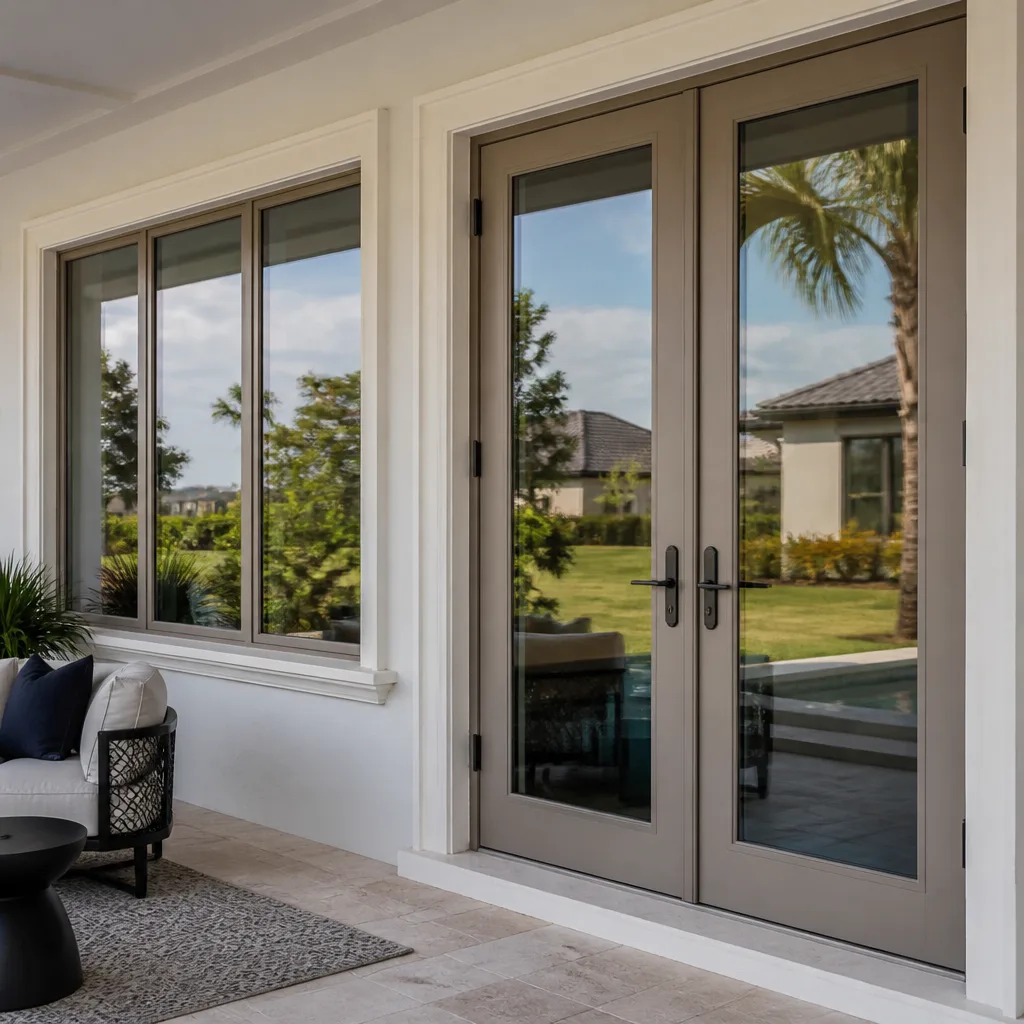
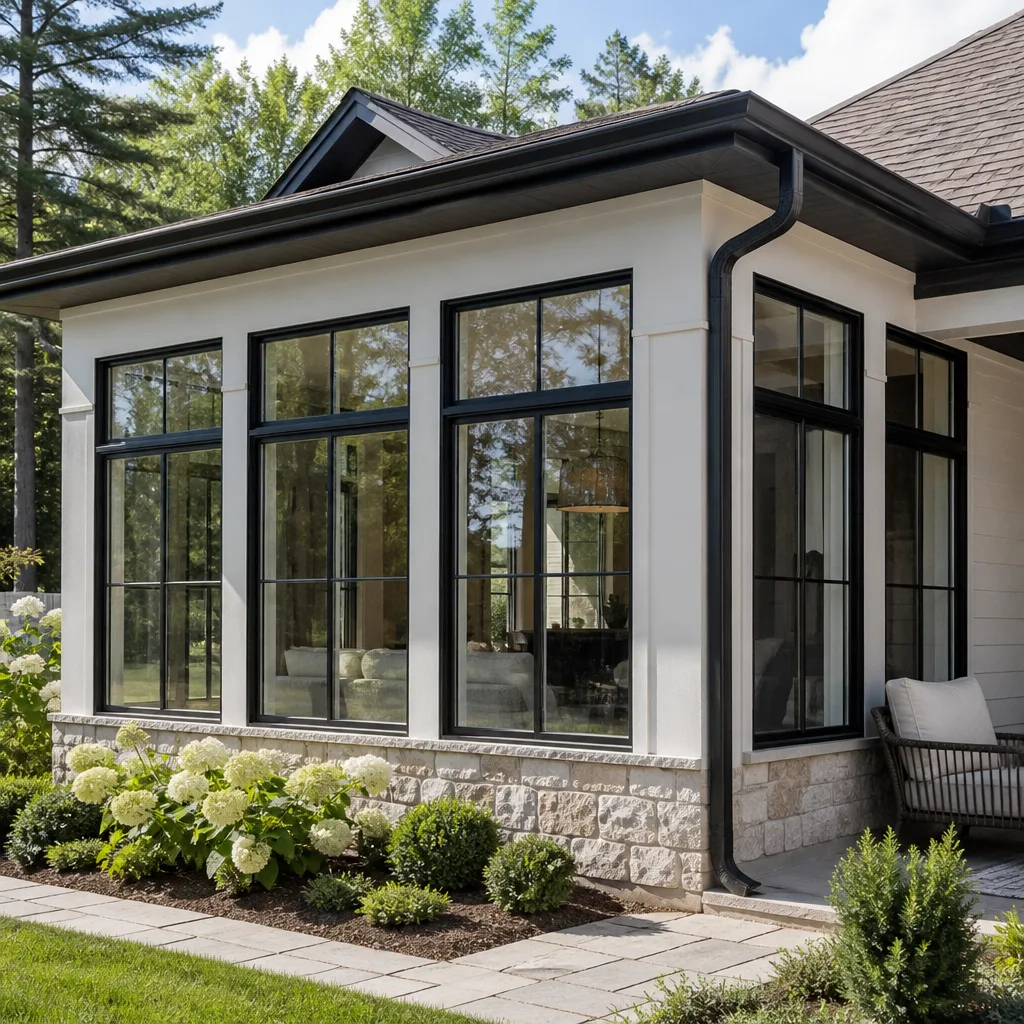
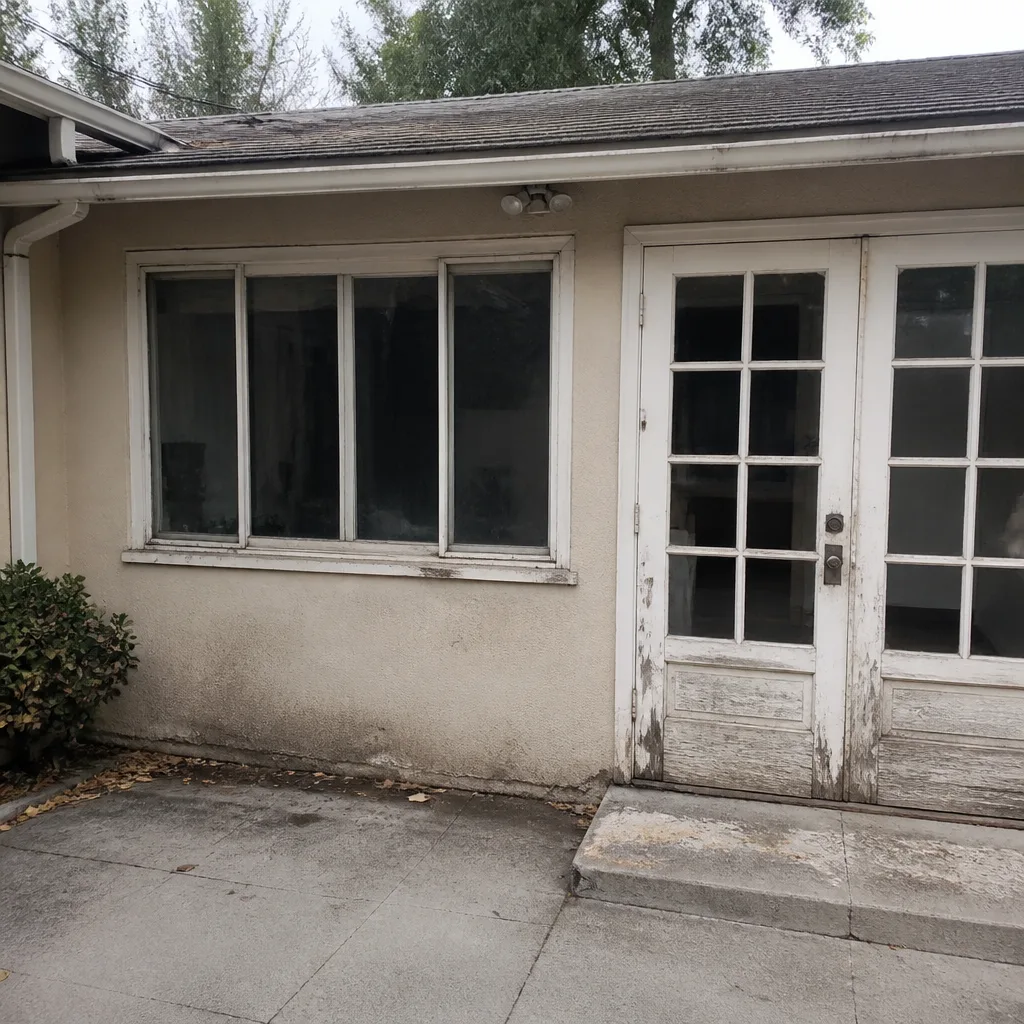 Before
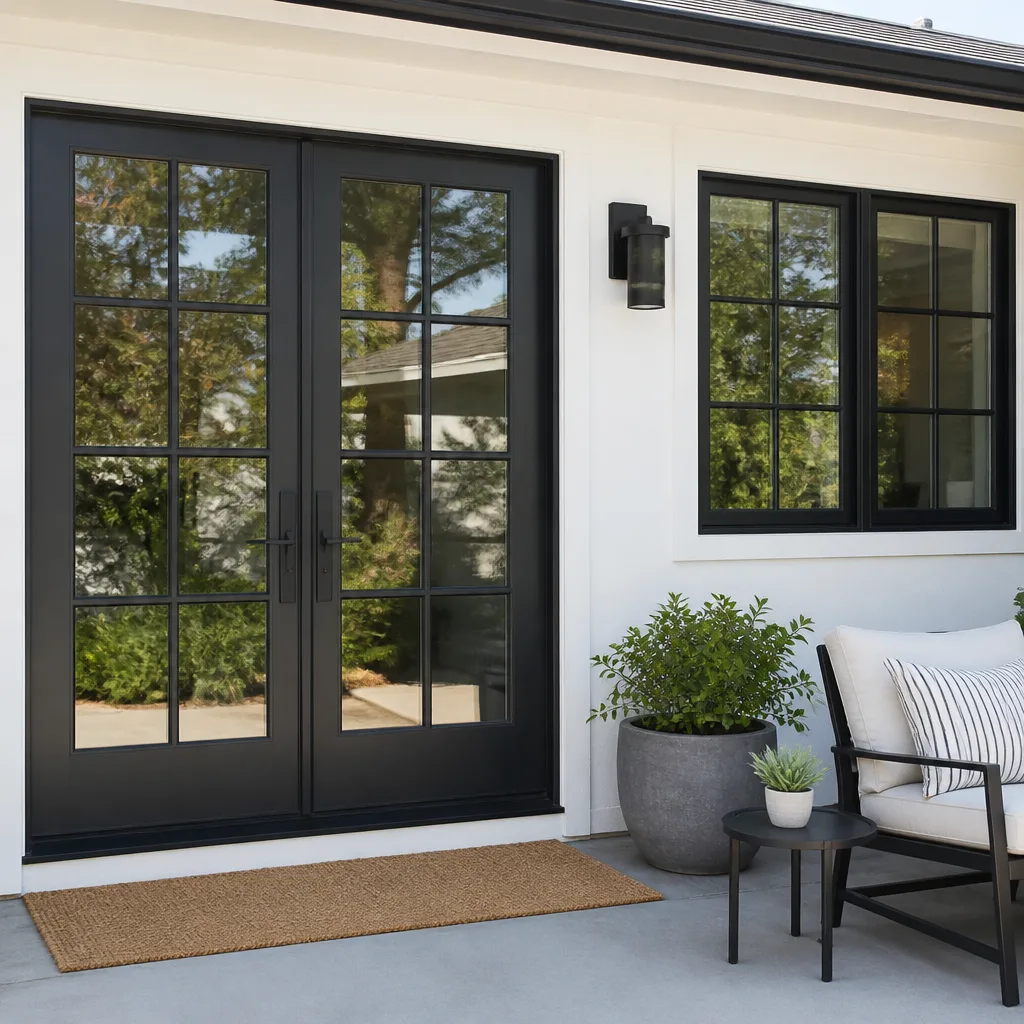 After
After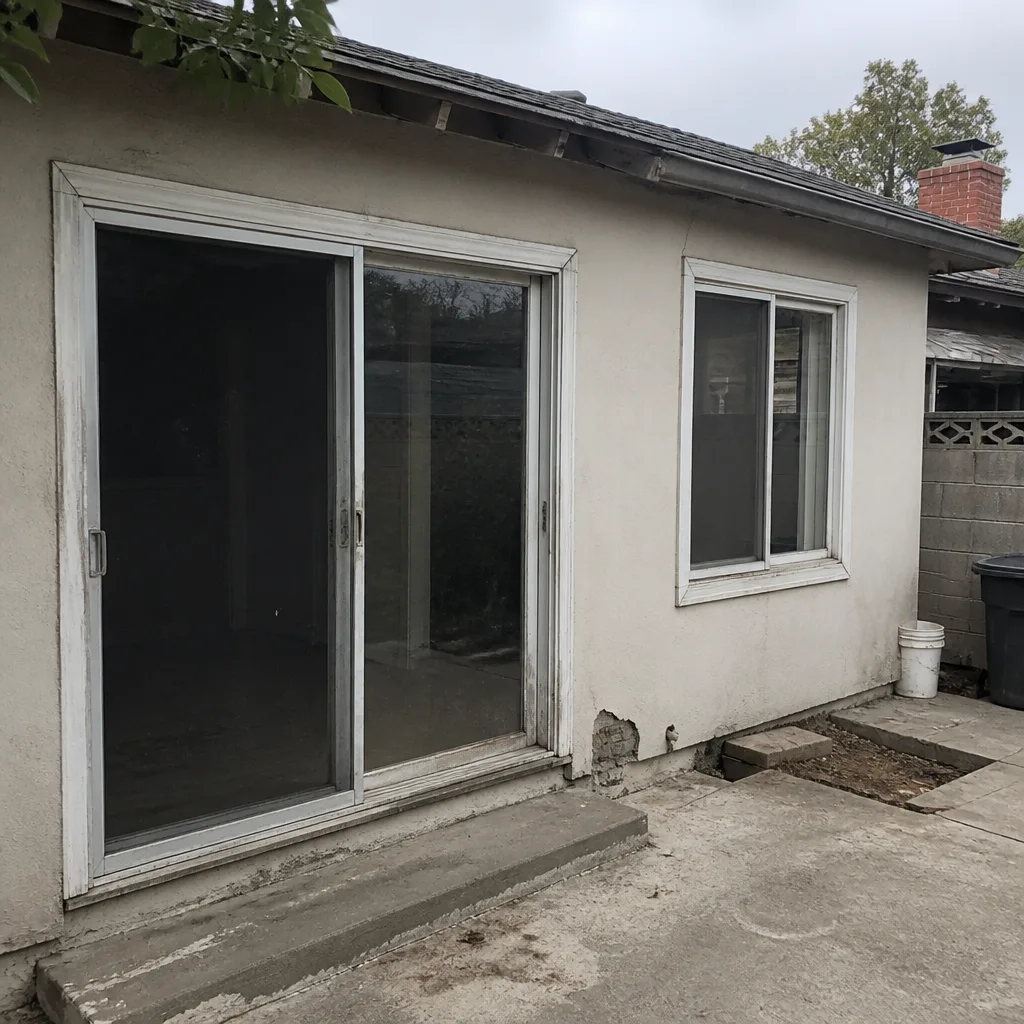 Before
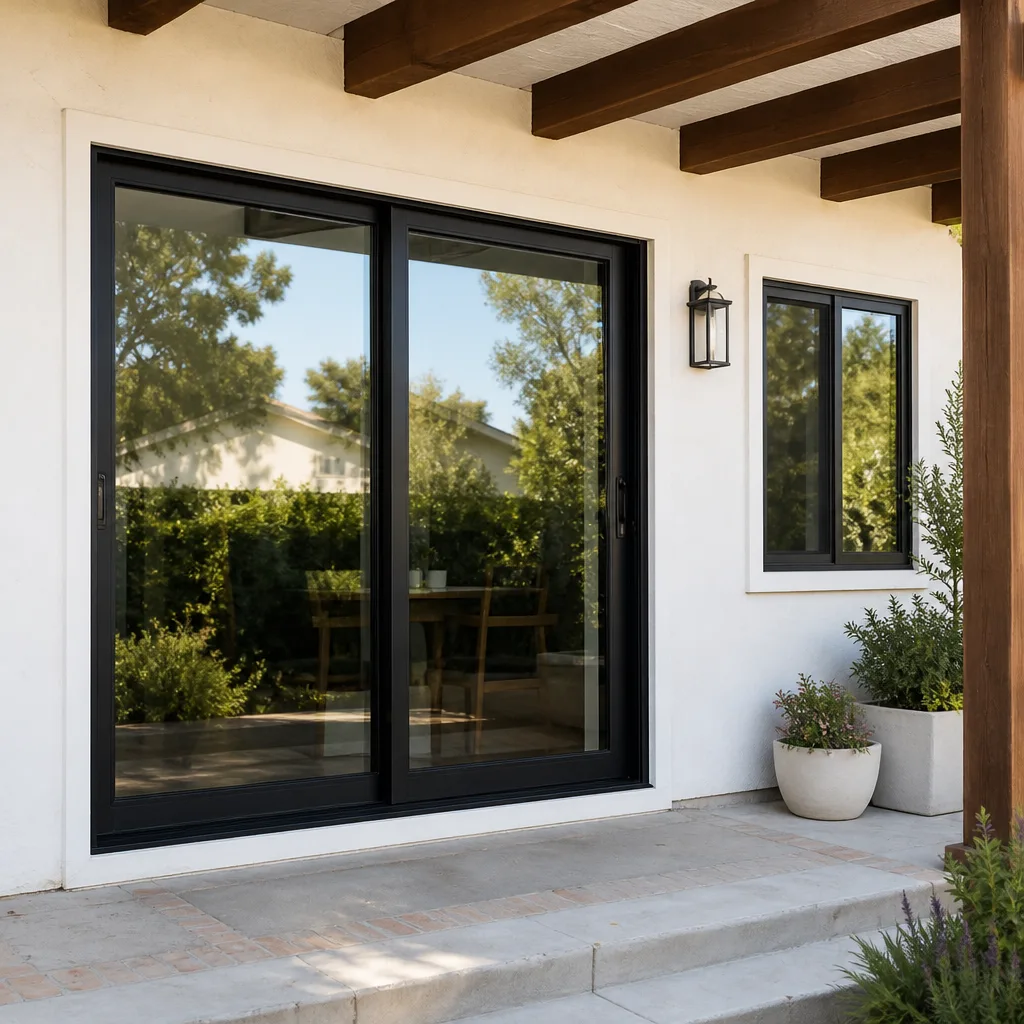 After
After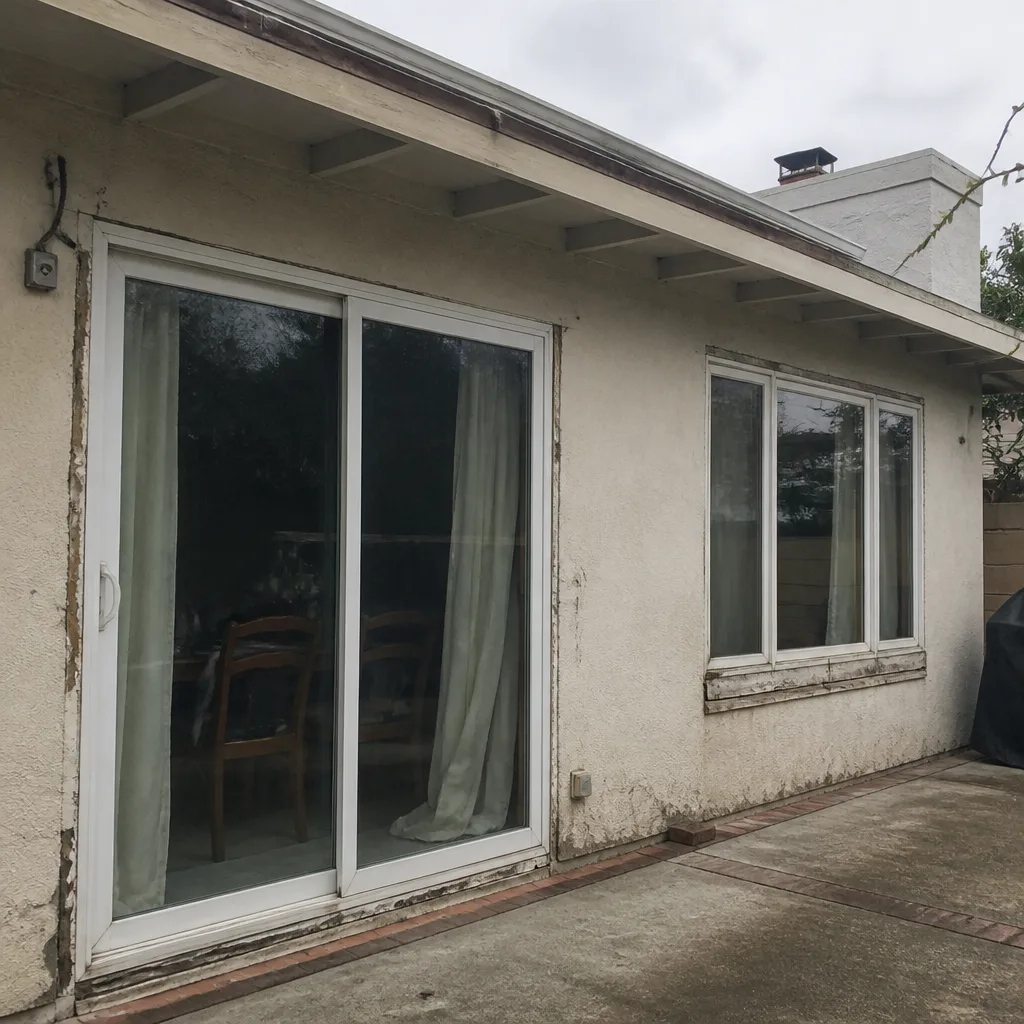 Before
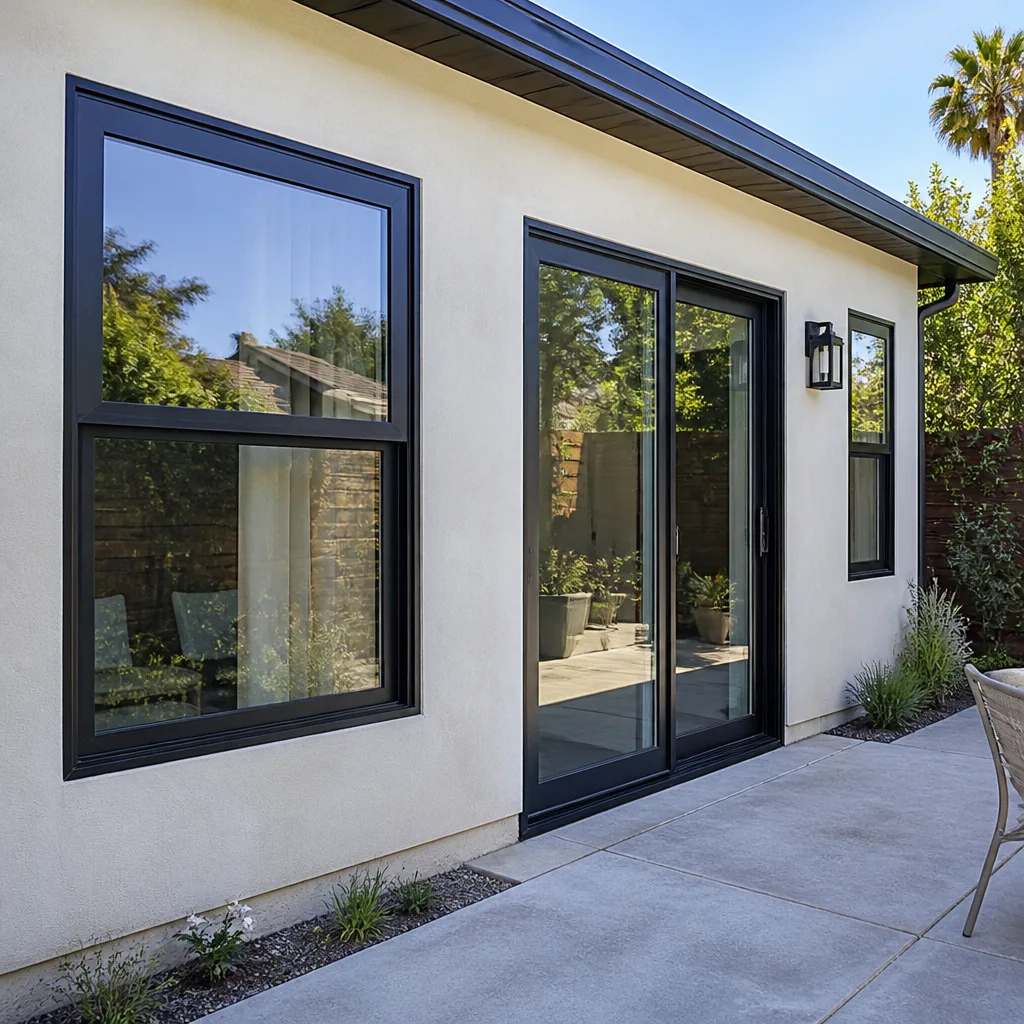 After
AfterCGI Window Installation: The Los Angeles Owner’s Guide
CGI window installation in Los Angeles typically runs $450 to $1,850 per window installed, depending on the frame series, glass package, and whether we’re doing a full-frame replacement or a sash-and-glass swap into an existing CGI frame. We stock CGI-compatible hardware, balances, and glass packages on our trucks, so most single-window installations in LA are completed same-visit once we’ve confirmed your model. Here’s how most Los Angeles homeowners find us: the window won’t close square anymore, a side of the living room suddenly feels like the wall disappeared, or an impact-rated unit that took a hit during storm season has a fracture web but won’t release cleanly. That’s the moment the part matters more than the warranty paperwork.
Which CGI Models This Applies To
CGI’s residential impact lines break into two families we work with regularly across Los Angeles: the Estate Collection and the Sentinel series. Estate units are the heavier architectural profiles, usually in custom shapes or larger spans. Sentinel windows are the more common mid-range impact units we see in single-family homes from the 2000s onward. The compatibility gotcha that catches most owners off guard: CGI changed its balance shoe profile between earlier Sentinel runs and the current production, so a tension shoe that works on a 2008 window often will not seat in a 2018 frame without an adapter. If you can pull the vent, look for a laser-etched code on the top edge of the sash frame, something like “CGI-EST-3046” or “SEN-2640.” That number tells us the series, the rough opening width, and the glass package. If the weather stripping is brittle, the screen corner springs are snapping, or the sash feels heavy mid-lift, it’s almost always a balance or shoe issue, not the glass.
On the OEM-versus-aftermarket question for CGI specifically: we use OEM CGI components when the job is structural or the unit is still under the original manufacturer warranty, because mixing aftermarket balances into a warrantied frame gives CGI a clean denial if something else fails a year later. For out-of-warranty units, we use aftermarket equivalents from brands we know hold spec: balance assemblies, pivot pins, sweep gaskets. It keeps the price honest and the window working. You should know that we are an independent Los Angeles installer and service provider, not a CGI company entity or authorized dealer, so a warranty on the part from our work is a Juniper warranty, not a CGI factory one.
Signs Your CGI Window Installation Is Failing
- The sash drops or slams shut without warning. This is almost always a spent balance system. CGI uses block-and-tackle balances on many Sentinel units, and once the internal cord frays or the shoe clip cracks, there’s nothing holding the sash at mid-height. It’s a physics failure, not a cleaning issue.
- The window won’t lock, or the latch catches halfway. Los Angeles slab movement is real. Houses settle, and a frame that shifted an eighth of an inch is enough to misalign CGI’s multi-point lock tracks. Sometimes it just needs a strike plate adjustment; sometimes the sash has dropped out of square and needs to be re-shimmed in the opening.
- Condensation between the panes that never clears. That’s a failed glass seal. CGI builds units with a warm-edge spacer bar, but LA’s sun cooks west-facing windows hard, and a seal can fail in 8 to 12 years on a wall that gets full afternoon exposure. It’s cosmetic at first, then it starts blocking the view and dropping the unit’s thermal performance.
- The crank or sliding mechanism feels like it’s running on gravel. On CGI casements and sliders, the roller assemblies collect LA dust and harden over time. Once the nylon tire on a slider roller goes square, the door or window grinds against its track every time you use it.
- You hear window noise you didn’t use to hear: humming, rattling, or the room suddenly feels breezy. Impact-rated packages are heavy, and when a balance or roller starts going, the unit’s seal to the frame relaxes. You lose the air seal before you see anything, which also means noise. It’s the first thing I notice when I walk into a room, and usually the owner has felt it for months without knowing what they were feeling.
Replacement Cost & What’s Included
For a residential CGI window installation in Los Angeles, plan on these installed ranges:
- Balance assembly replacement (single window): $180 to $390 including the part and service call.
- Glass replacement, impact-rated package (per window): $650 to $1,450 depending on size, Low-E coating, and whether it’s single-strength or laminated impact glass.
- Full-frame replacement with new CGI-compatible window: $1,200 to $1,850 per opening for standard sizes, before any stucco repair or interior trim work.
- Multi-point lock hardware and track realignment: $145 to $320 per window, including strike plate adjustment and latching verification.
What moves the number in Los Angeles: whether the window is a standard production size or a custom CGI shape, whether the opening is on the first floor or requires ladder work, and whether the original install has stucco returns that make removal slower. Every Juniper job comes with a written price before we start, and the 365-Day Done Right Promise on the installation: if it’s not right, we make it right, for a full year, parts and labor, in writing. What we won’t do is quote you a vague range and then find a “surprise” once the window’s out of the opening.
DIY or Call Us?
Here’s my honest split. You can safely check a few things on a CGI window: whether the weep holes along the bottom track are blocked with dust, whether the weather stripping is loose but still intact, and whether the latch feels clean when it engages. If you’re comfortable with a screwdriver, you can sometimes fix a strike plate that’s off by a hair. What I would not touch without training: balances, because a block-and-tackle balance under load will come out fast and can catch a finger; glass removal on impact units, because laminated glass is heavy and will cut you if it releases wrong; and anything involving the frame or the structural opening. On high-failure parts like balances and rollers, we usually carry the common CGI sizes on the truck, so it’s one visit for most Los Angeles homes. If you want to talk through what you’re seeing before you even book, call us at (682) 281-2168 and we’ll tell you straight what’s likely going on and what it should cost to fix it.
FAQs
In Los Angeles, we typically see CGI balance assemblies fail in the 7 to 12 year range, with windows that face west or get full afternoon sun degrading faster because the heat accelerates the internal cord wear. Windows that see daily use, like kitchen and slider units, fail closest to the 7-year mark.
Sometimes. A multi-point lock that’s just misaligned can often be repaired with a strike plate adjustment, and a balance with a broken shoe clip may only need the shoe replaced, not the whole assembly. But once the internal cord frays or a roller tire goes square, you’re replacing the part, not rebuilding it. Call (682) 281-2168 if you want to know which side of that line your window is on.
Most single-window part replacements, like balances or lock hardware, take 45 minutes to 2 hours once the part is on site. A glass replacement runs 2 to 4 hours including old-unit removal and new-unit setting. Full-frame replacements are typically a one-day job per window.
We stock the fast-moving items, common balance assemblies, pivot pins, sweep gaskets, and some slam-latch hardware, on our service trucks across Los Angeles. Odd-size glass packages and custom CGI sashes are ordered to spec and typically land in 1 to 2 weeks. Either way, you’ll know before the appointment exactly what’s being brought to your home and what it costs.
To schedule a free estimate or get a part identified, call Juniper Windows & Doors at (682) 281-2168. We’ll put a written price in your hands before any work begins, and you’ll get the same transparency on the day of install: a live arrival time, photo updates, and a digital invoice you can pay from your phone.
Written by Sean Mackey, Owner & Installer, Juniper Windows & Doors at Juniper Windows & Doors, serving Los Angeles and nearby areas.