
Free in-home measure and quote - PGT, CGI and CWS impact lines compared on your actual openings, style by style
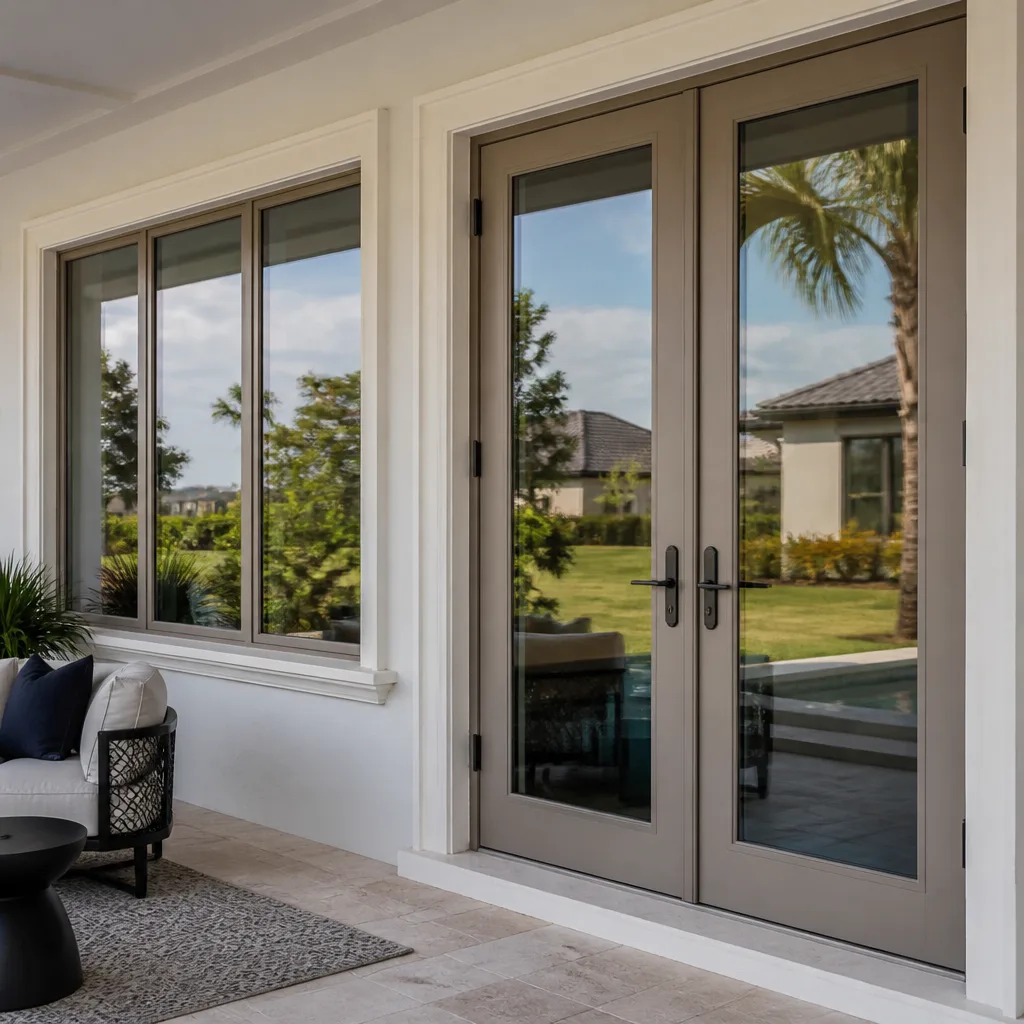
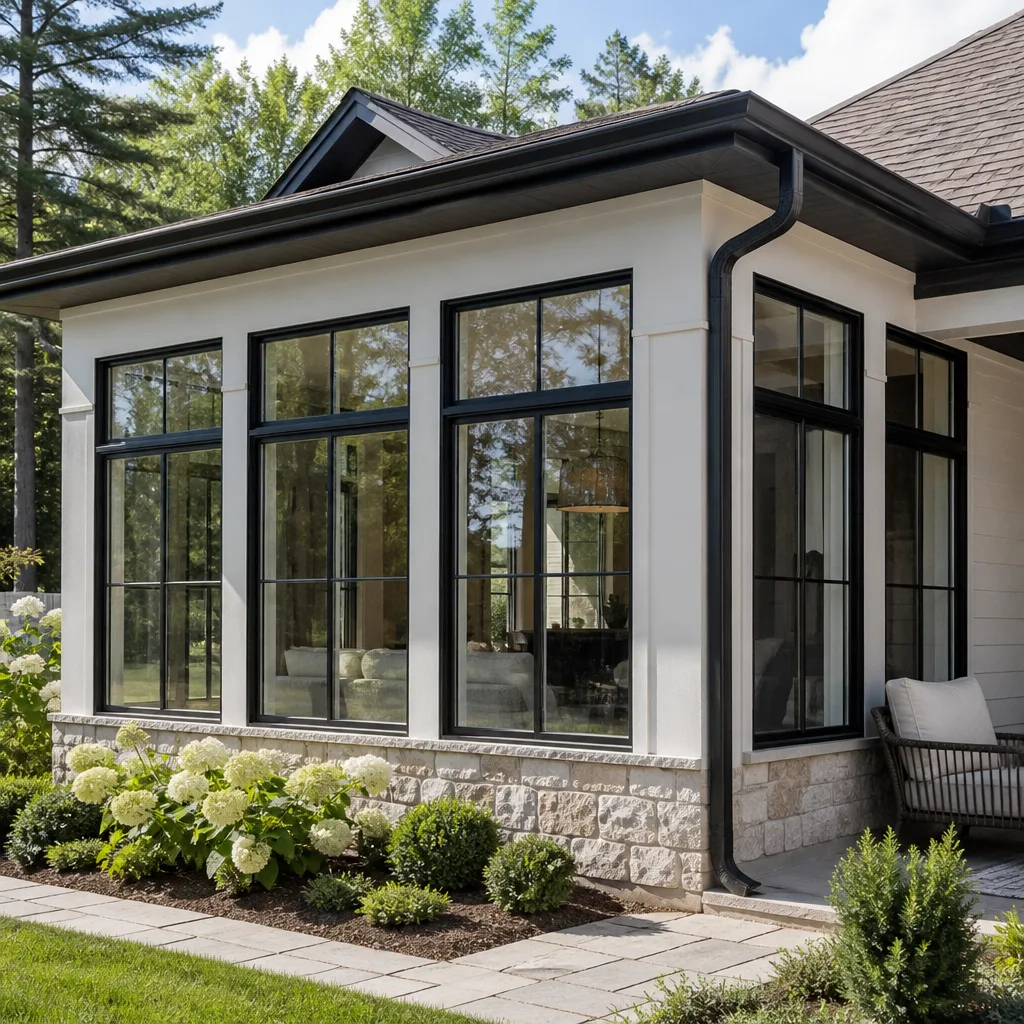
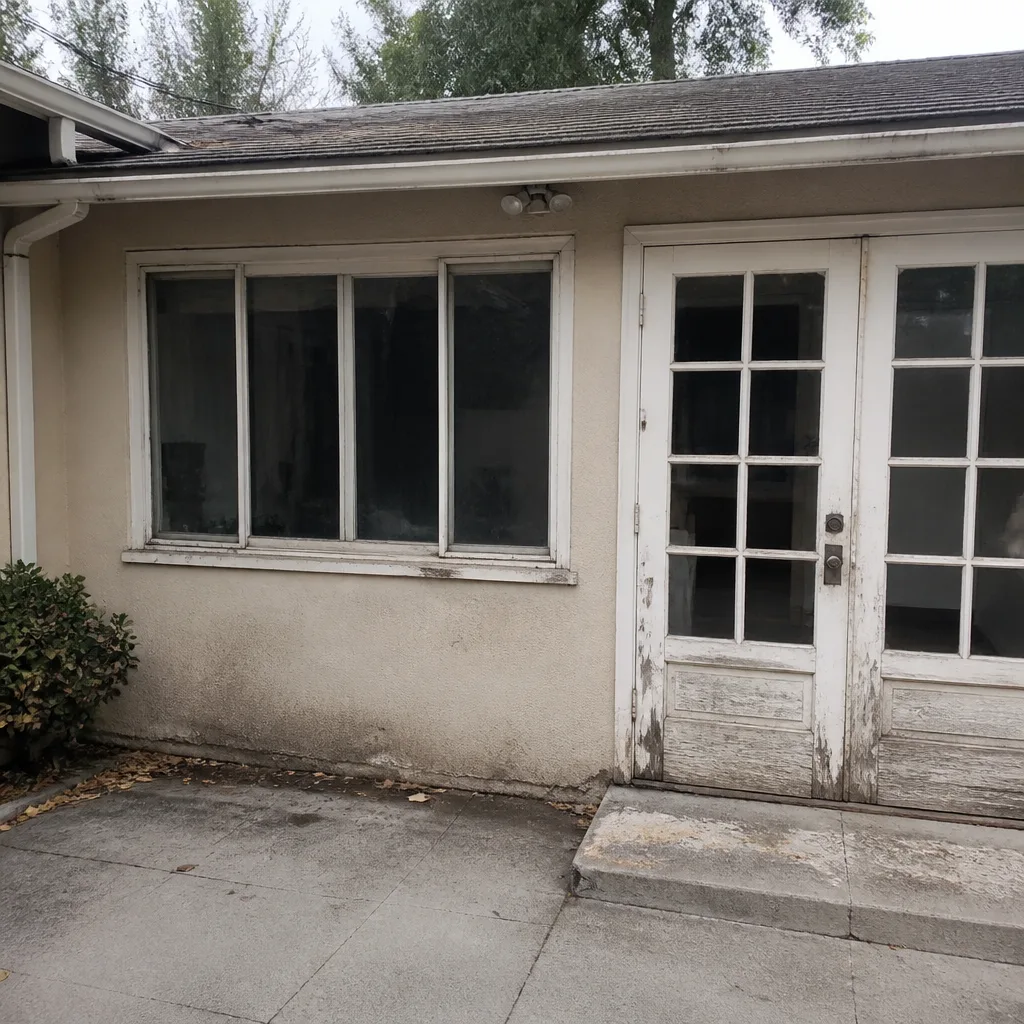 Before
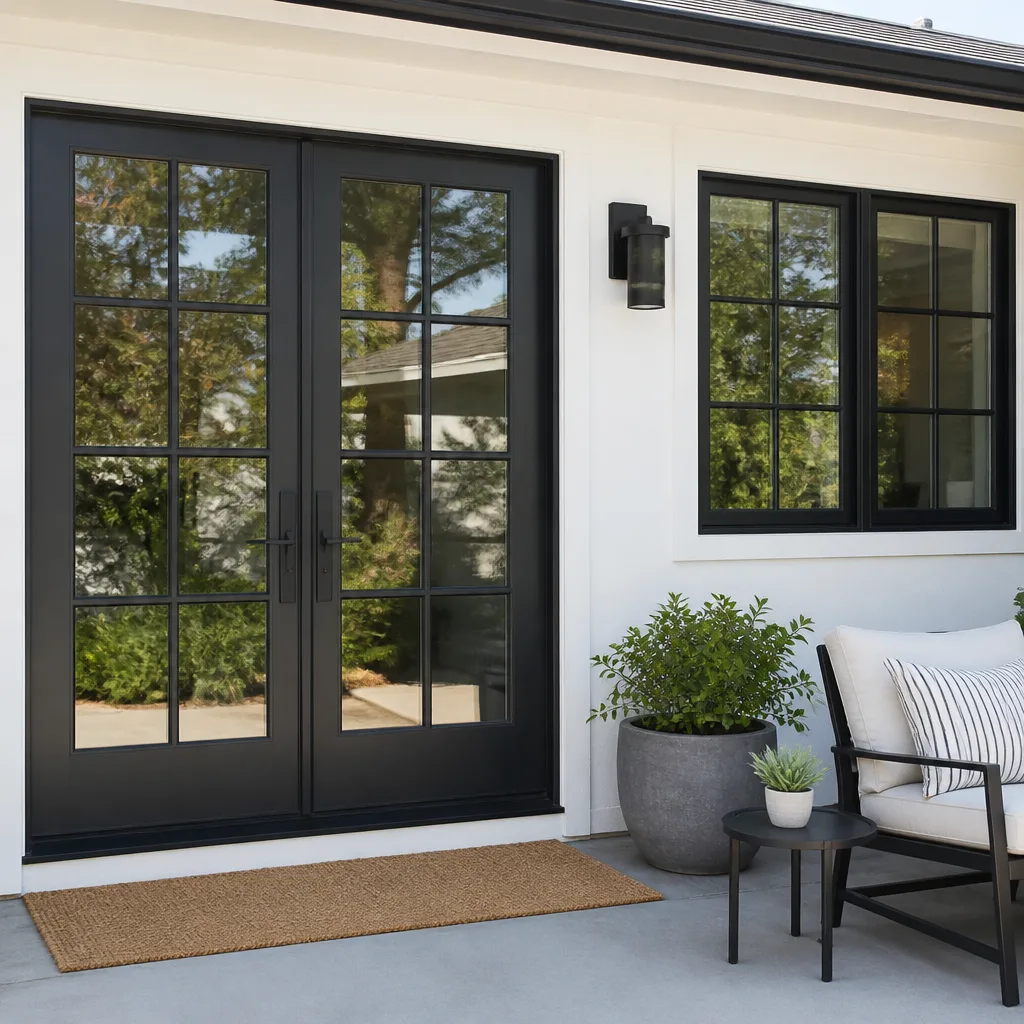 After
After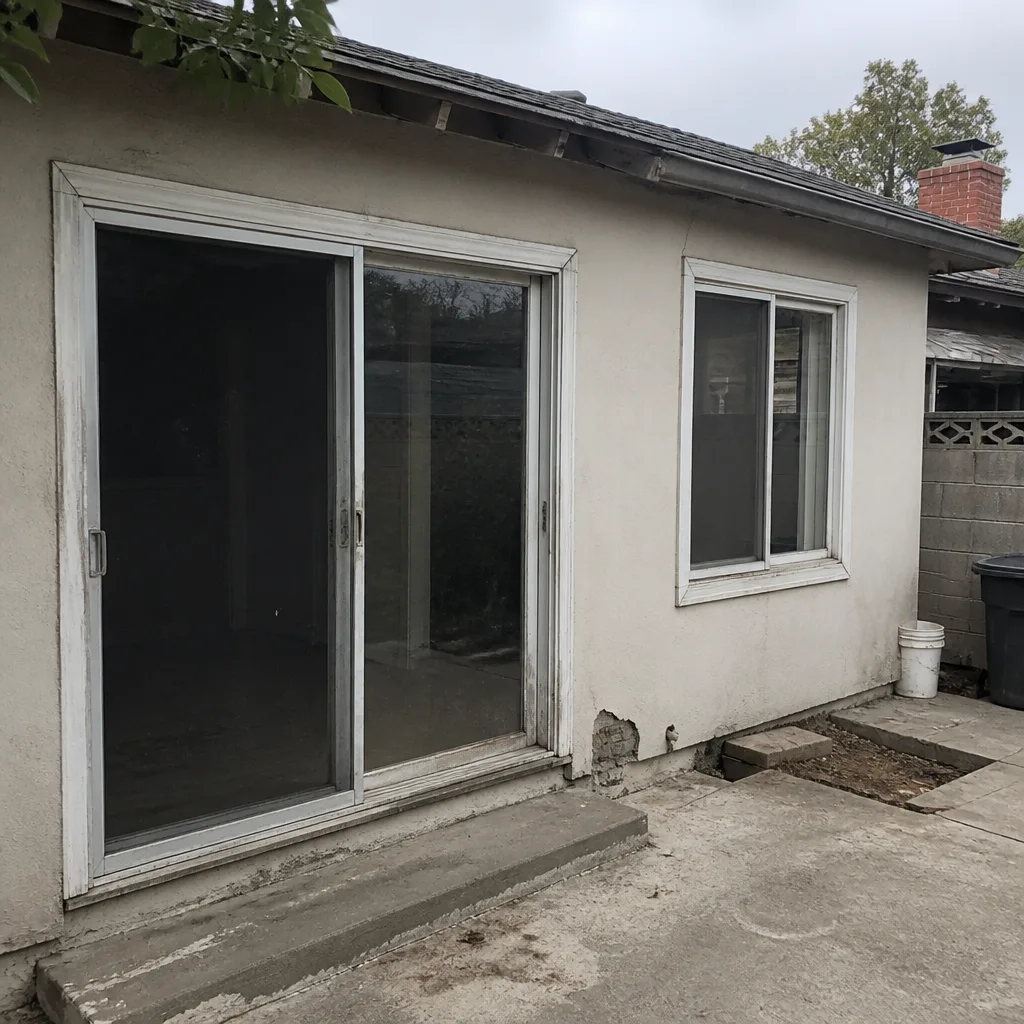 Before
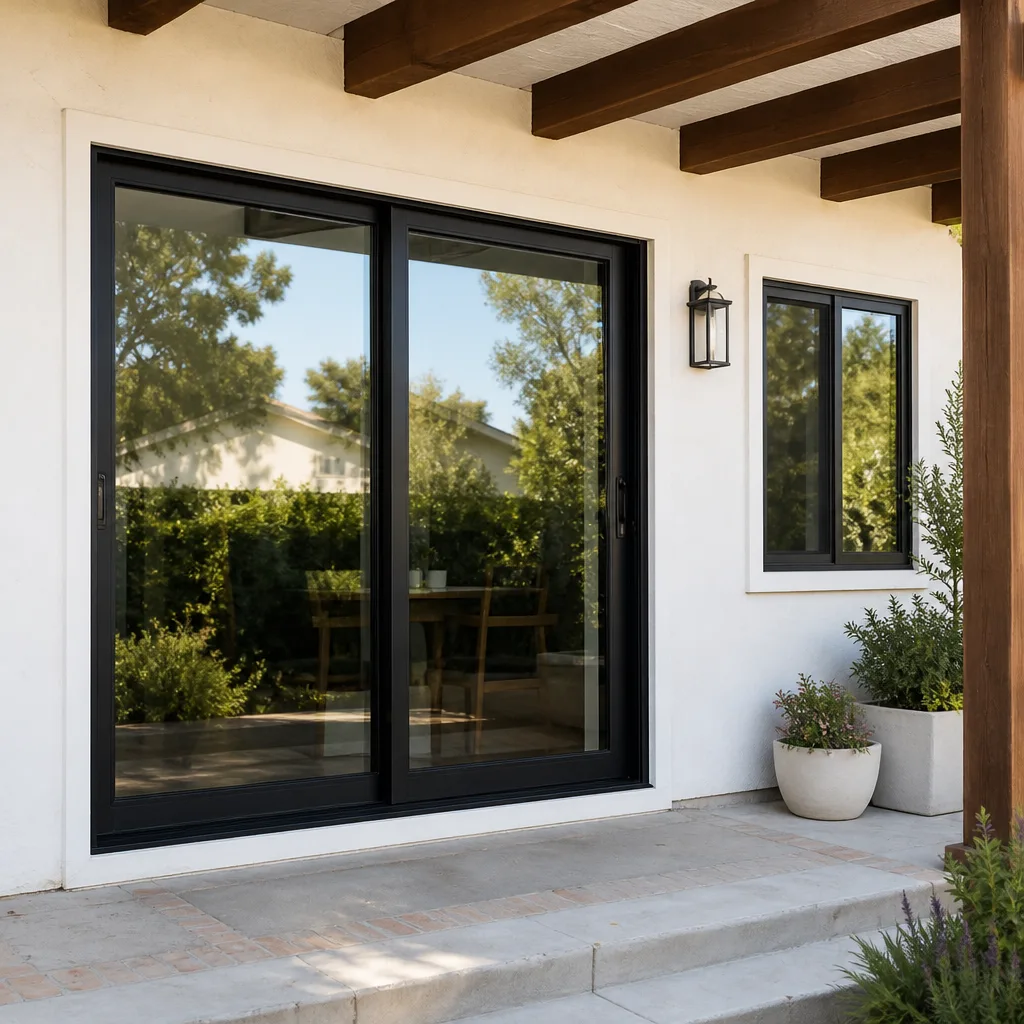 After
After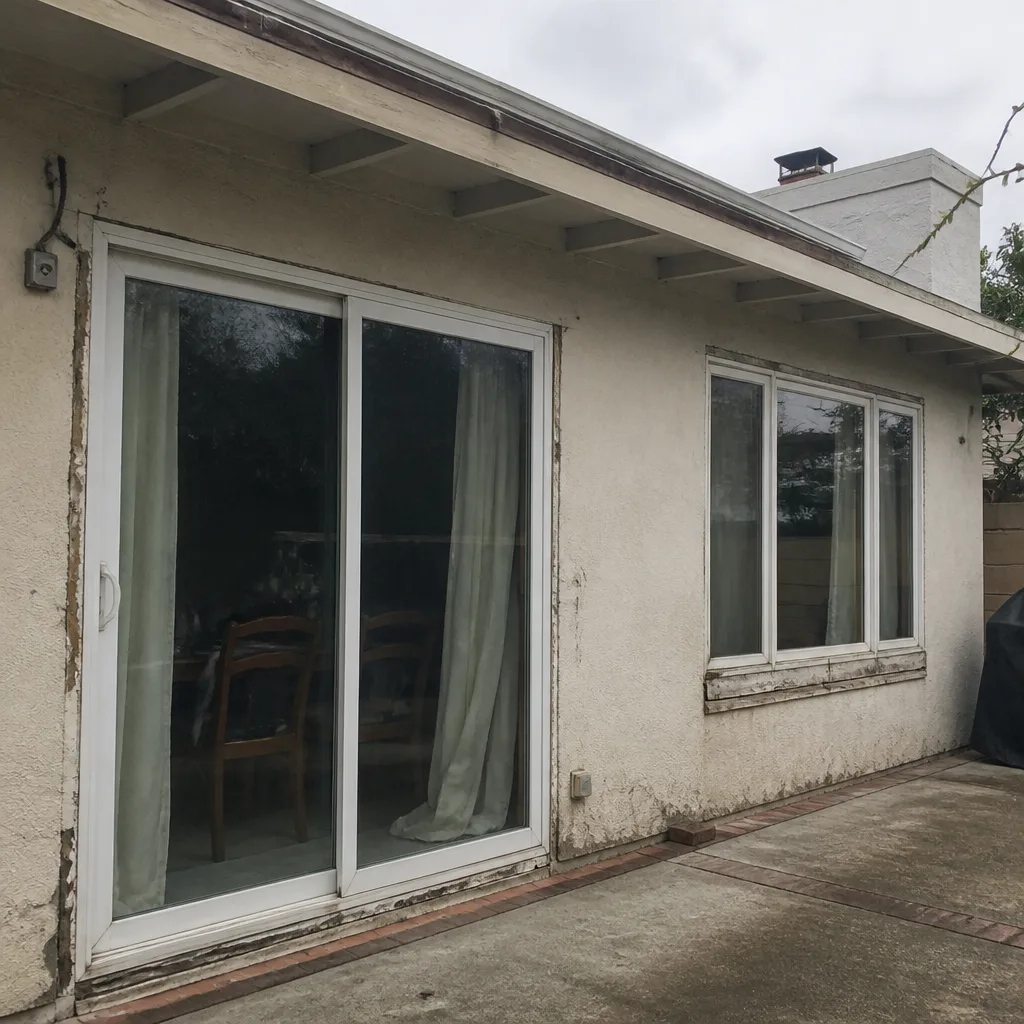 Before
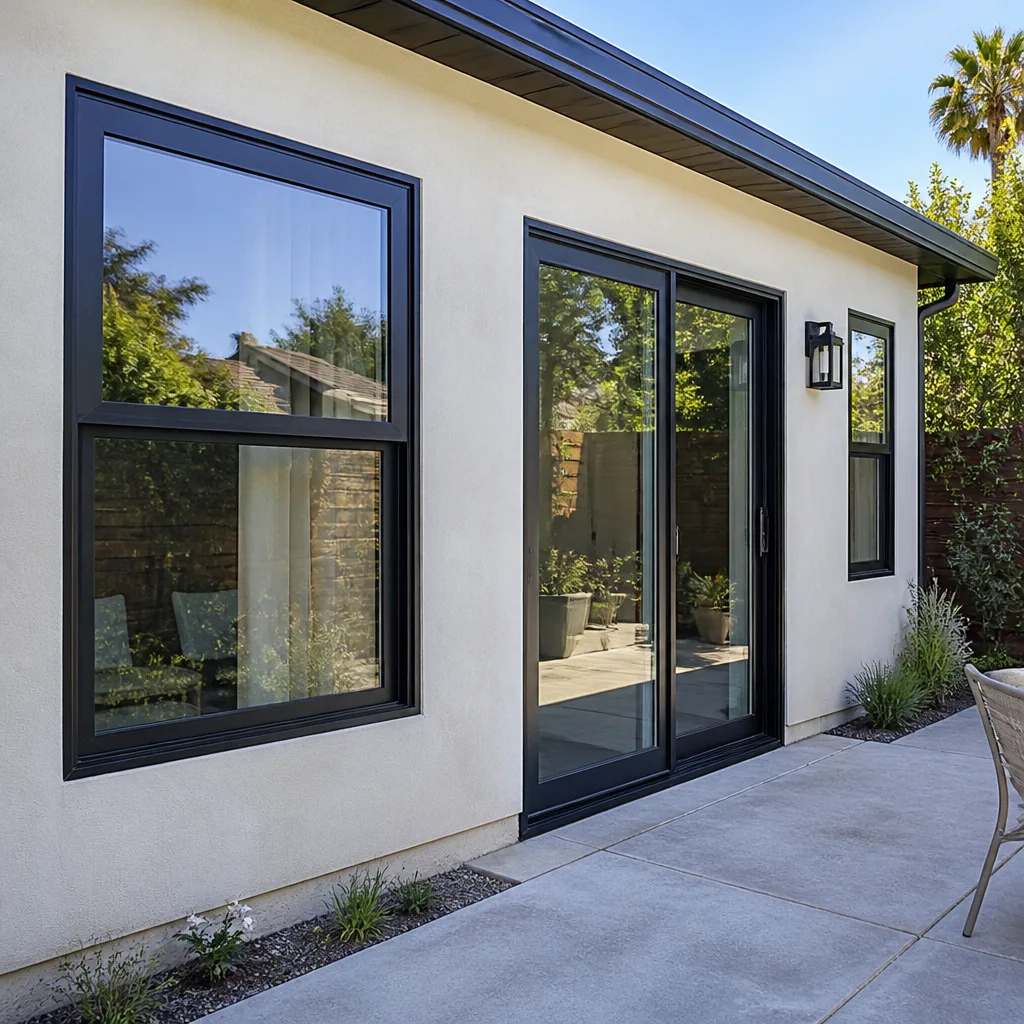 After
AfterCWS Door Installation: The Los Angeles Owner’s Guide
We stock, match, and install CWS-compatible door hardware and panels across Los Angeles, with most installations running $450 to $1,850 depending on the part and door model. Same-week scheduling is typical, and we carry common CWS replacement components on the truck so we’re not ordering and hoping. Most CWS owners we hear from discover a part has failed when the door starts dragging, the roller binds mid-track, or the panel refuses to seat flush against the jamb.
Juniper Windows & Doors is an independent installer, not a CWS dealer or affiliate. That matters because we’re not tied to a single supplier pipeline: when an OEM CWS part is backordered or discontinued, we source a quality aftermarket equivalent that fits the same pocket and performs the same job. Sean Mackey has been installing CWS doors in Los Angeles long enough to know which parts fail first, which aftermarket equivalents hold up, and when spending extra on the OEM component is actually worth it.
If it belongs on the page, I’ll put it there – number, timeframe, or trade-off. So here’s the honest version: CWS builds a solid door, but the hardware, the rollers, the strike plates, the sweep seals, those wear out on a predictable schedule in Southern California’s sun and coastal air. We’ll walk you through exactly what’s failing, what a fair installed price looks like, and whether you can put it off or should stop using that door tonight.
Which CWS Models This Applies To
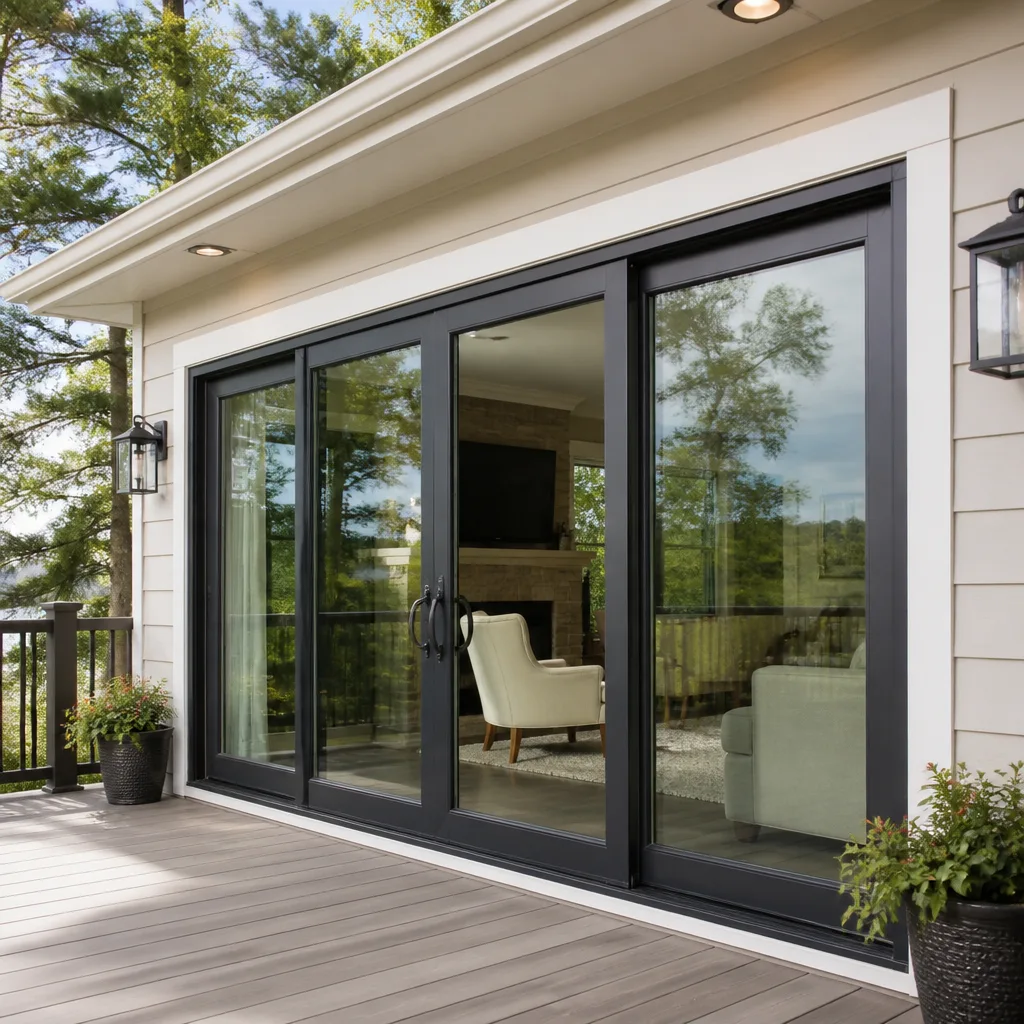
CWS, or Custom Window Systems, manufactures several door lines that show up all over Los Angeles, from West Adams bungalows to Sherman Oaks ranch-style homes. The parts we stock and install cover their sliding glass doors (the SGD line), French door configurations, and their impact-rated and non-impact exterior door families. The compatibility gotcha: CWS changed hinge and roller hardware between several production runs, so two doors that look identical from the outside may need different rollers internally. We confirm by checking the door’s glass etching, the frame sticker near the bottom corner, or by measuring the roller pocket width – most CWS sliding doors take either a 7/8-inch or 1-1/4-inch roller, and ordering the wrong one means the panel sits crooked no matter how carefully you hang it.
For hardware: CWS uses multi-point lock systems on many of their French doors, and those lock rods have very specific throw lengths. An aftermarket lock body that’s 1/8-inch off will leave the door either not latching or binding against the frame. If we’re installing CWS hardware, we use OEM when it’s available and not unreasonably priced, because the tolerances are tight. If OEM is backordered or discontinued, we specify an aftermarket replacement with the same dimensions and test the full lock cycle before we call the job done.
For panels and glass: full CWS door panel replacement is less common than hardware and seal work, but when a panel is cracked or the thermo-seal has failed and turned the glass cloudy, we install a replacement to match the original frame pocket. CWS doors built for California’s Title 24 energy code have specific glass thicknesses, and we spec the replacement to match, rather than sliding in a generic panel that kills your energy performance.
Signs Your CWS Door Installation Is Failing
You don’t need a pro to tell you a door is failing when you’re fighting it every morning. But knowing what is failing determines whether the fix is $80 or $800. Here’s what we actually see in the field:
- The door scrapes or drags along the track. The rollers have worn flat, usually after 8 to 12 years of daily cycling in Los Angeles’s dry heat. A dragging panel puts stress on the track and the frame, and the damage compounds the longer you force it.
- The door locks, but the latch gives when you lean on it. CWS multi-point lock rods stretch and misalign over time, especially on doors that face direct afternoon sun. The lock cylinder may be fine while one or more rods aren’t fully seating, which is a security issue as much as a convenience one.
- You see daylight through the weatherstripping or feel a draft. The sweep or compression seal has compressed and set, and it’s not coming back. This one shows up most in older CWS installations near the coast, where salt air accelerates seal breakdown.
- The door is harder to close in summer than in winter. Aluminum frames expand in Los Angeles heat, and if the door was installed without the right reveal or clearance, the panel binds in July and fits fine in January. This points to an installation problem, not a failing part, and it’ll only get worse unless someone corrects the geometry.
- The handle turns but the door doesn’t unlock on the first try. The gearbox inside the lock mechanism is stripped or slipping. This one can fail catastrophically, leaving you locked out – or locked in – with no warning. If your CWS handle has more than about a quarter-inch of play before it catches, the internal parts are already giving up.
Replacement Cost & What’s Included
Installed CWS door hardware and part replacement in Los Angeles typically lands between $450 and $1,850, and the spread is driven by what’s broken and which door you have. Here’s what that looks like line by line:
- Roller replacement (sliding doors): $450 to $650. Both panels, new rollers, track cleaning and alignment.
- Multi-point lock body replacement: $550 to $850. Includes the full lock body, rods if needed, and re-timing the lock to the cylinder.
- Weatherstripping and seal replacement: $250 to $400. New sweep, compression seals, and frame gaskets cut to your door’s exact profile.
- Full panel replacement: $1,200 to $1,850. Depends on glass type, panel size, and whether it’s impact-rated or standard glazing. We match the original spec.
Every quote is a written price before we start. No change orders, no “we found more damage” surprises. The price we give you includes the part, our labor, a 365-day warranty on the work, and any adjustments we need to make after the panel goes back in. State exactly what the guarantee covers and for how long: 365 days, parts and labor, in writing.
DIY or Call Us?
There’s a short list of things a homeowner can safely check on a CWS door: you can inspect the rollers by lifting the panel out of the track (two-person job, they’re heavy), you can look at the weatherstripping, and you can tighten loose screws on the handle plate. That’s where the safe DIY territory ends. What we’d not recommend: pulling a CWS multi-point lock body apart. The internal gearbox is tension-loaded in ways that don’t look dangerous until a spring or rod releases into your hand. Same goes for removing an impact-rated CWS panel solo – they run 150 to 220 pounds, and a cracked panel is worse than a bad roller.
If your door is sagging, locking inconsistently, or you’ve got a glass panel showing cracks radiating from an edge, call (682) 281-2168. We’ll tell you over the phone whether it’s something you can band-aid for a few weeks or something we need on the schedule this week.
FAQs
CWS door hardware in the Los Angeles climate typically lasts 8 to 12 years before one component fails, with rollers and weatherstripping going first, followed by lock bodies on sun-facing doors. Coastal homes lose seals a few years earlier due to salt air. Call (682) 281-2168 and we can tell you exactly what’s worn and what’s still solid, the estimate is free.
Some can, specifically rollers that just need cleaning and re-lubrication, but most failed CWS hardware isn’t repairable because it’s sealed or the wear surfaces are beyond spec. We won’t replace a part that can honestly be saved, that just burns your money for no reason. We’ll tell you which camp your part falls into when we look at it, then give you a written price either way.
Most CWS door part replacements – rollers, seals, lock bodies – take 60 to 90 minutes once we’re on-site and have the part in hand. Full panel swaps take half a day because we’re matching frame reveals and reinstalling hardware to the original geometry. We’ll give you a live arrival time, not a four-hour window.
We carry the most common CWS-compatible rollers, lock bodies, and weatherstripping profiles on the truck, and what we don’t have we can usually source within 3 to 5 business days. OEM CWS parts may add a week if the factory is backordered. We’ll tell you upfront whether we can do the job same-week or need to order first, either way the written price comes before any work starts.
Contact Juniper Windows & Doors
If your CWS door is dragging, not locking, or letting daylight in around the edges, don’t wait until the panel falls out of the track or the lock gives out entirely. A real person answers the phone 24/7 at (682) 281-2168, and we’ll talk through what you’re seeing, what it likely costs to fix, and whether we need to come take a look before quoting. We’ll back the work with a 365-day parts-and-labor warranty, and you’ll get a written price before anything gets taken apart.
Written by Sean Mackey, Owner & Installer, Juniper Windows & Doors at Juniper Windows & Doors, serving Los Angeles and nearby areas.