

Free in-home measure and quote - PGT, CGI and CWS impact lines compared on your actual openings, style by style
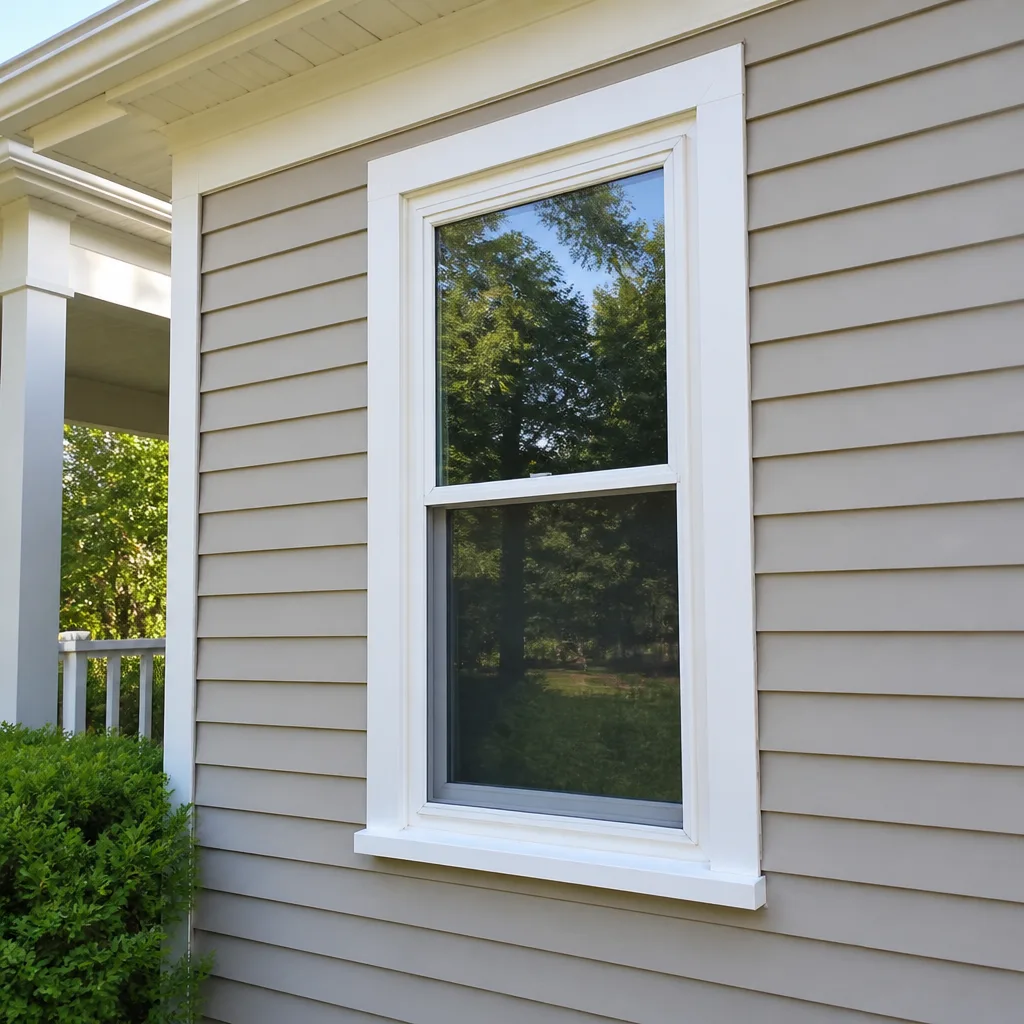
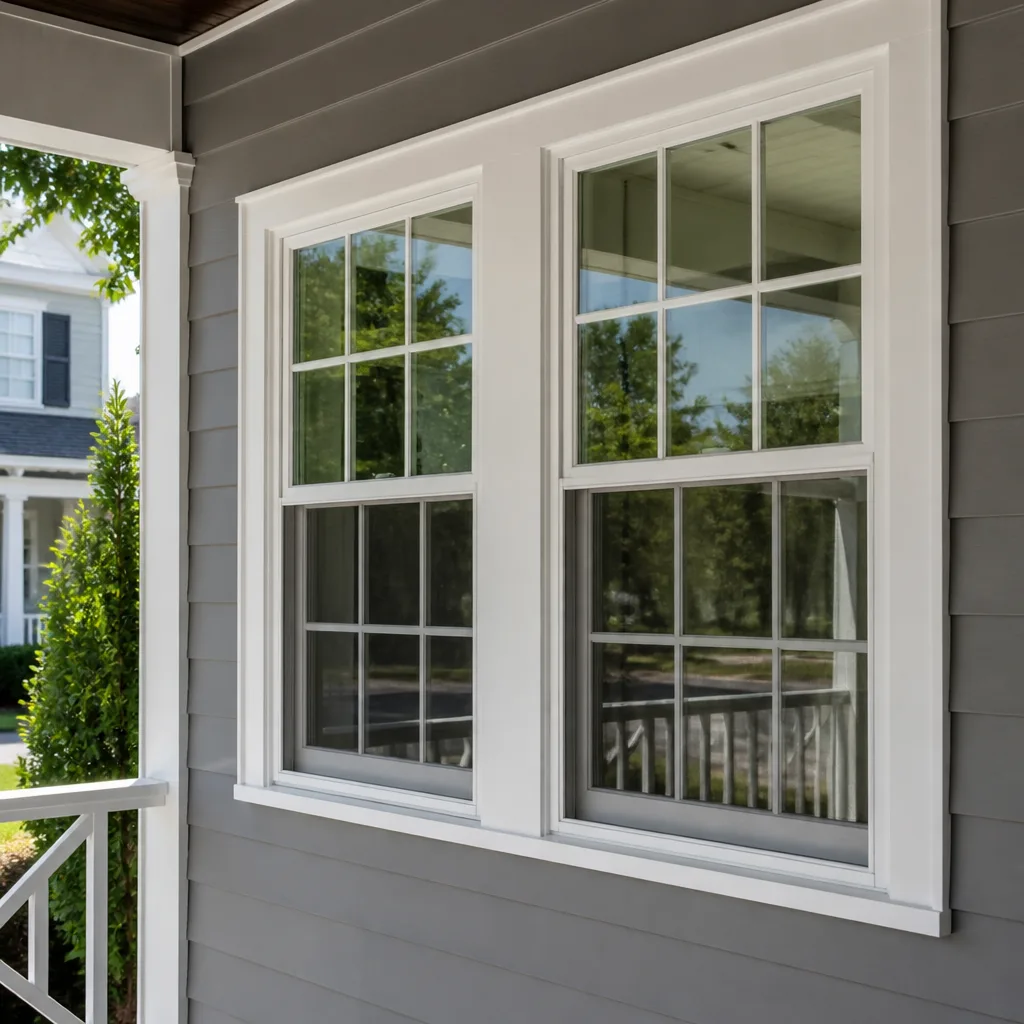
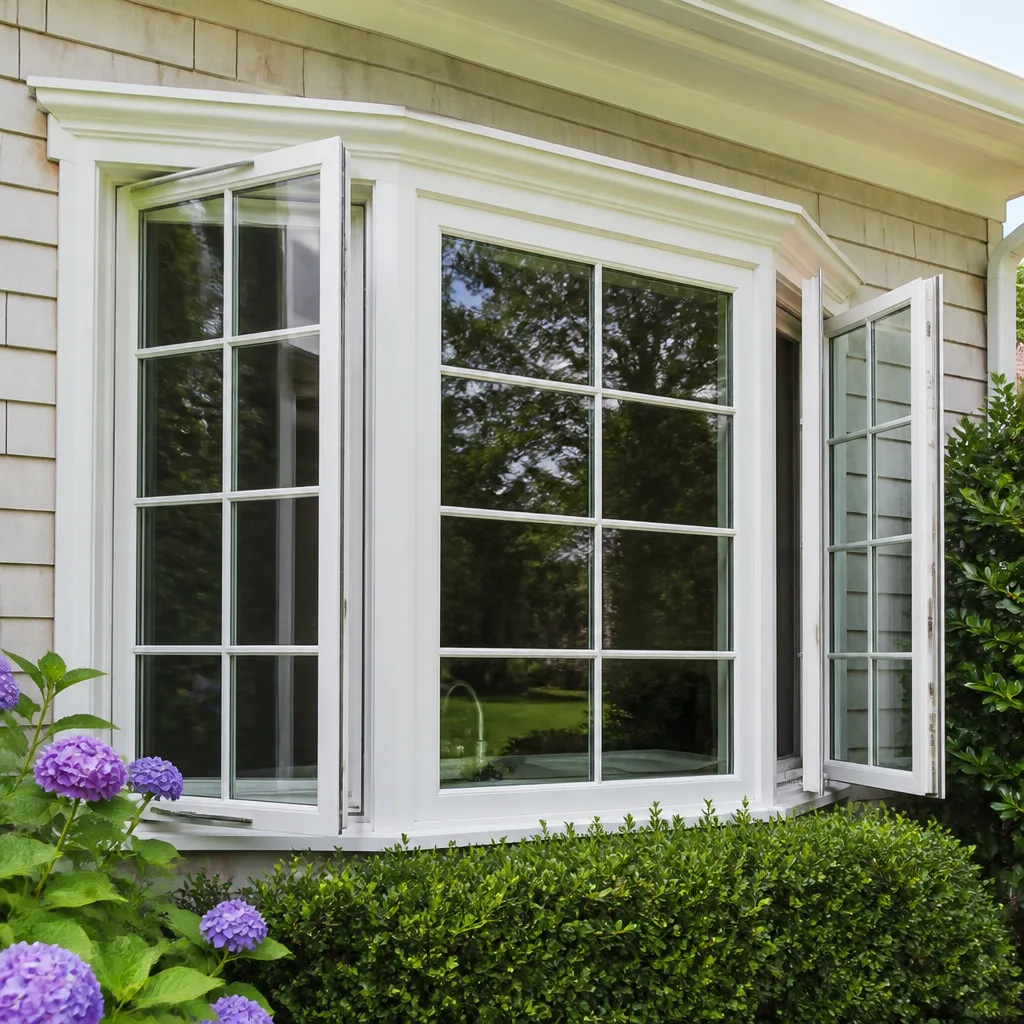



 Before
 After
After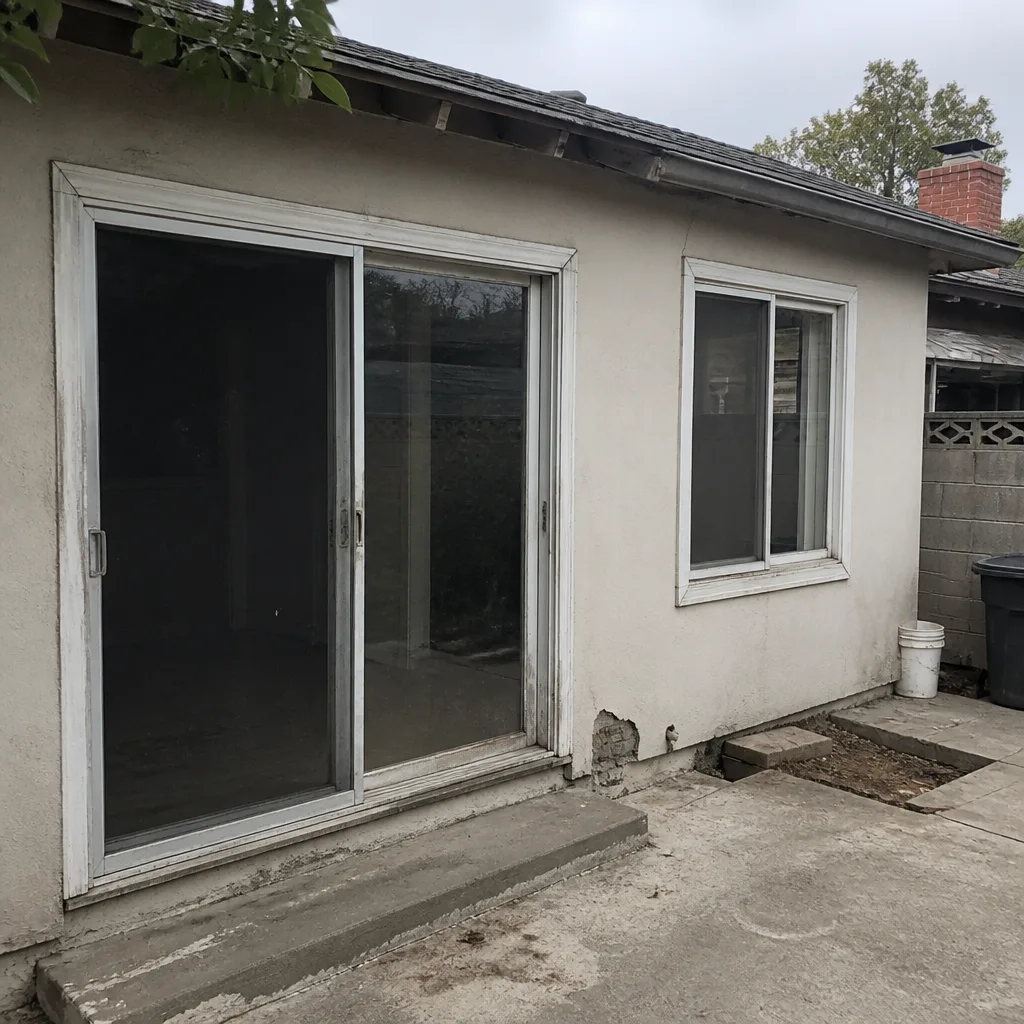 Before
 After
After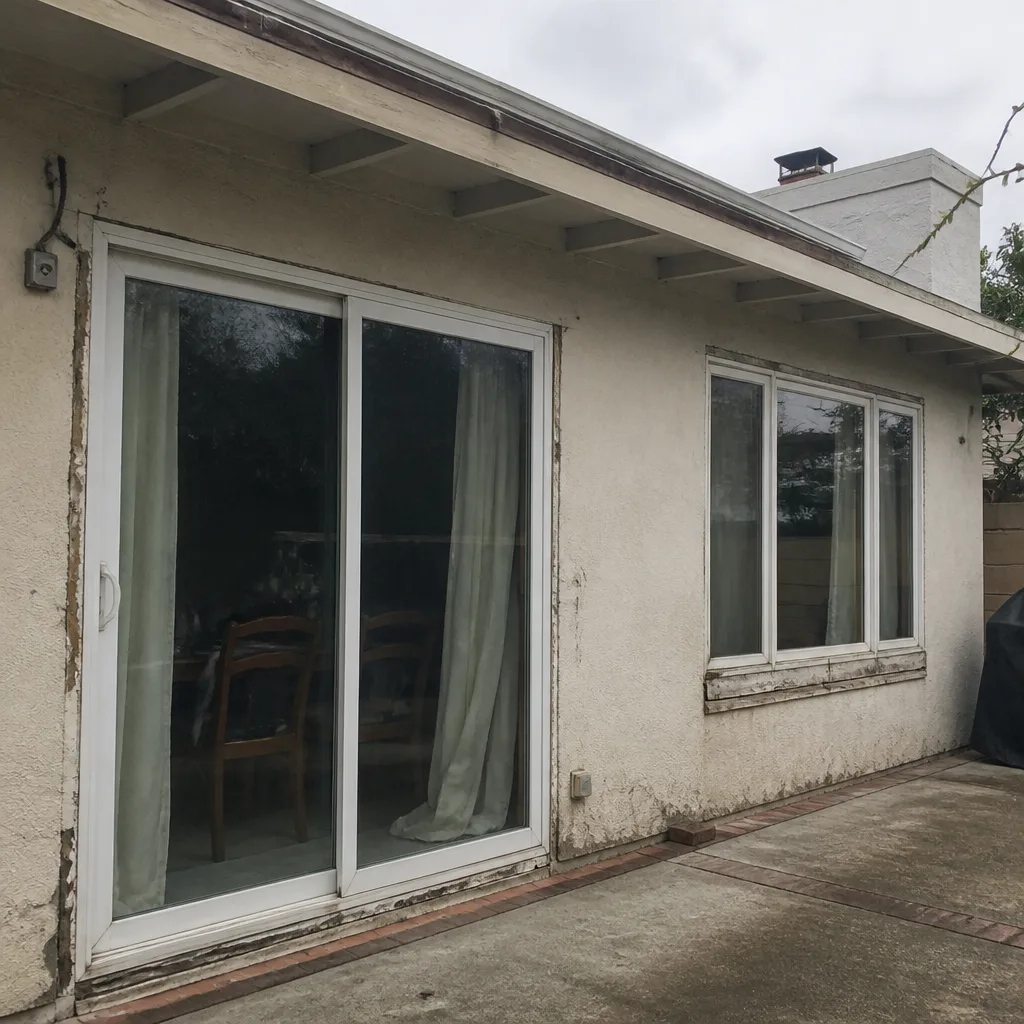 Before
 After
AfterFoggy or Condensation Between Panes
If you’re looking at a milky haze, water droplets, or streaks trapped between the glass layers – not on the surface you can wipe – your window’s sealed unit has failed. The insulating gas (usually argon or air) that lived between those panes has escaped, and moisture has taken its place. That’s not a cleaning problem. It’s a window problem, and wiping it won’t help.
The seal that holds a double- or triple-pane window together is what makes it energy-efficient. When that seal breaks down, the insulating barrier is gone. You’ll notice the fogging gets worse on humid days or after a big temperature swing – that’s moisture cycling in and out through the failed seal. The window isn’t dangerous in the way a gas line or a live wire is, but it is doing almost nothing for your energy bills anymore, and it won’t get better on its own.
Why It Happens
Seal Failure from Age and UV Exposure
The butyl rubber and desiccant that seal a double-pane unit together degrade over time, especially on south- and west-facing windows that take direct sun for hours every day. When the seal goes, the desiccant – a small strip of moisture-absorbing material inside the spacer bar – gets overwhelmed. You can often tell this is the cause when multiple windows in the same exposure start fogging around the same time, years after installation.
Poor Original Installation
A window that wasn’t seated correctly in its frame puts uneven stress on the sealed unit from day one. That stress accelerates seal wear, sometimes dramatically. If your window is relatively new but already fogging, and others in the house are fine, the installation is worth a close look. Check whether the frame itself sits square in the opening – a frame that’s visibly racked or gaps at a corner is a telling sign.
Pressure Washing or Power Spraying Too Close
High-pressure water forced into the glazing bead or sill flashing can work moisture past the exterior seal faster than years of weather would. If you or a contractor power-washed the exterior recently and the fogging appeared shortly after, that’s almost certainly the sequence. The failure point is usually at the bottom edge of the glass, where water pools before finding its way in.
Physical Impact or Frame Damage
A direct hit – a baseball, a falling branch, a door slammed hard enough to rack the frame – can crack the seal without visibly cracking the glass. The fog shows up days or weeks later as the unit slowly loses its gas fill and draws in humid air. Look for any small chips at the glass edge, a frame corner that no longer closes flush, or hardware that suddenly feels stiffer than it used to.
What to Do Right Now
- Don’t try to drill, inject, or “de-fog” the unit yourself. Products sold for this exist, but they compromise the sealed unit further and won’t restore any insulating value. At best, the haze comes back. At worst, you’ve damaged a window that could have been properly replaced.
- Photograph the problem from inside and outside. Get a shot in the morning when condensation is at its worst, and one in the afternoon. These photos help your local Juniper Windows & Doors team assess the extent of the failure before the visit – sometimes they can spot a pattern from photos that narrows down the cause.
- Note how many windows are affected and where they face. South and west exposures failing together points to UV degradation. A single north-facing window failing young points to installation or impact. That context matters for the estimate.
- Check whether the fogging is between the panes or on the glass surface. Run your finger along the interior surface. If the haze wipes away, it’s indoor humidity – not a seal failure. If it doesn’t budge, it’s between the panes and you’ve confirmed the diagnosis.
- If the frame itself feels soft, is visibly rotting, or the window won’t latch properly, don’t force it. A frame in that condition can make the glass unstable. Leave it as-is and let the technician assess it on arrival.
How We Fix It
A failed sealed unit can’t be repaired – the insulating gas is gone and the desiccant is saturated. The fix is replacing the glass unit, and in some cases the full window, depending on what the frame inspection shows.
When your local Juniper Windows & Doors technician arrives, they’ll measure the existing opening, inspect the frame for squareness and structural integrity, and determine whether the frame can accept a new sealed unit or whether a full window replacement makes more sense. From there, they’ll walk you through the right product from our eight available lines – PGT, CGI, CWS, ES Windows, ECO Window Systems, Mr-Glass, Therma-Tru, and ViewLux – based on your window type and exposure.
Before any work starts, you’ll receive a written price. That’s not a rough estimate – it’s the number. And every installation is covered by the 365-Day Done Right Promise: if it’s not right, we make it right, in writing, for a full year. Most single-unit replacements are completed in one visit. Full window replacements typically take a few hours per window depending on size and frame condition.
Frequently Asked Questions
No – a failed window seal isn’t a safety hazard the way a gas leak or electrical fault is. The glass is structurally intact in most cases, and the fog is cosmetic and thermal, not toxic. That said, a fogged window is doing almost nothing to insulate your home, which shows up on your energy bills month after month. It won’t self-correct, so the longer it waits, the more energy (and money) it costs you. Call (682) 281-2168 to get a written estimate and decide from there.
It can wait in the sense that it won’t become an emergency overnight – but every month a failed sealed unit sits in your frame is a month you’re heating or cooling through glass with essentially no insulating layer. If multiple windows are affected, the compounding effect on your energy use is real. We’d recommend at least getting the free written estimate so you know what you’re working with. Call (682) 281-2168 and your local Juniper team can set up the visit.
Your local Juniper Windows & Doors team handles scheduling directly, and a live person picks up at (682) 281-2168 any time – day or night – so you’re never leaving a voicemail and waiting. From there, they’ll find the earliest available visit and give you a live arrival time you can track, not a four-hour window to guess at. Call (682) 281-2168 and they’ll get you on the schedule.
It depends on the frame. If the frame is square, solid, and undamaged, replacing just the sealed glass unit is often the right call – it’s less work and preserves a functioning frame. If the frame is warped, rotted, or part of why the seal failed in the first place, replacing the full window makes more sense. The technician makes that call on-site after a proper inspection, and the written price you receive covers exactly what’s needed – nothing more added at the door.
Get It Fixed
Call (682) 281-2168 – a real person answers, any time. Your local Juniper Windows & Doors team will schedule a visit, give you a live arrival time to track, and hand you a written price before any work starts. The 365-Day Done Right Promise covers every installation. Or book online if that’s easier.
Written by Sean Mackey, Owner & Installer at Juniper Windows & Doors, part of the Relay Home Co. family since 2001.
What Our Customers Say
"Front door looks great and shuts well. The threshold is sealed well and the lock lines up with the strike."
- Rory F."Quote came in the app with options for glass. Easy to compare."
- Vera L."Door replacement. Installer texted when on his way and finished by lunch. Tight and clean."
- Neil B.