

Free in-home measure and quote - PGT, CGI and CWS impact lines compared on your actual openings, style by style
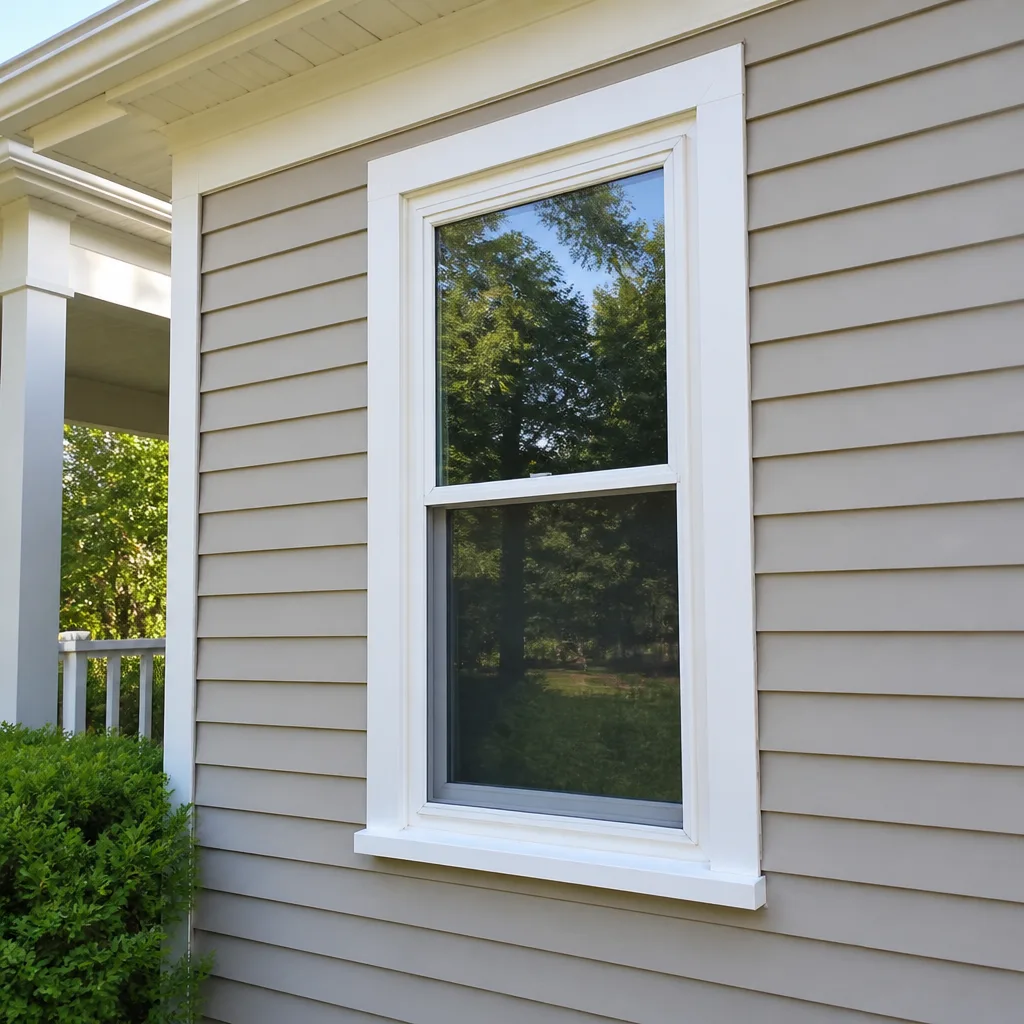
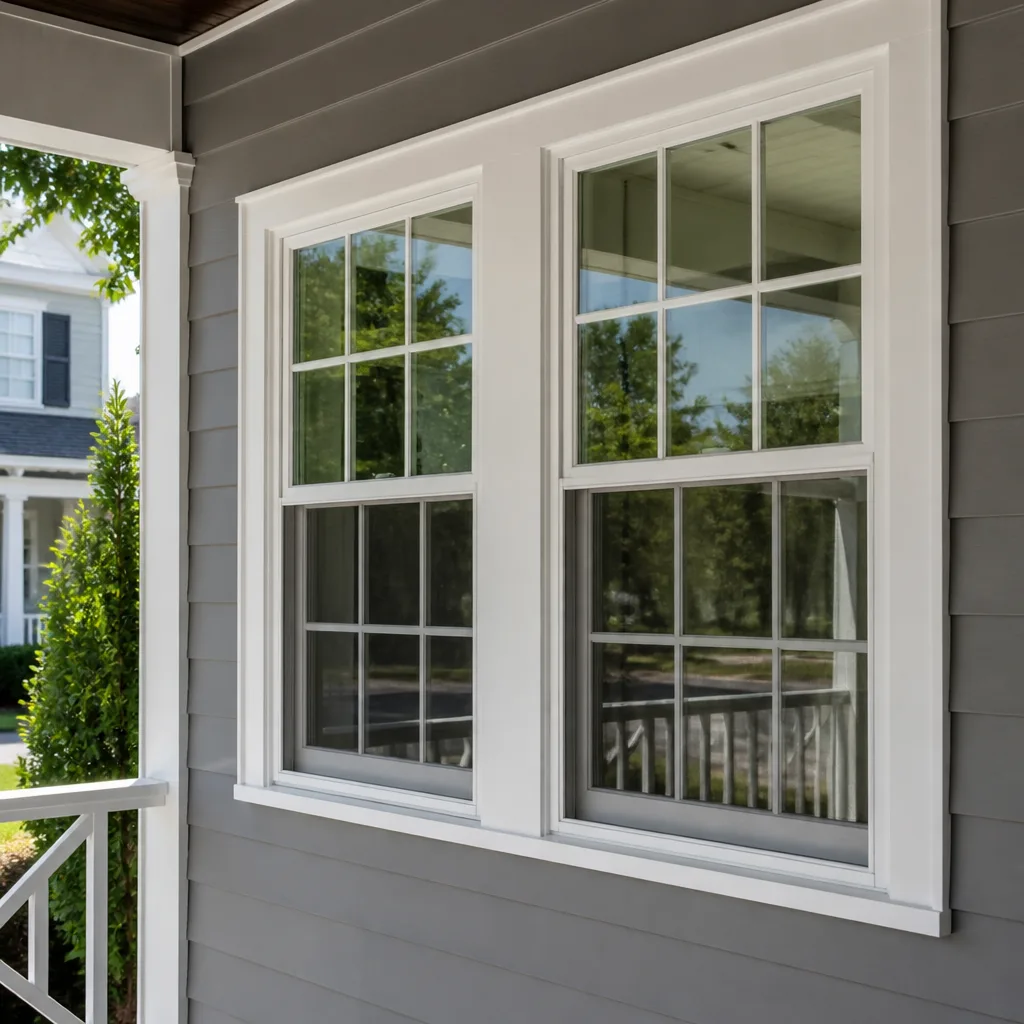
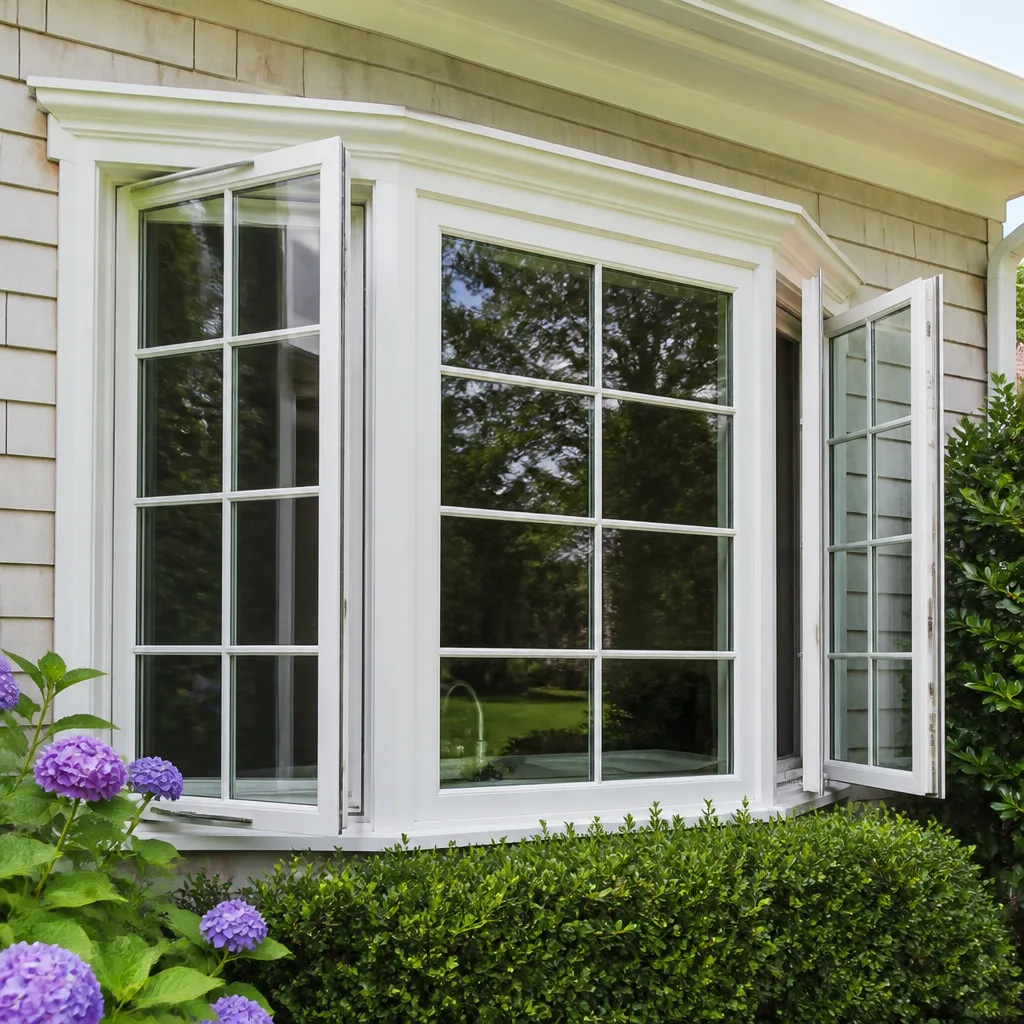
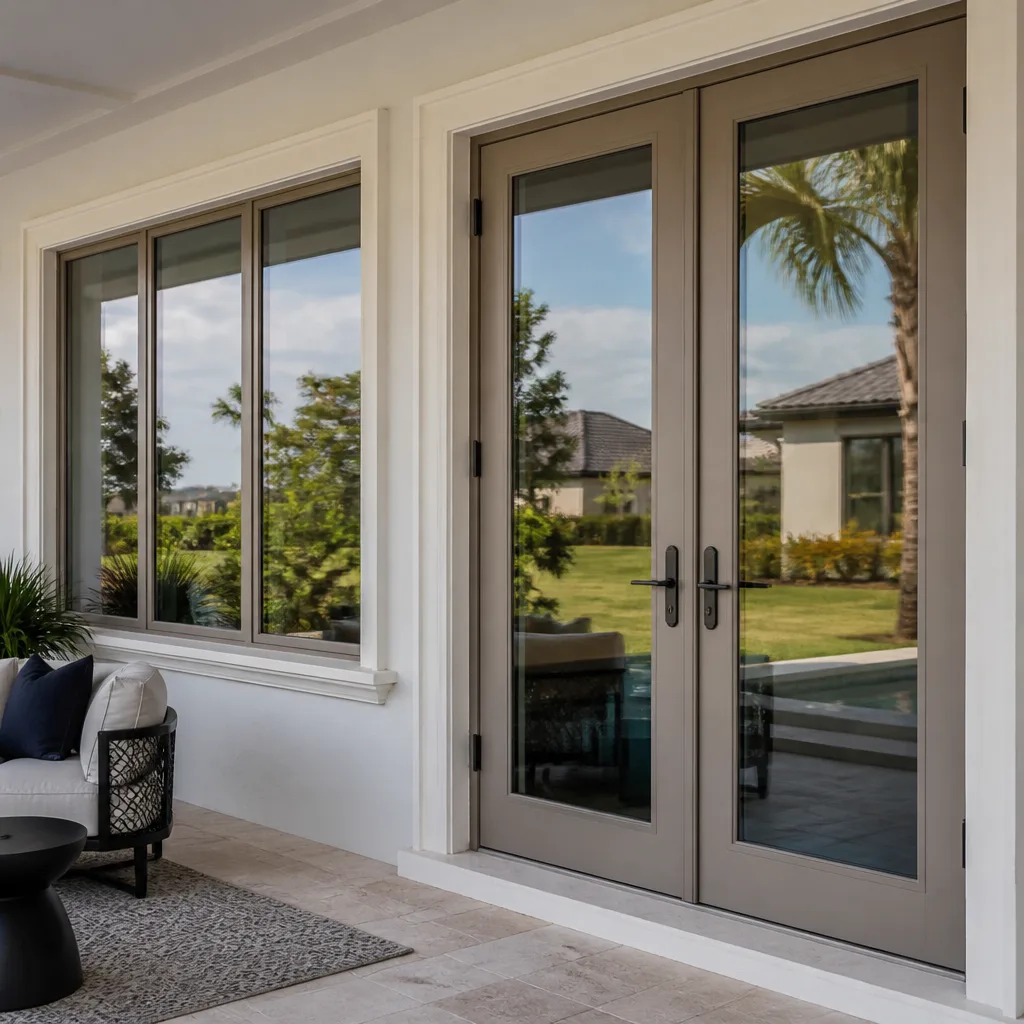
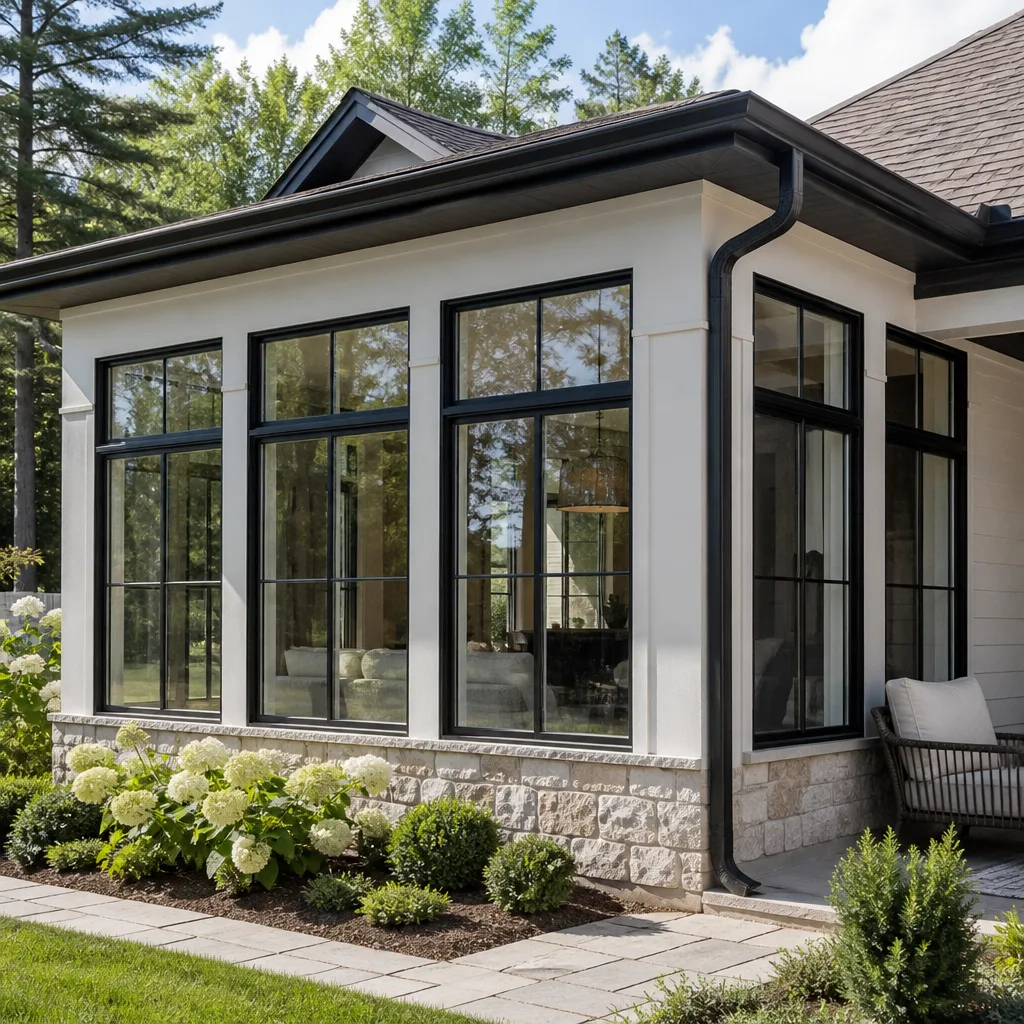
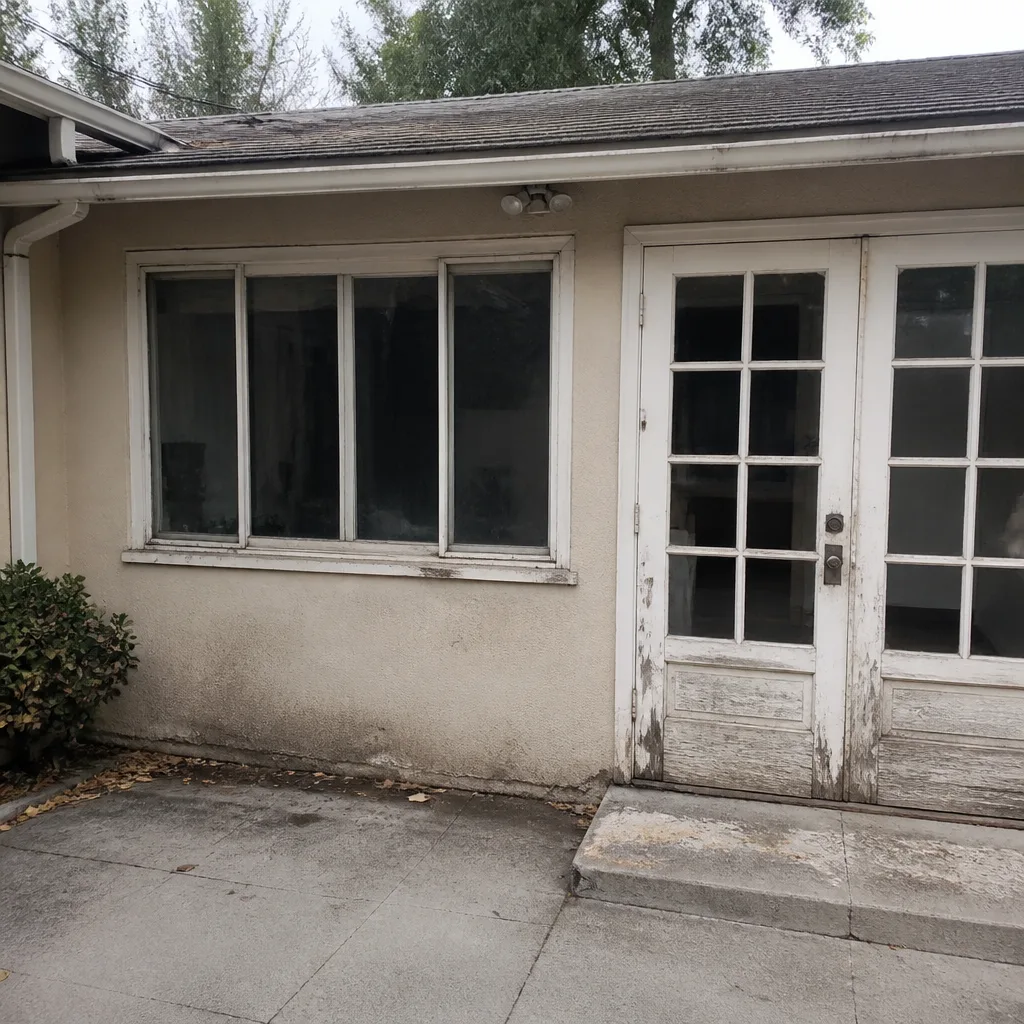 Before
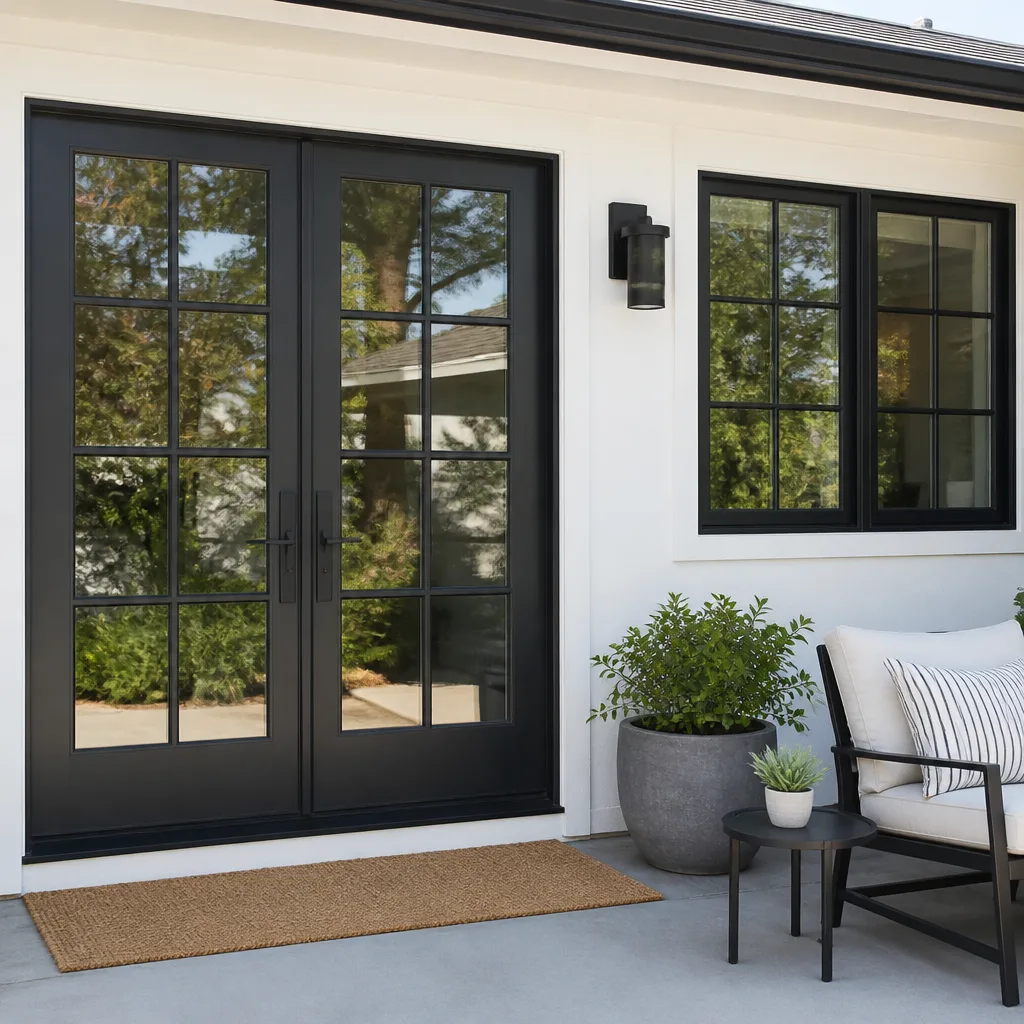 After
After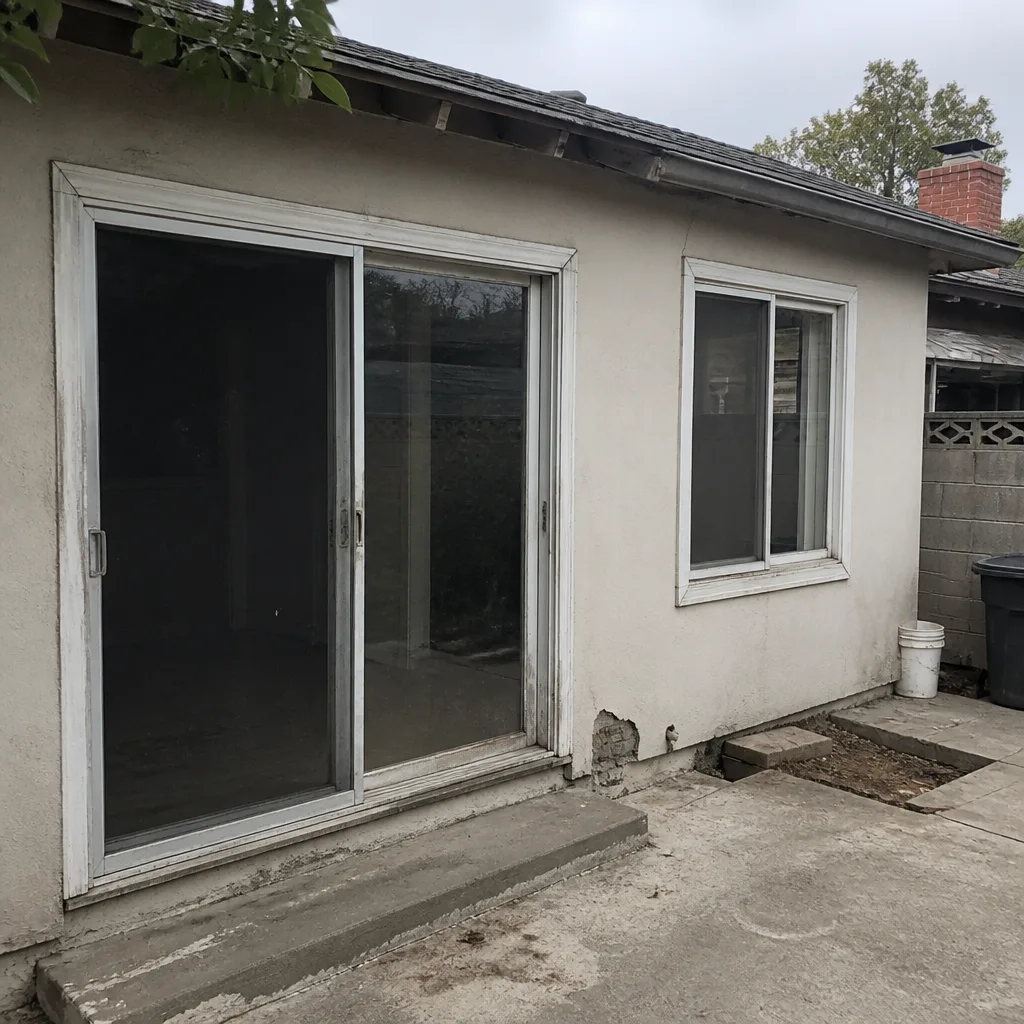 Before
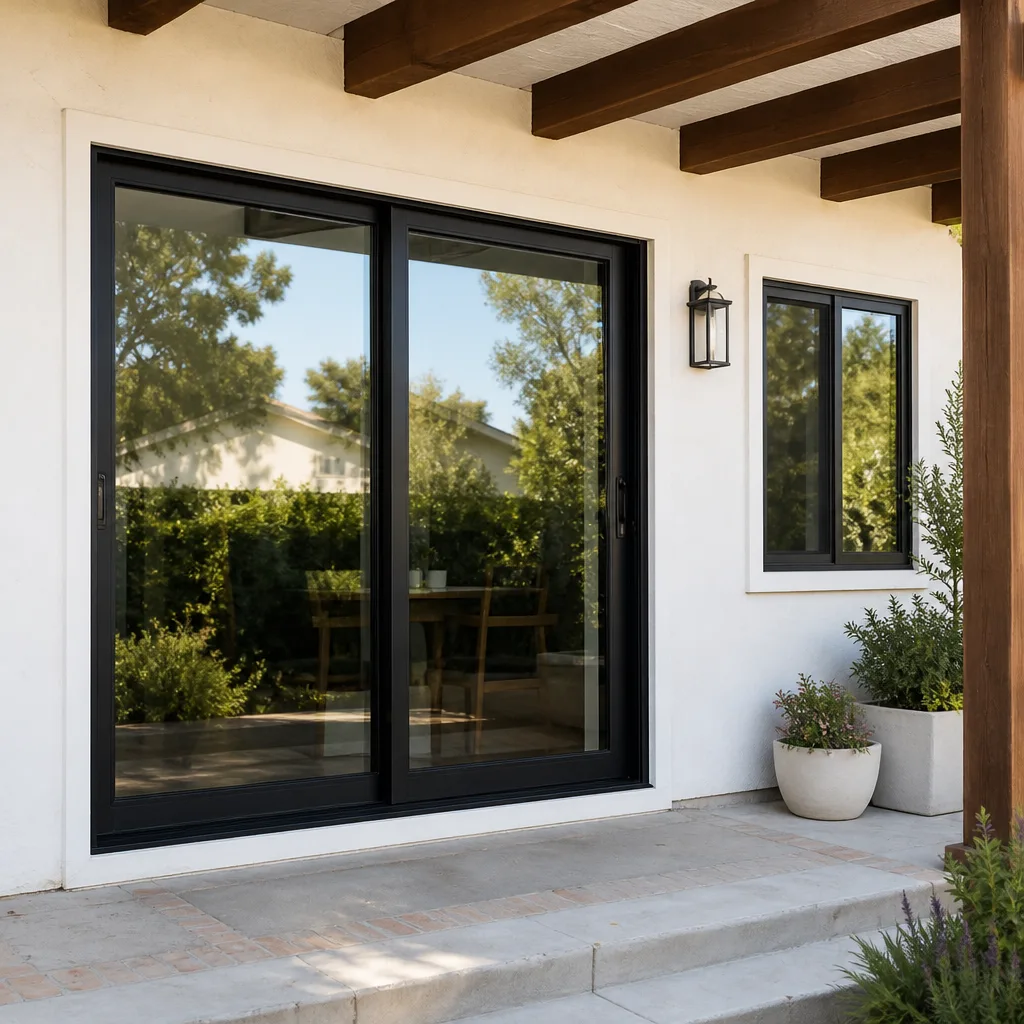 After
After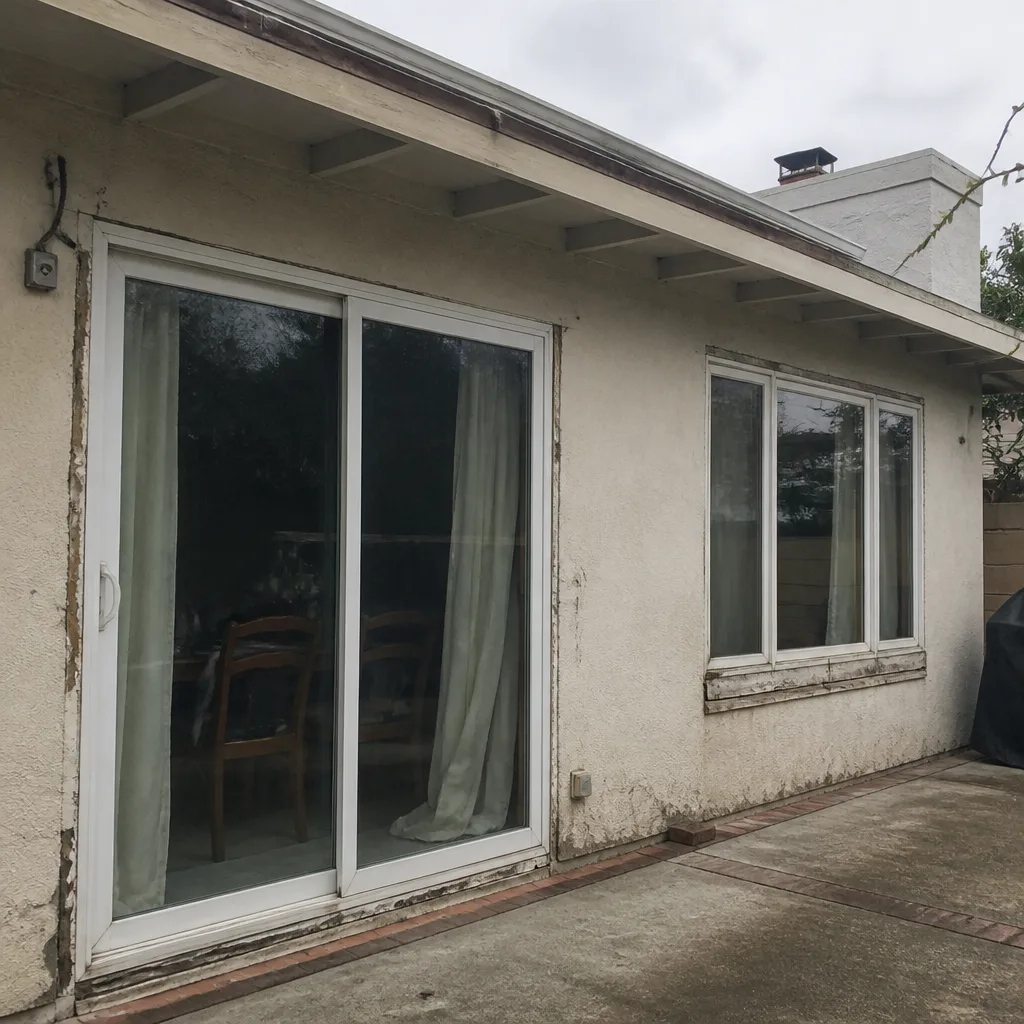 Before
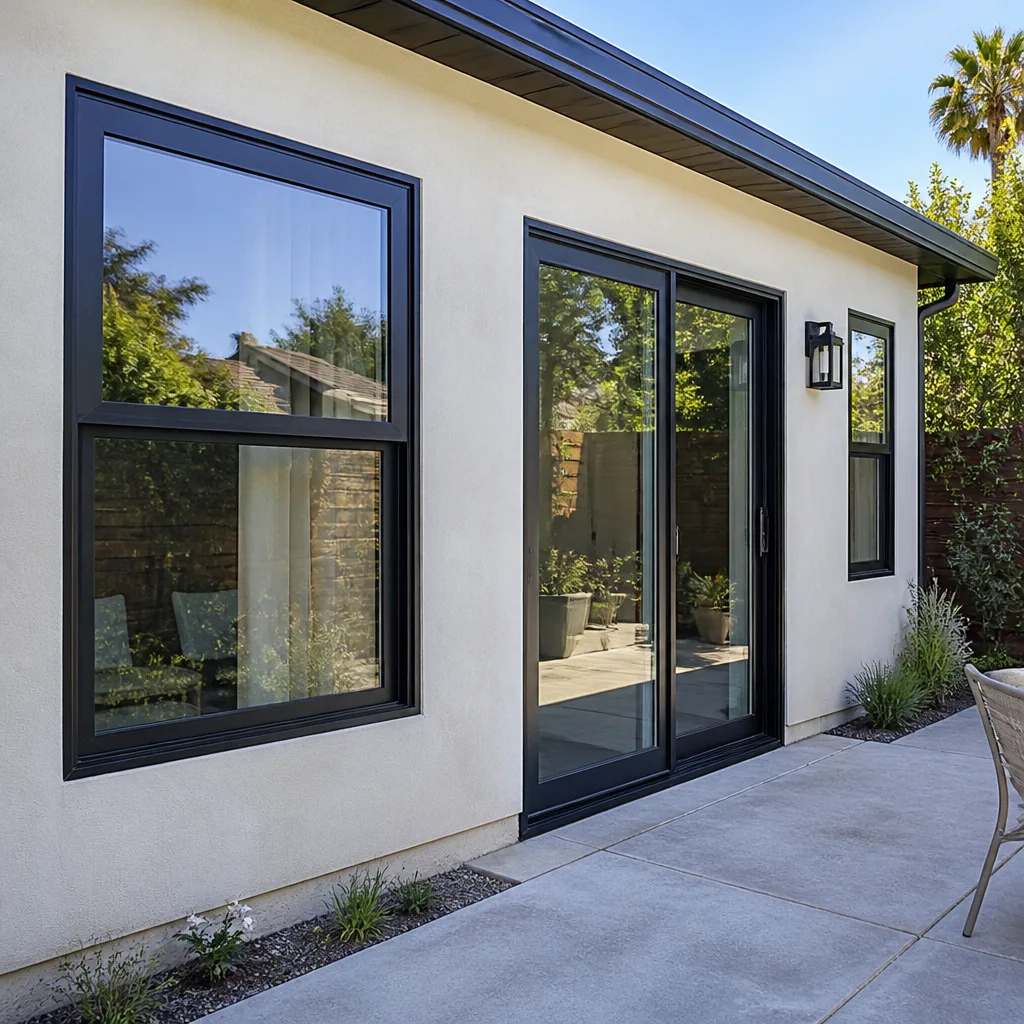 After
AfterWhen to Repair vs. Replace Windows
Most windows that feel drafty, look foggy, or are suddenly hard to open are telling you one of two things: a single part has worn out and can be fixed, or the window itself has reached the end of its useful life and needs to come out. The difference matters because one costs a fraction of the other. A short inspection usually makes the call clear.
The frustrating part is that the symptoms often look identical from the inside. A window that fogs up could have a failed seal – a repair. Or it could have a warped, rotted frame that’s letting in air around the whole unit – a replacement. What you see on the surface is a starting point, not the diagnosis. The sections below walk through the most common causes so you can describe exactly what you’re seeing when you call, and your local Juniper Windows and Doors team can give you a straight answer without a guessing game.
Why It Happens
Failed Insulated Glass Seal
Every double- or triple-pane window has an airtight seal around the perimeter of the glass unit. When that seal breaks down – usually from years of heating and cooling cycles expanding and contracting the frame – moisture gets into the air space between the panes. The visible result is a permanent fog or haze that doesn’t wipe off, sometimes with streaks or condensation beads trapped inside the glass. If the frame itself is solid and the rest of the window operates fine, a sealed unit replacement is often all that’s needed.
Hardware and Balance System Wear
Double-hung and single-hung windows rely on a balance system – either a spiral rod or a block-and-tackle mechanism inside the frame channel – to hold the sash at any height you set it. When those wear out, the sash either slams down on its own or won’t stay up at all. Casement and awning windows use a crank operator that strips out over time. If the glass is clear and the frame is square, replacing the hardware is typically the right call. If you’re forcing the sash to move at all, that usually signals something bigger is wrong with the frame itself.
Frame Deterioration
Wood frames rot when water gets behind the paint layer and sits. Vinyl frames can warp under sustained heat or from an improper original installation. Either way, a frame that’s no longer square can’t hold a seal, can’t operate smoothly, and starts letting conditioned air out around the edges even when the window looks closed. Run your fingers along the interior trim and the sill. Soft spots, visible gaps, or paint that’s bubbling away from the wood are all signs the frame is the problem, not just a part inside it. At that point, a full window replacement is the fix.
Single-Pane Glass or Outdated Glazing
Some older homes still have single-pane windows, and a lot of early double-pane units used aluminum spacers that transfer cold and heat straight into the frame – what installers call a non-thermally-broken frame. A thermally broken frame has a barrier material between the interior and exterior aluminum that breaks the conduction path, so cold outside air stays outside. If your windows are fogging on the interior surface (not between the panes), feeling cold to the touch in winter, or showing ice on the inside edge of the glass, the window’s core construction is the issue. Repair isn’t on the table. Replacement with a modern insulated unit is the right move.
What to Do Right Now
- Photograph what you’re seeing. Get a shot of the fog, the gap, the hardware, or the damage in good light. Your local Juniper team can often narrow the diagnosis before anyone visits if the photos are clear.
- Check whether the fog is between the panes or on the surface. Wipe the interior glass. If the haze disappears, it’s surface condensation – a humidity or ventilation issue. If it doesn’t, the seal is gone.
- Don’t force a window that’s stuck. Forcing a sash that’s binding can crack the glass or damage the frame further. Leave it in whatever position it’s in and note whether it’s the full sash or just the operator hardware that isn’t moving.
- Check the sill and frame for soft spots or visible rot by pressing firmly with a finger or a pen cap. Soft areas confirm frame damage and help your technician plan the scope before arrival.
- If a window won’t latch or lock at all, treat it as a security issue and call today. An unlatching window isn’t just an energy problem. Call (682) 281-2168 and let the team know – that gets prioritized.
How We Fix It
When a technician from your local Juniper Windows and Doors team arrives, the first thing they do is inspect the full window – frame, glass unit, hardware, weatherstripping, and the rough opening behind the trim. That inspection tells them whether you’re looking at a part swap or a full window replacement. Nothing gets decided until you have a written price in hand. That’s not a formality – it’s how every Juniper job works, every time.
If the glass unit is the only problem, they’ll measure the sealed unit and order a direct replacement – typically a straightforward visit. If the frame or the whole window needs to come out, that falls under our Window Replacement service, and we’ll walk you through the product options from lines like PGT, CGI, ECO Window Systems, or ViewLux depending on what fits your home and your opening. Either way, the job is covered by the 365-Day Done Right Promise. If it’s not right within a year of installation, we make it right – in writing, no argument.
Frequently Asked Questions
The frame condition is the deciding factor. If the frame is square, solid, and weathertight, a failed seal or worn hardware is usually repairable. If the frame is rotted, warped, or pulling away from the rough opening, the whole unit needs to come out. A technician can tell you definitively on-site, and you’ll get a written price for whatever the right fix is before any work starts.
A fogged seal is more of a comfort and energy issue than an emergency, and it won’t get worse overnight – but it also won’t fix itself. A window that won’t latch, lock, or close fully is a different story; that’s a security gap and should be dealt with promptly. If you’re unsure which situation you have, call (682) 281-2168 and describe what you’re seeing – a real person picks up every time, and they’ll help you figure out how quickly you need to move.
Your local Juniper Windows and Doors team moves as quickly as scheduling allows, and because calls are answered live around the clock, you’re never waiting until Monday to get the conversation started. Call (682) 281-2168 and tell them what’s going on. They’ll give you a real arrival time – not a four-hour window – and you can track it before the technician shows up.
No. Every Juniper job gets a written price before any work starts – that’s the non-negotiable part of how we operate. What’s on the paper is what you pay. If the technician finds something unexpected once the window is out, they stop, show you what they found, and give you a revised written price before continuing. You decide. Nothing proceeds without your sign-off.
Get It Fixed
Call (682) 281-2168 – a real person answers, any time of day. Describe what you’re seeing and your local Juniper Windows and Doors team will schedule a visit, give you a live arrival time you can track, and put a written price in front of you before anything starts. No guessing. No surprises.
Written by Sean Mackey, Owner and Installer at Juniper Windows and Doors, serving communities across the country as part of the Relay Home Co. family since 2001.
What Our Customers Say
"Front door looks great and shuts well. The threshold is sealed well and the lock lines up with the strike."
- Rory F."Quote came in the app with options for glass. Easy to compare."
- Vera L."Door replacement. Installer texted when on his way and finished by lunch. Tight and clean."
- Neil B.