

Free in-home measure and quote - PGT, CGI and CWS impact lines compared on your actual openings, style by style
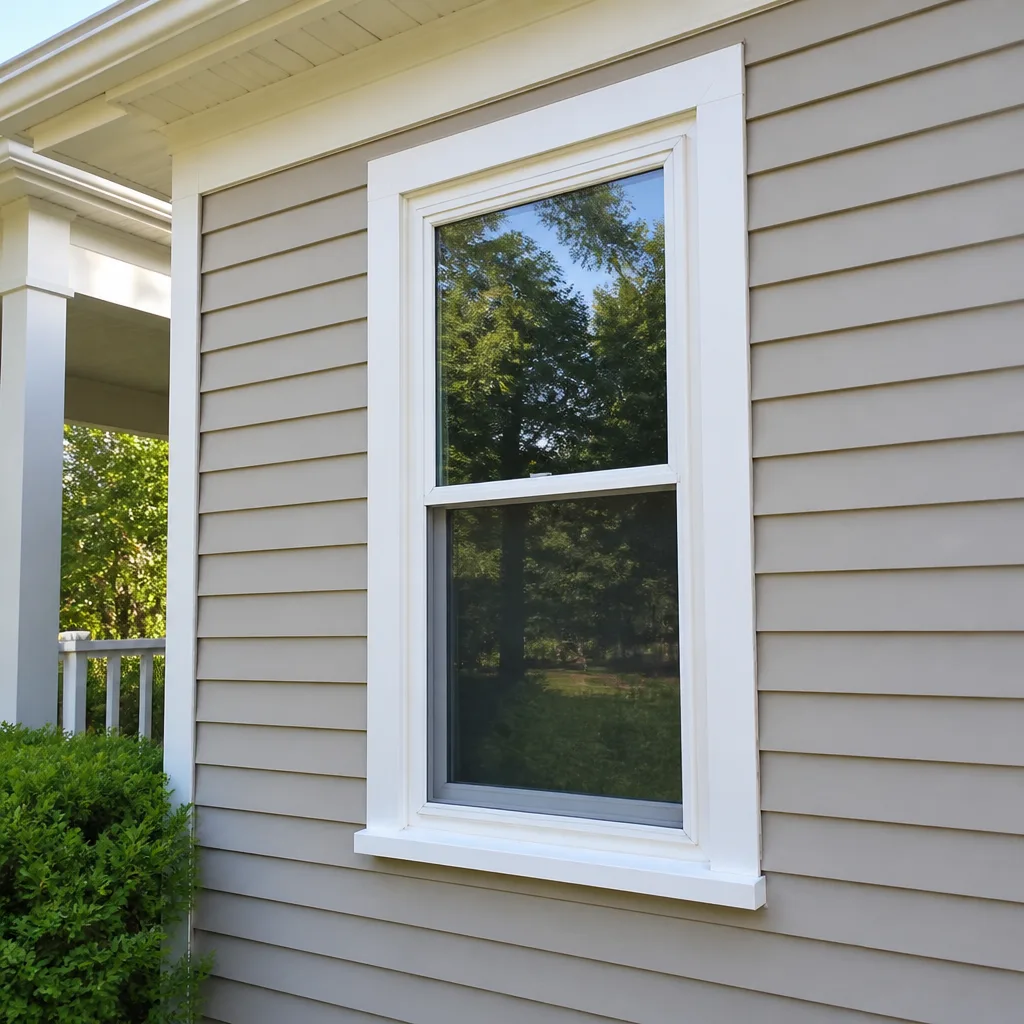
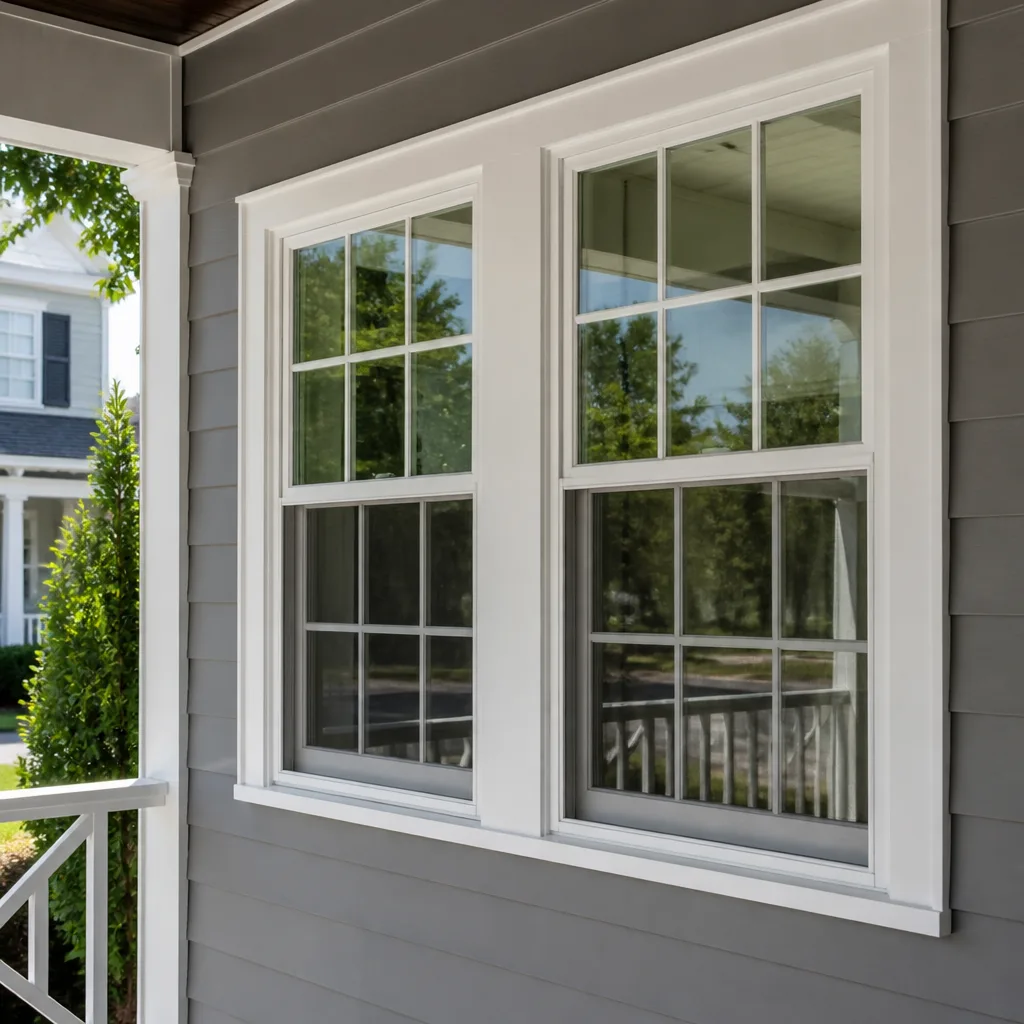
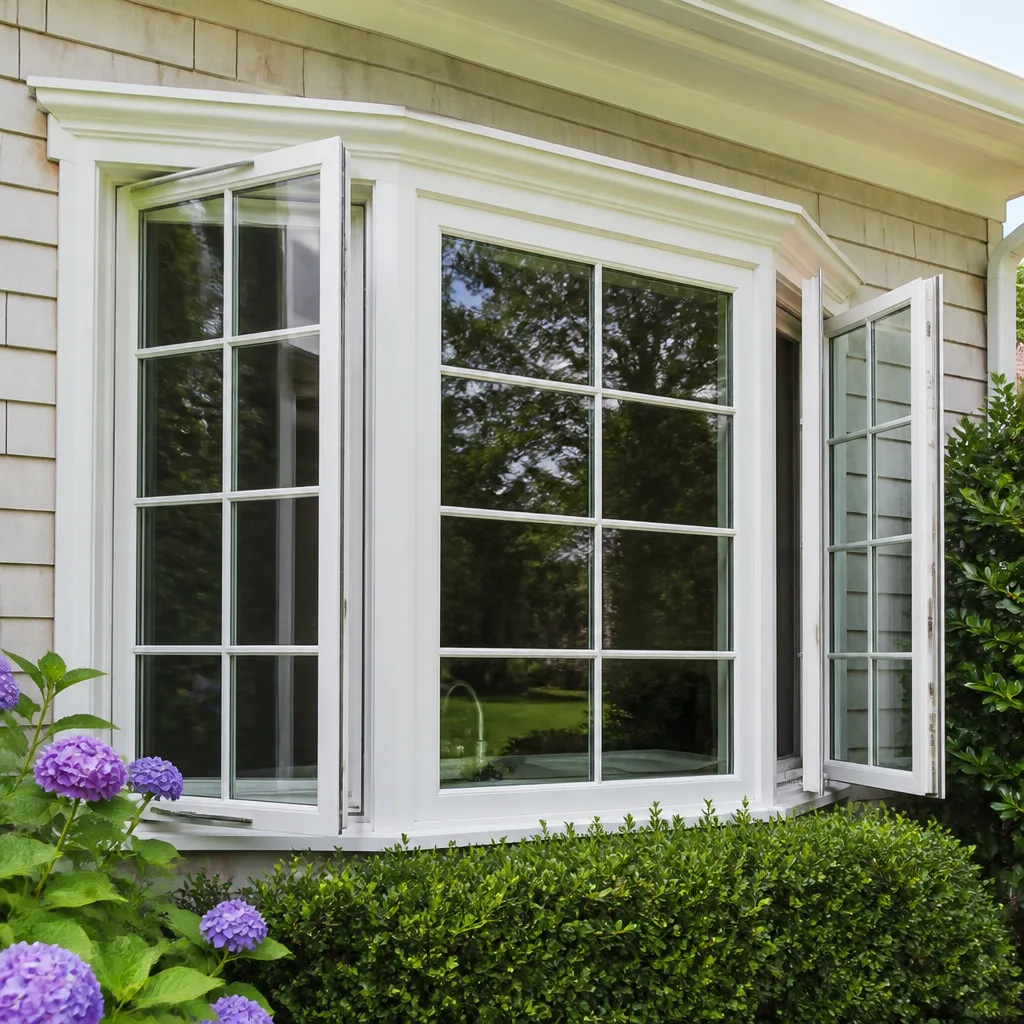
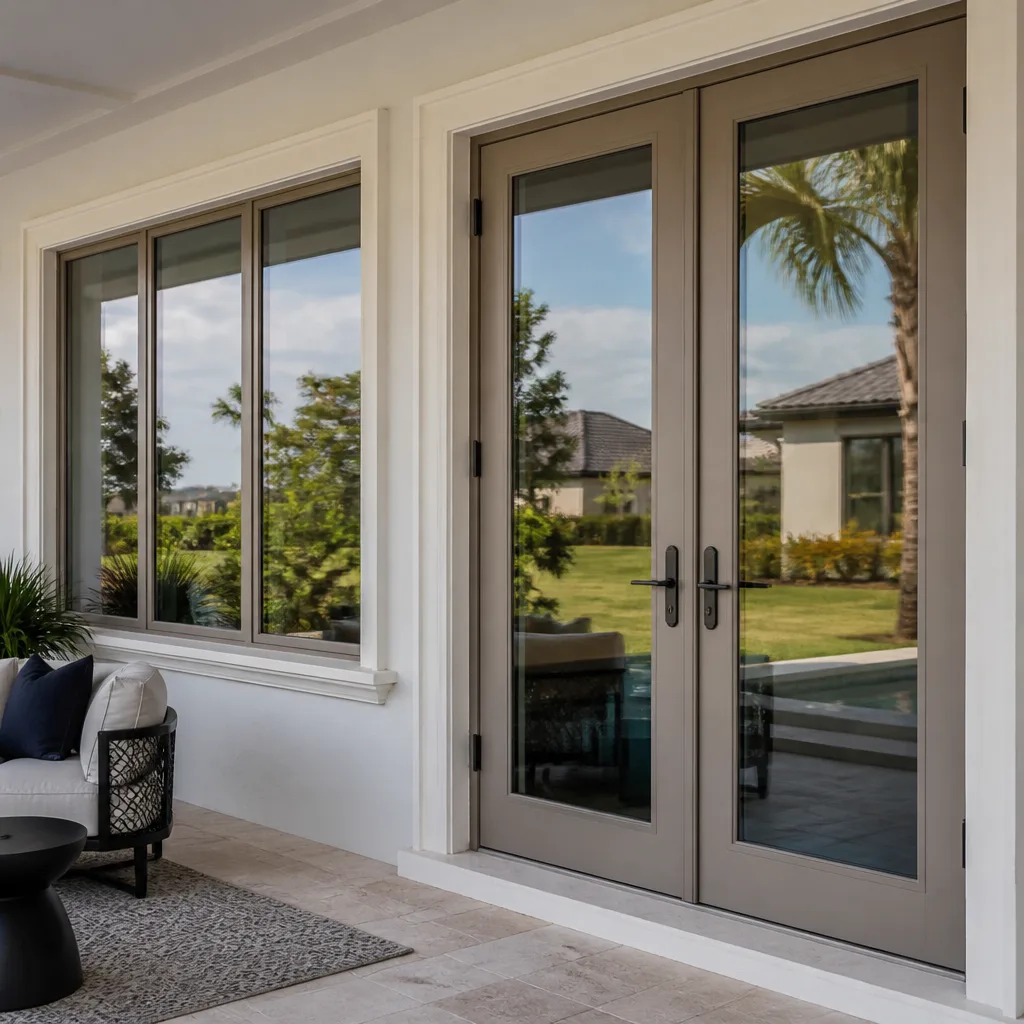
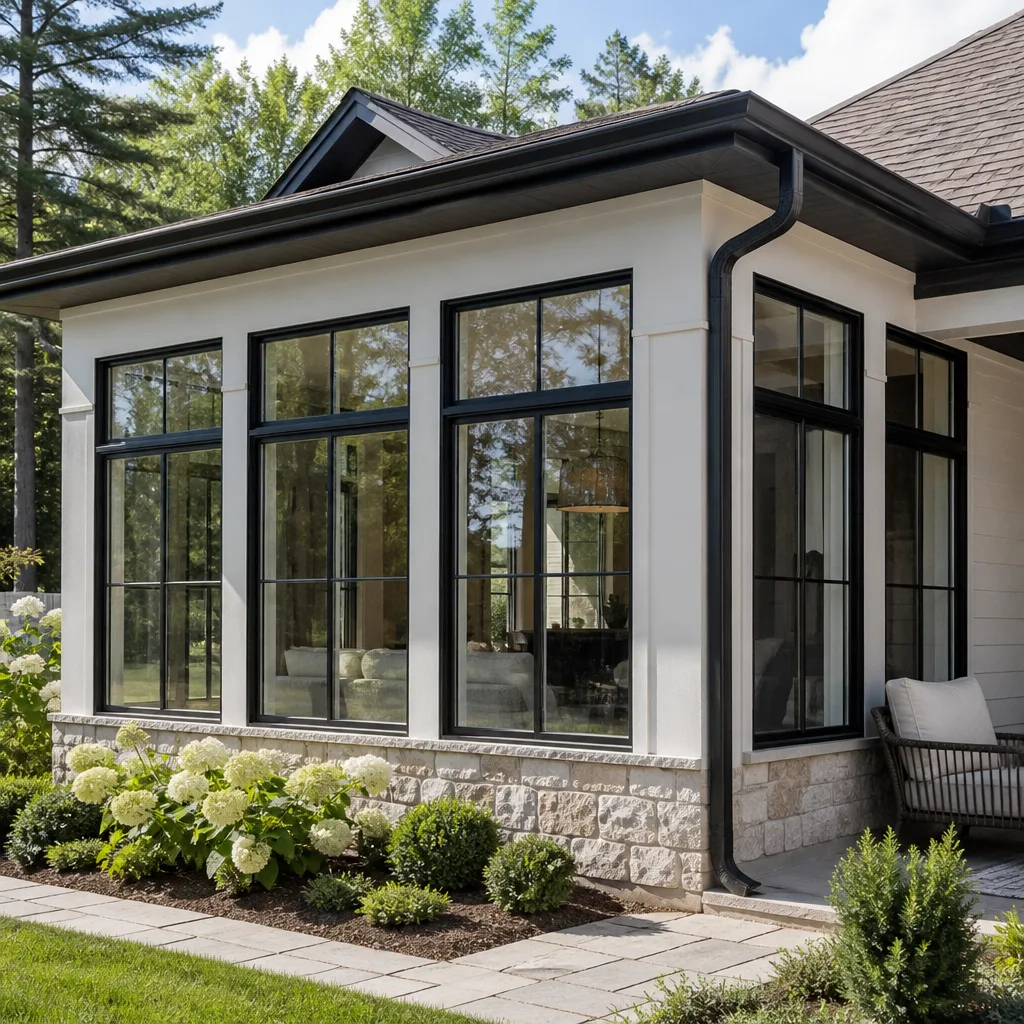
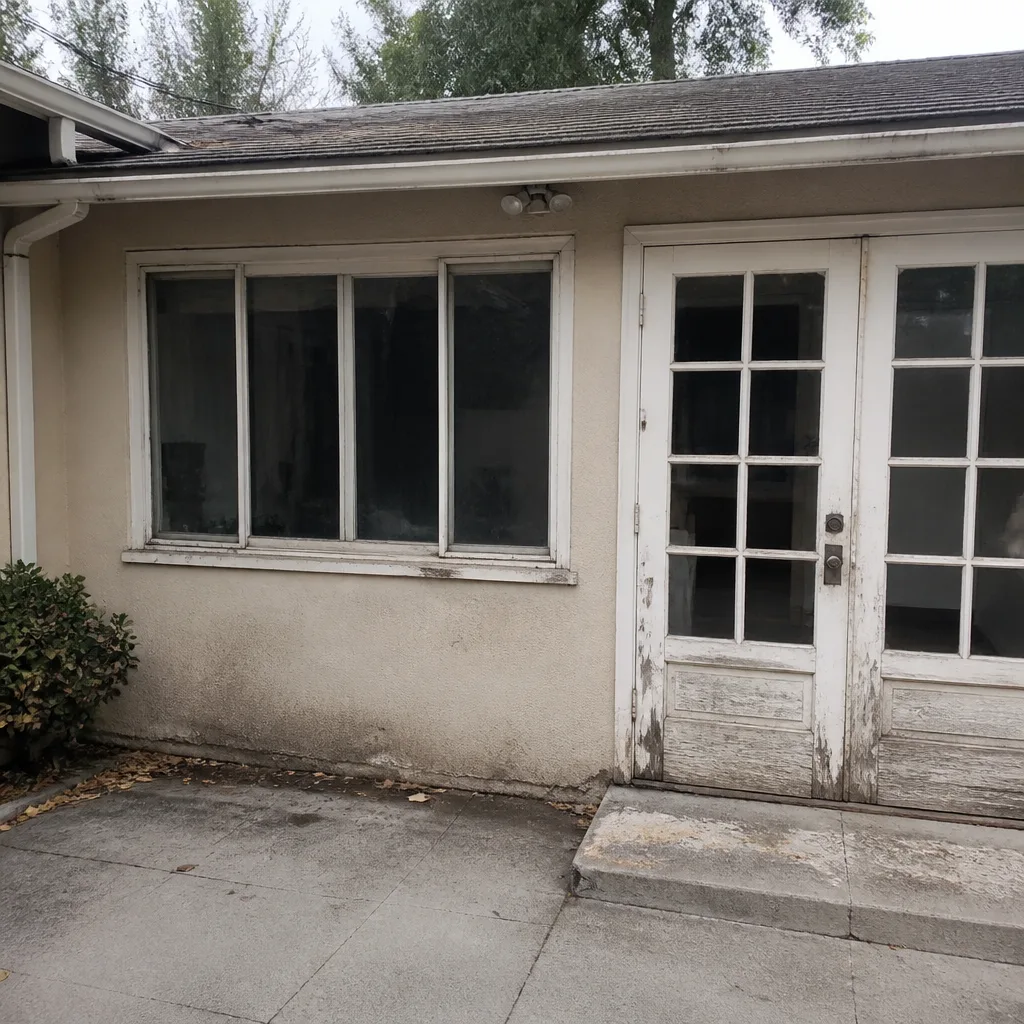 Before
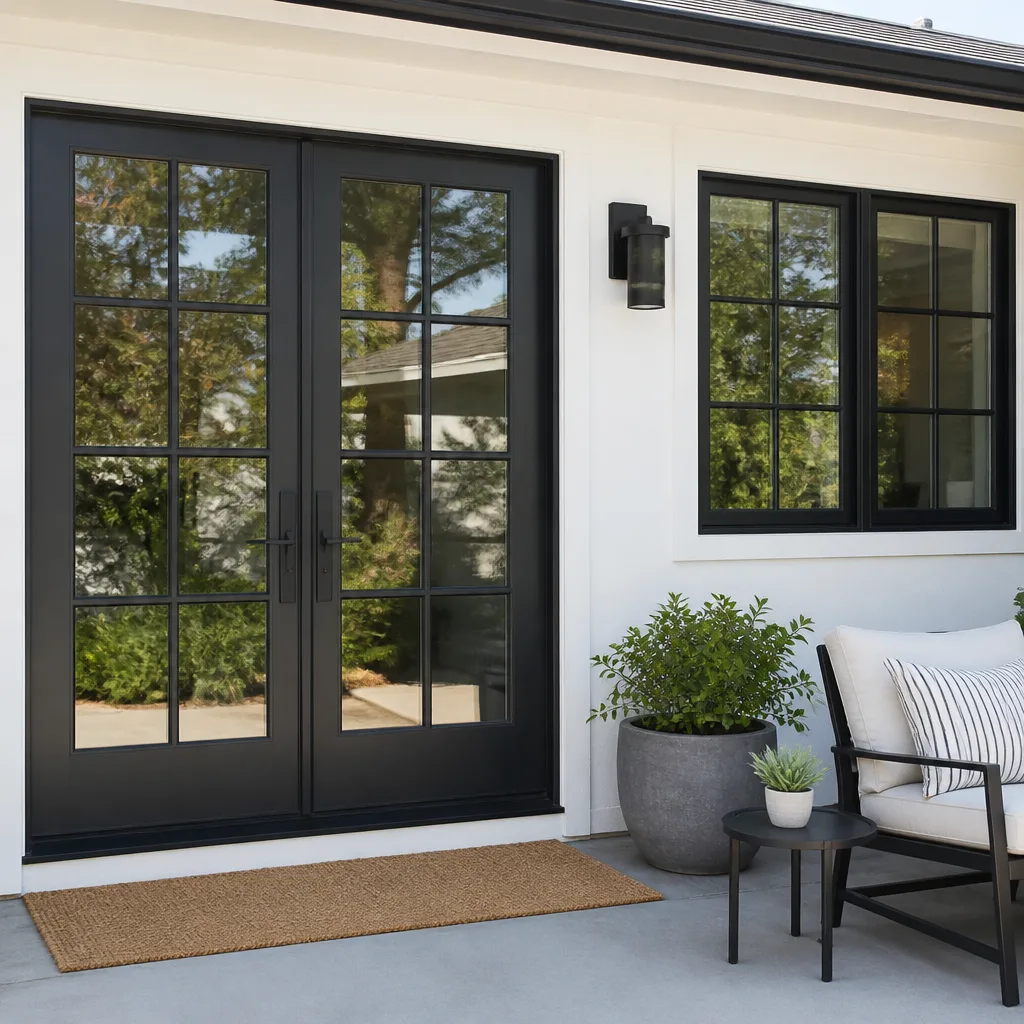 After
After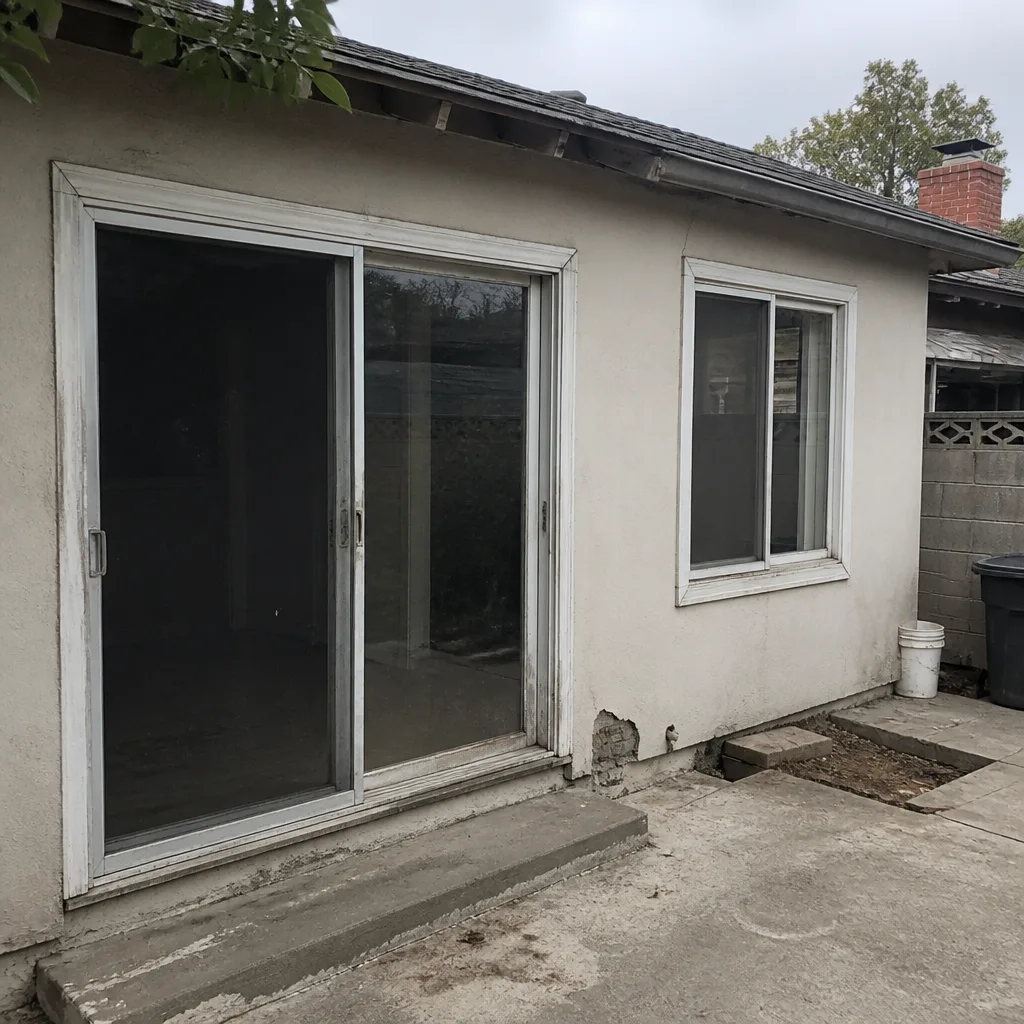 Before
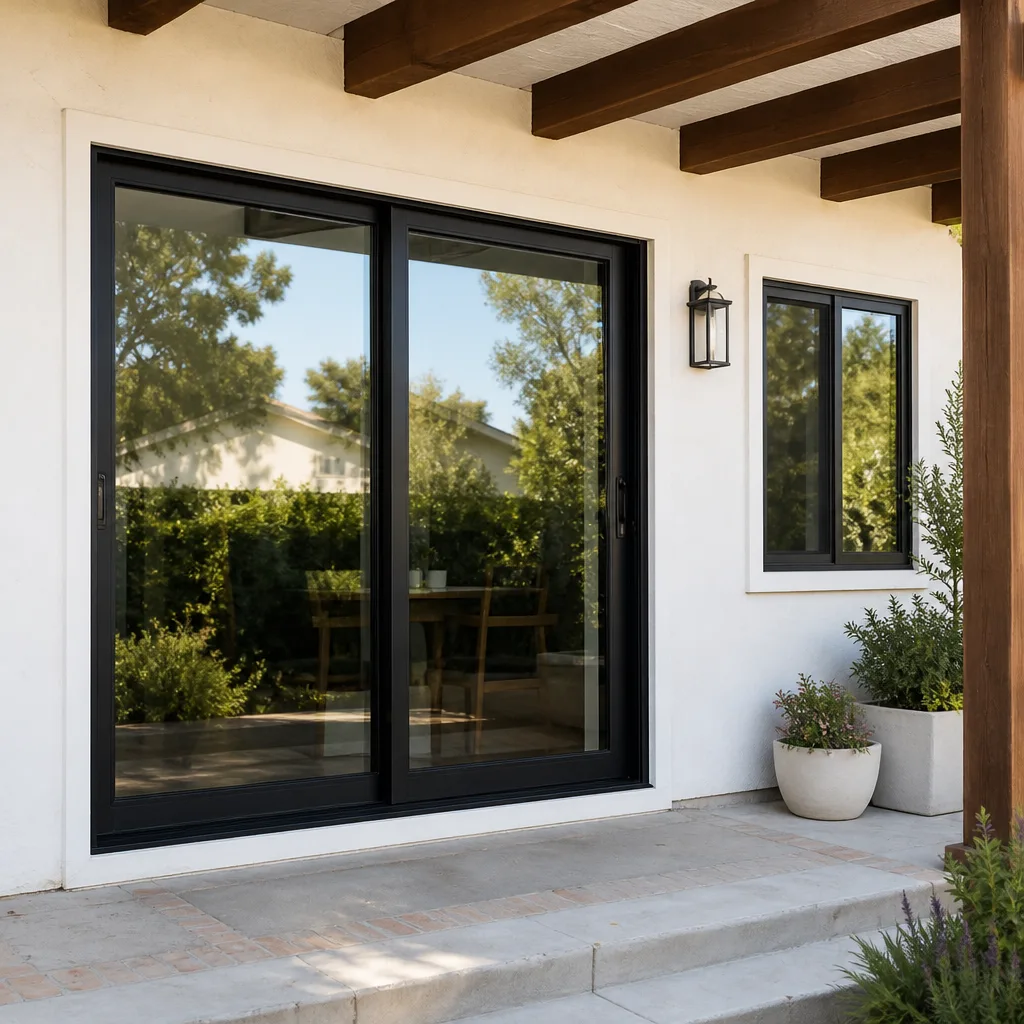 After
After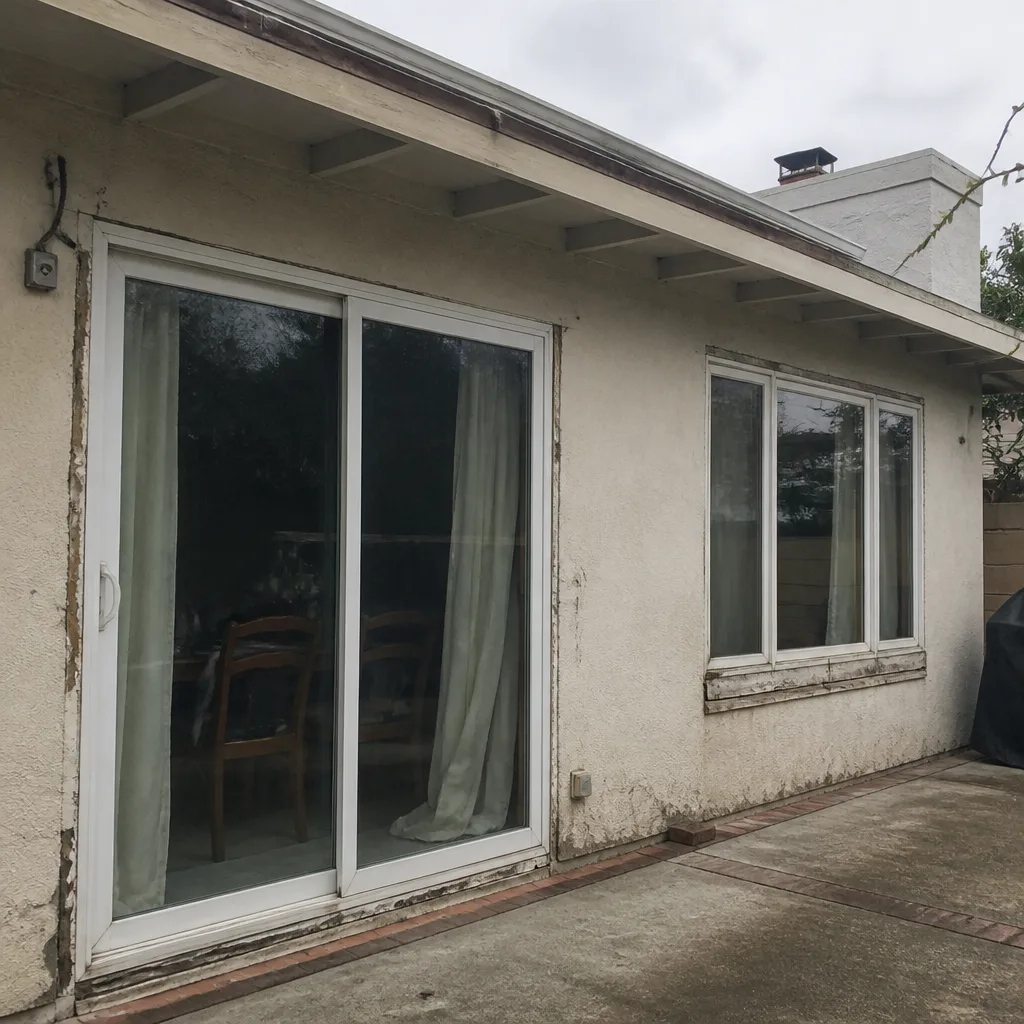 Before
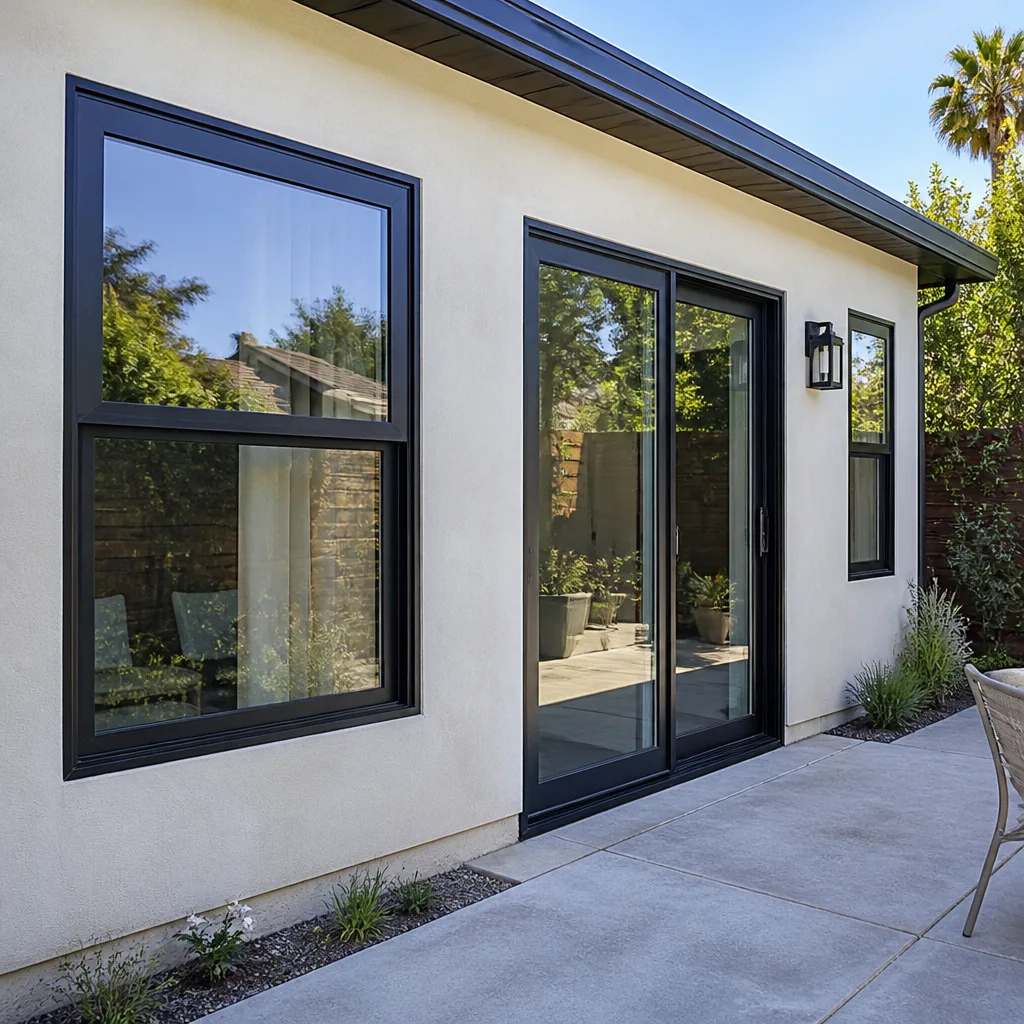 After
AfterWindow Installation Stopped Working
When a window stops working, the most common culprits are a broken or bent balance mechanism, a failed lock or tilt latch, warped framing from moisture, or hardware that has simply worn out after years of use. None of these are unusual, and most are fixable without replacing the entire window. The right diagnosis depends on what exactly “stopped working” means for yours.
Windows fail in specific ways. One stops lifting. Another won’t latch. A third locks but won’t unlock. Each symptom points to a different component, and chasing the wrong one wastes time and money. The sections below are designed to help you identify what you’re actually looking at before anyone shows up with tools.
Why It Happens
Broken or Worn Balance Mechanism
The balance is what holds a single- or double-hung sash in place when you raise it – it’s the spring or coil system hidden in the window jamb, and it carries the weight of the sash. When it breaks, the sash either slams down on its own or becomes so stiff you can barely budge it. You can usually tell this is the problem when the window moves but won’t stay put, or when you feel uneven resistance on one side as you push it up.
Failed Lock, Latch, or Tilt Hardware
Locks, tilt latches, and crank operators are mechanical parts with moving pieces that wear down over time. A lock that spins without catching, a handle that turns but does nothing, or a tilt latch that won’t release (or won’t re-engage after cleaning) are all signs that the hardware itself has given up. This is one of the easier things to spot – if the glass and frame look fine but the hardware feels loose, sticky, or disconnected, the hardware is the issue.
Moisture Damage or Frame Warping
Wood and some composite frames absorb moisture over time, especially around the sill and corners. When that happens, the frame swells, twists, or sags just enough to throw the sash out of square. A window that was smooth last summer but now binds, sticks, or won’t fully close is often telling you the frame geometry has shifted. Look for paint bubbling at the corners, visible water staining on the sill, or a gap between the sash and the frame that wasn’t there before.
Worn or Missing Weatherstripping and Seals
Weatherstripping is the compressible material lining the sash perimeter that creates an airtight seal when the window closes. When it flattens, tears, or falls off, the window can feel like it’s “not closing right” even when the hardware is fine – because technically it is closing, just not sealing. Cold drafts along the edges, a whistling sound on windy days, or a window that rattles in its frame are the giveaways here. Run your fingers along the closed sash edge and you’ll often find the gap immediately.
What to Do Right Now
- Stop forcing it. If the window is binding, jammed, or only half-open, don’t muscle it. Forcing a stuck sash can crack the glass, snap a balance spring, or bend the frame. Leave it where it is until someone can look at it properly.
- Photograph the problem. Take a short video or a few photos showing exactly what the window does – or doesn’t do. Capture the hardware position, any visible gaps, and the full frame. This helps your Juniper technician arrive prepared with the right parts.
- Check whether the window is locked or in tilt mode. Some windows won’t slide because a tilt latch is engaged from a previous cleaning attempt. Look for small buttons or tabs on either side of the upper sash rail and press them inward simultaneously before assuming something is broken.
- If the window is stuck open in cold or wet weather, block the draft safely. A folded towel or a piece of foam cut to fit the opening can keep weather out while you wait. Don’t use tape directly on the glass.
- Note which windows are affected and on which floor. If upper-floor windows are part of the problem, do not lean out to inspect or attempt adjustments from outside. A trained technician handles exterior work at height – that’s not a safe DIY task.
How We Fix It
When your local Juniper Windows & Doors team arrives, the technician walks through each affected window and does a mechanical assessment before touching anything – checking the balance system, hardware function, frame alignment, and seal condition. That diagnosis determines whether this is a hardware swap, a balance replacement, or a sign that the window unit itself has reached the end of its useful life.
Most hardware and balance repairs are handled under our Window Replacement or Window Installation service, depending on what the assessment reveals. If the frame or glass unit is too far gone to repair cost-effectively, we’ll tell you that plainly and walk you through a replacement option from our product lines – PGT, CGI, CWS, ES Windows, ECO Window Systems, Mr-Glass, or ViewLux – so you’re choosing from real options, not whatever one brand we happen to carry.
Before any work starts, you get a written price. That’s not a verbal ballpark – it’s a number in writing, locked in before a single screw turns. And every completed job is covered by our 365-Day Done Right Promise: if something isn’t right, we come back and make it right, at no charge, no argument. Most window hardware and balance jobs are completed in a single visit.
Frequently Asked Questions
Yes, in some cases it genuinely is. A window that won’t open at all can block an emergency exit route – something building codes treat seriously for bedrooms and sleeping areas. A window stuck partially open in bad weather can let water into the wall cavity fast, leading to mold and structural damage that costs far more to fix than the window itself. Don’t leave a stuck or broken window sitting for weeks. Call (682) 281-2168 and let your local Juniper team take a look before the problem compounds.
It depends on which window and what it’s doing. A stuck window in a low-traffic room on a mild week is low urgency. A bedroom window that won’t open, a window stuck open in rain, or a ground-floor window that won’t latch securely is a different situation – that’s a security and weather concern worth addressing quickly. When in doubt, a call to (682) 281-2168 costs you nothing and gets you an honest read on how urgent your specific situation is.
Your local Juniper Windows & Doors team will do everything they can to get out quickly. Availability depends on your location and current schedule, and we don’t make promises we can’t keep. What we can promise: when you call (682) 281-2168, a real person picks up – no voicemail, no callback queue. They’ll find the earliest available slot and give you an actual arrival time you can track, not a four-hour window to clear your calendar for.
No. Every Juniper job starts with a written price before any work begins – that’s not a policy we bend. If the technician finds something unexpected during the assessment that changes the scope, they stop and tell you before proceeding, so you always decide with full information. The number you approve in writing is the number you pay. There are no door-step surprises.
Get It Fixed
A window that’s stopped working isn’t something to put on the back burner. Call (682) 281-2168 – a real person answers, day or night – or book online. Your local Juniper Windows & Doors team will assess the problem, put the price in writing before anything starts, and get it working again.
Written by Sean Mackey, Owner & Installer at Juniper Windows & Doors, serving communities nationwide as part of the Relay Home Co. family since 2001.
What Our Customers Say
"Front door looks great and shuts well. The threshold is sealed well and the lock lines up with the strike."
- Rory F."Quote came in the app with options for glass. Easy to compare."
- Vera L."Door replacement. Installer texted when on his way and finished by lunch. Tight and clean."
- Neil B.