

Free in-home measure and quote - PGT, CGI and CWS impact lines compared on your actual openings, style by style
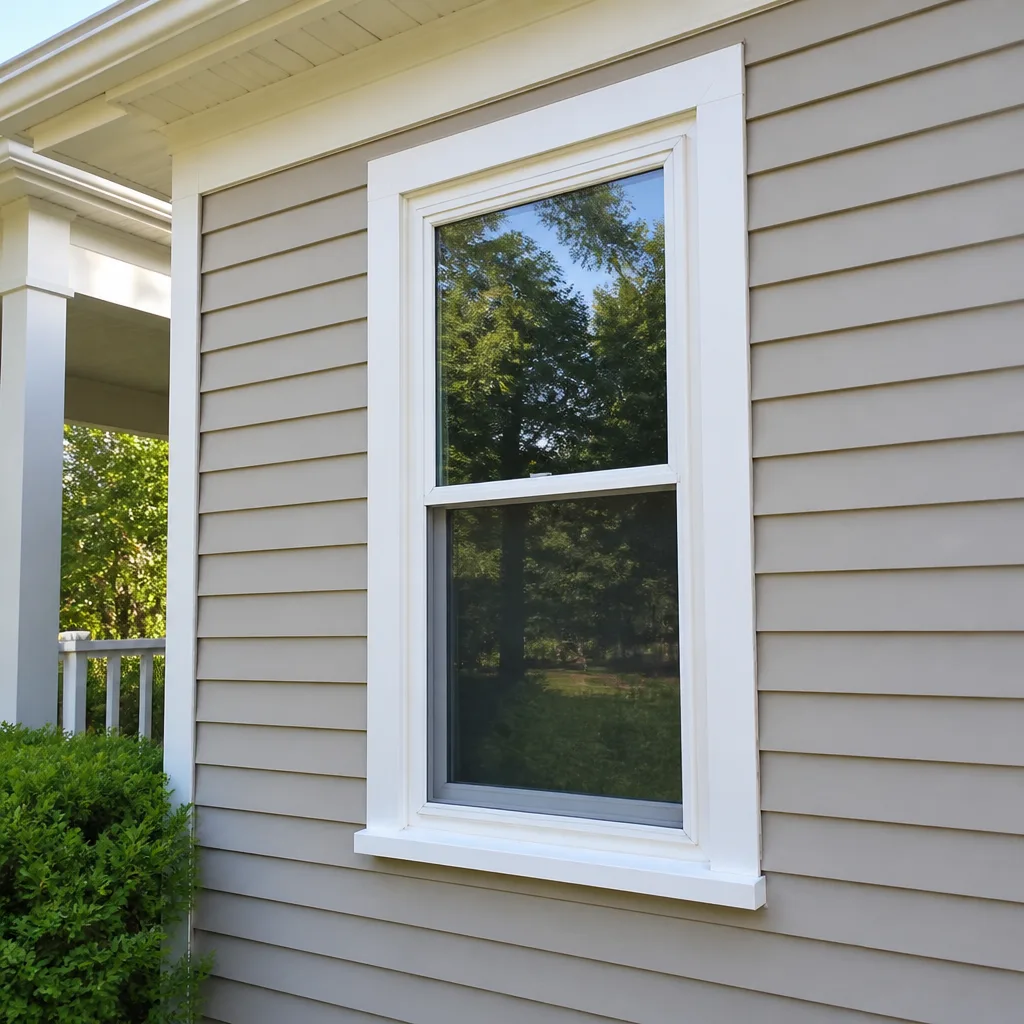
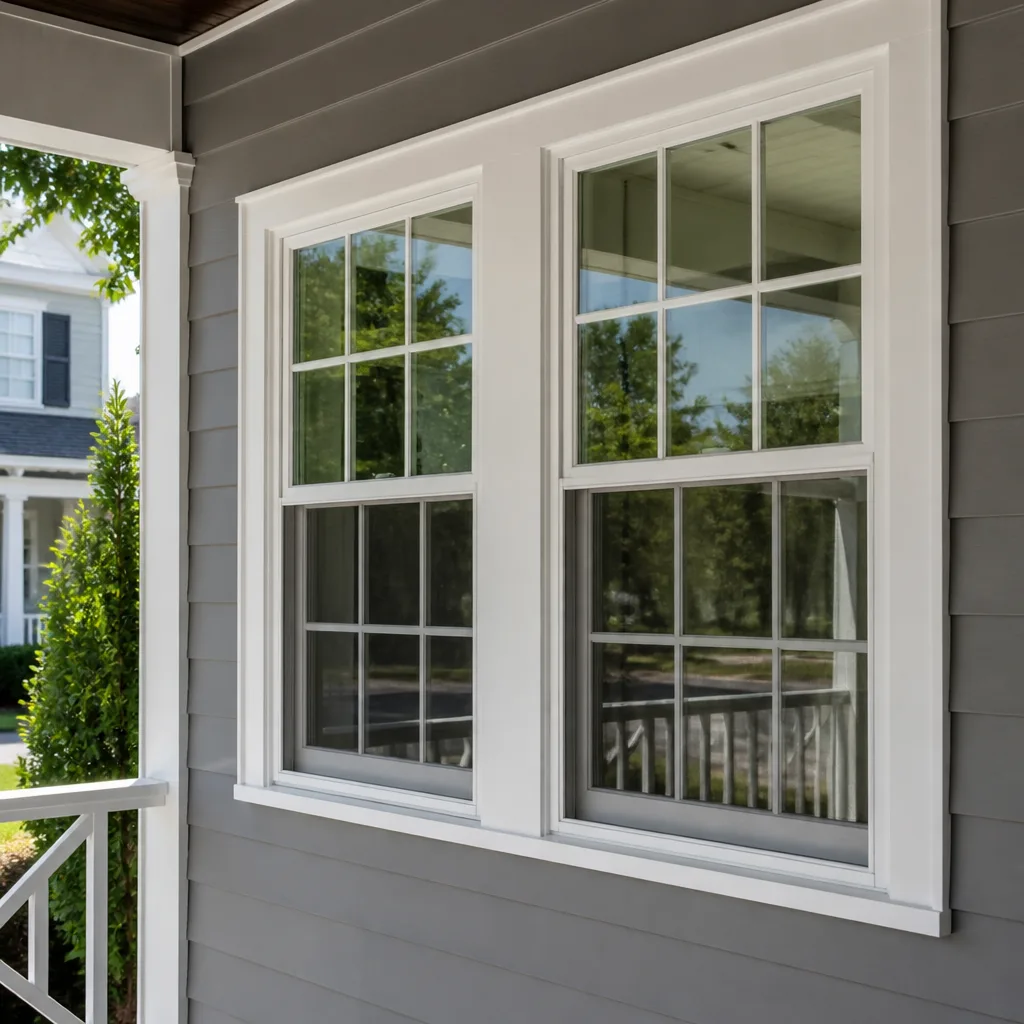
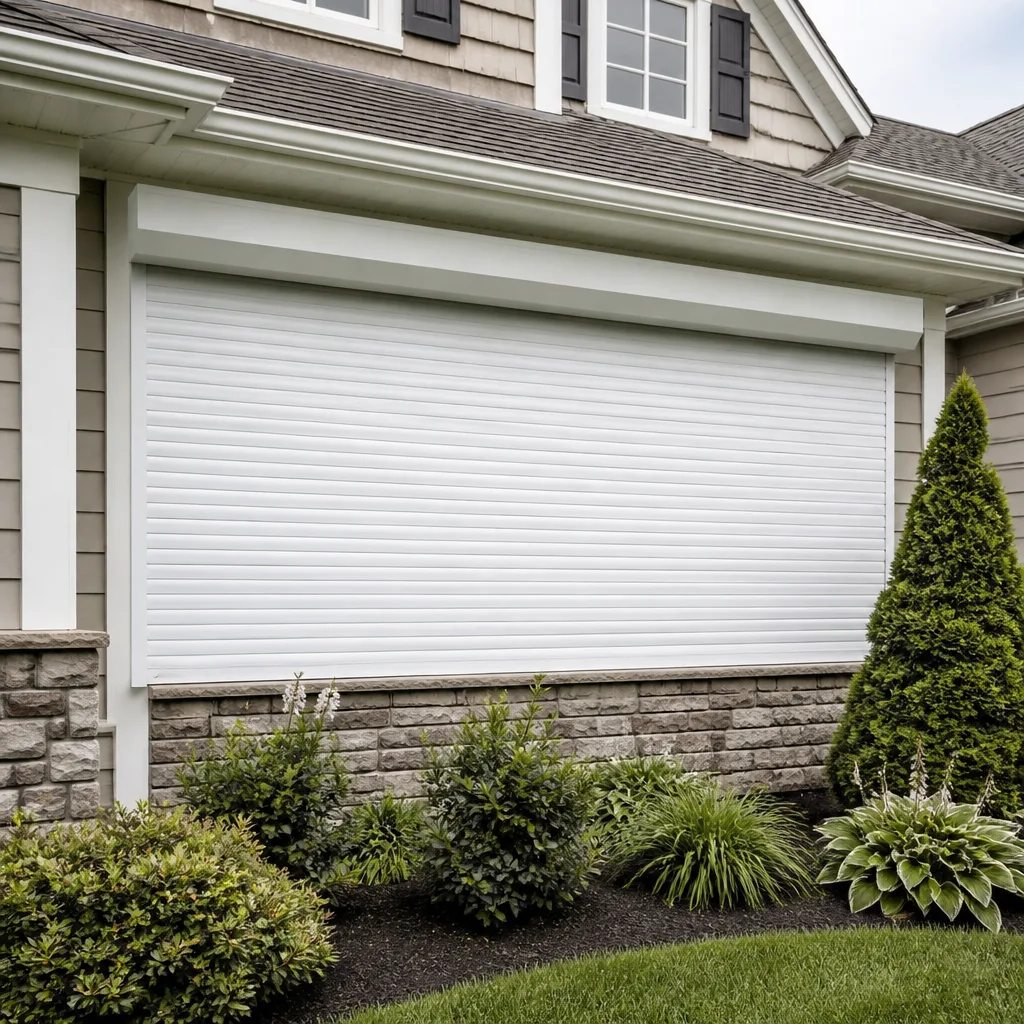
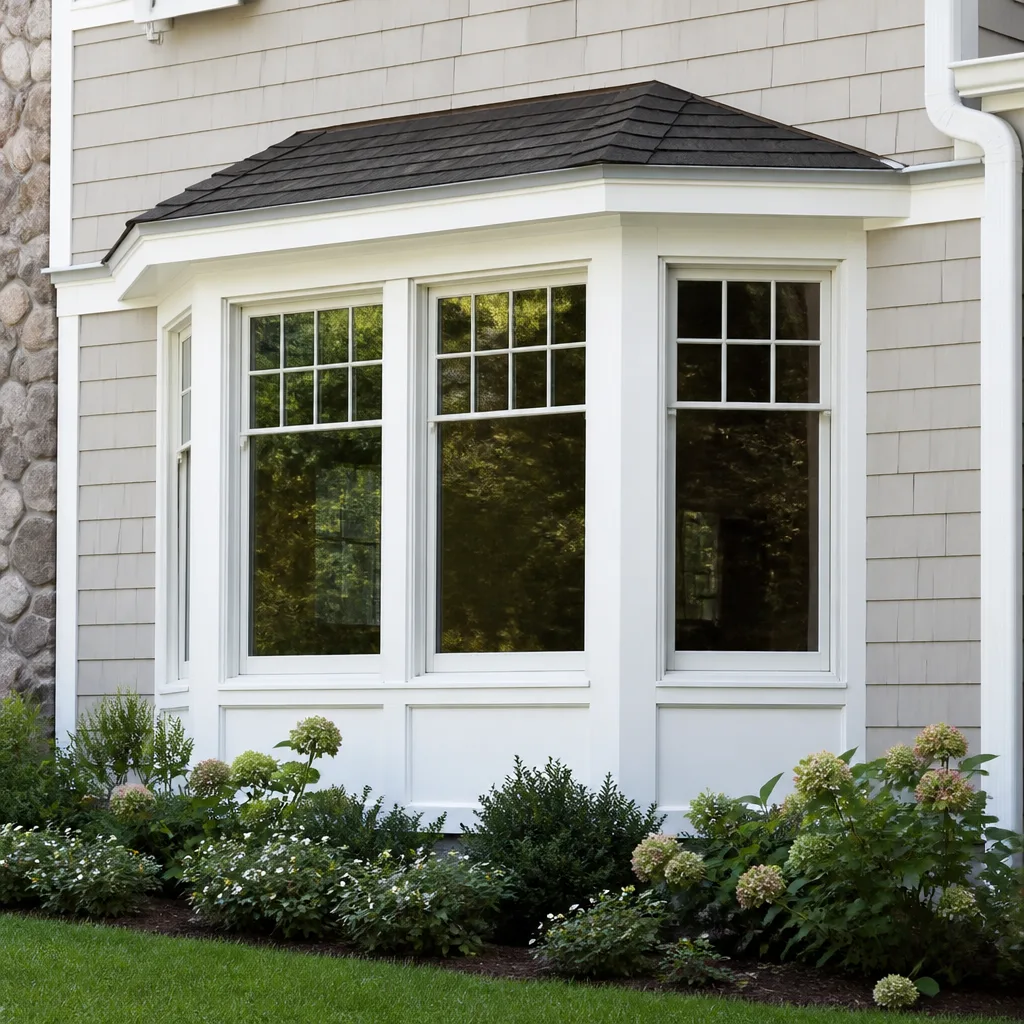
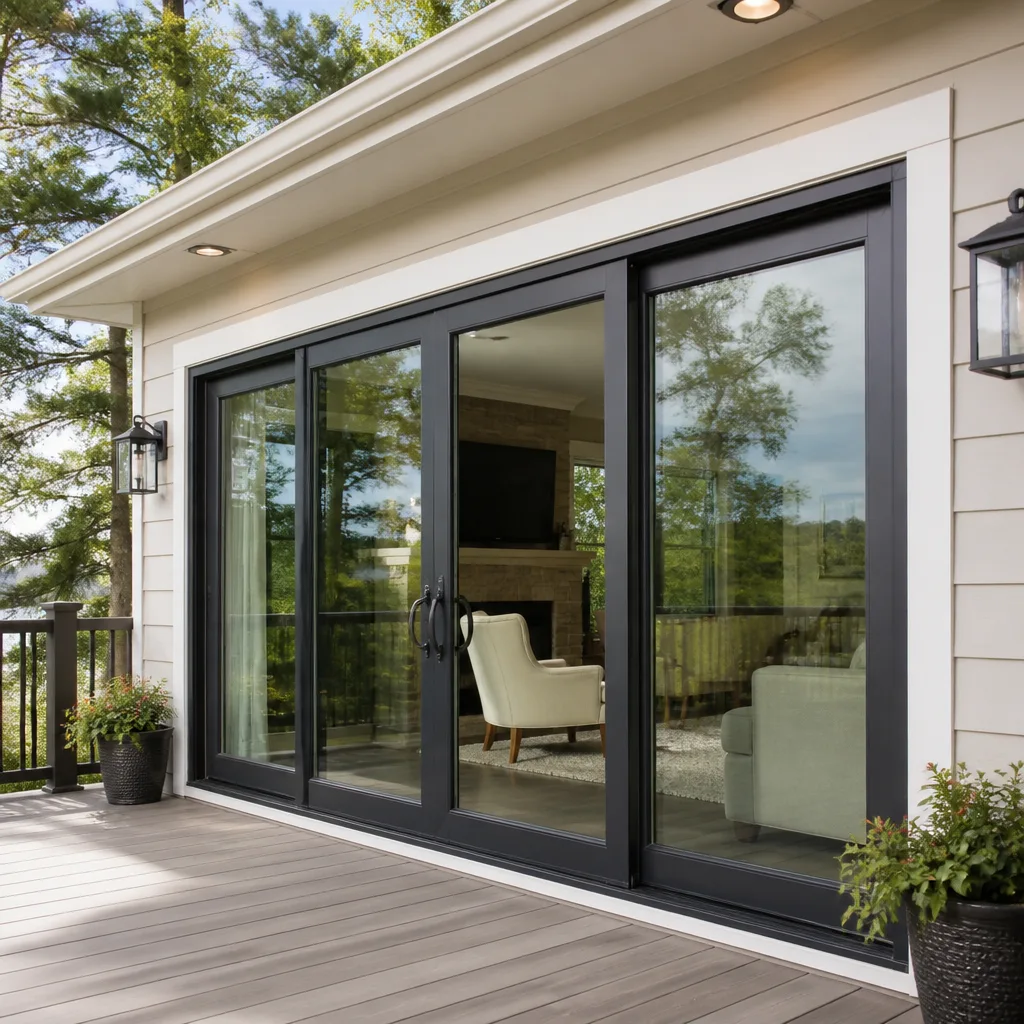
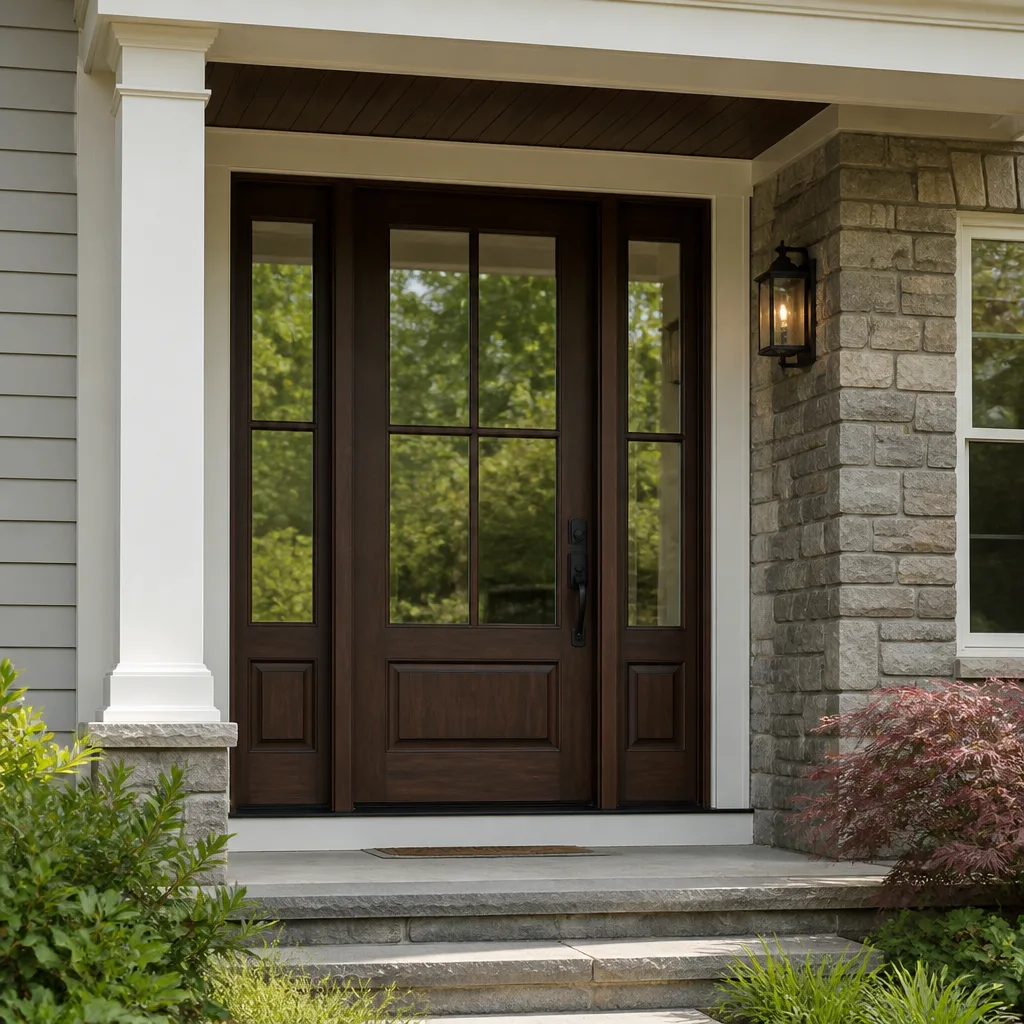
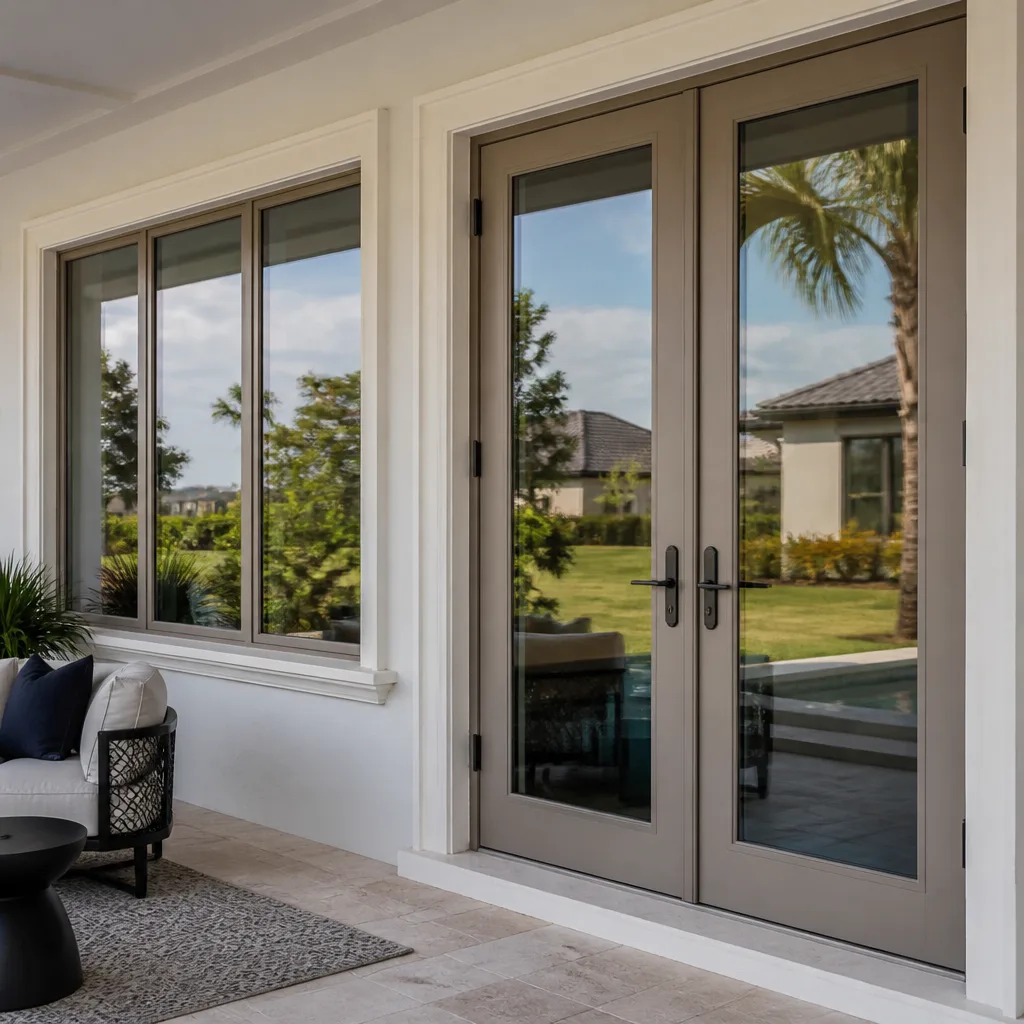
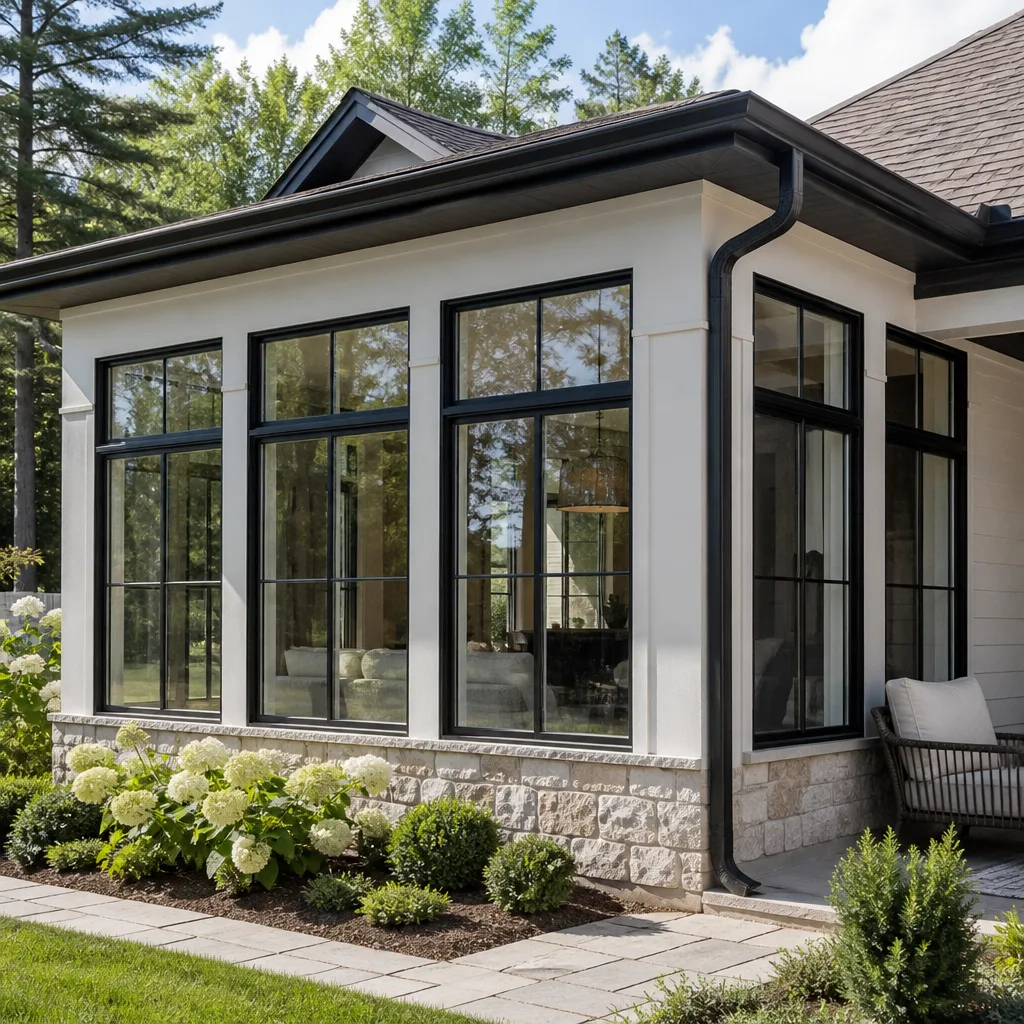
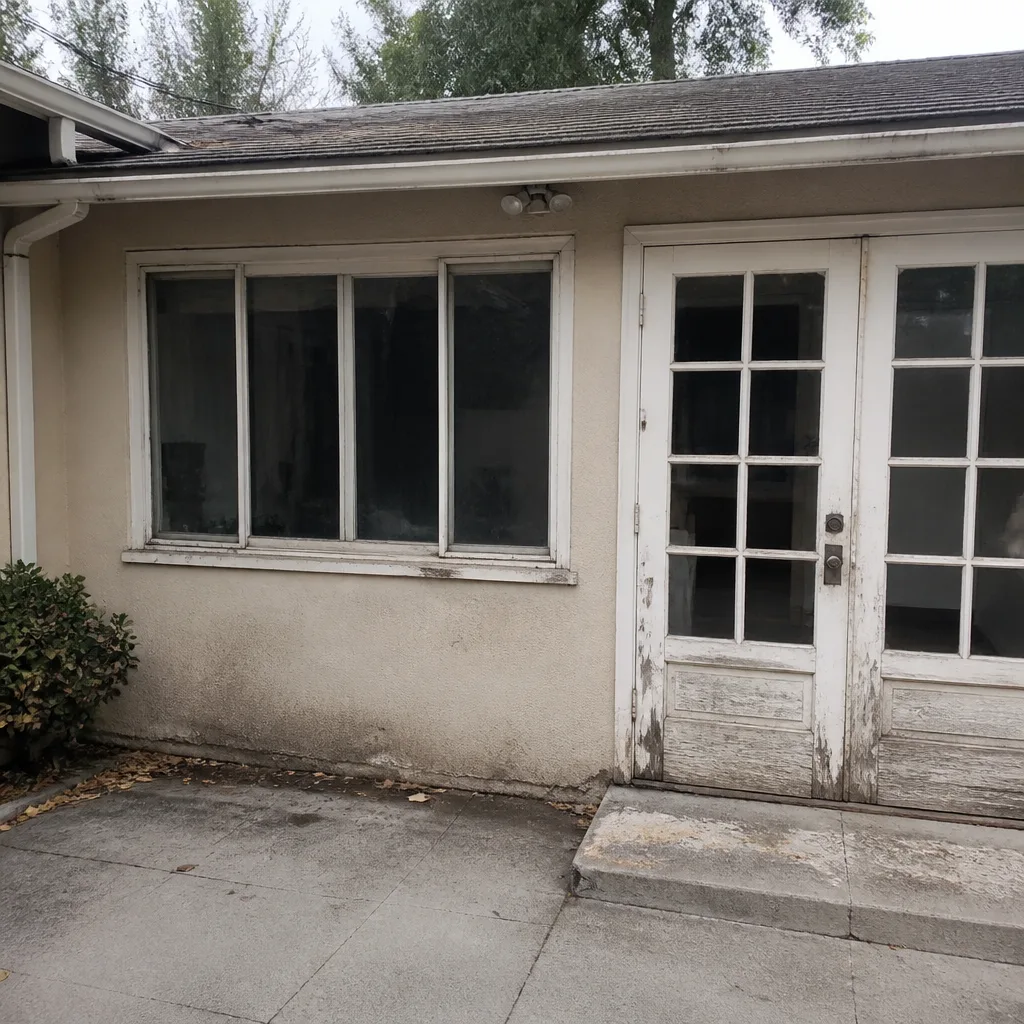 Before
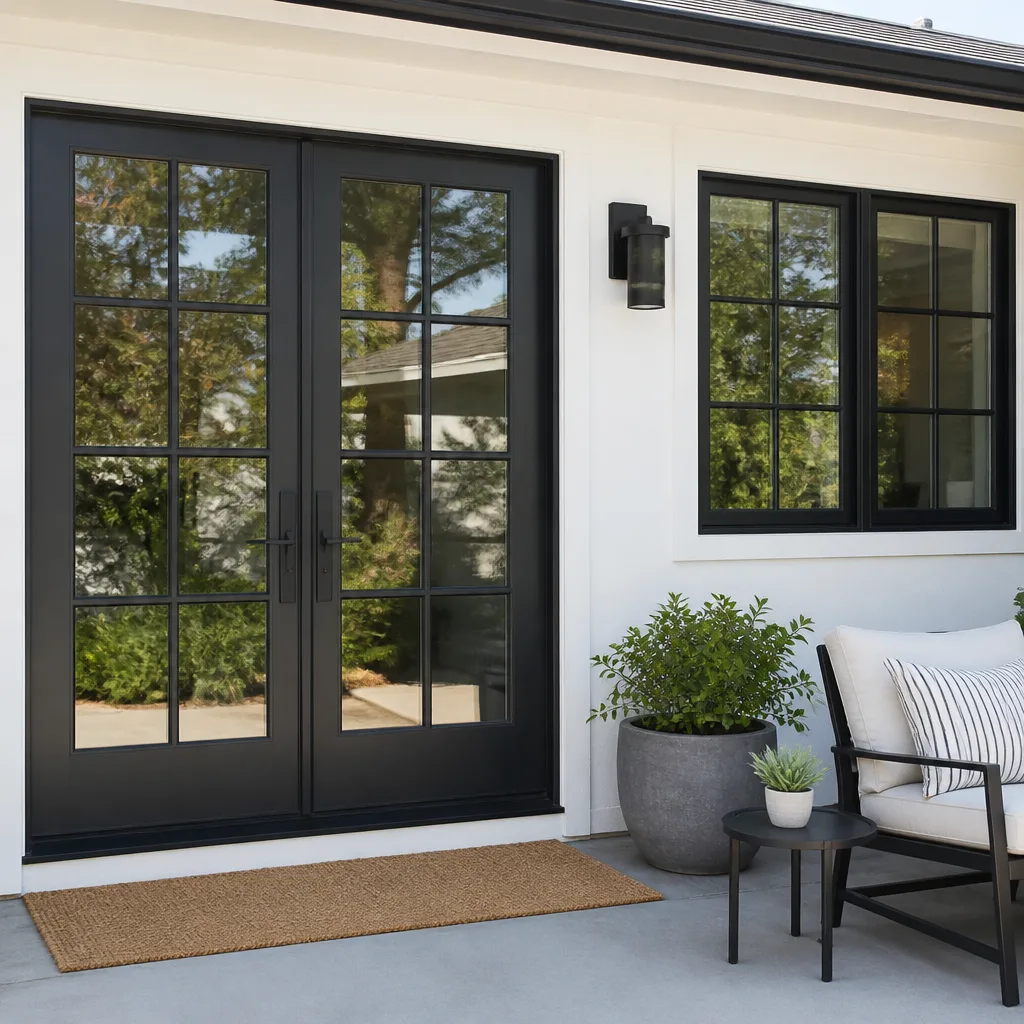 After
After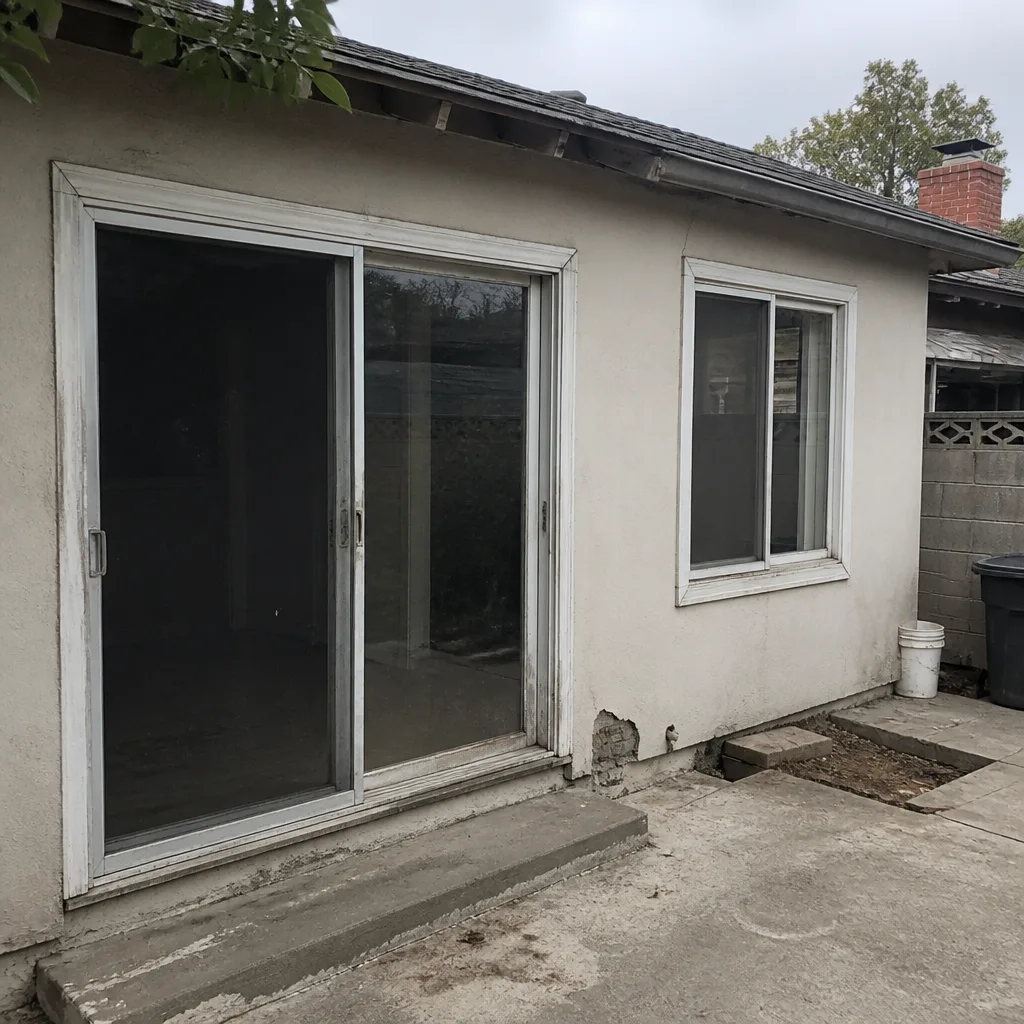 Before
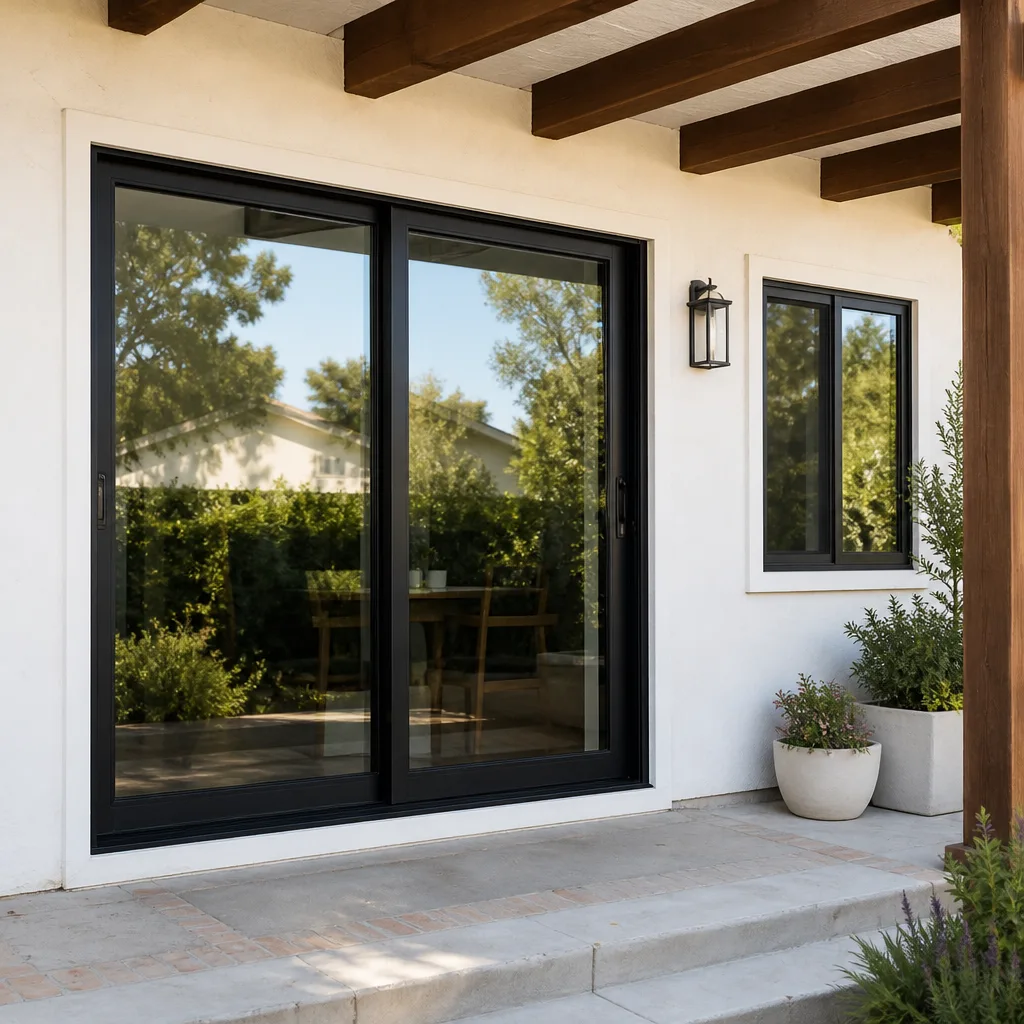 After
After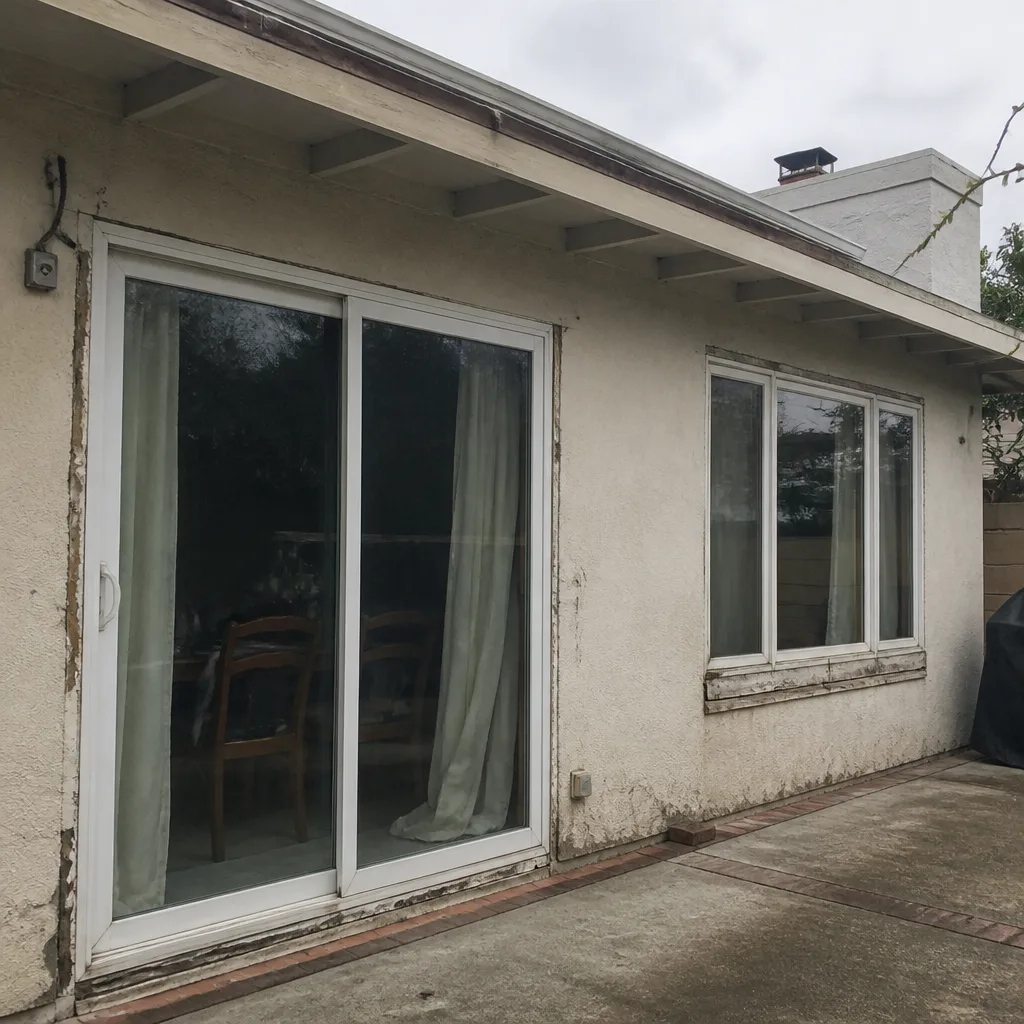 Before
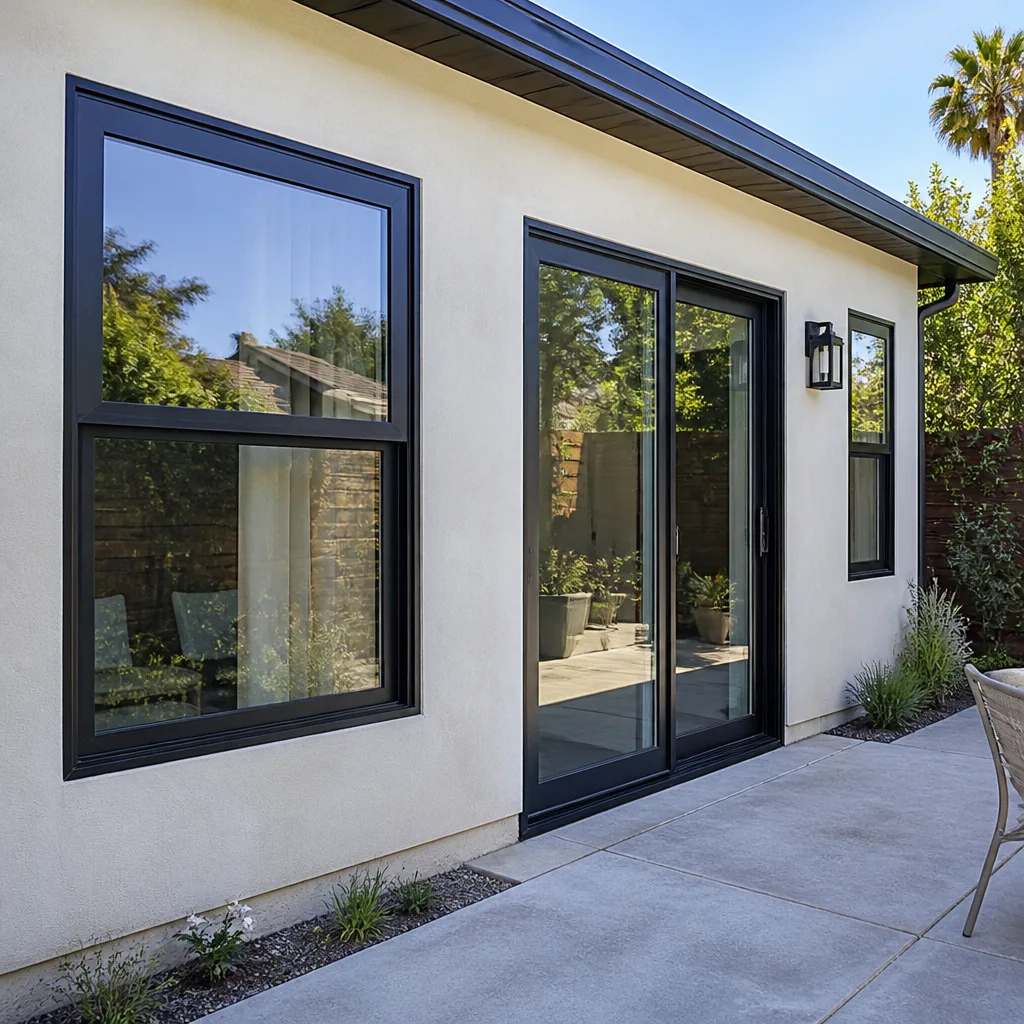 After
AfterWhat’s Happening
When a window stops working – meaning it won’t open, won’t close, won’t lock, or won’t stay in position – the problem is almost always a failed balance system, a broken operator mechanism, or a warped or swollen frame that’s binding in the track. In most cases, the window itself is still salvageable, but in others the hardware failure is a sign that the unit has reached the end of its serviceable life.
Here’s the short version: a window that worked yesterday and doesn’t work today usually has one specific thing wrong with it – a snapped balance shoe, a stripped crank gear, a blown seal, or a frame that’s shifted. Each of those has a different fix. The goal of this page is to help you figure out which one you’re looking at before anyone arrives, so the visit is faster and the answer is more accurate.
Why It Happens
1. Failed Balance System (Most Common in Double-Hung Windows)
The balance system is what holds a double-hung sash in position when you let go of it. It’s a spring-loaded mechanism that runs inside the window frame on both sides. When a balance fails – either the spring snaps or the shoe that connects to the sash breaks – the sash either drops on its own, won’t stay up, or feels unusually heavy to lift. You’ll often hear a loud snap or thud when this happens. If your window slams down the moment you stop holding it, this is almost certainly the cause.
Safety note: balance springs are under significant tension. Do not attempt to remove or replace them yourself. Stop using the window and call a professional.
2. Broken or Stripped Crank Operator (Casement and Awning Windows)
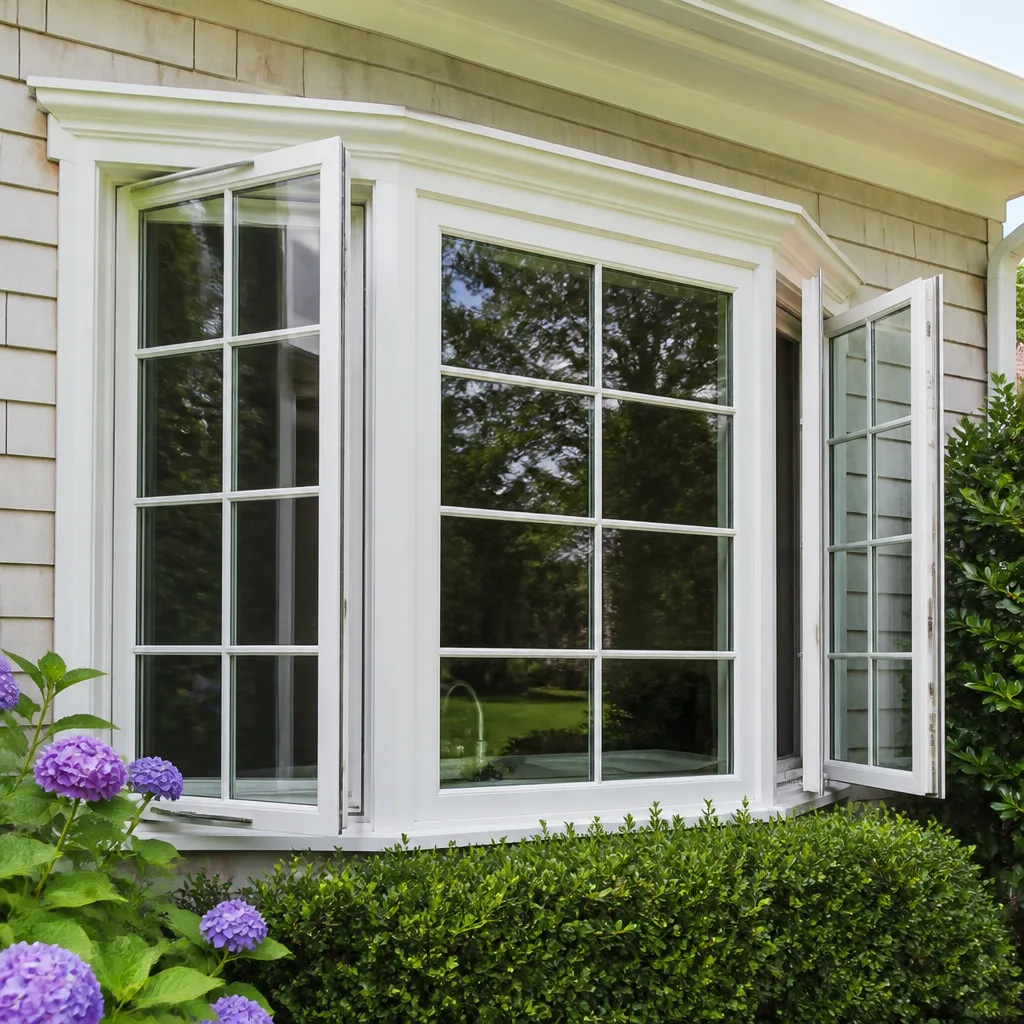
Casement windows (the ones that swing outward on a hinge) use a crank mechanism at the bottom of the frame. The gear inside that crank strips over time, especially if the window was ever forced open or closed. When this happens, turning the crank handle produces no movement, or the handle spins freely with no resistance. Sometimes you can also see the worm gear arm that pushes the sash has separated from its track.
3. Warped, Swollen, or Racked Frame
Wood frames absorb moisture and can swell enough to bind completely in their tracks. Vinyl and composite frames can warp if they were installed without adequate expansion gaps or if the surrounding structure has shifted. You’ll notice this type of problem most after a stretch of wet weather or extreme heat. The window feels stuck at a specific point – often the corners – rather than throughout the full range of motion. If you can see daylight at one corner and a tight gap at the opposite corner, the frame has racked.
4. Worn or Damaged Hardware – Locks, Handles, and Hinges
Sometimes the window itself moves fine, but the locking cam or the tilt latch won’t engage, so the window won’t secure shut. Handles can shear at their base after years of use. Hinges on casement windows develop play that eventually prevents the sash from seating flush against the weatherstripping. If the frame looks square and the sash moves but something still isn’t right at the point where it closes and locks, hardware is the likely culprit.
What to Do Right Now
- Stop forcing it. If the window is stuck or binding, forcing it risks cracking the glass, snapping the frame, or – in the case of a balance under tension – causing a component to release suddenly. Leave it in whatever position it’s in.
- Photograph the problem. Take a few clear photos: the full window from inside, a close-up of the area where it’s sticking or failing, and any visible damage to hardware or the frame. These photos help your Juniper technician arrive with the right parts.
- Check whether the window is in a secure position. If it’s stuck partially open, especially on a ground-floor or street-facing opening, wedge it temporarily from the inside with a piece of wood until the repair is scheduled. Don’t leave an unsecured opening unattended overnight.
- Look at the frame corners for gaps or separation. Visible separation at a corner joint tells your technician whether the frame itself is the problem or just the hardware. You don’t need to touch anything – just note what you see and mention it when you call.
- Do not attempt to access or compress balance springs or tension cables. These components are under serious mechanical tension and can cause injury if released unexpectedly. This is a professional repair, full stop.
How We Fix It
When your local Juniper Windows & Doors team arrives, the first thing a technician does is operate the window from both sides and watch exactly where the failure happens. That diagnostic step takes a few minutes and usually narrows the cause down immediately.
If it’s a balance system, the technician replaces the balance shoes or the full balance unit – a job that typically takes under an hour on a standard double-hung. If it’s a crank operator, the old mechanism is removed and a matching replacement is fitted. If the frame itself has shifted or warped beyond what hardware can compensate for, the honest answer is that a full window replacement is the better path – and we’ll tell you that before anything starts, in writing, with a price attached.
Every job is quoted upfront. You get a written price before any work begins – no number that changes when the invoice arrives. And every completed installation is covered by the 365-Day Done Right Promise: if it’s not done right, we make it right. Window Replacement and Window Installation are the two services that resolve the full range of causes listed above.
Frequently Asked Questions
It depends on whether the window can be secured in a closed position. A window stuck fully shut is an inconvenience, not an emergency – it can wait a day or two without risk to the home. A window that won’t close or lock is a security and weather exposure problem and should be addressed the same day if possible. Call (682) 281-2168 and describe the position the window is stuck in; the team can help you decide how quickly it needs attention.
Availability varies by location and how the schedule is running, so the direct answer is: call (682) 281-2168 and ask. A real person picks up every time – no voicemail, no callback queue. They’ll tell you what the earliest opening looks like and give you a live arrival time you can track, not a four-hour window.
Most hardware failures – broken balances, stripped cranks, worn locks – are repairable without replacing the whole unit, and that’s always the first option a Juniper technician considers. Full window replacement becomes the better answer when the frame has structurally failed, when the glass seal has blown and condensation is trapped between panes, or when a repair would cost more than it makes sense to spend on an aging unit. You’ll get an honest assessment with a written price before anything happens.
No. Juniper’s model is a written price before any work starts – that’s not a soft commitment, it’s how every job runs. If the technician opens the unit and finds something that changes the scope, you’ll get a revised written price and the choice to approve or decline it before the work continues. No surprises at the invoice stage.
Get It Fixed
Call (682) 281-2168 right now – a real person answers every time, around the clock. Your local Juniper Windows & Doors team will take a look, give you a written price before anything starts, and get your window working again. Book online if that’s easier. Either way, we’ll send you a live arrival time you can track.
Written by Sean Mackey, Owner & Installer at Juniper Windows & Doors, part of the Relay Home Co. family since 2001.
What Our Customers Say
"Front door looks great and shuts well. The threshold is sealed well and the lock lines up with the strike."
- Rory F."Quote came in the app with options for glass. Easy to compare."
- Vera L."Door replacement. Installer texted when on his way and finished by lunch. Tight and clean."
- Neil B.