
Last updated October 9, 2026
Free in-home measure and quote - PGT, CGI and CWS impact lines compared on your actual openings, style by style
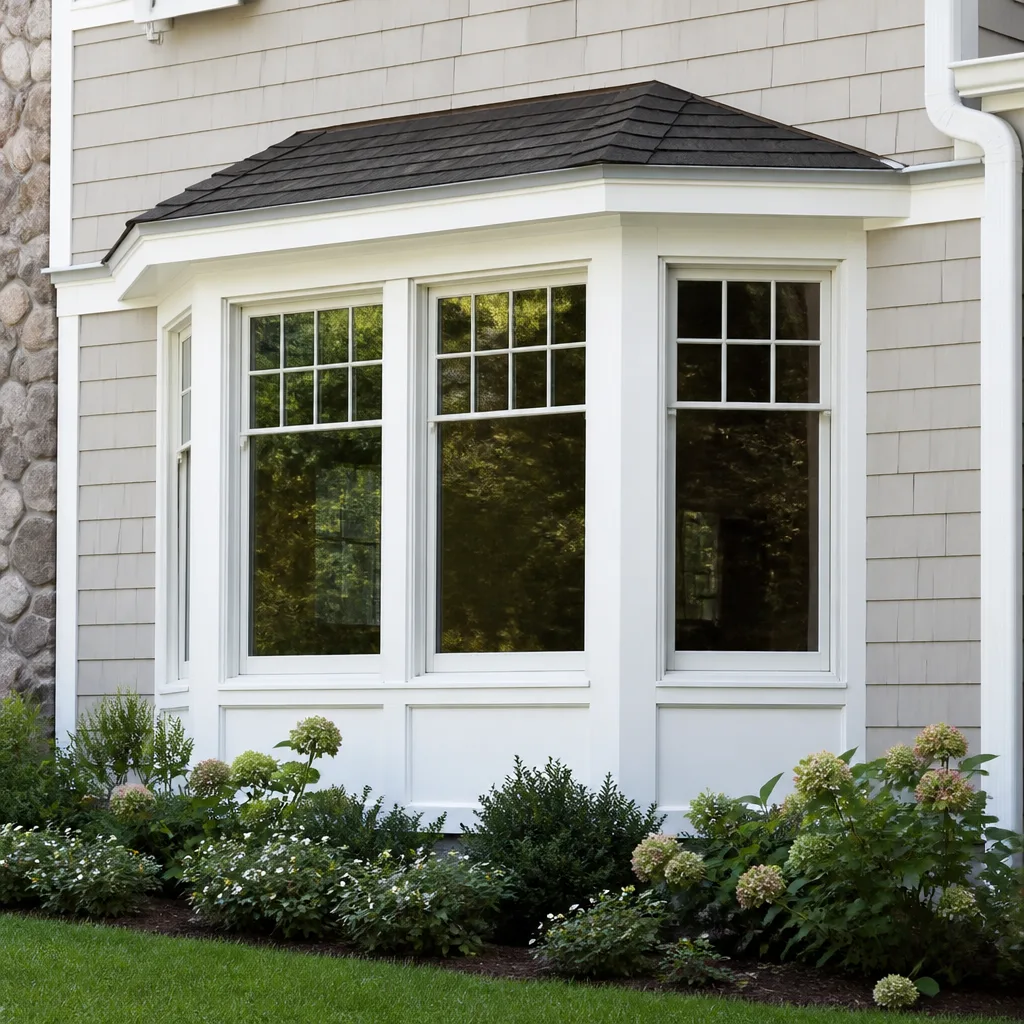
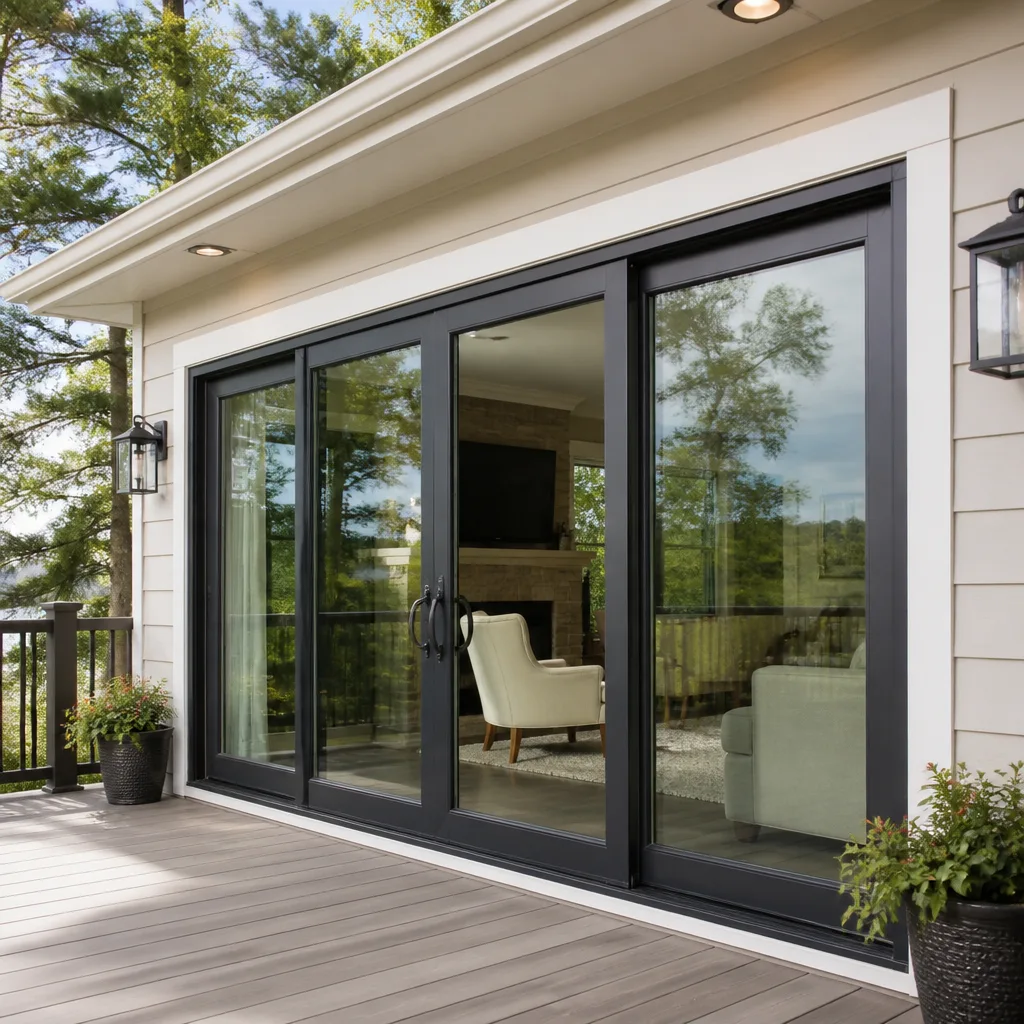
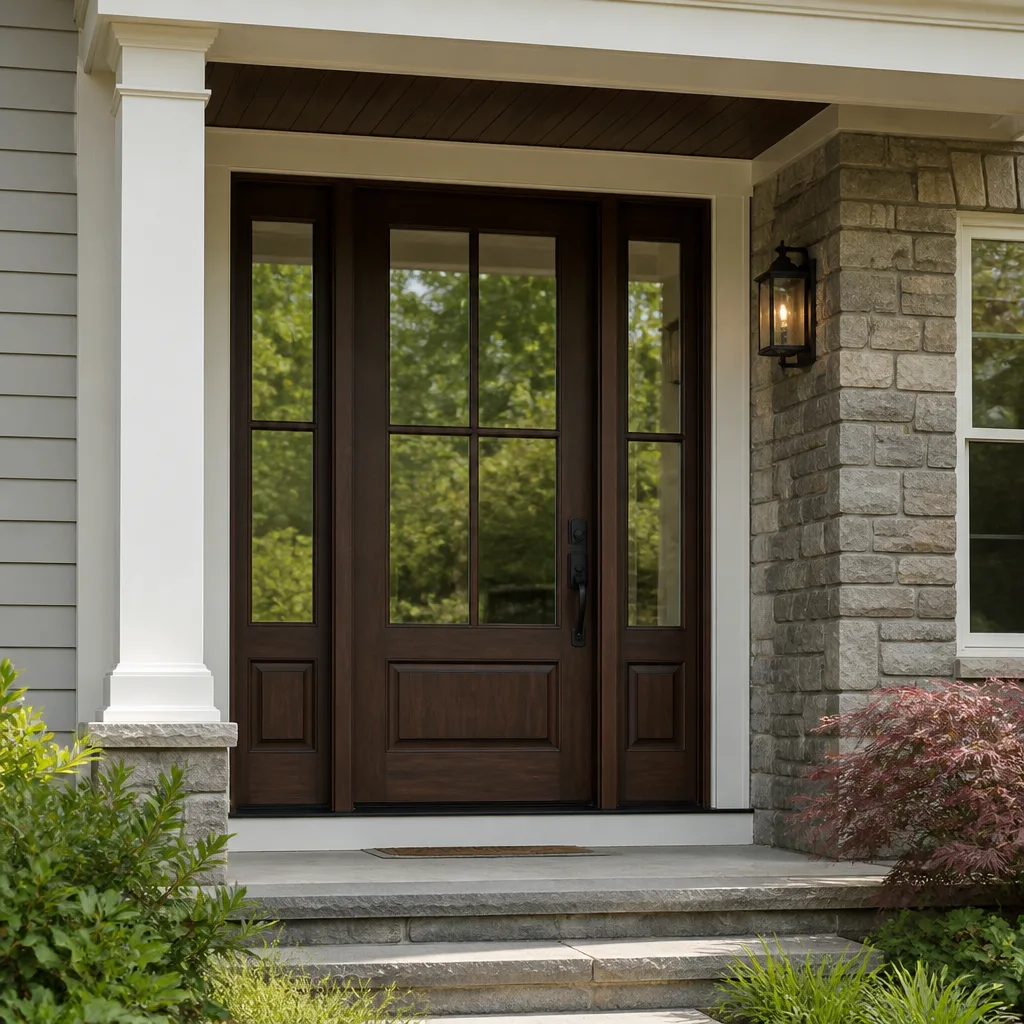
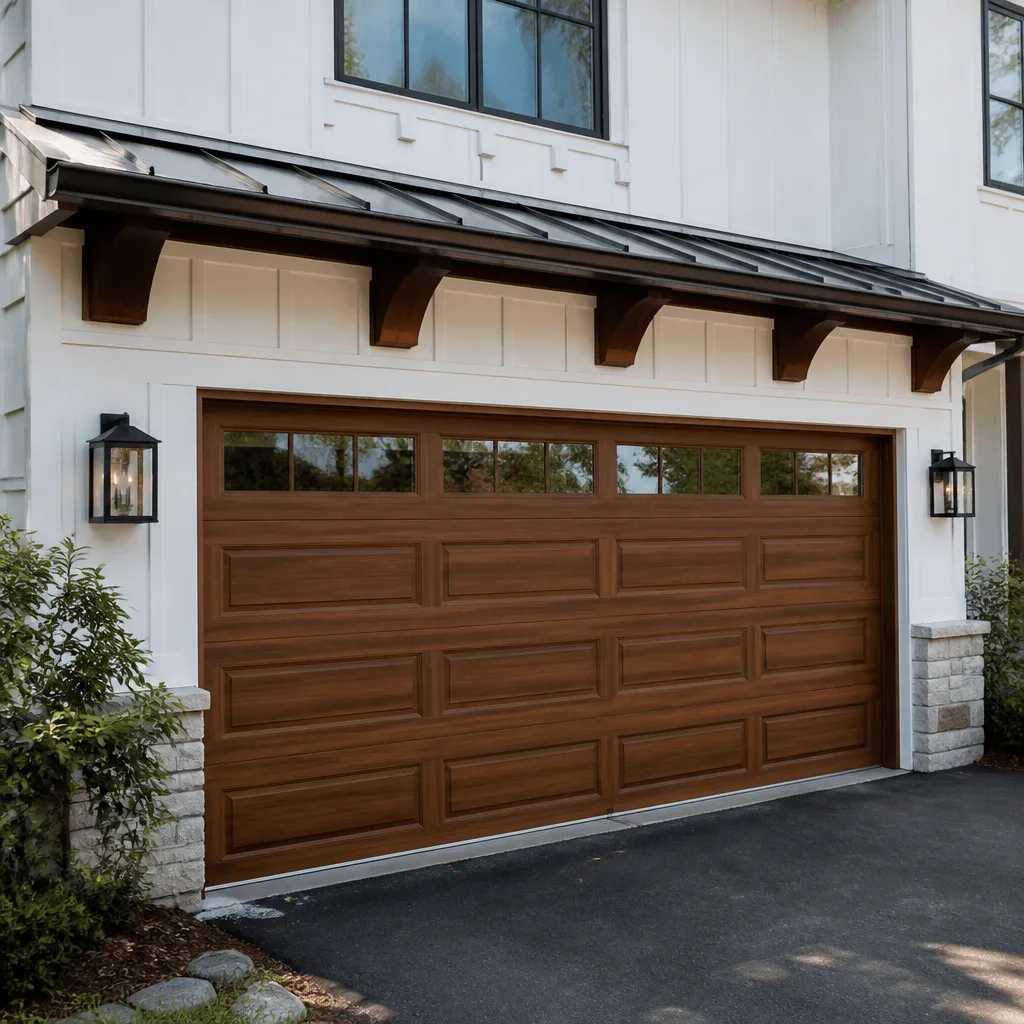
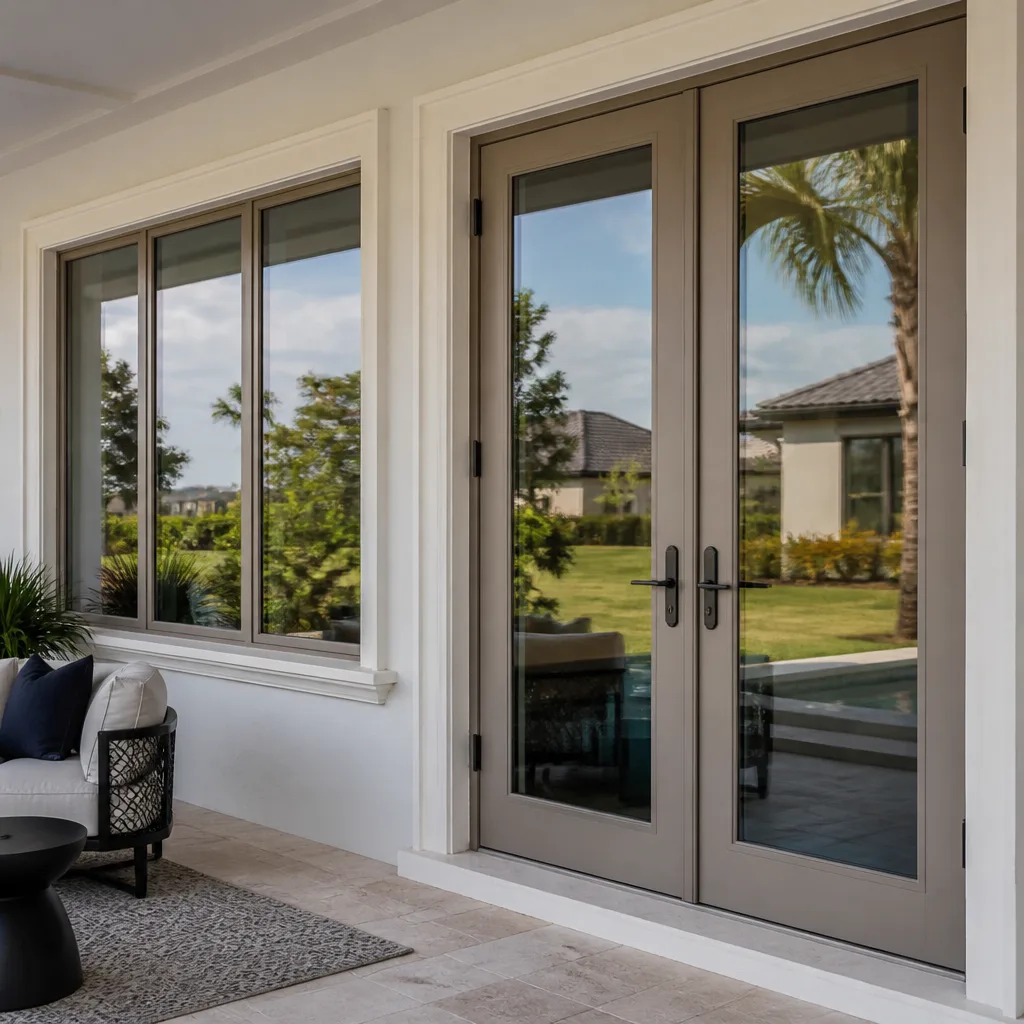
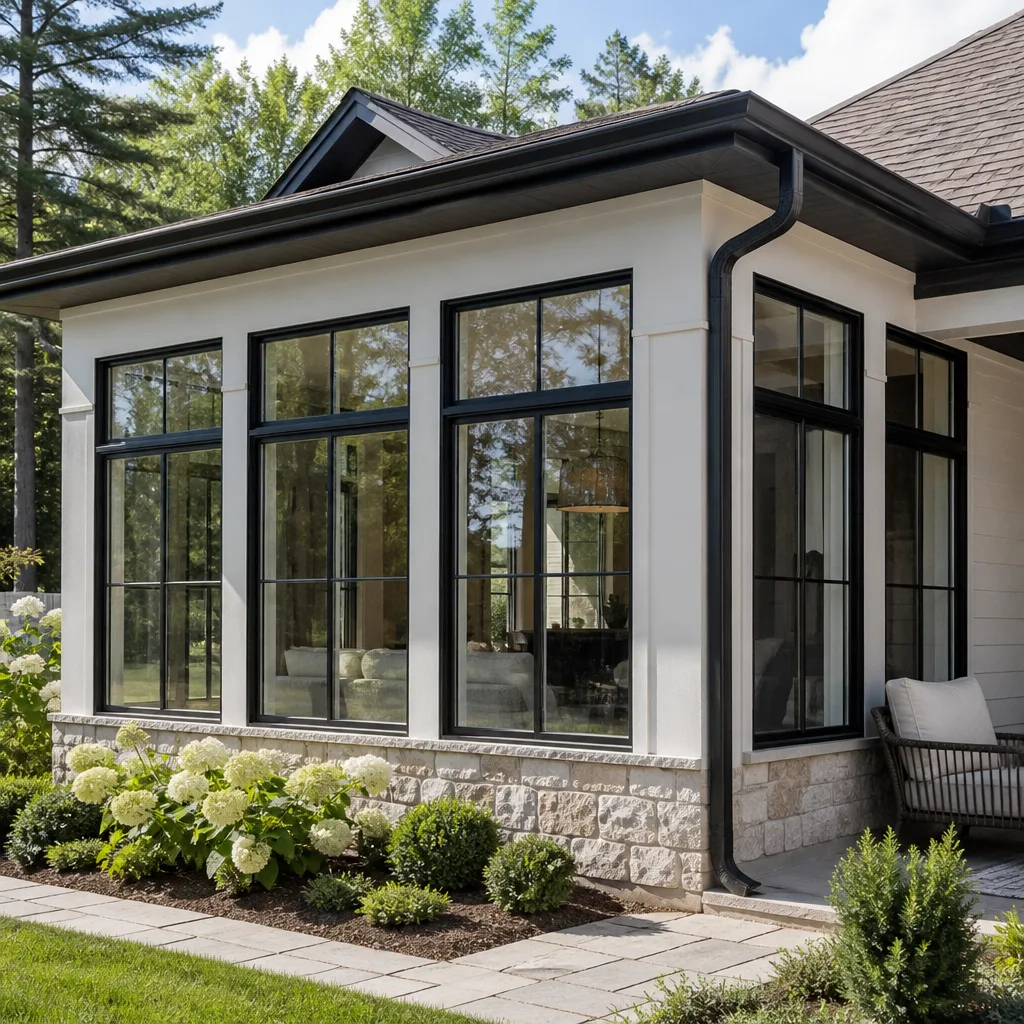
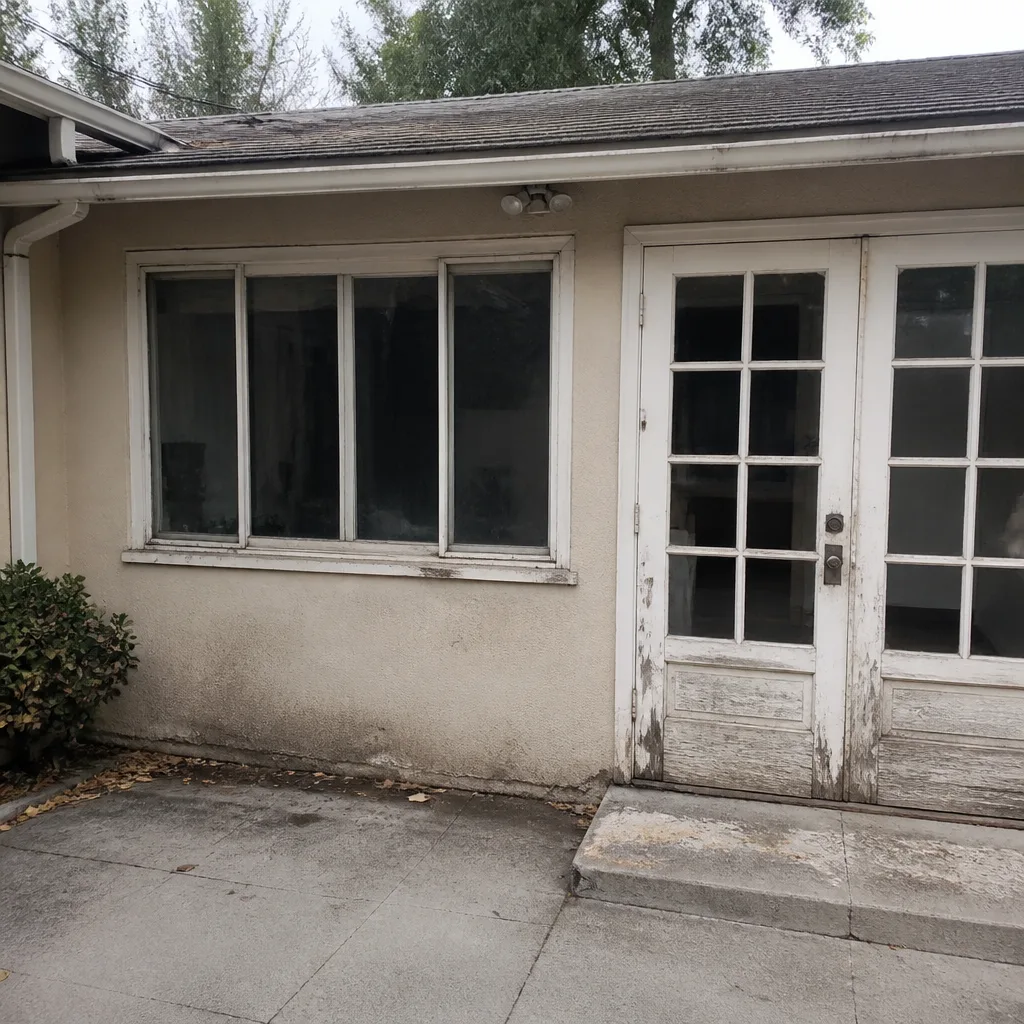 Before
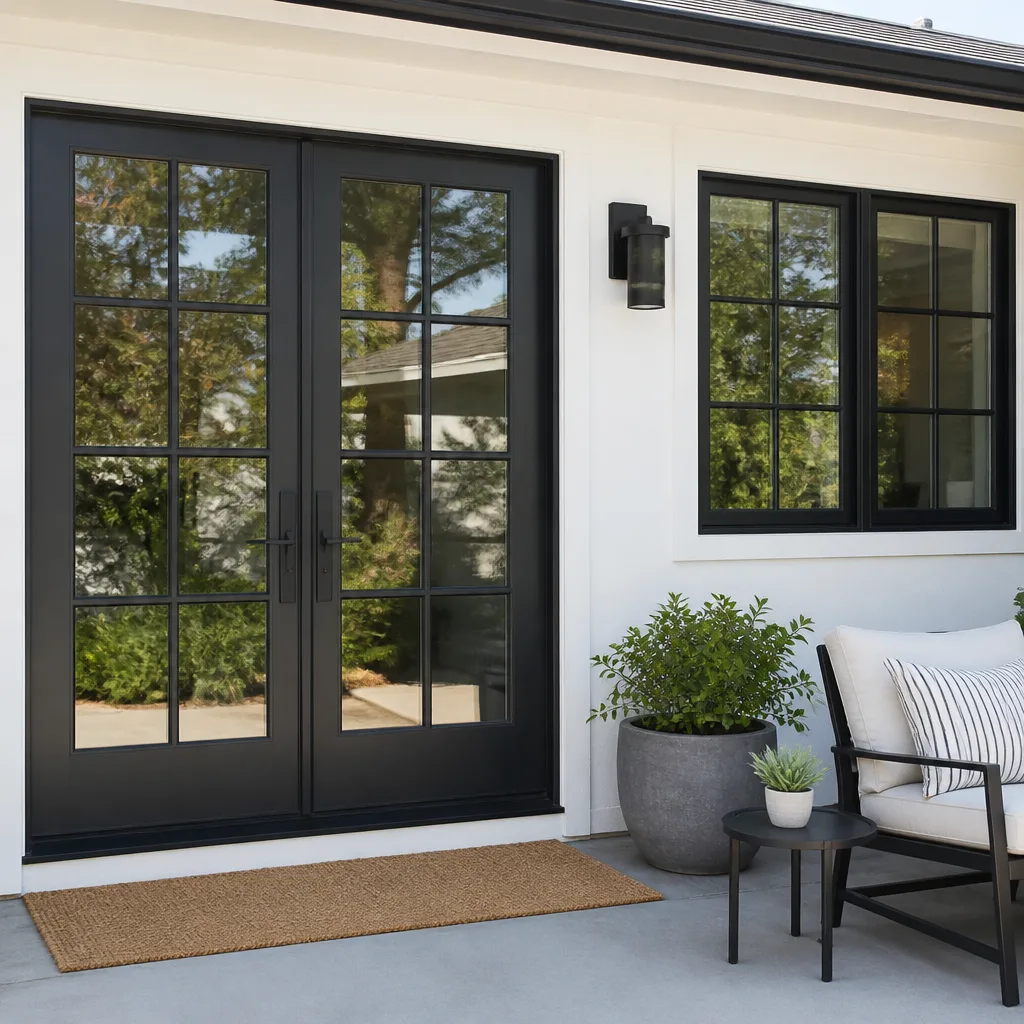 After
After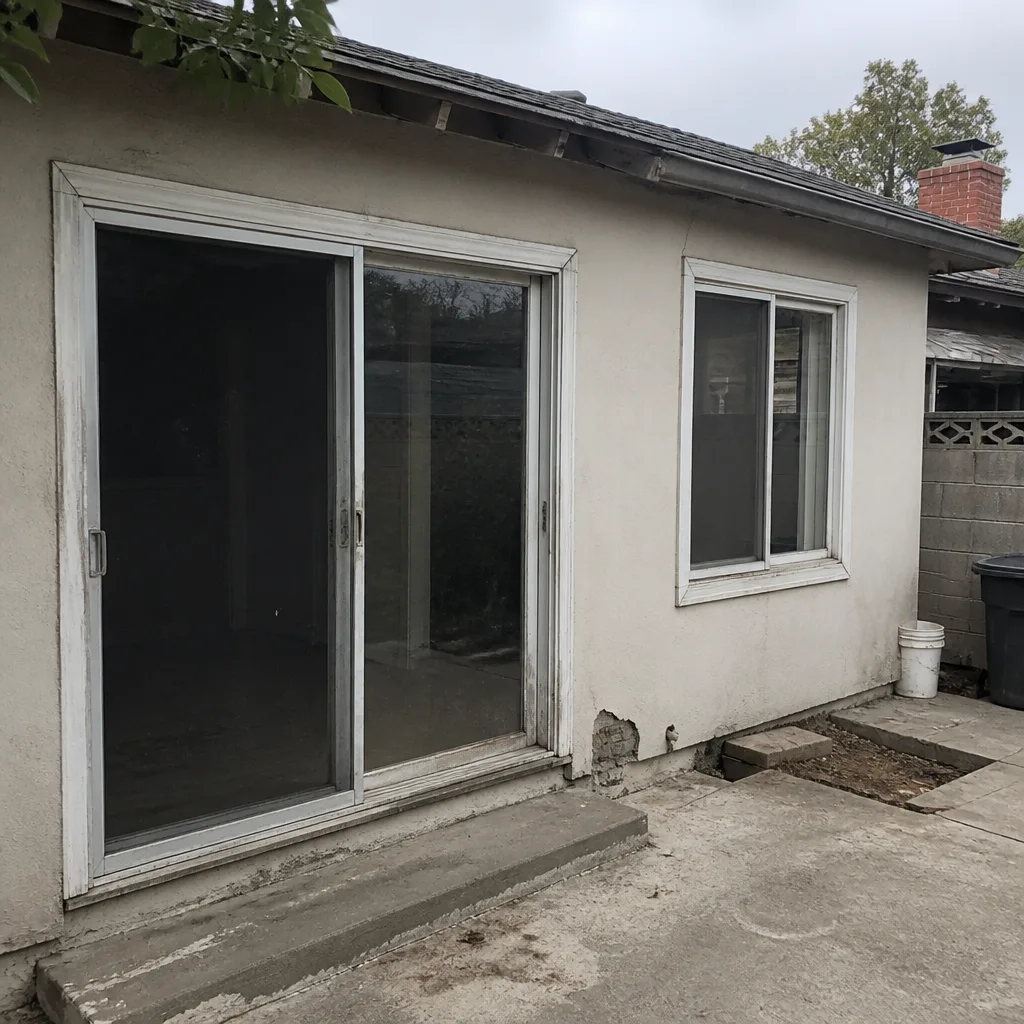 Before
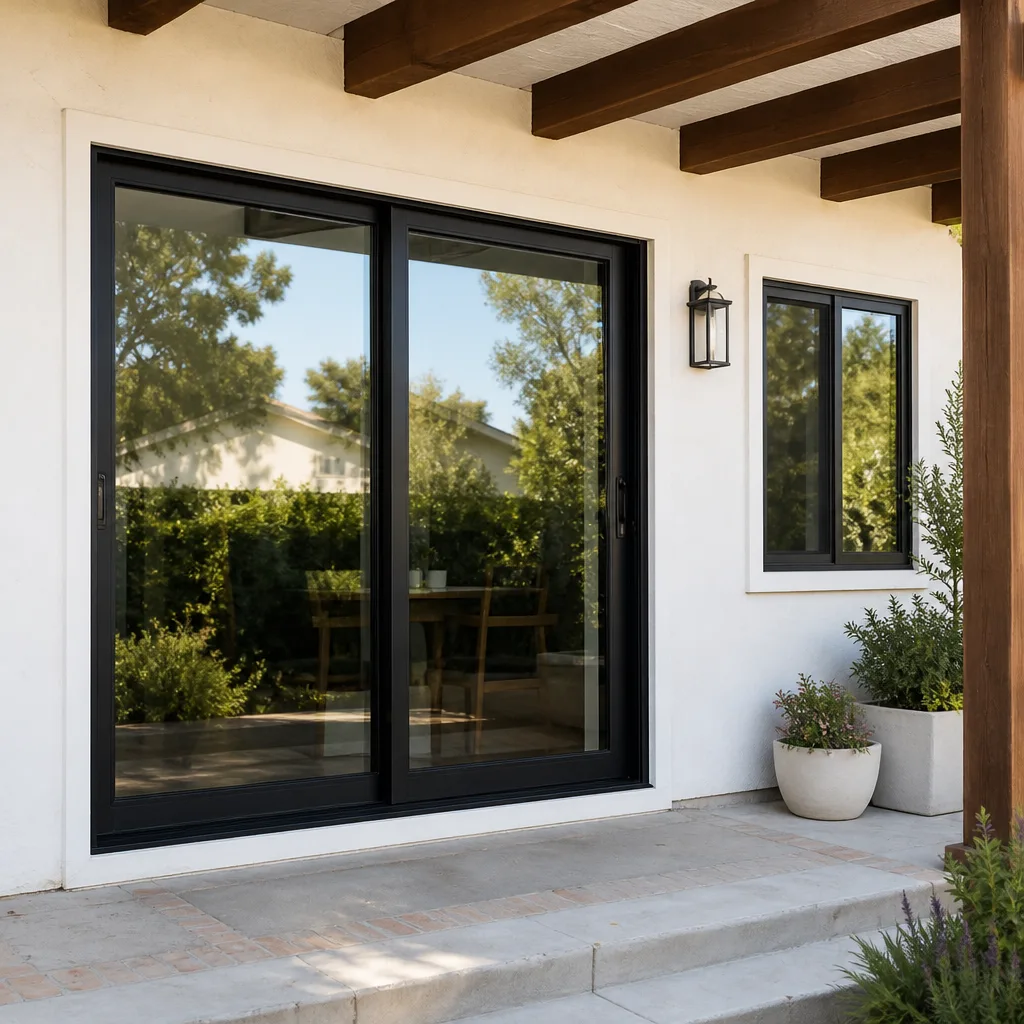 After
After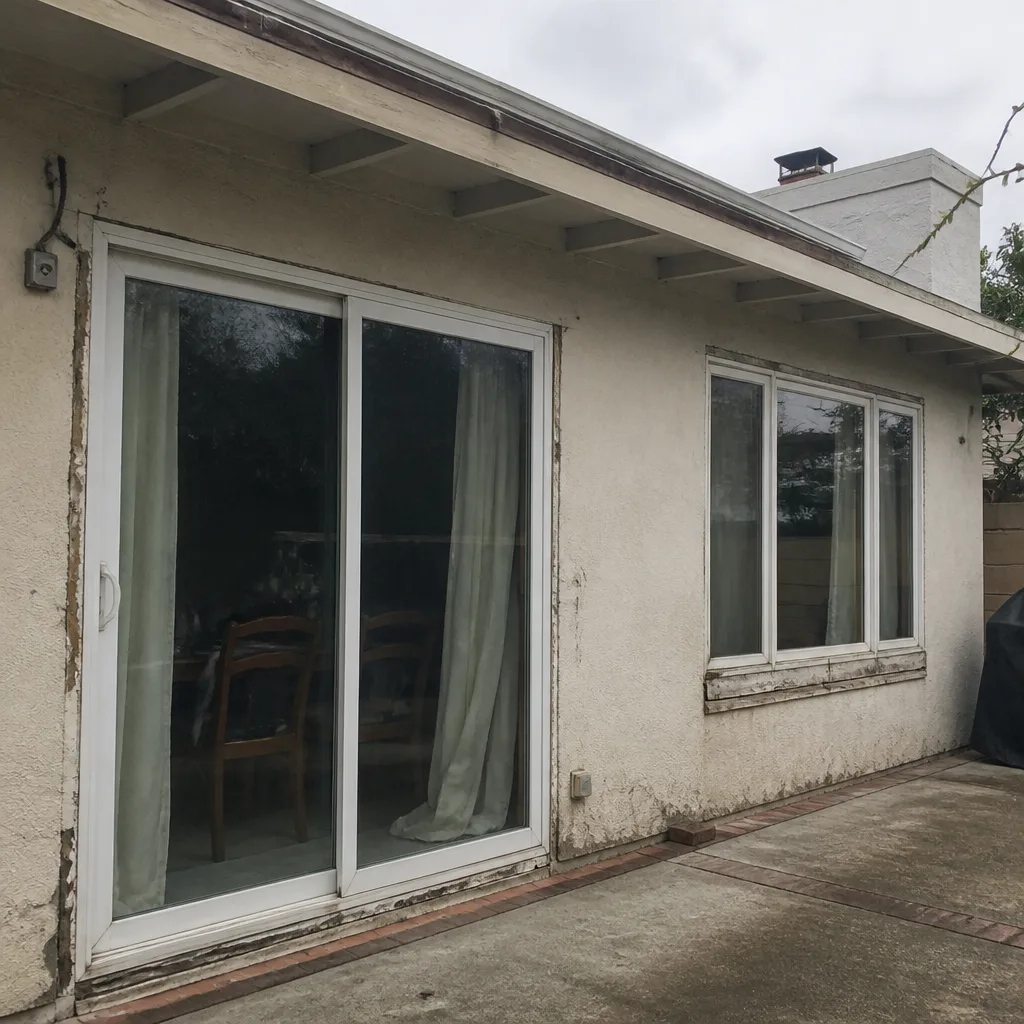 Before
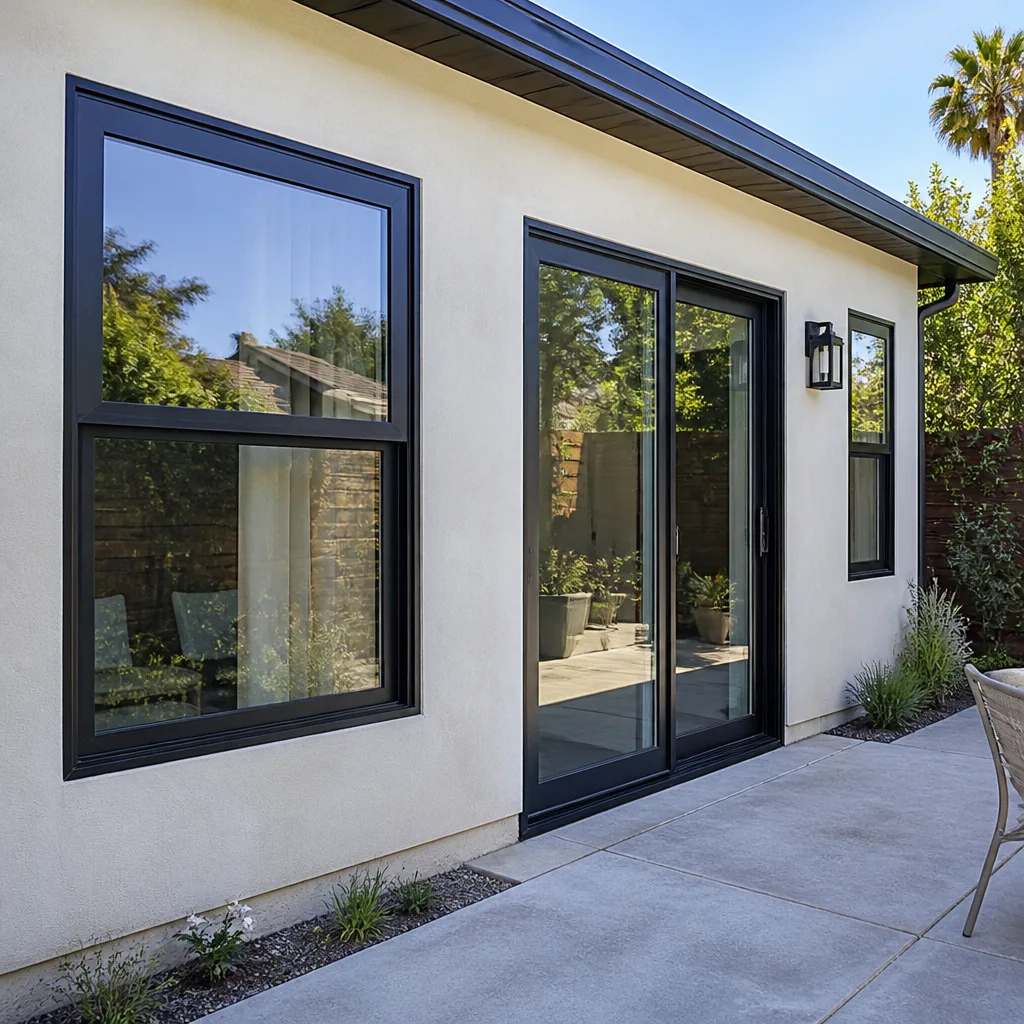 After
AfterChoosing the Right Windows & Doors Brand: A Buyer’s Guide for Los Angeles
Here’s what national window rankings won’t tell you: the top-rated brand in Consumer Reports testing is evaluated primarily in climates with 40-plus inches of annual rainfall and freezing winters. That data tells you almost nothing about how the same unit performs on an Hermosa Beach bluff with salt-laden air or a Chatsworth hillside where summer temperatures routinely cross 100 degrees. This Juniper Windows & Doors home guide explains how to evaluate window and door brands for Los Angeles conditions specifically, so you don’t buy a product engineered for Ohio and install it in a ZIP code where the real threats are UV, corrosion, and seismic movement.
Quick Answer
The right windows and doors brand for a Los Angeles home is one that scores well on three local criteria: corrosion-resistant frame materials and hardware, Title 24 energy compliance out of the box, and frame construction built to handle repeated ground movement. For most LA homes, that leads to impact-rated or heavy-duty frames from PGT, fiberglass doors from Therma-Tru for direct-sun elevations, and ViewLux vinyl or aluminum-clad lines for projects where energy code compliance and sightlines matter most. See The Complete Guide to Windows & Doors in Los Angeles for a deeper look at how these brands compare. Buy through a certified dealer rather than a big-box store whenever possible, because the same brand name can mean different product specifications, warranty registration support, and installation accountability depending on where you source it.
Table of Contents
- Why Los Angeles Conditions Break the National Rankings
- PGT Innovations: Hurricane Engineering, Applied to Seismic and Wildfire Reality
- Therma-Tru Fiberglass Doors: Built for LA Sun Exposure
- ViewLux and Title 24: Reading the NFRC Label Like a Local
- What Warranty Language to Compare Line by Line
- Dealer vs. Big-Box Sourcing: The Same Brand, Different Product
- The 7-Step Evaluation Process We Use in Los Angeles
- Common Mistakes to Avoid
- When to Call a Professional
- Frequently Asked Questions
- The Bottom Line
Why Los Angeles Conditions Break the National Rankings
Most window and door brand comparisons are written for the Midwest and Northeast. Those markets worry about condensation, ice dams, and heating-degree days. Los Angeles is a fundamentally different environment, and it changes what matters in product selection.
First, coastal corrosion. Homes west of the 405 and especially within a mile or two of the Pacific deal with airborne salt. Aluminum frames without proper anodizing or powder coating pit within a few years. Steel hardware rusts. Even vinyl frames can discolor if they’re not formulated with UV stabilizers. A brand that performs beautifully in Minneapolis may corrode visibly in Marina del Rey in the same five-year span.
Second, Title 24. California’s energy code sets mandatory U-factor and Solar Heat Gain Coefficient (SHGC) maximums based on your climate zone. A window sold in a national retail catalog may not meet the prescriptive requirements for LA’s coastal or inland zones. That means potential code compliance failures at inspection, and real discomfort in the room where it’s installed.
Third, seismic movement. Los Angeles homes flex. Frames that are rigid or poorly joined will stress-crack along corner welds or move out of square when the ground shakes, even in minor events. The brand’s frame joinery and hardware design matter as much as the glass package.
We’ve replaced windows in Westchester and Woodland Hills where the failure had nothing to do with the brand’s reputation and everything to do with the product being wrong for the location. The brand was fine. The specification was wrong. That distinction is the entire point of this guide.
PGT Innovations: Hurricane Engineering, Applied to Seismic and Wildfire Reality
PGT is known in the industry for impact-rated windows engineered originally for Florida’s hurricane codes. Those products are built to survive wind-borne debris at 140-plus miles per hour without the glass leaving the frame. But the way those specs translate to Los Angeles is more nuanced than most marketing would suggest.
What translates well: the frame construction. Impact-rated PGT windows use heavier aluminum or vinyl extrusions with reinforced corners, because a frame that holds glass under missile impact needs structural rigidity. That rigidity also serves LA homeowners in seismic events. A window that doesn’t rack or pop out of square when the building flexes keeps its seal, keeps its operation, and keeps its warranty.
What also translates: laminated glass. PGT’s impact units use a laminated interlayer that holds glass shards in place if broken. For hillside homes in Los Angeles facing wildfire risk, a laminated glass package also resists heat-induced failure longer than standard annealed glass, which can crack and fall out under thermal stress, letting embers into the structure.
What doesn’t translate directly: the product line names. PGT’s WinGuard and similar impact series were designed for sustained wind loads, not for the specific Title 24 SHGC requirements of inland Los Angeles. You can’t just order “impact windows” and assume they meet California energy code. The SHGC rating on a Florida-spec window is often too high for LA’s inland zones because Florida wants heat gain and California does not. The right move is to specify a PGT impact frame with low-SHGC coated glass, which is a custom order through a PGT dealer, not a stock item in a big-box aisle.
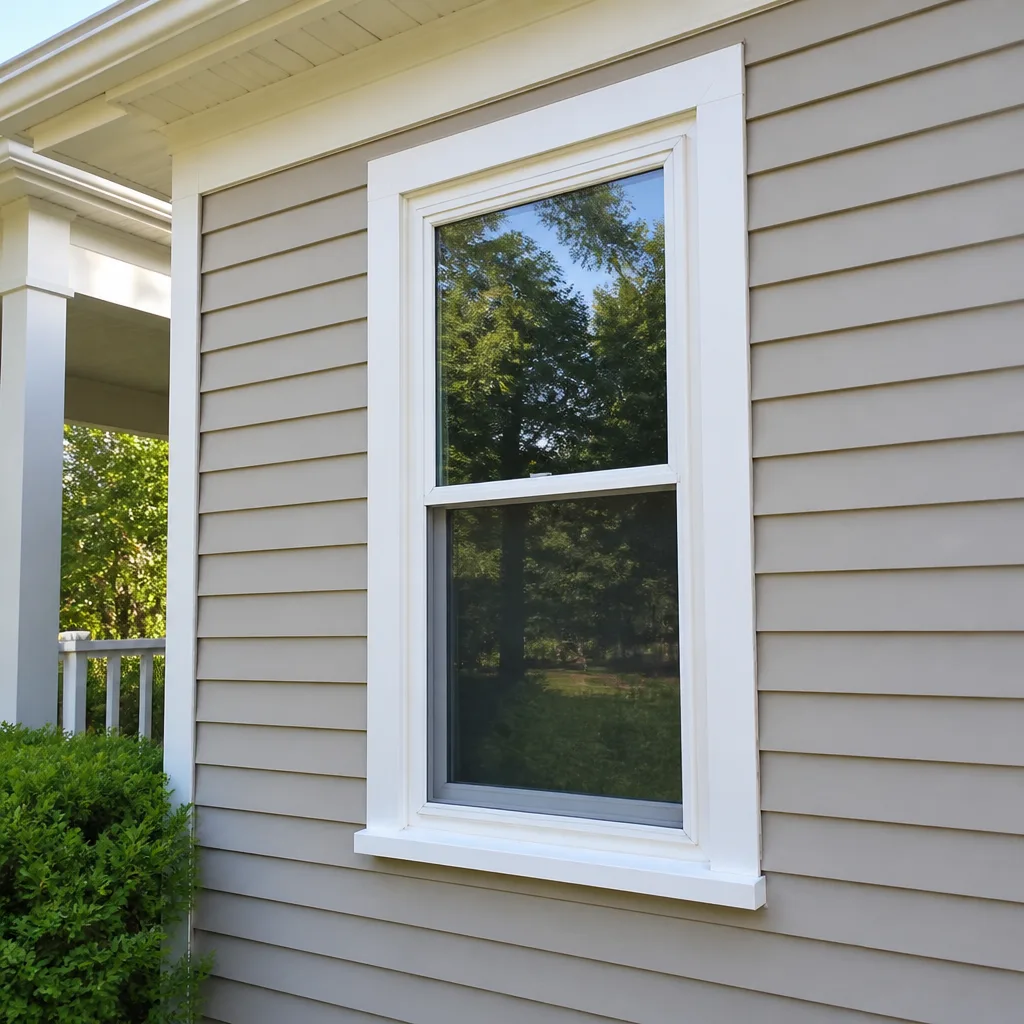
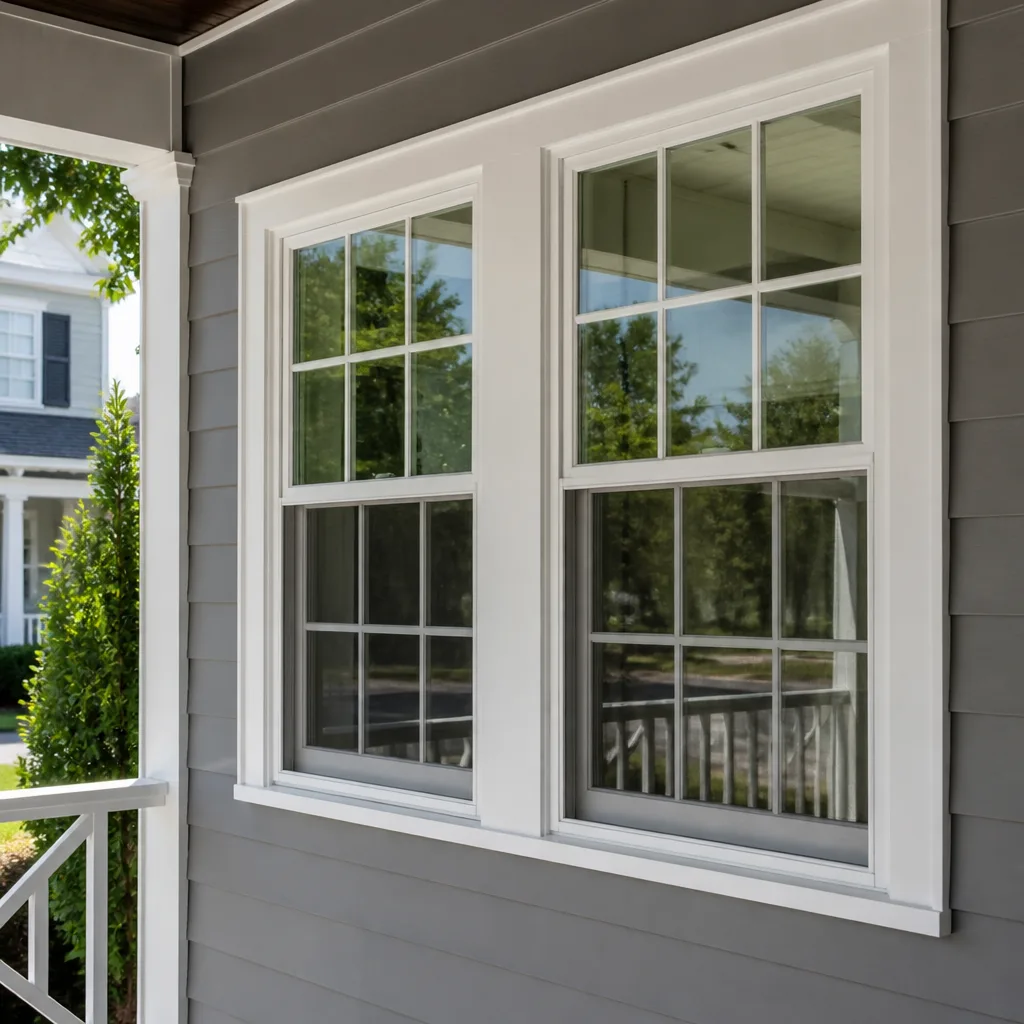
For Window Replacement in Los Angeles, we regularly spec PGT for coastal and hillside projects where the frame durability and laminated glass package solve real local problems.
Therma-Tru Fiberglass Doors: Built for LA Sun Exposure
In Los Angeles, entry doors take an enormous solar beating. A dark-painted wood door on a south- or west-facing elevation in the San Fernando Valley will bake, warp, and crack within a few seasons if it isn’t maintained constantly. Therma-Tru’s fiberglass doors are engineered specifically for that kind of exposure.
The fiberglass skin is dimensionally stable. It doesn’t absorb moisture the way wood does, which means it doesn’t swell in June-gloom humidity and contract in Santa Ana heat. The stain or paint finish sits on a factory-primed surface that bonds more durably than site-applied paint on raw wood. In coastal Los Angeles, where wood doors wick salt moisture and delaminate, fiberglass eliminates the material failure point entirely.
Warranty language matters here. Therma-Tru’s finish warranties vary by product line. Their Classic-Craft and Pulse series carry longer finish coverage than entry-level lines. The stain finish on a fiberglass door is not indestructible; sun-facing doors in Los Angeles should still be protected by an overhang or storm door where possible, but the material itself removes the worst failure modes.
One practical note for LA buyers: if you’re specifying a Therma-Tru door with glass, look at the glass package SHGC. A full-open glass insert on a south-facing door in Pasadena adds meaningful heat load to the interior. The right glass option brings the door into Title 24 compliance without sacrificing the look you want.
ViewLux and Title 24: Reading the NFRC Label Like a Local
ViewLux window lines-covered in our The Complete Window Installation Guide for Los Angeles Homeowners-are built with California’s energy code in mind, which is less common than you’d expect from national manufacturers. But even a California-oriented brand requires the homeowner to read the NFRC label and match it to their climate zone.
The NFRC label shows two numbers that matter most in Los Angeles: U-factor and SHGC. U-factor measures how well the window insulates; lower is better. SHGC measures how much solar heat the glass lets inside; lower keeps rooms cooler, but slightly higher can help warm a room in the cooler coastal zones. The right numbers depend on where you live.
For coastal Los Angeles (Climate Zone 6, roughly), Title 24 allows a moderate SHGC because cooling loads are lower. For inland Los Angeles (Climate Zones 8 through 10, roughly covering the Valley and points east), Title 24 requires lower SHGC values because the air conditioning season is longer and more intense in places like Van Nuys, North Hollywood, and Burbank. A ViewLux unit ordered with the wrong glass package for the wrong zone will fail prescriptive compliance, and you’ll either pay more for a performance-based analysis or have to change the product.
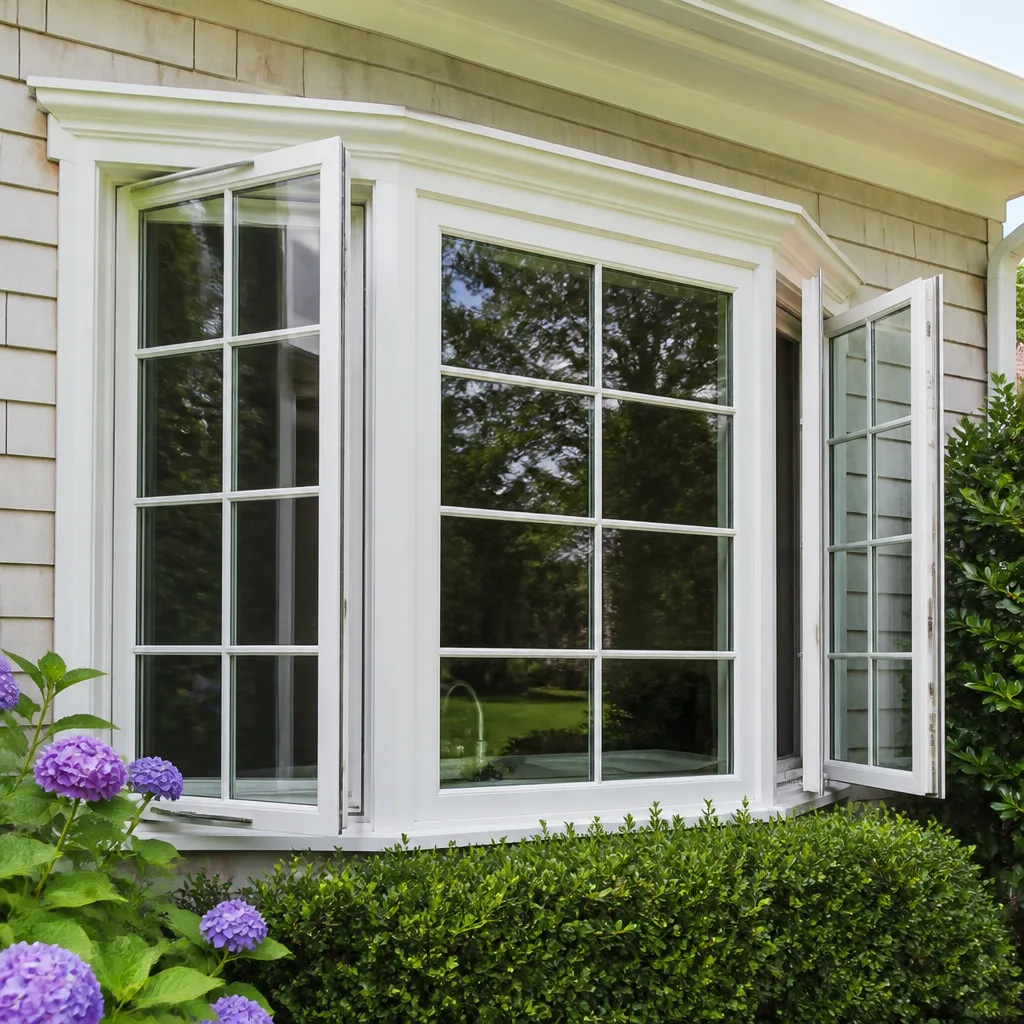
ViewLux vinyl lines are popular with Los Angeles homeowners who want low maintenance and narrow sightlines for mid-century and ranch-style homes, which are common in neighborhoods from Atwater Village to Lakewood. Their aluminum-clad lines go onto higher-end residential projects where the structural strength of aluminum complements larger glass openings. For Window Installation in Los Angeles, specification means matching the right product line to the right opening, exposure, and zone, rather than picking a brand and hoping it works.
What Warranty Language to Compare Line by Line
Brand warranty comparisons break down when they lump everything into “lifetime warranty” language. The reality is that each window or door has multiple warrantable components with different coverage periods, and the language matters more than the headline number.
Here’s what to compare line by line:
- Frame warranty: Usually the longest coverage, often described as “lifetime” for vinyl or fiberglass frames. Read the transferability clause: some brands reduce the warranty period if the house is sold, some cancel it entirely.
- Glass unit warranty: Commonly 20 years on insulated glass units. This covers seal failure, which shows up as fogging or moisture between the panes. In Los Angeles, the extreme temperature swings on inland elevations stress window seals faster than moderate coastal conditions do.
- Hardware warranty: Often only 1 to 2 years. Locks, latches, balance systems, and hinges fail before frames or glass typically do. In corrosive coastal air, hardware warranty length should be a real buying factor.
- Finish warranty: Usually around 10 years on painted aluminum and some fiberglass door finishes. Coastal salt exposure can void paint and finish warranties, so read the exclusions before you buy if you live within sight of the Pacific.
- Labor coverage: The brand may cover the part, but most warranties exclude labor. That means the removal, reinstallation, and finishing work to replace a failed unit comes out of your pocket unless the installer’s own workmanship warranty applies.
At Juniper Windows & Doors, every completed installation is covered by our 365-Day Done Right Promise. If the work isn’t right within a full year after completion, we make it right, in writing, parts and labor included. That covers what the brand warranty often doesn’t.
Dealer vs. Big-Box Sourcing: The Same Brand, Different Product
One of the least understood differences in the window and door market is between what a brand sells through certified dealers and what the same brand sells through a national home improvement retailer. They are not the same product, even when the name on the label is identical.
Retail versions of familiar brands are often built to a lower specification to hit a shelf price. That means thinner frames, fewer glass options, fewer customization choices, and hardware that’s been value-engineered. The brand’s full catalog, including the genuinely high-performance lines, is typically only available through authorized dealers who can specify custom sizes, glass packages, and finishes.
Then there’s installation. A window is only as good as its installation. Big-box installation programs are usually subcontracted to third parties; there’s no long-term accountability if the job fails. A certified dealer such as Juniper Windows & Doors installs what we sell, carries the full liability for the work, and provides warranty registration so the brand’s coverage is actually active and valid in your name.
Product specification access matters too. The PGT impact line with Title 24-correct glass is a dealer product. The Therma-Tru Classic-Craft door with a custom glass package and proper solar-rated SHGC is a dealer product. When you buy through a dealer, you’re choosing coordination between the product spec and Los Angeles code requirements. When you buy through a shelf, you’re choosing a price point and accepting whatever specification was convenient to stock.
For Door Replacement in Los Angeles, there’s a real difference between a door that fits the rough opening and a door that fits the rough opening and the elevation and the energy code.
The 7-Step Evaluation Process We Use in Los Angeles
When we evaluate a window or door brand for a Los Angeles project, we go through the same process every time. You can follow these steps yourself before you buy.
- Determine your climate zone. Look up your address on California’s climate zone map. Coastal Los Angeles is Zone 6; inland areas fall into Zones 8, 9, or 10. Your energy code requirements differ accordingly.
- Identify your exposure. Note which elevations face south and west, because those take the most sun. Note if you’re within two miles of the coast, because salt exposure changes acceptable frame materials and hardware.
- Confirm the brand’s Title 24 compliance for your zone. Ask for the NFRC label U-factor and SHGC values, not a sales summary. Compare them to the Title 24 prescriptive requirements for your climate zone.
- Read the frame, glass, and hardware warranty terms. Don’t accept a “lifetime warranty” claim at face value. Ask what it covers, for how long, and what it specifically excludes for coastal or UV-heavy installations.
- Check finish warranty language for coastal exclusions. If you live near the coast, many painted or stained finishes carry reduced or voided warranty terms. Know this before you pay.
- Compare the exact same product at a dealer and at a big-box store. You’ll find that the product model numbers differ. Then ask each seller who installs the product and who is responsible if it fails in six months.
- Get a written price before any work starts. Not an estimate that “might change.” A written, line-item price that includes the product, the installation, the trim, the haul-away, and the finish. If a seller won’t put it in writing, walk away.
Common Mistakes to Avoid
- Buying a “top-rated” brand without checking the glass package for your climate zone. The frame is only half the product. An architecturally beautiful window with the wrong SHGC will cook your west-facing living room and can fail Title 24 inspection in Los Angeles.
- Comparing products from different sources as if they’re the same. A PGT window from a dealer and a PGT-branded window from a big-box shelf are different products, different specs, and different support. Compare model numbers, not just names.
- Ignoring hardware warranty length. Hardware is the shortest-lived component on any window or door, and it’s typically covered for only one to two years. That’s the part you’ll need to ask about.
- Overlooking seismic performance for coastal or hillside Los Angeles installations. A frame that’s fine in a mild climate may not hold square through repeated small quakes. Ask about frame joinery and corner reinforcement, not just the glass.
- Buying the cheapest bid because the brand name is the same. Installation quality varies enormously. The brand warranty covers product defects, not installation failures. The installer’s workmanship guarantee is what protects you from install problems.
- Not getting a written, line-item price before installation. If the quote can change at the door, it isn’t a quote. In Los Angeles, a contractor who won’t lock a price in writing is pricing uncertainty into the job.
When to Call a Professional
When the project involves structural openings, load-bearing headers, or seismic hardware, this isn’t a DIY shopping exercise. Incorrect installation of impact-rated windows or a replacement exterior door can void the manufacturer’s warranty, fail a Title 24 inspection, or create a water-intrusion path that turns a $2,000 project into a $20,000 repair. If your windows are original to a pre-1980 Los Angeles home, there may be code upgrades required when the openings are reframed. If you’re replacing a front door and changing the swing or the rough opening size, the header work requires a permit. Juniper Windows & Doors offers free estimates in Los Angeles, call (682) 281-2168 and we’ll help you evaluate your specific openings and elevations.
Frequently Asked Questions
The best window brand for Los Angeles depends on your climate zone and elevation exposure, but PGT’s impact-rated frames and ViewLux’s California-spec vinyl and aluminum-clad lines are strong starting points for most LA homes because both offer the structural rigidity and Title 24-compatible glass packages the local environment demands. A brand that performs well in national rankings but doesn’t offer low-SHGC glass options for your inland climate zone is the wrong brand for your specific Los Angeles home.
Budget roughly $900 to $1,800 per window installed for mid-grade vinyl or aluminum-clad units including installation in most Los Angeles neighborhoods, with impact-rated or custom fineline options ranging from $1,500 to $3,000 or more per opening. Coastal and hillside sites often add installation complexity, which is why a written, line-item price matters. Call (682) 281-2168 for an exact quote on your specific openings, estimates are free.
Impact-rated windows aren’t required by code for most Los Angeles homes, but they’re worth considering for hillside wildfire-prone areas due to their laminated glass, and for coastal or seismic regions where the reinforced frame construction adds real durability. If your home faces west or south with direct sun exposure, the same laminated glass package also cuts UV damage to floors and furniture.
A certified dealer typically offers the brand’s full product catalog with correct specification options for your climate zone, handles warranty registration in your name, and carries direct accountability for the installation, while a big-box store sells retail-specific versions of the same brand at a lower price point with reduced specification and often subcontracted installation. The brand name on the box isn’t the same product, and the warranty support isn’t the same experience.
Look at the NFRC label’s U-factor and Solar Heat Gain Coefficient values and compare them to the Title 24 prescriptive requirements for your specific California climate zone, which for Los Angeles typically splits between Zone 6 on the coast and Zones 8 through 10 inland. If a brand can’t provide NFRC-rated glass values that meet your zone’s requirements, it will not pass energy inspection without costly performance-based compliance work.
The warranty that matters most is the one in writing that specifies coverage by component: usually a lifetime frame warranty, a 20-year glass seal warranty, a roughly 10-year finish warranty, and only a 1-to-2-year hardware warranty, all with coastal exclusions that may apply near the Pacific. The installer’s workmanship guarantee matters just as much, because brand warranties typically exclude labor costs to remove and replace a failed unit.
The Bottom Line
Choosing the right windows and doors brand for Los Angeles means starting with local conditions, not national rankings. The frame must survive coastal salt or inland UV, the glass package must comply with Title 24 for your climate zone, and the hardware must be built for a house that moves. Brands like PGT, Therma-Tru, and ViewLux all make excellent products, but the right one for your home is determined by the specification, not the name on the label. Explore more guides & resources to keep your project on track. Buy through a dealer who specifies correctly, installs professionally, and puts the price in writing before work begins. That’s the choice that protects the investment for the life of the product.
Ready to get a specific brand and product recommendation for your Los Angeles home? Call Juniper Windows & Doors at (682) 281-2168 to schedule a free estimate. We’ll evaluate your openings, elevations, and climate zone, then provide a written line-item price before anything starts.
Written by Sean Mackey, Owner at Juniper Windows & Doors, serving Los Angeles since 2001.