
Last updated October 9, 2026
Free in-home measure and quote - PGT, CGI and CWS impact lines compared on your actual openings, style by style
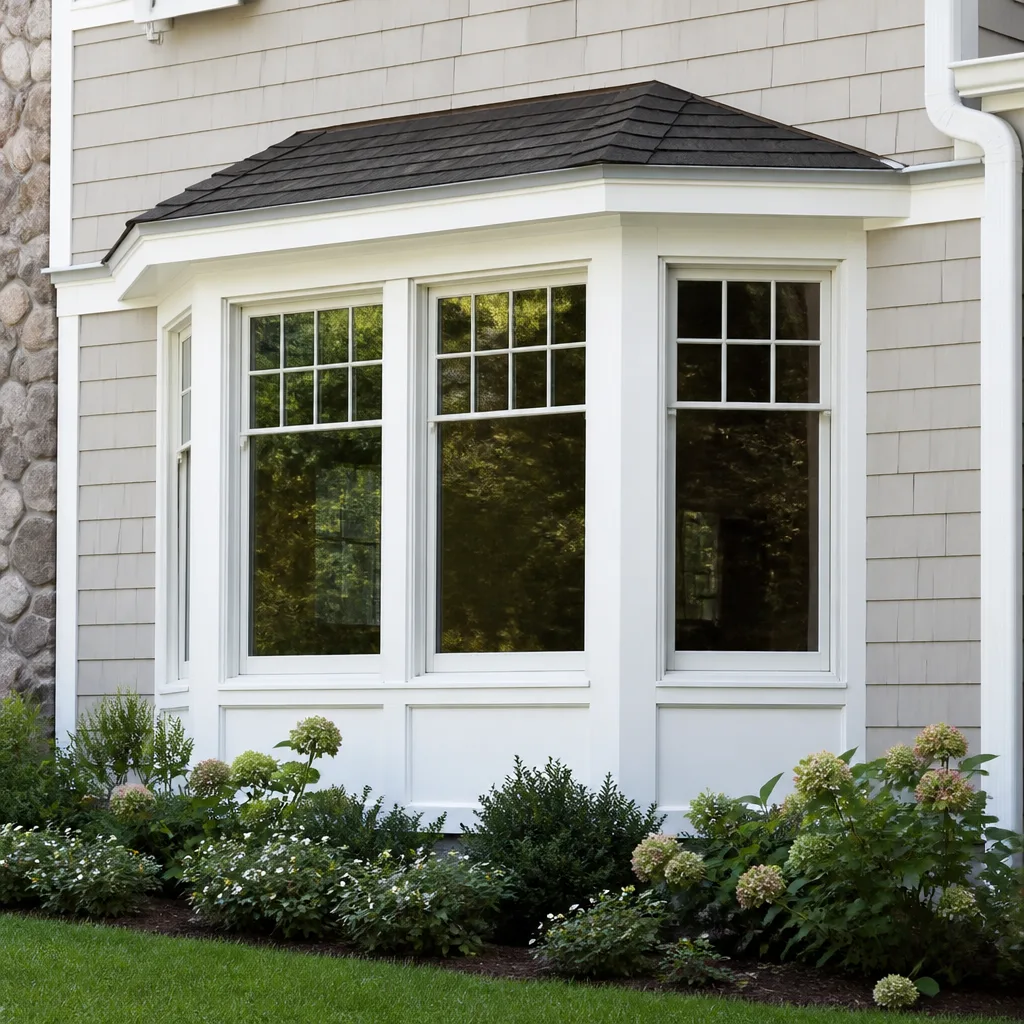
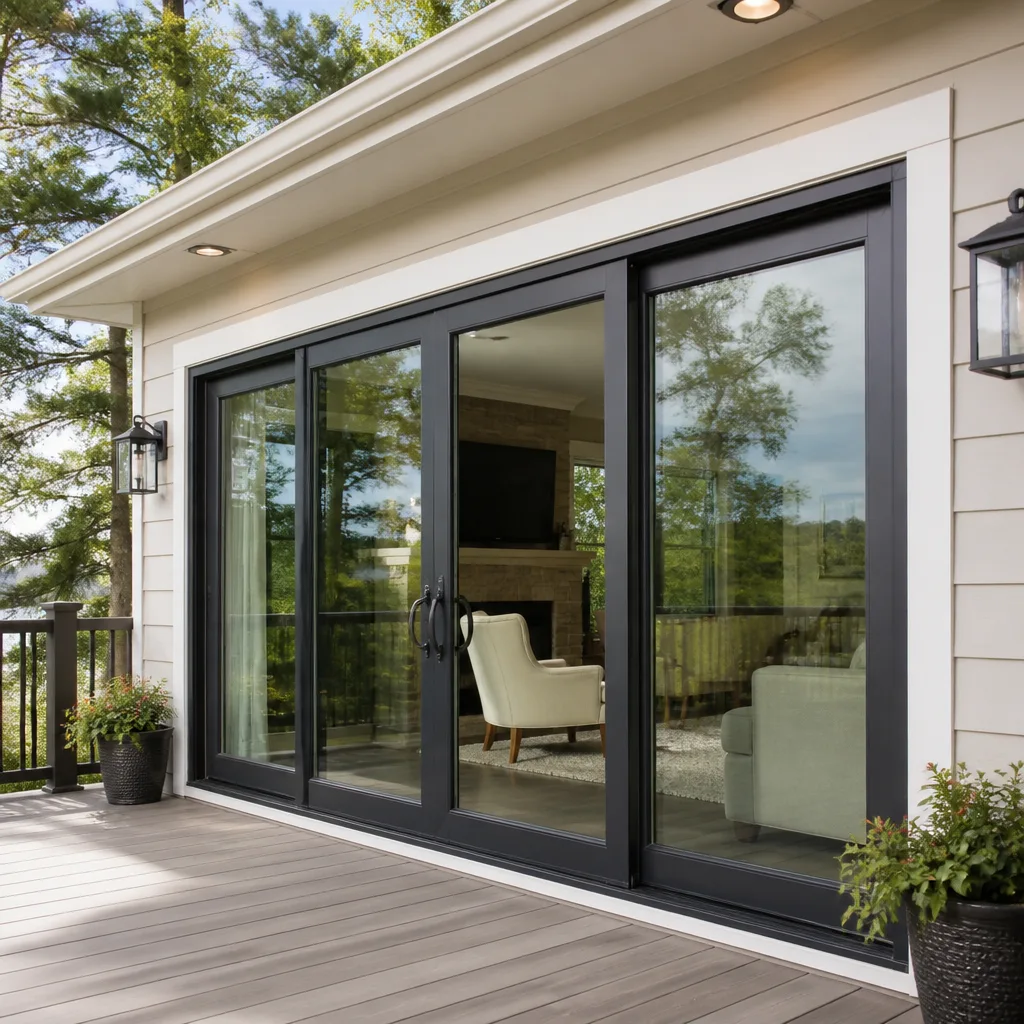
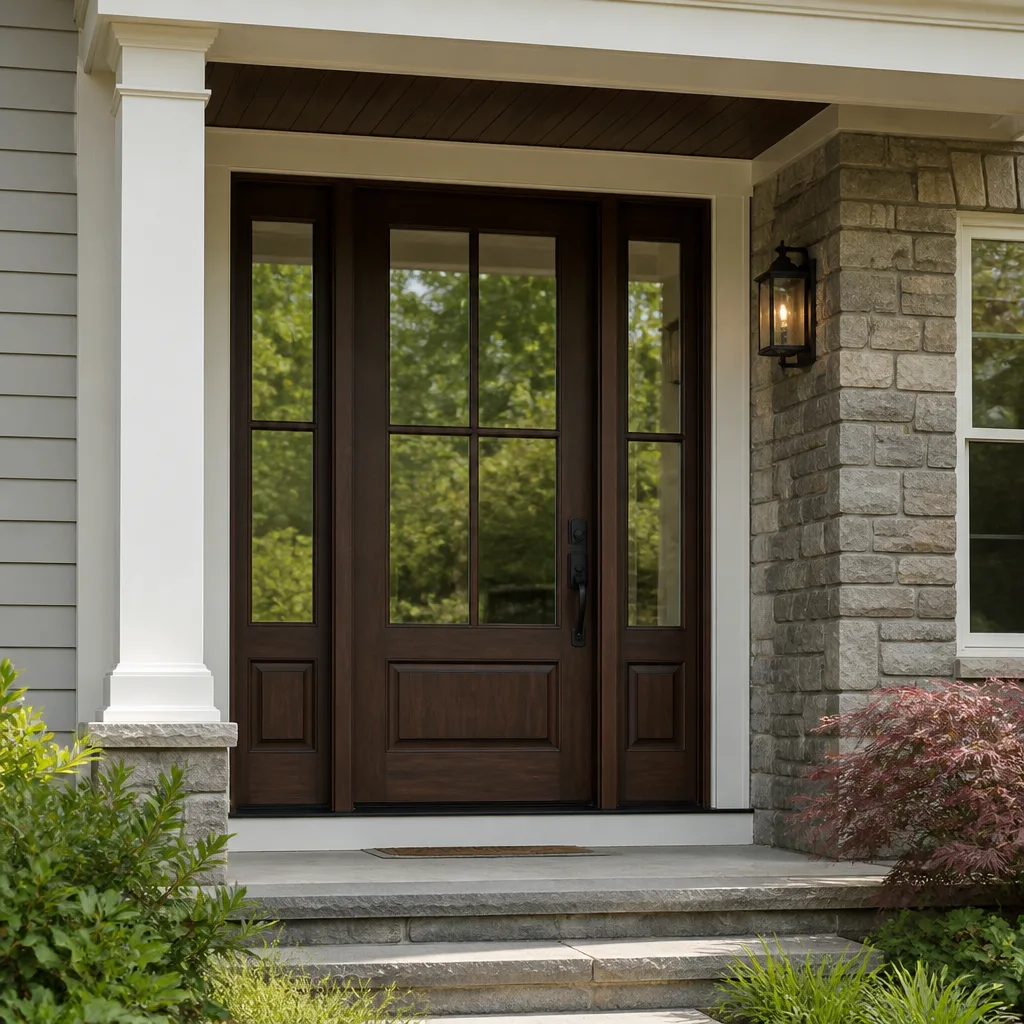
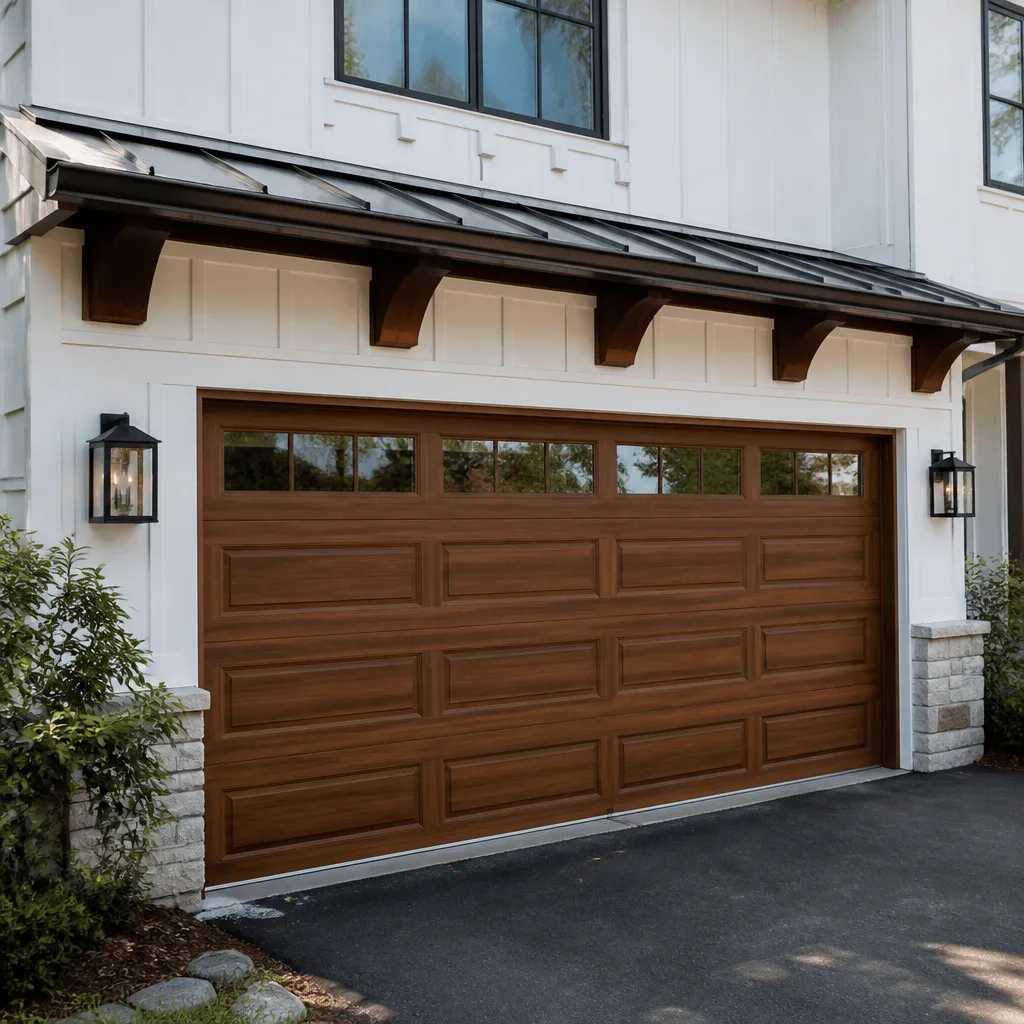
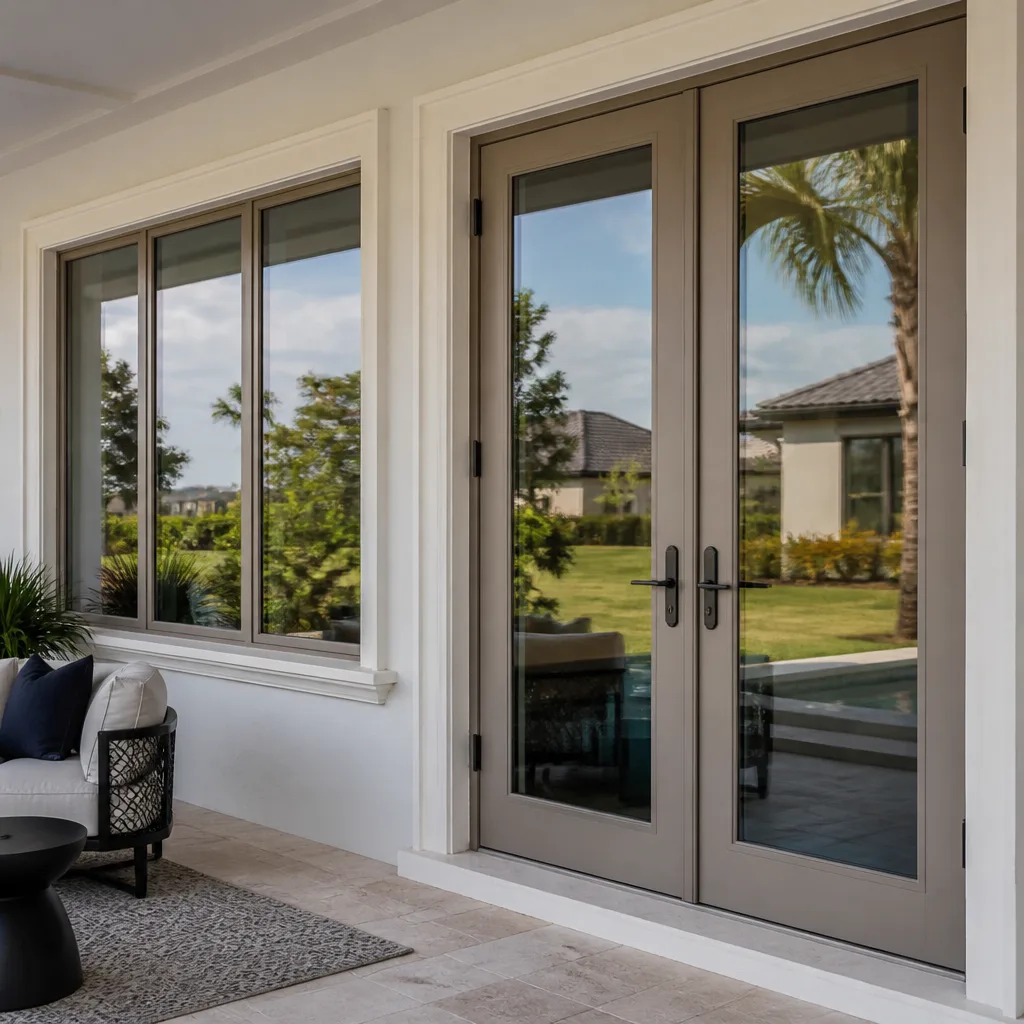
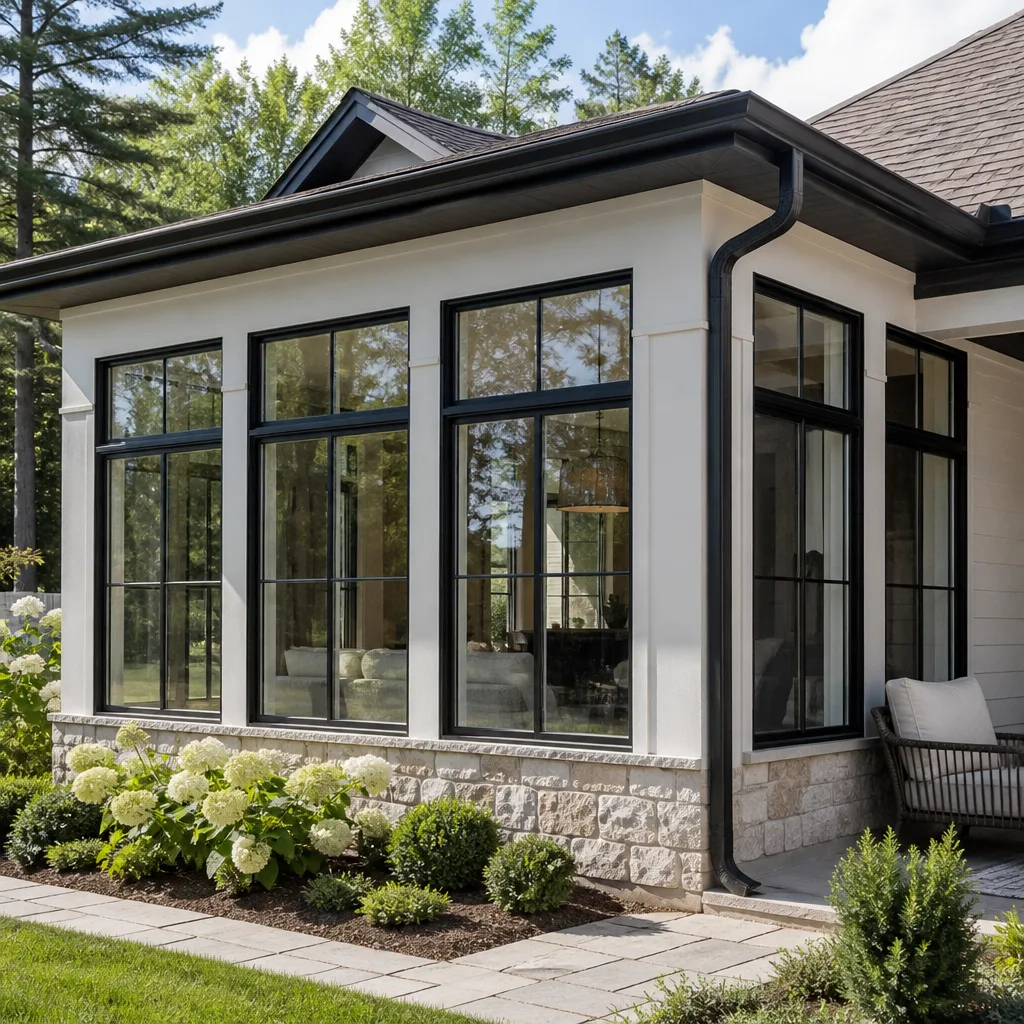
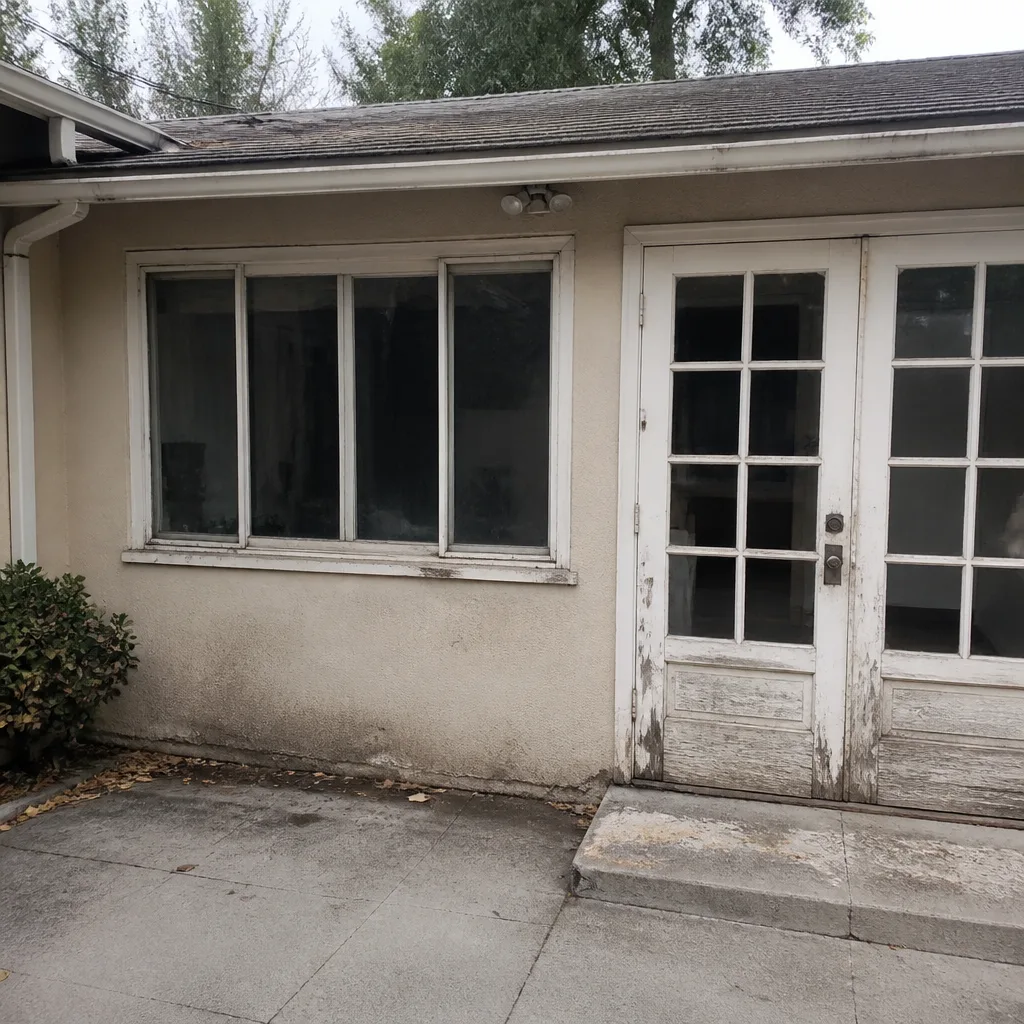 Before
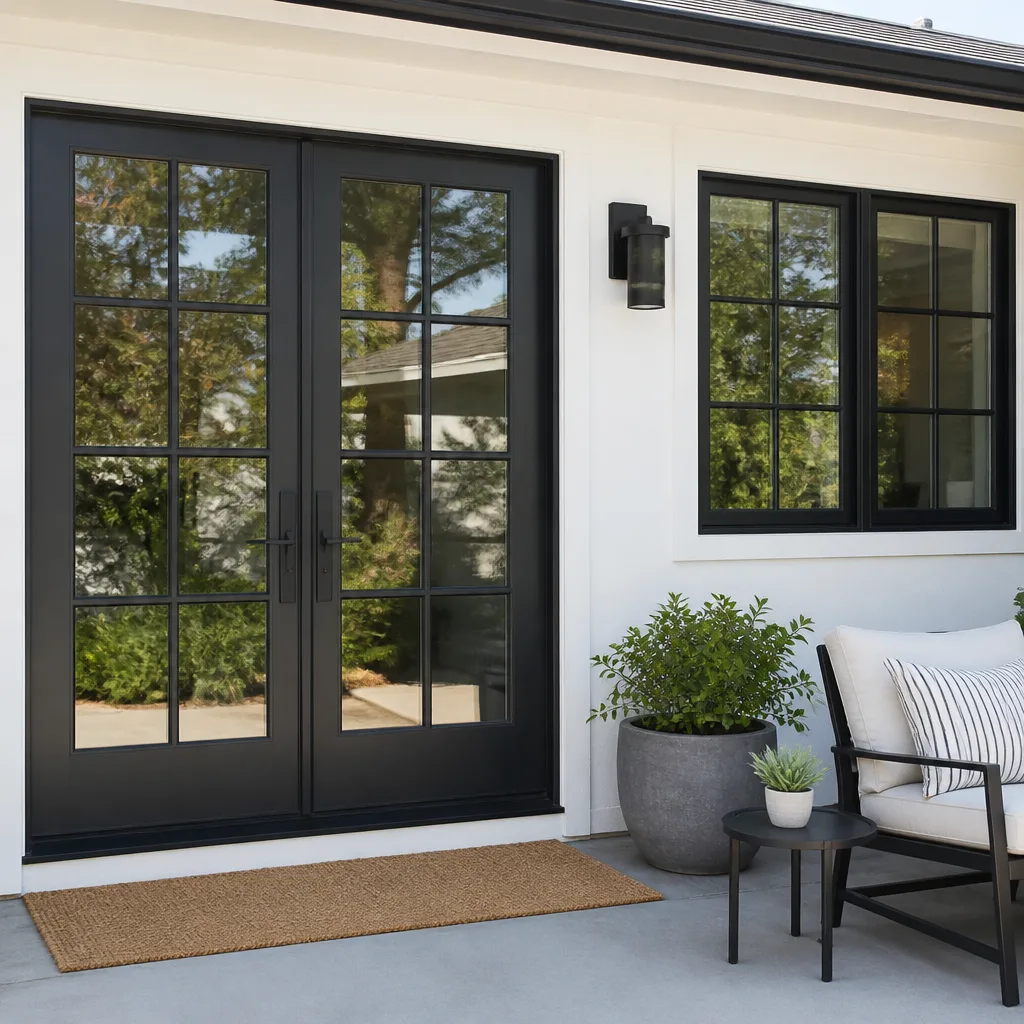 After
After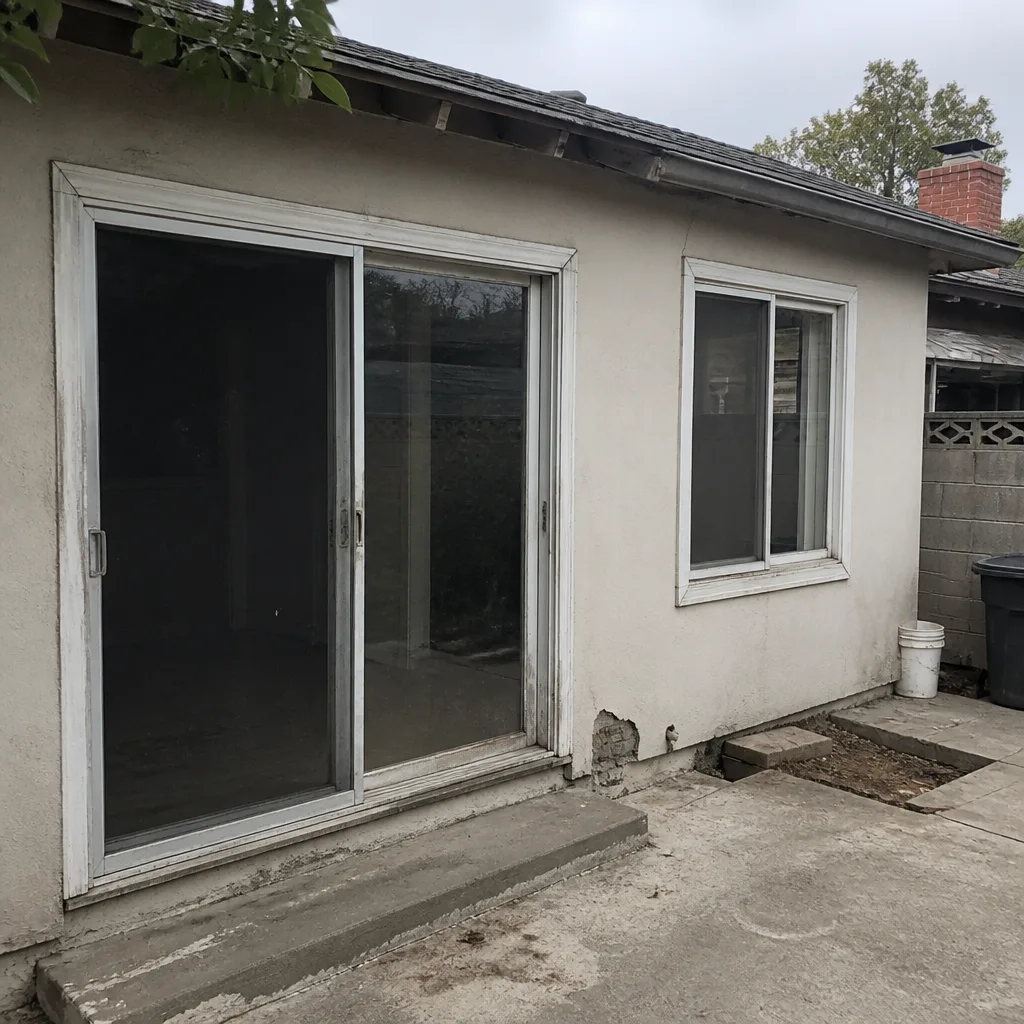 Before
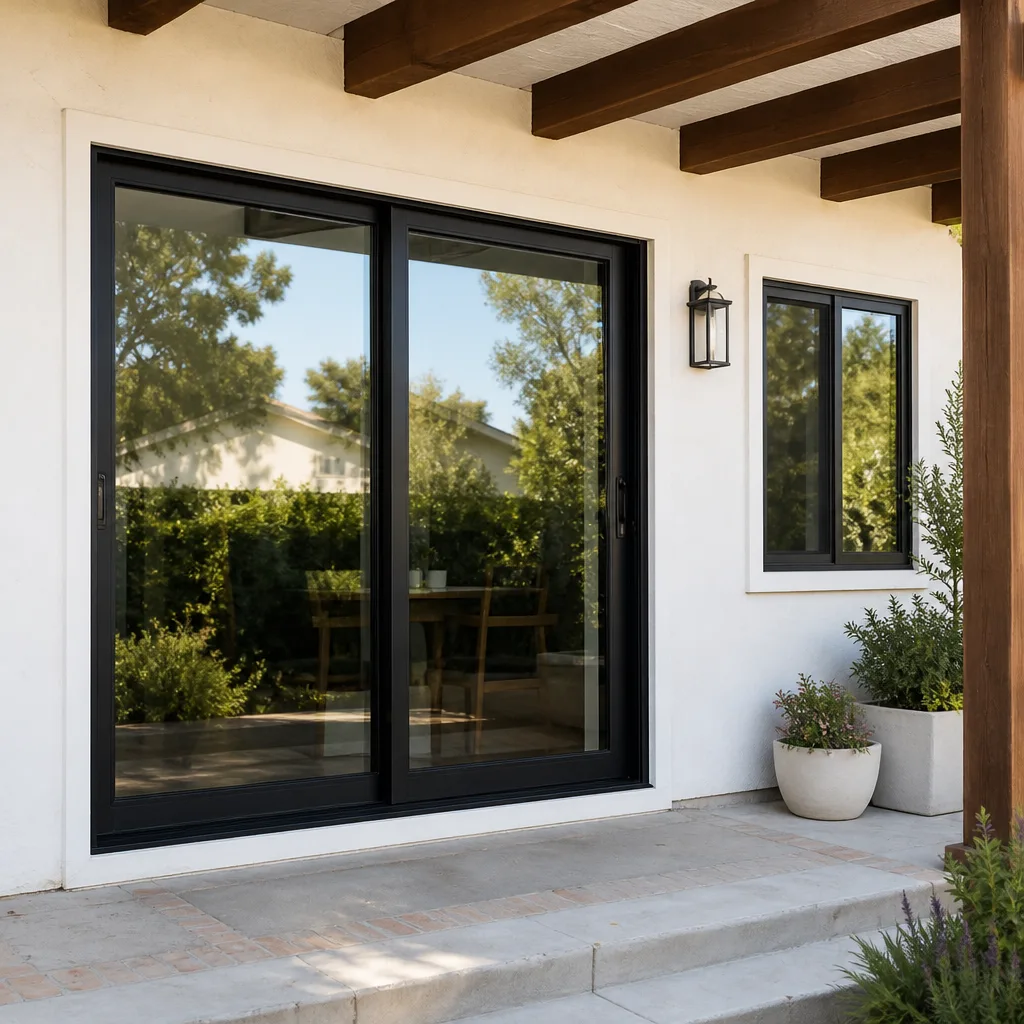 After
After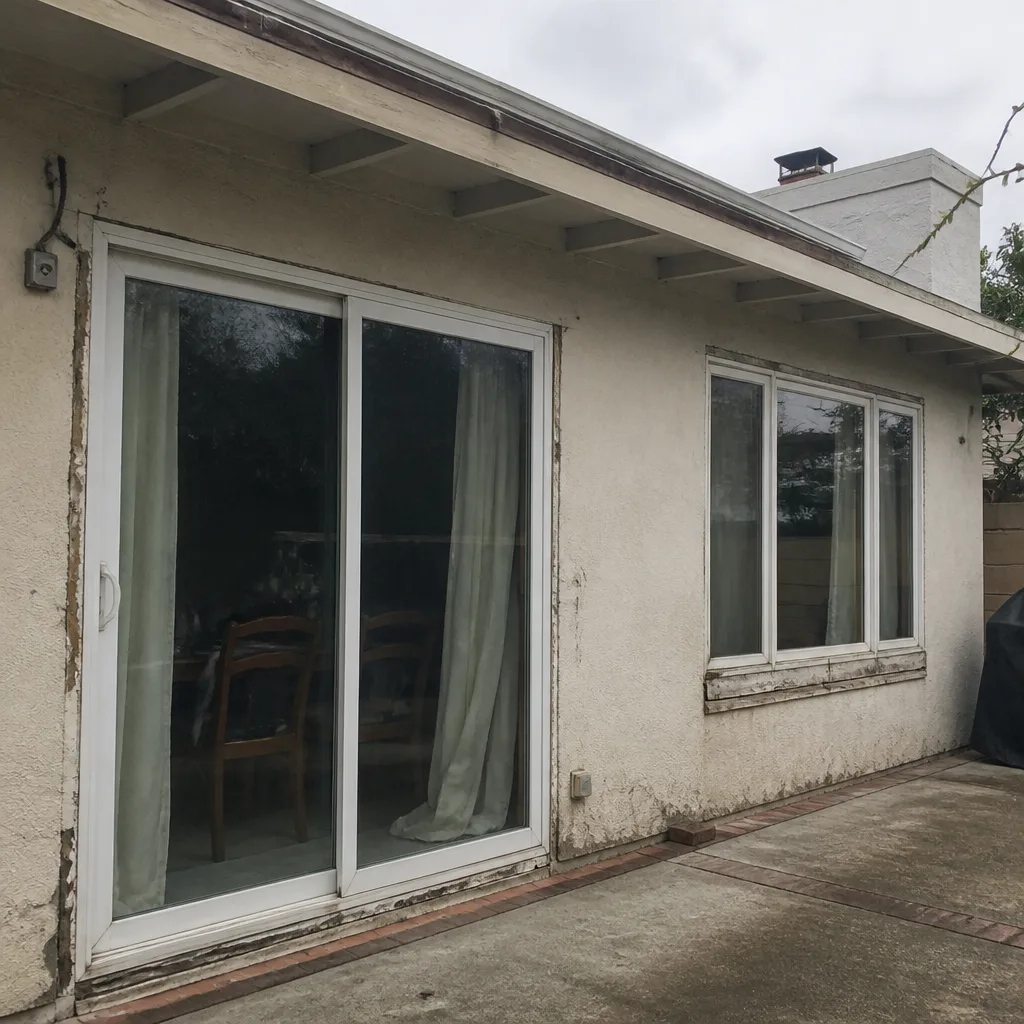 Before
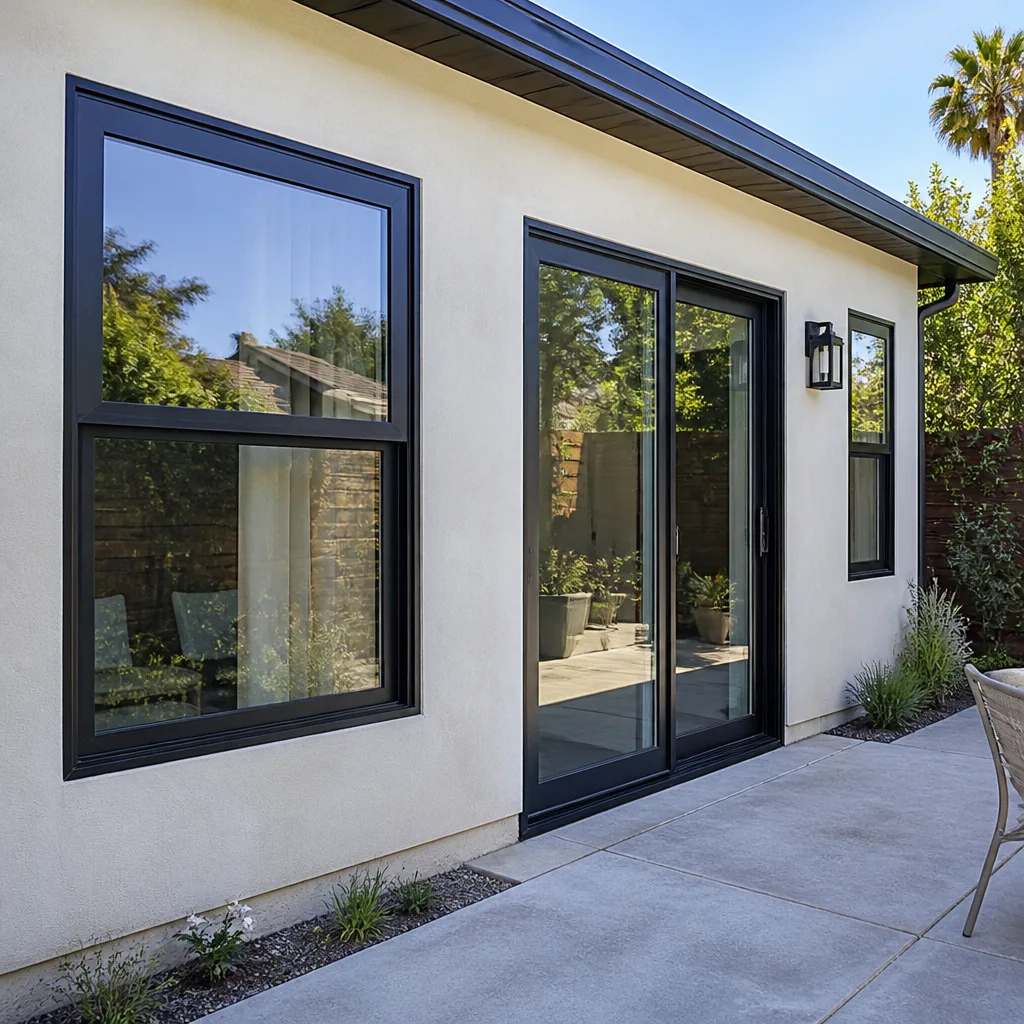 After
AfterThe Complete Guide to Windows & Doors in Los Angeles
A Reseda home and a San Pedro home are 28 miles apart but can sit in temperature swings that differ by 30°F on the same August afternoon, yet most window guides treat all of Los Angeles as one job. That assumption costs homeowners real money in energy bills, comfort, and premature product failure. This guide breaks Los Angeles into its actual climate zones, explains how Title 24 compliance differs by project type, and shows you exactly which window and door specs make sense for your ZIP code, not just your city. We’re writing this from our Los Angeles shop floor, where we’ve spent more than two decades watching which products survive here and which ones don’t.
Quick Answer
The right windows and doors for a Los Angeles home depend on three factors: which of the county’s six microclimates you live in, whether your project is a new window installation or replacement, and how Title 24 energy codes apply to your specific ZIP code. Coastal homes from Santa Monica to Long Beach need corrosion-resistant frames and moderate solar gain, while inland areas like Woodland Hills and Sylmar demand low-solar-gain glazing to handle 100°F-plus summers. Expect to spend roughly $600 to $1,400 per window installed and $1,500 to $4,500 per door, with permits adding $200 to $800 depending on jurisdiction.
Table of Contents
- Los Angeles Is Six Microclimates, Not One
- How Title 24 Works for Replacement vs. New Construction
- Vinyl, Fiberglass, or Aluminum Clad: What Survives LA
- Impact-Rated in Los Angeles Means Seismic, Not Hurricane
- Permit Pull Rates and Inspection Timelines by Jurisdiction
- Real Pricing Ranges for Los Angeles Windows and Doors
- How to Select the Right Product for Your Home
Los Angeles Is Six Microclimates, Not One
Los Angeles County stretches from sea level at the Port of Long Beach to 10,000 feet in the San Gabriel Mountains, and the window spec that performs beautifully in a Manhattan Beach bungalow will underperform in a Granada Hills ranch house. We’ve mapped the county into six practical climate zones that should drive your product decisions.
The Coastal Strip (Santa Monica, Venice, Marina del Rey, Long Beach, San Pedro) deals with salt air, morning marine layer, and afternoon sun. Aluminum frames corrode here faster than anywhere else in the county. We recommend fiberglass or high-quality vinyl with stainless steel hardware. Glass packages should allow moderate solar gain, because coastal homes rarely need aggressive heat rejection and benefit from passive warmth on cool mornings.
The Westside and Basin (Culver City, West LA, Mid-City, Inglewood, Downey) sits 5 to 15 miles inland, where temperatures run 10°F to 15°F warmer than the beach. This zone benefits from low-E glass with a solar heat gain coefficient (SHGC) around 0.30 to 0.35, which cuts cooling costs without making the home feel dark.
The San Fernando Valley (Woodland Hills, Reseda, Van Nuys, Sylmar, Burbank) is the county’s heat engine. Summer afternoons routinely hit 105°F, and Woodland Hills once recorded the highest temperature ever in Los Angeles County. Homes here need the lowest SHGC you can get: 0.25 or below. Low-solar-gain glazing isn’t an upgrade in the Valley, it’s the baseline for survival. East and west-facing windows are the priority, since they catch the most brutal afternoon sun.
The San Gabriel Valley (Pasadena, Alhambra, Arcadia, West Covina) runs hot and dry, with summer temperatures regularly exceeding 95°F but cooler nights than the Valley. Similar low-SHGC glazing applies, though homes here can tolerate slightly higher solar gain on north-facing windows without penalty.
The Hillside and Canyon Zones (Topanga, Malibu Canyon, Mount Washington, Hollywood Hills) face wildfire risk and dramatic temperature swings between day and night. These homes need ember-resistant door seals, tempered glass in fire-prone exposures, and products that hold up under UV exposure that’s more intense than at sea level. Fiberglass frames outperform here because they don’t expand and contract the way vinyl does under extreme temperature cycling.
The High Desert Fringe (Palmdale, Lancaster, Santa Clarita) sits at the county’s northern edge, where winter nights dip below freezing and summer days hit 100°F. Dual-pane with argon gas fill is non-negotiable, and homeowners should pay attention to U-factor (thermal resistance) as much as SHGC, since winter heat loss matters here in a way it never does in Santa Monica.
Juniper Windows & Doors home carries eight product lines specifically because no single brand serves all six of these zones equally well.
How Title 24 Works for Replacement vs. New Construction
California’s Title 24 energy code applies to every window and door project in Los Angeles County, but it applies differently depending on what you’re doing. Understanding this difference before you start shopping can save you thousands in compliance upgrades you might not need.
Replacement windows (like-for-like swaps) fall under a simpler standard. When you’re replacing an existing window without changing the rough opening size, Title 24 requires the new unit to meet current prescriptive requirements, which include a maximum U-factor of 0.30 and a maximum SHGC of 0.23 in most of LA County. Most quality dual-pane windows with low-E glass meet this standard out of the box. The compliance path is straightforward, and permits typically process faster because no structural changes are involved.
New construction or opening-size changes trigger a more demanding review. If you’re enlarging a window, adding a new opening, or building an addition, the entire project gets modeled as a system. This means Title 24 compliance is calculated using approved software, and the calculation includes not just the window package but the surrounding wall assembly, roof insulation, and HVAC sizing. A window that passed prescriptive compliance for a replacement might fail under the performance method when the home’s total energy model tips out of balance.
Here’s the step-by-step for Los Angeles homeowners:
- Determine your project type. Replacement (same opening, same size) or alteration (new opening, larger opening, new construction).
- Check your jurisdiction. City of Los Angeles residents file through LADBS. Unincorporated county areas, plus cities like Santa Monica, Pasadena, and Long Beach, use their own building departments with their own fee schedules.
- Get a Title 24 compliance form. For alterations, a certified Title 24 consultant or your contractor’s energy analyst runs the model. For simple replacements, the window spec sheet often suffices.
- Pull the permit before ordering products. Custom windows take 4 to 8 weeks to fabricate. Pulling the permit first means you’re not sitting on product you can’t legally install.
- Schedule the final inspection. Inspectors check for proper flashing, tempered glass where required, and egress compliance in bedrooms.
For a deeper dive on the replacement path specifically, see our Window Replacement in Los Angeles guide.
Vinyl, Fiberglass, or Aluminum Clad: What Survives LA
Three frame materials dominate the Los Angeles window market, and each has a distinct performance profile against the county’s three environmental stressors: coastal salt air, inland heat, and wildfire ash.
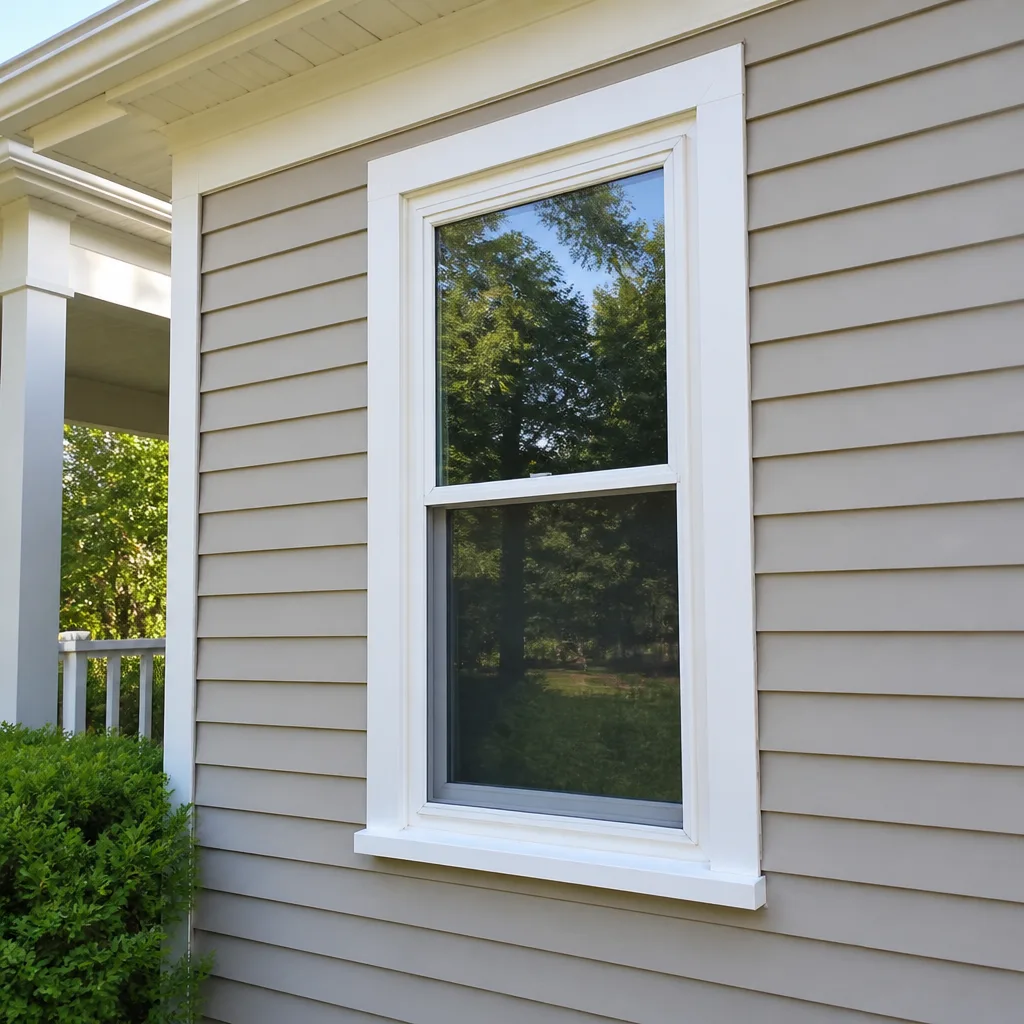
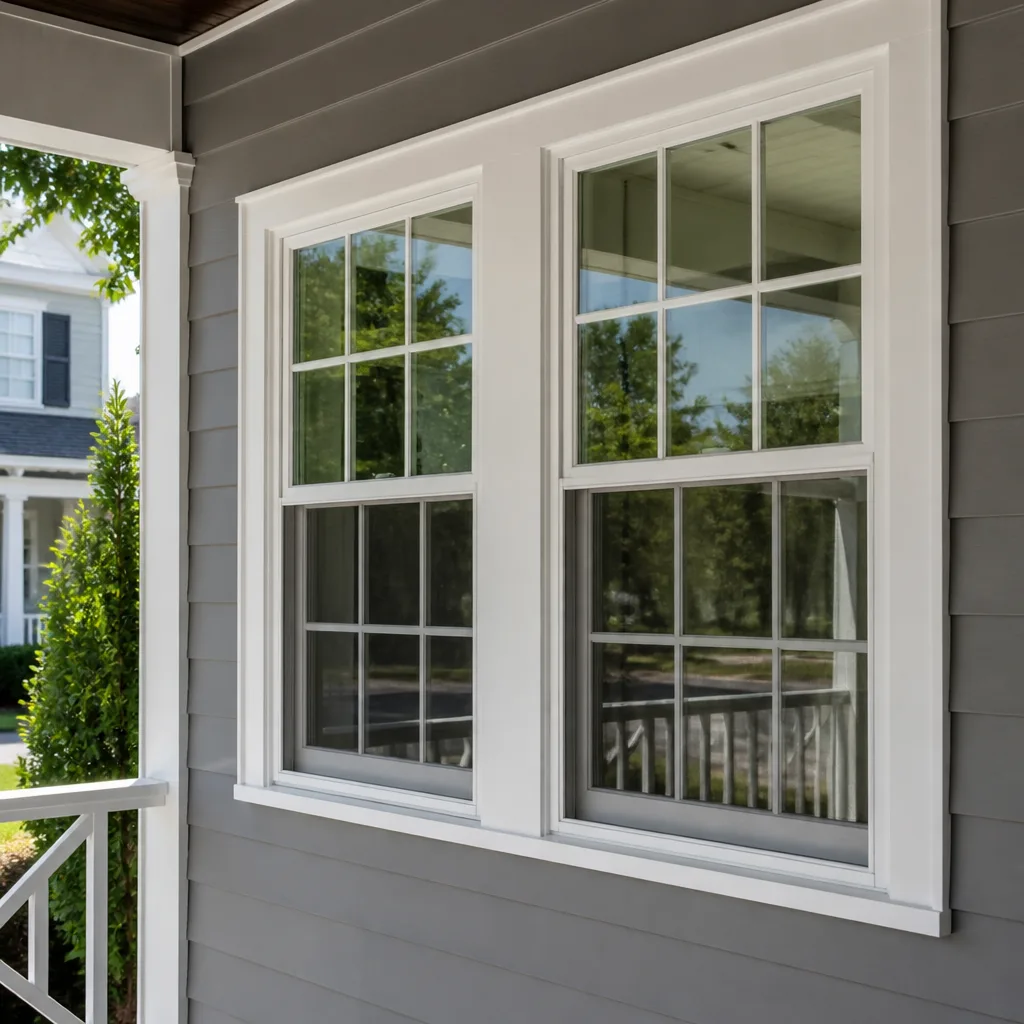
Vinyl is the workhorse of LA replacement windows. Modern vinyl frames from manufacturers like ViewLux and CWS use multi-chambered extrusions that deliver solid thermal performance at a mid-range price. Vinyl is naturally immune to salt corrosion, which makes it a sensible choice for coastal zones where aluminum fails. The limitation is heat tolerance: vinyl expands and contracts more than other materials, and in Valley heat, a dark-colored vinyl frame can warp over time. Light colors are the rule in high-heat zones. Expect $600 to $1,000 per window installed.
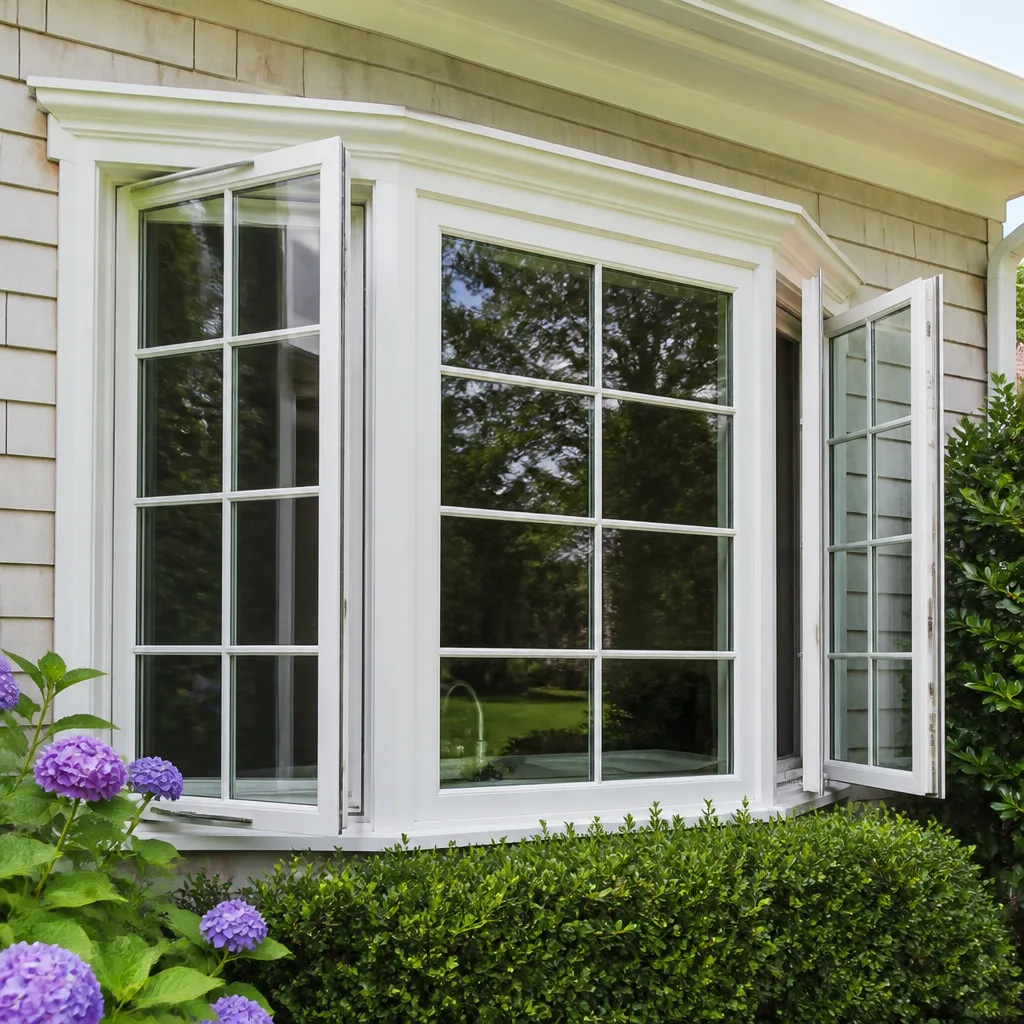
Fiberglass is the premium choice for extreme environments. Frames from brands like PGT move at nearly the same rate as glass itself, which means seals stay tight through decades of temperature cycling. Fiberglass shrugs off salt air, handles wildfire-adjacent heat without softening, and comes in dark colors that would be risky in vinyl. We recommend fiberglass for hillside and canyon homes, for any dark-framed project, and for homeowners who plan to stay put long enough to justify the cost. Expect $1,000 to $1,500 per window installed.
Aluminum clad (wood interior, aluminum exterior) splits the difference. The wood inside gives you the warmth homeowners want in period homes from Pasadena’s bungalow districts to mid-century Rancho Mirage-style designs, while the aluminum exterior protects against weather. The caveat: bare aluminum against direct salt air will eventually pit, even with factory coatings. In Santa Monica or Long Beach, aluminum clad needs annual rinsing to keep the marine layer from eating the finish. For interior-land homes, it’s a non-issue. Expect $900 to $1,400 per window installed.
Doors follow the same logic. Fiberglass entry doors from Therma-Tru hold up against Valley sun without the warping you’ll eventually see in wood slabs, and they accept a wide range of finishes without the corrosion concerns of steel in coastal zones. Our Door Replacement in Los Angeles guide covers door-specific pricing and options in more detail.
Impact-Rated in Los Angeles Means Seismic, Not Hurricane
Florida homeowners buy impact-rated windows because a Category 4 hurricane can throw a 2×4 through a window at 100 mph. Los Angeles homeowners are buying impact-rated glass for a completely different reason, and understanding that difference prevents you from overpaying or under-specifying.
In LA, impact-rated (sometimes called laminated or safety glazing) refers to glass that resists shattering under seismic racking loads. When the ground moves in an earthquake, window and door frames twist and rack. Standard annealed glass cracks into large shards, creating a fall hazard and leaving the building envelope breached. Laminated impact glass holds together even when it cracks, maintaining a barrier and keeping occupants safe from falling glass.
The building code recognizes this distinction. Title 24 and the California Building Code require safety glazing in specific locations: any window within 24 inches of a door, windows in stairways, windows within 60 inches of a tub or shower, and any glass panel large enough that a person could walk into it. In seismic retrofit projects, laminated glass is increasingly specified for all exterior openings because post-earthquake building integrity depends on the envelope staying in place.
What this means for your project:
- If you’re replacing windows in a pre-1980 home, budget for laminated glass in at least the code-required locations, which are more numerous than most homeowners expect.
- If you’re doing a seismic retrofit or a hillside home with known movement, laminated glass on all exterior windows is worth the 15% to 25% cost premium.
- If you’re on the coast and someone quoted you “hurricane-rated” windows, ask whether they mean Miami-Dade certification. In LA, that certification adds cost but doesn’t add value unless you want the absolute strongest glass available for other reasons.
Brands like CGI and CWS manufacture laminated impact products specifically tuned for West Coast seismic requirements, and we stock them for projects where standard glazing would leave the home vulnerable.
Permit Pull Rates and Inspection Timelines by Jurisdiction
Los Angeles is a patchwork of permitting jurisdictions, and the timeline for a window or door permit varies dramatically depending on which one governs your address. Here’s what we see in practice, based on recent permit pulls across the county:
| Jurisdiction | Typical Permit Fee (Windows & Doors) | Review Time | Inspection Scheduling |
|---|---|---|---|
| City of Los Angeles (LADBS) | $250 – $800 | 1 – 2 weeks for simple replacements; 3 – 6 weeks for alterations | Online via LADBS portal; typically 3 – 5 business days out |
| Santa Monica | $300 – $700 | 2 – 4 weeks; stricter coastal overlay review | 2 – 3 business days out |
| Pasadena | $200 – $600 | 1 – 3 weeks; historical district adds 2 – 4 weeks | Same-week availability common |
| Long Beach | $250 – $650 | 1 – 2 weeks | Online; 2 – 5 business days out |
| Unincorporated LA County | $200 – $600 | 2 – 6 weeks; fire zone review adds time | Varies by district office |
| Glendale / Burbank | $250 – $700 | 1 – 3 weeks | Same-week availability common |
One thing that surprises Los Angeles homeowners: replacement windows that don’t change the opening size still require a permit in every jurisdiction above. Skipping the permit saves a few hundred dollars up front but creates a disclosure problem when you sell, and it gives your insurance company an easy out if a window-related claim ever lands. We pull permits on every project and pass inspection before we call the job complete.
Real Pricing Ranges for Los Angeles Windows and Doors
Los Angeles window and door pricing runs higher than the national average because labor is more expensive here, disposal fees are higher, and many homes need custom sizing rather than off-the-shelf stock units. Here’s what we’re quoting for typical projects throughout Los Angeles County in 2025:
- Vinyl replacement window (standard size, white): $600 – $900 per window installed
- Fiberglass replacement window (standard size): $1,000 – $1,500 per window installed
- Aluminum clad window (wood interior): $900 – $1,400 per window installed
- Impact-rated laminated glass upgrade: Add $150 – $400 per window
- Fiberglass entry door (Therma-Tru or equivalent): $1,800 – $3,500 installed
- Sliding patio door (vinyl, 6-foot): $1,500 – $2,800 installed
- Sliding patio door (fiberglass, 8-foot): $2,500 – $4,500 installed
- French door pair (fiberglass): $3,000 – $5,500 installed
These are installed prices including labor, basic trim, and haul-away of the old units, but excluding permit fees, stucco repair, or custom finish upgrades. Every Juniper quote is a written price before any work starts, and that number doesn’t move once we begin. No change orders for unexpected conditions, no “we discovered rot and it’s another $2,000” conversations, no surprises.
For a complete breakdown of what goes into these numbers, see our Window Installation in Los Angeles guide, which walks through the full pricing formula.
How to Select the Right Product for Your Home
Selecting the right window or door for a Los Angeles home comes down to a four-step process, and it starts with the ZIP code, not the showroom.
- Identify your climate zone from the first section of this guide. Coastal, basin, Valley, San Gabriel Valley, hillside, or high desert. This determines your target SHGC, your frame material, and whether salt-air corrosion resistance matters.
- Determine your project type. Replacement or alteration. This determines your Title 24 compliance path and your permit timeline.
- Match the frame material to your environmental exposure and aesthetic preferences. Vinyl for budget-conscious energy efficiency in mild zones, fiberglass for extreme temperature swings and dark colors, aluminum clad for period-appropriate looks with maintenance awareness in coastal zones.
- Layer in glass upgrades where they pay back. Low-SHGC glass in the Valley and San Gabriel Valley, laminated glass in seismic-upgrade homes and code-required locations, argon-filled dual pane everywhere in the high desert fringe.
One thing we tell every Los Angeles homeowner: the cheapest quote and the most expensive quote are both probably wrong for your house. The right answer is the product that matches your microclimate, your home’s architectural style, and your long-term plans. A Valley home with coastal-spec windows will cook in August. A coastal home with Valley-spec dark frames will corrode in five years. Matching the product to the place is the whole job.
Common Mistakes to Avoid
- Treating Los Angeles as one climate zone. Buying the same window package for a Mid-Wilshire condo and a Topanga Canyon house means one of those homes is running at reduced efficiency. Match the spec to the ZIP code.
- Skipping the permit on a replacement. Every Los Angeles jurisdiction requires permits for window and door replacement, and unpermitted work becomes a disclosure problem at sale and a coverage problem with your insurer.
- Choosing dark vinyl frames in Valley heat. Dark vinyl absorbs solar energy and can warp when surface temperatures exceed what the material is rated for. If you want dark frames in Woodland Hills, fiberglass is the answer.
- Buying “hurricane-rated” windows in LA without understanding why. Florida impact ratings don’t translate directly to seismic performance. Ask whether the glass is laminated for safety glazing compliance, which is the LA-specific requirement that actually matters.
- Ignoring U-factor in the high desert. Palmdale and Santa Clarita winters are cold enough that a low-U-factor window pays back in heating savings, not just cooling. Single-pane swaps in cold zones are a false economy.
- Accepting a verbal quote. A number that isn’t written down isn’t a number. In Los Angeles, where labor and material prices shift constantly, a written quote is the only thing that protects you from escalation at the door.
- Overlooking egress requirements in bedrooms. Replacing a small bedroom window with the same small size might violate current code if the original was grandfathered. A knowledgeable installer checks egress compliance before ordering product, not after the inspection fails.
When to Call a Professional
Window and door replacement is not a beginner DIY project, and in Los Angeles it’s not even a handyman-level project when permits and Title 24 compliance are involved. Call a professional if your project involves any structural opening change, if you’re replacing windows in a historical district with design review requirements, if your home is in a wildfire zone with ember-resistance mandates, or if you’re replacing more than two or three windows at once and want the permit pulled correctly the first time. A botched flashing detail leaks for years before you notice the damage, and by then the repair costs more than the original window did. Juniper Windows & Doors offers free estimates throughout Los Angeles. Call (682) 281-2168 and we’ll give you a written price before any work begins.
Frequently Asked Questions
Standard vinyl replacement windows in Los Angeles run $600 to $900 per window installed, fiberglass runs $1,000 to $1,500, and aluminum clad runs $900 to $1,400. Permit fees add $200 to $800 depending on jurisdiction. Call (682) 281-2168 for an exact quote, estimates are free and written.
Replacement means swapping a window into an existing opening without changing the rough opening size, while installation can mean adding a new window, enlarging an opening, or installing windows in new construction-read more in our DIY vs Professional Door Replacement guide for related safety considerations. The permit path, Title 24 compliance, and cost structure differ significantly between the two.
Yes. Every jurisdiction in Los Angeles County, including LADBS, Santa Monica, Pasadena, and Long Beach, requires a permit for window and door replacement even when the opening size doesn’t change. Skipping the permit creates resale disclosure issues and potential insurance complications.
Title 24 is California’s energy code that sets minimum U-factor and SHGC requirements for windows and doors in Los Angeles. Replacement projects have a simpler compliance path than new construction or opening-size changes, which require whole-building energy modeling. Your contractor should handle this for you.
Fiberglass or high-quality vinyl with stainless steel hardware performs best against coastal salt air in neighborhoods like Santa Monica, Venice, and Long Beach. Bare aluminum corrodes faster in marine environments, and wood frames absorb moisture from the morning marine layer.
Standard replacement windows that don’t change the opening size typically take 1 to 2 days for an average home after product arrives. Custom fabrication runs 4 to 8 weeks from order. Permits add 1 to 6 weeks to the timeline depending on your jurisdiction, so total project time is usually 6 to 10 weeks from signed contract to final inspection.
The Bottom Line
Los Angeles treats every window and door project as if one answer fits all, and that’s the single most expensive assumption in the market. The right product for your home depends on which of the county’s six microclimates you live in, whether your project is a replacement or an alteration, and which permitting jurisdiction governs your address. A Reseda home needs low-solar-gain glazing that a San Pedro home doesn’t. A Topanga Canyon house needs fiberglass frames that a Pasadena bungalow might not justify. Get a written quote, pull the permit, and match the product to the place. That’s how you buy windows and doors in Los Angeles without paying for lessons you didn’t need to learn.
Written by Sean Mackey, Owner at Juniper Windows & Doors, serving Los Angeles since 2001.