
Last updated October 9, 2026
Free in-home measure and quote - PGT, CGI and CWS impact lines compared on your actual openings, style by style
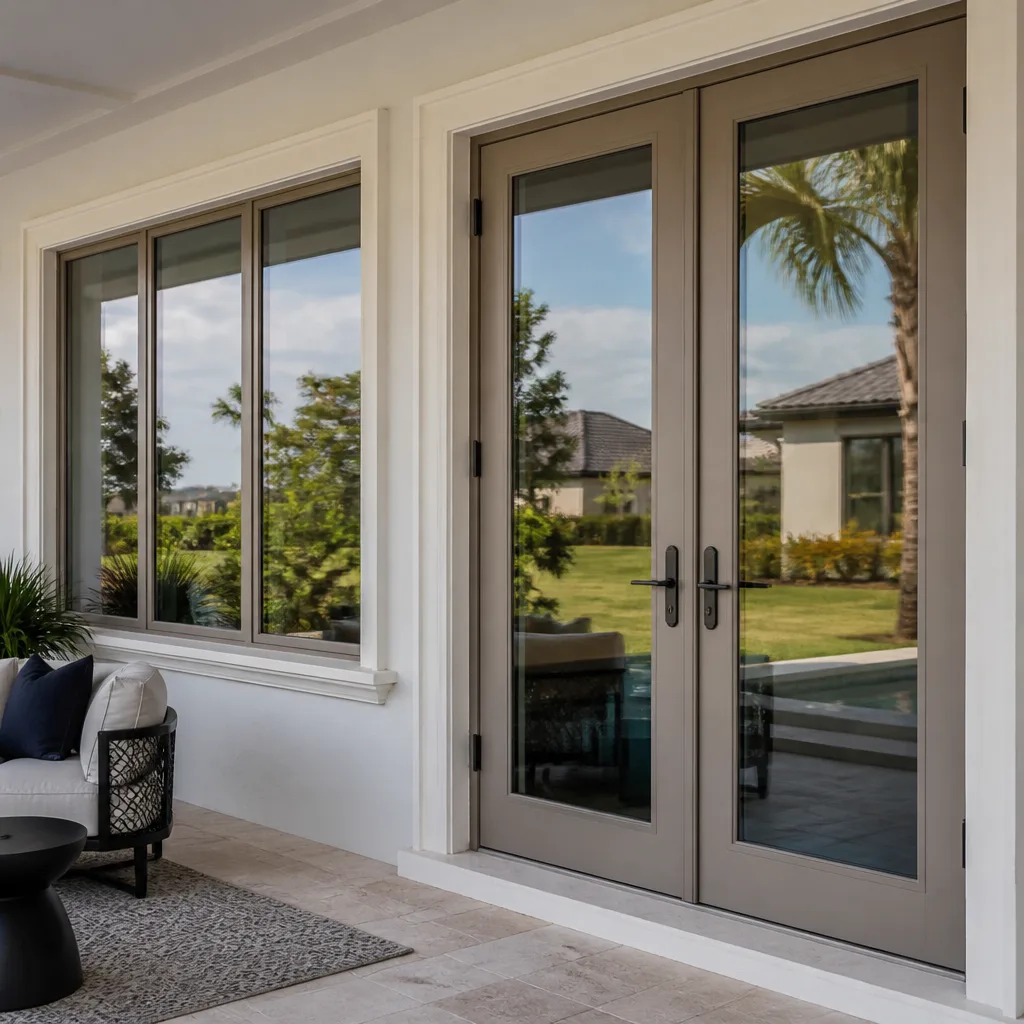

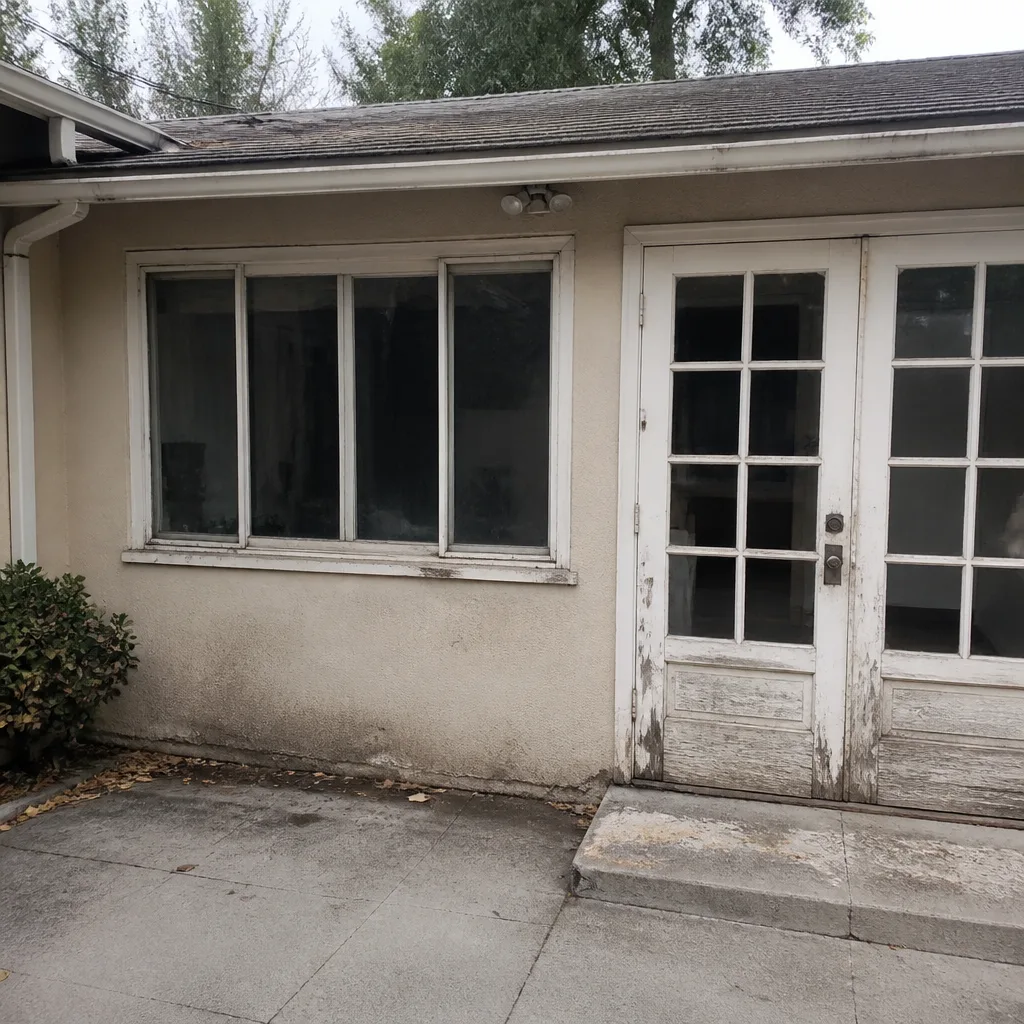 Before
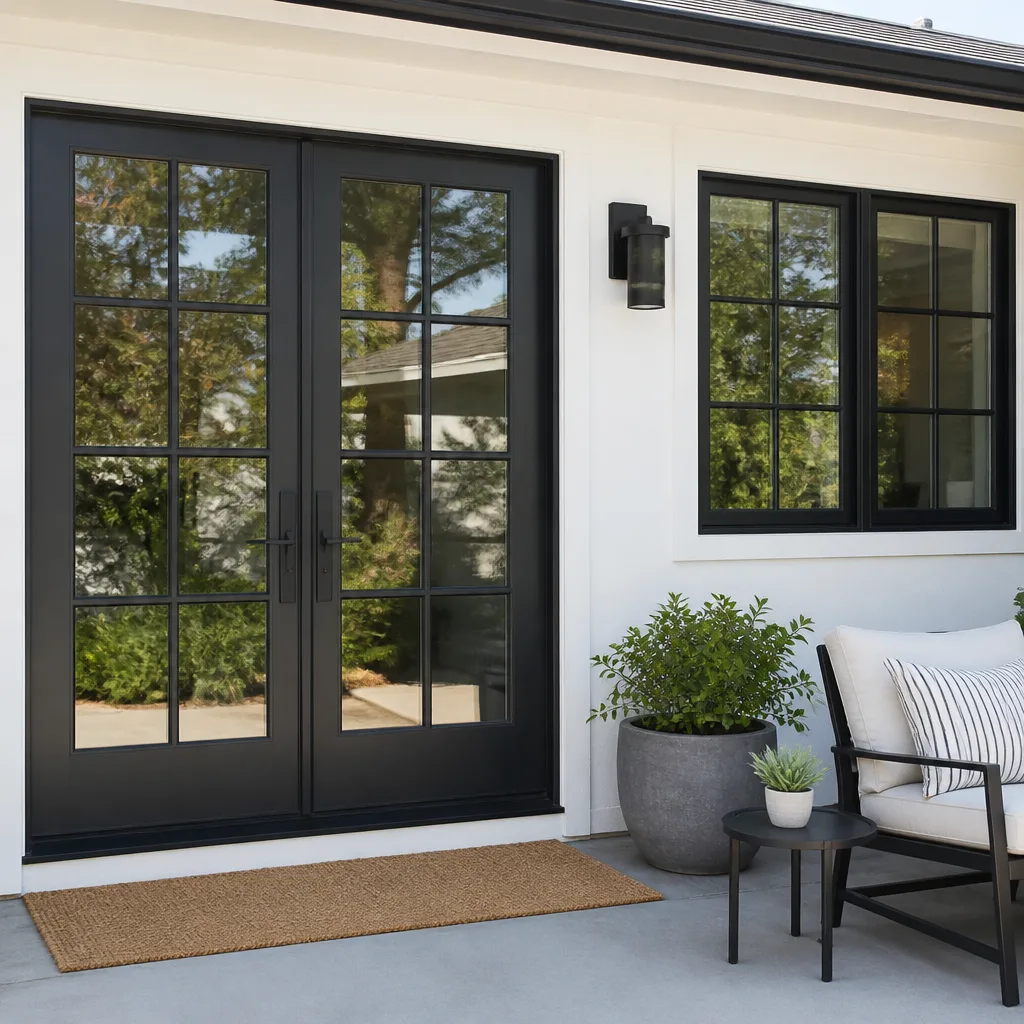 After
After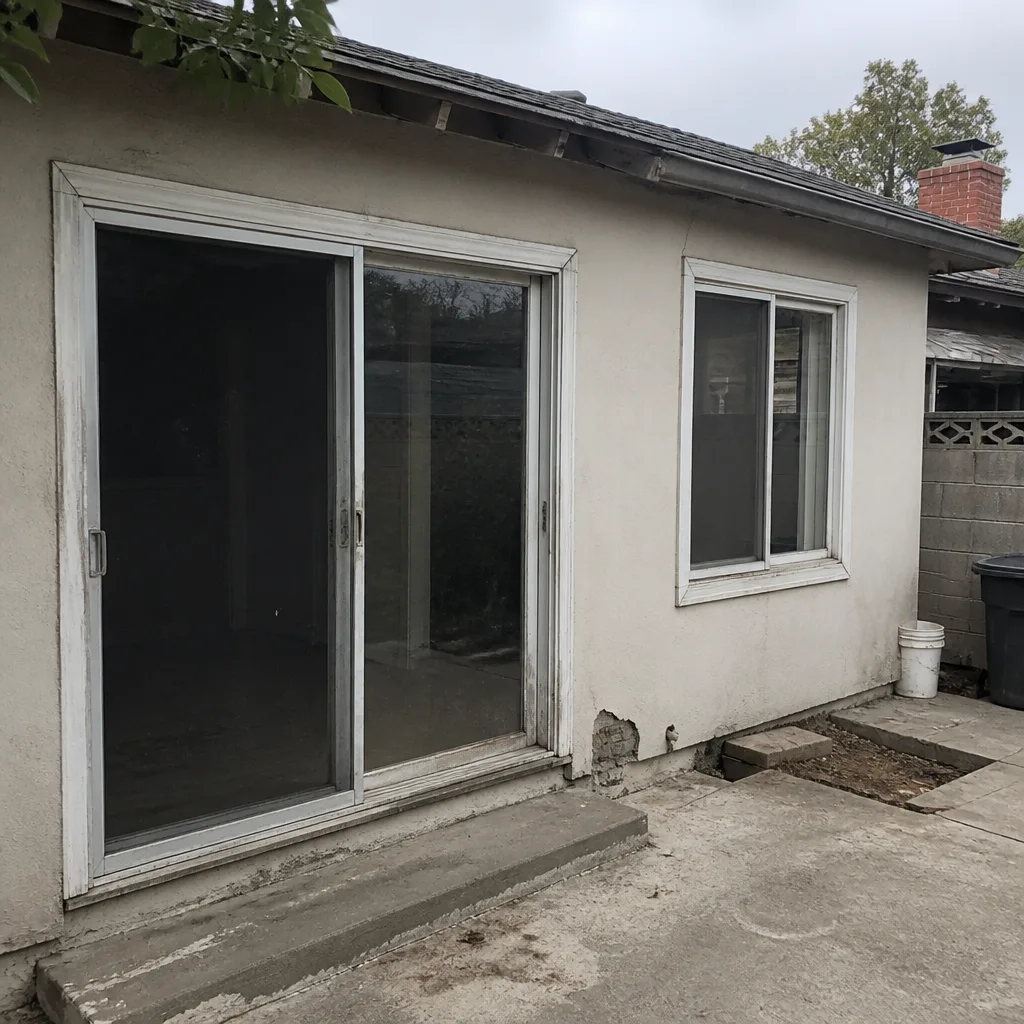 Before
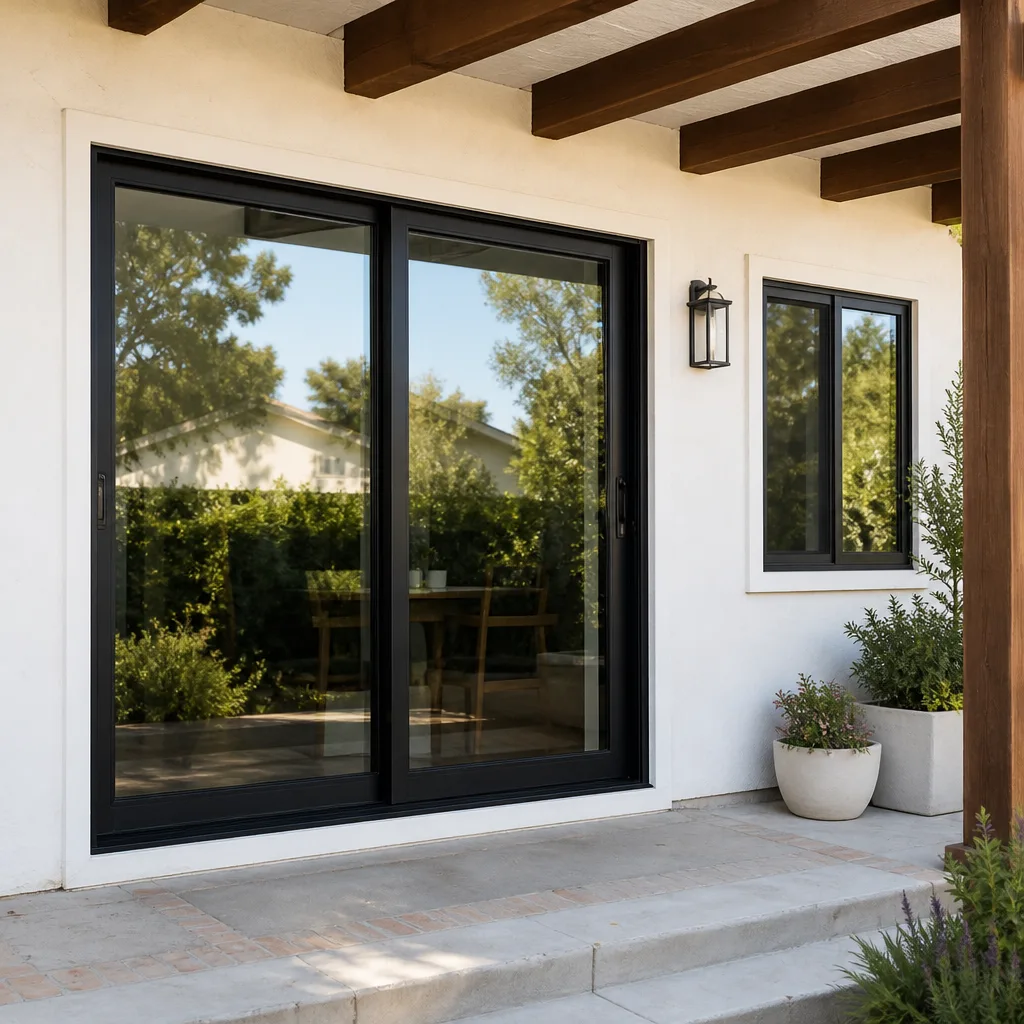 After
After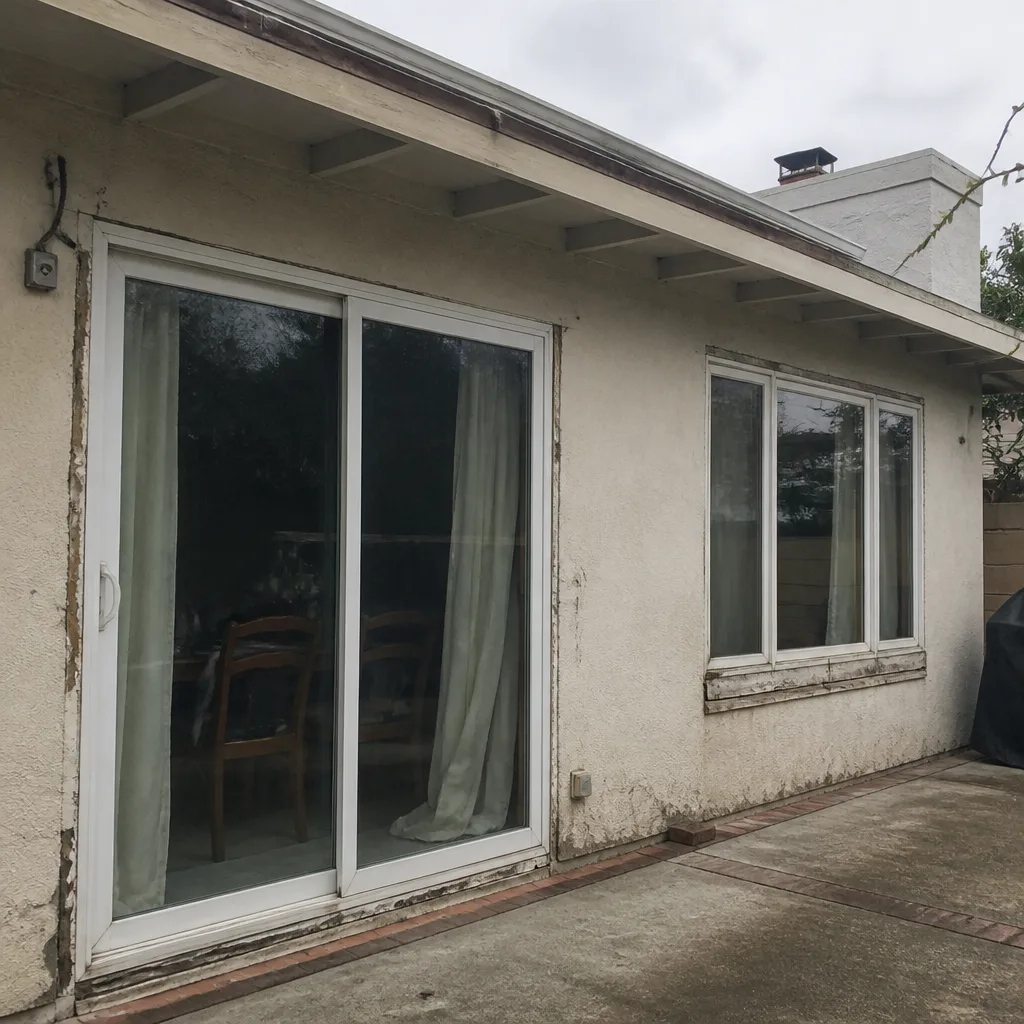 Before
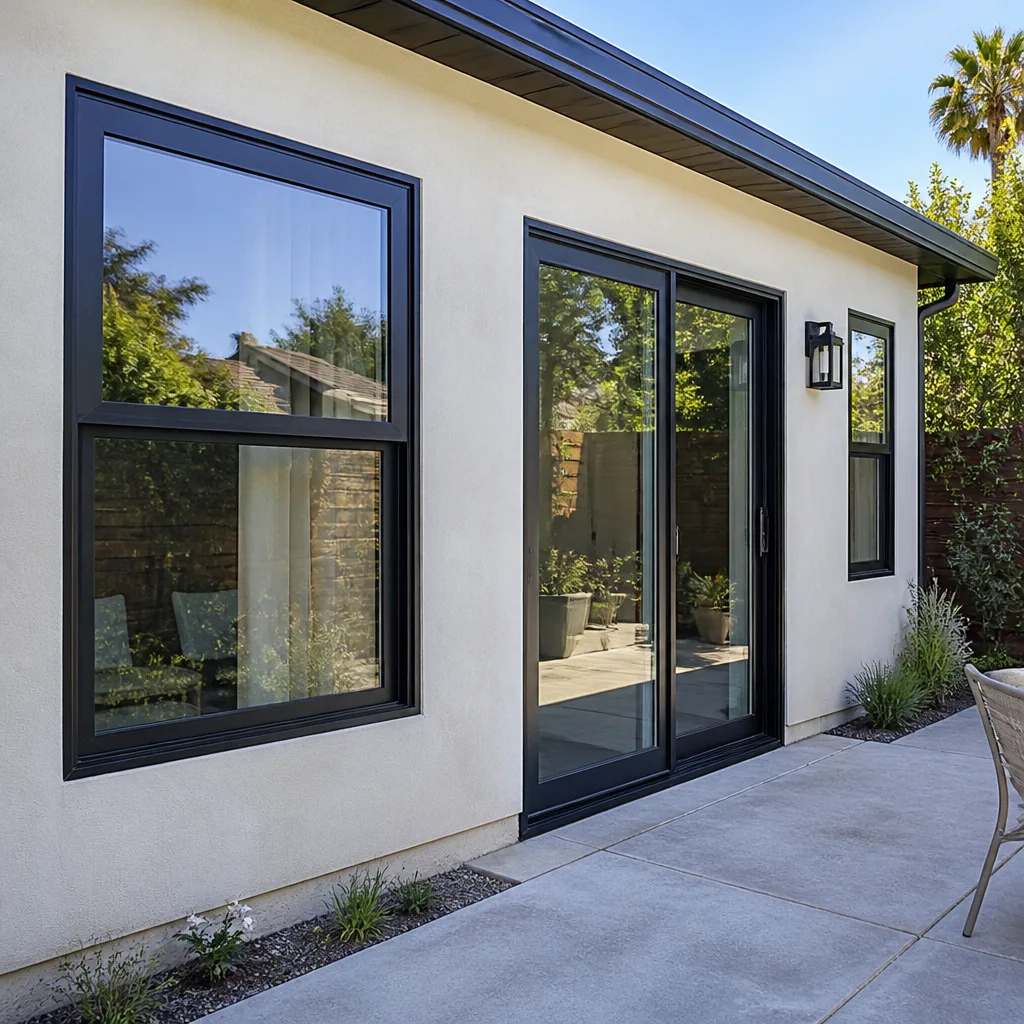 After
AfterWindow Installation Troubleshooting: Common Problems and How to Fix Them
Most homeowners assume a new window either works or it doesn’t. The reality is messier. In our experience across Los Angeles, the majority of post-installation issues surface in the first 90 days, and most are not defects at all. They are the building adjusting around the new unit. Wood framing takes 30 to 60 days to re-equilibrate after a window goes in. Stucco settles. Caulk cures. Hardware seats. Understanding which changes are normal and which signal a genuine installation problem saves you from unnecessary panic on one end and unnecessary silence on the other. A window that sticks slightly in week two is expected. The same symptom at month six is a shimming failure that the installer should fix for free. This guide covers how to tell the difference, how to document it, and how to get it resolved, and complements our Window Installation Warning Signs Every Homeowner Should Know.
Quick Answer
Most new window problems fall into two buckets: normal settling behavior that resolves within 30 to 90 days, and legitimate installation defects that need a callback. If your window sticks, leaks, or makes noise in the first month, document it, note the date, and track whether it gets better or worse. Persistent issues after 90 days, or any water intrusion at any point, warrant a call to your installer. Juniper Windows & Doors covers installation workmanship for a full 365 days, parts and labor, in writing.
Table of Contents
- The 90-Day Settling Window: What’s Normal and What’s Not
- How to Read Your Window from the Interior for Installation Quality
- The Water Test Protocol: Confirming Flashing Integration Before Rain Hits
- Noise After Installation: Thermal Expansion vs. Glazing Bead Problems
- How to Document and Communicate a Callback Request That Gets Results
- Settling Behavior by Frame Material: Vinyl, Wood, Aluminum, and Fiberglass
- Los Angeles-Specific Installation Concerns: Sun, Salt, and Seismic Movement
- Common Mistakes to Avoid
- When to Call a Professional
- Frequently Asked Questions
- The Bottom Line
The 90-Day Settling Window: What’s Normal and What’s Not
When a new window goes into an existing opening, the surrounding structure reacts. It is not static. Wood framing, even decades-old wood, moves as it releases moisture or absorbs it from the air. The caulk and sealant used during installation cure fully over days, not hours. Hardware compresses against gaskets for the first time. All of this means your new window will not feel identical on day 60 as it did on day 1. That is not a flaw. It is physics.
Here is the normal range of what we tell Los Angeles homeowners to expect in the first 30 to 90 days after a window installation in Los Angeles:
- Slightly stiffer operation. The sash may require a bit more effort to open or close during the first month. Gaskets are new and full. They compress with use. This resolves as the window is operated repeatedly.
- Hairline gaps in caulk or paint at the interior trim. As framing settles, the trim can shift by a millimeter or two. Small gaps along the edge of the casing are normal. Gaps wider than roughly 1/8 inch are worth flagging.
- A faint “new window” smell. Sealants and vinyl off-gas mildly when new. This fades within weeks. If the smell persists beyond two months, it may indicate trapped moisture, and that requires a look.
- Condensation in the corners during humid mornings. Los Angeles is dry most of the year, but coastal neighborhoods like Playa del Rey and San Pedro get real marine layer humidity. New glass with a low U-factor reflects heat differently than your old single pane, and corner condensation during temperature swings is common. Persistent condensation between the glass panes, however, means a failed seal, not a settling issue.
What is not normal at any point: water pooling on the interior sill after rain, visible daylight passing between the sash and frame when closed, or a sash that drops or slams shut on its own. Those are installation defects. They do not self-correct.
How to Read Your Window from the Interior for Installation Quality
You do not need to remove trim or pull out a level to spot most installation quality issues. You need good light and ten minutes. Here is how to inspect a newly installed window from inside your home:
Sightline Alignment
Stand back about eight feet and look at the window straight on. The horizontal and vertical lines of the sash should run parallel to the lines of the frame. If the sash appears tilted, cocked, or one corner sits visibly higher than the other, the window was likely installed out of square or shimmed unevenly.
Gap Consistency at the Sash Perimeter
Run your eye around the perimeter where the operable sash meets the fixed frame. The gap should be consistent, typically between 1/16 and 1/8 inch, all the way around. If the gap is tight at the top and wide at the bottom, or pinched on one side, the unit is racked. Racked windows leak air, bind during operation, and strain the hardware.
Hardware Engagement
Open and close the window slowly. Listen. The lock and hinge points should engage cleanly. A grinding sound, a catch-and-release feel, or a lock that requires force to turn means the hardware is misaligned relative to the frame. That is an installation issue, not a product defect, and it will not wear in. It will wear out.
In our experience installing PGT and CWS units across Los Angeles homes, sightline misalignment is the single most common installation defect we are called to correct on jobs other contractors walked away from. It is visible to a careful homeowner in under a minute.
The Water Test Protocol: Confirming Flashing Integration Before Rain Hits
Los Angeles gets rain in short, intense bursts, often after months of dry heat. The first real storm of the season is the worst time to discover that your new window leaks. A controlled water test before the rainy season gives you certainty and gives the installer documentation if a problem exists.
Here is the method we recommend and use on our own installs when homeowners request verification:
- Use a garden hose with a spray nozzle set to a gentle, rain-like pattern. You are simulating rainfall, not pressure washing. High-pressure spray can force water past flashing that would hold up fine in a real storm.
- Start at the bottom of the window and spray upward at a slight angle. Working from the bottom lets water that gets past the lower flashing show itself immediately, before you soak the upper sections.
- Move up slowly along each side of the window, then across the top. Spend about one to two minutes on each side. The goal is steady, light moisture, not a soaking flood.
- Have someone stand inside with a flashlight during the test. They should watch the sill corners and the bottom of the frame for any water, not just drips, but any dampness or darkening of the drywall or trim.
- Document the date, duration, and result. If water appears, photograph it immediately, wipe it up, and call your installer with the photos. This is a flashing failure, and it is covered under any legitimate workmanship warranty, including the 365-Day Done Right Promise.
Do not skip this test because your installer said the window is flashed. Flashing is hidden behind the exterior trim, and the only way to confirm integration is to run water against it. A window that passes a controlled water test gives you confidence for the entire rainy season in Los Angeles.
Noise After Installation: Thermal Expansion vs. Glazing Bead Problems
New windows make sounds. Some are benign. Some mean the glazing bead was not seated properly. Here is how to tell the difference without taking the window apart.
Thermal expansion and contraction sounds. Vinyl and aluminum frames expand in direct sun and contract in cool air. In Los Angeles, a window that gets afternoon sun, think a west-facing window in Sherman Oaks or Encino, can see surface temperature swings of 40 degrees or more between noon and evening. That movement produces occasional clicks, pops, or creaks. These sounds are irregular, short-lived, and they change with the weather. They are normal and do not indicate failure.
Glazing bead vibration. If you hear a sustained rattle, buzz, or hum at certain wind speeds or when a car passes, that is different. It means the glazing bead, the strip that holds the glass into the frame or sash, is not seated tightly. Air moving across the gap between the bead and glass creates vibration. This is a real defect. It will not resolve on its own, and it usually worsens as temperature swings work the bead looser. The fix is to remove and properly reseat or replace the bead, a straightforward repair that should be covered by the installer.
If you are unsure which sound you are hearing, record it on your phone. Stand near the window during windy conditions. A clicking or popping sound that happens occasionally is normal expansion. A steady rattle at a specific wind speed is a glazing issue. Send the recording to your installer. It removes the guesswork.
How to Document and Communicate a Callback Request That Gets Results
The strongest position you can be in when invoking a workmanship guarantee is one where the installer has no room to interpret. Specific documentation beats vague complaints every time. Here is exactly what to gather before you call:
- Photograph the problem from three distances. Wide shot showing the entire window in the room, medium shot showing the visible issue, and close-up of the specific defect. If the problem is intermittent, like a noise, record a short video with audio.
- Note the date and time the problem first appeared. This matters for determining whether it fits the settling timeline or indicates a longer-term defect.
- Describe the symptom without diagnosing it. Say “water appears at the bottom left corner during rain” rather than “the flashing failed.” You describe what you observe. The installer diagnoses the cause.
- Reference the written guarantee. If you have a 365-Day Done Right Promise or similar workmanship warranty, cite it. “This should be covered under the 365-day workmanship warranty” is direct and fair.
- Document every communication. Note who you spoke with, when, and what was promised. If a follow-up visit is scheduled, confirm it in writing or by text.
Homeowners who document carefully nearly always get faster resolution than those who call with “something seems off.” The specificity is the point. It also matters should the issue escalate. A contractor who knows the homeowner has dated photos and a clear symptom history is far less likely to drag their feet.
Settling Behavior by Frame Material: Vinyl, Wood, Aluminum, and Fiberglass
Each frame material behaves differently in the first weeks after installation. Knowing your material tells you what to expect.
Vinyl
Vinyl expands and contracts more than any other common frame material. A dark-colored vinyl window in full Los Angeles sun can grow by up to 1/4 inch across its width. That expansion softens the frame slightly in heat and tightens it back up at night. Sticky operation in the afternoon on a hot day, followed by smooth operation after sunset, is classic vinyl behavior. It is not a defect. We recommend light-colored or reflective vinyl for south-facing and west-facing exposures in Los Angeles to minimize the thermal swing.
Wood
Wood absorbs and releases moisture slowly. In Los Angeles, where summers are dry and winters are mildly humid, interior wood trim and wood frames move noticeably in the first full seasonal cycle. Small gaps at miter joints on interior casing are common within the first year. This is normal. Persistent binding of the sash itself in a wood window may mean the unit was not properly sealed against moisture, and that is worth investigating.
Aluminum
Aluminum is rigid and stable dimensionally but conducts heat rapidly. You will not see much movement, but you may feel the frame get hot to the touch in direct sun. Some thermal noise, clicking or popping, is expected in the first weeks as the frame and fasteners settle. Aluminum is less forgiving of installation error because it does not flex the way vinyl does. A racked aluminum frame shows itself immediately as a sash that will not seat.
Fiberglass
Fiberglass is the quietest and most stable of the common materials. It expands and contracts minimally and does not absorb moisture. Expect almost no settling noise or movement. If a fiberglass window sticks, rattles, or leaks, it is almost certainly an installation issue, not normal settling. Call it in.
Los Angeles-Specific Installation Concerns: Sun, Salt, and Seismic Movement
Los Angeles is a collection of microclimates, and installation troubleshooting changes from the coast to the Valley to the hills. Here is what we factor into every install we do across the city.
UV load and sealant degradation. The relentless sunlight in Los Angeles, particularly in the San Fernando Valley and the inland basin, breaks down cheap sealants within a few years. A window installed with substandard exterior caulk may hold up fine for two or three years and then begin leaking at the top corners as the sealant cracks and pulls away. If you are choosing a window replacement in Los Angeles, ask your installer what sealant they use and expect the answer to include a brand and a spec, not “commercial grade caulk.”
Coastal salt air. Homes within a few miles of the ocean in Venice, Mar Vista, or Long Beach face constant salt exposure. Aluminum frames and hardware corrode faster. We specify marine-grade finishes on hardware and stainless steel fasteners for coastal installs. If you live within three miles of the coast and your new window hardware shows pitting or white corrosion within the first year, the wrong finish was specified. That is a materials call the installer should own.
Seismic movement. Even minor earthquakes, the ones you barely feel, put lateral stress on window frames. A properly installed window has a gap between the frame and the rough opening, called the rough opening clearance, that allows the building to flex without transmitting that movement into the glass. If that gap was cut too tight, seismic movement can crack the glass or break the seal at the frame. Homes in the hills, in areas like Mount Washington or Baldwin Hills, experience more movement than flatland homes and benefit from slightly larger rough opening clearances. This is a real, install-specific concern in Los Angeles, not a hypothetical.
Marine layer humidity cycling. Coastal Los Angeles goes through daily humidity swings that inland neighborhoods do not. Wood windows and trim near the coast expand and contract more than the same units in Pasadena. Expect more visible seasonal movement in wood components if you are within sight of the Pacific.
If you are choosing between product lines for a Los Angeles home, the differences matter. PGT and CGI are known for impact-rated glass, built to resist wind-borne debris without shattering, a genuine consideration for hillside homes exposed to Santa Ana winds. CWS and ES Windows offer strong architectural lines for modern homes. We carry eight product lines total because a window for a 1920s Spanish bungalow in Los Feliz and a window for a glassy modern home in Culver City should not be the same product.
Common Mistakes to Avoid
- Ignoring a persistent problem because “it might go away.” Settling noise and slight stiffness go away. Water intrusion, racked sashes, and rattling glazing beads do not. If a symptom has not improved in three weeks, document it and call.
- Waiting until the rainy season to test for leaks. The first storm of the season in Los Angeles often reveals multiple window leaks at once, which means a long wait for repair. Test with a garden hose in the fall, before the rain starts.
- Applying force to a sticking window. A new window that sticks should be diagnosed, not forced. Forcing it can bend hardware, crack the glass, or pull the frame further out of square. Document the symptom and call the installer.
- Accepting a verbal “we’ll fix it” with no date. A guarantee is only as strong as the follow-through. Get the callback visit scheduled in writing with a date and a scope of work.
- Caulking the interior of a leaking window. Interior caulk does not stop a flashing or exterior seal failure. It traps moisture inside the wall cavity and makes the eventual repair more expensive. The leak must be addressed at the exterior.
- Attempting to adjust or shim a new window yourself. Even a small adjustment can void a workmanship warranty and shift the unit out of square. The installer owns alignment issues under the warranty. Make them fix it.
- Assuming a higher price means a better install. Installation quality comes down to the crew’s process, the shimming method, the flashing detail, and the written guarantee. We have corrected installs from high-priced Los Angeles contractors that used the same substandard flashing detail as the cheapest bidder. Ask how the window will be flashed before you sign.
When to Call a Professional
Some problems are diagnostic. Others are structural. You should call a professional immediately if water appears at the interior sill or wall during or after rain, if the sash drops or slams shut without holding position, if you see cracks forming in the glass that were not caused by impact, or if a window falls out of plane, meaning one corner visibly shifts relative to the frame. These are not settling symptoms, and they will not resolve on their own. If your original installer will not respond, or if you have lost confidence in their workmanship, get a second opinion from a window specialist. Juniper Windows & Doors offers Window Installation with free estimates in Los Angeles, call (682) 281-2168 to schedule one.
Frequently Asked Questions
Most new windows finish their primary settling within 30 to 90 days. Wood framing, caulk, and sealants all adjust during this period. Stiff operation, minor trim gaps, and occasional clicking sounds during this window of time are normal. Symptoms that persist beyond 90 days, or water intrusion at any point, are not settling issues and should be addressed by your installer.
Look for three signs from the interior: the sash lines run parallel to the frame lines, the gap around the sash perimeter is consistent at roughly 1/16 to 1/8 inch, and the hardware engages cleanly without force. If the window appears cocked, the gap varies noticeably, or the lock requires pressure to turn, the unit was likely installed out of square. Call (682) 281-2168 for a professional inspection in Los Angeles, estimates are free.
In the first month, sticking is usually caused by new gaskets that have not fully compressed, and it resolves with normal use. After the first 90 days, persistent sticking typically means the window was shimmed unevenly or the frame is racked. That is a workmanship defect and should be corrected by the installer under warranty.
A reputable installer fixes workmanship errors for free under their written guarantee. Juniper Windows & Doors covers installation workmanship for a full 365 days, parts and labor, in writing. If your installer has a short or verbal-only guarantee, you may have less protection than you think.
No. Leaks in newly installed windows are almost always a flashing or exterior sealant issue, not a product defect. The glass and frame are not the weak point. The integration between the window and the wall is. A controlled water test will reveal whether the flashing is doing its job.
Run a controlled water test with a garden hose set to a rain-like spray. Start at the bottom of the window and work upward, spraying each side for one to two minutes while someone watches the interior with a flashlight. Any water or dampness appearing inside means the flashing failed the test. For a free window inspection in the Los Angeles area, contact Juniper Windows & Doors at (682) 281-2168.
The Bottom Line
Most new window problems in the first 90 days are normal, not catastrophic. The building moves, the materials cure, and the hardware seats. The key is knowing the difference between a settling symptom and a workmanship defect, and documenting what you observe. Stiff operation, minor trim gaps, and occasional clicking sounds are expected. Water intrusion, racked sashes, loose glazing beads, and a sash that will not hold position are not. If you are in the window of normal settling, track the symptom and give it time. If you are outside it, or if water is involved, call your installer and reference your written guarantee. Juniper Windows & Doors installs windows and doors in Los Angeles with a written price before any work starts and a 365-Day Done Right Promise on every completed installation. If you would like a second opinion on a problem window, we would be glad to take a look.
Contact Juniper Windows & Doors today for a free estimate. Call (682) 281-2168 or visit our Juniper Windows & Doors home page to learn more about our process and the products we install. If you are considering a door replacement in Los Angeles alongside your window work, we handle that too, with the same written pricing and the same guarantee.
Written by Sean Mackey, Owner at Juniper Windows & Doors, serving Los Angeles since 2001. Explore more guides & resources on window care and installation.