
Last updated October 9, 2026
Free in-home measure and quote - PGT, CGI and CWS impact lines compared on your actual openings, style by style
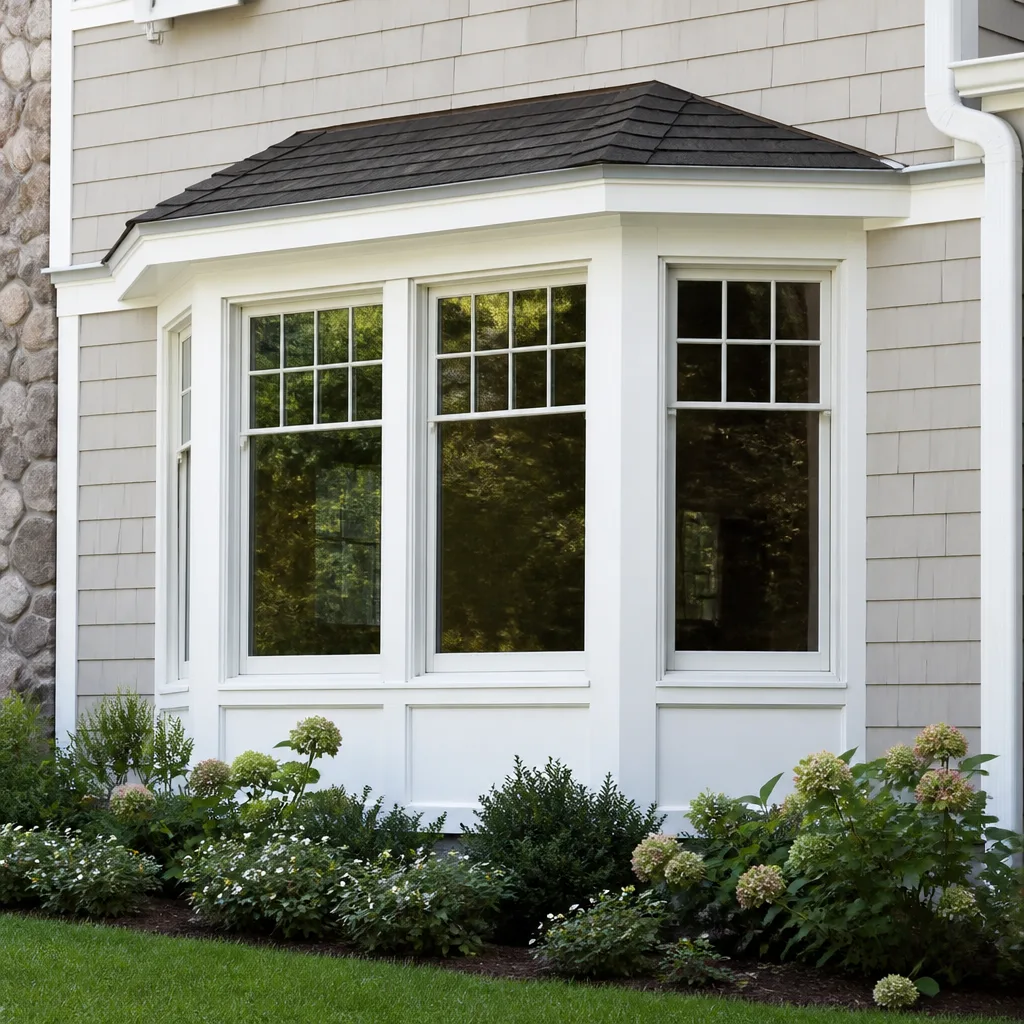
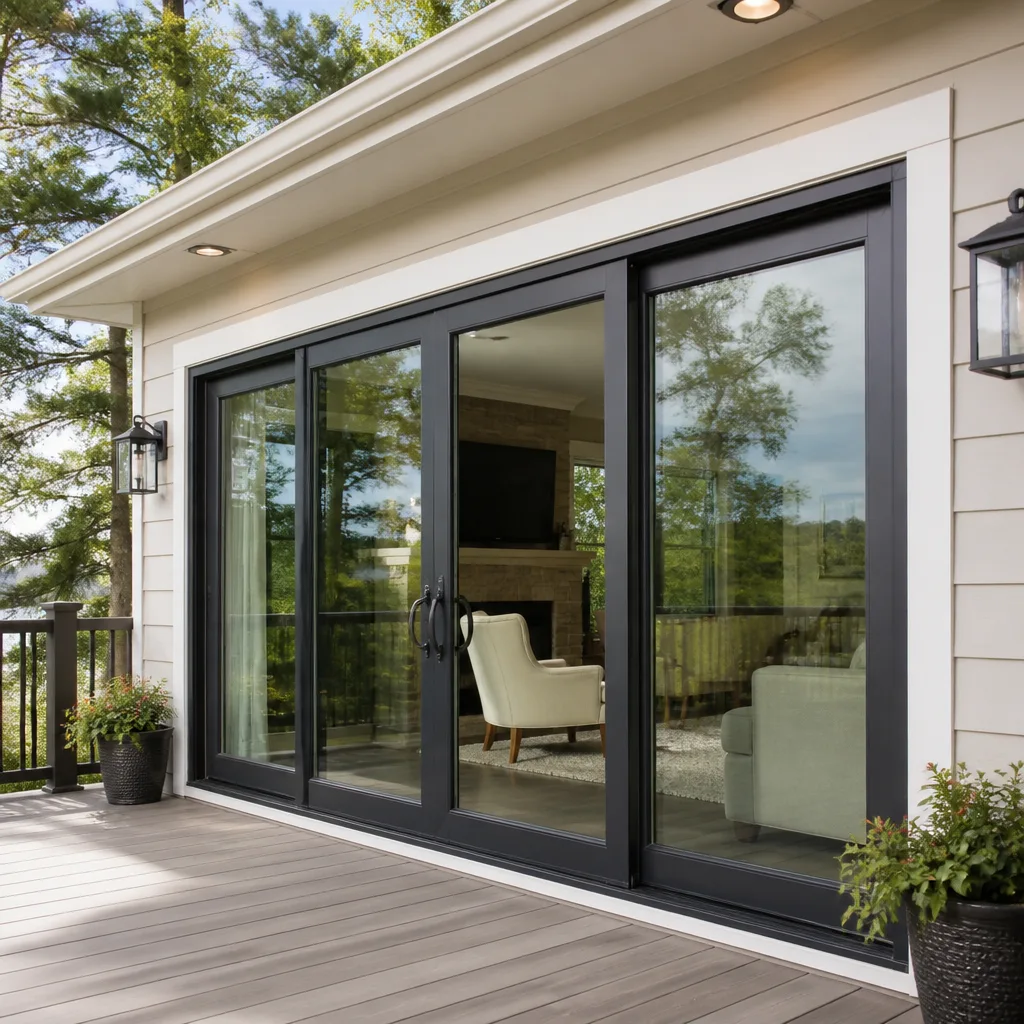
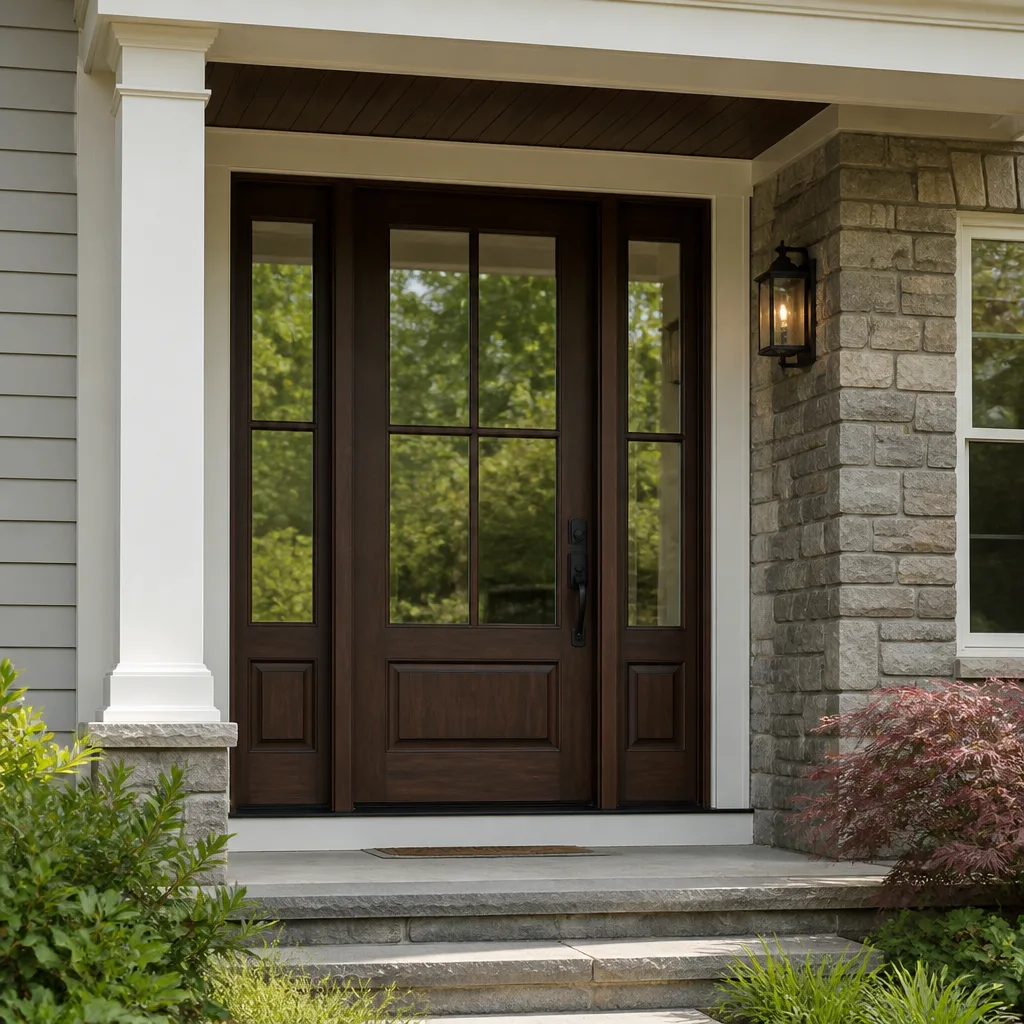
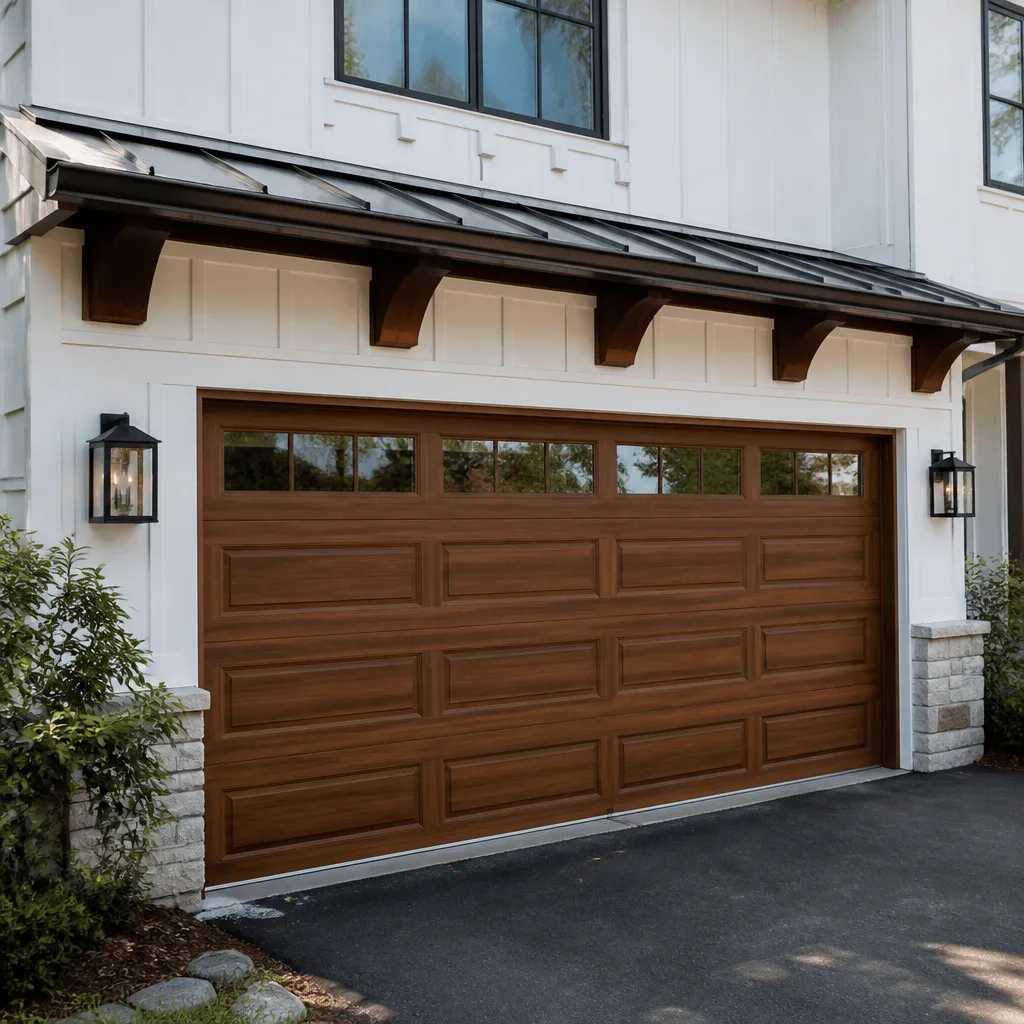
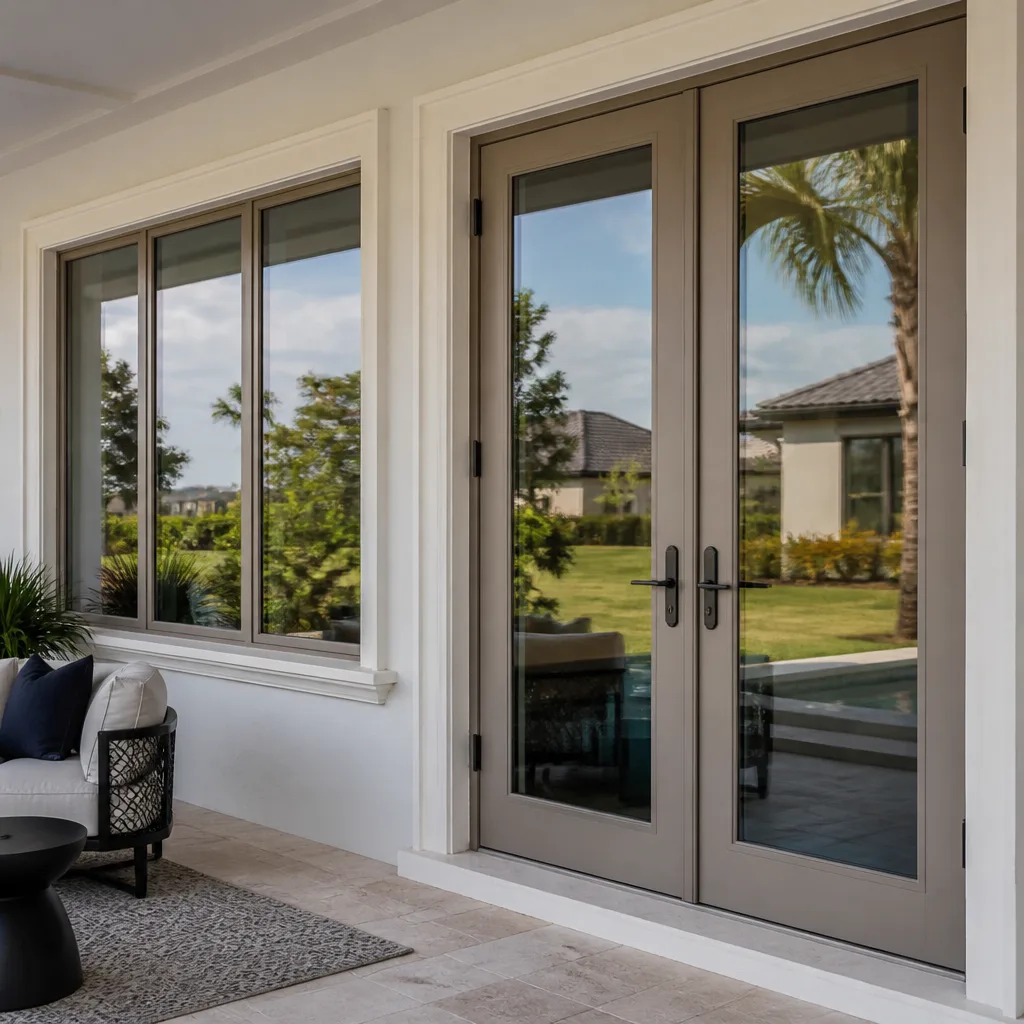
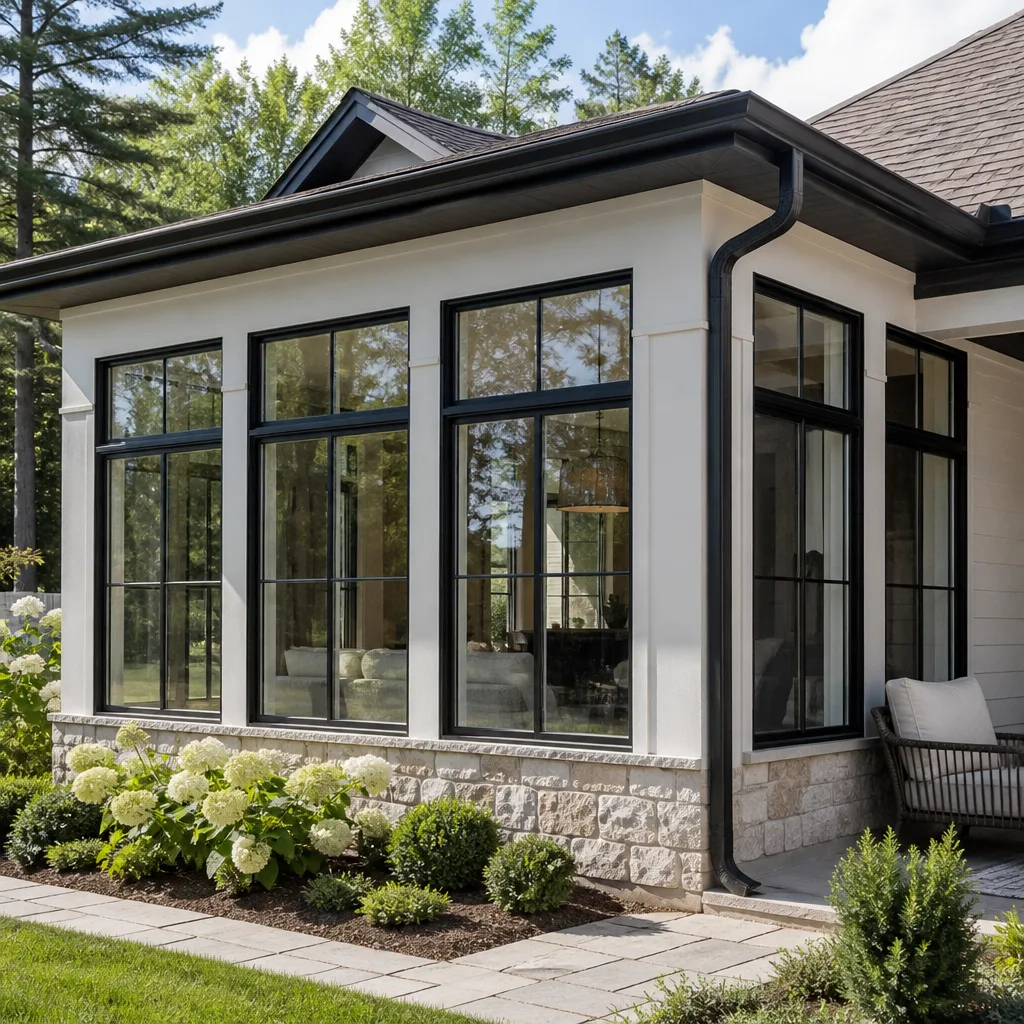
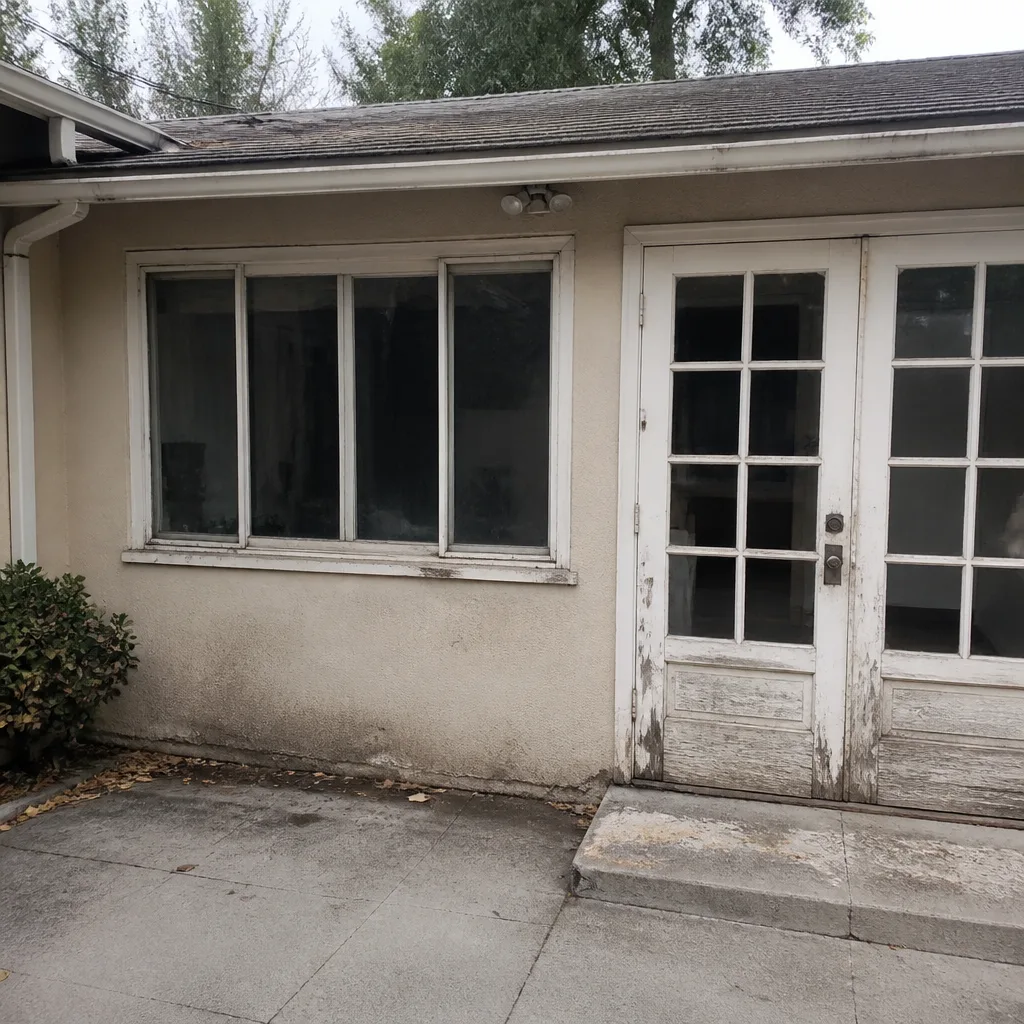 Before
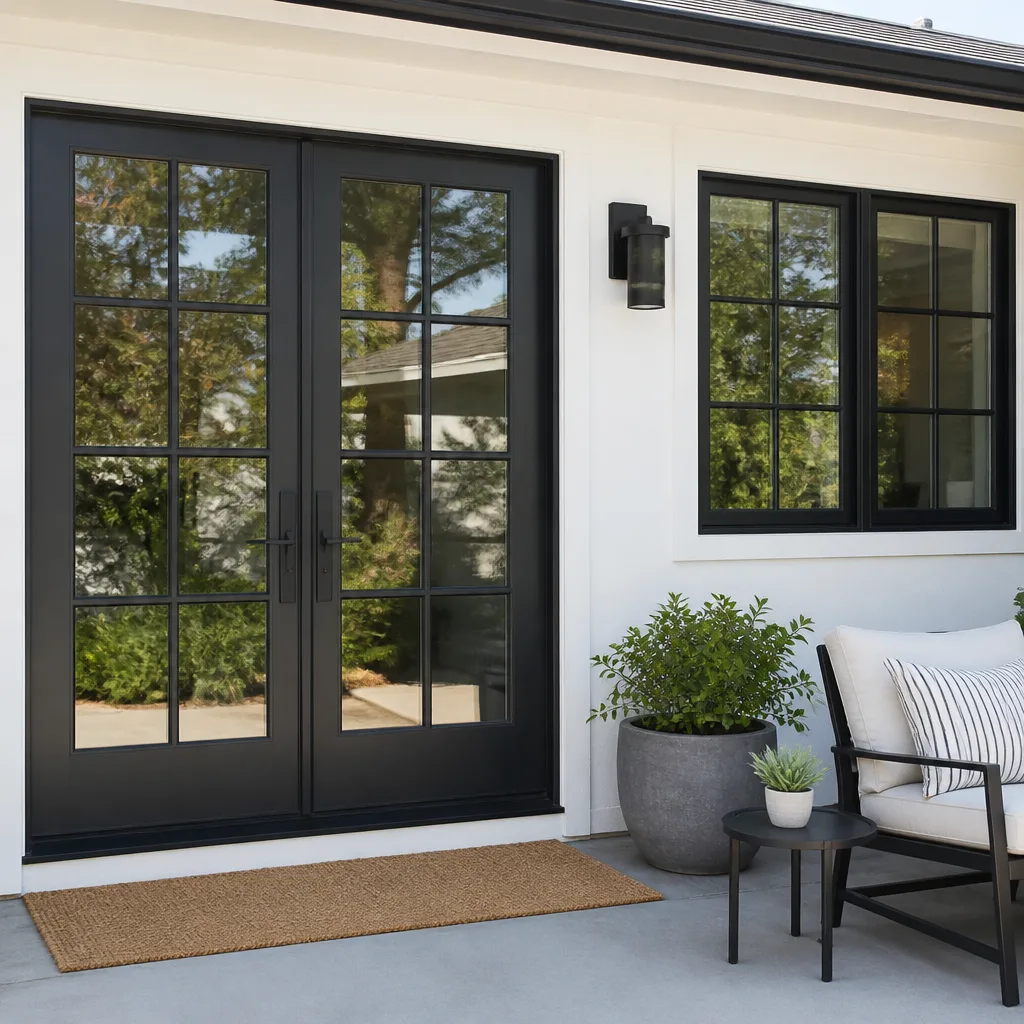 After
After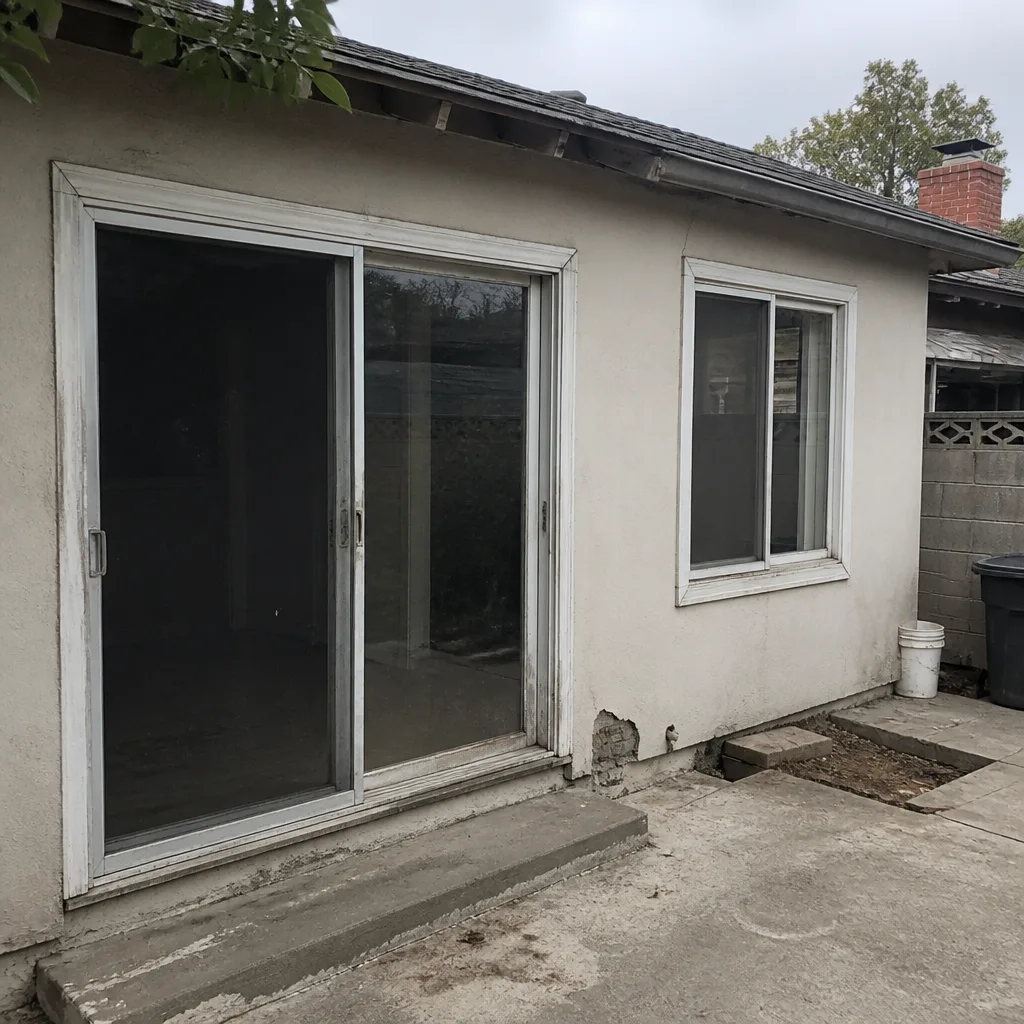 Before
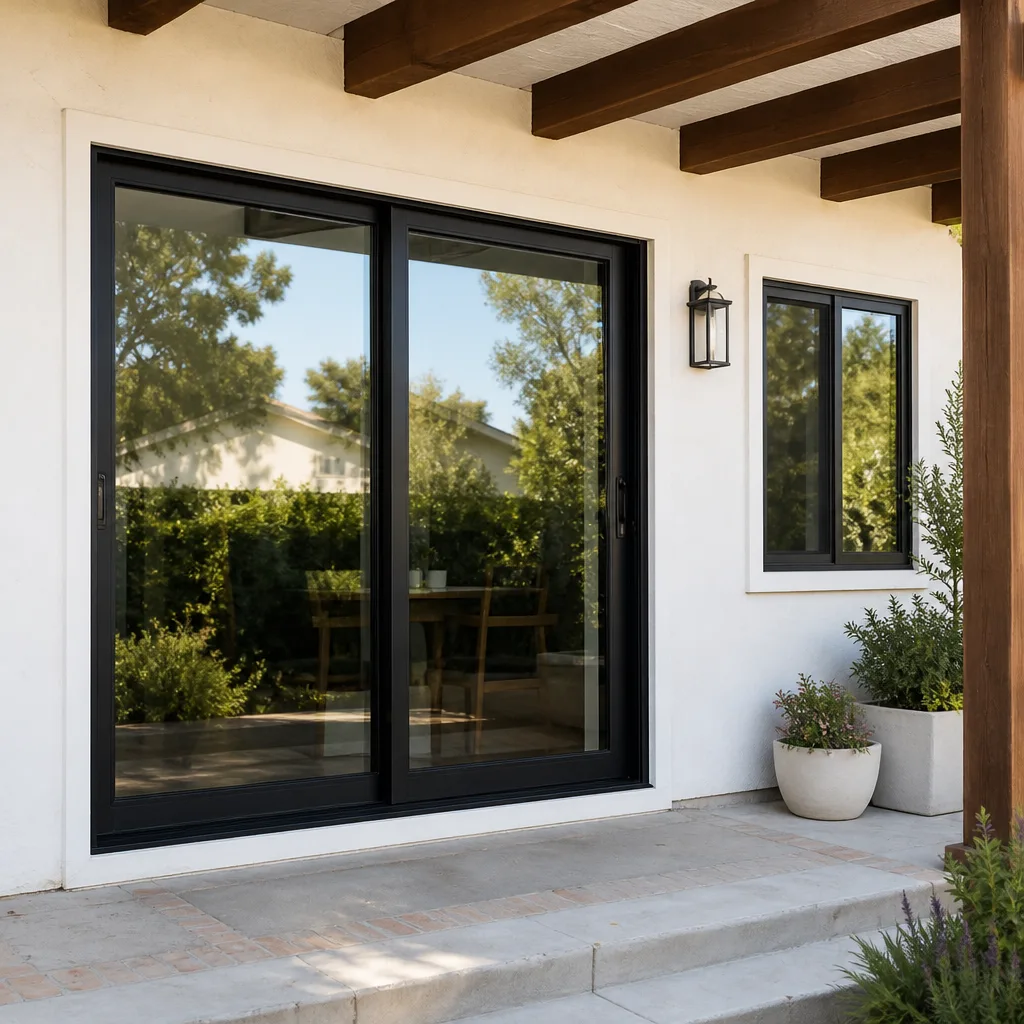 After
After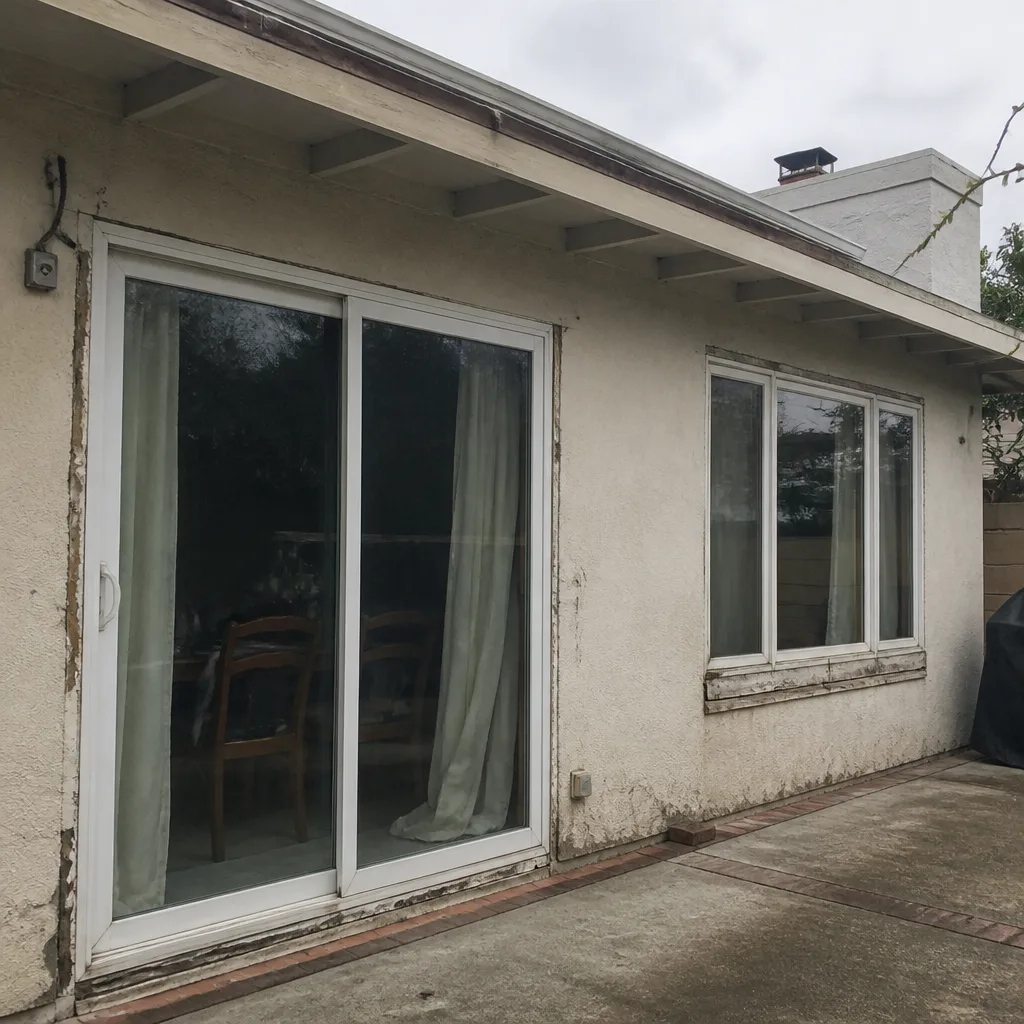 Before
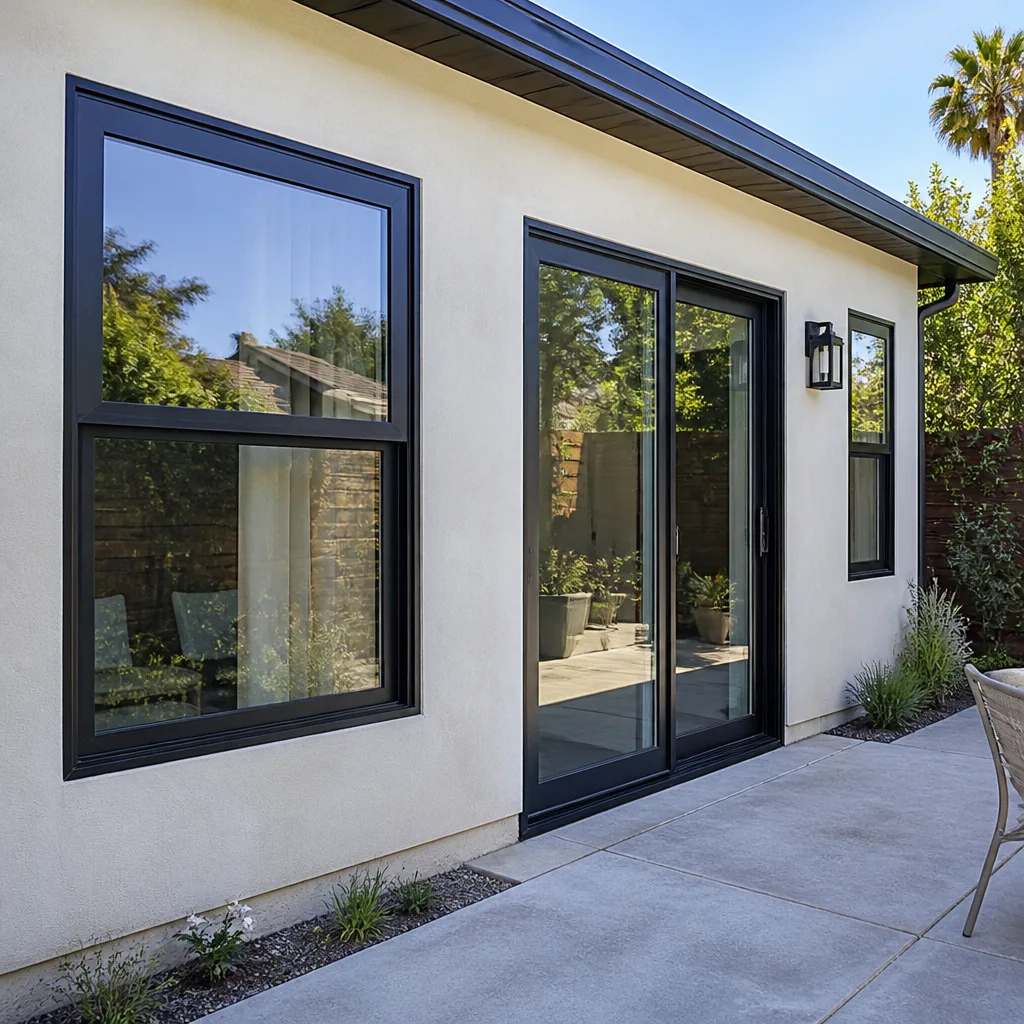 After
AfterHow Long Does Door Replacement Take? Timelines and What to Expect
Every contractor quotes an exterior door swap as “a few hours.” Then the old door comes out, and suddenly you’re looking at exposed studs, a warped frame, and a technician on the phone ordering lumber. In Los Angeles, where homes range from 1920s Spanish revival bungalows in Highland Park to 1990s stucco boxes in the Valley, rough openings hide wildly different secrets. We’re going to walk you through the real timeline, the three conditions that turn a four-hour job into a two-day event, and what a door replacement pre-install visit can catch before you’re standing in an open doorway overnight.
Quick Answer
A standard exterior door replacement on a prepared, in-square opening takes 3 to 4 hours from truck arrival to final walkthrough. When the rough opening needs repair, shimming exceeds 3/8 inch, or the header is undersized, that same job stretches to 6 to 8 hours, often across two visits. The variable is never the door itself; it’s what’s behind the trim.
Table of Contents
- The Real Time Block: Where Every Minute Goes
- The Three Conditions That Add a Half-Day
- Why a Pre-Install Site Visit Protects the Timeline
- Realistic Lead Times by Product Line in 2025
- What to Expect on Installation Day
- How Photo Updates Work on a Door Job
- Common Mistakes to Avoid
- When to Call a Professional
- Frequently Asked Questions
- The Bottom Line
The Real Time Block: Where Every Minute Goes
We break every Door Replacement in Los Angeles job into five distinct phases. Understanding where the hours go is the first step toward protecting your day.
Here’s the breakdown for a standard exterior door swap on a prepared opening, the kind of job that starts with a clean jamb and no hidden rot:
- Demo and rough opening inspection (30-45 minutes): The old door, casing, and jamb come out. The technician exposes the king studs, trimmer studs, and header. This is the moment of truth. We photograph the opening before anything new goes in, so you see exactly what we’re working with.
- Shimming and plumb/level set (45-60 minutes): The new pre-hung unit goes into the opening and gets shimmed at the hinge points, latch side, and header. Any deviation from plumb gets corrected here. Out-of-square openings on older Los Angeles homes routinely eat the full hour.
- Flashing and sealant (30 minutes): Pan flashing at the sill, weatherproofing at the jambs, and exterior sealant around the brickmold or casing. Skipping this step is how door replacements fail silently behind the trim. We treat flashing as non-negotiable, especially on west-facing doors that take afternoon sun in Echo Park or beach-adjacent moisture in Venice.
- Hardware and adjustment (30-45 minutes): Hinges, lockset, deadbolt, sweep, and weatherstripping. This is also where the door gets adjusted for a consistent reveal gap around all four sides. Some brands, like Therma-Tru, have adjustable sills that add a few minutes; a fixed-sill unit is faster but less forgiving on an uneven floor.
- Cleanup and walkthrough (20 minutes): Old door, packaging, and debris removed. The technician walks you through the operation of the door, shows you the flashing that’s now hidden, and answers questions. You get before-and-after photos delivered before the truck leaves.
Total active labor: 3 hours and 10 minutes to 4 hours. That’s the number every contractor quotes. What they rarely mention is that it assumes the opening cooperates.
The Three Conditions That Add a Half-Day
In our experience across Los Angeles, door replacements that drag into a second day share one of three discoverable conditions. Each is invisible behind trim until the old door is out. Each could be caught in a 15-minute pre-install visit. Each changes the scope, the price, and the timeline.
1. Rotted king studs or a rotted sill plate. The king stud is the full-height framing member that runs alongside the door opening. The sill plate is the horizontal board the studs sit on. In older neighborhoods like Silver Lake and West Adams, decades of window condensation, sprinkler overspray, or failed caulking have turned these boards soft. When the old door comes out and the tech can push a screwdriver into the king stud, the job stops. The rotted section gets cut out, new lumber goes in, and the opening gets rebuilt. That’s 2 to 3 hours added, plus a trip for materials if the truck isn’t stocked for the repair. We stock pressure-treated kickers and a repair kit on every truck precisely for this moment.
2. An out-of-square rough opening beyond 3/8 inch. Rough openings have a tolerance. Up to 3/8 inch out of square from corner to corner can be corrected with shims and still leaves room for a proper reveal gap. Beyond that, a standard pre-hung door won’t sit right. The corners bind, the sweep drags, and the deadbolt never aligns on the first try. Fixing this means either planing the door and jamb, which sacrifices material and warranty, or pulling the jamb and re-setting the framing. The latter is the correct fix, and it adds 1 to 2 hours. Homes on the hillsides of Mount Washington or Baldwin Park settle over time, and we regularly see rough openings that are 5/8 inch or more out of square.
3. An undersized header for the new door weight. A hollow-core metal door from 1987 weighs nothing compared to a modern solid-core Therma-Tru with an impact-rated glass inlay. Heavier doors put different load on the header above the opening. If the header is a flat 2×4 on its side when the new door calls for a proper built-up header, the opening can sag over time, binding the latch and ruining the seal. Correcting this means structural work: opening the wall above the door, installing the right header, re-framing, and re-drywalling. It’s the rarest of the three, but when it appears, it’s a full day, not a half.
None of these conditions is exotic. All three appear in Los Angeles daily, in every neighborhood from Westchester to Eagle Rock. The difference between a contractor who finishes at noon and one who’s still working at 6 p.m. is whether anyone looked before the old door came out.
Why a Pre-Install Site Visit Protects the Timeline
A pre-install visit is a 15-minute inspection, ideally done before the new door is ordered. The technician pulls the interior casing (or at least enough of it) to check the condition of the rough opening, measures the actual opening dimensions against the nominal door size, and assesses the header. The visit produces a written scope that names the work to be done and the price to do it. No surprises at the door. No “we’ll need to come back tomorrow.”
At Juniper Windows & Doors, every Window Installation in Los Angeles and door replacement follows this sequence: measure, inspect, written quote, schedule, install. We don’t quote a door over the phone without seeing the opening, because the opening is the job. The door is just the product.
The written scope is the antidote to the classic contractor move of pricing the happy path and billing for the detours. When a rotted king stud is discovered on the day of install, a contractor without a written scope has leverage: the doorway is open, the old door is in the yard, and you need this fixed. A written scope that accounts for what the pre-install visit found removes that leverage entirely. The number you saw is the number you pay. Our 365-Day Done Right Promise covers parts and labor on the completed installation for a full year, and the price is locked in writing before the first screw turns.
Realistic Lead Times by Product Line in 2025
Product lead time is where timelines often break before the installer even arrives. In Los Angeles, the spread between stock and custom is wide, and it has real implications for when you should schedule the pre-install visit, when to pull permits, and when the crew shows up. For how long window replacement takes, lead times work similarly. Here’s the realistic picture by product line, based on what we’re ordering today:
- Therma-Tru stock units: 3 to 10 days. Classic fiberglass doors in standard sizes ship from distribution centers with minimal wait. If your opening is a true 36″ x 80″ or 32″ x 80″, a stock Therma-Tru is the fastest path to a new door in Los Angeles. Add 3 to 5 days if the unit includes decorative glass.
- PGT special-order: 4 to 8 weeks. PGT builds to order, especially on impact-rated units for coastal and hillside exposure zones. If you’re in Pacific Palisades or Malibu, an impact-rated PGT door is the right call, and the lead time is simply a fact of the product. Sequence the permit pull early so the city review doesn’t stack on top of the factory lead time.
- ViewLux custom: 6 to 10 weeks. ViewLux is our custom line for non-standard openings, unusual sizes, and specific glass packages. If your 1940s home has a 34″ x 78″ front door (common in mid-city neighborhoods like Miracle Mile), ViewLux is the product that fits without reframing. The trade-off is lead time. We recommend ordering the door the day the pre-install visit confirms the opening.
Permits layer on top of product lead time, not instead of it. In the City of Los Angeles, a like-for-like door swap in the same opening typically does not require a permit. But if the pre-install visit finds structural work (header replacement, king stud repair) or if the opening size changes, a permit is required. Plan on 2 to 4 weeks for permit review in Los Angeles. The sequence that protects your timeline: pre-install visit first, permit application second (if needed), product order third. Every Juniper quote that requires a permit includes the permit cost and the timeline in writing.
What to Expect on Installation Day
Installation day for a door replacement in Los Angeles is not a four-hour window of waiting. The Relay Standard applies to every Juniper job: a live arrival time you can track, a uniformed and background-checked technician, and photo updates throughout.
Here’s the sequence from the homeowner’s side:
- Arrival and floor protection: The technician arrives within the live window you receive by text. Drop cloths and door mats protect the entry floor. The work area gets taped off if needed.
- Demo and rough opening photo: The old door comes out. This is the moment you get a photo of the actual opening, exposed. If the pre-install visit was done correctly, the photo confirms what was already known. If not, the photo is the first evidence of a changed scope. You see what you’re paying for.
- Dry-fit and set: The new pre-hung unit is placed and shimmed. Level, plumb, and reveal are checked at every step. The technician works from a checklist, not memory.
- Flashing and sealing: The waterproofing goes in. You won’t see this step after it’s finished, but the technician will show you the flashing before it’s covered.
- Hardware and adjustment: Lockset, deadbolt, sweep, and weatherstripping installed. The door is adjusted for a consistent 1/8 inch reveal gap. The deadbolt should throw with one finger. If it doesn’t, the adjustment continues.
- Cleanup and walkthrough: Debris hauled, floor swept, and the old door removed from the property unless you’ve asked to keep it. The technician walks you through the door’s operation, shows you the completed work, and sends before-and-after photos to your phone.
- Digital invoice: The invoice arrives by link. You pay from your phone. The 365-Day Done Right Promise is confirmed in writing on the invoice.
A typical single-door install wraps in a half-day. If the pre-install visit found structural work, that work happens in the same visit or on a scheduled follow-up, and you’ll know the plan before the old door ever comes out.
How Photo Updates Work on a Door Job
The Relay Visibility Guarantee gives Los Angeles homeowners something most contractors don’t offer: proof of the work while the work is happening. For a door replacement, the photo sequence looks like this:
- The rough opening photo: After the old door and jamb are removed, the technician photographs the exposed opening from straight on and from an angle. You see the king studs, the header, and the sill plate. This is the single most important photo of the day. If rot or out-of-square conditions exist, this is where they’re documented and explained to you before any repair begins.
- The repair photo (if applicable): If the pre-install visit found a rotted king stud and the scope includes replacement, you get a photo of the new lumber in the opening before the door goes in. You’re not asked to trust that the work was done. You see it.
- The set-and-sealed photo: The new door in place, shimmed, level, and flashing applied. The exterior is sealed. The photo is taken before the casing and trim cover the edges. You see what’s behind the trim.
- The final photo: The completed door, hardware installed, trim done, exterior and interior. Paired with a before photo so the contrast is immediate.
Every photo lands in the same text thread as your arrival time and invoice link. No email chains, no buried attachments. This system exists because a homeowner in Los Angeles shouldn’t have to hover over a technician’s shoulder to know the job is being done right. See our more guides & resources for other ways we protect your timeline. The photos are the proof.
Common Mistakes to Avoid
- Accepting a quote without an inspection. A contractor who prices a door replacement over the phone without looking at the opening is pricing the happy path. In Los Angeles, with its century-old housing stock, the happy path is not the norm. Insist on a pre-install visit before a number is final.
- Ignoring the rough opening photo. If a contractor replaces a door without showing you the opening, you lose the only evidence of what’s behind the trim. Ask to see the photos before the new door goes in.
- Choosing the cheapest door, not the right door. A hollow slab door on a west-facing entry in Los Angeles will absorb afternoon heat and warp within a few years. A fiberglass Therma-Tru or an impact-rated PGT costs more up front and performs for decades. Price the product against its life span, not the invoice.
- Sequencing the permit wrong. Waiting until the door arrives to apply for a permit stacks two timelines. Pull the permit early if the scope requires one, and the city review runs parallel to the product lead time.
- Skipping the flashing conversation. Flashing is invisible once the job is done, which means it’s the first thing a careless contractor skips. Ask how the sill pan is flashed and what sealant is used. If the answer is vague, the flashing will be too.
- Assuming old hardware fits the new door. Pre-existing locksets and hinges are not universal. A new fiberglass door with a multi-point lock won’t accept the deadbolt from your 1998 steel door. Confirm hardware compatibility before installation day.
When to Call a Professional
Door replacement is not a DIY project for the weekend warrior. A door that’s out of plumb, a rough opening with rot, or a header that can’t carry the weight are structural problems, not cosmetic ones. If your door sticks in the summer, if you can see light through the weatherstripping, or if the deadbolt no longer aligns, the issue is in the opening, not the hinge screws. A professional pre-install visit costs nothing and reveals everything. Juniper Windows & Doors offers free estimates in Los Angeles. Call (682) 281-2168 to schedule yours. A technician will inspect the opening, measure the door, and put a written price in front of you before you commit to anything.
Frequently Asked Questions
A front door replacement on a prepared, in-square opening takes 3 to 4 hours from truck arrival to cleanup and walkthrough. If the rough opening requires structural repair, the job can take 6 to 8 hours or be scheduled across two visits. The actual door installation is the fast part; the opening is what controls the clock.
A like-for-like door replacement in the same opening typically does not require a permit in Los Angeles. If the opening size changes or the scope includes header or framing repair, a permit is required. Juniper’s written quotes include the permit cost and timeline whenever one is needed, so there’s no ambiguity about what the city requires.
Exterior door replacement in Los Angeles typically runs $1,200 to $4,500 depending on the product line, the condition of the rough opening, and whether structural repair is needed. A stock Therma-Tru fiberglass door on a clean opening sits at the lower end. A custom ViewLux or impact-rated PGT unit on a hillside home with a rotted king stud sits at the upper end. Juniper’s written quote gives you the exact number for your opening before work starts.
No. Door replacement requires either a stock unit that’s already in a local warehouse or a custom order that takes weeks to manufacture. A same-day door replacement in Los Angeles almost always means the contractor is pulling a stock door that may not fit your opening. The right sequence is pre-install visit, written quote, product order or stock pull, install.
Not with a written scope. That’s the entire point of a pre-install inspection and a written quote. If the opening has rot, out-of-square conditions, or an undersized header, those are found before the old door is removed and are included in the written price. The price you see is the price you pay. Our 365-Day Done Right Promise backs that in writing.
Fiberglass doors, when installed correctly on a sound opening with proper flashing, last 30 years or more in the Los Angeles climate. They don’t warp like wood, don’t dent like steel, and hold up to sun, wind, and the marine layer without rusting or rotting. The installation quality determines the lifespan. Flashing, sealant, and a proper reveal gap are what separate a door that lasts 30 years from one that fails in 10.
The Bottom Line
A door replacement is a 3-to-4-hour job when the opening is prepared, in-square, and structurally sound. The jobs that stretch into two days all share a root cause: nobody looked at the rough opening before the old door came out. In Los Angeles, where housing stock spans a century of building codes and settling foundations, the opening is the job. Get a pre-install visit. Get a written scope. Confirm lead times before you set a date. Juniper Windows & Doors has been installing doors and windows in Los Angeles since 2001, and every job starts the same way: a real inspection, a written price, and a live arrival time you can track. Call (682) 281-2168 to schedule your free estimate. The Juniper Windows & Doors home page has more on our product lines, including Window Replacement in Los Angeles for the full picture of how we work.
Written by Sean Mackey, Owner at Juniper Windows & Doors, serving Los Angeles since 2001.