
Last updated October 9, 2026
Free in-home measure and quote - PGT, CGI and CWS impact lines compared on your actual openings, style by style
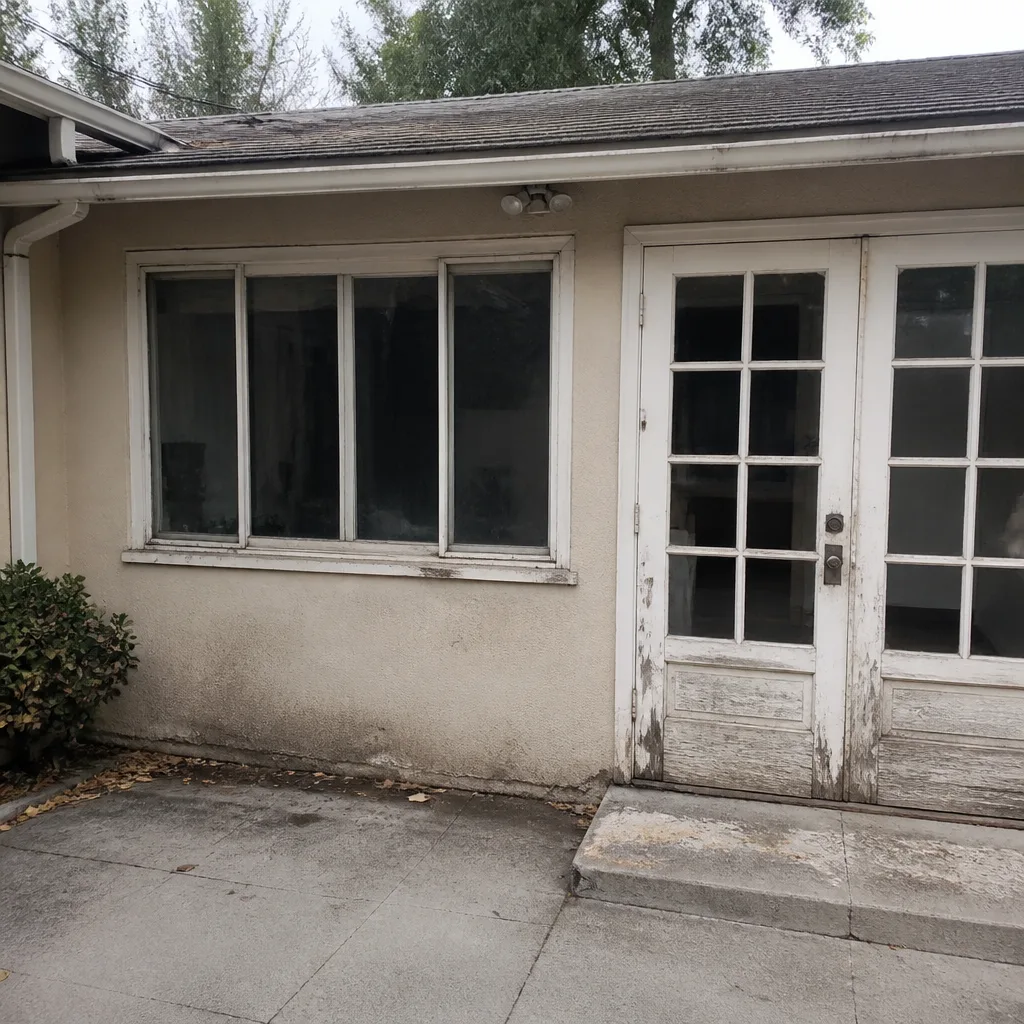 Before
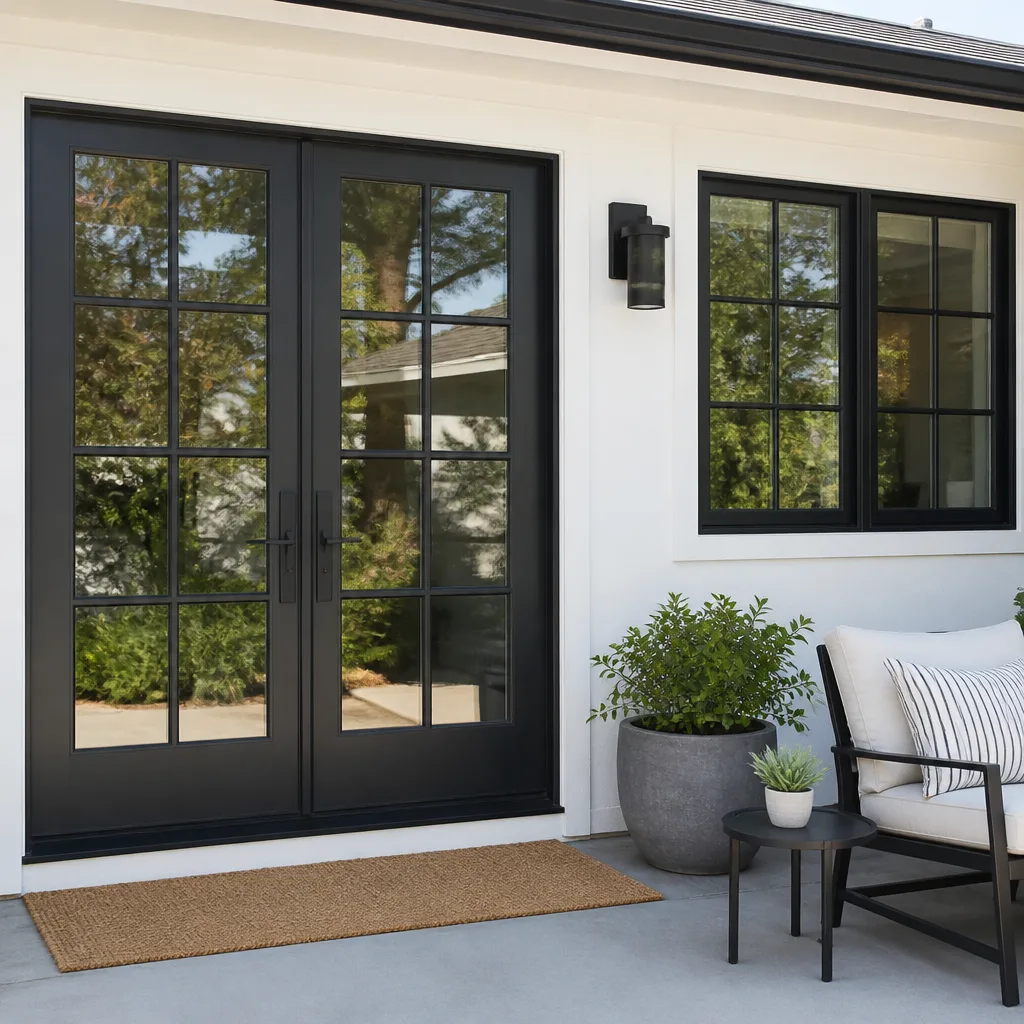 After
After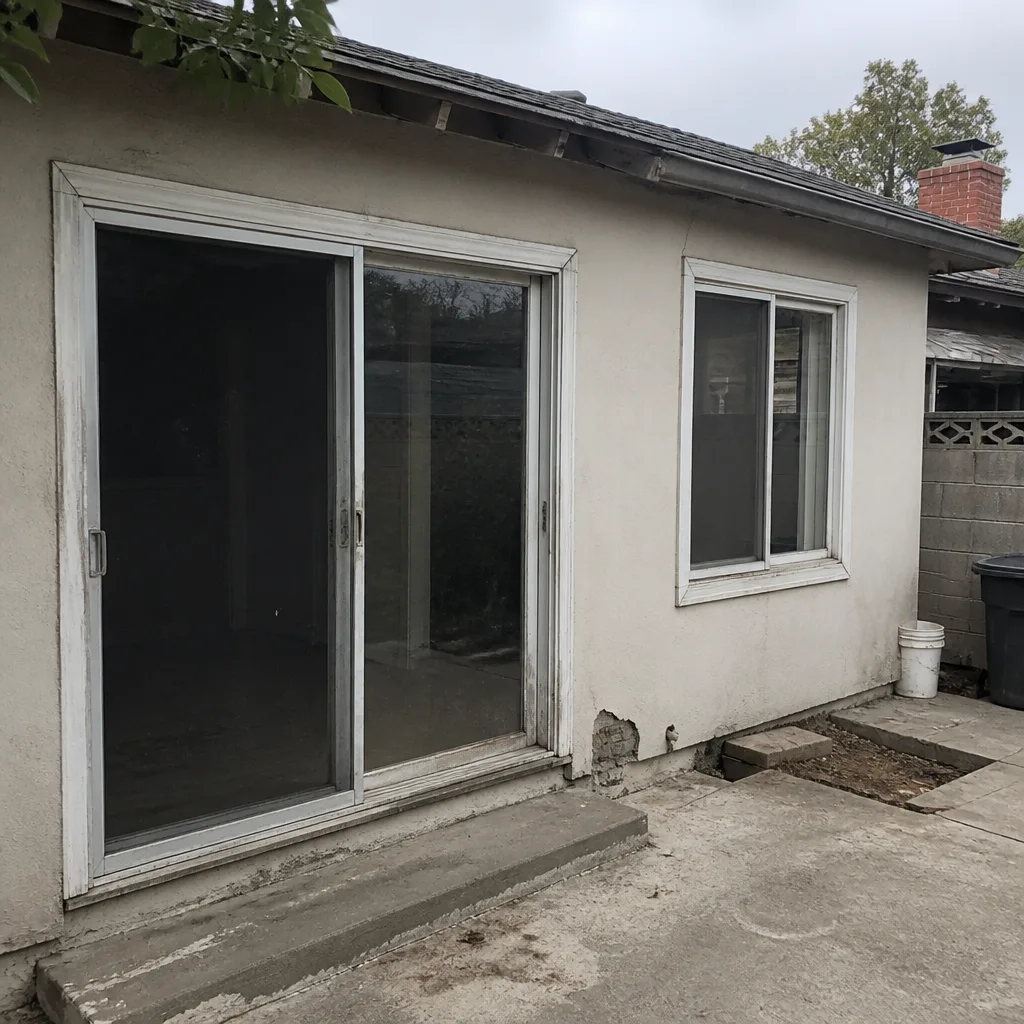 Before
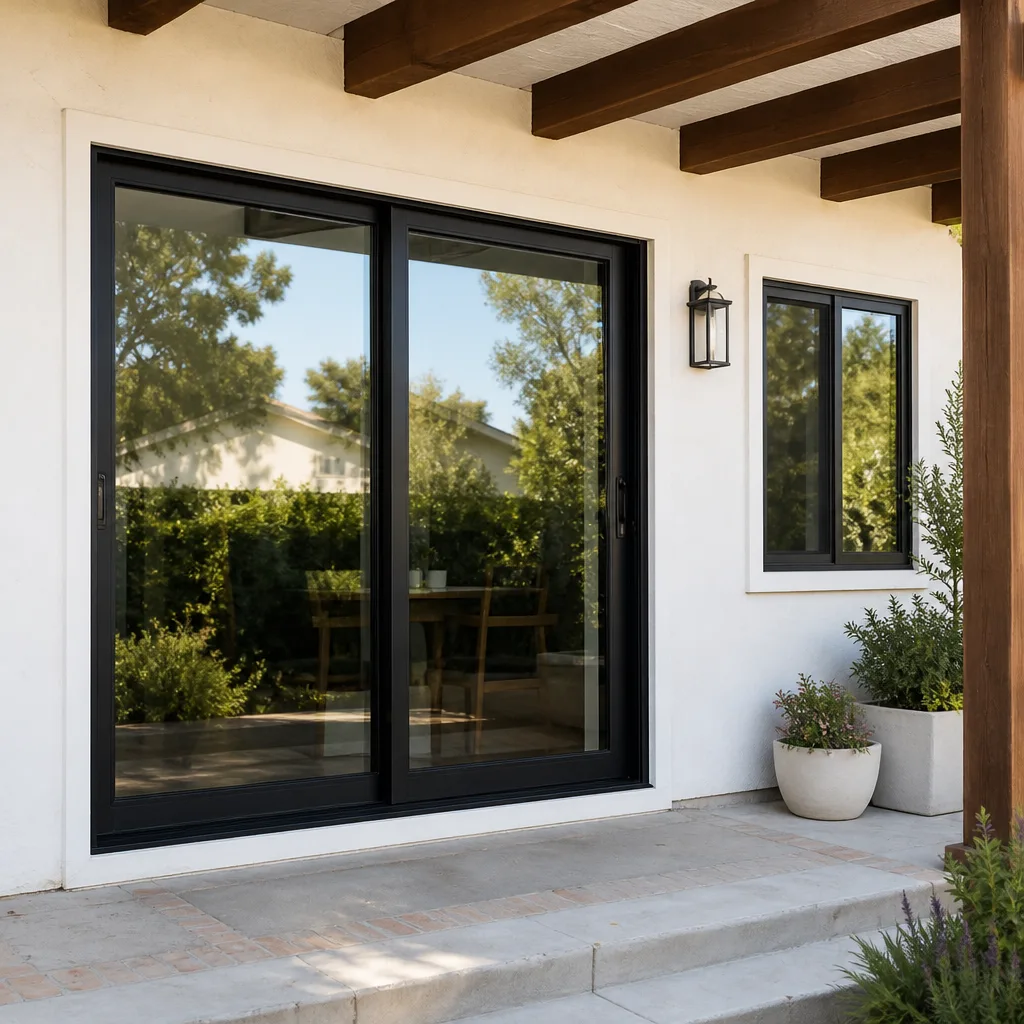 After
After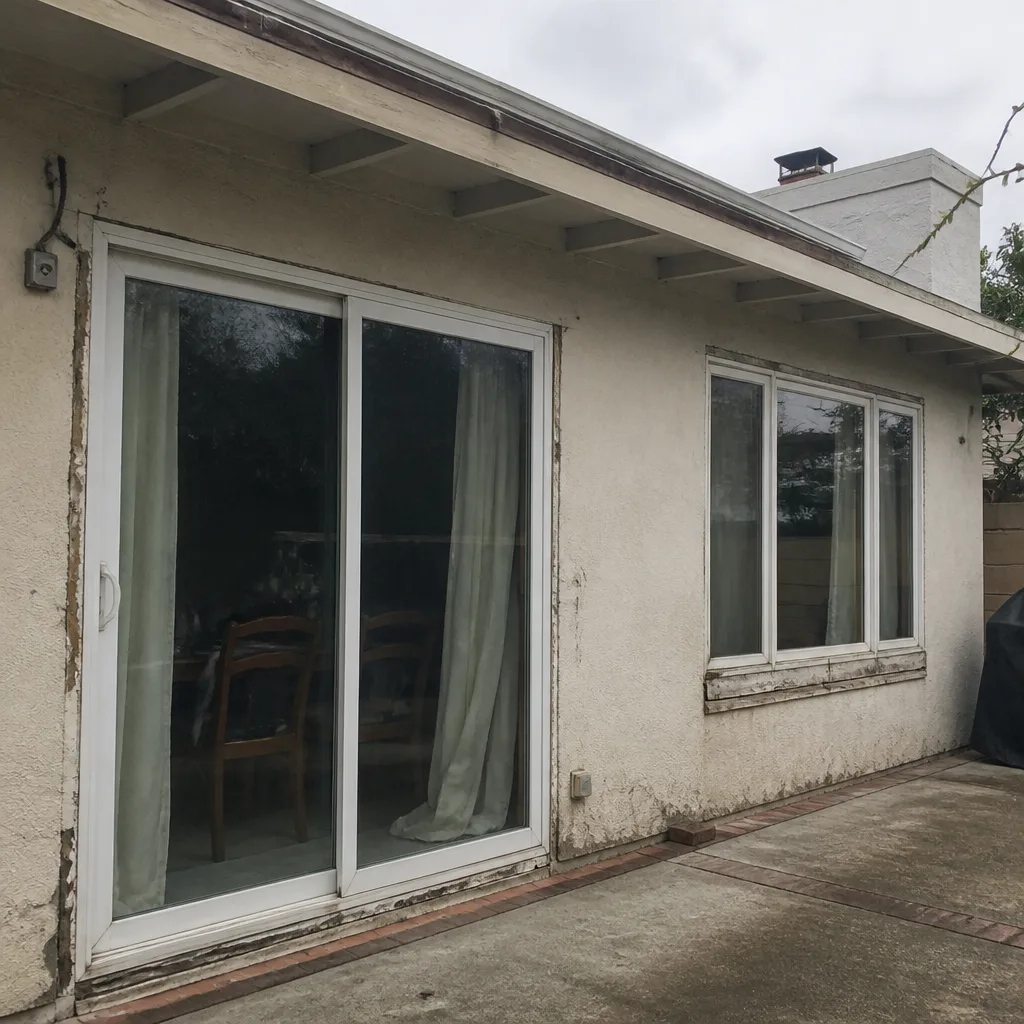 Before
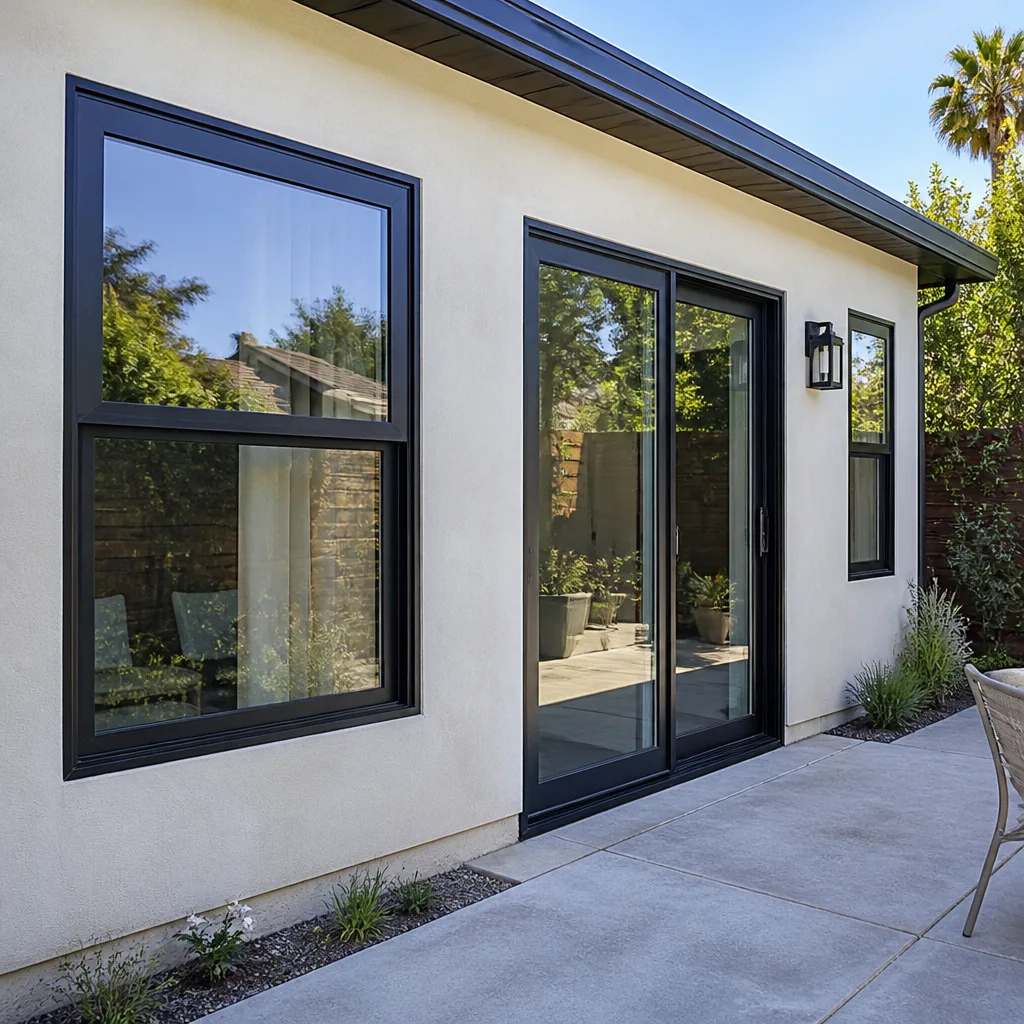 After
AfterHow Long Does Window Installation Take? Timelines and What to Expect
A single double-hung window in a wood-frame opening typically takes 45 to 90 minutes. A six-window project quoted as “one day” can run anywhere from 4 hours to 12, and the difference lives entirely in the prep work no one mentions at the estimate. This guide breaks the timeline down by window type, story height, and frame condition, so you know whether to book the sitter for a half day or clear the calendar. For How Long Does Window Replacement Take? Timelines and What to Expect, see our detailed breakdown. We’re writing this from Los Angeles, where stucco exteriors, older framing, and city permitting rules stretch or shrink the clock in ways you will not find in a generic national timeline.
Quick Answer
Our Window Installation services take 45 to 90 minutes per window for a straightforward replacement in good framing, meaning a typical 5-window Los Angeles home runs 4 to 8 hours on job day. Full-frame replacements, second-story work, stucco repairs, or rotted rough openings extend the job to 1 to 3 days total. The single biggest variable is the condition of the opening you cannot see until the old window comes out, which is why a pre-install inspection matters more than any estimate.
Table of Contents
- Per-Window Time Benchmarks by Type
- What Actually Happens During an Install: Step-by-Step
- The Hidden Timeline Killers in Los Angeles
- One-Day vs. Multi-Day Jobs: What’s Reasonable?
- How Juniper Keeps You Off the Waiting Game
- Do You Need to Be Home During Installation?
- Common Mistakes to Avoid
- When to Call a Professional
- Frequently Asked Questions
- The Bottom Line
Per-Window Time Benchmarks by Type
Not all windows take the same amount of time. The frame style, the glass package, and the weight of the sash all move the clock. Here are the ranges we work with in Los Angeles, based on a standard retrofit (insert) install where the existing frame stays in place and the new window slips inside it.
- Single-hung windows: 45 to 75 minutes each. The lightest and most common style in LA homes built before 1990. One sash moves, one stays fixed, so there are fewer moving parts to set and balance.
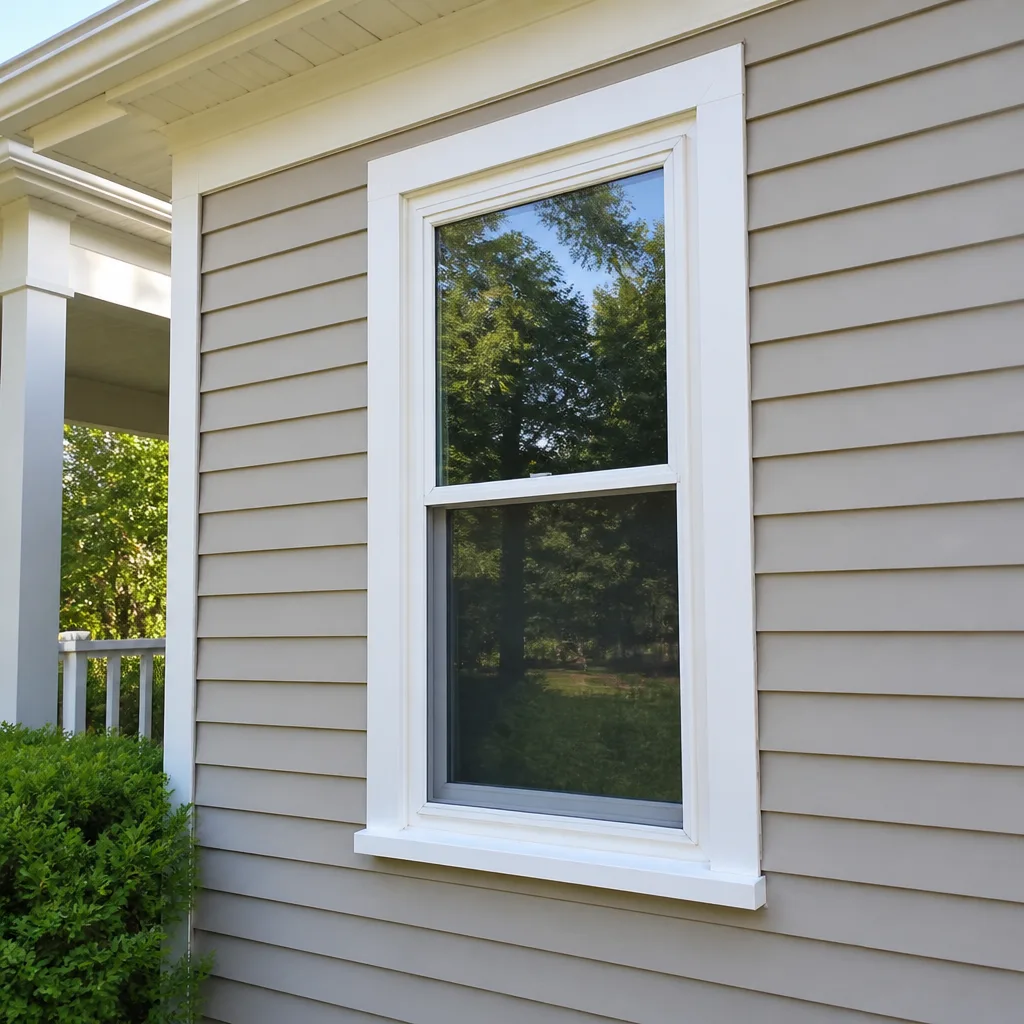
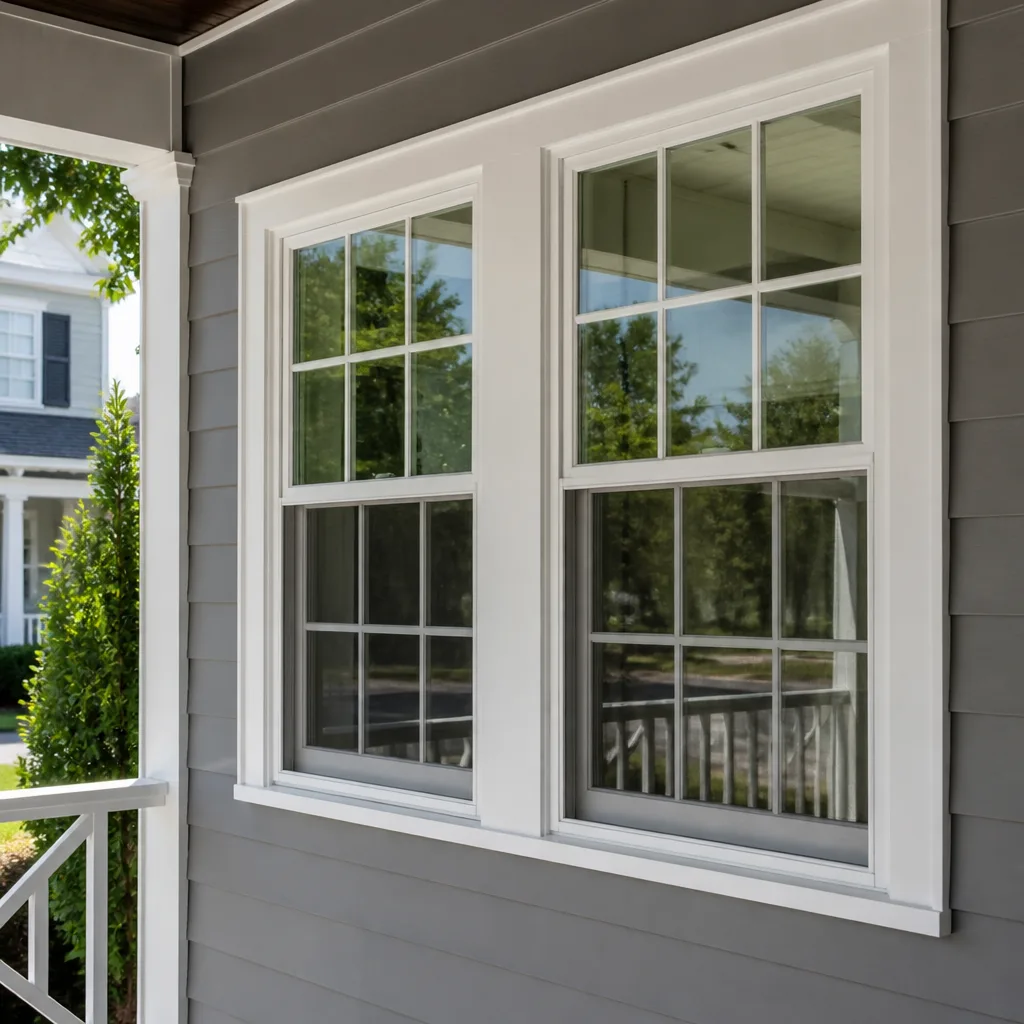
- Double-hung windows: 45 to 90 minutes each. Two moving sashes mean two sets of balances and tilt latches to adjust. The extra 15 minutes is in getting both sashes to sit square and glide cleanly.
- Casement windows: 60 to 100 minutes each. Crank-operated sashes have to be shimmed precisely or the lock misaligns and the seal fails. A casement with a rotted crank mechanism in the old frame adds time if we’re salvaging the opening.
- Picture windows: 60 to 120 minutes each depending on size. Larger glass units weigh more and need a second pair of hands. A 6-foot by 5-foot picture window in a stucco wall is not a one-person job. Impact-rated versions from PGT or CGI run heavier and slower to seat properly.
- Sliding windows: 75 to 120 minutes each. The track has to be dead level, and on older LA homes with settled framing, that means more shimming. Sliders are also more likely to have years of dust and debris caked in the old track, which takes time to clean out before the new unit can seat.
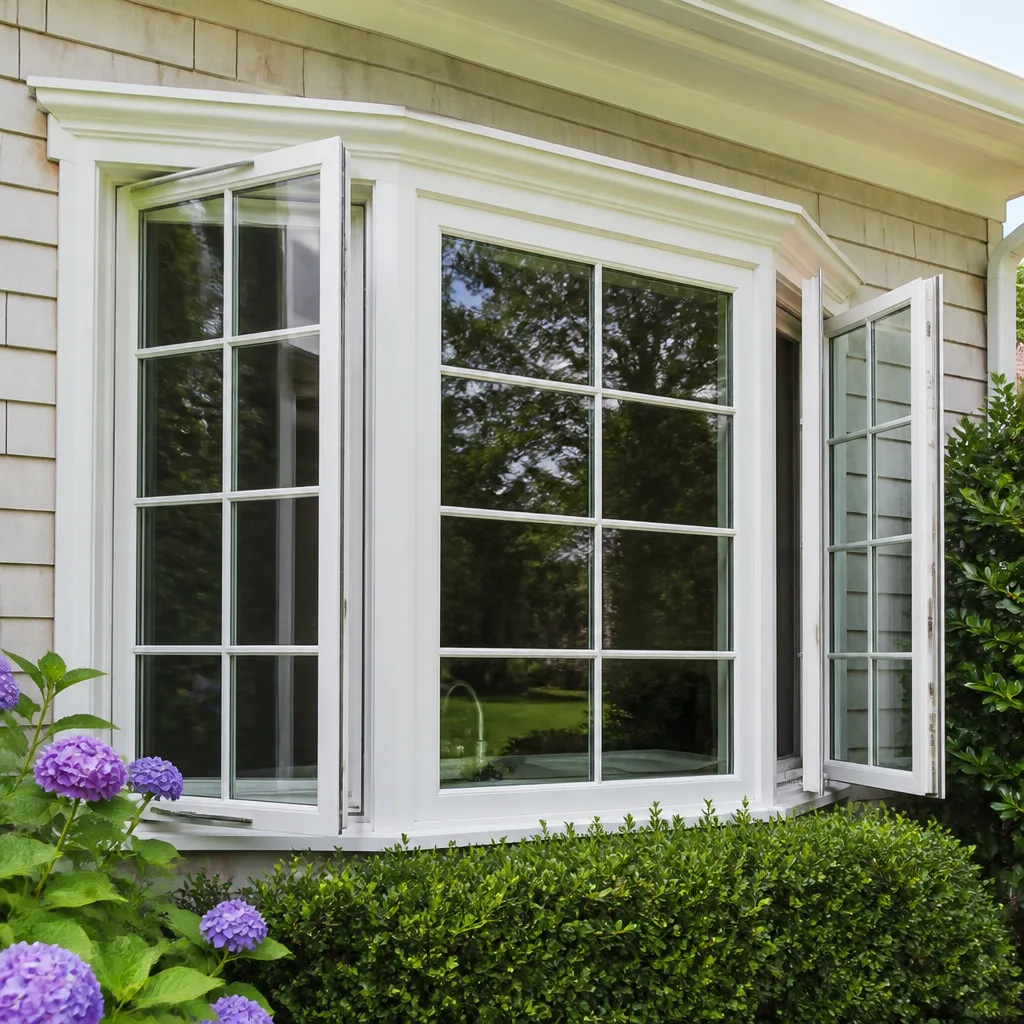
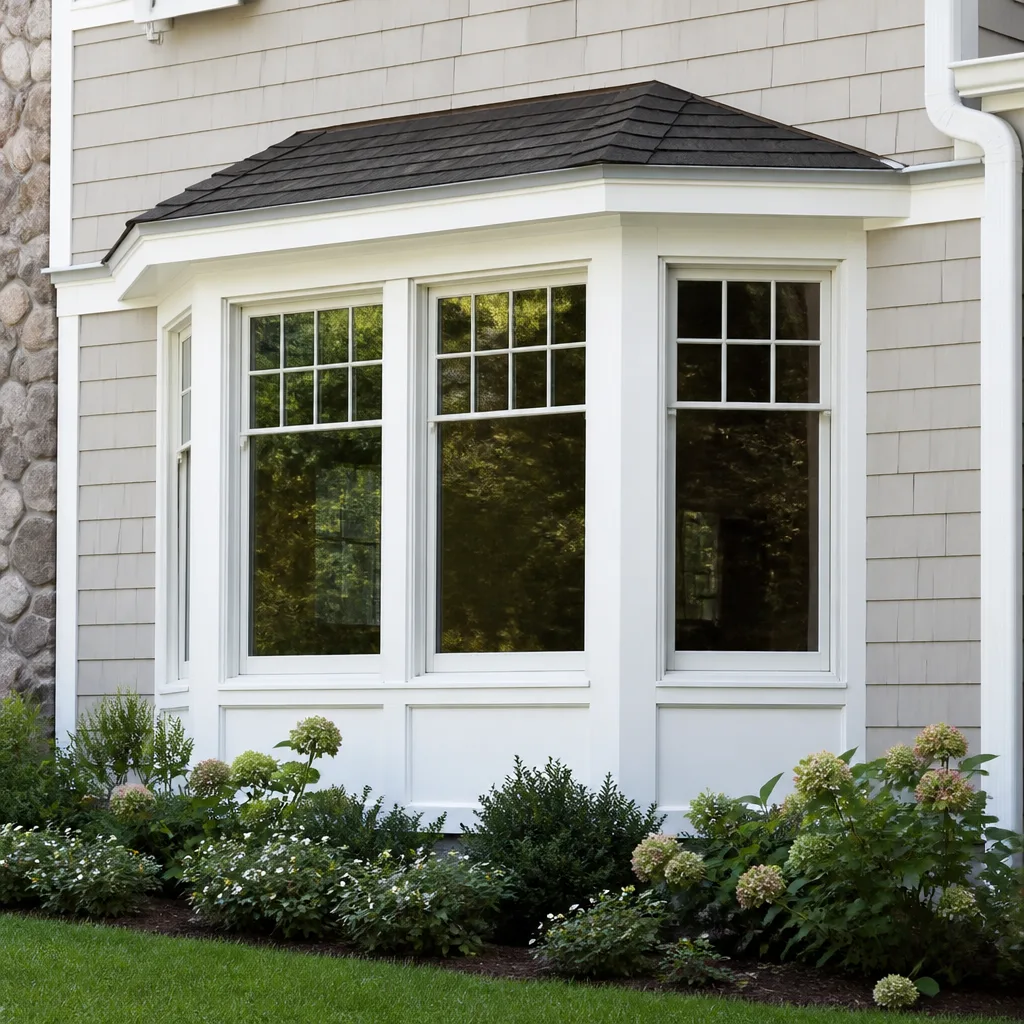
- Bay or bow windows: 3 to 6 hours per unit. These are structural projects, not simple swaps. They often require new support framing, exterior flashing, and roof or sill work. In Los Angeles, a bay window that projects past the exterior wall may trigger different permitting review than a flush window.
These numbers assume the rough opening is square and the framing is sound. They also assume a retrofit install. A full-frame replacement, where we remove the old window down to the studs, add flashing, and rebuild the opening, runs 2 to 4 hours per window. That extra time is not wasted: it is the difference between a window that seals for 20 years and one that leaks in the first winter rain.
For homeowners getting a ballpark on a whole-home project, multiply the per-window range by the number of windows and add an hour for a mid-size crew to set up, lay drop cloths, and stage materials. A typical 8-window single-story home in the San Fernando Valley lands around 6 to 9 hours of clock time for the crew. If you want a deep dive on what a specific project looks like, our Window Replacement in Los Angeles page walks through typical scopes.
What Actually Happens During an Install: Step-by-Step
Knowing the sequence removes 90 percent of the anxiety. Here is what a standard retrofit window install looks like from the moment the crew arrives to the moment they pack the truck.
- Arrival and floor protection (15-30 minutes): Drop cloths go down, tools get staged, and the lead tech walks the project with you to confirm the window list matches the written quote. At Juniper, the arrival window is not a four-hour guessing game – you get a live arrival time you can track, so you know when the crew pulls up.
- Old sash removal (10-20 minutes per window): The moving parts of the old window come out first. This is when we see the condition of the frame and confirm the rough opening is sound. If there is rot or termite damage, this is the moment it surfaces, not after the new window is in.
- Opening prep and cleaning (5-15 minutes per window): We scrape old caulk, remove debris, and level the sill with shims where needed. On older LA homes from the 1940s and 1950s, this step takes longer because the framing has settled and the opening is rarely square.
- New window seating (15-30 minutes per window): The new unit goes in, gets shimmed level and plumb, and is secured to the existing frame. This is the precision step. A window that is even an eighth of an inch out of square will bind when you open it.
- Insulation and sealing (10-20 minutes per window): We fill gaps around the frame with low-expansion foam or backer rod, then apply a continuous bead of exterior caulk. This step is where the energy performance actually comes from. The best U-factor on the market means nothing if air leaks around the frame.
- Interior trim and cleanup (10-15 minutes per window): Interior stops and trim get reinstalled, the sash is checked for smooth operation, and the work area gets vacuumed. You should be able to open and close the window without any drag or stick.
- Photo documentation and final walkthrough (15-20 minutes): We take before-and-after photos of every window and walk the project with you to confirm the work is done correctly. You get a digital invoice you can pay from a link, and the photos stay in your project record.
The whole sequence, start to finish, is why a “one-day” quote can mean 4 hours for a 3-window project or a full 10-hour day for 10 windows. The physical act of setting a window is fast. The sealing, shimming, and cleanup are what consume the clock, and those are the steps you cannot skip without paying for it later in drafts and leaks. Browse our more guides & resources for additional installation tips.
The Hidden Timeline Killers in Los Angeles
Every city has its own way of stretching a window project. In Los Angeles, three specific factors show up again and again, and none of them appear on a generic installation timeline.
1. Permits and Plan Checks
In the City of Los Angeles, window replacement generally does not require a permit if you are swapping like for like and not changing the opening size. Full-frame replacements, enlarging openings, or adding windows where none existed typically do require a permit from the Los Angeles Department of Building and Safety, or LADBS. The over-the-counter permit process can take a few days. A plan check for structural changes can take 2 to 4 weeks. If your project includes a bay window or a new opening, build that lead time into your schedule before anyone swings a hammer. This is a common question on our Window Installation in Los Angeles page, and the answer is always: know your scope before you set a date.
2. Stucco and Exterior Wall Repairs
Most LA homes built before 1980 have stucco exteriors. Full-frame window replacement means cutting into that stucco, and once the new window is in, the stucco has to be patched. Stucco patches need time to cure before paint goes on. A two-coat patch in warm dry weather may cure in 48 hours; a three-coat patch in cooler or coastal humidity, like what you get in Santa Monica or Playa del Rey, can need 5 to 7 days. If your project includes stucco work, the window itself may be in by noon, but the exterior finish will not be complete for a week. That is normal, not a delay.
3. Screw-Hole Stucco Patching on Retrofit Installs
Retrofit installs in stucco homes require screws through the new window frame into the existing opening. Those screw holes get caulked, but on some homes the exterior finish needs touch-up around the perimeter. If the old windows had wide exterior trim and the new ones have slightly different dimensions, small stucco touch-ups can add a day to the job, mostly waiting for patching compound to set before painting.
4. HOA Approval Requirements
Large swaths of Los Angeles fall under homeowners associations, and many HOAs regulate window style and exterior appearance. If you live in a condo or a planned development, you may need architectural committee approval before installation. Some HOAs review submissions monthly, which can add 3 to 6 weeks to the front end of the project. We have seen projects in the Miracle Mile and Brentwood sit for a month over a finish color approval. The window install itself took a day. The approval took longer than the entire construction schedule.
5. Access and Parking Logistics
Los Angeles parking is its own timeline factor. Narrow streets in Silver Lake or Echo Park, restricted parking in West Hollywood, gated access in the hills – all of it adds time on the front end of the day. A crew that has to park three blocks away and haul windows uphill is going to move slower than a crew that can stage materials in a driveway. When we schedule a project, access is part of the estimate, not an afterthought.
One-Day vs. Multi-Day Jobs: What’s Reasonable?
A 5- to 10-window retrofit project on a single-story home with sound framing is a legitimate one-day job for a two- or three-person crew. Many Los Angeles ranch homes from the 1950s and 1960s fall into this category. The crew arrives at 8, works through the day, and you are closing new windows by late afternoon.
So when is a multi-day install the right call? Here is the honest list:
- Full-frame replacement on 10 or more windows: Cutting out every old window to the studs, flashing each opening, and reinstalling new construction windows is a 2 to 3 day job for a full house. Anyone quoting less is not doing it correctly.
- Second-story work: Ladders, scaffolding, and fall protection slow everything down. A second-story window takes roughly 1.5 to 2 times the ground-floor time per window. Safety gear and careful material handling eat the extra clock.
- Stucco patching and exterior finish work: As covered above, curing time between coats is what it is. The windows may all be in by end of day one, but the exterior is not done until the patch cures.
- Bay or bow windows: These are structural projects. One or two per day is a realistic pace for a careful crew.
- Homes with rotted framing discovered mid-project: If the first window comes out and the sill crumbles, the entire project timeline shifts. Correct framing repair adds 30 to 60 minutes per affected opening. On older LA homes near the coast where marine air accelerates wood rot, we expect to find some framing work behind at least one window. A multi-day schedule that accounts for this is honest, not slow.
Now for the flip side: when is a multi-day install a red flag? If you are being quoted 3 days for a 6-window retrofit on a single-story home with untouched framing, someone is either padding the schedule or running an undersized crew. A two-person crew can install 6 retrofit windows in a day. A one-person crew doing the same job alone will take 2 to 3 days, and solo window work on anything larger than a small fixed window is a safety issue, not a cost-saving measure.
For door projects, the same logic applies. A door replacement typically runs 3 to 5 hours for a standard single entry. Our Door Replacement in Los Angeles page breaks down those timelines separately, but the principles are identical: condition of the rough opening, access, and the quality of the prep work all move the clock.
How Juniper Keeps You Off the Waiting Game
Most homeowners in Los Angeles do not plan their day around a window install because the contractor gives them a start time. They plan around a four-hour window, then wait, then call, then wait some more. That is the experience we built Juniper Windows & Doors to eliminate.
Here is what the day actually looks like when you book with us:
- A live arrival time before the crew shows up: You see where the crew is, like you would a rideshare, so you are not staring out the window wondering if anyone is coming. This is part of The Relay Standard: book in a tap, get a live arrival time, receive before-and-after photos, and pay from a digital invoice.
- Photo updates as the job progresses: You get photos of the old windows out, the new windows in, and the final sealed and trimmed result. You can be at work, at the gym, or picking up the kids, and you will see the job move forward in real time.
- A written price locked before anything starts: No estimate that morphs into a surprise invoice. The price you approve on paper is the price you pay. If the crew finds rotted framing behind an old window, we stop, show you the issue with photos, and give you a written revised price before any additional work happens.
- The 365-Day Done Right Promise in writing: If the install is not right, we make it right for a full year. Parts and labor, covered, on every project. That is not a verbal promise. It is written into the scope of work.
- A live person on the phone at any hour: If you call at 7 a.m. or 11 p.m., a real person picks up. You are not navigating a phone tree to ask a simple question about your install date.
We are a windows-and-doors specialist, not a general contractor. We install windows and doors, full stop. That focus means our crews have installed thousands of units across Los Angeles, from mid-century ranches in the Valley to hillside homes in the Hollywood Hills, and they have seen every framing condition the city can throw at a window opening. When we quote a timeline, we are quoting it from experience, not from a national average that ignores local building realities.
We carry eight product lines, including PGT, CGI, and ViewLux, so the right window for a coastal home in Marina del Rey that needs impact-rated glass is never a compromise with what a Valley home needs for heat rejection. The material choice changes the install timeline slightly, heavier impact-rated units from PGT and CGI run a bit slower to seat, and that is reflected in our schedule from the beginning, not discovered on job day.
Do You Need to Be Home During Installation?
For a standard retrofit install where the crew has interior access to every window, you do not need to be home for the entire job. Many of our Los Angeles customers give us garage or lockbox access, go to work, and follow the project through the photo updates we send. You do need to be present for the final walkthrough at the end of the job, and if any framing issues surface, you will get a call with photos and a clear explanation of what was found and what it costs to fix.
For a full-frame replacement, we recommend being on site for the first hour. The first window is where discoveries happen. Once the first opening is opened up and the framing condition is confirmed, the rest of the day typically stays on schedule. If you cannot be there, the photo updates and live arrival tracking mean you still have eyes on the job from wherever you are.
One practical note for Los Angeles specifically: if you have pets, plan for them. An install crew with doors open, windows out, and ladders moving around a home is not a safe environment for a dog or a curious cat. Crating pets or arranging for them to be elsewhere on install day protects both the animals and the crew. It also keeps the job moving on schedule.
Common Mistakes to Avoid
- Accepting a “one-day” quote without asking what “one day” means. A day can mean 4 hours or 12 hours. Ask for the crew size and the per-window time estimate. A two-person crew installing 8 retrofit windows in a day is realistic. A one-person crew doing the same job is a warning sign you will be living in a construction zone for three days.
- Skipping the pre-install inspection. The time to discover a rotted rough opening or out-of-square framing is before install day, not when the old window is sitting on the lawn and the new one does not seat. A proper contractor inspects the openings during the estimate, not after the work is scheduled.
- Ignoring HOA requirements until the week before install. In Los Angeles, HOA architectural review can add a month to a project. If you live in a condo or a community with exterior appearance rules, find out what the HOA needs before you book the crew. The window installation itself will not take longer, but the process will.
- Assuming retrofit and full-frame are the same timeline. They are not. Retrofit is a same-day job per window. Full-frame is a structural project that runs double the time or more. If a contractor quotes you the same price and timeline for both scopes, they are either confused or planning to cut corners.
- Not asking about stucco patching up front. On any full-frame project on a stucco home, exterior patching is part of the job. Ask before the work starts whether stucco repair is included in the written price, and ask how long the cure time is before paint. You want that answer in writing, not discovered when the crew is packing up.
- Planning to be away on install day with no one reachable. If a framing issue surfaces and you cannot be reached, the crew has to either stop or make a judgment call without your approval. A reachable phone number is the difference between a project staying on schedule and a project dragging into a second day.
- Choosing a window based only on price, with no thought to install complexity. A heavy triple-pane unit from a premium line costs more to install correctly than a basic dual-pane. The install time and labor cost are different. A quote that treats every window as identical in labor effort is a quote that has not actually thought through the job.
When to Call a Professional
Window installation is not a DIY weekend project, and in Los Angeles, attempting to self-install on a stucco home or a second-story opening is a genuine safety risk. If your project involves full-frame replacement, any window above the first floor, impact-rated glass, or opening sizes that have changed, you need a trained crew with the right equipment and the right insurance. If you have discovered a rotted sill or an opening that is visibly out of square, do not try to shim your way through it – you will be fighting physics and losing. Juniper Windows & Doors offers free estimates in Los Angeles – call (682) 281-2168 and we will walk the project with you, confirm the framing condition, and hand you a written price with a real timeline before anything starts.
Frequently Asked Questions
A whole-house retrofit of 8 to 12 windows on a single-story Los Angeles home takes 1 to 2 days with a two- or three-person crew. Full-frame replacement on the same number of windows runs 2 to 4 days, depending on stucco work and the condition of the existing framing. Call (682) 281-2168 for a written timeline based on your specific scope.
Yes. A standard retrofit replacement in a sound opening takes 45 to 90 minutes, so a crew can complete 5 to 8 windows in a full workday. The one-day timeline assumes no framing repair, no full-frame work, and no second-story access complications.
Quality vinyl or aluminum windows installed correctly in Los Angeles typically last 20 to 30 years. Coastal homes exposed to salt air in areas like Venice or Playa del Rey may see shorter lifespans on aluminum frames if not properly maintained. The install quality is the single largest factor in longevity: a window set out of square or poorly sealed will fail long before the glass or frame does.
Like-for-like window replacement with no change to opening size generally does not require a permit in the City of Los Angeles. Changing opening sizes, adding new windows, or structural work like bay window installation typically does require an LADBS permit. Check scope with your contractor before you book a date.
Retrofit window installation in Los Angeles generally runs $75 to $150 per window in labor for a straight swap, plus the cost of the window itself, which can range from $300 to $1,200 or more depending on brand, size, and glass package. Full-frame replacement runs higher due to framing, flashing, and exterior finish work. For a written price on your specific project, call (682) 281-2168.
Clear a three-foot work area in front of every window, remove window coverings and anything on the sills, trim back exterior landscaping that blocks access, and crate pets during work hours. Confirm the crew has a parking plan. If you live in a permit-parking zone in LA, have guest permits or a designated spot ready so the crew is not circling the block while the clock runs.
The Bottom Line
Window installation time breaks down to this: 45 to 90 minutes per window for a standard retrofit, 2 to 4 hours per opening for full-frame, and the difference between a one-day job and a week-long project lives in the prep work, the framing, and the local variables like permits, stucco, and HOA approvals. In Los Angeles, those local variables are not exceptions, they are the norm on many homes. The right contractor inspects the openings before install day, locks a written price, and gives you a timeline you can plan your life around, including a live arrival time so you are not sitting home for the whole day. You can browse more of our work and see what makes Juniper Windows & Doors home different, or call us directly to get a written quote and a real schedule for your window project.
Written by Sean Mackey, Owner at Juniper Windows & Doors, serving Los Angeles since 2001.