
Last updated October 9, 2026
Free in-home measure and quote - PGT, CGI and CWS impact lines compared on your actual openings, style by style
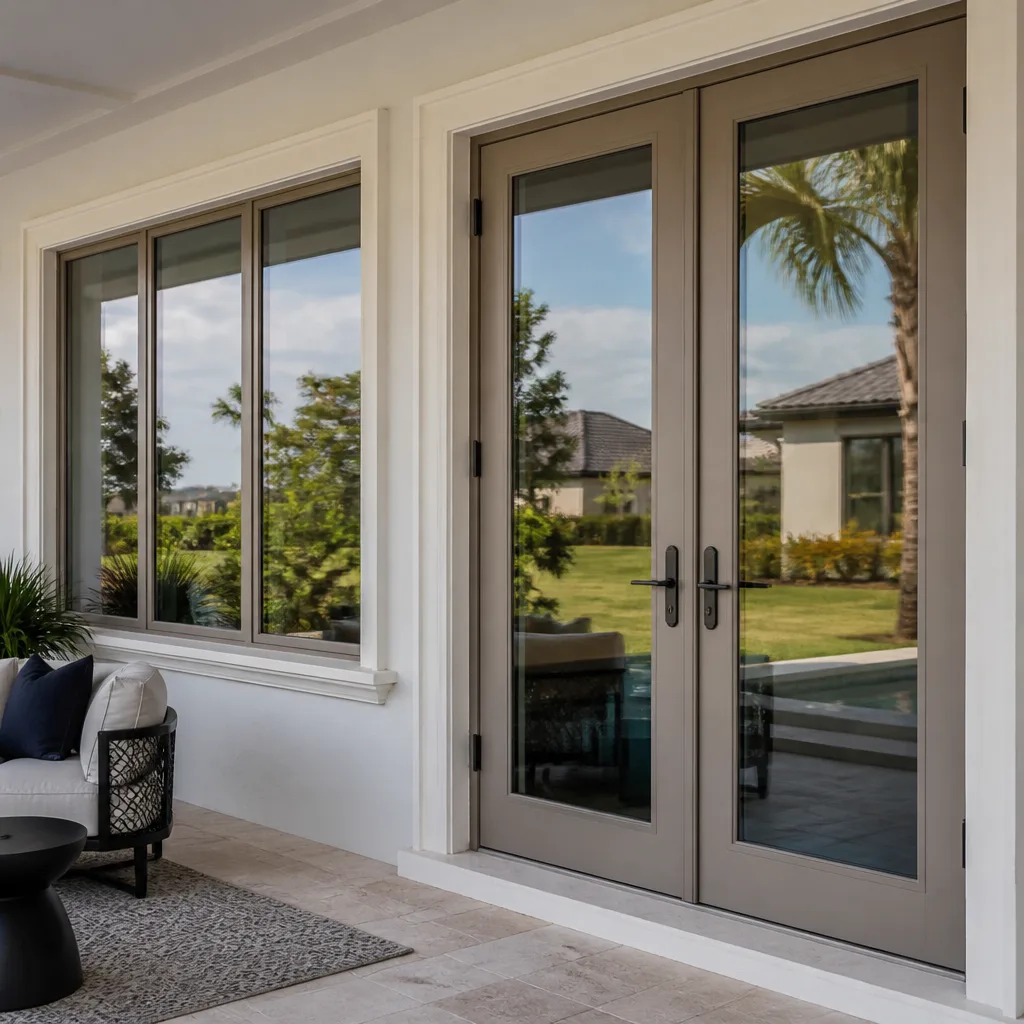
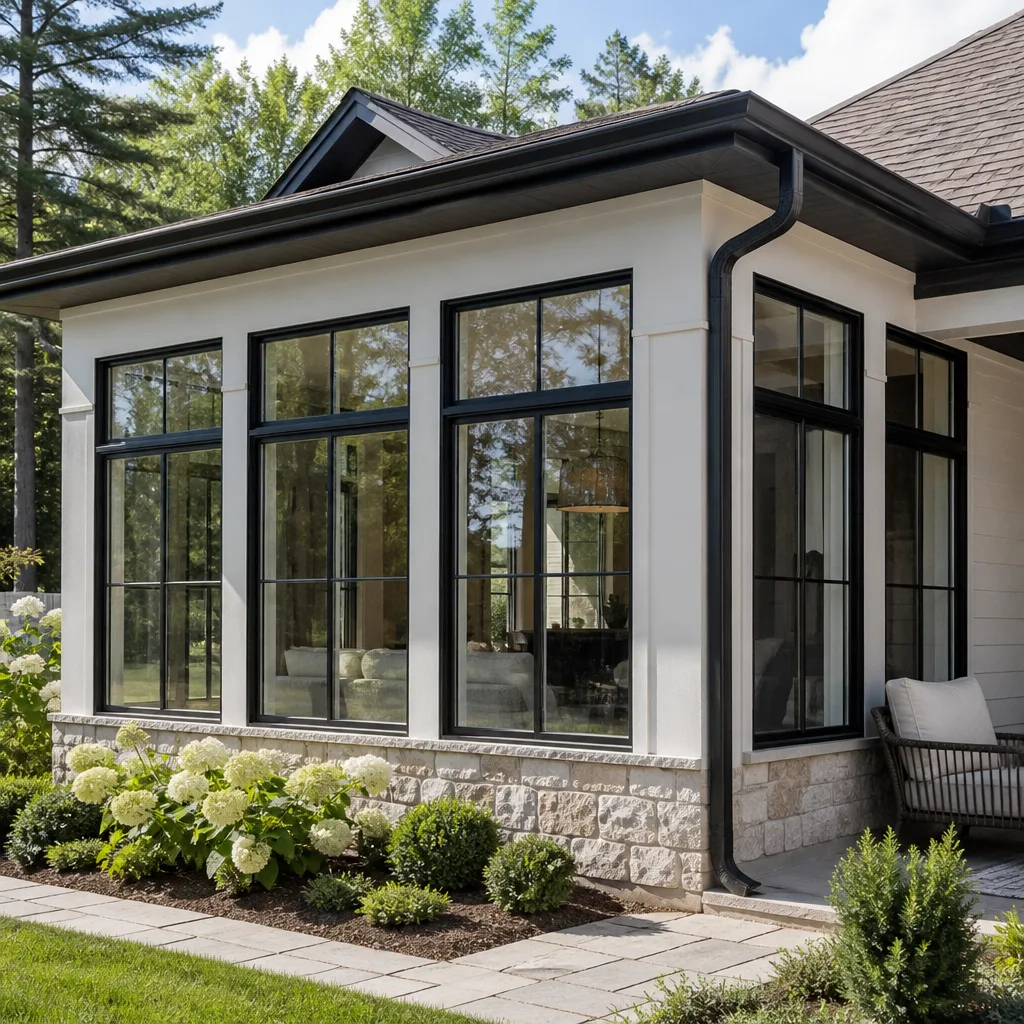
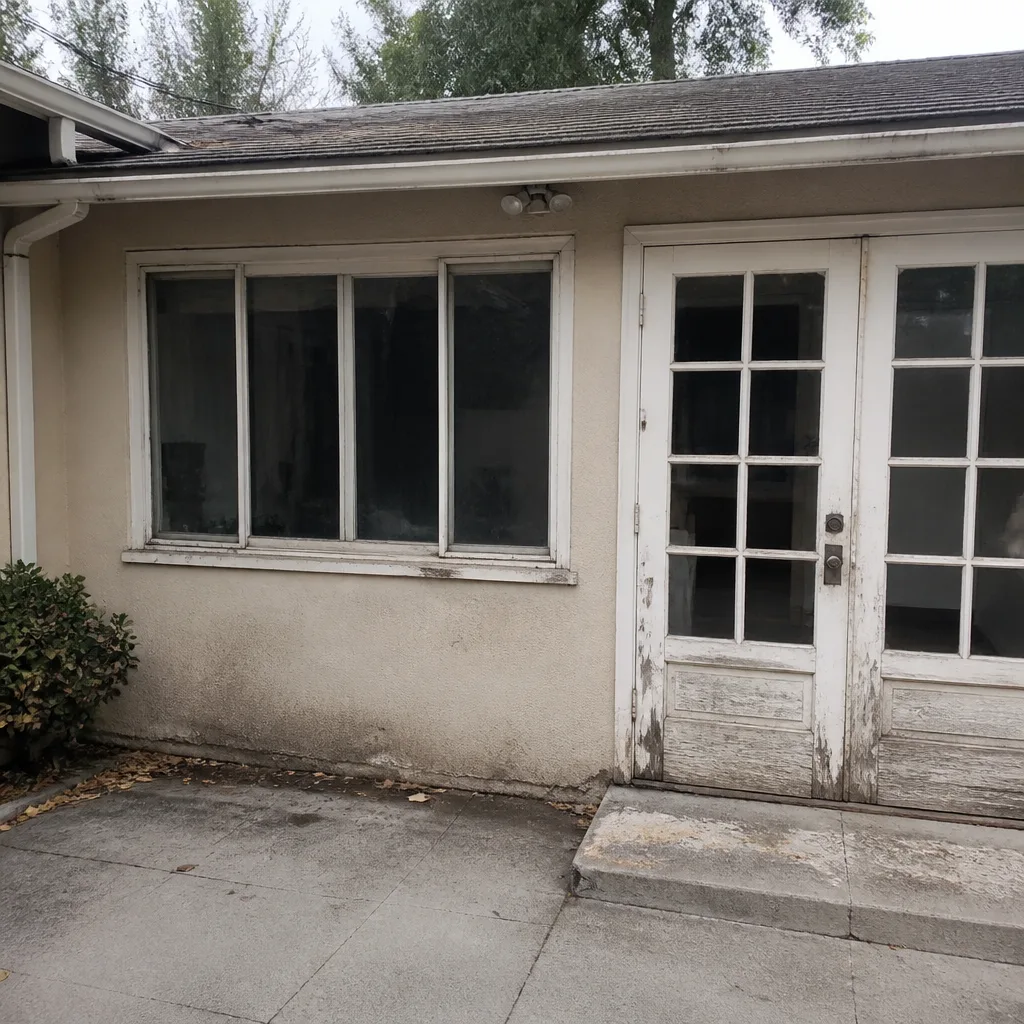 Before
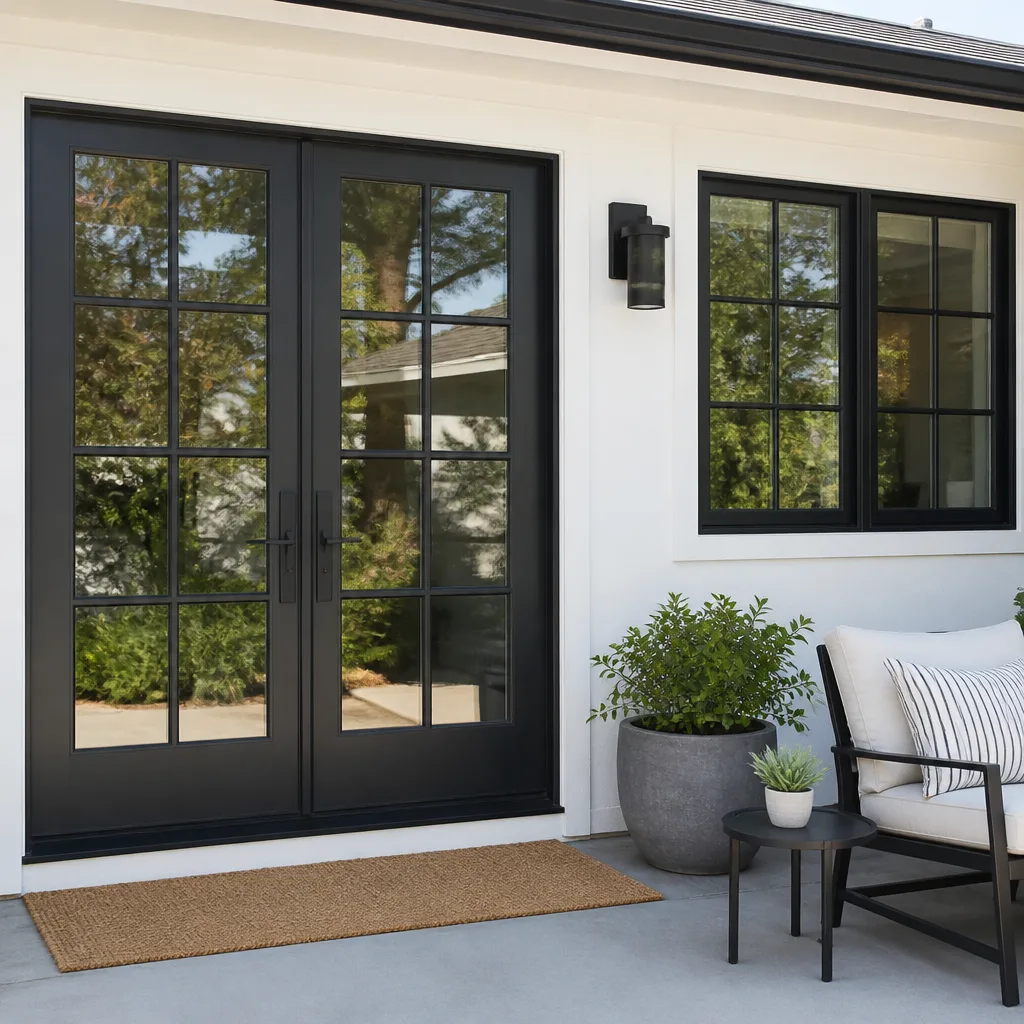 After
After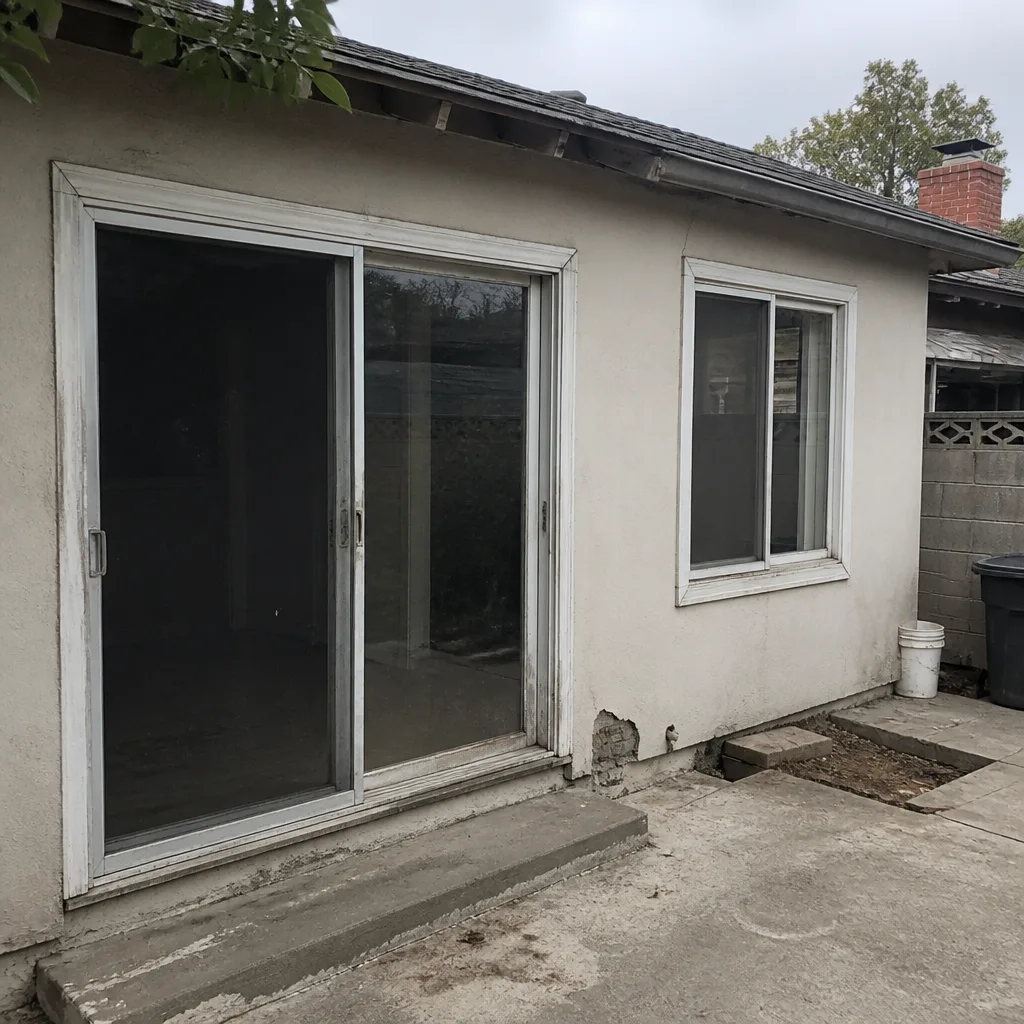 Before
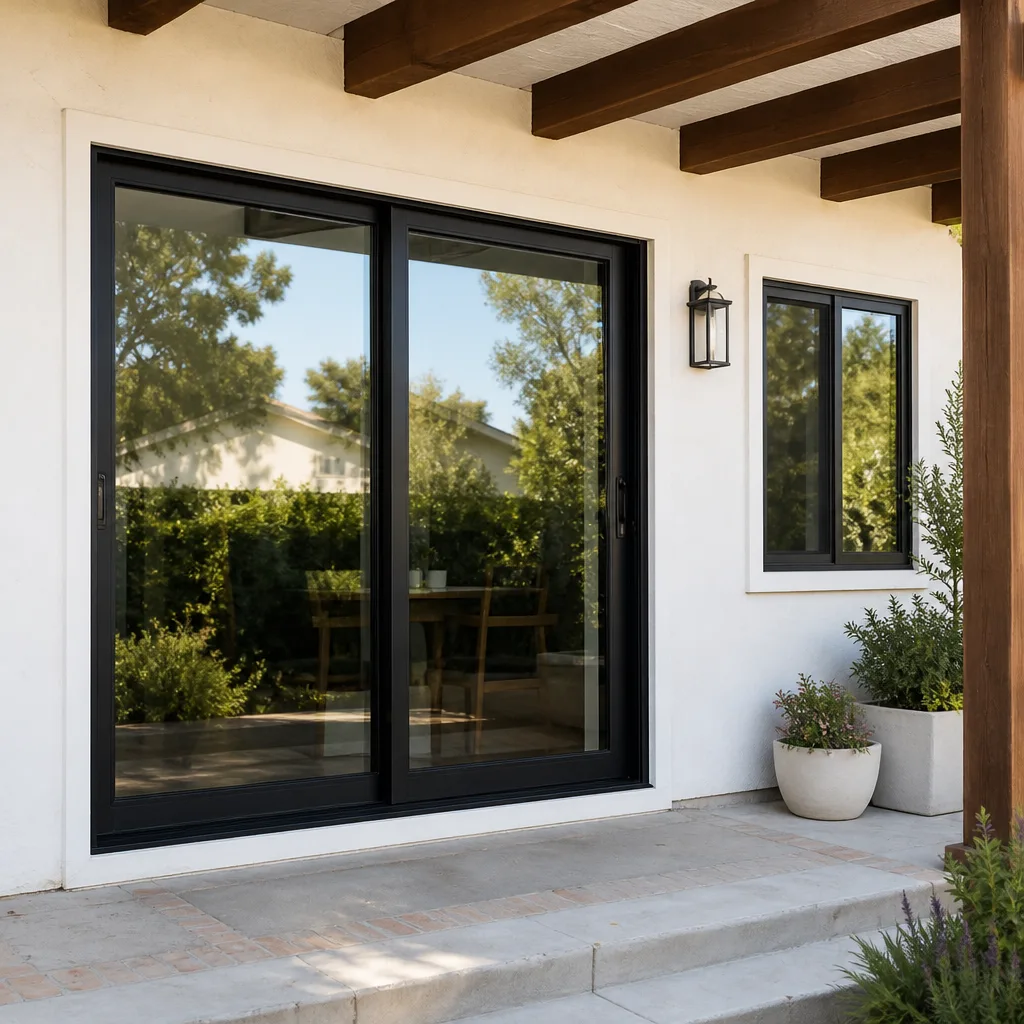 After
After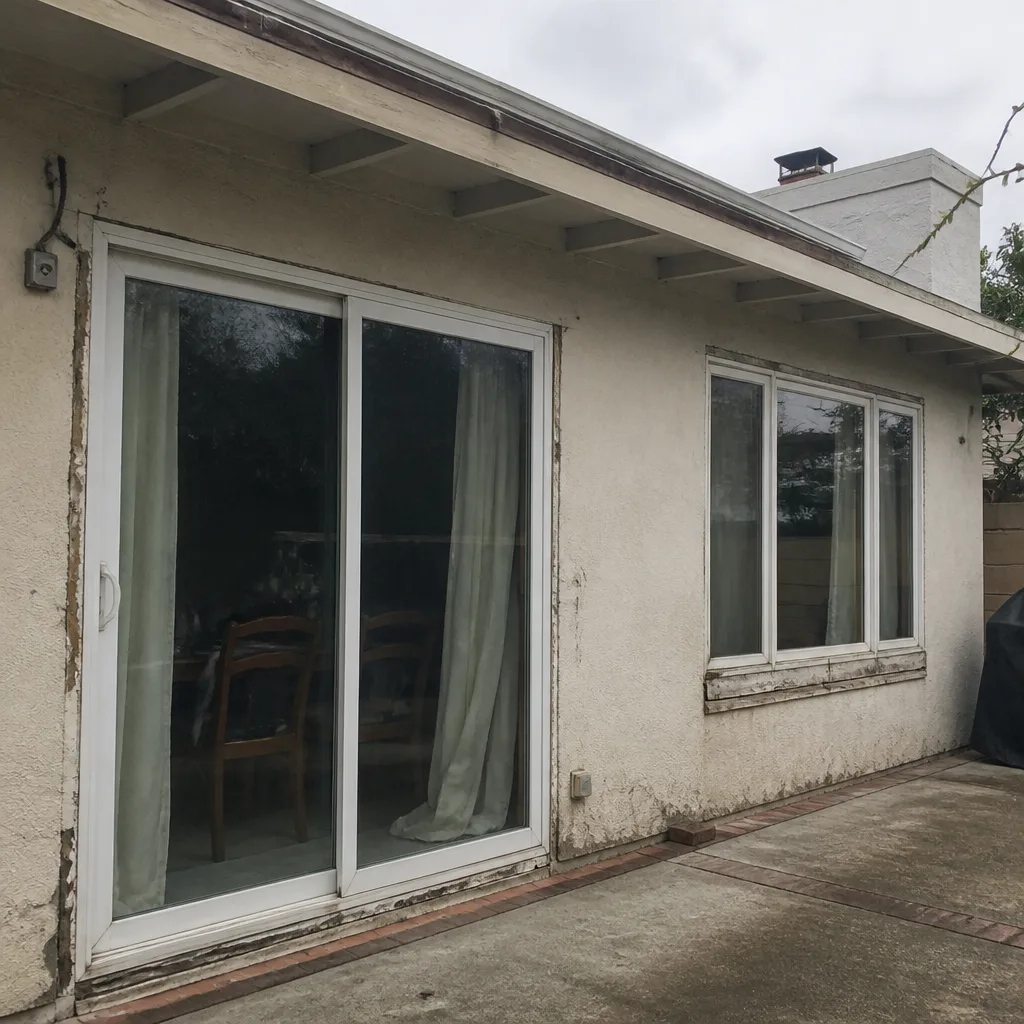 Before
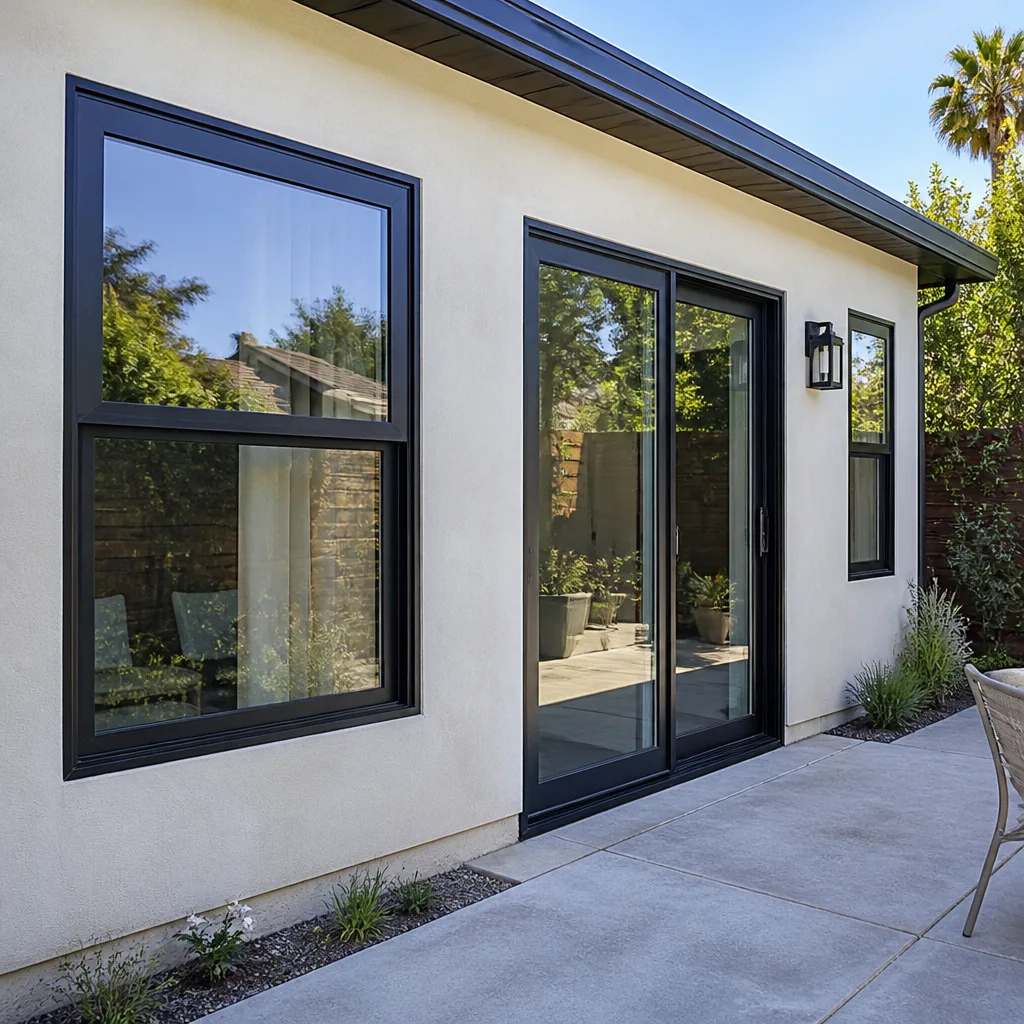 After
AfterDoor Replacement Warning Signs Every Homeowner Should Know
Here’s a counterintuitive fact from two decades of door work in Los Angeles: most doors don’t fail suddenly. They send a 12-to-18-month warning that homeowners almost universally misread as “the door just needs a fresh coat of paint.” A door that’s harder to deadbolt than it used to be isn’t a lock problem 60% of the time. It’s a frame-movement problem, and the deadbolt is simply the first component precise enough to report it. This guide decodes the physical signals that separate cosmetic aging from structural or security failure that actually demands replacement. By the time you finish reading, you’ll know exactly what to check on every exterior door in your home. For more guides & resources, visit our blog.
Quick Answer
The clearest signs you need Door Replacement services are a door that drags or sticks at the top corner, visible daylight around the closed door, a deadbolt that no longer slides smoothly into its strike plate, soft or spongy wood anywhere in the frame, and rising energy bills you can trace to air leaks around the door perimeter. In Los Angeles, where the sun beats on west-facing doors for hours every afternoon, warping and frame movement tend to show up faster than in milder climates. If you’re seeing two or more of these symptoms together, you’re past the repair window and into replacement territory.
Table of Contents
- The Three-Finger Draft Test at the Lock Stile
- How Fiberglass, Wood, and Steel Doors Fail Differently
- The Security Failure Checklist: When a Door Stops Doing Its Job
- Energy Bill Correlation: Is Your Door Quietly Costing You Money?
- The Paint-Over Disguise: Spotting Hidden Rot Before You Buy or Sell
- Los Angeles-Specific Factors That Accelerate Door Failure
- Repair vs. Replace: A Decision Framework That Actually Works
The Three-Finger Draft Test at the Lock Stile
Before you spend money on weatherstripping or a locksmith, run this simple diagnostic. Close your exterior door and lock it. Now kneel down and look at the gap between the door slab and the frame along the lock side, also called the lock stile. Slide your fingers into the gap at three points: the top corner, the middle where the deadbolt engages, and the bottom corner.
Here’s what the results mean:
- Gap less than 1/8 inch at all three points: Your door is within normal tolerance. If you feel a draft, the weatherstripping is the problem, not the door. A $15 replacement strip fixes it.
- Gap between 1/8 and 1/4 inch at one or two points: The door has started to move within its frame. This is the warning zone. The weatherstripping is being asked to do a job it was never designed for, and the door’s compression seal is compromised. You can adjust hinges and buy time, but the underlying movement won’t stop on its own.
- Gap greater than 1/4 inch at any point, or visible daylight: The frame has moved beyond adjustment range. Hinge adjustments and new weatherstripping can’t close a gap this wide without constant re-adjustment. The door and frame are no longer working as a system. Replacement is the honest answer.
In our experience across Los Angeles, homes in neighborhoods with expansive soils like Baldwin Hills, Eagle Rock, and parts of the San Fernando Valley see frame movement earlier than homes on more stable footing. The soil expands and contracts with seasonal moisture, and the door frame records every shift. What looks like a door problem is sometimes a foundation conversation, but the door is the component that reports it first.
One more measurement that matters: check the reveal, which is the visible gap between the door slab and the frame on the top edge. A consistent reveal of 1/8 to 3/16 inch is healthy. If the top reveal is pinched on one side and wide on the other, the door has sagged on its hinges or the frame has racked. Both conditions compound over time, and both point toward replacement rather than another round of hinge shims.
How Fiberglass, Wood, and Steel Doors Fail Differently
Every door material telegraphs its end-of-life in its own language. Knowing which dialect your door speaks saves you from comparing apples to oranges when you’re reading advice online. Here’s what each material’s failure signature looks like.
Wood Doors: Rot, Rust, and Silent Hollowing
Wood doors in Los Angeles face a specific enemy: moisture that gets trapped behind paint. The failure sequence starts invisibly. Water finds a hairline crack in the paint film, usually at the bottom rail or around the glass lite. It soaks into the wood. The paint seals the moisture in. The wood starts to rot from the inside out. By the time you see a soft spot or a paint bubble, the rot pocket is typically two to three times larger than the visible damage.
The tell-tale signs: paint that feels slightly spongy when pressed, a musty smell near the threshold, finish cracking in a pattern that resembles alligator skin, and a hollow sound when you tap the bottom rail with a hard object. If a screwdriver or awl sinks into the wood with light pressure anywhere, the rot has reached structural depth. Wood doors in direct sun for six-plus hours a day, common on west-facing exposures in places like Sherman Oaks or Mar Vista, also develop sun-side warping that no amount of paint will conceal.
Fiberglass Doors: The Quiet, Slow-Motion Failure
Fiberglass is the most forgiving of door materials, but it’s not indestructible. Its failure mode is rarely structural in the way wood fails. What we see instead is skin delamination: the outer fiberglass skin begins to separate from the foam core, usually after years of thermal cycling in direct sun. You can’t always see it from the outside. The door feels slightly “hollow” in spots, and the surface may have a subtle waviness when light rakes across it.
Fiberglass doors can also develop a condition we think of as sun fatigue. The gel coat or paint system breaks down, the color chalks, and the surface becomes porous enough to hold dirt. This is cosmetic, but it’s also a signal that the door has been cooking in Southern California sun long enough that the internal core may be degrading. A fiberglass door that’s 15 to 20 years old in a high-sun Los Angeles exposure has typically lost measurable insulating value and impact resistance compared to a new unit.
Steel Doors: Rust at the Welds and Seams
Steel doors fail most predictably at their weakest points: the welds, the bottom rail, and anywhere the factory finish has been scratched. The failure signature is rust, and it shows up in specific patterns. Look first at the bottom corners of the door slab, where water pools against the sweep. Then check the seam where the face panel meets the edge. Finally, examine any spot where a dent or scratch broke through the paint years ago.
Surface rust can be sanded and repainted. Through-rust, where the steel has actually lost thickness or developed pinholes, cannot. You can test a rust spot by pressing firmly with a flathead screwdriver. If the metal flexes or flakes, the steel has lost structural integrity. Steel doors in coastal Los Angeles neighborhoods like Playa del Rey or San Pedro rust faster because salt air accelerates the electrochemistry. A steel door five blocks from the ocean ages like a steel door twenty blocks inland ages in twice the time.
The Security Failure Checklist: When a Door Stops Doing Its Job
A door has two jobs: keep the outside out and the inside in. When the structural integrity degrades far enough, the door quietly stops doing both. Here’s the security checklist we walk through on every Los Angeles door assessment, because a door that looks fine can fail all three of these tests.
- Check the strike plate screws. Remove one screw from the strike plate (the metal plate on the frame where the deadbolt enters) and measure it. If the screw is 3/4 inch or shorter, it’s anchored only in the door jamb, which is typically 3/4 inch thick. A single firm kick can split the jamb and pop the door open. Proper security screws are 3 inches or longer, driven into the structural framing behind the jamb.
- Check the frame for rot at the strike plate. Press a flathead screwdriver into the wood around the strike plate, especially at the screw holes. If the wood compresses or crumbles, the strike plate is holding onto compromised material. This is the single most common security failure we find on older Los Angeles homes, especially those built before 1980 with original wood framing.
- Check the hinge screws. Open the door and examine the top hinge. If the screws are loose, the hinge is pulling away from the frame, or the screw holes are wallowed out, the door’s entire weight is compromised. A sagging door puts strain on every other component, including the deadbolt alignment.
- Test the door-to-frame gap geometry. Close and lock the door, then push firmly against the door slab near the deadbolt. Watch the gap between the door and frame. If the gap widens visibly under moderate hand pressure, a kick would widen it dramatically. The deadbolt throw should be fully seated in the strike plate with no more than 1/16 inch of play between the bolt and the plate opening. More than that, and the deadbolt is doing symbolic work rather than structural work.
- Check the door slab itself for flex. With the door open, push against the center of the slab from the outside. A solid door shouldn’t flex. A door that bows under hand pressure is either hollow-core (never acceptable for an exterior door) or has internal structural damage. Either way, it’s a replacement issue.
If you check off two or more of these items, your door’s security value has quietly expired. The fix isn’t a longer deadbolt or a door reinforcement plate bolted onto a compromised frame. The fix is a new door and frame, installed as a matched system, with strike plate screws long enough to anchor into the framing. In Los Angeles, where property crime patterns ebb and flow by neighborhood, a door that actually locks is not a luxury.
Energy Bill Correlation: Is Your Door Quietly Costing You Money?
Most homeowners look at a summer LADWP bill spike and blame the air conditioner. Sometimes they blame the windows. Almost no one thinks about the door. Here’s how to figure out whether your door is floating under the radar and quietly inflating your cooling costs.
Start with the correlation test. Pull your energy usage history for the last 18 months and cross-reference it against exterior temperature data. In Los Angeles, the critical months are July through October, when inland neighborhoods like Woodland Hills, Encino, and Pasadena regularly hit the high 90s. If your usage spikes during a heat wave but also stays elevated for weeks after temperatures moderate, the envelope is leaking. For related timing insights on window projects, check How Long Does Window Installation Take? Timelines and What to Expect. The question is where.
The door-specific test is the IR camera method, and you can rent a thermal imaging camera from many Los Angeles tool rental shops for around $50 to $80 a day. On a hot afternoon, run the air conditioning for at least 30 minutes to establish a temperature differential between inside and out. Then scan the door from the inside. A properly sealed door should show a consistent cool-temperature profile with no dramatic color shifts. If you see streaks of warm temperatures running along the edges of the door, the weatherstripping has failed or the door-to-frame gap has opened. If you see warm spots in the middle of the door itself, the door slab’s insulating core has degraded, a common condition on older steel and fiberglass doors.
Here’s the cost math. A typical exterior door opening is 21 square feet. If your door has multiple air leaks totaling a half-inch-wide gap, it’s equivalent to leaving a 12-square-inch hole in your exterior wall. That’s a window cracked open 24/7. In a Los Angeles summer, that translates to real dollars on your LADWP bill.
One important distinction: doors on interior walls facing the garage are not exterior doors and don’t carry the same energy load. The doors that matter for this test are the front entry door, any back or side door to the outside, and door walls. Run the test on all of them, because a single leaky door can undo the efficiency gains of better windows or added insulation elsewhere.
The Paint-Over Disguise: Spotting Hidden Rot Before You Buy or Sell
This is the section we wish every Los Angeles homebuyer would read before signing a purchase agreement. The paint-over disguise is exactly what it sounds like: a door with significant rot or rust that has been cosmetically hidden under a fresh coat of paint. It happens during home sale preparations, rental turnover, and sometimes just from a homeowner who doesn’t want to face the truth. Here’s how to spot it.
The Bondo Test
Bondo, or automotive body filler, is the most common material used to fill rotted wood before painting. It’s cheap, it hardens fast, and it takes paint convincingly. But it’s not wood, and it has a distinct feel. Tap the suspicious area with the handle of a screwdriver. Bondo produces a dull, plasticky thump rather than the brighter ring of solid wood. Then press your fingernail into an inconspicuous spot near the repair. Bondo is harder than wood and won’t take an impression. Wood, even painted wood, will often show a slight surface dent under firm pressure.
Look for Bondo’s characteristic shrinkage lines. Auto body filler shrinks slightly as it cures, and that shrinkage shows up as a faint outline around the repair area, visible through paint as a subtle halo or ridge. Run your hand flat across painted surfaces and feel for these tell-tale transitions. A door with multiple Bondo patches is a door nearing the end of its useful life.
The Rust-Through Test
Painted-over rust on a steel door follows a pattern. The fresh paint looks better than the surrounding original finish, because it’s covering rust that was sanded, primed, and repainted. Look for paint that’s slightly different in sheen or texture from the rest of the door. Then check the underside of the door, where the sweep attaches. Sellers often forget to paint the bottom edge, and that’s where rust tells the truth. If you see bubbling, flaking, or rust staining on the bottom rail, the door’s moisture barrier has failed.
This matters for one specific reason: you can’t negotiate the condition of a door you didn’t know was failing. If you’re buying a home, find the rot before the inspection period closes. If you’re selling, know that a buyer’s inspector will likely find what your paint tried to hide, and the repair request that follows will be bigger than the cost of addressing the door honestly before listing.
Los Angeles-Specific Factors That Accelerate Door Failure
Doors age differently in Los Angeles than they do in Seattle or Chicago. The climate here creates a specific set of conditions that shorten door life and shift failure patterns in predictable ways.
First, UV exposure. Los Angeles averages 284 sunny days a year, and that sun lands on west-facing and south-facing doors with real intensity. UV radiation breaks down paint films, but it also degrades the materials underneath. Wood doors dry out and warp. Fiberglass skins chalk and delaminate. Steel doors experience paint failure that leads to rust. The same door on a shaded north-facing wall may last 25 years while its sun-blasted twin across the street needs replacement at 15.
Second, the marine layer. Coastal neighborhoods like Santa Monica, Venice, and the Palos Verdes Peninsula get regular doses of cool, salt-laden fog. That moisture sits on door hardware, seeps into wood grain, and accelerates rust on steel doors. Homes three miles from the coast are in what we call the salt zone, and their doors need hardware and finish choices that inland homes don’t.
Third, seismic movement. Even small earthquakes shift door frames. Over years of small tremors and soil settlement, frames rack just enough to throw off deadbolt alignment and door-to-frame gaps. A door that locked perfectly before a quake and now sticks or rattles isn’t imagining things. The frame moved. The door is reporting it.
Fourth, and this is the one most people miss: dry air. Los Angeles interiors are often very dry, especially in homes with forced-air heating and cooling. Wood doors lose moisture to that dry air, and as they dry, they shrink. That shrinkage looks like wider gaps around the door in winter, then a return to tighter fits in humid months. A wood door that constantly cycles between swollen and shrunken is working its way toward permanent deformation.
Repair vs. Replace: A Decision Framework That Actually Works
Every door reaches a fork in the road. One path leads to repair, which feels cheaper in the moment. The other leads to replacement, which feels like a bigger commitment. The right path is knowable, and it comes down to a few honest questions.
- Is the problem in the door slab or the frame? Door slab issues like a scratched finish or a failed weatherstrip are usually repairable. Frame issues like rot at the strike plate, racking, or hinge screw pullout are structural. Once the frame loses integrity, you’re not repairing a door. You’re rebuilding a door system. At that point, replacing both the door and frame is typically more cost-effective than trying to salvage either.
- What’s the age of the existing door? An exterior door in Los Angeles has a realistic service life of 15 to 25 years, depending on material and exposure. If your door is past year 20 and showing symptoms, don’t spend money extending its life by one or two years. That’s money that should go toward the replacement you’re going to need anyway.
- Is the door meeting two or more security failure criteria? We covered the security checklist above. If the door fails multiple items, repair is not a security strategy.
- What’s the real cost of the repair? A door repair that costs more than 40 to 50 percent of a comparable replacement is a bad investment. You’re putting new money into an old asset. In our experience, homeowners who repair a structurally compromised door almost always replace it within 18 months anyway, which means the repair cost was pure waste.
When replacement is the answer, the specifics matter. A new door in Los Angeles should be chosen for the exposure it will face. Impact-rated glass from manufacturers like CGI or ES Windows makes sense in canyon and hillside zones where wind-borne debris is a real risk. Fiberglass doors with high-performance cores handle sun and temperature swings well. And every replacement should start with a written price that doesn’t surprise you later, which is how we’ve always done it at Door Replacement in Los Angeles.
Common Mistakes to Avoid
- Painting over rot instead of replacing the door. Paint seals moisture in and accelerates the rot from the inside. It’s the single most common mistake we see, and it always costs more to fix later than it would have to address early.
- Adjusting the hinges to fix a racked frame. Hinge adjustments can compensate for minor sag, but they can’t fix a frame that has racked from foundation movement or seismic activity. The door will continue fighting the frame until something fails.
- Replacing weatherstripping on a door with a 1/4-inch gap. New weatherstripping can’t close a gap that wide. You’re throwing money at a symptom while the structural problem continues underneath.
- Installing longer deadbolts on a rotted frame. The deadbolt is only as strong as the wood holding the strike plate. A rotted frame will give way regardless of how long the bolt is.
- Ignoring a door that’s hard to lock, chalking it up to “old house charm.” The door is telling you something specific. Listen to it before the deadbolt stops engaging entirely, which always seems to happen at the worst possible moment.
- Buying a home without a door-by-door inspection. Standard home inspections often treat doors as a line item rather than a system. Ask for the security checklist above to be specifically evaluated if the home is older than 15 years.
- Choosing a replacement door without checking local exposure factors. A door that works for a shaded north-facing entry in Los Feliz may be the wrong door for a west-facing entry in Tarzana. Sun, salt, and seismic risk vary by neighborhood.
When to Call a Professional
Call a professional when the three-finger test shows a gap over 1/4 inch, when the strike plate screws pull free, when rot extends more than an inch beyond a visible paint bubble, when the door has multiple security failures, or when your energy usage pattern suggests a leak you can’t isolate. You should also call before you buy a home with doors older than 15 years. A trained eye catches what a coat of fresh paint was designed to hide. Juniper Windows & Doors offers free estimates in Los Angeles, with a written price before any work starts, backed by our 365-Day Done Right Promise. Call (682) 281-2168 and we’ll walk the door with you, show you exactly what we’re seeing, and give you a number you can take to the bank.
Frequently Asked Questions
Door replacement in Los Angeles typically runs between $900 and $4,500 per opening, depending on door material, glass package, and installation complexity. A basic steel or fiberglass entry door without sidelites usually lands in the $900 to $1,800 range installed. A premium fiberglass door with impact-rated glass from a manufacturer like CGI or ES Windows runs $2,500 to $4,500. Call (682) 281-2168 for an exact quote. Estimates are free, and ours come in writing before any work begins.
You can only do this if the existing frame is perfectly square, free of rot, and in near-new condition. In practice, most frames that have lived in a Los Angeles home for 15-plus years don’t meet that bar. Replacing the slab into a compromised frame gives you a new door with old problems. Most of our installations include a new pre-hung door and frame as a matched system, which is the only way to guarantee the door locks, seals, and insulates the way it’s supposed to.
A standard single door replacement in a Los Angeles home typically takes one day from start to finish, including removal of the old door and frame, installation of the new unit, hardware mounting, and weather sealing. For a deeper look at project timelines, see our guide on How Long Does Door Replacement Take? Timelines and What to Expect. Doors with sidelites, custom sizes, or significant frame reconstruction may take two days. We provide before-and-after photos on every job so you can see exactly what was done.
Fiberglass is our most common recommendation for west-facing Los Angeles doors. It handles direct sun without warping, doesn’t rust like steel, and doesn’t rot like wood. A fiberglass door with a high-quality paint system will typically outlast a wood door in the same exposure by 8 to 12 years. If you want the look of wood without the maintenance, a wood-grain fiberglass door gives you the aesthetic without the vulnerability.
Most straightforward door replacements in Los Angeles, where the existing opening isn’t being enlarged and structural framing isn’t being modified, do not require a building permit. We’ll tell you during your estimate whether your specific project falls into the permitted category, and if it does, we handle the permit process for you. The permit status is always documented in your written estimate.
If the door sticks at the top corner or the top reveal is inconsistent while the sides look normal, the door may be the problem. If multiple doors in the same area of the house are sticking, or if cracks are appearing in walls and ceilings near door openings, the foundation is likely moving and the doors are simply reporting it. We’ll tell you which one you’re looking at during a free estimate. If it’s a foundation issue, we’ll say so plainly rather than selling you a door that won’t fix the root cause.
The Bottom Line
Doors are the most communicative components in your home. They report frame movement, soil settlement, sun damage, and moisture intrusion years before the problem becomes obvious. The three-finger test takes thirty seconds and tells you more about your door’s health than most inspections will. Run the security checklist once a year, watch for the material-specific failure signatures, and treat the paint-over disguise with the skepticism it deserves. When two or more warning signs show up together, replacement is the financially honest answer. And when you’re ready for a door that locks, seals, and insulates the way it should, we’re here. Juniper Windows & Doors home is your starting point, and we also specialize in Window Replacement in Los Angeles and Window Installation in Los Angeles. Call (682) 281-2168 for a free estimate, in writing, before any work begins.
Written by Sean Mackey, Owner at Juniper Windows & Doors, serving Los Angeles since 2001.