
Last updated October 9, 2026
Free in-home measure and quote - PGT, CGI and CWS impact lines compared on your actual openings, style by style
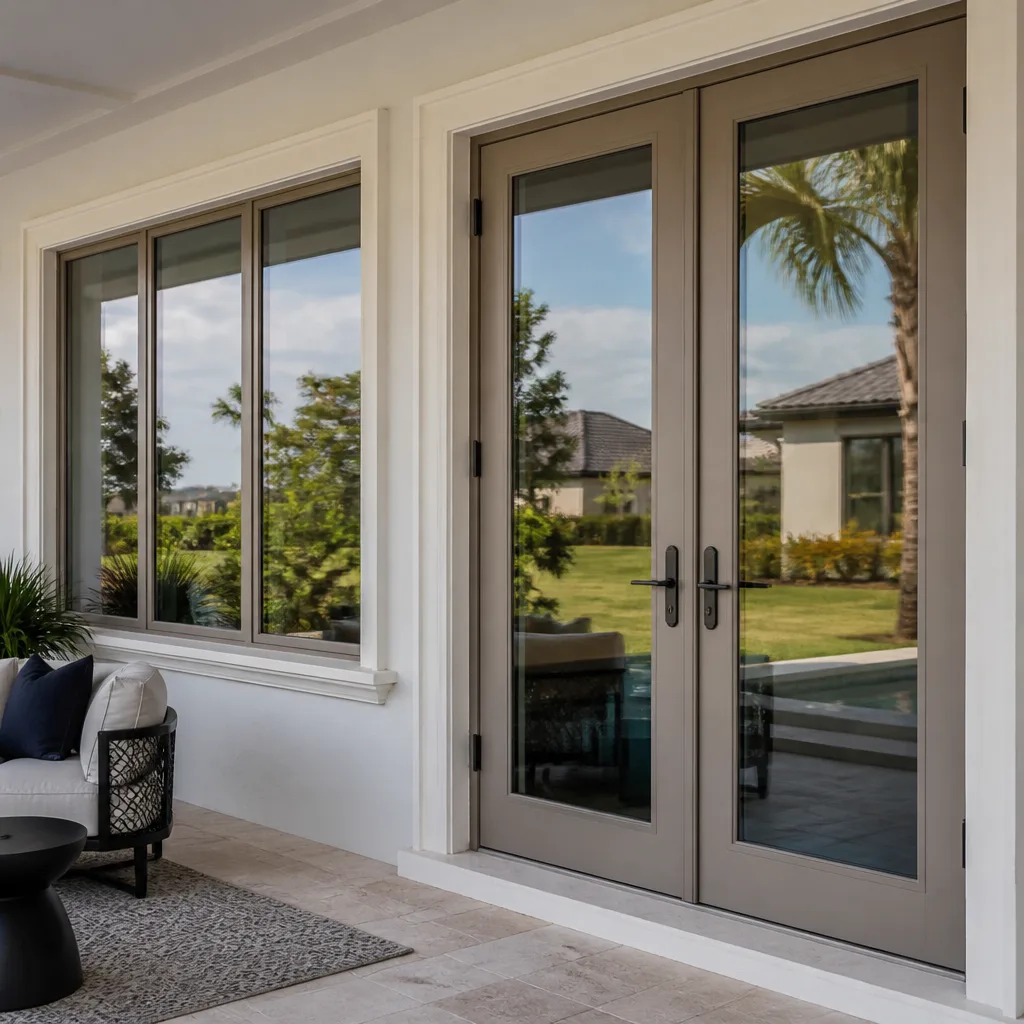
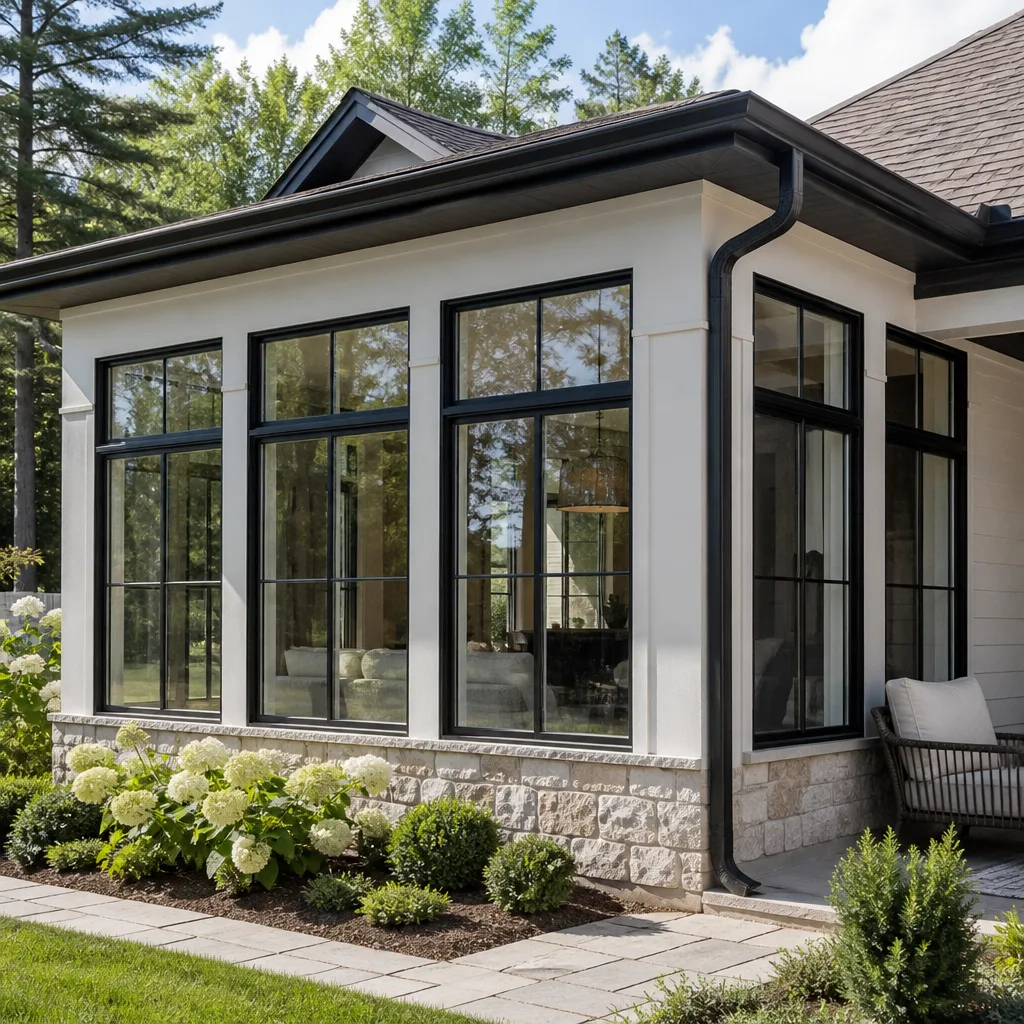
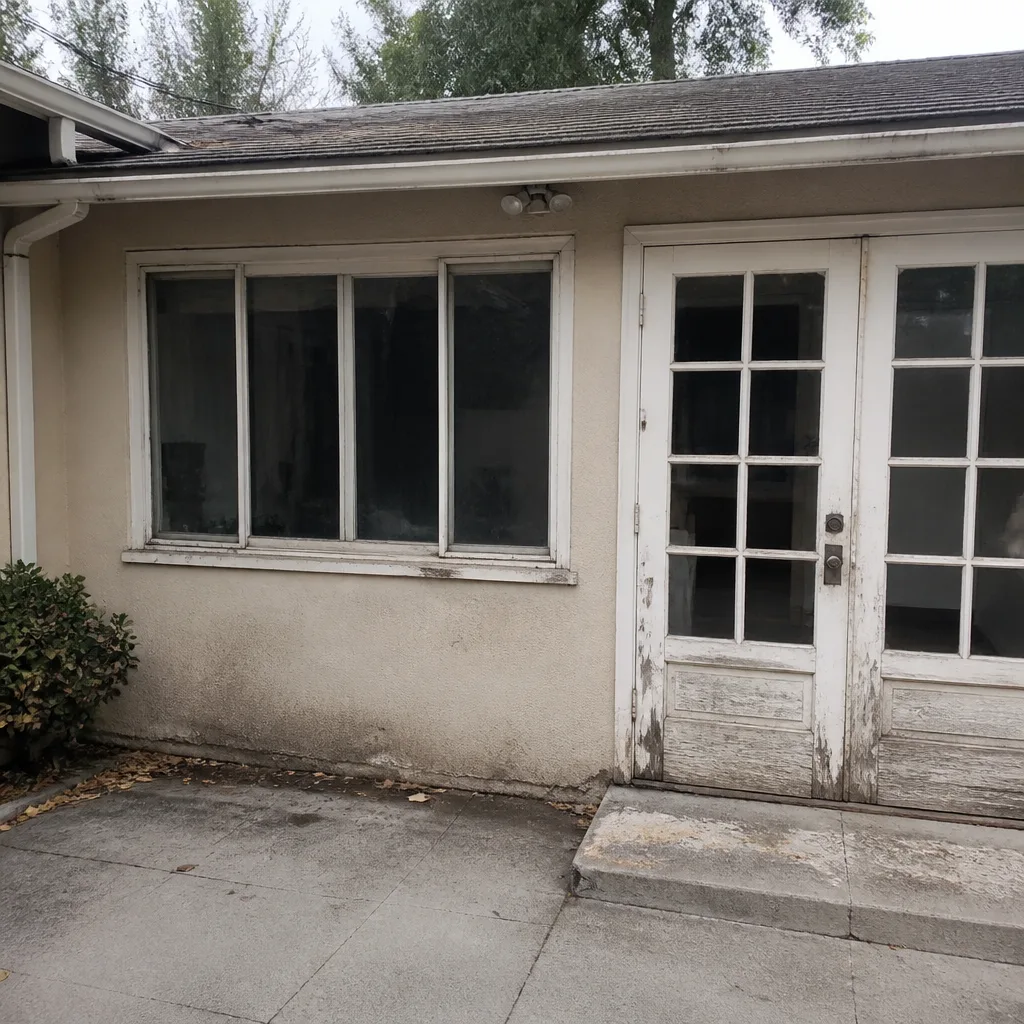 Before
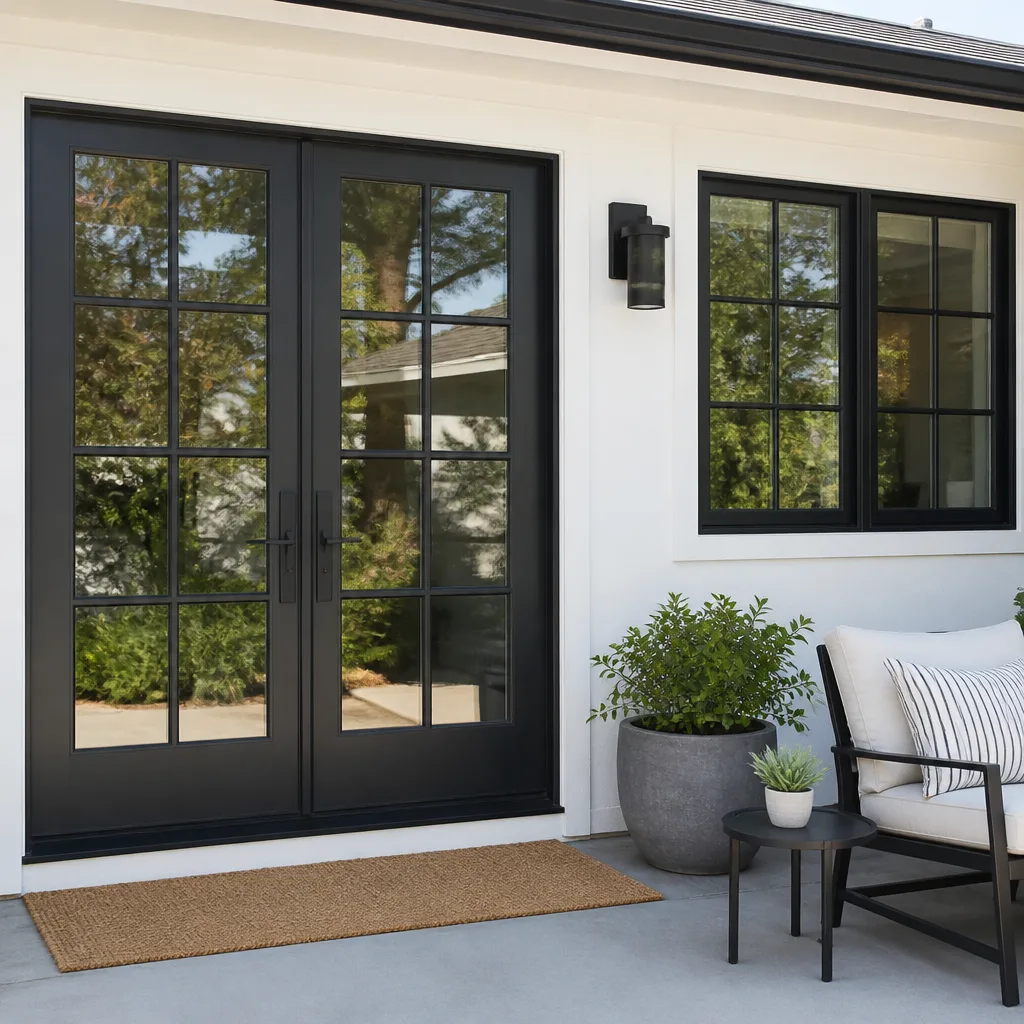 After
After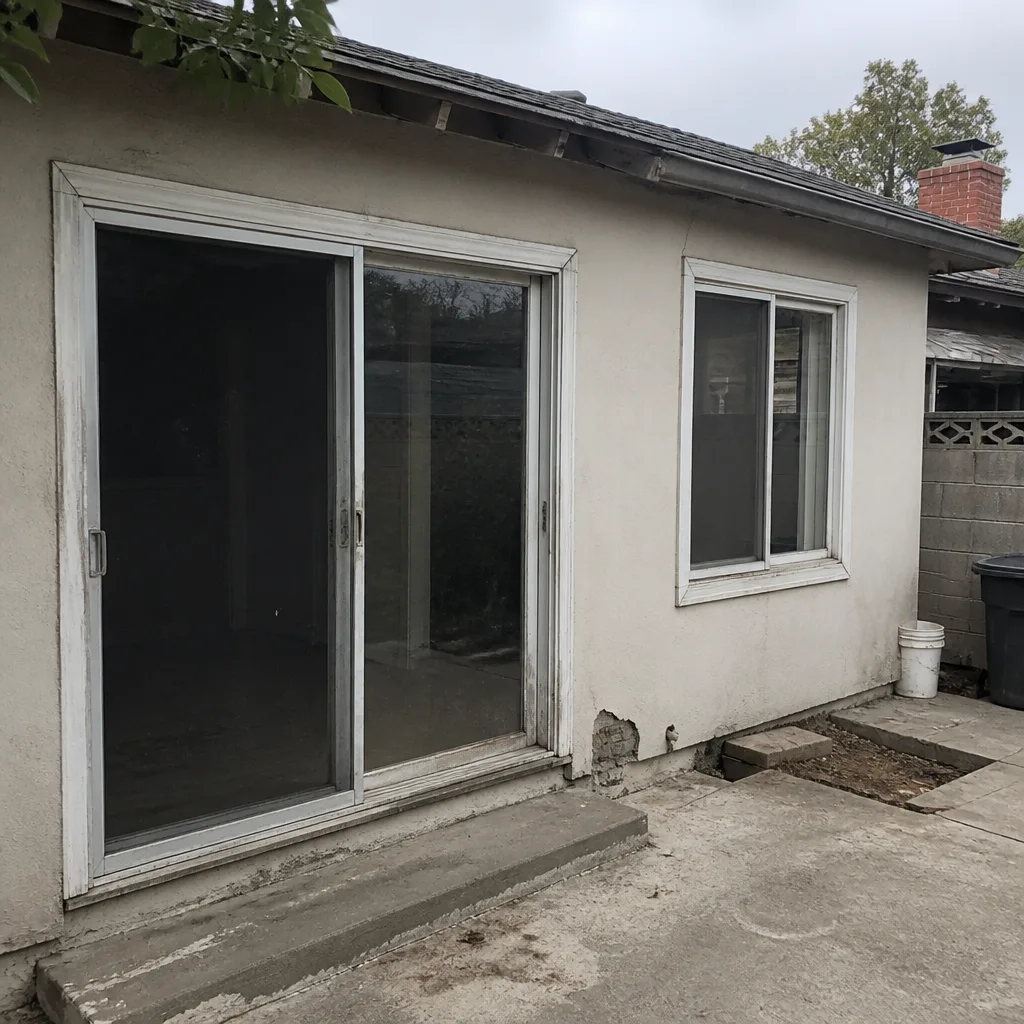 Before
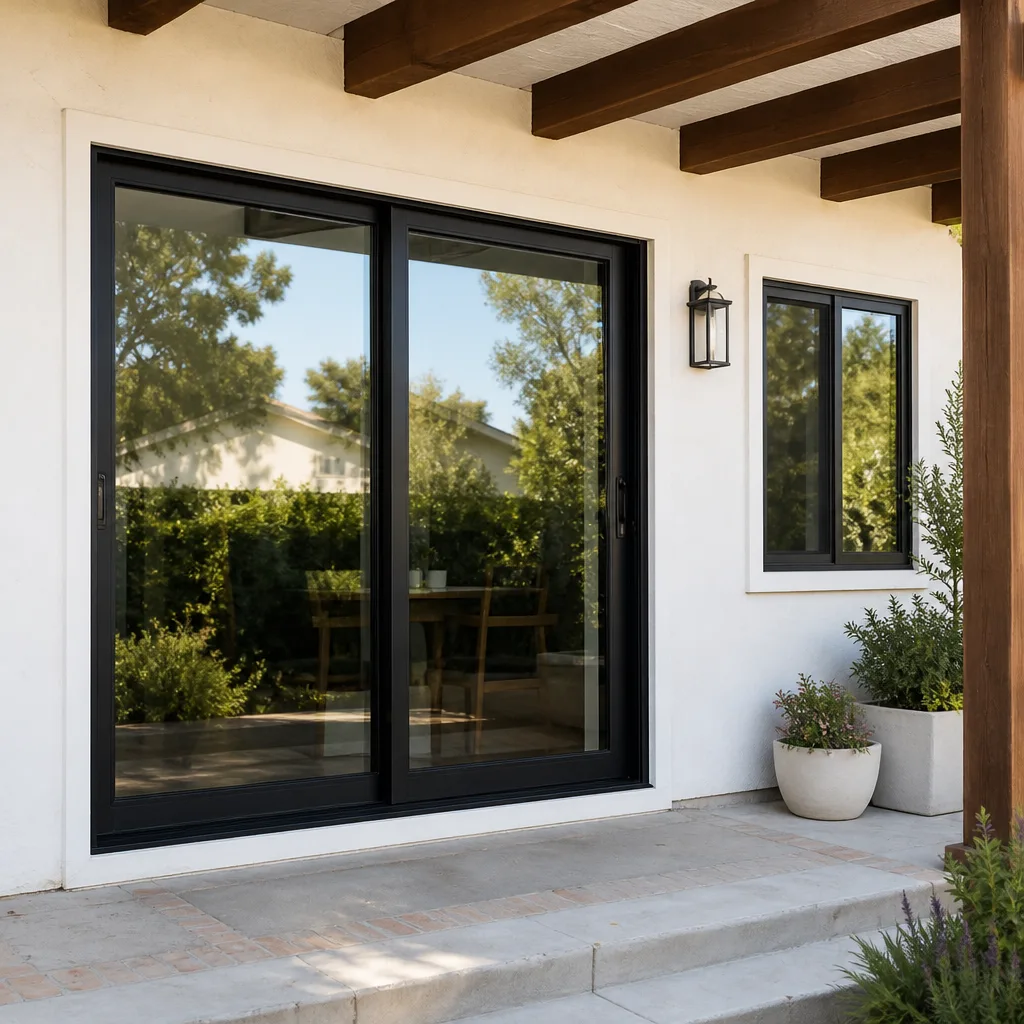 After
After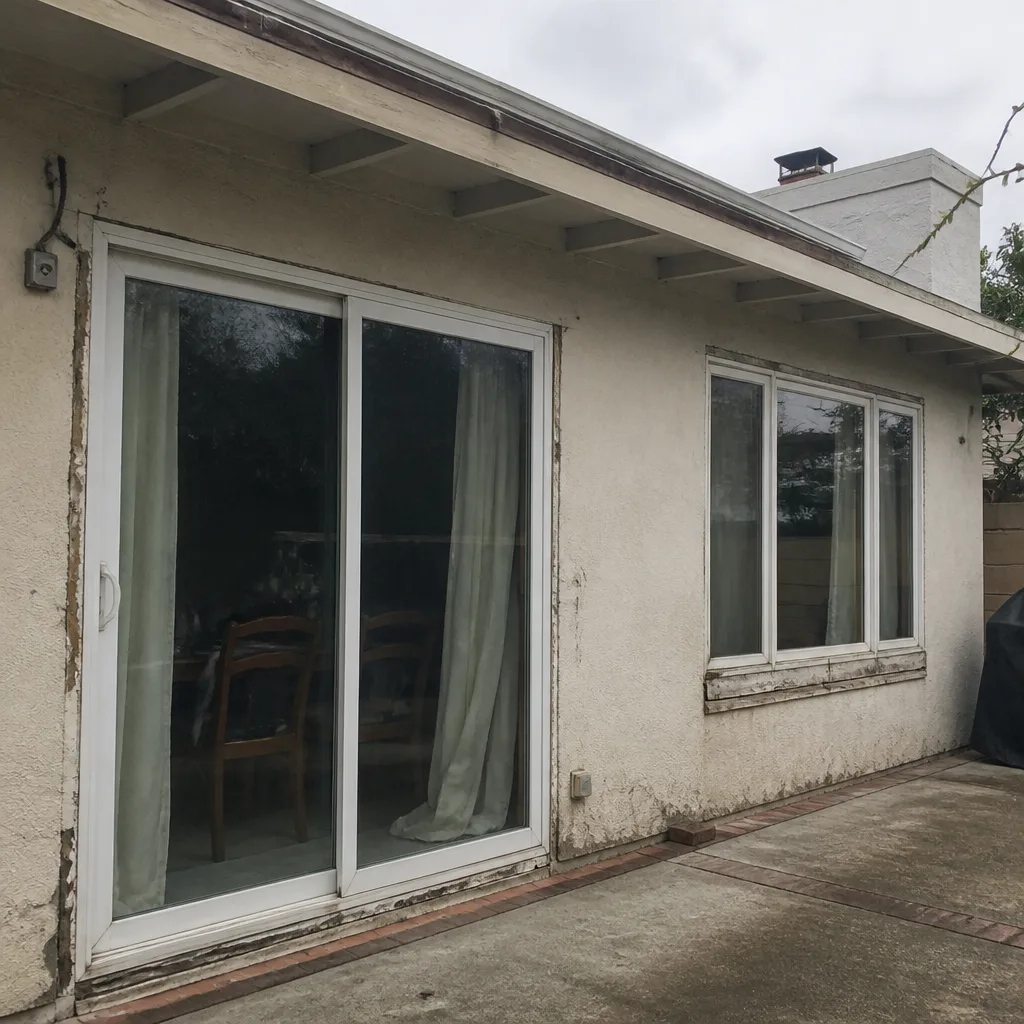 Before
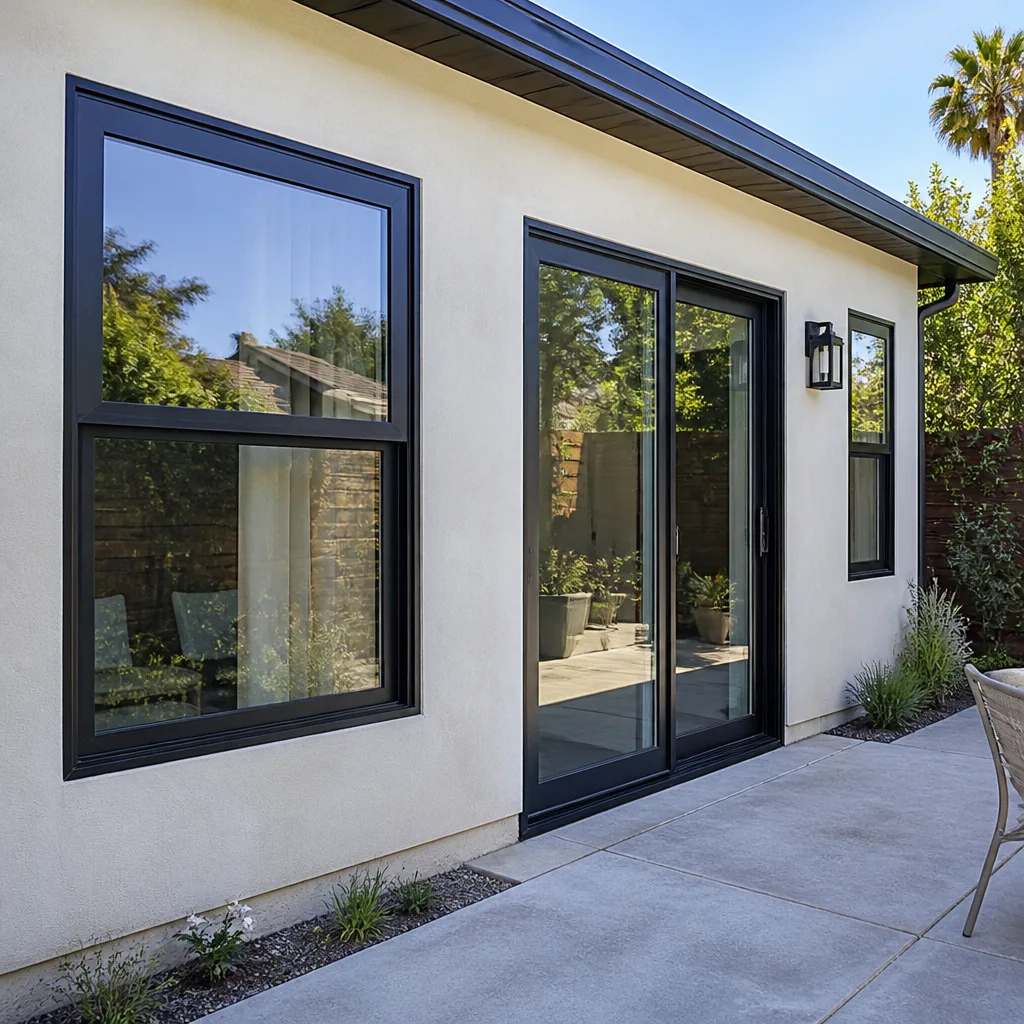 After
AfterSeasonal Windows & Doors Care for Los Angeles: Year-Round Homeowner’s Guide
Los Angeles gets an average of 284 sunny days a year, which sounds like a gift for your windows – but sustained UV exposure degrades vinyl frames and sealants at roughly twice the rate seen in cloudy Pacific Northwest climates. Most LA homeowners ignore their windows and doors until something visibly breaks. There’s no dramatic freeze-thaw cycle forcing attention, no ice dams ripping gutters off, no sub-zero nights that make a draft impossible to ignore. But Los Angeles has its own set of stealth seasons: Santa Ana wind season, June Gloom, wildfire smoke months, and the long stretch of “perfect weather” that quietly bakes seals into brittleness. This guide walks through exactly what to check, when to check it, and what each season is doing to your windows and doors – even when nothing looks wrong. We’re Juniper Windows & Doors, and we’ve spent more than two decades watching Los Angeles homes age through these cycles.
Quick Answer
Seasonal window and door care in Los Angeles means checking different components at different times of year: thresholds and weatherstripping before Santa Ana season (October – November), flashing and condensation patterns during rain months (December – February), UV protectant and hardware lubrication in spring (March – May), and Low-E coating plus thermal stress checks in summer (June – September). Year-round, wildfire ash and fine dust work their way through worn weatherstripping and degrade both air quality and hardware. A focused 20-minute seasonal check, four times a year, prevents most failures that turn into $400 – $1,800 repairs.
Table of Contents
- October – November: Santa Ana Prep for Windows and Doors
- December – February: Rain Season and Condensation Checks
- March – May: Spring UV Protection and Hardware Care
- June – September: Heat Season, Low-E Testing, and Thermal Stress
- Year-Round Wildfire Ash: The Invisible Wear Factor
- The 4-Season Maintenance Schedule (Printable Checklist)
- Common Mistakes to Avoid
- When to Call a Professional
- Frequently Asked Questions
- The Bottom Line
October – November: Santa Ana Prep for Windows and Doors
Santa Ana winds hit Los Angeles with gusts that routinely top 40 – 60 mph in the foothills and through the canyons. These aren’t gentle coastal breezes – they’re high-pressure air rushing down from the Great Basin, and they push against your home’s exterior in ways normal weather never does. We see more threshold seal failures and weatherstripping blowouts in October and November than any other time of year in Los Angeles.
Start with the threshold. Run your hand along the bottom seal of every exterior door. If you can see daylight under the door, or if the rubber sweep feels stiff and cracked rather than pliable, the positive-pressure test will fail. Here’s the positive-pressure check we run on every door inspection:
- Close the door completely and lock it.
- Stand outside on a windy day, or have someone inside hold a strip of paper at the bottom edge.
- If the paper flutters or the door rattles in its frame, air is infiltrating around the perimeter.
- Check the top corners first – doors drop slightly over time as hinges wear, creating a tapered gap that seals no longer fill.
Weep holes are the second thing to check. Every window frame has small drainage channels along the bottom track – and in Los Angeles, those channels fill with dust, dried leaf debris, and fine silt long before any visible problem shows up. When weep holes clog, water pools inside the track. During a Santa Ana, that dried debris blows out into the air; during the first winter rain, it becomes a dam. Clear weep holes with a soft brush or a pipe cleaner. Don’t use compressed air – you’ll drive the debris deeper into the frame.
December – February: Rain Season and Condensation Checks
Los Angeles rain comes in bursts, usually a few storms between December and February, with occasional atmospheric river events dropping 2 – 4 inches in a day. The first real rain after a long dry stretch exposes every gap in flashing, every cracked caulk joint, every window that was installed slightly out of square.
Check flashing integrity around window and door headers after the first significant storm. Walk the perimeter of your home and look for water staining on interior drywall near window corners. Staining often appears days after the rain stops, as water travels along framing and wicks into drywall. Also inspect exterior caulk joints: if the caulk has pulled away from the frame or the stucco, it needs re-sealing with a polyurethane or hybrid sealant rated for LA’s UV levels.
Condensation is a separate issue, and in December it tells you something specific. Interior condensation on double-pane windows that forms between the glass panes means the insulated glass unit (IGU) seal has failed. That’s not a surface issue you can wipe away – the argon or krypton gas between the panes has escaped, and the window’s insulating value has dropped. In Los Angeles, where single-pane homes are still common in older neighborhoods like Silver Lake, Echo Park, and West Adams, condensation on the interior glass surface of a single-pane window is straightforward physics: warm interior air meeting cold glass. Persistent condensation at the base of the window signals a drainage or seal issue worth checking before mold takes hold.
March – May: Spring UV Protection and Hardware Care
By March, Los Angeles enters open-window season. Windows that haven’t been opened in months get forced open, and that’s when stuck hardware, torn screens, and brittle weatherstripping announce themselves.
Vinyl frames – the most common material in Los Angeles window replacement – need a UV protectant applied annually. Use 303 Aerospace Protectant or a similar product with built-in UV blockers. Spray it on a clean cloth and wipe the frame, not the glass. The protectant keeps the vinyl from chalking, which is the white powdery residue that appears after years of direct sun. Chalking isn’t just cosmetic; it means the frame’s surface is degrading, and degraded vinyl becomes brittle enough to crack at the corners where the frame was heat-welded during manufacturing.
Hardware lubrication: use a dry silicone spray, not WD-40. WD-40 leaves an oily residue that collects dust, which in Los Angeles means it collects more than you’d expect. Work the cranks on casement windows through their full range at least twice, lubricate the pivot points on hinge hardware, and check that the sliding door rollers haven’t flattened from years of bearing weight. A sliding door that scrapes or drags usually has flattened rollers – a $30 replacement that prevents the $600 track-replacement repair.
Screens are the annual casualty of LA’s air. Dust, pollen, and fine particulate build up on screen mesh over winter, and then the spring winds push more into every frame. Remove screens, wash them with mild soap and water, and let them dry completely before reinstalling. Inspect for pinholes – in Los Angeles, pinholes in screens are mosquito runways during the warmer months, and the metal mesh used in older screens makes small tears easy to patch with a screen repair kit.
June – September: Heat Season, Low-E Testing, and Thermal Stress
Los Angeles summer heat is the most underrated stressor on windows and doors. Direct June-through-September sun on a south- or west-facing window pushes surface temperatures past what most homeowners expect – and since many LA homes lack proper shade overhangs, the glass and frame absorb the full load.
Low-E coating performance can be measured with a simple IR thermometer. Here’s the test we run:
- Point an infrared thermometer at the interior glass surface of a window that faces direct afternoon sun.
- Compare the reading to an adjacent wall surface.
- If the glass reads within 5 – 8 degrees of the wall, the Low-E coating is doing its job.
- If the glass reads 12 – 15 degrees hotter than the wall, the Low-E coating has likely degraded or the window has interior air leakage around the seal.
Thermal stress is the quiet killer. Double-pane windows expand and contract with temperature swings, and in Los Angeles the daily range between cool coastal night and hot inland afternoon can be 25 – 30 degrees. Over time, that movement delaminates the IGU seal. You’ll see it as fogging between the panes that comes and goes, or a visible distortion in the glass reflection. The fix is a new IGU or a full window replacement – once the seal fails, the window’s U-factor degrades permanently.
Doors get their own thermal test. A wood or fiberglass exterior door that faces direct afternoon sun can reach enough heat to make the door slab warp or the hinge screws loosen. If your door sticks at the top or bottom only during summer, heat is the cause. Therma-Tru doors – one of the lines we carry – hold up better than most because the fiberglass doesn’t warp with heat, but any door in unshaded full-day sun needs its hardware checked twice a year.
Year-Round Wildfire Ash: The Invisible Wear Factor
Wildfire season in Los Angeles is now a year-round concern, and the ash and fine particulate don’t just affect air quality outside. The ash infiltrates through gaps around doors and windows – and it’s fine enough to pass through weatherstripping that still blocks visible light. Once inside, the ash settles on hardware, accumulates in window tracks, and works into hinge pins like an abrasive paste.
We see it on every inspection in areas like Sherman Oaks and Woodland Hills after the Santa Clarita and Malibu fire seasons: black streaks on window sashes immediately below the weatherstripping, gritty hardware that doesn’t close smoothly, and tracks that look dustier than they should within weeks of cleaning. The fix is a two-part annual ritual. First, upgrade weatherstripping that has compressed: a new bulb seal on a door or a new pile weatherstrip on a window sash closes the gap. Second, clean hardware seasonally – a dry brush for the loose ash, a damp cloth for the fine film, and silicone lubricant after every cleaning to keep the pivot points moving smoothly.
Investing the time here matters for more than cleanliness. Ash particle infiltration is a sign that the door or window seal has failed, and once the seal fails, the frame takes on moisture and warping follows behind it.
The 4-Season Maintenance Schedule (Printable Checklist)
Fall (October – November)
- Test threshold seals and door sweeps – look for daylight under exterior doors
- Clear weep holes in all window frames with a soft brush
- Run the positive-pressure door check from outside on a windy day
- Re-caulk any exterior joints that show visible cracks
Winter (December – February)
- After first rain, check flashing around window and door headers for interior staining
- Look for condensation between double-pane glass – IGU seal failure indicator
- Confirm weep holes are still draining: pour a small amount of water into the track
- Check that door hardware hasn’t shifted from temperature swings
Spring (March – May)
- Apply UV protectant to vinyl frames, focusing on south-facing and west-facing exposures
- Lubricate all moving hardware with dry silicone spray
- Wash and inspect all window screens – patch pinholes before open-window season
- Open and close every window fully to catch stuck sashes before the heat arrives
Summer (June – September)
- Run the IR thermometer Low-E test on south-facing and west-facing windows
- Check for heat-induced door sticking or hinge looseness
- Inspect for fogging between glass panes – thermal delamination
- Clean ash buildup from window tracks and hardware
Common Mistakes to Avoid
- Waiting for visible damage before checking anything. Most window and door failures in Los Angeles start small – a compressed threshold seal, a hairline caulk crack – and become expensive by the time they’re visible. A seal that splits in October becomes a $1,200 water-damage repair by February.
- Using oil-based lubricants on window hardware. WD-40 and similar products attract dust, and Los Angeles has too much of it. The oil becomes a grinding paste that wears out hinges faster than using nothing at all.
- Painting over weep holes. Too many paint jobs in LA cover or partially fill the drainage channels, which traps water inside the frame and rots it from the inside. Always check weep holes after any exterior painting.
- Ignoring that the window that only fogs in the morning also has a failed seal. Intermittent fogging between glass panes is still a failed IGU. The seal failure is pressure-sensitive; as temperatures change through the day, the fog appears and disappears. The window is losing its insulating gas regardless.
- Cleaning glass with ammonia-based products on Low-E windows. Ammonia-based cleaners degrade the Low-E coating over time. A mild dish soap and water solution, or a vinegar-water mix, is safer for the glass surface.
- Choosing the cheapest replacement without checking the U-factor. A window that costs less upfront but has a U-factor of 0.35 or higher in a hot-summer climate like Los Angeles will cost more in cooling over 10 years than the savings justified.
- Leaving a cracked threshold seal until the dry season because “it only leaks when it rains.” The dry season in Los Angeles is when the damage accelerates – warm air infiltrates through the gap, driving moisture deeper into the frame and making the eventual repair more involved.
When to Call a Professional
Call a professional when the problem involves any of these: a failed IGU seal (the fog between glass panes is visible, intermittent or constant), severe frame rot or warping that would require the window to be removed and the rough opening rebuilt, water intrusion that has caused visible ceiling or wall staining, or any repair that involves removing the window or door from its frame. Do not attempt DIY work on gas-filled double-pane units or high-tension window balances – both can cause serious injury if not handled correctly. Juniper Windows & Doors offers free estimates in Los Angeles, and every job comes with a written price before any work starts. Call (682) 281-2168 to schedule yours.
Frequently Asked Questions
DIY seasonal maintenance, including UV protectant, silicone lubricant, weatherstripping replacement, screen patch kits, and cleaning supplies, runs $75 – $150 per year for a typical 3-bedroom home. For a full breakdown of tasks by season, see our Window Installation Maintenance Schedule: What to Do and When. Professional inspections and tune-ups in Los Angeles range from $150 – $400 per visit depending on the number of windows and doors. If a component needs replacement, a weatherstrip or threshold seal runs $25 – $75 in materials, while an IGU replacement in a standard double-pane window costs $175 – $350 per unit. Call (682) 281-2168 for an exact quote for your home – Juniper’s estimates are free, and the price is always written down before work starts.
A failed window seal shows as fogging or condensation between the glass panes that you cannot wipe away from either side, and it may appear and disappear throughout the day as temperatures shift - one of the key Window Installation Warning Signs Every Homeowner Should Know. You may also notice a slight distortion in the glass reflection when viewed at an angle. In Los Angeles’s hot summers, a failed seal makes the room noticeably warmer because the insulating gas has escaped – the window is now functioning at roughly the thermal performance of a single-pane unit.
Weatherstripping in Los Angeles lasts 2 – 4 years on doors and 3 – 5 years on windows, depending on sun exposure and frequency of use. South-facing and west-facing doors wear out weatherstripping fastest because of direct afternoon sun. If you can see daylight under a closed door, or if the weatherstripping feels stiff and leaves residue when pressed, replace it before the next rain season. A replacement threshold seal is typically $25 – $40 in materials and takes 30 minutes to install.
Yes. Coastal Los Angeles homes – in places like Santa Monica, Playa del Rey, and El Segundo – deal with salt air corrosion on metal hardware and faster hardware wear, while inland homes in the Valley and foothills deal with more intense UV exposure and wider daily temperature swings that stress IGU seals. Coastal homeowners should clean and lubricate hardware twice as often; inland homeowners should be more aggressive about UV protectant application and annual seal inspections.
Yes, in most cases a hard-to-open window responds to cleaning the track and lubricating the moving hardware with dry silicone spray. For other common issues, see our Window Installation Troubleshooting: Common Problems and How to Fix Them. If the window uses a spring-loaded balance system and the window is heavy or drops when released, do not attempt to repair the balance yourself – the high-tension spring can cause serious injury. Call Juniper at (682) 281-2168 for a service call; we’ll diagnose it and give you a written price before any repair begins.
Window replacement in Los Angeles typically costs $600 – $1,800 per window including materials and installation, depending on window size, frame material, glass package, and whether the home requires stucco or drywall repair around the opening. Impact-rated windows for fire-adjacent or high-wind zones run higher. For a detailed per-window quote, get a free estimate from Window Replacement in Los Angeles with Juniper Windows & Doors – every quote is written and locked in before work starts.
The Bottom Line
Los Angeles doesn’t have the dramatic freeze-thaw seasons that force homeowners elsewhere into annual maintenance habits – but the city has its own seasonal rhythms that wear on windows and doors just as steadily. The fix is a simple four-season checklist: Santa Ana prep in fall, rain and condensation checks in winter, UV protection and hardware care in spring, and thermal stress testing in summer. Add year-round ash cleaning and weatherstripping replacement, and most window and door problems become predictable instead of surprising. For help with anything beyond routine maintenance, Juniper Windows & Doors is based in Los Angeles and offers free estimates with a written price before any work starts. Call (682) 281-2168 to talk through what your home needs.
Written by Sean Mackey, Owner at Juniper Windows & Doors, serving Los Angeles since 2001.