
Last updated October 9, 2026
Free in-home measure and quote - PGT, CGI and CWS impact lines compared on your actual openings, style by style
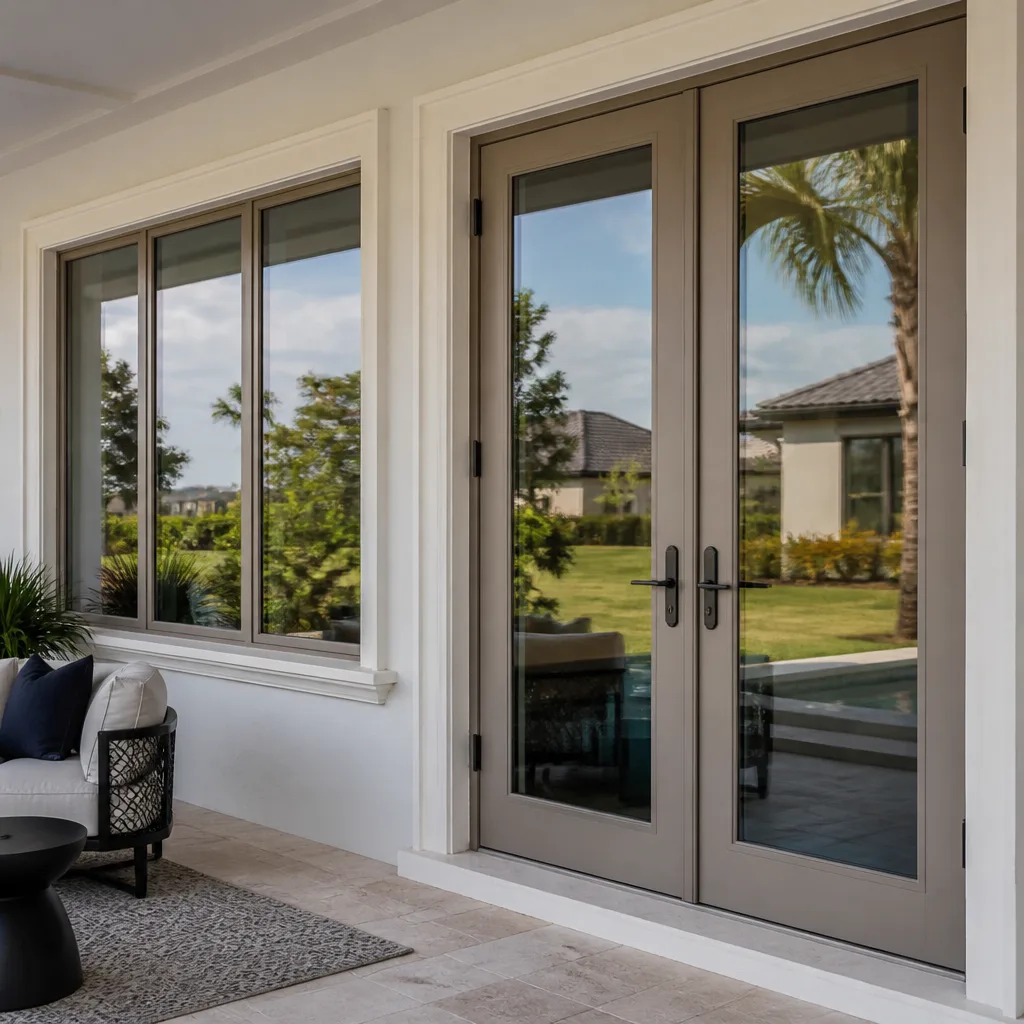
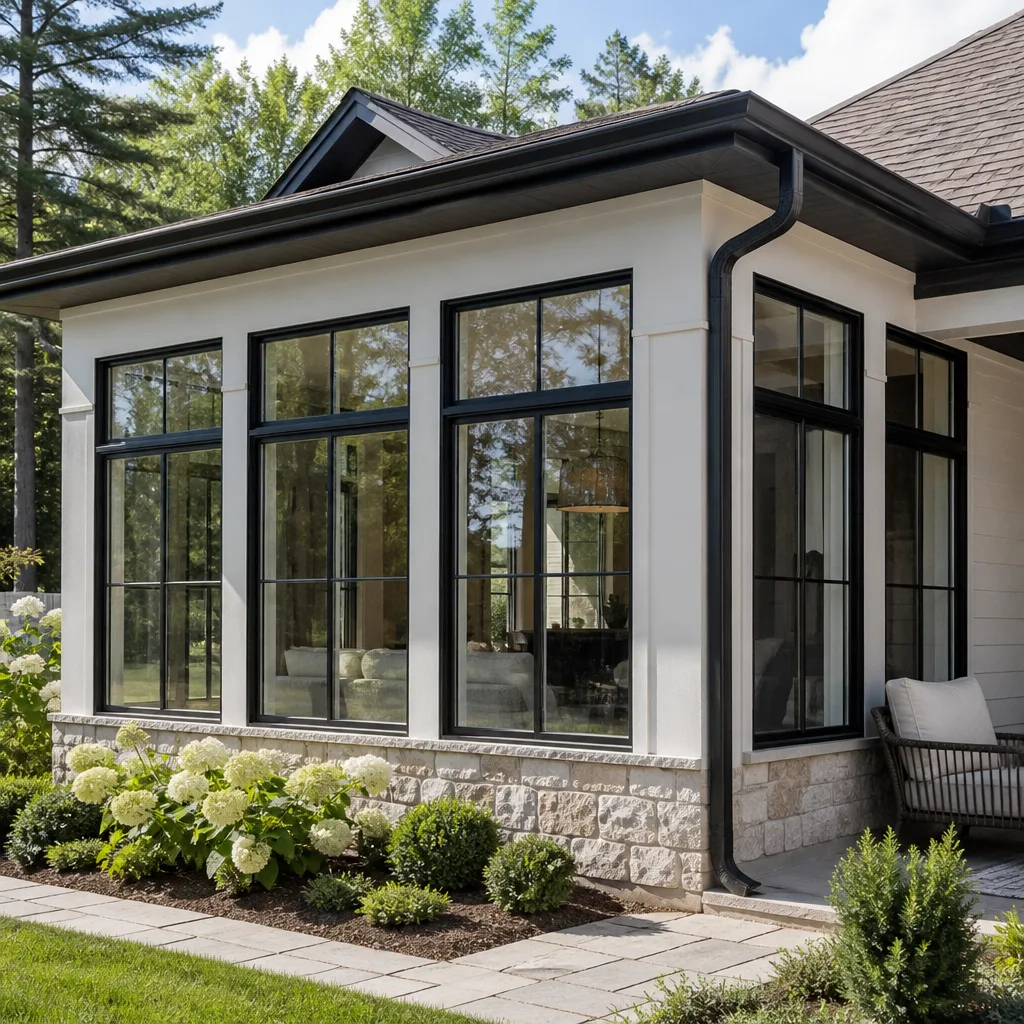
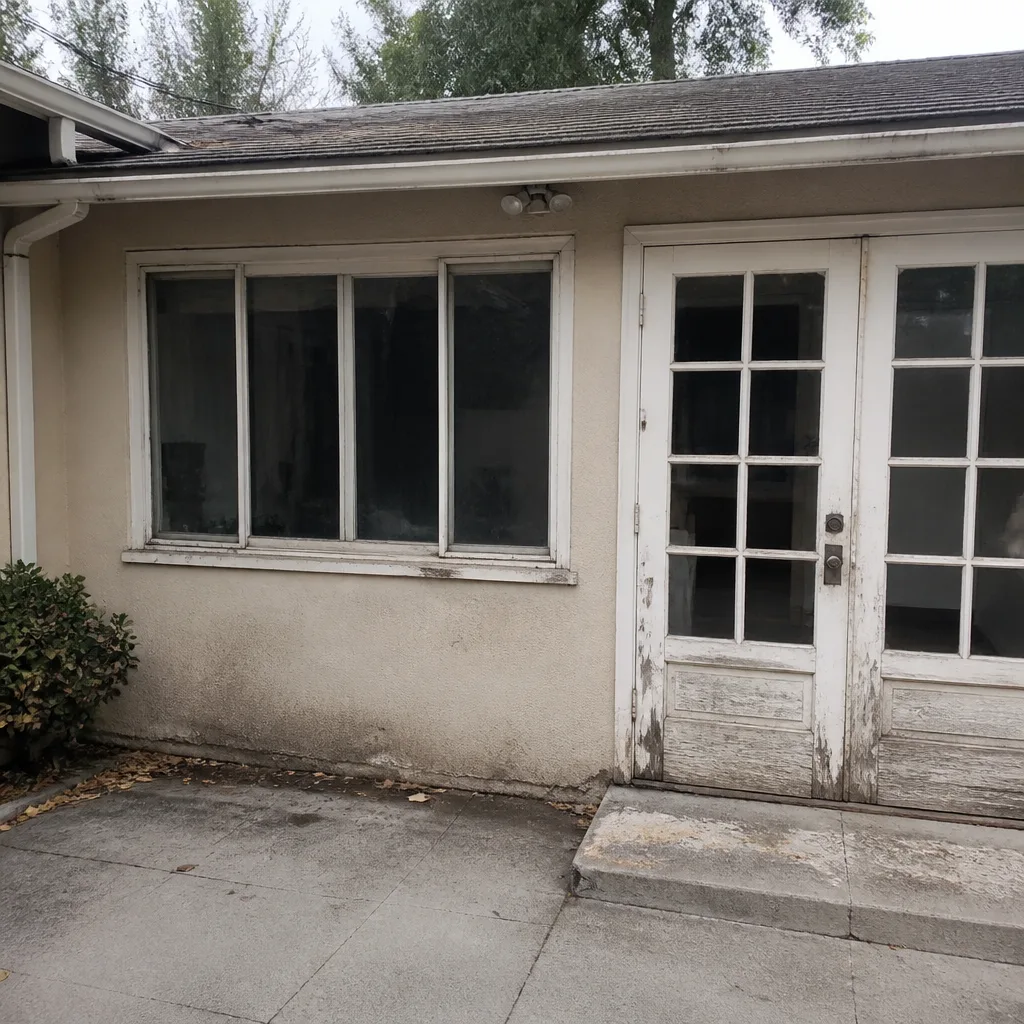 Before
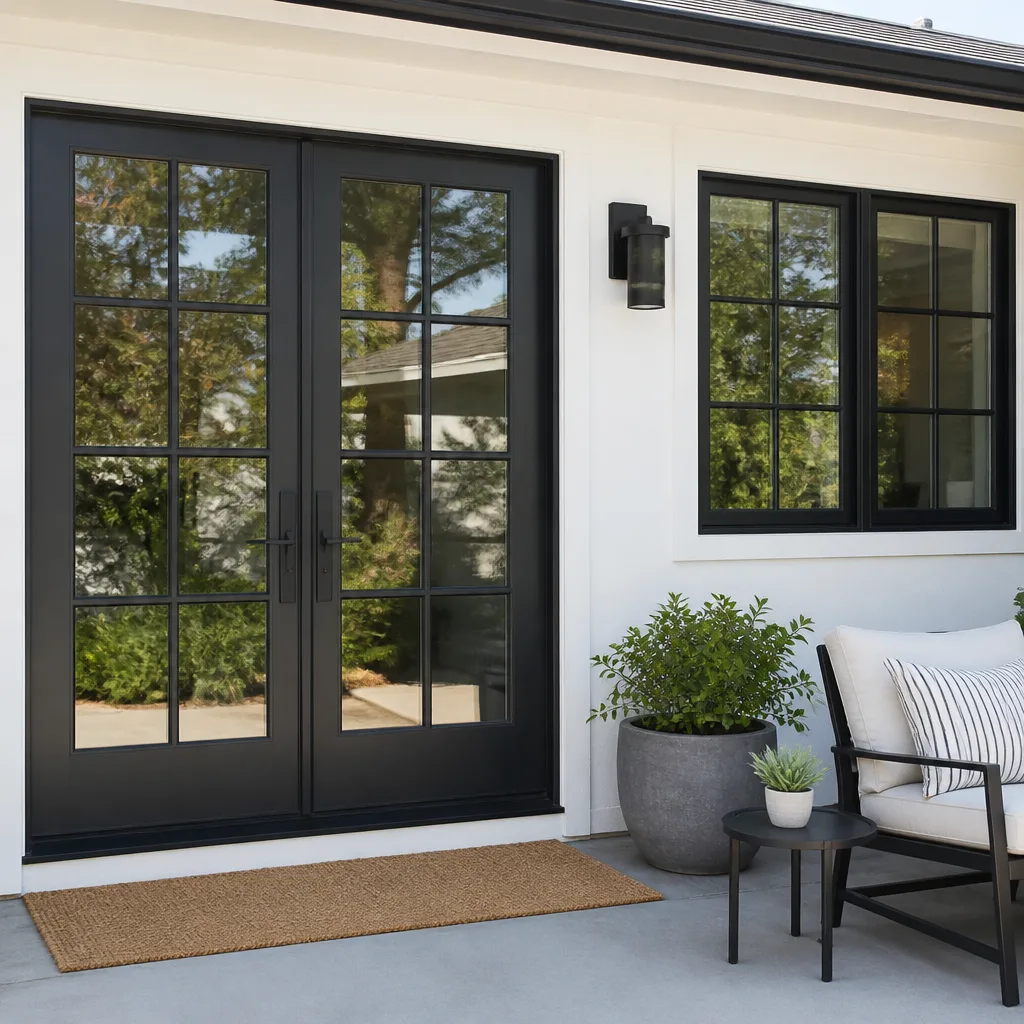 After
After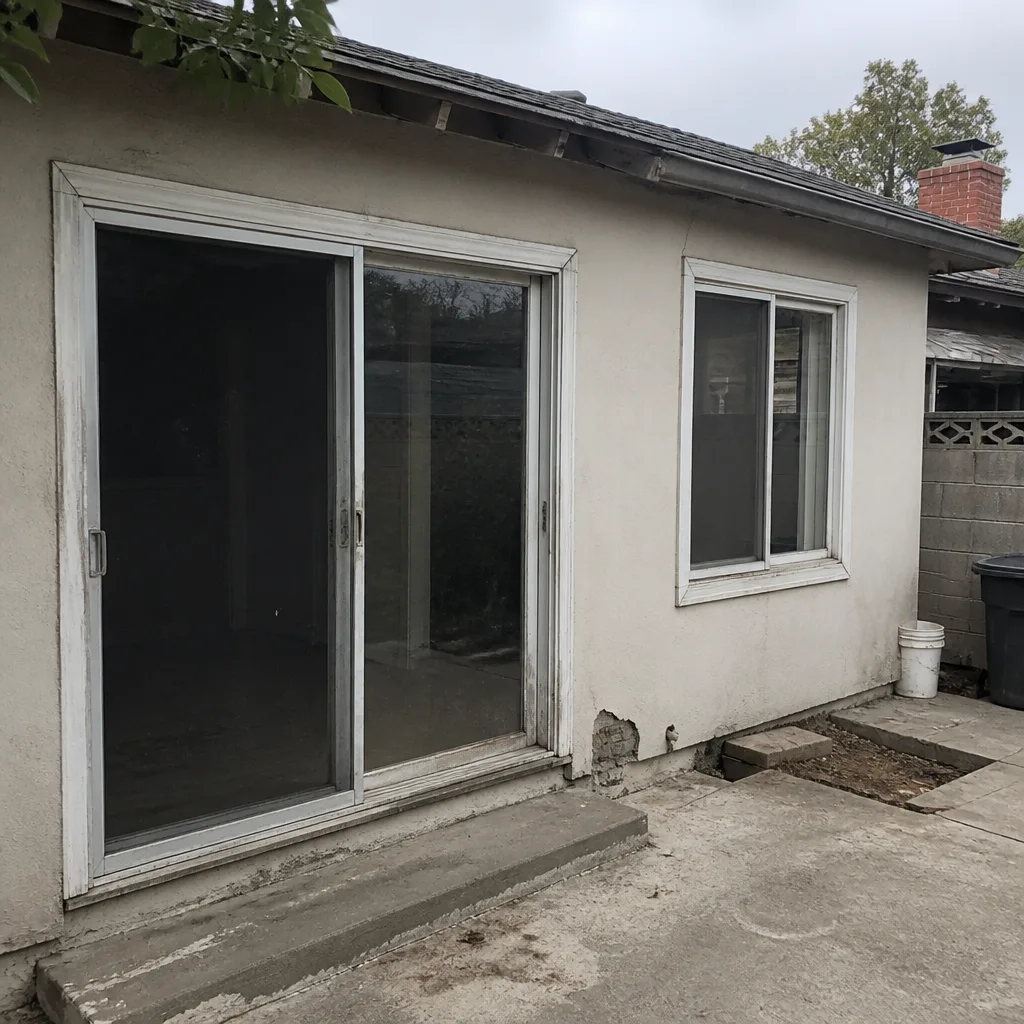 Before
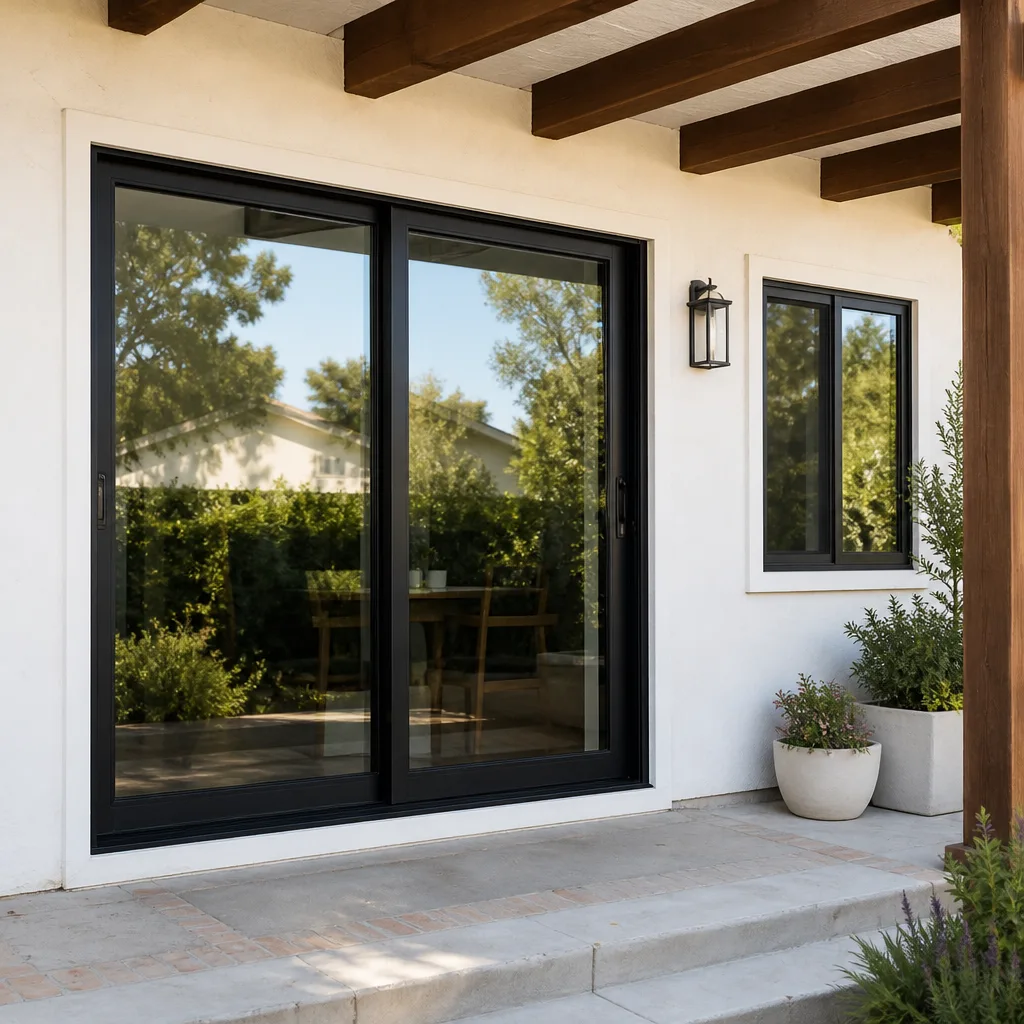 After
After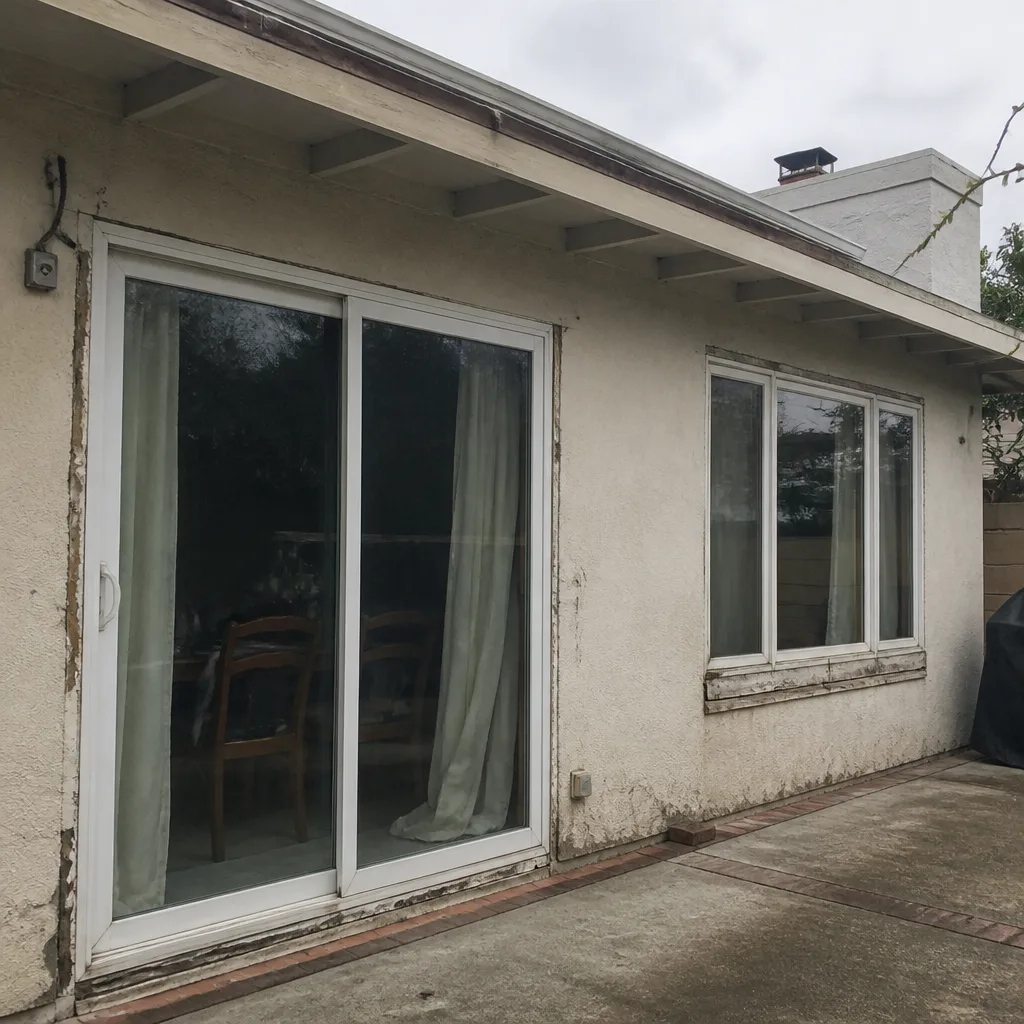 Before
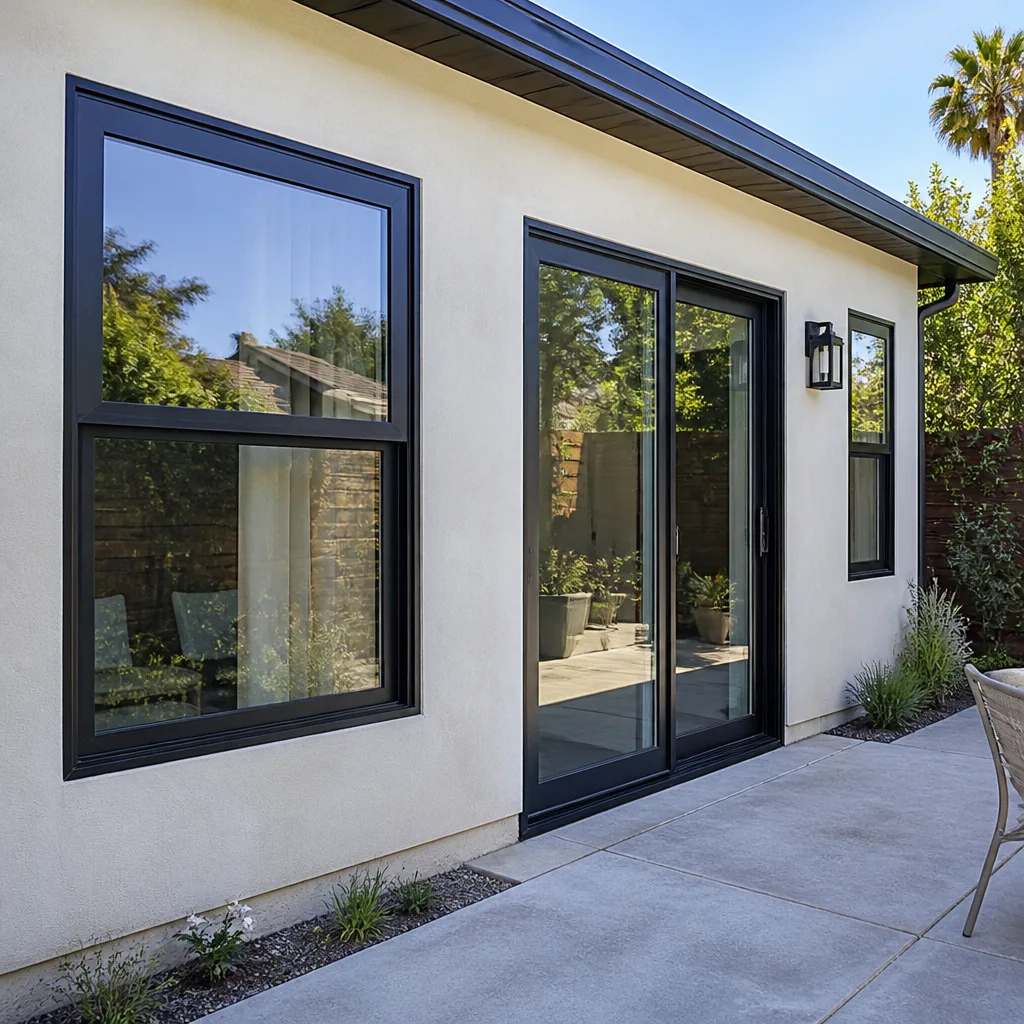 After
AfterWindow Replacement Warning Signs Every Homeowner Should Know
By the time you see condensation between window panes, the insulating gas that made that window energy-efficient is already 100% gone. You’ve been paying to heat or cool against an underperforming window for months before the fog appeared. This guide walks through the warning signs that show up before visible failure, the ones that show up after, and how to tell the difference in Los Angeles, where sun exposure and marine layer moisture put windows through a specific kind of stress. For more guides & resources, explore our blog. We’ll cover what to check, what to ignore, and when a replacement quote is worth getting.
Quick Answer
The most reliable early warning signs of window failure are paint bubbling at sill corners, soft or discolored interior trim, micro-cracks in frame corners, and a measurable jump in your cooling or heating costs that doesn’t match utility rate changes. Visible signs like fogged glass, drafts you can feel, and sashes that stick are late-stage symptoms, not early ones. If you’re seeing any of the early indicators, get a written quote for our Window Replacement services this season before the window degrades further and the replacement cost climbs.
Table of Contents
- Early Warning Signs That Appear Before Performance Drops
- How to Read Your Energy Bill as a Window Diagnostic
- Sound Infiltration: What Your Ears Can Tell You About Your Windows
- Four No-Equipment Diagnostics You Can Run in Under 10 Minutes
- Triage Framework: Monitor, Quote This Season, or Replace Before Winter
- Los Angeles-Specific Factors That Accelerate Window Failure
- What Window Replacement Costs in Los Angeles
- Common Mistakes to Avoid
Early Warning Signs That Appear Before Performance Drops
Most homeowners don’t notice a failing window until it fogs or won’t open. By then, the failure has been compounding for months. The early indicators live in the details: the paint at the bottom corner of the sill, the trim inside the house, the hairline opening where frame pieces meet. These are the signs that predict failure, and catching them is the difference between a $400 sash repair and a $1,800 full-frame replacement.
Paint Bubbling at Sill Corners
When water sits on a window sill, it eventually finds its way into the joint where the sill meets the frame. In Los Angeles, we see this most often on west-facing and south-facing windows, where morning marine layer moisture gets baked off by afternoon sun, then re-formulated overnight. The cycle forces water into the corner joint, and the paint is the first thing to fail. If you see bubbling, lifting, or flaking at the bottom corners of a window sill, check whether the area feels soft when you press it with a fingertip. Softness means the wood or composite underneath has started to rot or delaminate. That’s a structural problem, not a cosmetic one.
Soft Spots in Interior Trim
Interior trim is the last line of defense between the window frame and your wall cavity. When a window’s weatherstripping begins to fail, moisture can wick into the trim from the inside, especially in bathrooms, kitchens, and any room where we run a humidifier or boil water. Run your thumb along the bottom edges of the trim. If it gives, crumbles, or feels spongy, the window assembly is likely leaking air and moisture into the wall. This is the kind of failure that leads to mold inside the wall cavity, which is a much more expensive problem than window replacement.
Micro-Cracks at Frame Corners
Vinyl and composite frames expand and contract with temperature swings. In Los Angeles, where a west-facing wall can see a 40-degree surface temperature difference between morning and afternoon, that expansion is significant. Over time, the stress concentrates at the frame corners, where two extrusions are welded or joined. Look closely at the bottom corners of the frame where the vertical and horizontal pieces meet. A crack may be hairline at first, barely visible. But it’s an open path for water, and it will widen. In our experience, a frame corner crack is a replace-the-window indicator, not a repair-it indicator, because the crack is in the structural part of the window.
We’ve seen these three indicators on windows that still open and close smoothly and still have clear glass. The window hasn’t failed yet in the visible sense, but it’s on the clock. Every season that passes without addressing it adds to the eventual cost.
How to Read Your Energy Bill as a Window Diagnostic
Your energy bill is the most honest window performance report you’ll ever get. Unlike your eyes, it doesn’t adjust to gradual change. It notices a 10 percent efficiency loss the month it happens. The trick is knowing which line items to look at and what your baseline should be.
What to Compare on Your SCE or SoCalGas Bill
If you’re in Los Angeles, your electricity likely comes from SCE (Los Angeles Department of Water and Power serves a smaller portion of the city), and your gas is likely SoCalGas. Both bills break usage into categories that map to window performance.
The line items that correlate to window efficiency:
- Cooling (kWh): This is the big one in Los Angeles. Windows with degraded seals, failed low-E coatings, or warped frames let solar heat through and force your AC to run longer. Compare your June-to-September cooling kWh to the same months three years ago, adjusted for any change in square footage or occupancy. A 15 percent or higher increase without a corresponding heat wave means your windows are underperforming.
- Heating (therms): Less critical in Los Angeles than in colder climates, but still a signal. If your winter gas usage creeps up while your thermostat settings haven’t changed, drafty windows are a likely culprit.
- Base load (kWh): This is the electricity your home uses regardless of HVAC. A climbing base load can indicate that you’re running fans, space heaters, or dehumidifiers to compensate for rooms that are too hot or too cold because of window issues.
A useful benchmark: a well-insulated 1,800-square-foot home in Los Angeles with decent windows typically uses between 500 and 800 cooling kWh per month in July and August. If you’re consistently above 1,000 and you’ve already checked your AC unit, windows are the next thing to examine.
The Rate-Change Trap
Here’s the mistake we see most often: a homeowner assumes their bill went up because of utility rate increases. Rates do go up, but you can check the rate on your bill and do the math. Multiply last year’s usage by this year’s rate and compare to what you actually paid. If the difference is larger than the rate increase alone explains, the issue is consumption, not pricing. In Los Angeles, that consumption gap often traces back to windows that are leaking air or letting solar heat through a compromised low-E coating.
Sound Infiltration: What Your Ears Can Tell You About Your Windows
Sound is one of the most underused window diagnostics available to a homeowner. A properly installed dual-pane window with intact seals blocks a surprising amount of noise, even without laminated or acoustic glass. When seals fail, sound transmission changes measurably before you ever see a fogged pane.
What a Healthy Dual-Pane Window Should Block
A standard dual-pane window with a quarter-inch or three-eighths-inch air gap and good weatherstripping should reduce exterior noise by roughly 25 to 30 decibels when closed. In practical terms: a neighbor’s leaf blower at 80 decibels outside should sound like a distant hum inside, not like someone running a vacuum in the same room. Traffic noise from a 45-mph street should be background-level, not something you have to raise your voice over during a phone call.
What You’re Hearing If Seals Are Compromised
When an insulating glass unit loses its seal, the gas between the panes leaks out and ordinary air leaks in. Sound transmission increases because regular air is a better conductor of sound than argon or krypton. The change is subtle at first. You might notice that a room seems noisier than it used to, or that you can now pick out individual conversations from the street that used to blur into background noise.
If you live on a busy Los Angeles corridor, like Sunset Boulevard in Silver Lake or Ventura Boulevard in Sherman Oaks, you’ll notice this shift quickly. If the window has a visible gap, a warped sash, or hardware that no longer pulls the sash tight against the weatherstripping, you’re also getting direct acoustic leakage around the edges. That’s a mechanical issue, not a glass issue, but it’s still a signal that the window needs attention.
Four No-Equipment Diagnostics You Can Run in Under 10 Minutes
These are the tests we run on our own homes and the ones our techs run on job sites. None of them require special tools, and all of them together take less than 10 minutes to complete on a single window.
1. The Palm Test
- Close and lock the window.
- Place your palm flat against the glass, in the center of the pane.
- On a hot Los Angeles afternoon, the glass should feel warm but not hot to the touch. If the glass itself feels noticeably hotter than the room temperature, the low-E coating has likely degraded or the gas fill has leaked out.
- Move your palm to the frame perimeter. Run it along the edges where the sash meets the frame. If you feel air movement, the weatherstripping is failing.
2. The Paper Test
- Open the window and place a dollar bill or sheet of printer paper on the sill.
- Close the window and try to pull the paper out.
- If the paper slides out easily, the seal between the sash and the frame is loose. A properly sealed window should grip the paper firmly enough that it either doesn’t come out or tears when you pull.
- Repeat at all four sides of the sash. In Los Angeles, the top edge is often the first to fail because heat rises and breaks down the weatherstripping faster there.
3. The Ruler Test (Frame Warping)
- Place a metal ruler or any straight edge against the bottom frame rail.
- Look for gaps between the ruler and the frame. A gap of more than one-sixteenth of an inch indicates the frame has warped.
- Repeat on the side rails. Vinyl frames in Los Angeles warp most commonly on windows that get direct afternoon sun, where surface temperatures can exceed 140 degrees in August.
4. The Flashlight Test (Seal Check)
- At night, have someone stand inside the room with a bright flashlight aimed at the window edges.
- Go outside and look for light escaping around the sash perimeter.
- Any visible light means air can move through the same gap. This test is especially effective in Los Angeles homes where year-round mild weather means windows don’t get the seasonal sealing attention they’d need in harsher climates.
Triage Framework: Monitor, Quote This Season, or Replace Before Winter
Not every warning sign means you need to replace a window tomorrow. Some conditions are stable and worth watching. Others are accelerating and will cost more to fix the longer you wait. Here’s the framework we use when we walk through a home and give a homeowner an honest read.
Monitor It (Re-check in 6 to 12 Months)
- A faint hairline crack in a vinyl frame corner that hasn’t widened in a year and doesn’t let water in.
- Weatherstripping that’s stiff but still passing the paper test.
- Glass that feels slightly warmer on a hot day but still blocks the majority of solar heat.
- A cooling bill that’s 5 to 10 percent higher than last year but still within normal year-to-year variation.
These are conditions that may stay stable for years. Document them with photos on your phone, note the date, and check again in six months. If anything has progressed, move it up a category.
Get a Quote This Season
- Paint bubbling at sill corners with softness underneath.
- Interior trim that’s spongy in a bathroom or kitchen.
- A window that fails the paper test on two or more sides.
- Frame warping of more than one-sixteenth of an inch on any rail.
- Cooling usage that’s 15 percent or higher than last year after normalizing for weather.
These are active failures. They’re not going to self-correct, and each season of Los Angeles sun exposure makes them worse. A written quote now gives you a price you can plan around, and locks in the scope of work before additional damage occurs.
Replace Before Winter
- Condensation between panes (the seal is gone, and the window’s insulating value is zero for that pane).
- Any crack in the glass itself, even if it doesn’t run edge to edge.
- A frame crack that has widened or is letting water into the wall cavity.
- Soft trim with visible mold growth or a musty smell in the wall.
- Windows that won’t lock, won’t close, or won’t stay open without a prop.
Winter in Los Angeles is mild compared to Chicago or Boston, but it’s still the season when a failing window hurts most: cold air sinks through a compromised frame, your heater runs more, and the moisture cycle accelerates. If you replace in October, you’ve fixed the problem before the season exposes it.
Los Angeles-Specific Factors That Accelerate Window Failure
Windows in Los Angeles don’t fail the way they do in Minnesota or Texas. Our climate has its own failure profile, and if you know what it is, you’ll know what to look for. For related guidance, see our Windows & Doors Emergency Preparedness Guide for Los Angeles Homes.
UV Degradation Is the Primary Killer
Los Angeles gets more than 280 sunny days a year. That sun is relentless on window components. Low-E coatings degrade faster here than almost anywhere else in the country. Vinyl frames fade and become brittle faster. Weatherstripping dries out and loses its resilience. If your windows are more than 15 years old and face south or west, assume the UV has done meaningful damage even if the glass still looks clear.
Marine Layer Moisture Cycling
Homes in Santa Monica, Venice, Playa del Rey, and the coastal neighborhoods of Los Angeles deal with daily moisture cycles that inland neighborhoods don’t. The marine layer rolls in at night, deposits moisture on window frames, then the sun bakes it off by mid-morning. That cycle is brutal on wood frames and on any window with an imperfect paint or sealant job. It’s also why we see more wood rot in coastal Los Angeles windows than in any other part of the city.
Smog and Salt Air
Los Angeles air contains particulate matter that settles on window frames and works into seals. Haze, road dust, and in coastal areas, salt spray all accelerate seal degradation. If you live within two miles of the ocean in Los Angeles, salt air is actively corroding aluminum frames and shortening the life of any window with an aluminum exterior, which is why we often spec products like PGT or ViewLux with powder-coated frames for those applications.
The Inland Heat Factor
The San Fernando Valley, Pasadena, Glendale, and the inland valleys regularly see summer temperatures above 95 degrees, with surface temperatures on west-facing windows reaching 140 degrees or more. That heat expands vinyl and aluminum, stresses welds and joins, and can warp a frame that’s already compromised. Inland Los Angeles homes see more frame warping than coastal homes, while coastal homes see more moisture-related failures.
What Window Replacement Costs in Los Angeles
We believe in putting prices on the page. Here’s what replacement windows actually cost in Los Angeles in 2025, based on what we see across the city’s neighborhoods and building types. For deeper context, see our Windows & Doors Cost Breakdown: The Los Angeles Homeowner’s Reference for 2026.
| Window Type | Typical Cost Range (Installed) | Notes |
|---|---|---|
| Standard double-hung vinyl | $450 to $850 per window | Best value for most Los Angeles homes; good for rental properties and secondary bedrooms. |
| Upgraded vinyl with low-E and argon | $650 to $1,100 per window | The sweet spot for energy efficiency and budget in LA’s climate. |
| Impact-rated vinyl (PGT or CGI) | $900 to $1,500 per window | Required in some hillside and wildfire-adjacent zones; also reduces noise significantly. |
| Fiberglass (ViewLux or similar) | $1,200 to $2,000 per window | Highest thermal performance; ideal for full-sun south and west walls. |
| Custom or oversized replacement | $1,500 to $3,500+ per window | Picture windows, arch-tops, and any opening over 48 inches wide. |
These ranges include removal of the old window, installation, trim work, and haul-away. They’re written-price ranges, which means the number we quote before work starts is the number you pay when work is done. No change orders, no surprise line items. That’s the standard we’ve held since 2001, and it’s covered by our 365-Day Done Right Promise in writing.
For a project-level estimate: a typical 1,500-to-1,800-square-foot Los Angeles home with 10 to 14 windows replacement project, whole-home, runs between $6,000 and $22,000 depending on product line and whether any openings need structural work. Smaller jobs, like replacing the three windows in a primary bedroom, typically run $1,500 to $3,500.
Products matter here. We have access to eight product lines, including PGT, CGI, CWS, ES Windows, ECO Window Systems, Mr-Glass, Therma-Tru, and ViewLux. The right window for a Sunset Strip modern is not the right window for a Burbank bungalow, and that’s the conversation we have before we ever talk price. For the direct answer on window replacement in Los Angeles, that page covers the full process; this guide is focused on warning signs.
Common Mistakes to Avoid
- Ignoring paint bubbling because it’s ‘just cosmetic.’ Bubbling paint at a sill corner is the visual symptom of water getting into a joint that should be sealed. By the time the paint fails, water has been working on the substrate for months. Ignoring it means paying for frame repair or wall cavity remediation later.
- Assuming a clear window is a healthy window. A window can have zero visible fog and still have a failed low-E coating. You lose the reflective barrier that blocks solar heat, and your AC works harder. The palm test catches this before your electric bill does.
- Replacing only the glass to save money. If the sash is warped, the weatherstripping is shot, or the frame is cracked, new glass in an old frame is money spent on a temporary fix. You’ll be back for a full replacement in two to three years.
- Comparing quotes based on price alone. In Los Angeles, window replacement quotes can vary by 40 percent or more for the same opening. The difference is usually in the product line, the install method, and whether the price is written and locked or just a verbal estimate. A verbal estimate is not a price.
- Waiting until winter to think about windows. July and August are when window failures show up most in Los Angeles, but October is when everyone calls. Contractors are booked, lead times stretch, and you pay peak-season rates. If you see a warning sign in spring, act in spring.
- DIY-caulking a window that needs replacement. Caulk around the exterior frame can buy a season or two, but it’s not a fix for a failing seal, a warped sash, or a cracked frame. You’re sealing the outside of a problem that’s happening inside the assembly.
When to Call a Professional
You should call a professional when you see any of the replace-before-winter signs above: condensation between panes, a widened frame crack, soft trim with mold, or a window that won’t lock or close. You should also call if your energy bill shows a sustained 15 percent or higher cooling increase, even if you can’t see anything wrong. A trained eye can identify failures that aren’t visible to a homeowner, and a written quote gives you a concrete number to plan around. Juniper Windows & Doors offers free estimates in Los Angeles with written pricing before any work starts. Call (682) 281-2168 to schedule yours.
Frequently Asked Questions
A window needs replacement if the glass seal has failed (visible fog), the frame is cracked or warped, the sash no longer sits square in the frame, or the window is more than 20 years old and showing multiple warning signs simultaneously. Repairs are appropriate for minor issues like replacing a piece of weatherstripping or a lock mechanism, as long as the frame and glass are sound.
Window replacement in Los Angeles typically costs $450 to $1,500 per window for standard and upgraded vinyl options, and $1,200 to $2,000 per window for fiberglass. Impact-rated windows from manufacturers like PGT or CGI run $900 to $1,500 per window. Call (682) 281-2168 for an exact quote, estimates are free.
In Los Angeles, quality vinyl windows typically last 20 to 30 years, fiberglass 30 to 40 years, and lower-grade vinyl 15 to 20 years. The primary factors shortening lifespan here are UV degradation and heat stress on south and west-facing windows, not water damage, which is the primary killer in colder climates.
Yes, failed window seals can increase your energy bill measurably. A dual-pane window loses the majority of its insulating value when the seal fails and the gas escapes. Even without visible fog, a window with a failed low-E coating allows substantially more solar heat into the house than a healthy window, which increases cooling costs in Los Angeles.
In Los Angeles, simple window replacement where you’re not changing the opening size does not require a permit. However, if you’re enlarging an opening, adding a window, or doing any structural work, a permit is required. We pull permits when they’re needed and handle the inspection process as part of our window installation in Los Angeles services.
No. Every Juniper Windows & Doors project gets a written price before any work starts, and that price is the price. It’s covered by our 365-Day Done Right Promise, in writing, on every project. The only circumstance where a price would change is if you modify the scope of work after the quote, which we’ll always discuss with you before anything changes.
Yes, we do door replacement in Los Angeles as part of our core service, using brands like Therma-Tru for entry doors. Same written pricing, same 365-Day Done Right Promise, same visibility guarantee.
The best time to replace windows in Los Angeles is spring or early fall, when demand is lower and scheduling is more flexible. But the honest answer is: the best time is whenever you’ve identified a warning sign that needs addressing. A window that’s failing in August will still be failing in January, and it will have cost you more in energy and damage by then.
The Bottom Line
The window replacement warning signs that matter most are the ones most people never look for: bubbling paint at the sill corner, soft interior trim, hairline frame cracks, and a cooling bill that’s climbing faster than the weather explains. By the time glass fogs or a sash won’t budge, the failure has been compounding for months. If you’ve spotted any of the early indicators in your Los Angeles home, or if your energy bill is telling you something your eyes haven’t caught yet, a free estimate with a written price is the fastest way to know what you’re dealing with. Call (682) 281-2168 and we’ll walk through it together. Sean Mackey founded Juniper Windows & Doors in 2001, and the standard hasn’t changed since: a written price before any work starts, and a 365-Day Done Right Promise that covers every installation in writing.
Written by Sean Mackey, Owner at Juniper Windows & Doors, serving Los Angeles since 2001.