
Last updated October 9, 2026
Free in-home measure and quote - PGT, CGI and CWS impact lines compared on your actual openings, style by style
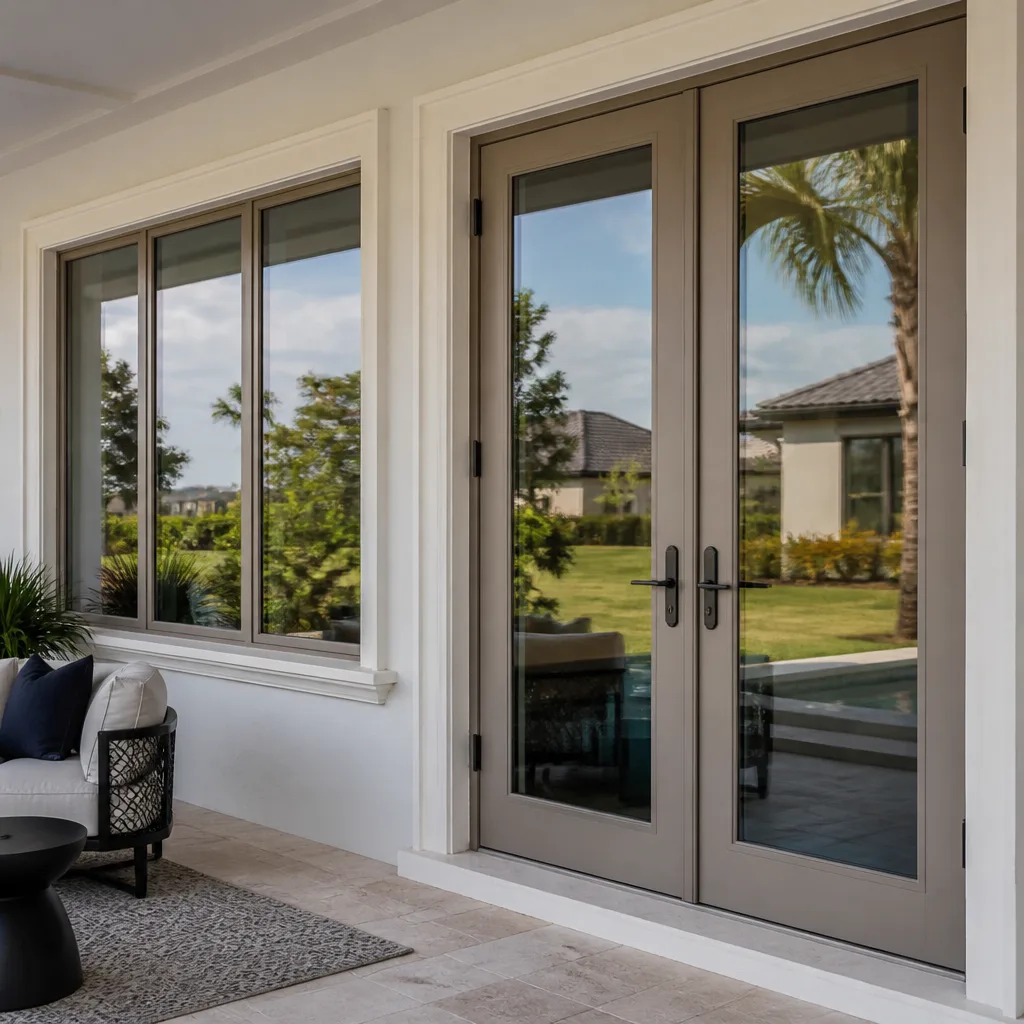

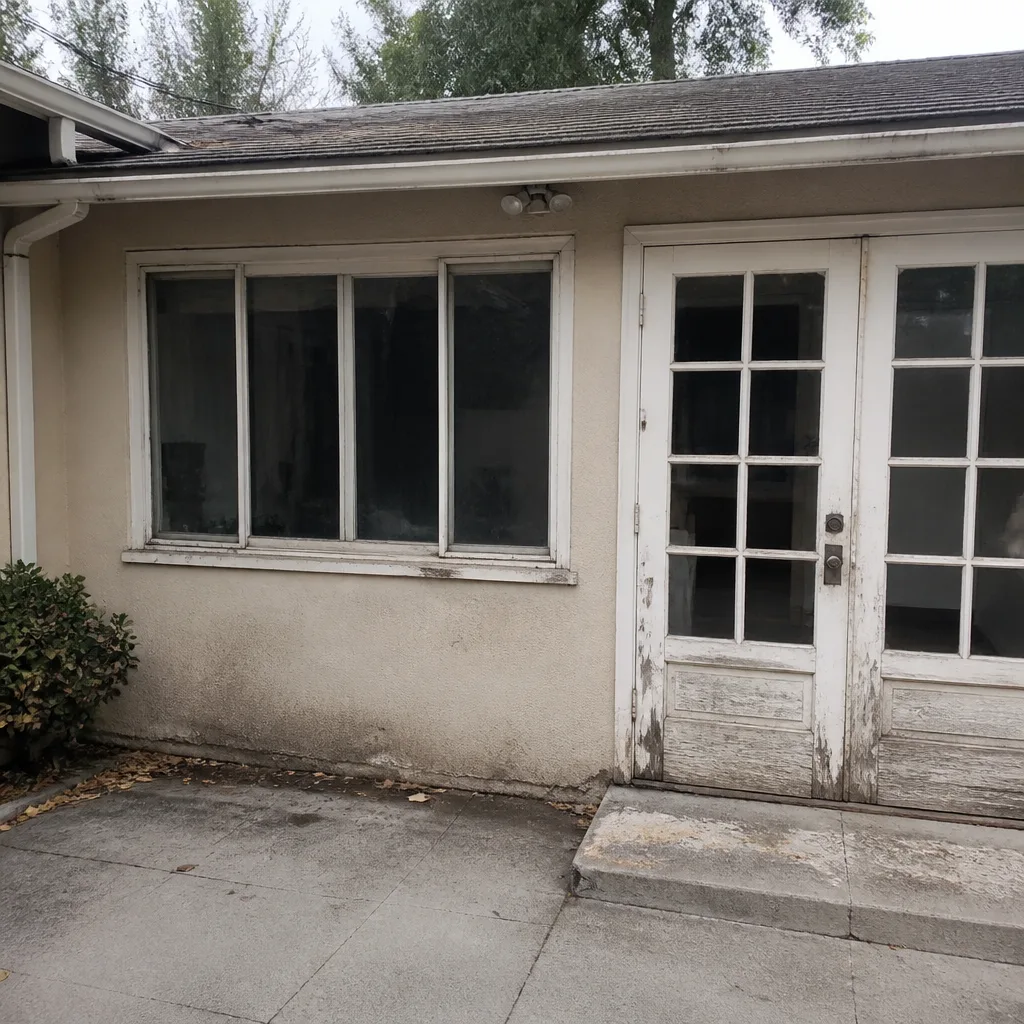 Before
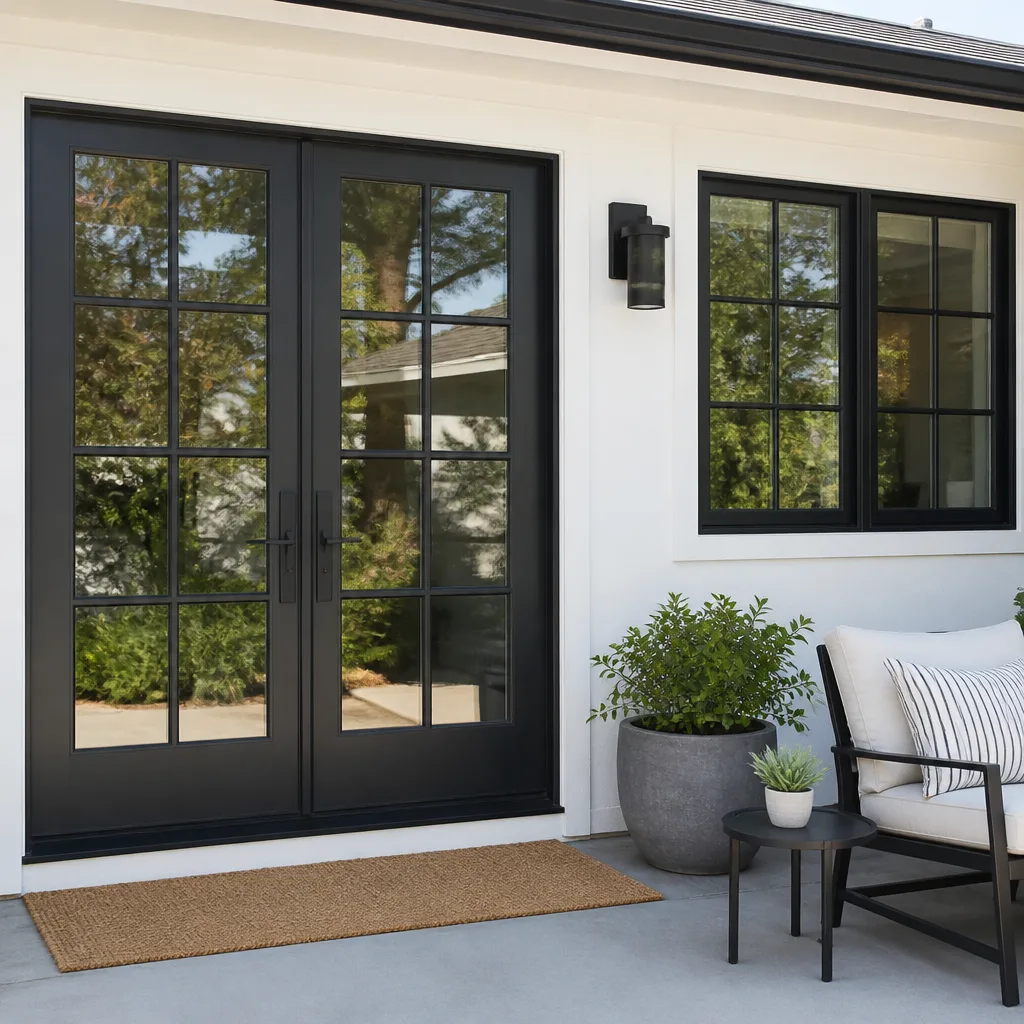 After
After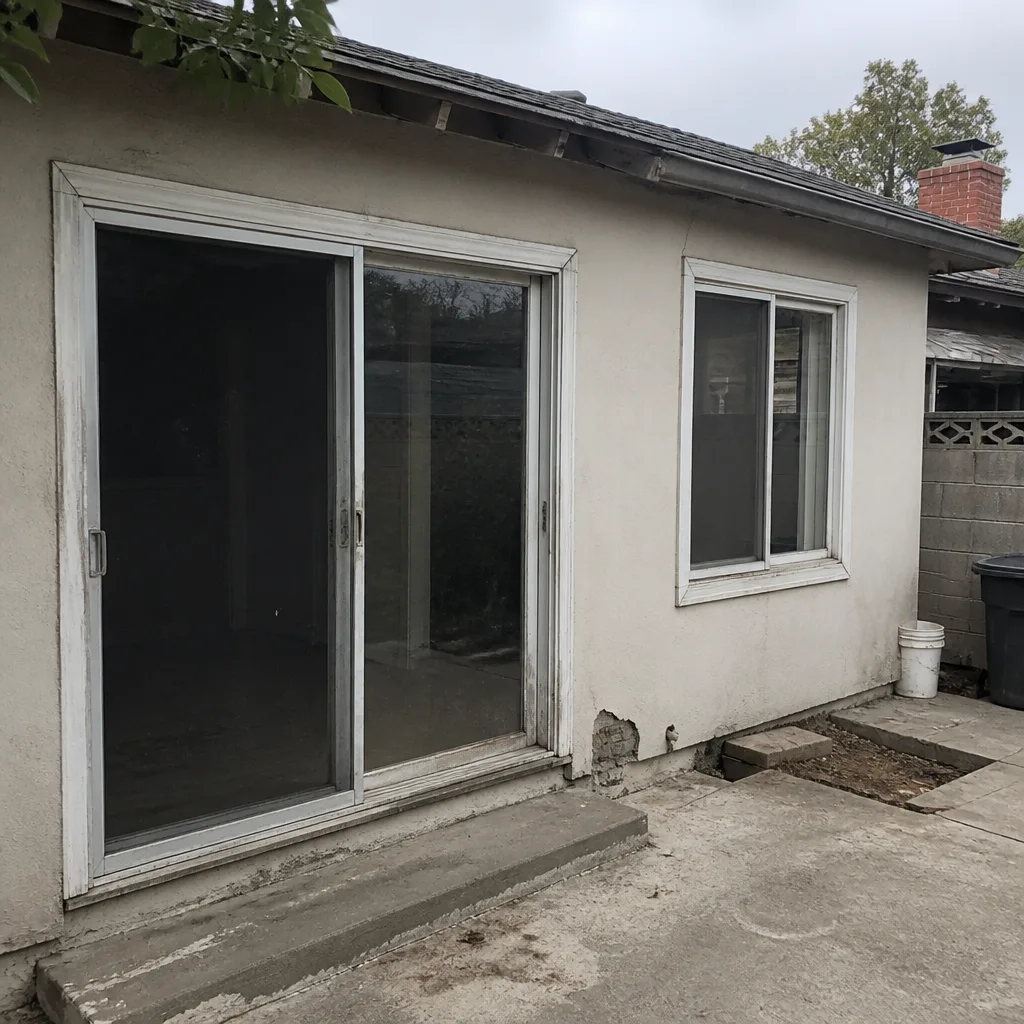 Before
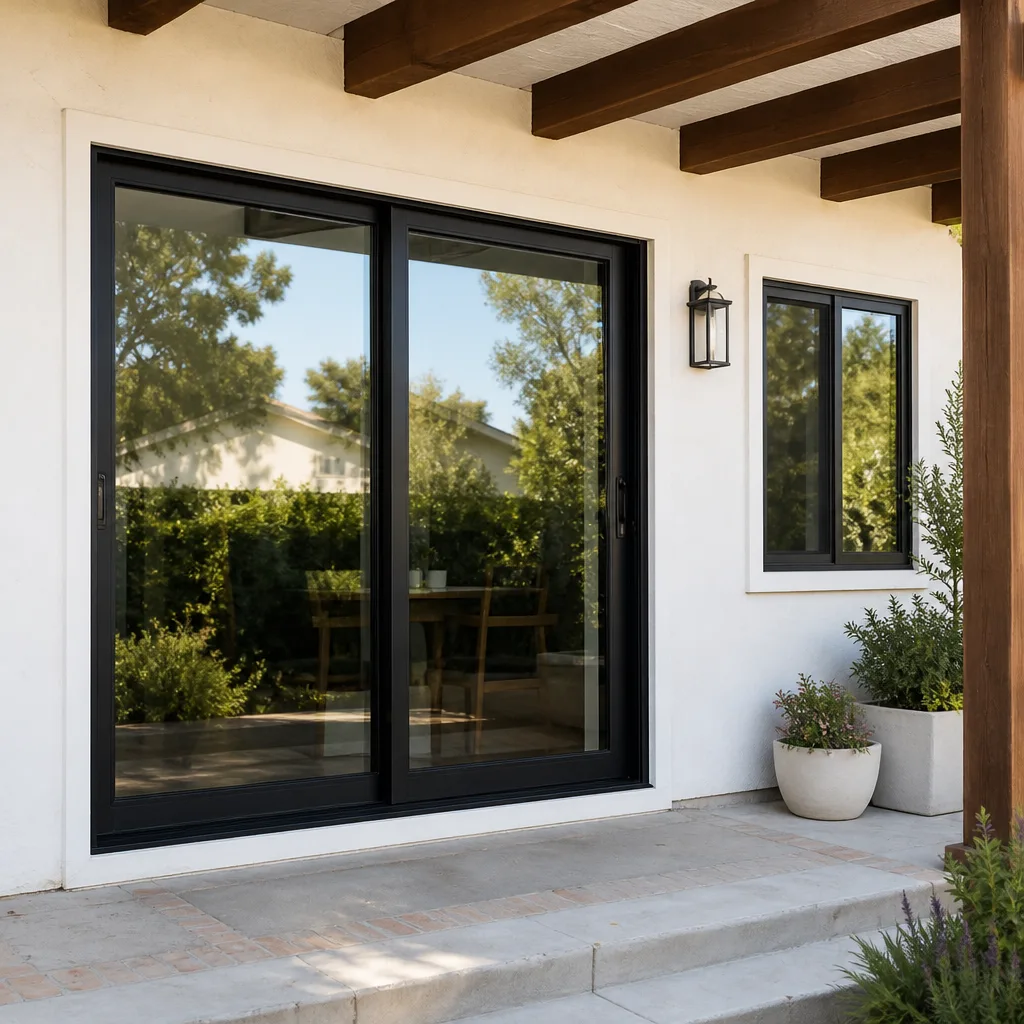 After
After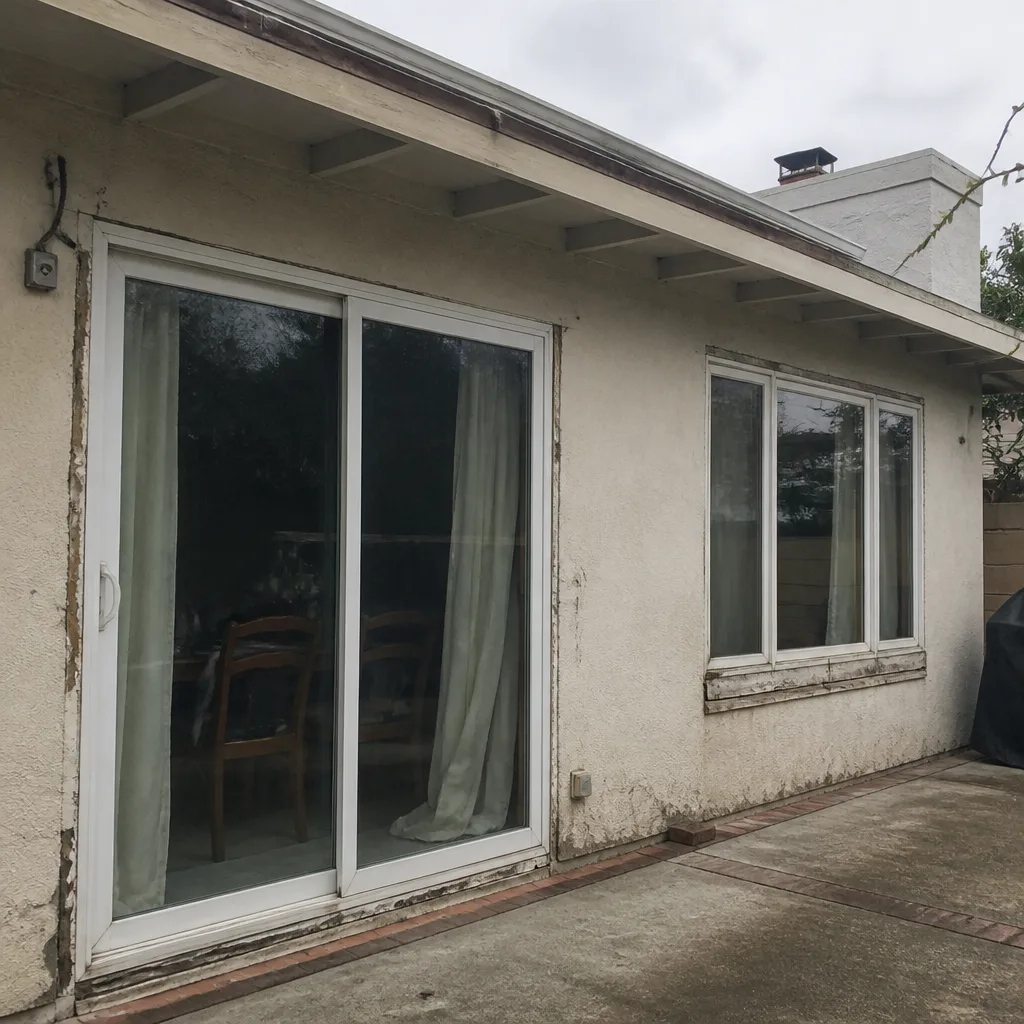 Before
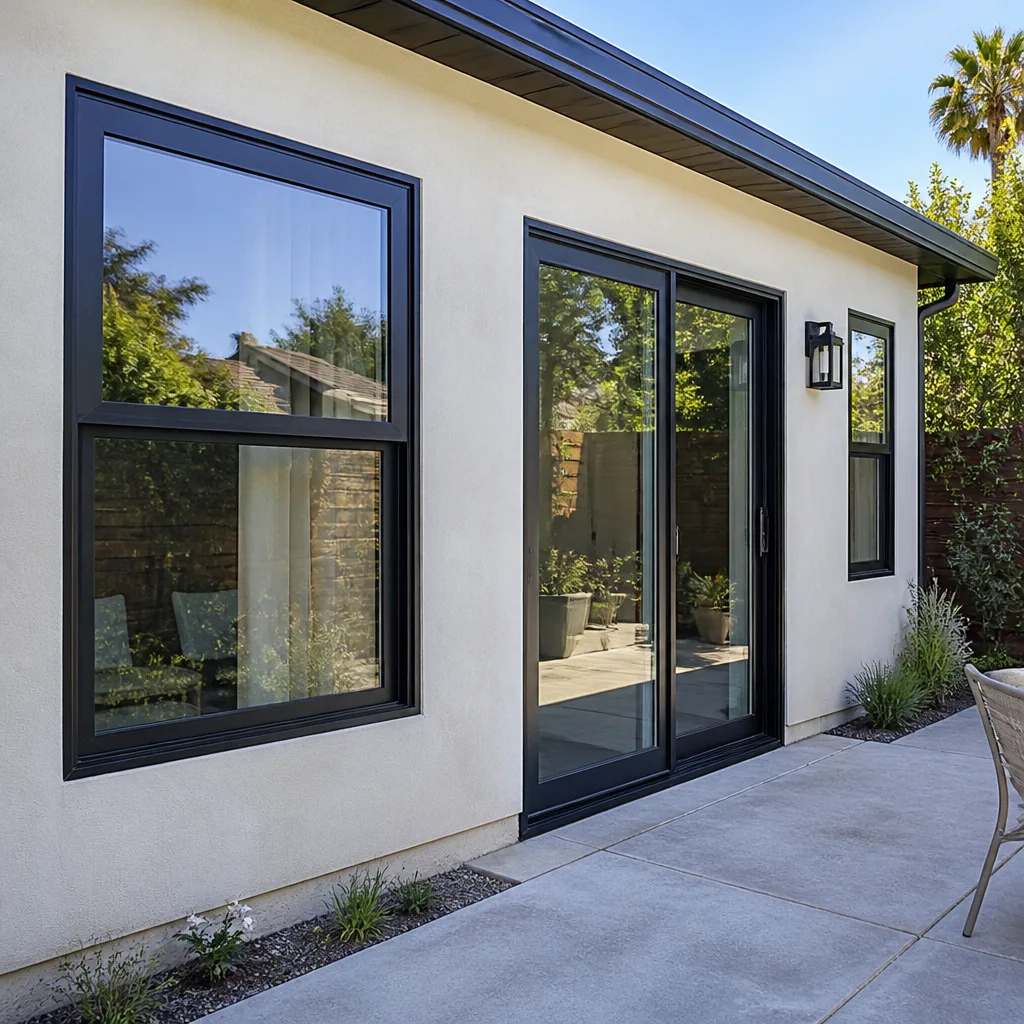 After
AfterWindow Replacement Maintenance Checklist for Los Angeles Homeowners
Here’s a number most window maintenance guides won’t tell you: the number-one cause of premature IGU (insulated glass unit) seal failure in the San Fernando Valley isn’t age. It’s thermal cycling, the brutal expansion and contraction cycle that happens when a June afternoon hits 105°F and the overnight low drops into the mid-60s. Standard double-pane units, especially those specced for mild climates, flex at the seal line every single day under that stress. Over three or four summers, the flex wins. The seal lets go. The window fogs. This guide is built for how Los Angeles weather actually behaves, not how a generic four-season checklist assumes it will. For more guides & resources, see our blog. You’ll learn to spot seal failures before they’re permanent, prep your windows for Santa Ana season, and maintain every frame material correctly for our specific microclimates.
Quick Answer
Window maintenance in Los Angeles comes down to five seasonal tasks: inspect and clear weep holes before Santa Ana winds arrive, test every insulated glass unit for seal failure using the condensation-between-panes visual check, apply UV protectant to vinyl frames in inland valley zones twice yearly, check aluminum frames near the coast for salt-air corrosion every spring, and replace worn weatherstripping before October. Most homeowners can handle 80% of this work with a ladder, a soft brush, and silicone lubricant in under an hour per floor. A professional should evaluate any window showing condensation between panes, visible rot, or a frame that has shifted out of square. Ask about our Window Replacement services for frames beyond repair.
Table of Contents
- Santa Ana Season Prep: What to Check Before October
- How to Test for IGU Seal Failure in Los Angeles
- Weep Hole Inspection: Why LA Debris Blocks Them Faster
- Frame Material Maintenance: Vinyl vs. Aluminum vs. Wood
- The 12-Month Los Angeles Window Maintenance Calendar
- Hardware, Tracks, and Weatherstripping: The Overlooked 20%
- Common Mistakes to Avoid
- When to Call a Professional
Santa Ana Season Prep: What to Check Before October Winds Arrive
Santa Ana winds aren’t just a fire concern. They’re a window durability test that runs for weeks every autumn. Gusts of 40 to 60 mph push fine grit, dry leaves, and airborne debris against every exterior weather seal on your home. The windows that fail during Santa Ana events almost always fail at a threshold: the rubber sweep under a door, the perimeter weatherstripping on a slider, or the top corner seal on a casement window that’s been quietly drying out since June.
In our experience across Los Angeles, the neighborhoods up against the foothills, Sherman Oaks, Studio City, La Cañada, Woodland Hills, take the hardest wind hit, and they’re the same neighborhoods where we see the most blown weatherstripping come November. Here’s the pre-October checklist:
- Run the dollar-bill test on every exterior door and operable window. Close the unit on a dollar bill. If you can pull the bill out without resistance, the weatherstripping has compressed and air is getting through. Mark every failed location.
- Inspect perimeter weatherstripping for brittleness or cracking. Look specifically at the top corners of casement and awning windows. Those corners take the most direct sun and dry out first.
- Check sliding door thresholds for gaps. Sliders are the most common wind-loss point in LA homes. A worn threshold gasket lets in dust, noise, and Santa Ana grit.
- Lubricate all moving hardware. Wind pressure makes stiff hardware work harder. A silicone-based lubricant on hinges, tracks, and lock mechanisms takes thirty seconds per window and prevents wear during wind season.
- Clear tracks of debris. Grit in a track during a wind event works like sandpaper on the rollers. Blast tracks with compressed air or wipe with a dry microfiber, then lubricate.
One more LA-specific consideration: Santa Ana winds often coincide with single-digit humidity. Wood window frames lose moisture rapidly in these conditions, which means paint can crack and glazing putty can pull away from glass. If you have wood windows, check glazing joints during October cleanups, not just in the spring.
How to Test for Insulated Glass Unit Seal Failure in Los Angeles
An IGU is a factory-sealed unit made of two or three panes of glass with an air gap between them. That gap is filled with air or an inert gas like argon, and the perimeter is sealed with a flexible spacer. When the seal fails, moisture gets in. Once moisture condenses between the panes, the window has effectively lost its insulation value and its clear view. In Los Angeles, the thermal cycling we mentioned at the top accelerates seal failure measurably. A 50-degree daily temperature swing stresses the seal material far more than a stable 20-degree range would.
Here’s the diagnostic test, step by step:
- Clean both sides of the glass thoroughly. You need to rule out condensation on the room-side or exterior surface. If the fog wipes away, your seal is fine.
- Look for fog, haze, or moisture between the panes on cool mornings. The best time to inspect is right after sunrise, when the temperature differential between inside and outside air is largest. Fog between panes means the seal has already failed.
- Check for a milky or cloudy appearance that never clears. A permanently hazy window that you can’t clean is a hall-of-fame sign of a failed seal, especially in inland zones where pollution dust accumulates inside the IGU.
- Look for distortion at the center of the glass. When a seal fails and gas escapes, the panes can bow slightly inward under atmospheric pressure. Look at the window from an angle against a reflection. Wavery, funhouse-mirror distortion means the seal is gone.
- Inspect the spacer bar for water spots or mineral deposits. The spacer bar is the metal or composite strip visible between the panes at the edges. If you see dried water streaks or crusty deposits on it, moisture has entered the unit.
When is DIY diagnosis enough? If you see fog between panes, a milky interior, or mineral streaks on the spacer, you don’t need a professional to tell you the IGU has failed. That’s a glass replacement job, not a repair. The DIY question is really about which window or how many. Mark every window that fails inspection, then call for a quote. We cover window replacement in Los Angeles with written pricing before any work starts, so you’ll know the exact cost per failed unit rather than an estimate that might shift.
Weep Hole Inspection: Why LA Debris Blocks Them Faster
Weep holes are the small drainage slots at the bottom of a window frame’s exterior side. They exist to let water that gets past the weatherstripping drain back out to the exterior instead of pooling inside the frame. In rainy climates, weep holes mostly deal with rain. In Los Angeles, they deal with something else: dry debris. Eucalyptus bark, palm fiber, bougainvillea petals, and fine wind-blown dust accumulate in those small openings faster than heavy rain ever would. A blocked weep hole means any water that does get into the track, from sprinkler overspray, window cleaning, or our surprisingly heavy February storms, can’t escape. It sits there. It corrodes hardware. It rots wood jambs. It breeds mildew in stucco walls.
Inspection takes less time than making coffee:
- Find every weep hole. They’re typically on the bottom exterior edge of sliding windows, casement windows, and patio doors. Count them so you know your baseline.
- Clear visible debris with a soft brush or a blast of compressed air. Don’t use wire or anything sharp. You’ll scratch the frame finish and create a new spot for debris to catch.
- Flush with water and verify drainage. Pour a small cup of water into the interior track. Watch the exterior weep holes. Water should exit within a few seconds. If it doesn’t, the holes are blocked deeper in the frame or the frame has lost its engineered drainage slope.
- Re-clear if needed. Use a zip tie or a thin plastic card to work debris out gently. Never use a screwdriver. A damaged weep hole channel is a permanent drainage problem.
Homes near mature eucalyptus, abundant in Beverly Hills, Brentwood, and the equestrian zones of Burbank and Shadow Hills, report blocked weep holes three to four times a year versus once or twice in areas without those trees. If you live under tree canopy, add a weep hole check to every quarterly maintenance pass.
Frame Material Maintenance: Vinyl vs. Aluminum vs. Wood
The right maintenance for a window frame in Los Angeles depends almost entirely on the frame material and the microclimate. What works for a vinyl window in Woodland Hills will be wrong for an aluminum window in Playa del Rey. Here’s the breakdown.
Vinyl Frames (Inland Valleys: SFV, SGV, Inland Empire edge)
Vinyl, often called uPVC, is the most popular replacement window material in Los Angeles, and for good reason. It’s low-maintenance, relatively affordable, and doesn’t conduct heat like aluminum. But inland valley sun is unrelenting. UV exposure breaks down vinyl’s surface polymers over time, causing chalkiness, fading, and eventual brittleness at corner welds. The fix is simple and cheap:
- Twice-yearly UV protectant application. A protectant like 303 Aerospace Protectant, applied with a microfiber cloth every spring and fall, adds years to vinyl window life. In the San Fernando Valley specifically, opt for the fall application too, because winter sun angle is lower and hits windows more directly on southern exposures.
- Wash with mild soap and water, never ammonia. Ammonia-based glass cleaners damage vinyl frames when drips dry on the surface. Use a separate glass cleaner for the glass only.
- Check corner welds in high-sun exposures. South-facing and west-facing windows take the most UV. Look for hairline cracks at welded corners. These are stress points that thermal expansion worsens.
Aluminum Frames (Coastal Zones: Santa Monica, Venice, Marina del Rey)
Aluminum is tough, strong, and structurally stable, but it has one enemy in Los Angeles: salt air. Coastal marine layer mist carries chlorides that corrode aluminum, especially at screw holes, thresholds, and uncoated edges. If you live within three miles of the coast, your aluminum windows need a different maintenance rhythm.
- Inspect all exposed screws, corners, and thresholds every spring. Look for white powdery corrosion or pitting. That’s aluminum oxide forming, and it weakens the metal over time.
- Wash frames quarterly with fresh water. Plain water dissolves and removes salt deposits that accumulate during marine layer season. A quick hose rinse or a wet microfiber pass is enough.
- Lubricate rollers and hinges more frequently. Salt and grit in tracks wear aluminum hardware faster near the coast. Quarterly lubrication prevents roller seizure.
- Don’t ignore interior corrosion. Aluminum windows with uncoated interior surfaces can corrode from indoor humidity, especially in beach-adjacent homes without air conditioning. Check window sills for bubbling paint or white residue.
Wood Frames (Older Homes: Hancock Park, Pasadena, Los Feliz, Echo Park)
Original wood windows add character, but they’re the highest-maintenance option in our climate. The combination of dry heat, seasonal humidity swings, and occasional heavy rain creates a constant cycle of expansion and contraction that cracks paint and opens joints.
- Inspect glazing putty every autumn. When putty pulls away from glass, water enters the joint and rots the sash. Re-glazing any cracked joints before winter rains start is the single most important wood window maintenance task in Los Angeles.
- Repaint any exposed wood before it turns gray. Gray wood is dead wood. It absorbs moisture and rots. Prime and paint bare spots promptly, using an exterior-grade paint suitable for southern California sun exposure.
- Check for termite or dry-rot damage around exterior frames every spring. Subterranean termites are a reality across Los Angeles. Wood window frames in contact with soil or stucco are a common entry point.
The 12-Month Los Angeles Window Maintenance Calendar
A generic four-season checklist tells you to check windows in spring and fall. That’s not how Los Angeles weather works. We have two actual seasons, a wet season (roughly November through March) and a dry season (April through October), plus two annual weather events that dominate window maintenance: Santa Ana winds in autumn and June Gloom marine humidity in late spring. This calendar maps maintenance to what’s actually happening outside.
January: Post-Rain Inspection
- After any week of significant rain, check every window and slider for water intrusion.
- Look for water stains on drywall below windows, damp carpet or flooring near sliders, and condensation inside frames.
- Clear weep holes. January rain plus December leaf litter is the most common blockage combo we see.
February: Deep Clean + Hardware Lubrication
- Wash all glass, frames, and screens. Use pH-neutral soap for frames, ammonia-free glass cleaner for glass.
- Lubricate every hinge, roller, and lock. Silicone spray or a dry PTFE lubricant work best. Avoid WD-40, which attracts grit.
- Vacuum tracks thoroughly. February’s low wind means less debris coming back into clean tracks immediately.
March: Weatherstripping Check
- Run the dollar-bill test on every operable window and door.
- Order replacement weatherstripping for any failed seals before next winter’s rain.
- Check sliding door thresholds for worn gaskets.
April: Coastal Corrosion Inspection
- For beach-adjacent homes, wash all aluminum frames with fresh water.
- Inspect for white corrosion at screws and thresholds. Treat light corrosion with a soft brush; severe pitting means the frame needs professional evaluation.
- Check wood windows for termite activity as temperatures rise.
May: June Gloom Prep
- Clean and inspect all screens. June is high humidity, but not rain; screens keep bugs out while windows stay open.
- Check interior humidity levels. If you see condensation on the inside of windows during June Gloom mornings, your home’s ventilation needs work.
- Verify every window opens and closes freely after winter disuse. Lubricate as needed.
June: IGU Seal Inspection
- The June Gloom to heat transition is the single best time of year to spot early seal failure. Morning humidity, afternoon heat, and sharp temperature gradients make failed seals show themselves.
- Check every window for between-pane fog at sunrise.
- Record which windows show any sign of IGU failure. Refer to the seal failure section above.
July: UV Protectant on Vinyl
- Apply UV protectant to all vinyl frames, especially south- and west-facing exposures.
- Inspect vinyl corner welds for heat-related hairline cracks.
- Check caulking around exterior window frames. It’s been curing in summer heat for months; cracks are common.
August: Weep Hole Deep Clean
- August is peak dry-dust season. Palm fiber, eucalyptus bark, and airborne debris are at maximum accumulation.
- Clear weep holes thoroughly with compressed air or a soft brush.
- Flush and verify drainage on every window and slider.
September: Santa Ana Prep Begins
- Run the dollar-bill test again before wind season starts.
- Replace any worn weatherstripping or threshold gaskets.
- Check exterior caulking for gaps that wind-driven grit can exploit.
October: Santa Ana Inspection
- Clean tracks and re-lubricate hardware. Wind season puts extra pressure on every moving part.
- Inspect glazing putty on wood windows. Repairs now beat winter rain leaks later.
- After each Santa Ana event, check for new drafts, air noise, or loose hardware.
November: Pre-Rain Final Check
- Verify every weep hole is clear and draining.
- Check weatherstripping one final time before the wet season.
- Confirm all windows lock securely. Locks don’t just provide security; they pull the sash tight against the weatherstripping for a better seal.
December: Monthly Spot Check
- During rain events, check for interior water signs around windows.
- Clear debris from tracks and weep holes any time strong wind precedes rain.
- Note any windows that will need attention in the first quarter of next year.
Hardware, Tracks, and Weatherstripping: The Overlooked 20%
Most homeowners in Los Angeles focus their window attention on the glass and the frame. That’s understandable. But the hardware, tracks, and weatherstripping are what determine whether the window operates smoothly, seals tightly, and lasts its full lifespan. We call them the overlooked 20% because they’re only 20% of the visible window, but they account for about 80% of the operational failures we see in the field.
Here’s the quarterly routine that takes about fifteen minutes for a typical three-bedroom home:
- Vacuum all tracks first. Use a brush attachment. Removing dry debris before lubrication is non-negotiable; lubricant over grit creates a grinding paste.
- Wipe tracks with a dry microfiber. Get into the corners where dust accumulates. A damp cloth works too, but make sure the track is dry before lubricating.
- Lubricate rollers, hinges, and lock mechanisms with a silicone spray or dry PTFE lubricant. Two or three light passes per window is enough. Over-lubricating attracts dust and makes future cleaning harder.
- Check every lock for positive engagement. A lock that doesn’t fully seat means the sash isn’t being pulled tight against the weatherstripping. That’s a direct energy loss and a security issue.
- Inspect weatherstripping for compression set. Compression set is when rubber or foam loses its spring and stays flattened. This happens faster on windows that face direct afternoon sun. Replace strips that don’t bounce back.
One LA-specific note on hardware: the dust that blows through our air, whether from construction, wildfires, or just the dry hillsides, is finer and more abrasive than the dirt in more humid climates. That means lubrication intervals need to be shorter. Every three months, not twice a year.
Common Mistakes to Avoid
- Ignoring between-pane fog because “it comes and goes.” Seal failure is permanent. If fog appears between panes on cool mornings and clears in the afternoon, the IGU is still bleeding gas. It will only get worse. The time to budget for replacement is at first sighting, not after the window has fully clouded.
- Using ammonia-based glass cleaner on vinyl frames. Drips dry on the frame, causing discoloration and polymer breakdown. Use ammonia-free cleaner for glass and a separate mild soap for frames.
- Painting over weep holes. This happens constantly during exterior paint jobs. A painter who doesn’t know better will bridge right over the weep slots. Always mask weep holes before painting, and check them after any exterior work.
- Lubricating tracks with WD-40. WD-40 is a water displacer, not a lubricant. It leaves a residue that attracts dust and gums up rollers. Use a silicone or dry PTFE product instead.
- Skipping weatherstripping replacement until there’s visible damage. By the time rubber weatherstripping cracks visibly, it’s been underperforming for months, maybe years. Use the dollar-bill test to catch compression set before it becomes a visible problem.
- Failing to adjust roller height on sliders before assuming they’re broken. A dragging slider door often just needs a roller adjustment screw turned a quarter-inch. Many LA homeowners replace hardware that only needed a two-minute tune-up.
- Doing window maintenance only when something breaks. The proactive checklist above prevents most failures from happening in the first place, particularly with IGU seals and coastal corrosion. Waiting until failure is always more expensive.
When to Call a Professional
Most of what’s in this guide is DIY-friendly. But some situations call for a trained eye and a written quote, not a ladder and a tube of caulk. If you see between-pane fog in three or more windows, the odds are good that all your windows are nearing the same end point, and a full or partial replacement project makes more financial sense than replacing units one by one. If a window won’t close, lock, or square properly after you’ve cleaned and lubricated the hardware, the frame itself may have shifted, and that’s a structural issue, not a hardware issue. If you find rot in a wood frame, termite damage, or corrosion that has pitted aluminum deeply, a professional evaluation matters. Juniper Windows & Doors offers free estimates in Los Angeles at Juniper Windows & Doors home; call (682) 281-2168 and we’ll schedule a walk-through with a written price before any work starts. We also handle window installation in Los Angeles and door replacement in Los Angeles if your maintenance inspection reveals bigger issues than a weep hole can solve. Our installers regularly work with PGT and Therma-Tru products, and we carry ViewLux lines for homeowners who want premium options with a locked-in written price.
Frequently Asked Questions
How often should I clean my windows in Los Angeles?
Every three months is the right starting point for most LA homes, with more frequent exterior cleaning if you live near a busy street, construction site, or mature tree canopy that drops sap or debris. The dry season builds up fine dust fast, and letting it accumulate on frames accelerates finish wear.
How do I know if my window seal has failed?
A failed IGU seal shows up as fog, haze, or mineral deposits between the glass panes, especially visible on cool mornings. If you see visible moisture between the panes that you can’t wipe away from either side, or if the window has a permanently milky appearance, the seal is gone and the glass unit needs replacement. Call (682) 281-2168 for a written quote on replacement glass.
Why do my windows fog up in the morning in Los Angeles?
Morning fog between panes indicates seal failure. Morning fog on the room-side surface is different and usually means your home’s indoor humidity is too high relative to the outdoor temperature. If condensation is on the inside surface, run exhaust fans during cooking and showering and check that your home’s humidity stays below 50%. If condensation is between the panes, that’s an IGU failure that won’t improve.
Do I need different window maintenance if I live near the beach?
Yes. Coastal zones like Santa Monica, Venice, and Marina del Rey have salt-air corrosion issues that inland neighborhoods don’t face. Aluminum frames within about three miles of the coast should be washed with fresh water quarterly and inspected for white corrosion every spring. Vinyl frames near the coast are less affected by salt but still need UV protectant based on sun exposure, not proximity to the ocean.
What’s the lifespan of a replacement window in Los Angeles?
Most replacement windows installed in Los Angeles last 20 to 30 years depending on frame material, exposure, and maintenance. Vinyl windows in full sun south-facing exposures may show IGU seal failure at the 12- to 15-year mark due to thermal cycling stress. Aluminum windows near the coast may need hardware replacement at 10 to 15 years due to salt corrosion. A good maintenance routine extends the upper end of every range.
Can I replace just the glass instead of the whole window?
In many cases, yes. If the frame is structurally sound and you’re only dealing with IGU seal failure, replacing the glass unit (the IGU) is less expensive than replacing the entire window. If the frame is vinyl and welded at the corners, glass replacement is straightforward. If the frame is wood and rotted, or aluminum and corroded through, a full replacement makes more sense. Juniper Windows & Doors will give you a written price for either option before any work begins.
The Bottom Line
Window maintenance in Los Angeles isn’t a spring and fall chore. It’s a year-round rhythm built around Santa Ana winds, June Gloom humidity, inland valley heat, and coastal salt air. The homeowners who catch IGU seal failure early, keep weep holes clear, and treat their frame material correctly for their specific microclimate are the ones who get the full lifespan from their windows rather than cutting it short by a decade. Print our Window Replacement Maintenance Schedule: What to Do and When, put it on the fridge or in a phone note, and work through it. If a maintenance pass turns up a window that needs more than a clean and a lube, call Juniper Windows & Doors at (682) 281-2168 for a free estimate with a written price, no surprises, and our 365-Day Done Right Promise behind every installation.
Written by Sean Mackey, Owner at Juniper Windows & Doors, serving Los Angeles since 2001.