
Last updated October 9, 2026
Free in-home measure and quote - PGT, CGI and CWS impact lines compared on your actual openings, style by style
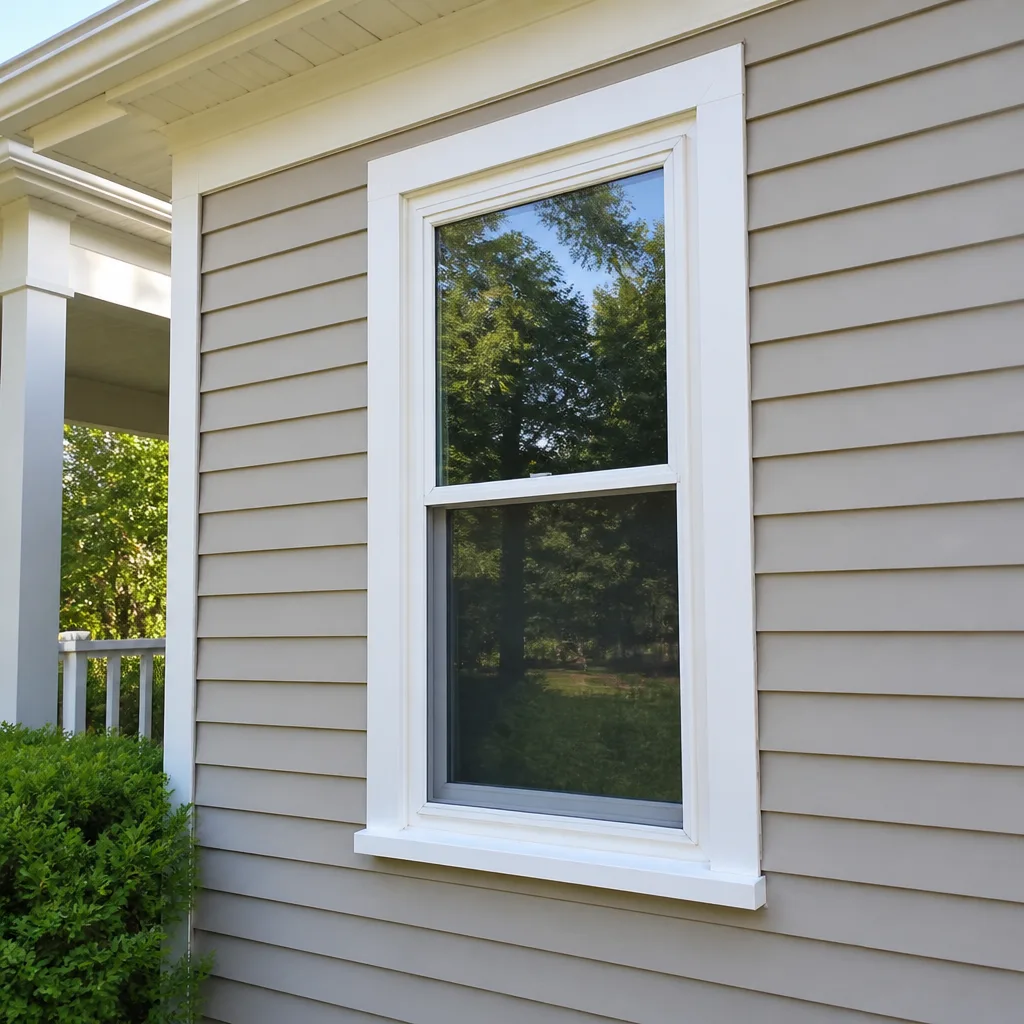
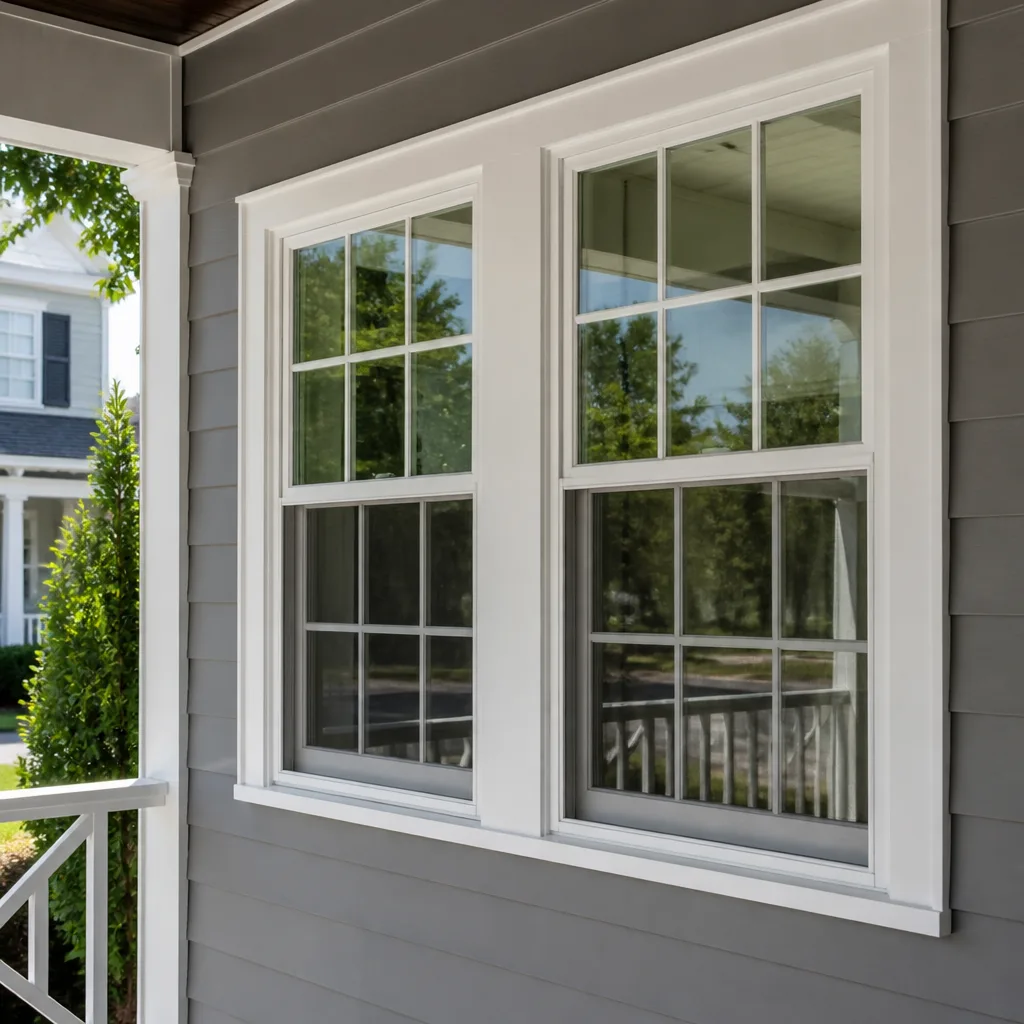
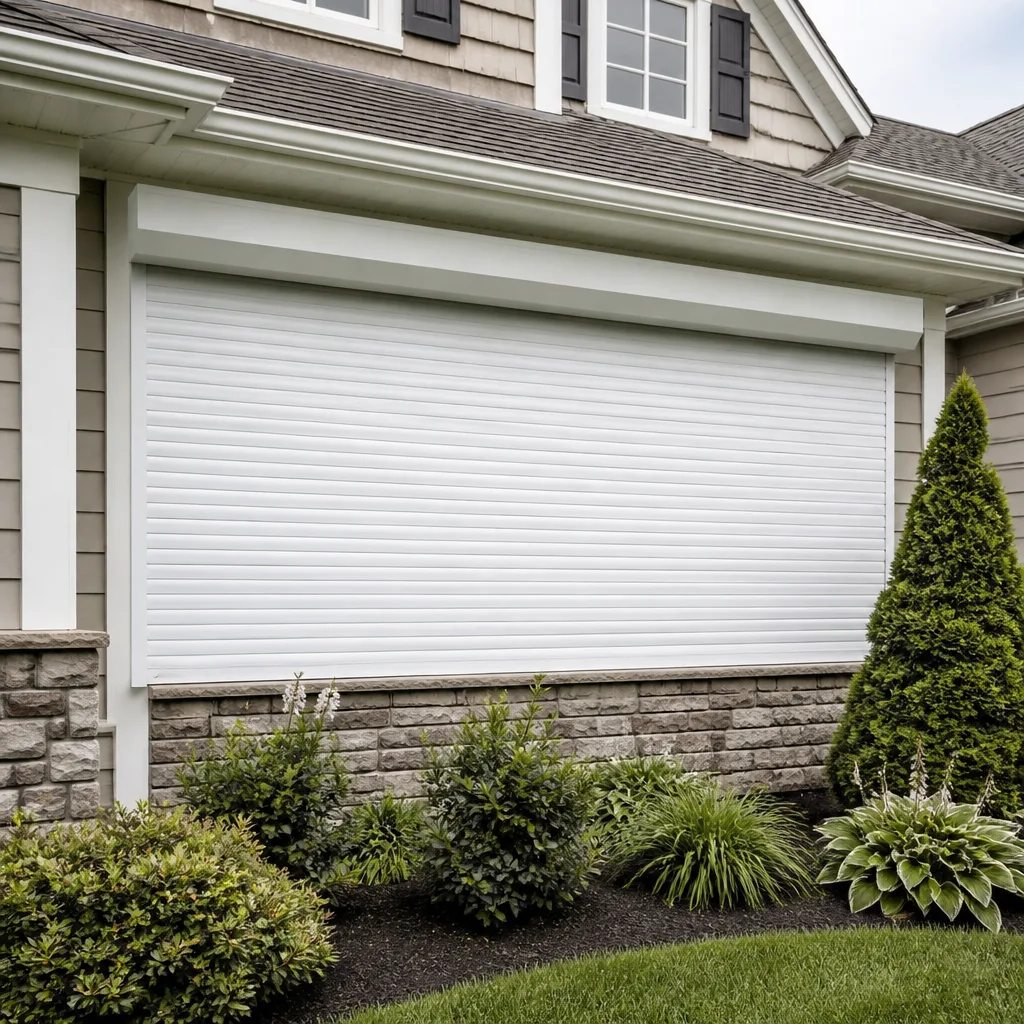
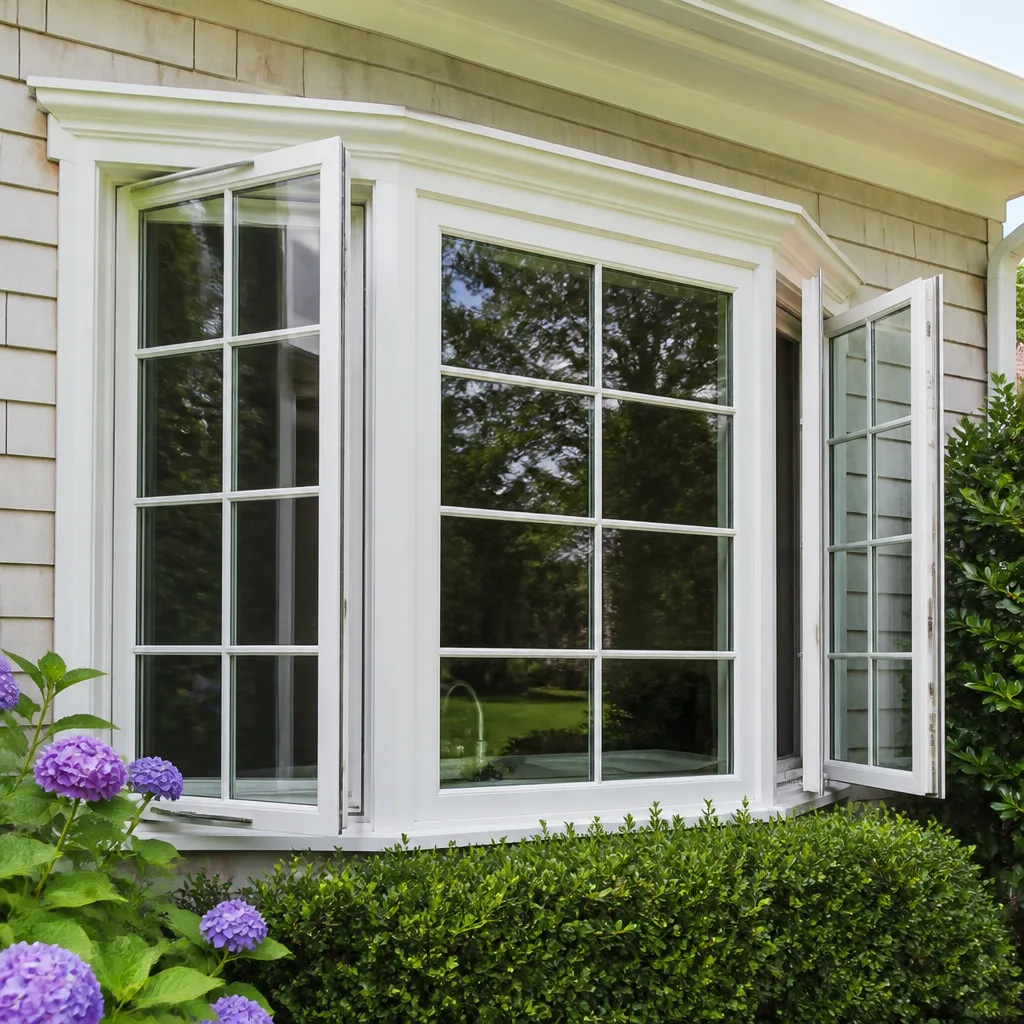
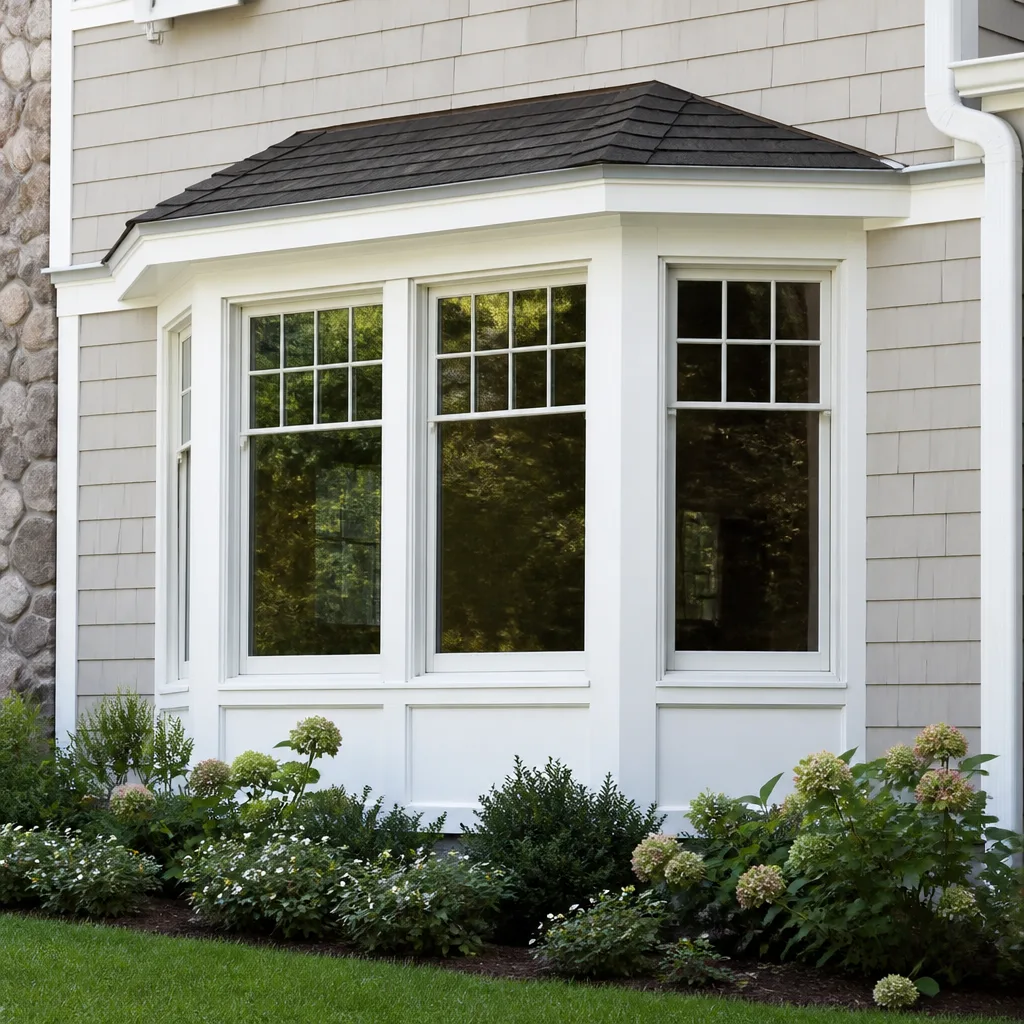
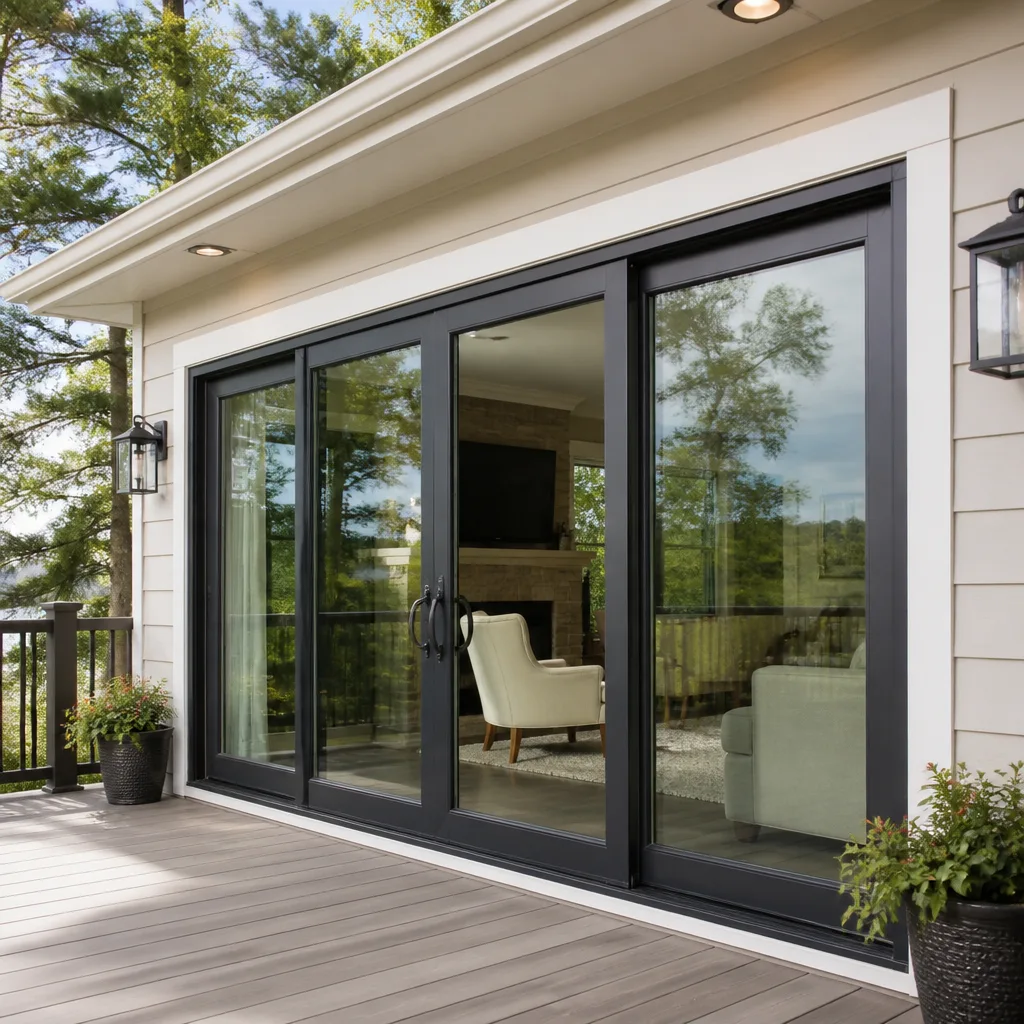
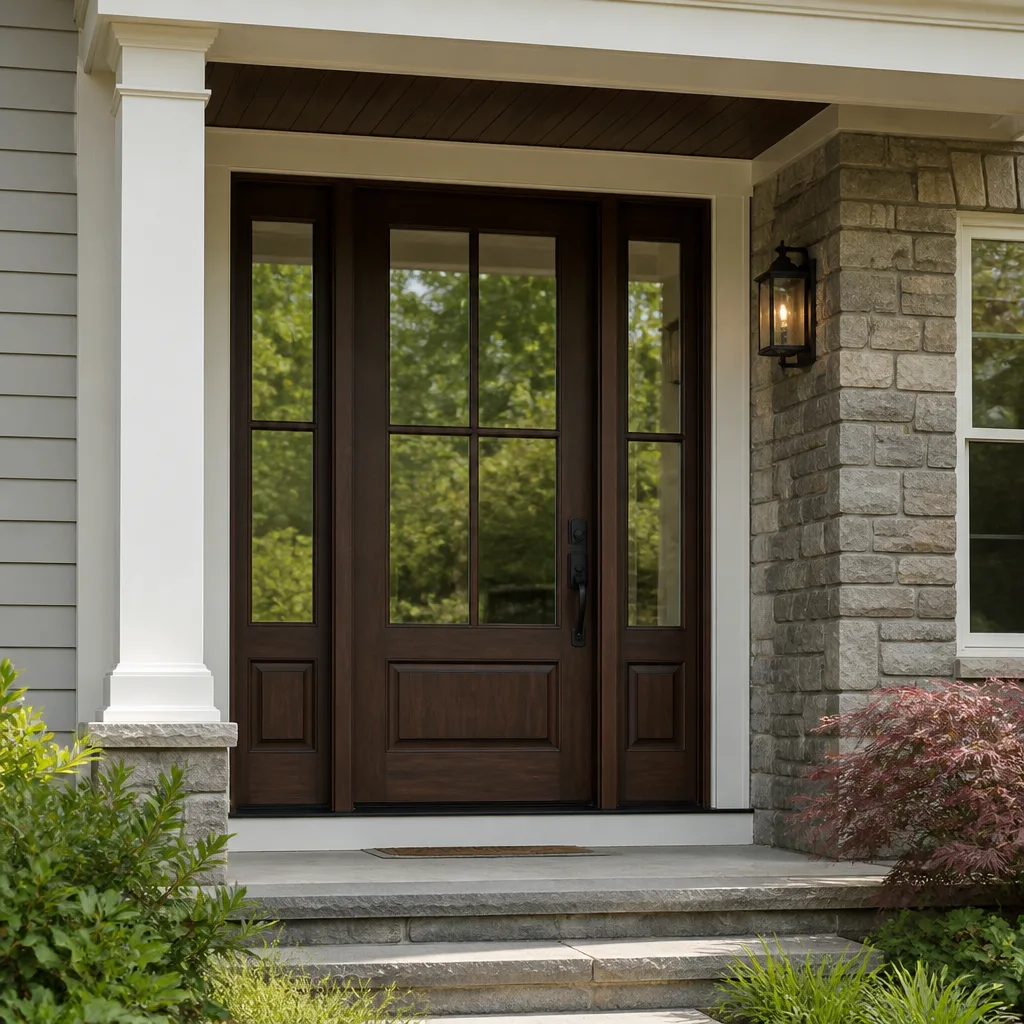
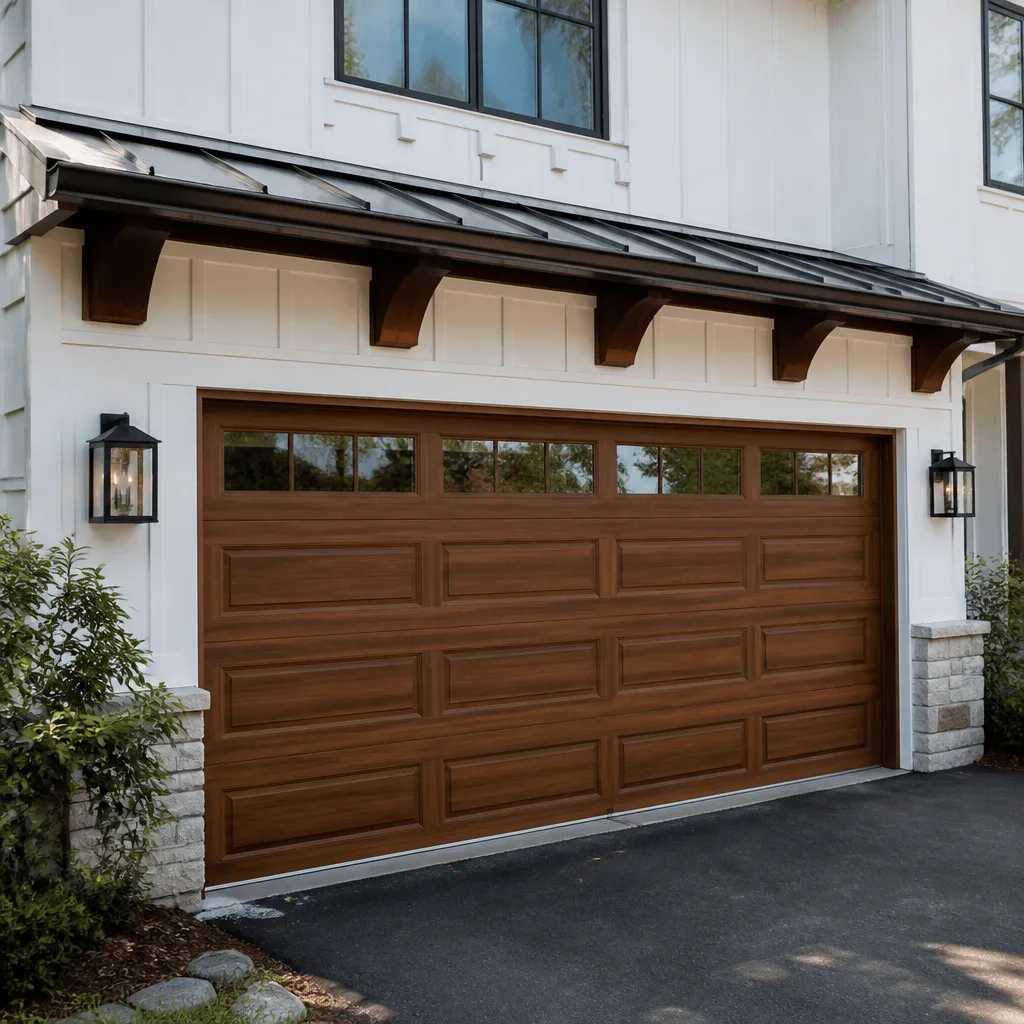
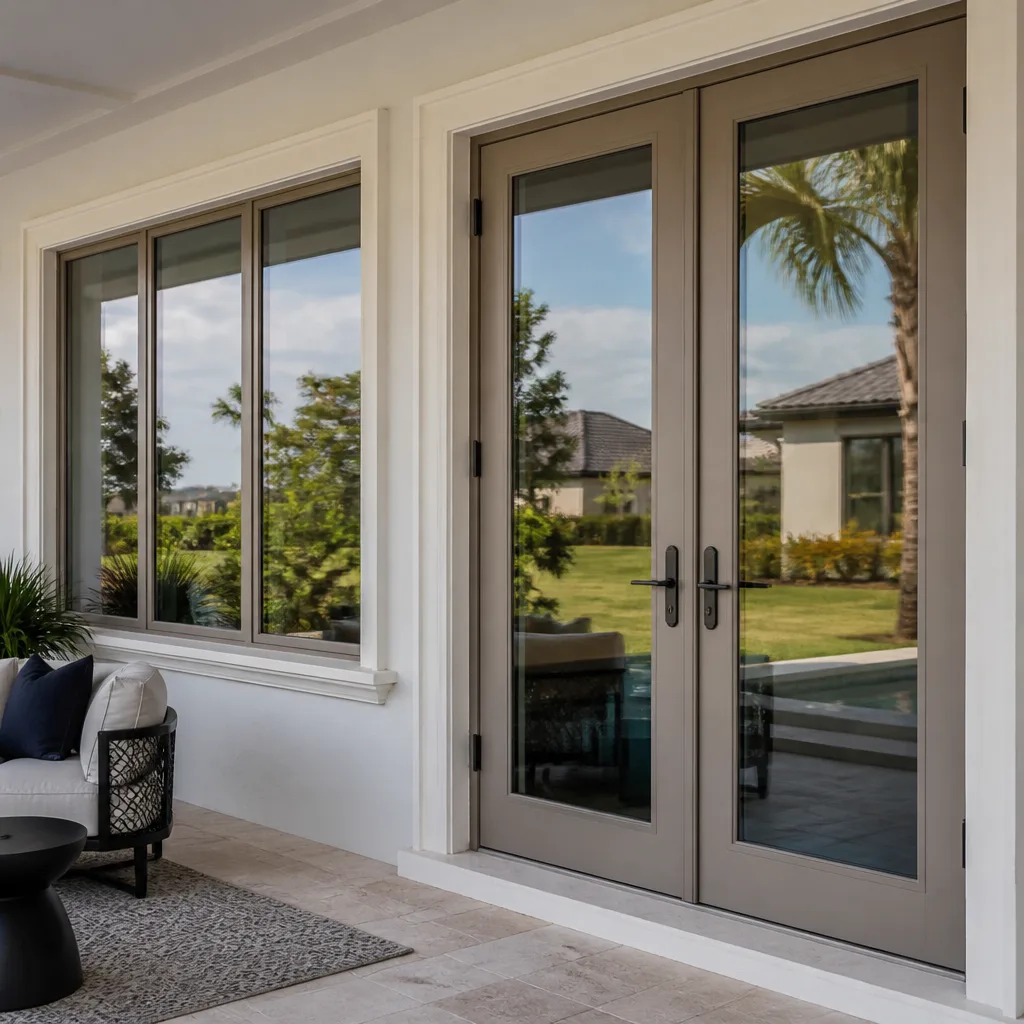
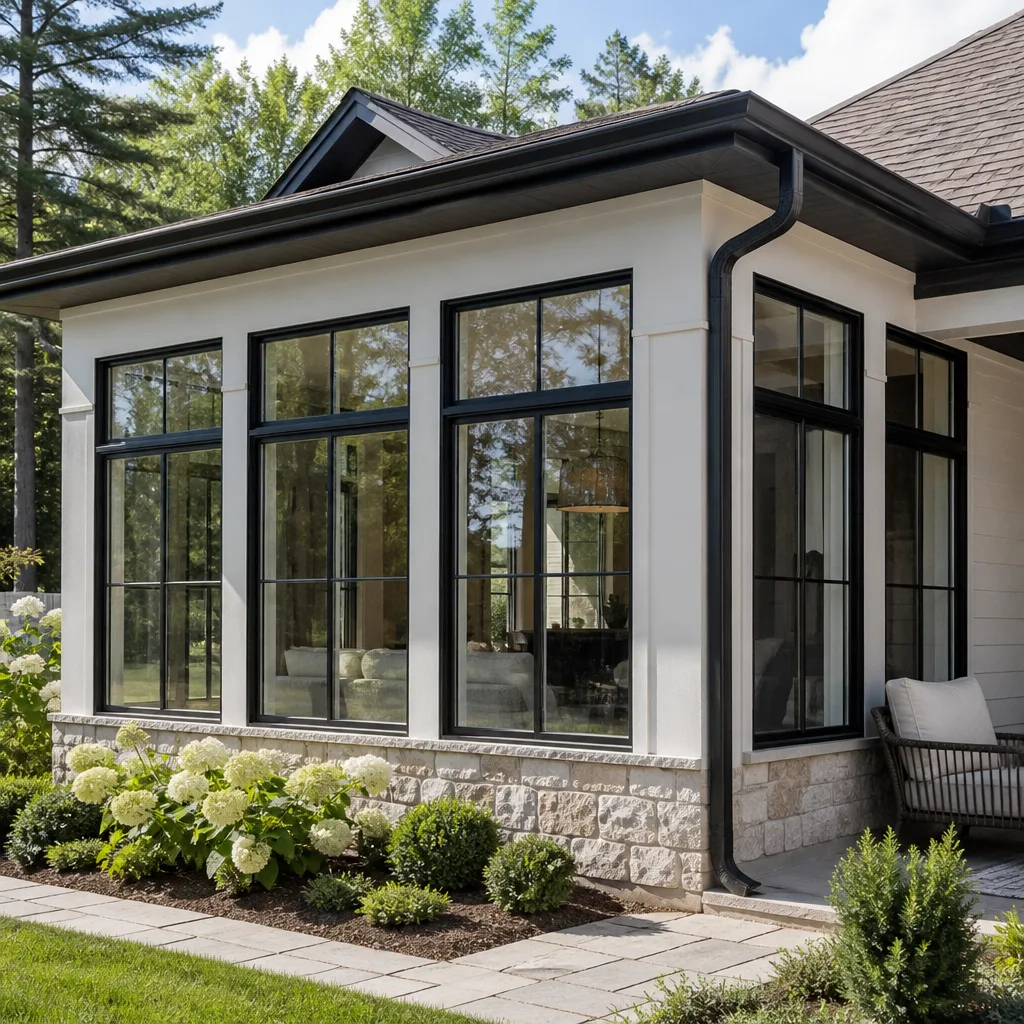
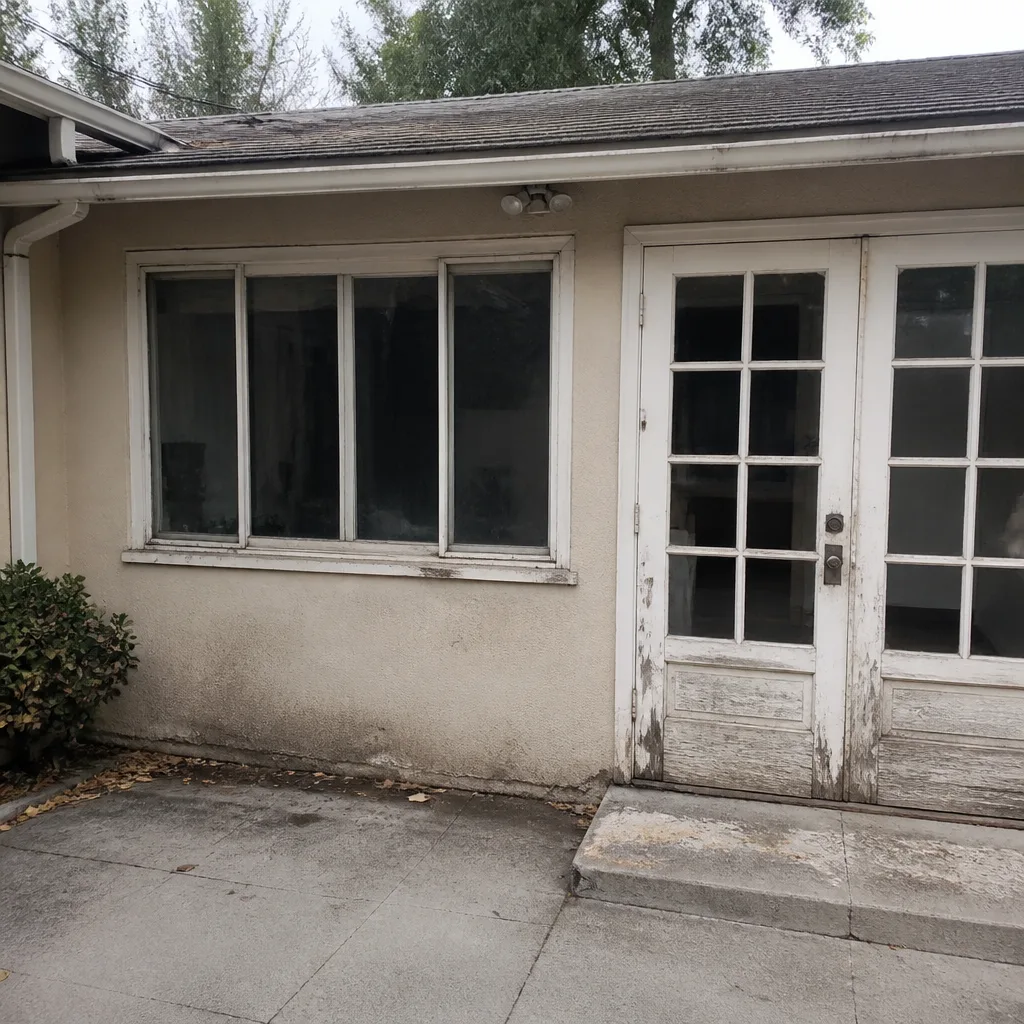 Before
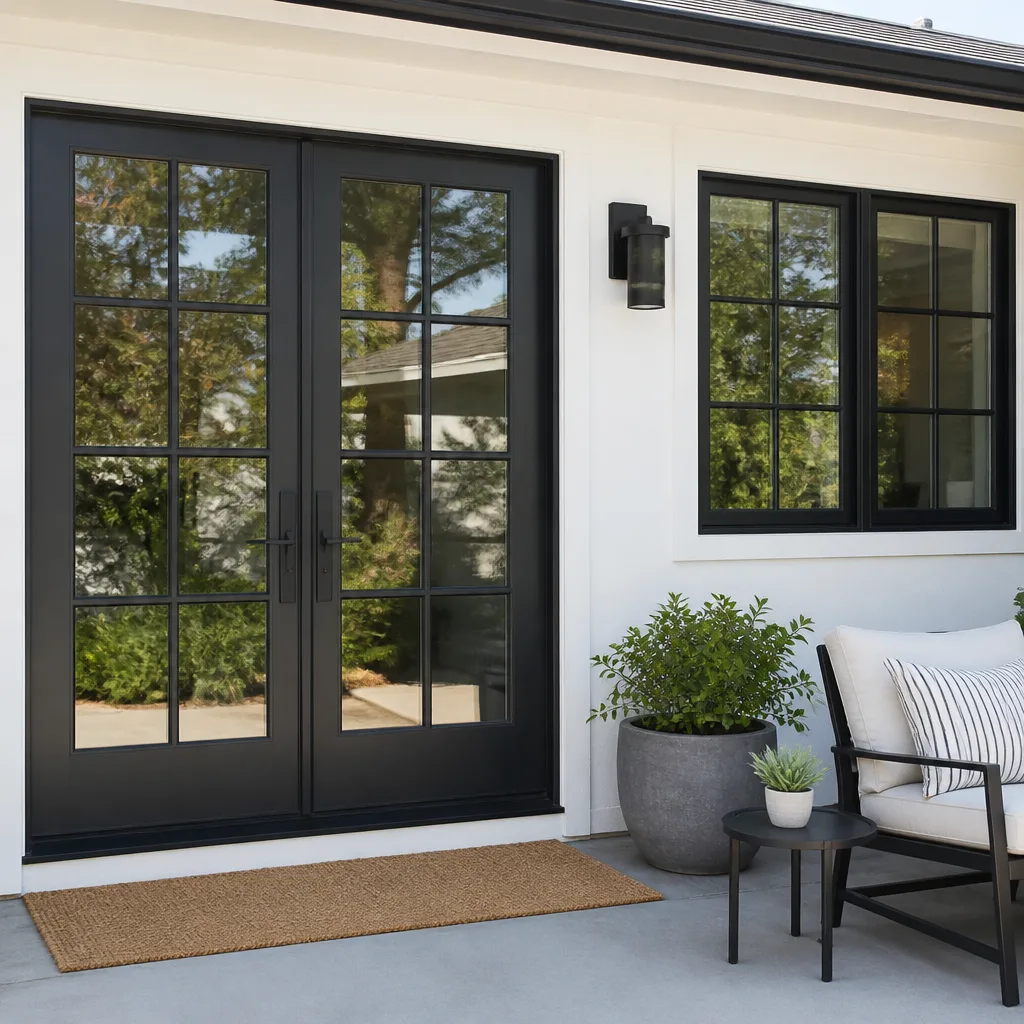 After
After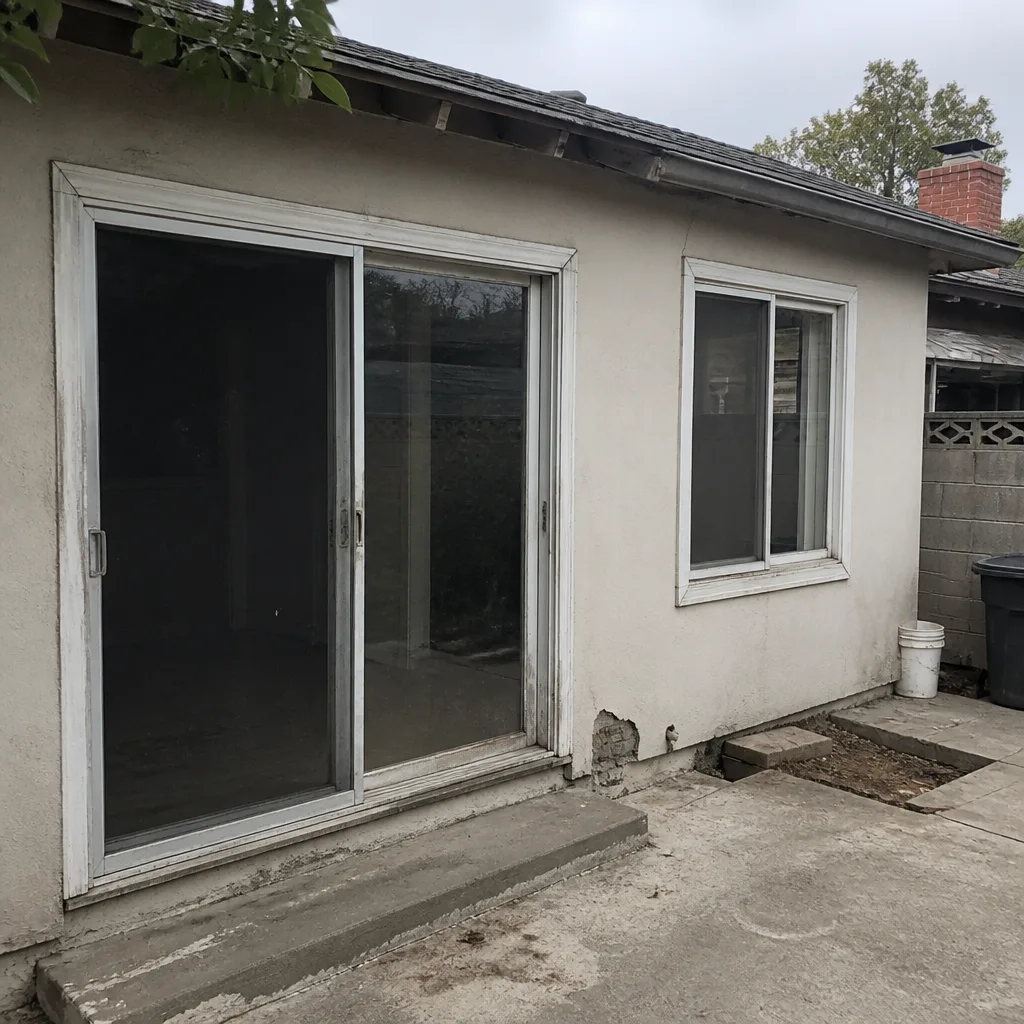 Before
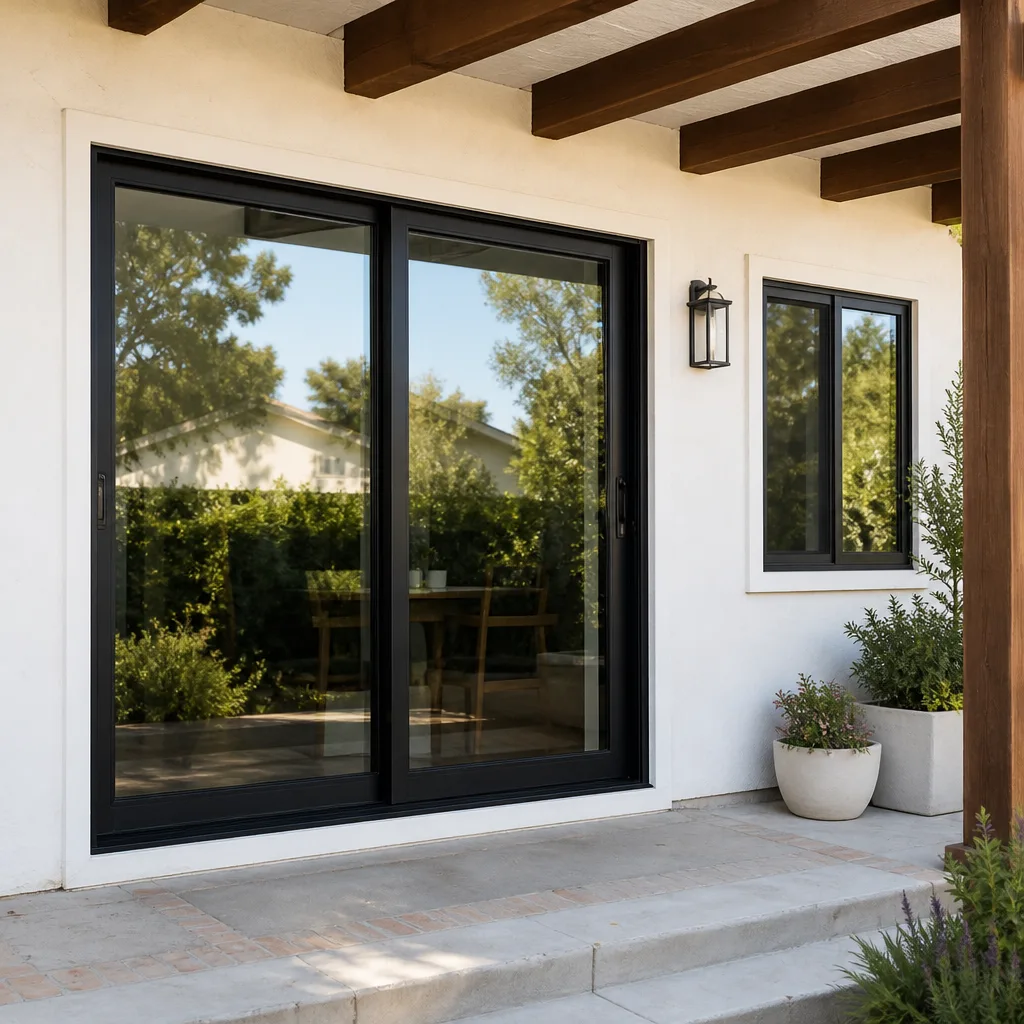 After
After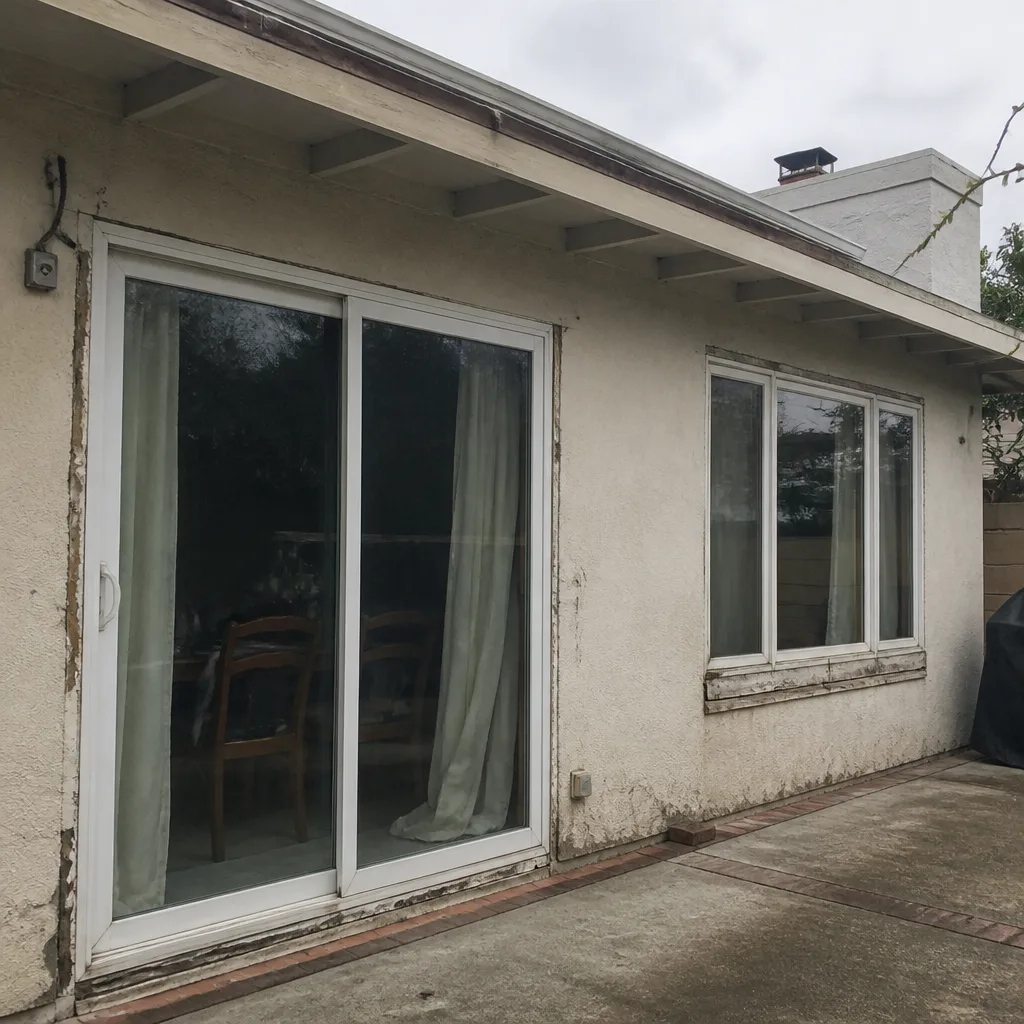 Before
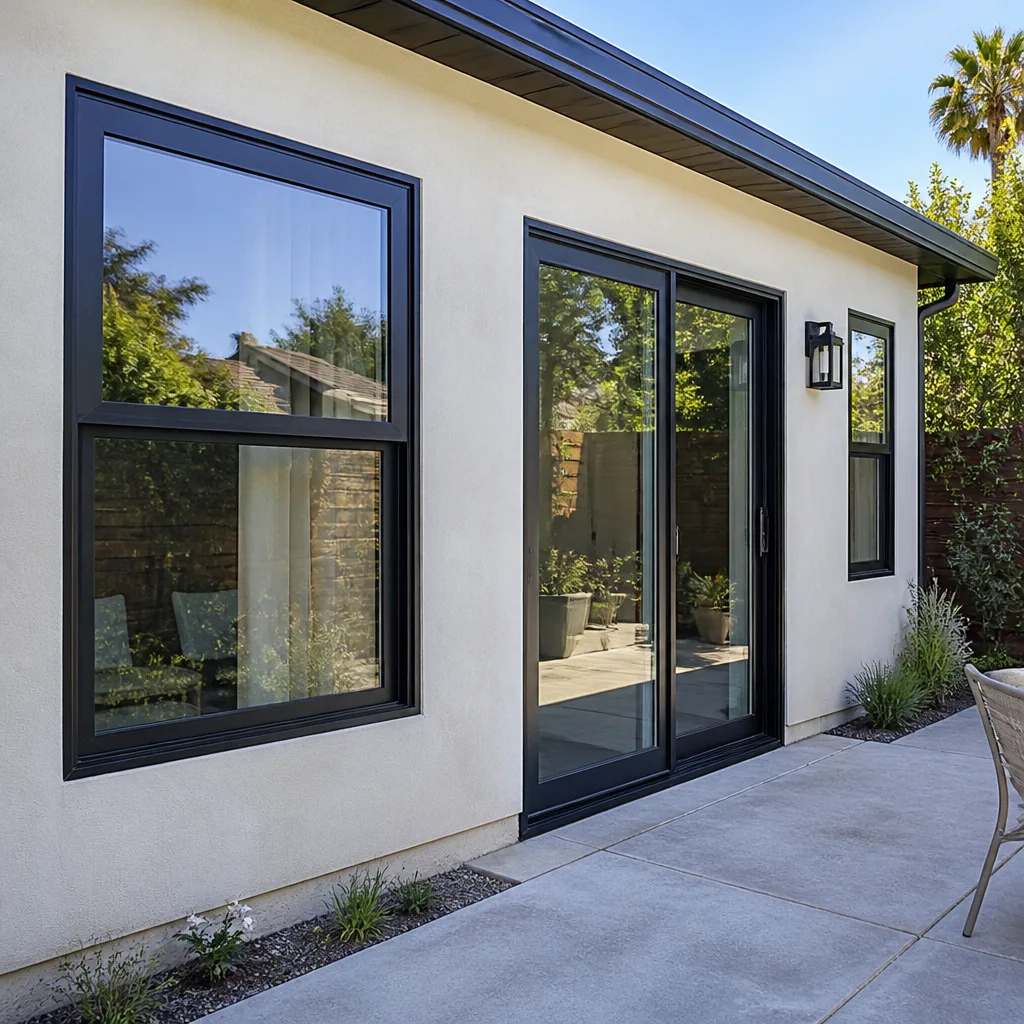 After
AfterHow to Hire a Windows & Doors Contractor in Los Angeles: A Step-by-Step Guide
The California Contractors State License Board logged over 19,000 unlicensed contractor complaints in a single recent year, and window and door work is one of the top three categories cited. Why? Because swapping a window looks easy, and the problems don’t show up for months. A bad flashing job leaks slowly. A door hung half a degree off binds in winter. By the time you notice, the installer’s phone number is disconnected. This guide-along with our more guides & resources-gives you a concrete vetting process that filters out the unlicensed, the uninsured, and the vanish-after-final-payment crowd before anyone steps inside your Los Angeles home.
Quick Answer
To hire a windows and doors contractor in Los Angeles, verify their California contractor license on the CSLB website (look for C-17 glazing or B general classification), require a written line-itemized quote before any site work proceeds, confirm they pull their own permits, and get the installation warranty in writing separate from the product manufacturer warranty. Then call Juniper Windows & Doors at (682) 281-2168 for a free estimate with a written price before any work starts.
Table of Contents
- Step 1: Verify the License on the CSLB Website
- Step 2: Understand the C-17 vs. B Classification Difference
- Step 3: Demand a Written, Line-Itemized Quote
- Step 4: Spot the LA-Specific Red Flags
- Step 5: Confirm Who Pulls the Permit
- Step 6: Separate the Installation Warranty from the Product Warranty
- Step 7: Ask These Questions Before Signing
Step 1: Verify the License on the CSLB Website
Before you let anyone measure a single window opening, check their license. The California Contractors State License Board (CSLB) maintains a free, public database at cslb.ca.gov. Type in the contractor’s name or license number, and the system shows you their classification, bond status, insurance information, and any disciplinary actions or complaints on file. If they’re not there, they’re not legal to do work over $500 in California.
Here’s the exact process:
- Go to cslb.ca.gov and click “Check a License” on the homepage.
- Enter the license number if you have it, or search by business name or individual name.
- Confirm the license status reads “Active.” If it says “Suspended,” “Revoked,” or “Expired,” walk away.
- Check the “Workers’ Comp” field. If they have employees and no workers’ compensation insurance, you could be liable for injuries on your property.
- Look at the “Bond” section. A valid contractor bond protects you if the contractor abandons the job or violates contract terms.
- Review any “Legal Actions” or “Complaints” listed. One old complaint might be explainable. A pattern is not.
In Los Angeles, we see a lot of homeowners who never run this check because the installer seemed nice, showed up on time, and quoted a price that beat the other bids. Those are exactly the situations where a license lookup saves you. The CSLB database is the fastest filter in your entire hiring process, and it takes ninety seconds.
Step 2: Understand the C-17 vs. B Classification Difference
The CSLB issues licenses in different classifications, and the difference matters for your project. A C-17 (Glazing) license is specific to glass and glazing work, including windows, skylights, and glass doors. A B (General Building) license covers broader construction that can include window and door installation as part of a larger remodel.
Which one should you prefer? For a dedicated window or door replacement project, a C-17 holder has passed a trade-specific exam focused on glazing, water intrusion, and window systems. They’ve demonstrated knowledge of exactly the work your house needs. A B license holder may be perfectly competent, but their exam covers framing, concrete, roofing, and everything else, too.
What to check on the CSLB lookup:
- C-17 (Glazing): Specialized in windows, skylights, glass doors. Best match for replacement work.
- B (General Building): Broad construction license. Acceptable if the contractor has specific window and door experience.
- C-61 / D-28 (Doors, Gates, and Activating Devices): Limited specialty for doors only. Does not cover window glazing.
You should also confirm the license number printed on any invoice, business card, or vehicle matches the name on the CSLB record. Contractors sometimes “borrow” a license number from a friend or relative. If the name on the license doesn’t match the person standing in your living room, that’s a red flag you can’t ignore.
Step 3: Demand a Written, Line-Itemized Quote
A “ballpark” number given verbally is worth exactly what it costs: nothing. Before any site visit proceeds past the measuring phase, before a deposit changes hands, before a single screw turns, you need a written quote that breaks out labor and materials separately. In Los Angeles, where window replacement on a typical single-family home runs between $8,000 and $22,000 depending on product line and window count, the difference between a vague estimate and a line-itemized quote is the difference between a good decision and an expensive guessing game.
Here’s what a legitimate written quote includes:
- Each window or door listed by size and location (front bedroom, kitchen, slider to patio).
- Product name and manufacturer for each opening (for example, PGT impact-rated window, or Therma-Tru fiberglass entry door).
- Material cost broken out from labor cost, not bundled into one opaque number.
- Removal and haul-away fees stated explicitly.
- Permit fees, if applicable.
- Warranty terms in writing, including the duration and what’s covered.
- Payment schedule with specific amounts tied to specific milestones.
We’ve seen quotes in this market that read “replace 6 windows: $14,500.” That’s not a quote. That’s a number with no anatomy. You can’t compare it to other bids, you can’t negotiate it intelligently, and you can’t hold anyone to it when the final invoice shows up higher. A written, line-itemized quote protects both sides.
At Juniper Windows & Doors, every job gets a written price before work starts. The number on the quote is the number on the invoice. No change orders, no surprise fees discovered mid-install. That standard is part of the 365-Day Done Right Promise, and it’s how window and door contracting should work everywhere, including Los Angeles.
Step 4: Spot the LA-Specific Red Flags
Los Angeles has a pattern of contractor scams that follows predictable cycles. Windstorms in the foothills, summer heat stress on older frames, and the constant churn of flips in neighborhoods like Echo Park, Mid-City, and the Valley all create opportunities for operators who know how to exploit urgency. Here are the red flags that show up most often in this market:
- Door-to-door canvassing after windstorms. After a Santa Ana event, “contractors” appear offering free inspections. Many are unlicensed, uninsured, and gone by the time the damage is actually fixed. Always ask for a license number before letting a canvasser onto your property.
- “We can start tomorrow” offers. Good installers in Los Angeles are booked out. A legitimate contractor with a real schedule is typically two to six weeks out for non-emergency replacement work. Immediate availability is a warning sign, not a selling point.
- Quotes that bundle labor and materials without separation. A single number gives you nothing to evaluate. If a contractor won’t break it out, they’re hiding something.
- High-pressure deposit demands. California caps down payments at 10% of the contract price or $1,000, whichever is less, for residential work. Anyone asking for more is violating state law.
- No physical Los Angeles address. A P.O. box or no address at all means you can’t find them when something goes wrong. Look for a real place of business, not just a website.
- Refusing to show proof of insurance. General liability insurance protects you if the contractor damages your home. A legitimate contractor provides a certificate of insurance without hesitation.
If you encounter two or more of these in a single interaction, thank the person for their time and move on. You’re not being rude. You’re being smart with what is likely a five-figure investment in your home.
Step 5: Confirm Who Pulls the Permit
Here’s a liability shift some contractors quietly pull, and most Los Angeles homeowners don’t realize it’s happening until a building inspector shows up asking questions. The contractor tells you that permits are “your responsibility” and suggests you file an owner-builder permit. Sounds harmless, right? It’s not.
When you pull an owner-builder permit, California law makes you the general contractor for the project. That means you take on liability for worker injuries, substandard work, and code compliance. If the installer gets hurt on your property and they’re not licensed or insured, your homeowner’s insurance is the target. If the work fails inspection, the correction orders come to you, not the installer who did the work. The contractor who suggested this arrangement just offloaded the risk onto you, quietly, in the fine print of the contract.
Window and door replacement in Los Angeles often requires permits, particularly for structural changes like enlarging an opening, adding a new window, or converting a window to a door. The Los Angeles Department of Building and Safety (LADBS) issues permits for this work, and anyone installing windows or doors in the city should know the local code requirements, including Title 24 energy efficiency standards.
What you should insist on:
- The contractor pulls their own permits under their own license number.
- The permit fee appears as a line item on the written quote.
- The contractor schedules and passes the inspections, and provides you with the signed final inspection card.
- The contract states that the contractor is responsible for code compliance on all installed work.
A contractor who is willing to pull their own permits is a contractor who stands behind their work. One who pushes the owner-builder route is telling you they don’t want their name on the permit record. In this market, that’s a deal-breaker.
Step 6: Separate the Installation Warranty from the Product Warranty
Windows and doors have two warranties, they’re legally separate, and confusing the two is one of the most common mistakes homeowners make when hiring a contractor in Los Angeles. When something goes wrong, knowing which warranty applies is the difference between a covered repair and an expensive argument.
The product manufacturer warranty covers the window or door itself. Glass seal failure, defective hardware, warped frames, finish issues. This warranty comes from the manufacturer (PGT, Therma-Tru, ViewLux, CGI, and others), and it typically runs 10 years to lifetime depending on the product line and component. The manufacturer warranty is not affected by who installed the product.
The installation warranty covers the workmanship. Flashing, sealing, leveling, anchoring, trim, and anything the installer did around the product. This warranty comes from the contractor, and in California it’s a legal obligation separate from whatever the manufacturer promises. Installation warranties vary wildly, from the legally-required minimum of one year to longer terms offered by contractors who actually stand behind their crews.
Questions to ask about both warranties before signing:
- What is the exact duration of the installation warranty, and is it in writing on the contract?
- Does the installation warranty cover parts and labor, or parts only?
- If a window leaks around the frame, is that a manufacturer defect or an installation issue? Who decides, and what’s the process?
- What happens if the contractor goes out of business? Is the warranty backed by anyone else?
- Will you get a written copy of the manufacturer warranty for each product installed?
At Juniper Windows & Doors, the installation warranty is named and documented: the 365-Day Done Right Promise covers parts and labor for a full year after installation, in writing, on every project. If it’s not right, we make it right. No charge, no argument, and a free second visit if a repair fails. That’s separate from the manufacturer warranties that come with each product from PGT, Therma-Tru, ViewLux, and our other product lines.
Step 7: Ask These Questions Before Signing
You’ve checked the license, you’ve got a line-itemized quote, you know who’s pulling permits, and you understand the warranty structure. Before you sign, ask these final questions. A good contractor answers all of them without hesitation. A bad one starts dodging.
- “Who exactly will be doing the work?” Subcontractors are common in Los Angeles, but you should know who’s on your property. Are they employees of the contractor, licensed subcontractors, or day laborers? Are they background-checked?
- “What’s your process if we discover rot or damage behind the old window?” This happens constantly in older Los Angeles homes. What’s the change order process, and how is the additional cost calculated?
- “How do you handle the old windows and doors?” Removal, disposal, and cleanup should be included in the quote, not an afterthought.
- “What happens if the window arrives wrong?” Mis-measured or wrong-spec products happen. How long is the delay, and who covers the cost?
- “What does your schedule actually look like?” Start date, daily work hours, estimated completion. In writing.
- “Can I see proof of your current liability insurance?” Ask for a certificate of insurance with your name and address listed as additionally insured.
These questions aren’t confrontational. They’re the same questions a contractor would ask if they were hiring someone to work on their own house. Anyone in the Los Angeles window and door trade who acts offended by them is telling you something important.
Why Written Pricing Matters More in Los Angeles Than You Think
Los Angeles is a market where the gap between a handshake deal and a written contract can mean tens of thousands of dollars. It’s a city of older homes (much of the housing stock in neighborhoods like Los Feliz, Leimert Park, and West Adams dates to the 1920s – 1950s), and older homes hide surprises behind their existing windows: dry rot, termite damage, out-of-square openings, non-standard sizes that require custom orders at double the standard product price.
Every one of those surprises becomes a “change order” if your contract allows it. A contractor who quotes $12,000 and then discovers “unforeseen conditions” can legally add $4,000, $6,000, or more, and you’re stuck because the old windows are already out of the wall. The only protection is a written price that locks in the scope of work before anything starts, with clear terms for what happens if unexpected conditions appear.
This is why Juniper Windows & Doors puts the price in writing before any work begins. It’s not a marketing slogan. It’s a structural protection for the homeowner, and it works because our crews measure, inspect, and identify issues before the quote is finalized, not after the job starts. The price you sign is the price you pay.
How Los Angeles Climate Affects Your Window and Door Choices
Your choice of contractor isn’t the only decision that matters. The products going into your Los Angeles home have to handle specific conditions, as detailed in our Seasonal Windows & Doors Care for Los Angeles: Year-Round Homeowner’s Guide. The city’s Mediterranean climate means intense summer sun on south- and west-facing exposures, which accelerates UV damage on frames and seals. Coastal zones from Pacific Palisades down to San Pedro get salt air that corrodes cheap hardware. The Valley sees 100°F-plus summer days that stress glass, seals, and frames. Canyon areas in the Santa Monica Mountains and the Verdugos deal with wind-driven debris during Santa Ana events.
These aren’t generic concerns. They directly affect which product lines make sense for your house:
- Impact-rated glass (built to resist wind-borne debris without shattering) is worth considering in foothill and canyon areas, even though Los Angeles doesn’t have Florida-style hurricane codes.
- Low U-factor glazing does the heavy lifting on energy bills in our hot-summer climate, particularly on those brutal west-facing exposures.
- Fiberglass frames hold up better than vinyl in extreme heat cycles, which is relevant for Valley homes that see 60-degree daily temperature swings.
A knowledgeable contractor asks about your specific exposure, your neighborhood’s microclimate, and your existing conditions before recommending products. If someone quotes you the same window for a shaded Santa Monica bungalow and a full-sun Sherman Oaks pool house without asking a single question, they’re selling inventory, not solutions.
What the Installation Day Should Look Like
You’ve hired a licensed, insured contractor with a written quote and a clear permit plan. Now what? Here’s what a professional installation day looks like in Los Angeles, so you can spot trouble early if it shows up. For ongoing care, see our Window Installation Maintenance Schedule: What to Do and When.
- The crew arrives when they said they would, or they call ahead with a specific updated arrival time. Not a four-hour window. A time.
- They protect the work area with drop cloths, and they protect your floors and furniture. Walkways stay clear.
- They remove each window carefully, checking the rough opening for damage before installing the new unit. This inspection should happen on every opening, not just “if something looks wrong.”
- Flashing goes on correctly. This is the most common failure point in window installation, and it’s invisible once the window is installed. Proper flashing means the window won’t leak around the frame for years to come.
- You get photo documentation of the work in progress and the finished result. You should be able to see what’s happening behind the walls.
- Cleanup is thorough. Old windows, old flashing, packaging, and debris all leave the property. The crew doesn’t leave a dumpster in your driveway for a week.
Juniper’s Relay Visibility Guarantee gives you that experience: a live arrival time you can track, before-and-after photos of every job, and a digital invoice you can pay from a link. It’s the same transparency you get from a rideshare app, applied to window and door installation. For homeowners in Los Angeles who’ve been burned by no-shows and vague schedules, that specificity changes everything.
Common Mistakes to Avoid
- Hiring without a license check. The CSLB database is free and takes ninety seconds. Skipping it is the single most preventable hiring mistake in Los Angeles window and door work.
- Accepting a verbal estimate. If it’s not written and line-itemized, it doesn’t exist. Verbal numbers have a way of drifting upward when the invoice arrives.
- Signing an owner-builder permit. This shifts liability to you for worker injuries and code compliance. Refuse it, every time.
- Confusing the product warranty with the installation warranty. A lifetime manufacturer warranty doesn’t cover a bad flashing job. The installer’s workmanship warranty covers the installer’s work, and it should be in writing with a named duration.
- Paying more than the legal deposit limit. California caps residential down payments at 10% or $1,000, whichever is less. Anyone asking for more is violating state law.
- Choosing the lowest bid from an unlicensed operator. In Los Angeles, the cheapest window installer is often the most expensive in the long run, because the problems don’t show up for months.
- Skipping the insurance verification. If the contractor damages your home and has no liability coverage, you’re paying for the damage. Ask for a certificate of insurance, always.
When to Call a Professional
Window and door replacement is not a DIY project, not even for a handy homeowner. High-tension springs on some older window systems can cause serious injury during removal. Improper flashing leads to water intrusion, rot, and mold that stay hidden until the damage is extensive. A door hung slightly out of square binds, shifts, and eventually fails. And in Los Angeles, code compliance on Title 24 energy standards and LADBS permit requirements adds a layer of complexity that makes professional installation the only sensible choice. If you’re seeing drafts, condensation between glass panes, sticking doors, or rising energy bills, it’s time. Juniper Windows & Doors offers free estimates in Los Angeles with a written price before any work starts. Call (682) 281-2168.
Frequently Asked Questions
Window replacement in Los Angeles typically runs between $8,000 and $22,000 for a full single-family home, depending on window count, product line, and frame material. Entry-level vinyl windows run $400 – $800 per window installed, while premium products like impact-rated PGT or fiberglass ViewLux windows run $1,200 – $3,000 per window installed. The only way to get an exact number for your home is a written line-itemized quote after measurement. Call (682) 281-2168 for a free estimate with a written price before any work starts.
Go to cslb.ca.gov and click “Check a License.” Enter the contractor’s name or license number to see their classification, bond status, workers’ comp coverage, and any complaints. The license should read “Active” and the classification should be C-17 (Glazing) or B (General Building) for window and door work in Los Angeles.
Many window and door replacement projects in Los Angeles require a permit from the Los Angeles Department of Building and Safety, particularly when openings are enlarged, added, or converted. The contractor should pull the permit under their own license number. Never sign an owner-builder permit, which shifts liability for injuries and code compliance onto you as the homeowner.
A C-17 (Glazing) license is a specialty classification for glass and glazing work, including window installation. A B (General Building) license covers broader construction that can include windows and doors as part of remodel work. For dedicated window or door replacement in Los Angeles, a C-17 holder has passed a trade-specific exam that directly covers the work your house needs.
A legitimate window quote in Los Angeles lists each window or door by size and location, names the specific product and manufacturer, separates material costs from labor, includes removal and disposal, states permit fees, and puts the warranty terms in writing. A single bundled number like “6 windows: $14,500” is not a quote, it’s a number with no anatomy. Call (682) 281-2168 to get a free written line-itemized quote.
A full window or door replacement on a typical Los Angeles home takes one to three days of on-site work, depending on the number of openings and any structural repairs discovered during removal. Product lead times vary from two to six weeks for standard products, and longer for custom sizes or impact-rated glass. A contractor who promises to “start tomorrow” on a replacement project is almost always unlicensed or uninsured.
The Bottom Line
Hiring a windows and doors contractor in Los Angeles comes down to six verifiable facts: the license is active on the CSLB database, the quote is written and line-itemized, the contractor pulls their own permits, the installation warranty is in writing and separate from the product warranty, the crew is background-checked and insured, and the price is locked before work starts. Miss any one of these and you’re gambling with five figures and your home’s long-term weatherproofing. Get all six, and the work practically manages itself. That’s the standard Juniper Windows & Doors operates by on every Los Angeles job: written price before work starts, 365-Day Done Right Promise in writing, and a live person answering the phone at (682) 281-2168 whenever you call.
Written by Sean Mackey, Owner at Juniper Windows & Doors, serving Los Angeles since 2001.