
Last updated October 9, 2026
Free in-home measure and quote - PGT, CGI and CWS impact lines compared on your actual openings, style by style
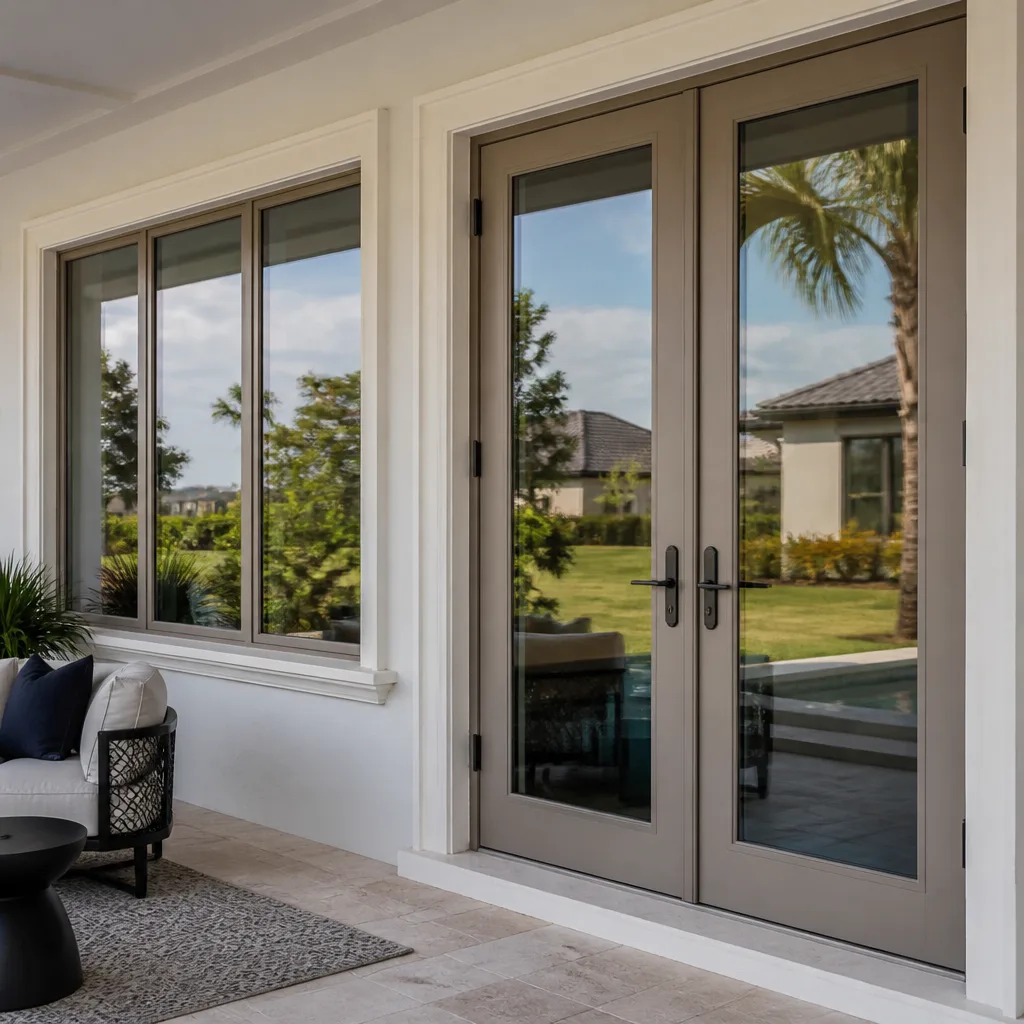
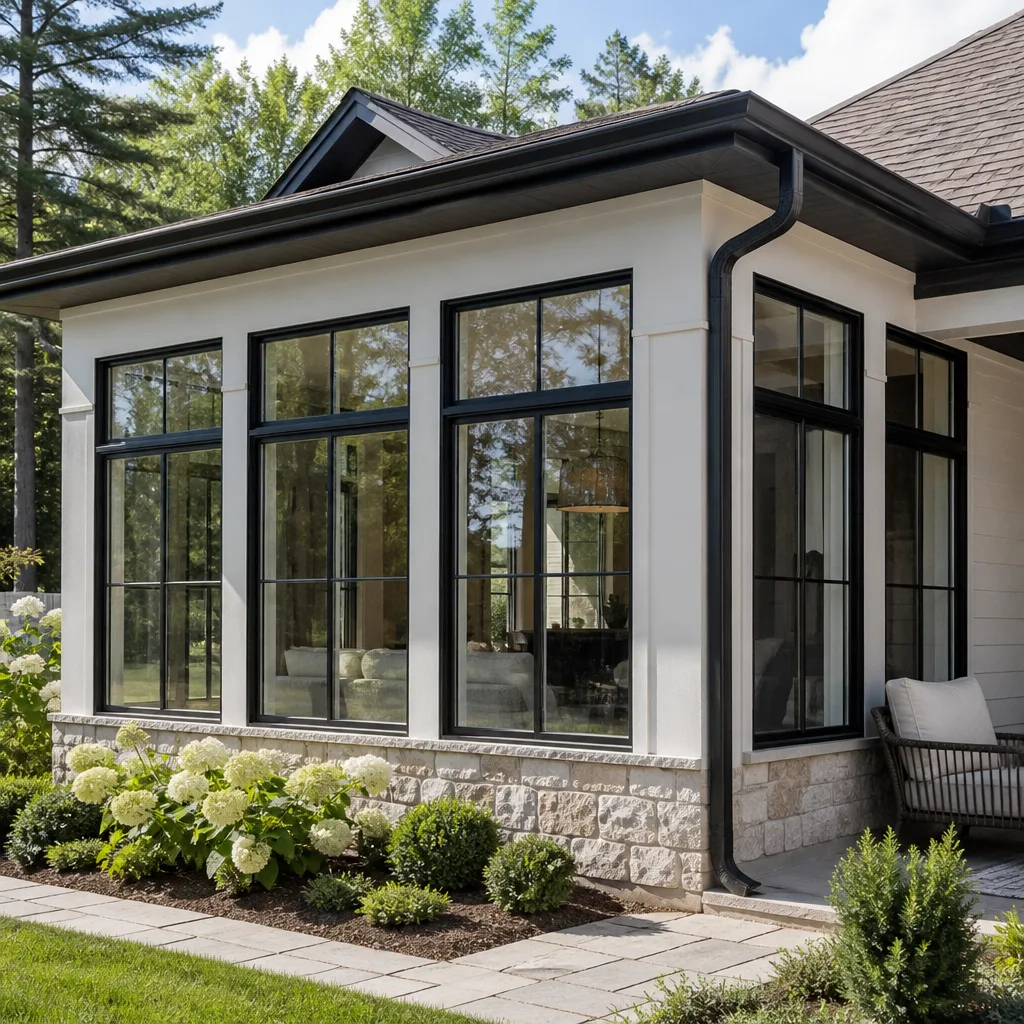
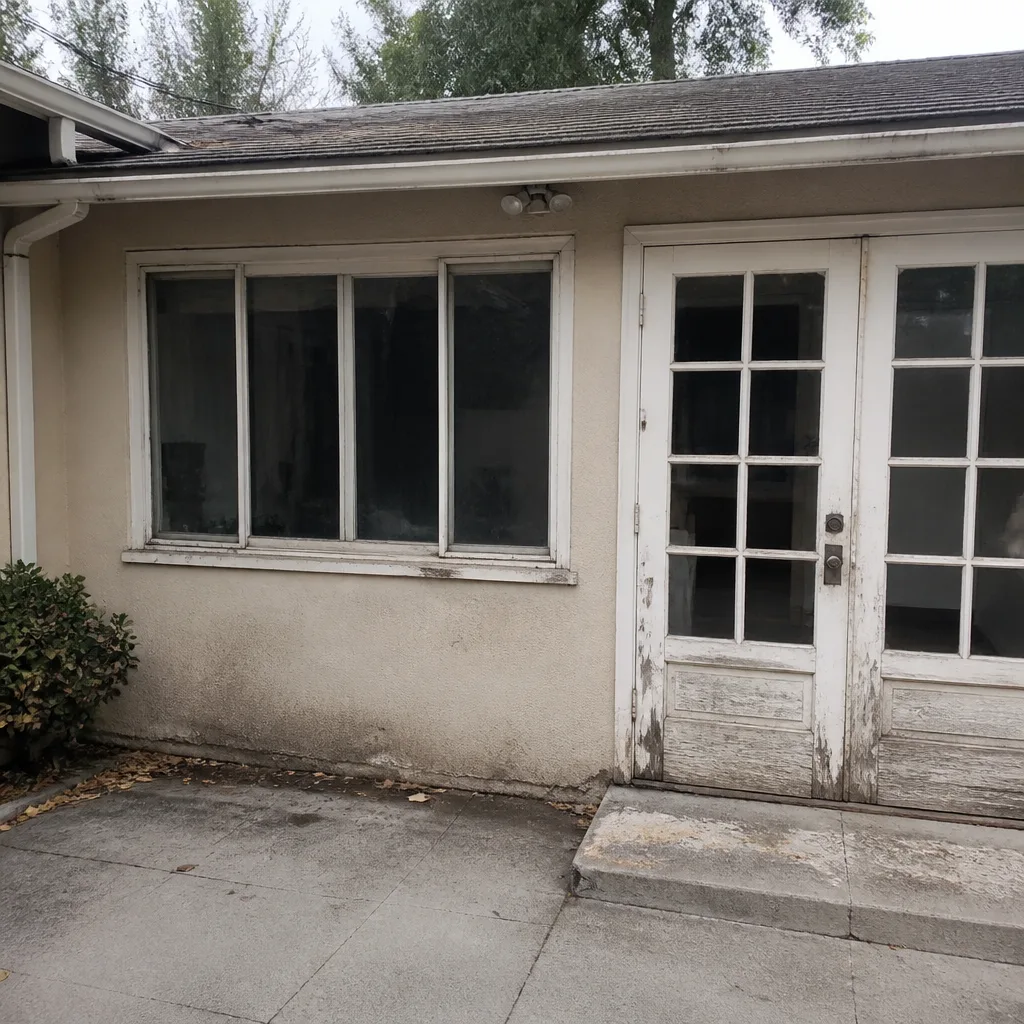 Before
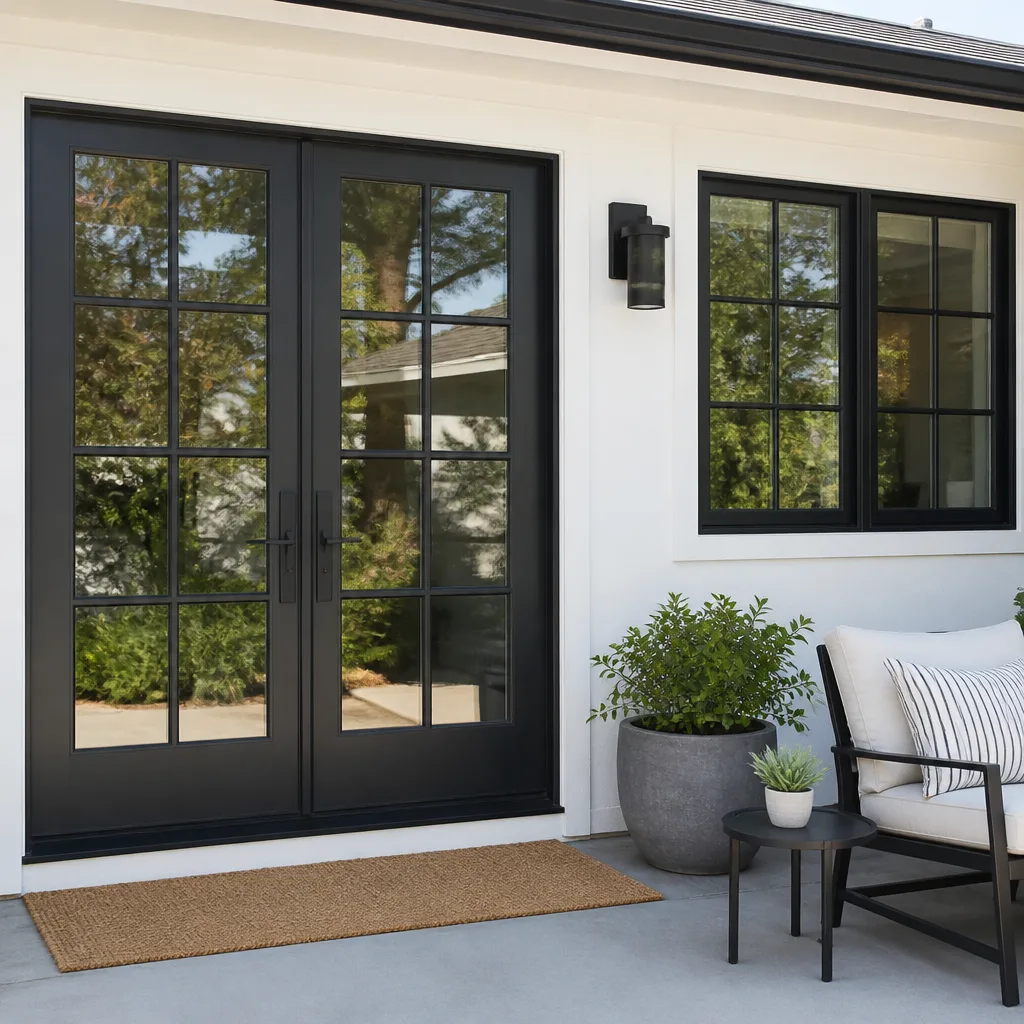 After
After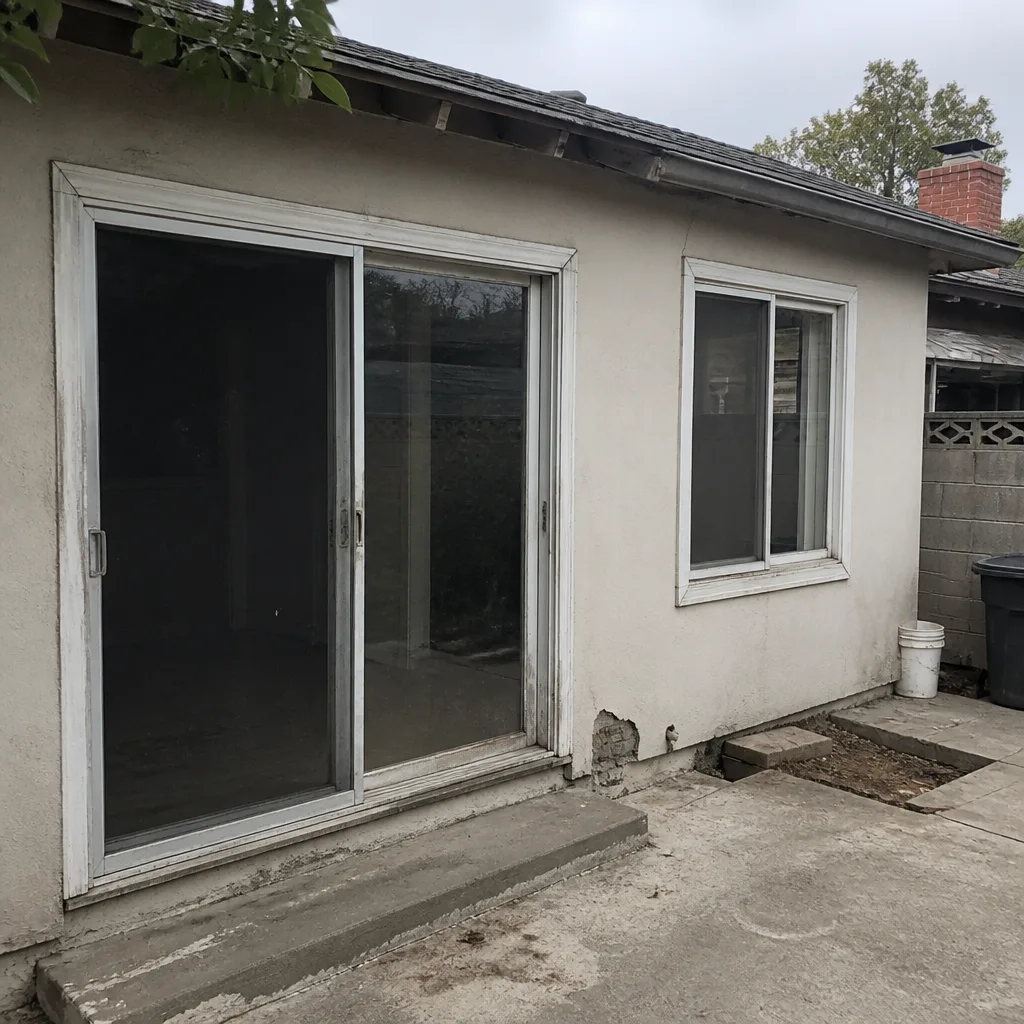 Before
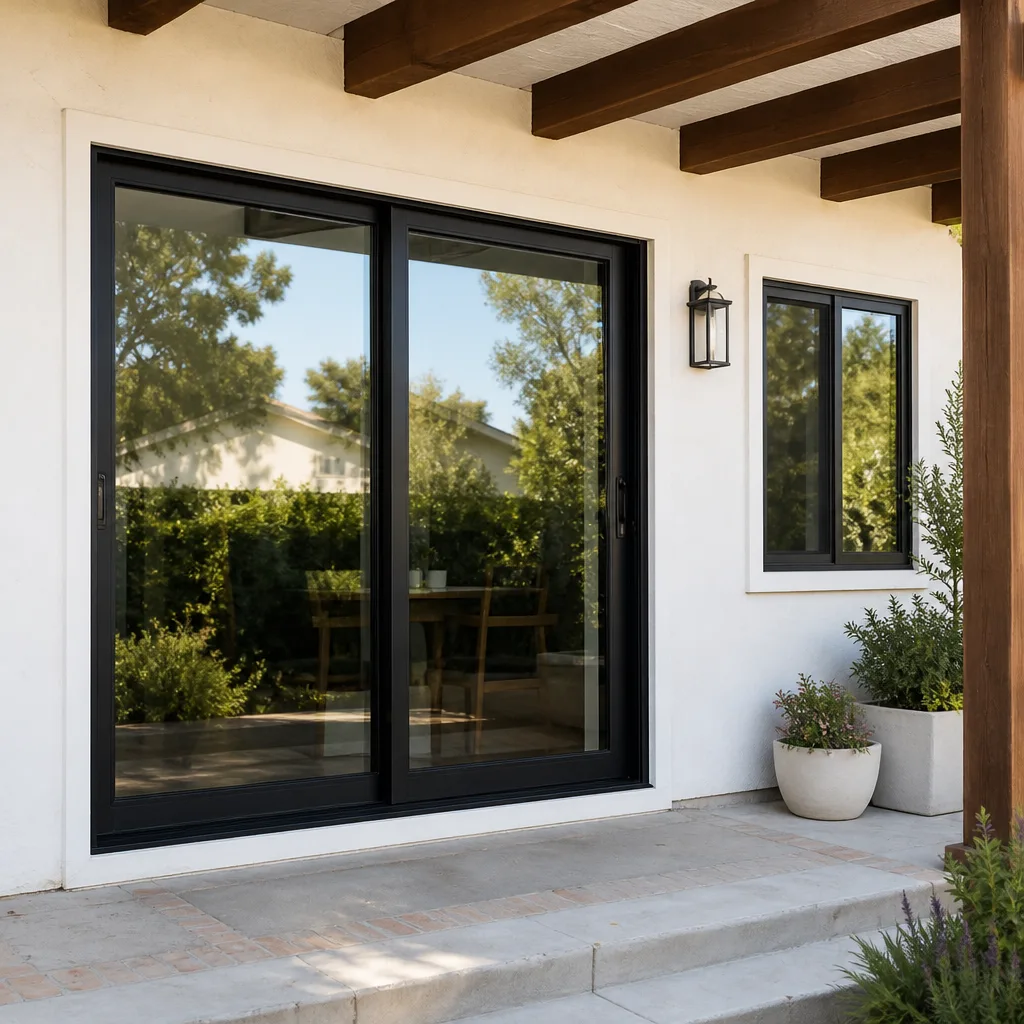 After
After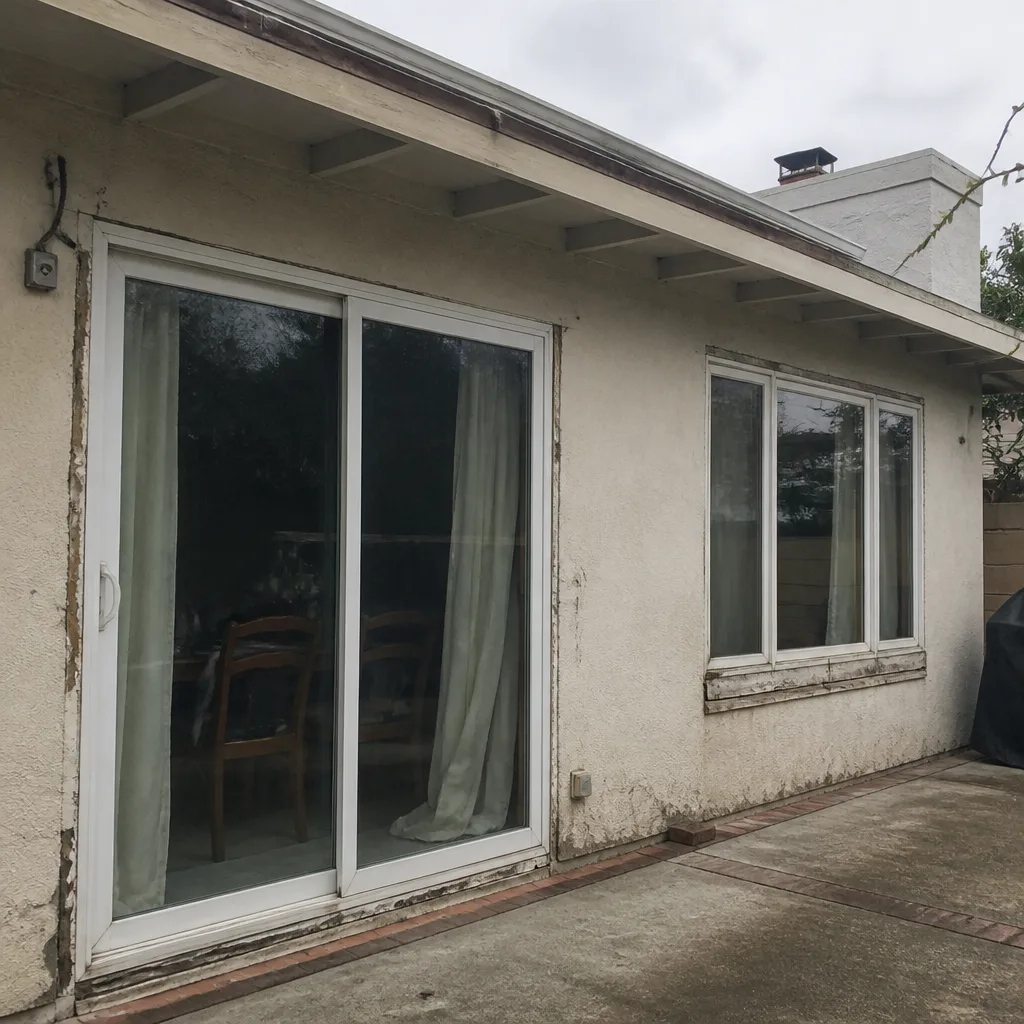 Before
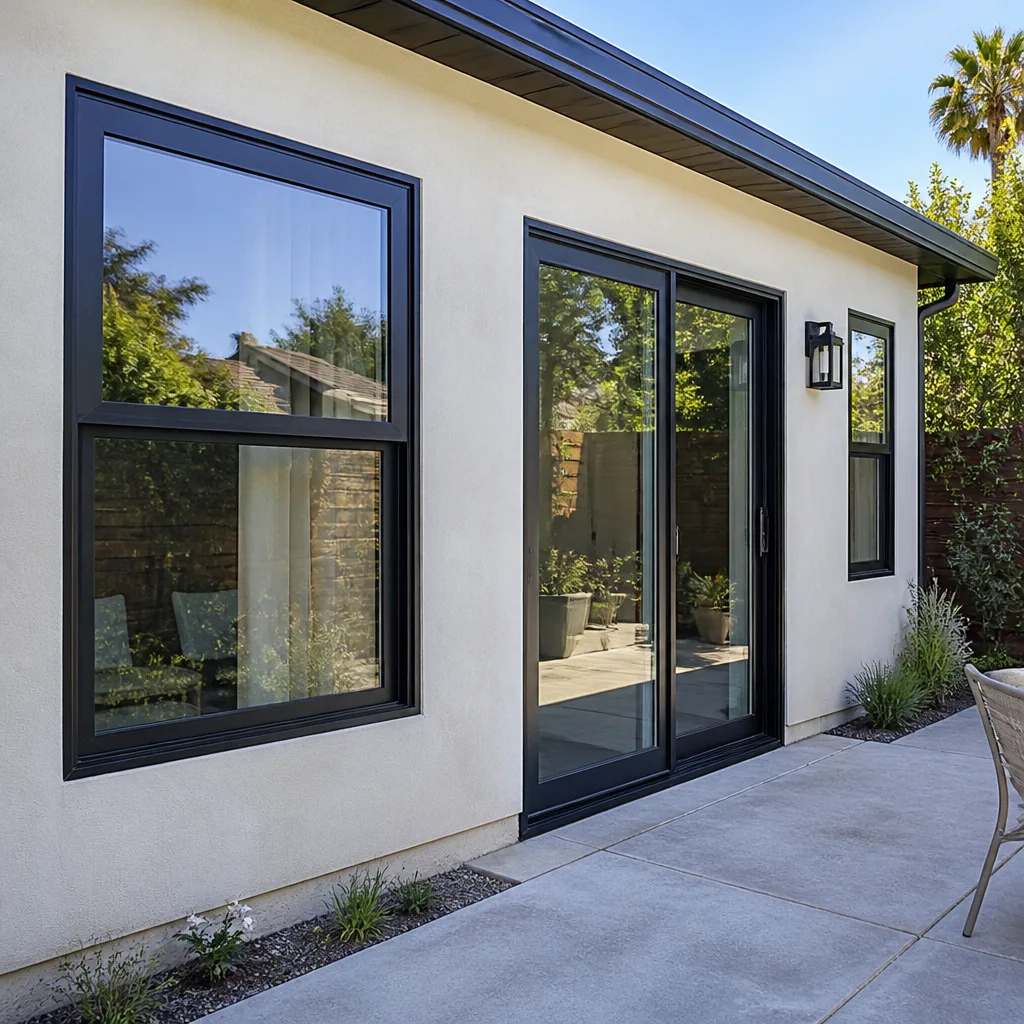 After
AfterThe Complete Door Replacement Guide for Los Angeles Homeowners
A door that handles a Scottsdale summer without complaint can fail inside of three years on a west-facing home in Playa del Rey. The difference isn’t the door’s fault. It’s that Los Angeles doesn’t have one climate, one building code, or one set of neighborhood rules. This Door Replacement guide walks through what actually matters when you replace a door in Los Angeles: Title 24 energy requirements that change by ZIP code, coastal corrosion that eats standard hardware, HOA timelines that surprise people mid-project, and the difference between a door that protects your home and one that just fills a hole in the wall.
Quick Answer
Door replacement in Los Angeles typically runs $1,200 to $6,800 installed, depending on material (fiberglass vs. steel vs. wood), impact-rated glass, and whether the frame needs reframing. For a deeper dive, see The Complete Guide to Windows & Doors in Los Angeles. Most Los Angeles exterior door replacements require a permit, and Title 24 energy compliance changes based on whether you live in CEC Climate Zone 6 (coastal) or Zone 9 (inland valleys). Budget 4 to 10 weeks total when you factor in HOA approval, product lead time, and installation.
Table of Contents
- How Los Angeles Climate Zones Change Your Door Specs
- Permits and Title 24: The Like-for-Like Myth
- Coastal vs. Inland: Finish, Hardware, and Weatherstripping
- PGT Impact-Rated Doors: When You Need Them, When You Don’t
- HOA Approval Timelines and How to Sequence Your Project
- Door Materials Compared: Fiberglass, Steel, and Wood in LA
- What Door Replacement Costs in Los Angeles
- The Installation Process, Step by Step
- Common Mistakes to Avoid
- When to Call a Professional
- Frequently Asked Questions
- The Bottom Line
How Los Angeles Climate Zones Change Your Door Specs
Los Angeles County splits into two California Energy Commission (CEC) climate zones that most door buyers never hear about until inspection fails. Zone 6 covers the coastal band, from Malibu through Santa Monica, Venice, Playa del Rey, and down through the South Bay. Zone 9 covers the inland valleys: Sherman Oaks, Encino, Woodland Hills, Burbank, Glendale, Pasadena, and most of the San Fernando and San Gabriel Valleys.
Here’s why that matters: Title 24 sets minimum U-factor and Solar Heat Gain Coefficient (SHGC) requirements by climate zone. The U-factor measures how well the door’s glass and frame resist heat transfer. The SHGC measures how much solar heat passes through the glass. A door that meets code in Zone 6 may fall short in Zone 9.
The practical breakdown for Los Angeles homeowners:
- Coastal Zone 6: The marine layer keeps summers moderate, so the emphasis lands on U-factor. You need glass with a U-factor of 0.30 or lower on most exterior doors with significant glazing. Low-E coatings help, but the frame matters equally: thermally broken frames stop heat loss that standard aluminum frames allow.
- Inland Zone 9: Woodland Hills hits 100°F regularly in August, while Playa del Rey sits at 72°F under the same sun. In Zone 9, SHGC is the make-or-break number. You need SHGC of 0.23 or lower on west- and south-facing doors to keep solar gain from turning your entryway into a radiator.
- Mixed zones: Some hillside areas, like Studio City and portions of Silver Lake, straddle boundaries. A proper Title 24 energy report (about $200-$400) removes the guesswork and keeps your permit moving.
In our experience replacing doors across Los Angeles, we’ve seen homeowners buy a beautiful door with the wrong glass package and fail inspection because the SHGC didn’t match their climate zone. The fix costs hundreds in re-glazing fees or a full door swap. Get the climate zone right before you pay for the door.
Permits and Title 24: The Like-for-Like Myth
You’ll hear this one from handymen and sometimes from real estate agents: “You don’t need a permit if you’re replacing the door with the same size.” That’s the like-for-like myth, and in Los Angeles it’s wrong. LADBS (the Los Angeles Department of Building and Safety) requires a permit for any exterior door replacement that involves changing the rough opening, altering the framing, or swapping the door type. Even a straightforward slab swap in the same frame technically requires a permit when the door is rated as a required exit door or fire-rated assembly.
The practical rule for Los Angeles homeowners:
- If you’re replacing the slab only and the frame stays intact, many inspectors won’t flag it during a resale, but you’re still outside the letter of the code.
- If the frame comes out, you need a permit. Period. That’s framing work, and it affects the structural connection between your wall and the door assembly.
- If you’re changing the swing (in-swing to out-swing) or widening the opening, you need a permit plus a structural check, especially in earthquake-prone areas where shear wall requirements apply.
- If the door is a fire-rated assembly between a garage and living space, you need a permit and the replacement must meet current fire-rating standards, not the rating that was on the wall when the house was built in 1972.
Here’s the escrow trap no one mentions until it’s too late: when you sell a Los Angeles home, the buyer’s inspector often checks LADBS records for unpermitted work. If you replaced an exterior door without a permit and the next owner wants to refinance or renovate, the unpermitted door becomes their problem, and it can kill a deal at the closing table. A permit for a door replacement in Los Angeles typically costs $150 to $400, depending on the scope and whether structural review is required. That’s cheap insurance against a five-figure escrow dispute later.
The Door Replacement in Los Angeles process we run includes pulling permits and scheduling inspections, because a correct permit trail protects the home’s resale value.
Coastal vs. Inland: Finish, Hardware, and Weatherstripping
Salt air within three miles of the Pacific doesn’t just tarnish hardware. It accelerates corrosion on ferrous metals, breaks down standard nylon weatherstripping, and causes fiberglass door skins to fade unevenly when the finish system wasn’t built for marine exposure.
The differences that actually matter:
- Hardware: Within three miles of the coast, specify non-ferrous hardware. That means stainless steel (316 marine grade, not 304), solid brass, or bronze. Standard zinc or steel handlesets will pit and seize inside two years in Venice or Playa del Rey. Inland Los Angeles, standard finishes hold up fine.
- Weatherstripping: Coastal doors should carry marine-grade compression weatherstripping. Standard kerf-mounted strips degrade faster in salt air and high humidity, which leads to drafts and water intrusion around the jambs.
- Finish systems: A Therma-Tru fiberglass door with a factory-applied finish system handles UV better than a site-primed door, but western exposure in coastal Los Angeles means direct afternoon sun plus reflective heat from the ocean. Without a UV-stable topcoat rated for coastal conditions, the finish will chalk and fade within five years.
- Hinges and fasteners: Stainless steel hinges and exterior-rated screws matter more on the coast than inland. We’ve replaced door frames in Santa Monica where standard hardware corroded to the point of seizing within four years.
One more coastal factor: wind-driven rain. Los Angeles gets most of its rain between December and March, and ocean-facing elevations take horizontal rain that standard door thresholds don’t shed well. A raised sill with a drip cap and an integrated corner seal system keeps water out better than the builder-grade threshold on most 1990s suburban homes.
PGT Impact-Rated Doors: When You Need Them, When You Don’t
Impact-rated doors are built to resist wind-borne debris without shattering. The glass is typically laminated with an interlayer that holds the pane together even when a 2×4 hits it at 50 mph. PGT makes some of the most widely specified impact-rated doors in the country, and for good reason. The testing standards are public, the ratings are clear, and the product holds up.
But here’s the part most Los Angeles homeowners don’t hear from a salesperson: you probably don’t need an impact-rated door.
When impact-rated makes sense in Los Angeles:
- You live in a designated wildfire interface zone, like the hills above Glendale, Burbank, or the Santa Monica Mountains. Ember intrusion through a standard glass lite is a real fire risk, and some insurance carriers now require impact-rated glass or shutters on homes in these zones.
- You’re in a high-wind corridor, typically hillside or canyon areas where Santa Ana winds funnel to 60+ mph. Standard lites can fail under sustained wind load plus debris.
- Your insurance provider discounts the premium enough to offset the 15-25% price premium. Some do, especially for homes in brush zones.
When impact-rated is an upsell you don’t need:
- You’re in the LA Basin, West Hollywood, or a standard inland neighborhood. You’re not in a wind-borne debris region. Standard tempered glass lites meet code and hold up fine.
- You’re replacing a solid entry door with no glass. Impact-rated cores don’t make a difference when there’s no lite to protect.
The right question to ask: “Does LADBS require impact-rated glazing for my address?” If the answer is no, and your insurance doesn’t require it, you can put that money toward a better door material or a proper finish system instead.
HOA Approval Timelines and How to Sequence Your Project
If you live in an LA community with an HOA, door replacement is an architectural change. Most HOAs require written approval before you touch the door. The realistic timeline in Los Angeles is 2 to 6 weeks, and it has nothing to do with the HOA’s efficiency. Boards meet monthly. Applications submitted the day after a board meeting sit for 30 days before the next review.
The sequence that avoids a stalled project:
- Check your HOA’s architectural guidelines. Many LA communities restrict door colors, styles, glass patterns, and materials. Some mandate a specific manufacturer. Get the written rules before you shop.
- Submit your application with a photo of the existing door, a spec sheet for the proposed door, and a color sample. Incomplete applications reset the clock.
- Wait for written approval. Verbal approval doesn’t hold up if a neighbor complains later.
- Once approved, order your door. Fiberglass doors like Therma-Tru typically run 3-6 weeks for production. Custom doors with specific glass packages can run 8-10 weeks.
- Book installation after the product arrives.
The mistake we see most often: homeowner orders the door, then submits the HOA application. The door arrives in 4 weeks, HOA takes 5 weeks to approve, and the door sits in a garage while the installation crew’s calendar moves on. Sequence the approval first.
If you’re replacing a door in a Los Angeles historic district, like Hancock Park or Angelino Heights, expect additional review. The city’s Cultural Heritage Commission or the HPOZ (Historic Preservation Overlay Zone) board may require specific materials and profiles. That review adds 4 to 8 weeks, sometimes more.
Door Materials Compared: Fiberglass, Steel, and Wood in LA
The material question beats the brand question every time. Here’s how the three common entry door materials hold up in Los Angeles conditions.
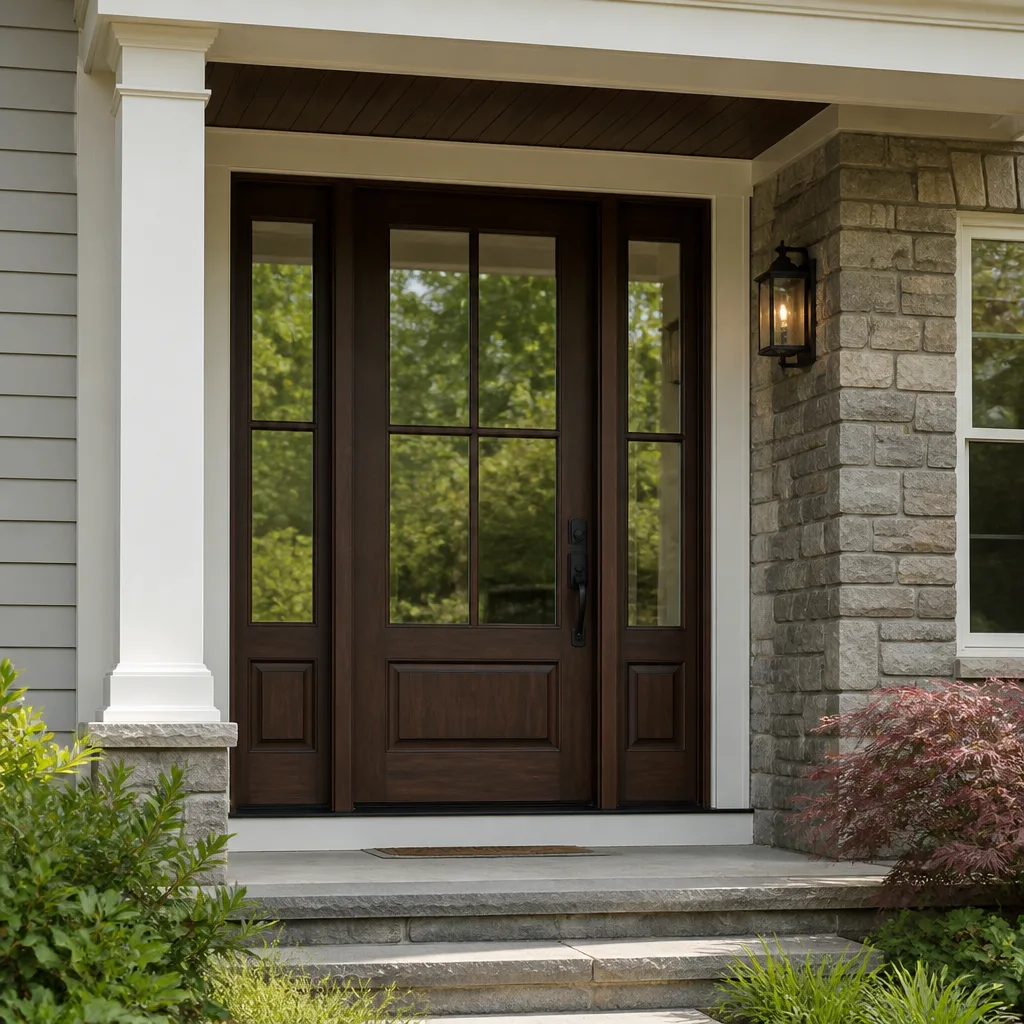
Fiberglass (Therma-Tru): A fiberglass door with a factory finish handles sun, humidity, and temperature swings better than wood or steel in most of Los Angeles. The skin doesn’t warp, doesn’t rot, and doesn’t dent. Therma-Tru’s fiberglass entry doors carry long warranties against surface defects, and the material accepts a wide range of paint and stain finishes. The downside: fiberglass costs more than steel and doesn’t carry the authentic wood grain feel some Craftsman-era LA homes want.
Steel: A steel door is the budget workhorse. It’s strong, it’s secure, and it carries a rigid feel when you close it. In coastal Los Angeles, though, steel has a corrosion liability. Any scratch that reaches the metal substrate invites rust, particularly within three miles of the ocean. Inland LA, a quality steel door with a factory primer and finish performs well. Price matters here: a $300 steel door and a $1,200 steel door are not the same product. The cheap one uses a thinner gauge, polyurethane foam core, and a vinyl wrap that peels.
Wood: Wood is beautiful and it’s the right call for many historic Los Angeles homes where the architectural review board requires it. But LA sun is brutal on wood doors. Western exposure means repainting or refinishing every 2-3 years, more often near the coast. Solid wood also moves with humidity; a door that fits in January’s wet season may bind in October. If you go wood, budget for maintenance, and specify an exterior-rated marine finish system.
ViewLux doors offer a higher-end alternative with thicker profiles and heavier hardware. For most LA replacement projects, fiberglass hits the sweet spot between durability, code compliance, and cost.
What Door Replacement Costs in Los Angeles
Here’s what we see in the Los Angeles market for a single exterior entry door, slab and frame, including installation but excluding structural repairs or permit fees.
- Steel entry door, standard size: $1,200 – $2,400 installed
- Fiberglass entry door, standard size, no glass: $2,400 – $4,200 installed
- Fiberglass entry door with decorative glass lites: $3,200 – $5,500 installed
- Therma-Tru fiberglass with impact-rated glass: $4,500 – $6,800 installed
- Wood entry door, custom or semi-custom: $3,500 – $7,000 installed, plus ongoing finish maintenance
- Double entry door replacement: $5,000 – $11,000 installed
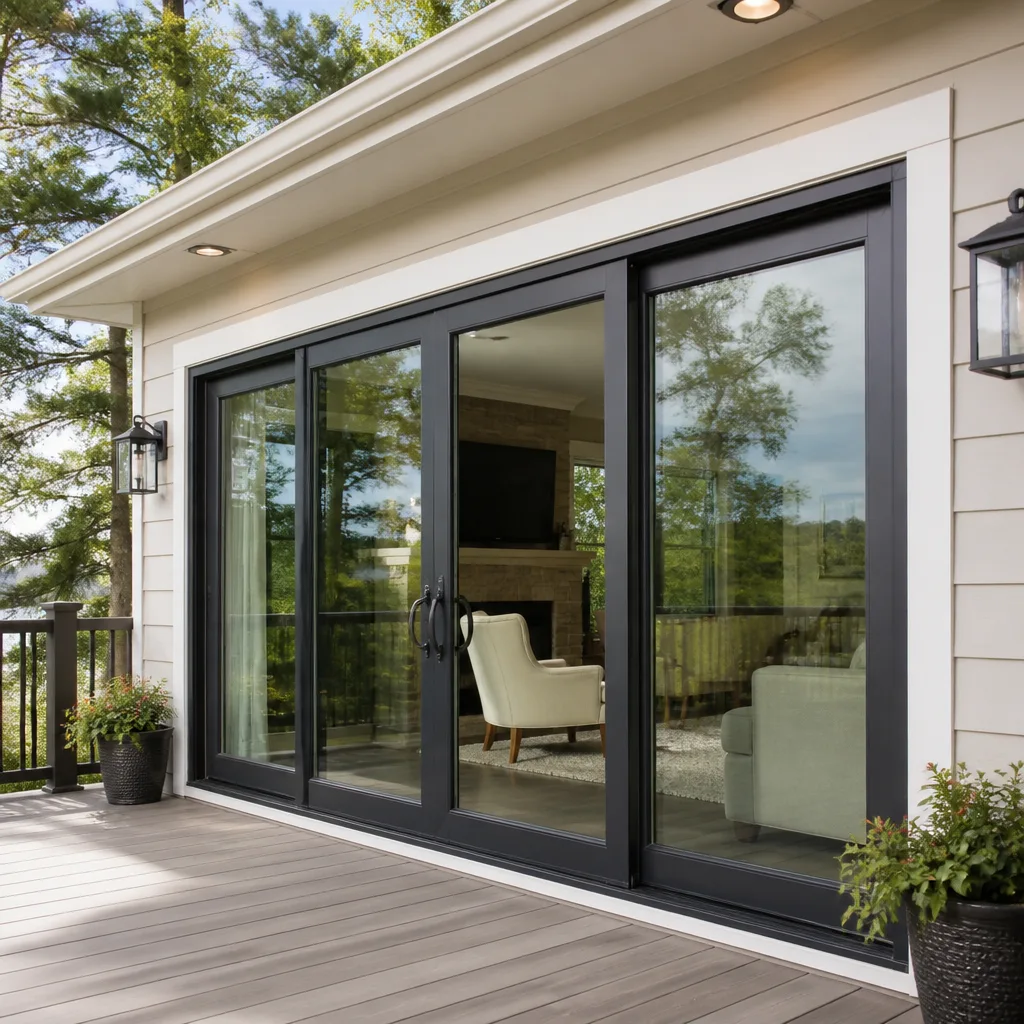
- Patio door replacement (sliding or French): $3,500 – $8,000 installed, depending on glass and configuration
Add-ons that shift the number:
- Reframing a rotted or out-of-square rough opening: $300 – $900
- LADBS permit fees: $150 – $400
- Title 24 energy report: $200 – $400
- HOA application fees: $25 – $250, if your HOA charges one
- Hardware upgrades (non-ferrous coastal hardware, smart lock integration): $150 – $600
Every project we price at Juniper Windows & Doors gets a written quote before installation. No estimate that becomes a larger final invoice. The number we give you is the number you pay, and the 365-Day Done Right Promise covers the work for a full year, parts and labor, in writing.
The Installation Process, Step by Step
A proper door replacement in Los Angeles takes one day for most standard entries. Here’s what a correct installation sequence looks like.
- Protection and prep: Drop cloths, floor protection, and plastic sheeting around the work area. The old door comes out carefully to minimize drywall and stucco damage.
- Rough opening inspection: Once the old frame is out, the installer checks the rough opening for rot, termite damage, or out-of-square framing. This is the moment when surprises surface: a rotted sill plate in a 1950s Valley home, or water damage behind the stucco in a coastal property.
- Frame set and shimmed: The new frame goes in level, plumb, and square. In Los Angeles seismic zones, proper anchoring matters: bolts into the framing, not just nails into the trim.
- Insulation and flashing: Low-expansion foam around the frame, plus flashing tape at the head and jambs. Coastal homes need the flashing detail done right, or the first winter storm finds the gap.
- Door slab hung: hinges set, slab aligned, weatherstripping compressed evenly. The door should close with even pressure on all four sides.
- Hardware installed: handleset, deadbolt, threshold, and sweep. The deadbolt throw should line up cleanly with the strike plate.
- Caulking and trim: Exterior caulk at the perimeter, interior casing reinstalled and painted as needed.
- Cleanup and walkthrough: The installer walks you through the door operation, lock function, and care instructions before leaving.
Through the Relay Visibility Guarantee, every installation gets before-and-after photos and a live arrival time you can track. You know who’s coming, when they’ll get there, and what the finished work looks like, without waiting on a callback.
Common Mistakes to Avoid
- Buying the door before checking the climate zone. A door with the wrong SHGC or U-factor fails Title 24 inspection and costs you the door or the glass package. Check your CEC zone first.
- Skipping the permit to save $300. Unpermitted exterior door work surfaces during escrow and can cost thousands in repair and retroactive approval. In Los Angeles, the permit is part of the job.
- Ignoring HOA rules until the door is ordered. The approval clock runs 2-6 weeks in most LA communities. Start the HOA process before you pay for product.
- Using standard hardware within three miles of the coast. Ferrous hardware corrodes fast in salt air. Specify 316 stainless steel, solid brass, or bronze in coastal Los Angeles.
- Choosing a slab replacement when the frame is shot. A rotted or out-of-square frame means a full frame replacement, not a slab swap. Installing a new slab into a compromised frame wastes the door.
- Paying for impact-rated glass without checking if you need it. Most LA Basin homes don’t require impact-rated doors. Put the premium toward a better material or finish system instead.
- Buying a wood door for a west-facing coastal exposure without budgeting for maintenance. Wood doors in direct afternoon sun need refinishing every 2-3 years near the coast. That’s a real, recurring cost.
When to Call a Professional
A door slab swap in a square, intact frame with no permit needed is a capable DIY project for a patient homeowner. Everything else belongs with a professional. If the frame shows rot, the opening is out of square, the door binds or scrapes, glass lites need replacement, or the project requires permits and Title 24 compliance, call someone who does this work daily. Door replacement in Los Angeles carries code requirements that change by neighborhood, and a missed detail on flashing or anchoring shows up as water damage or security issues later. Juniper Windows & Doors offers free estimates in Los Angeles. Call (682) 281-2168 and we’ll give you a written price before any work starts.
Frequently Asked Questions
Yes, in most cases. LADBS requires a permit for exterior door replacements that involve frame removal, rough opening changes, or fire-rated door swaps. A slab-only replacement in an intact, non-fire-rated frame may slide without a permit, but it’s still outside the letter of the code and can become an issue during escrow. Call (682) 281-2168 and we’ll tell you if your specific project needs one.
Expect $1,200 to $6,800 for a standard single entry door replacement in Los Angeles, depending on material, glass, and whether the frame needs work. Steel entry doors start around $1,200 installed, fiberglass doors run $2,400 to $5,500, and impact-rated fiberglass doors with glass lites reach $6,800. Juniper Windows & Doors gives a written price for every job before work begins.
Title 24 is California’s energy code, and it applies to exterior door replacement in Los Angeles. It sets minimum U-factor and SHGC requirements by climate zone. Coastal Zone 6 homes emphasize U-factor, while inland Zone 9 homes need low SHGC glass to block solar heat. A Title 24 energy report ($200 – $400) confirms compliance for your specific address.
Installation takes one day for most standard entry doors. The full timeline, including HOA approval (2-6 weeks), product lead time (3-6 weeks for fiberglass), and permitting, runs 4 to 10 weeks from start to finish. Historic districts can add 4-8 weeks for additional review.
Only if you live in a wildfire interface zone, a high-wind corridor, or your insurance company requires it. Most Los Angeles Basin homes don’t need impact-rated doors. Standard tempered glass lites meet code in the city’s core neighborhoods. We’ll tell you straight whether impact-rated product applies to your situation or if you’re better off putting the money elsewhere.
For most LA homes, fiberglass is the best balance of durability, code compliance, and maintenance. Steel works on a budget but carries corrosion risk near the coast. Wood suits historic homes but demands regular refinishing in LA’s sun. Your specific neighborhood, exposure, and HOA rules decide the right call. Schedule a free estimate and we’ll walk through your options in writing. Explore more guides & resources on our blog.
Looking for a broader look at your options? Our Window Replacement in Los Angeles guide covers the window side of the same code, climate, and HOA factors.
The Bottom Line
Door replacement in Los Angeles is a local problem with local answers. The right door for a Playa del Rey home with western exposure is not the right door for a Woodland Hills home facing the Valley sun. Permits, Title 24, HOA approvals, coastal corrosion, and impact-rated decisions all change by address. Get the climate zone right, sequence HOA approval before product ordering, specify marine-grade hardware near the coast, and get a written price before any work starts. That’s the whole game. If you’re in Los Angeles and want a written quote without the runaround, call us at (682) 281-2168. We answer the phone, and we show up when we say we will.
For more on how we handle installations, see Window Installation in Los Angeles or head back to the Juniper Windows & Doors home page.
Written by Sean Mackey, Owner at Juniper Windows & Doors, serving Los Angeles since 2001.