
Last updated October 9, 2026
Free in-home measure and quote - PGT, CGI and CWS impact lines compared on your actual openings, style by style
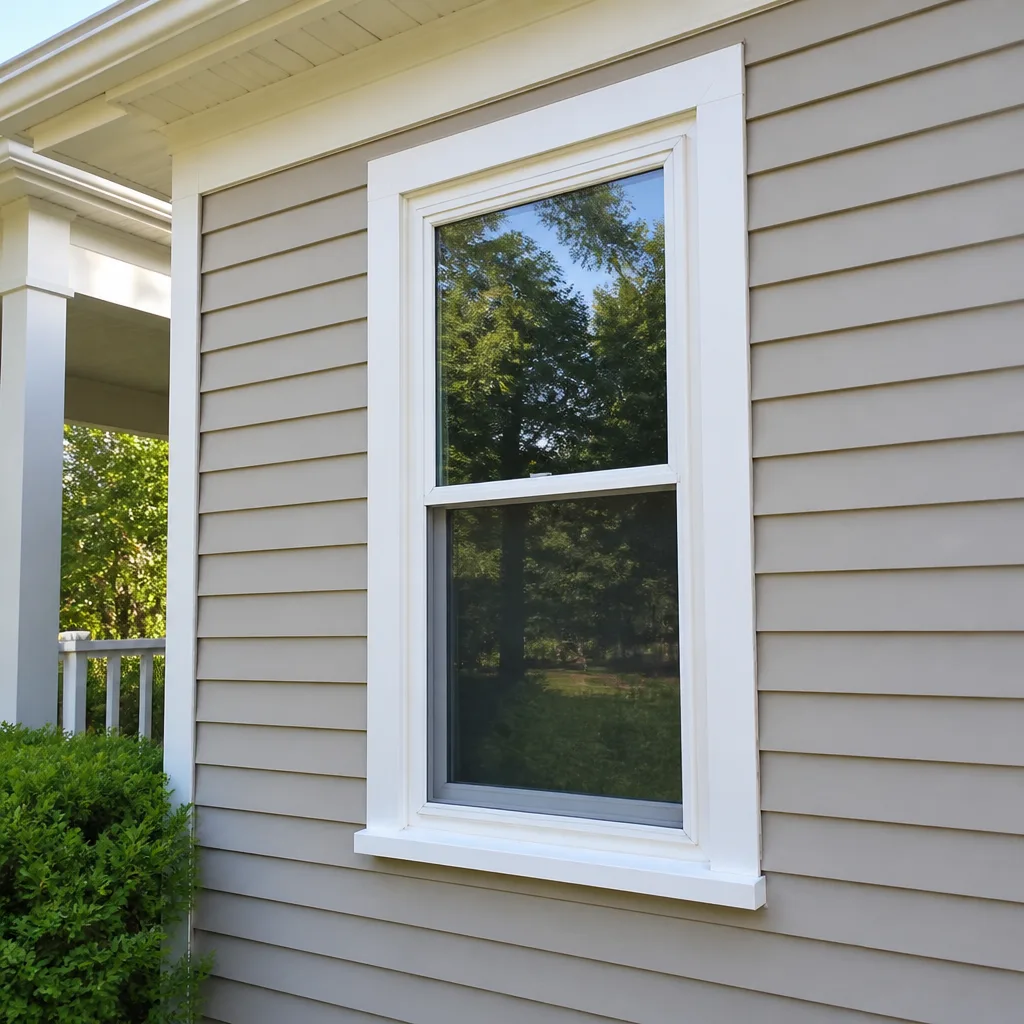
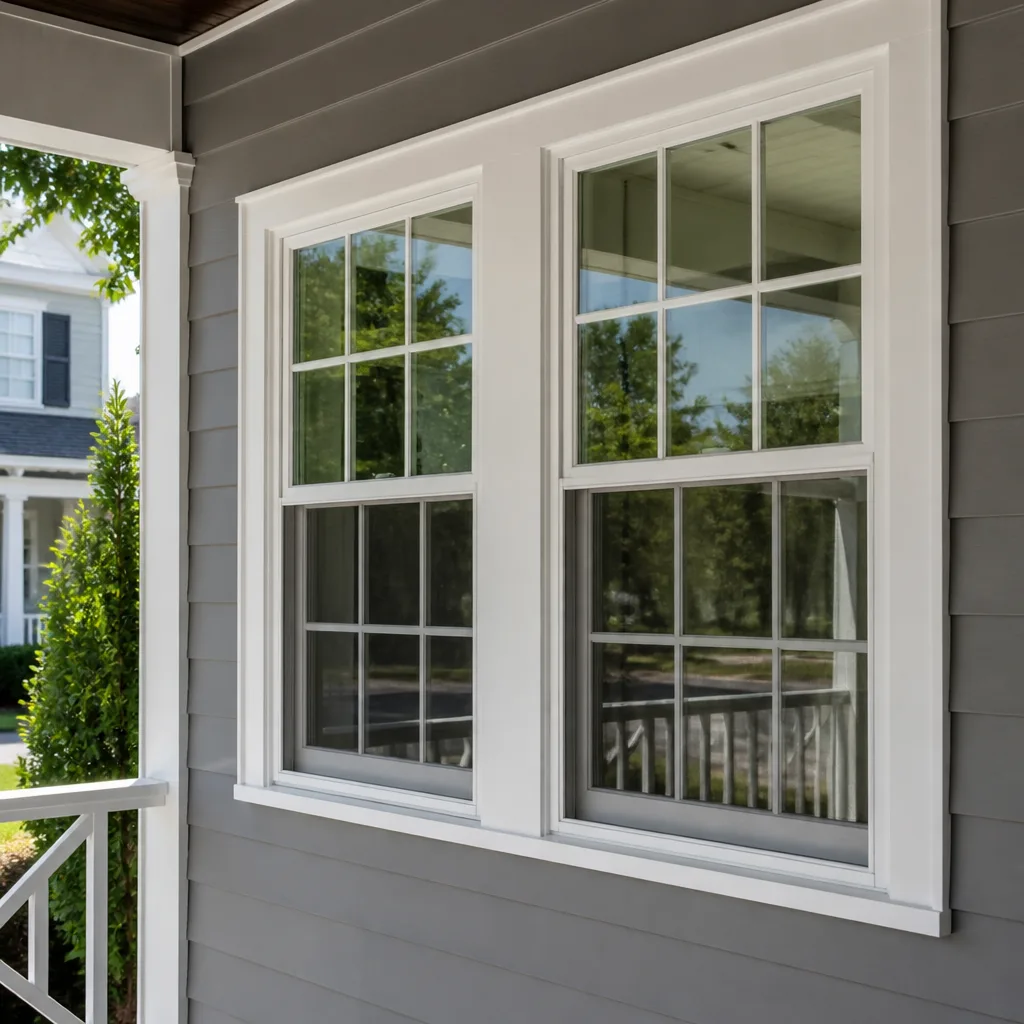
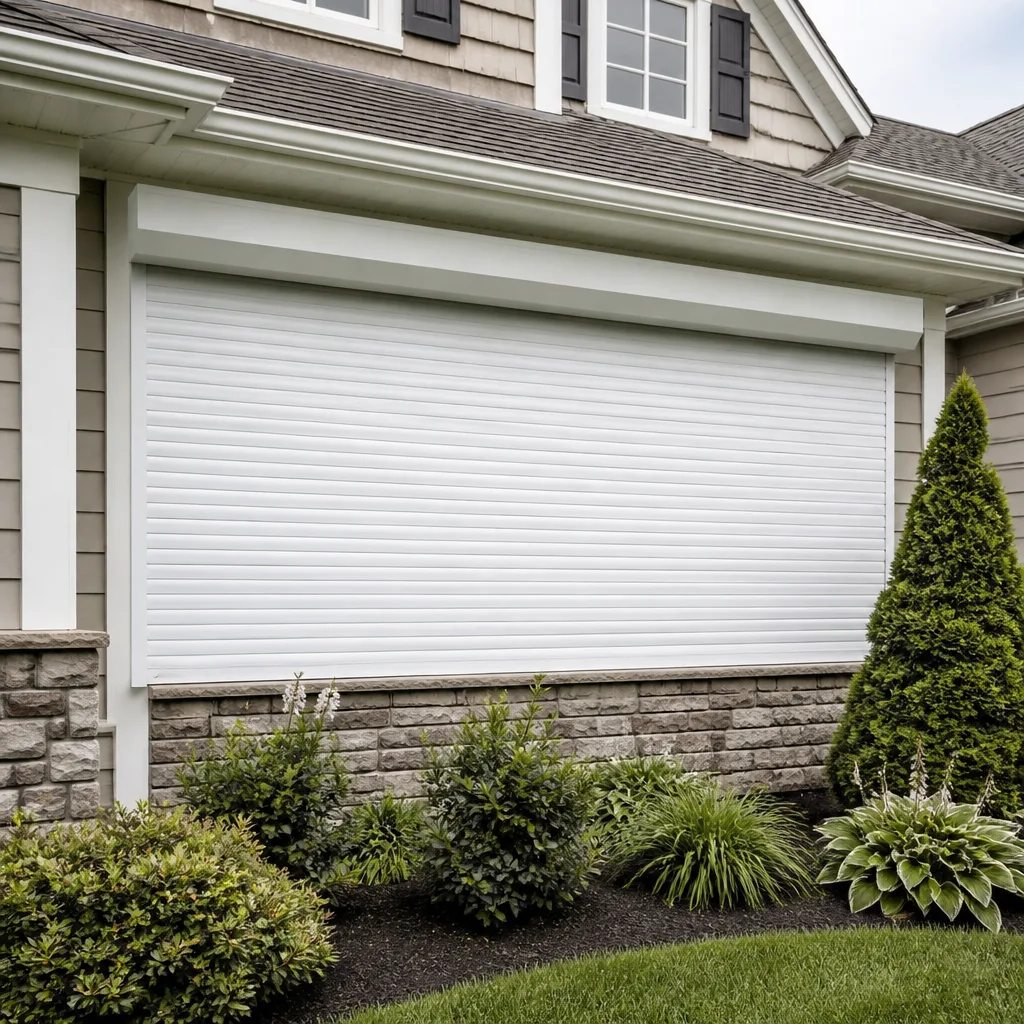
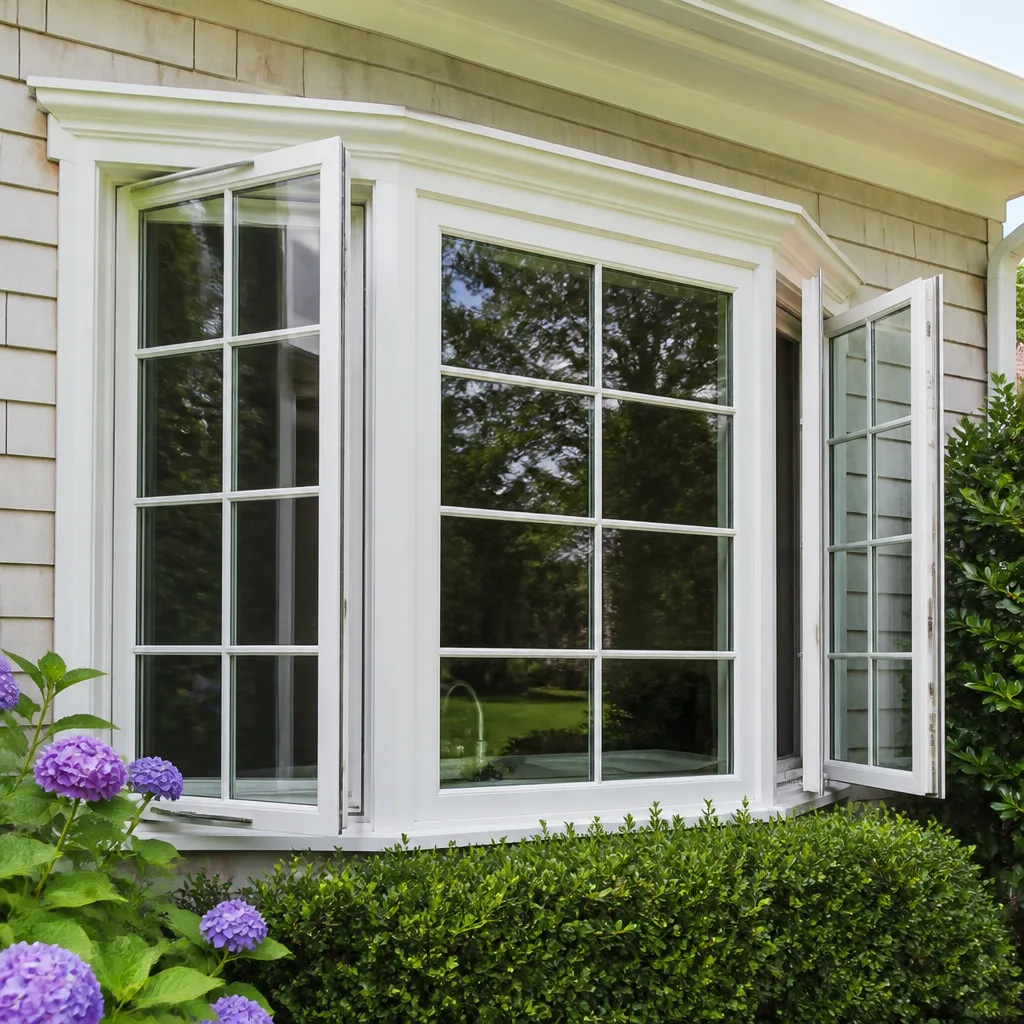
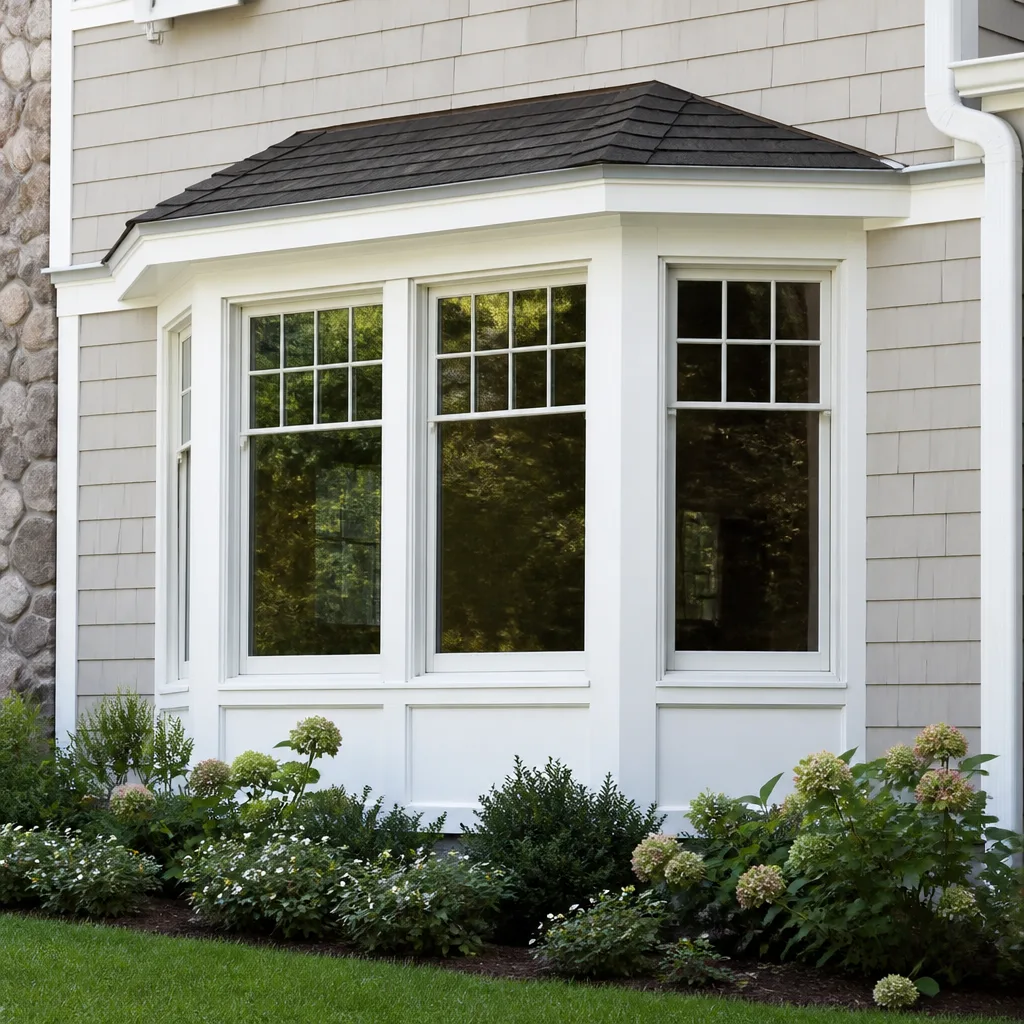
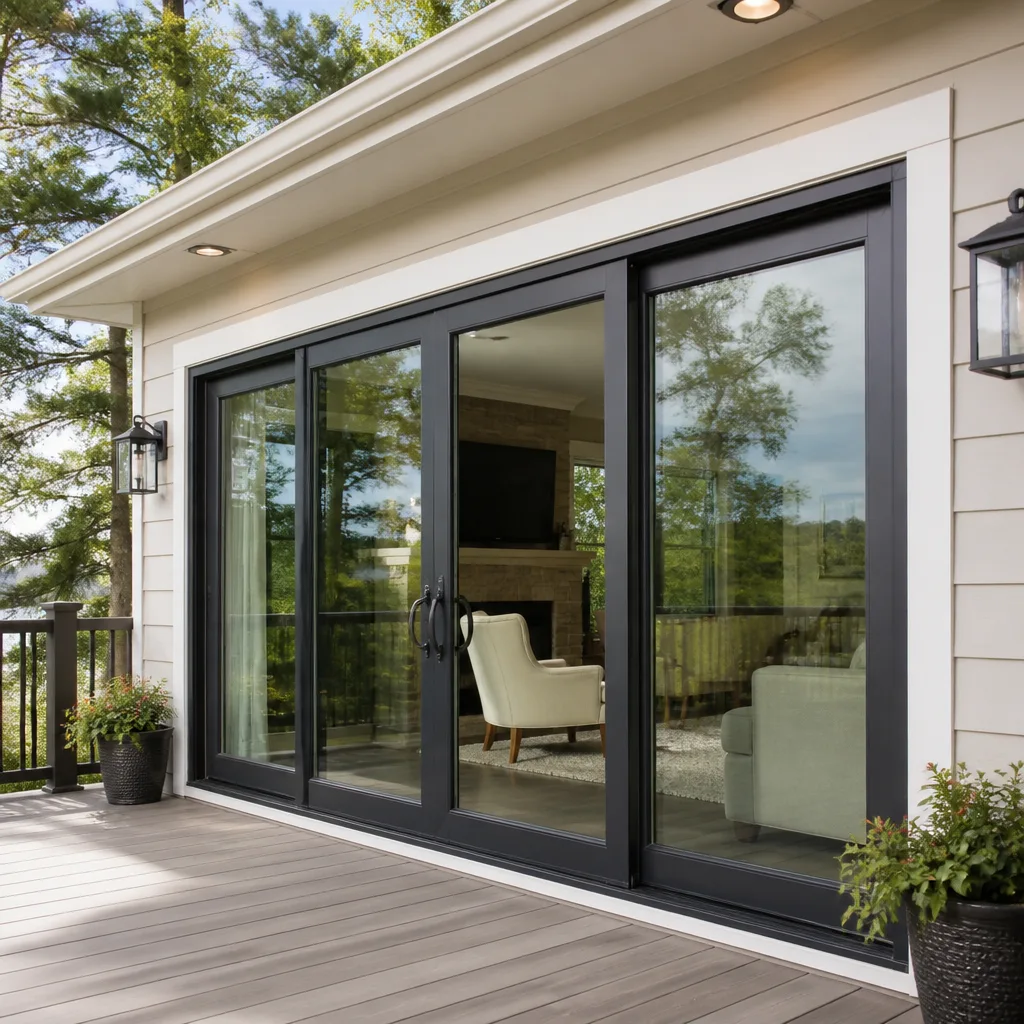
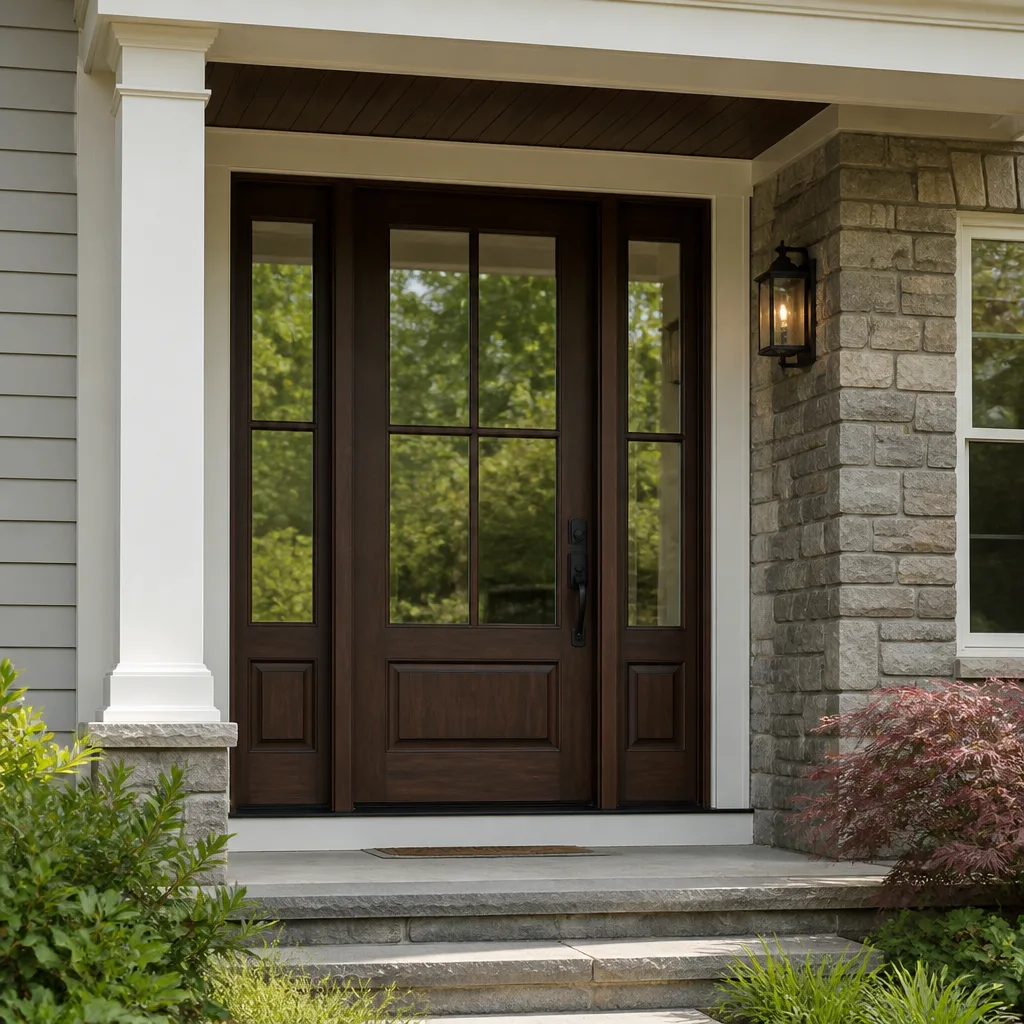
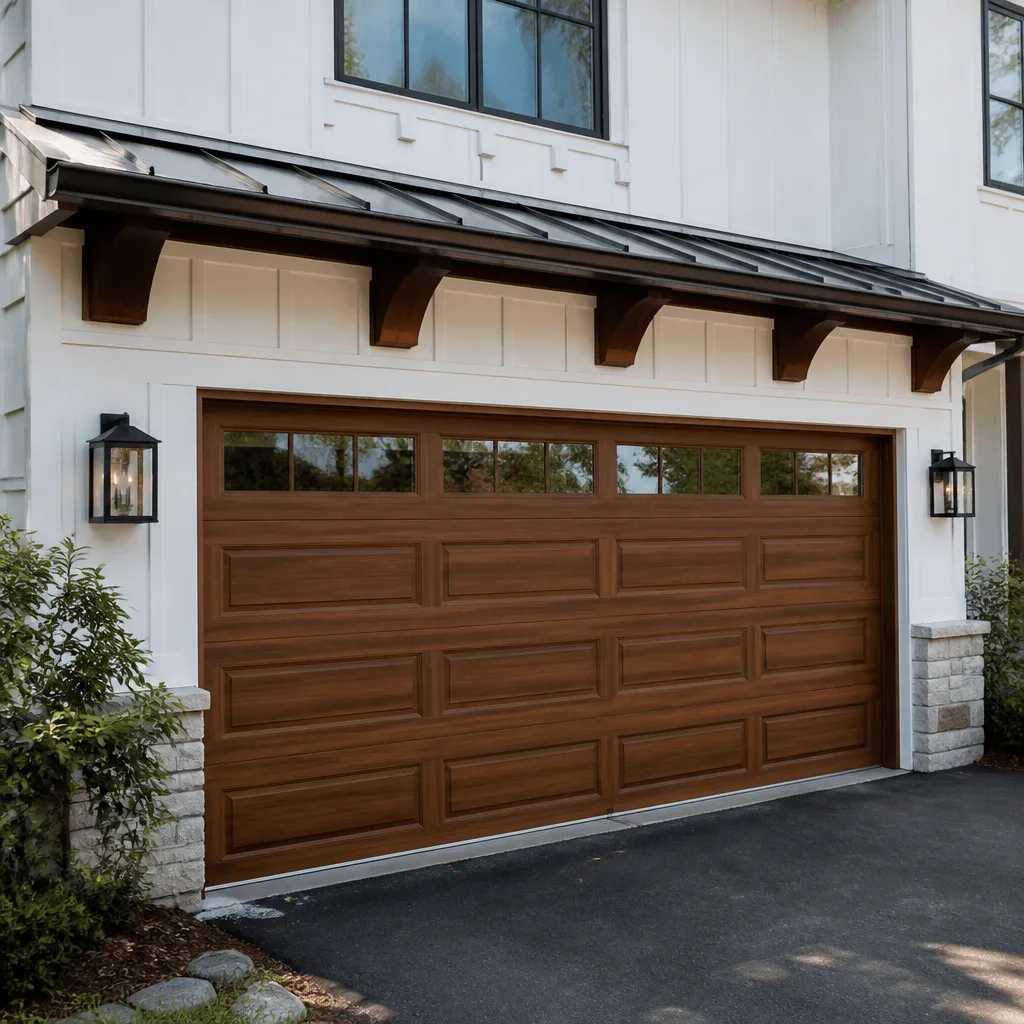
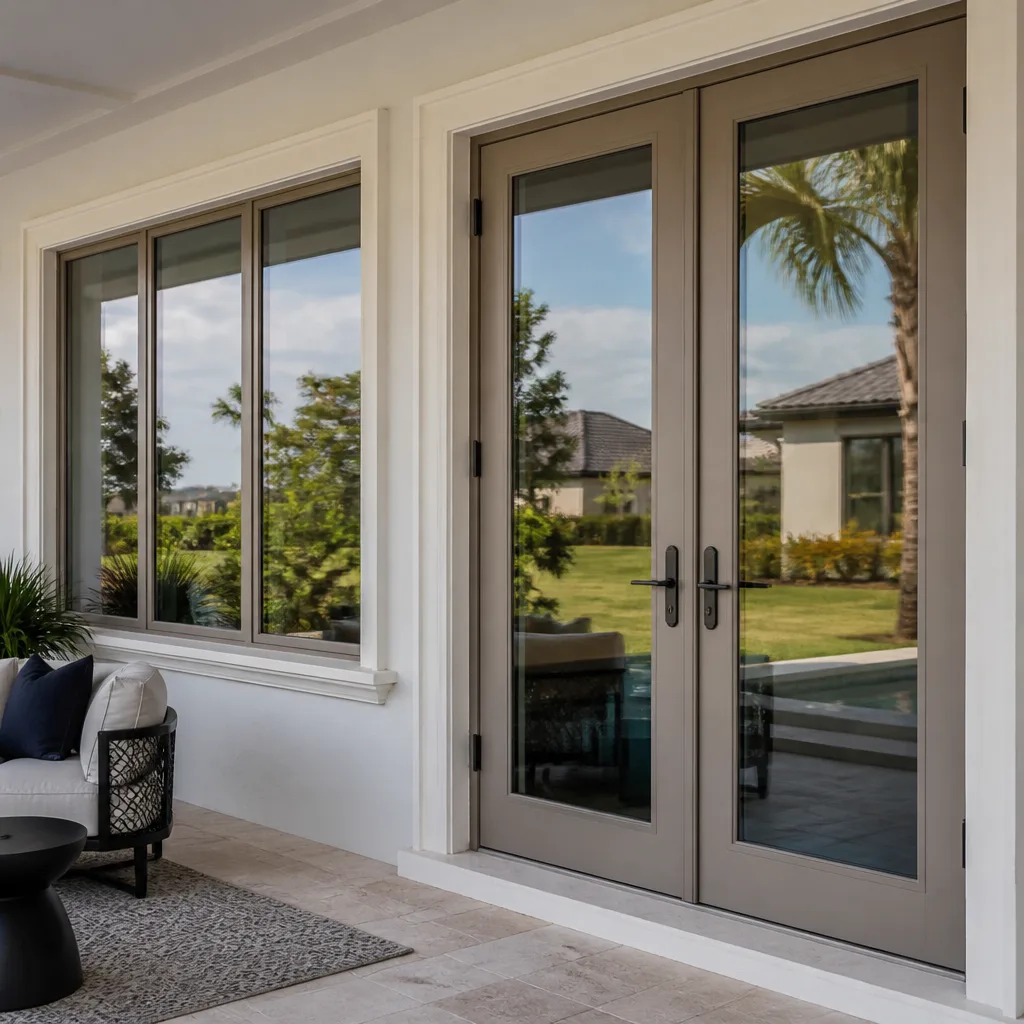
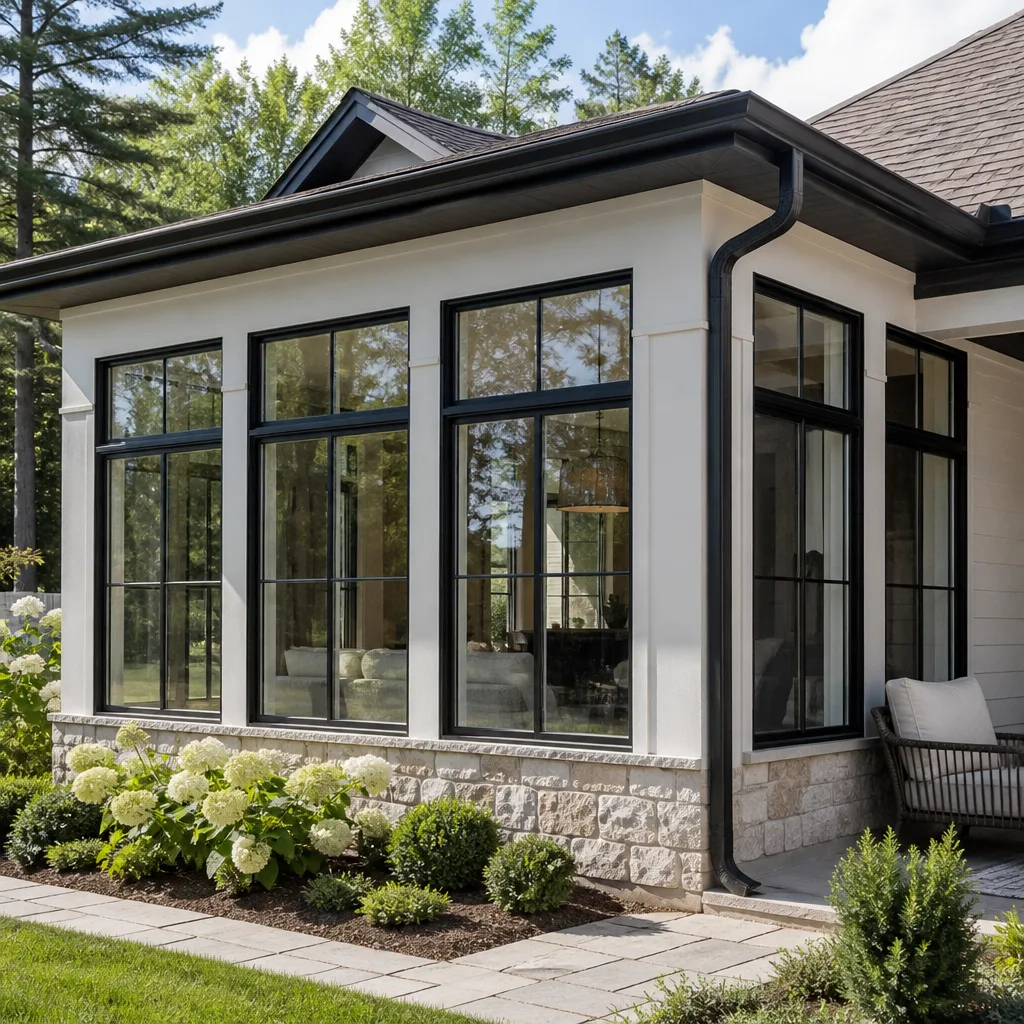
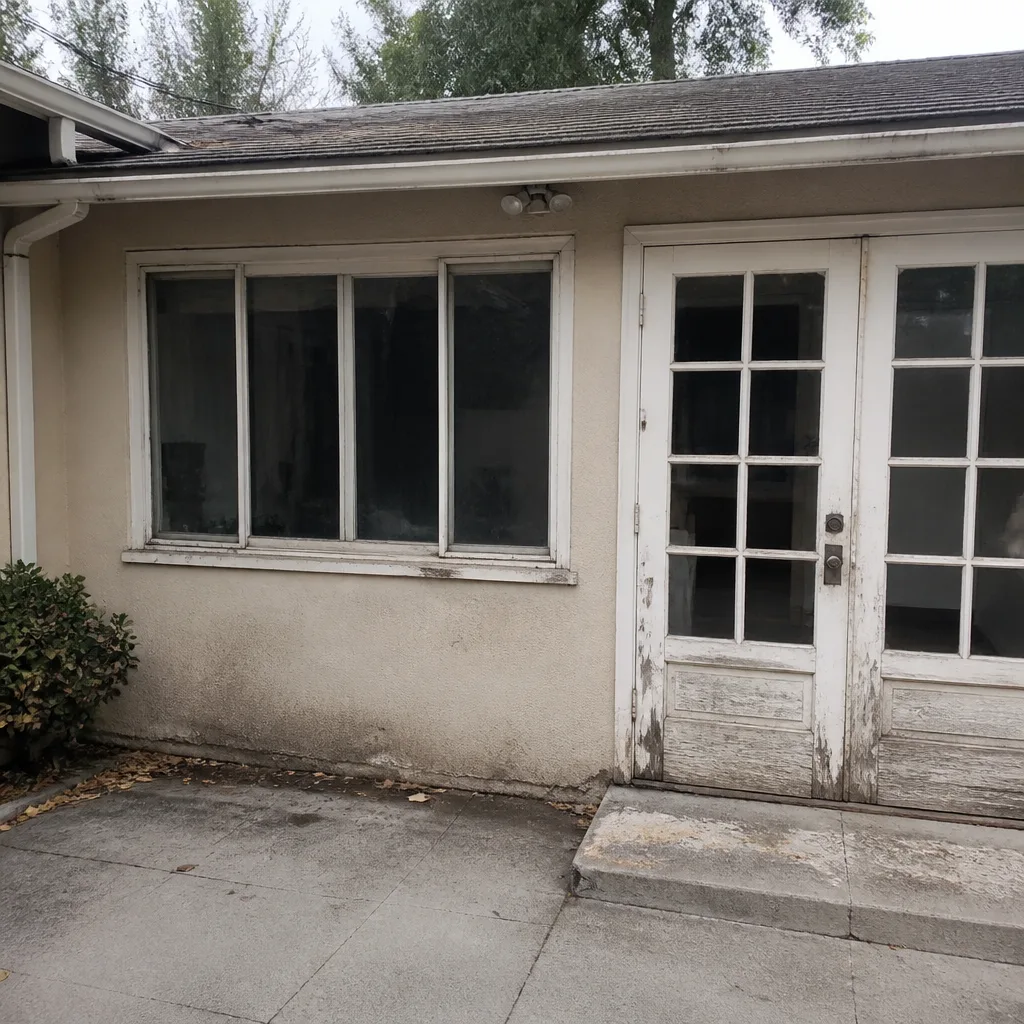 Before
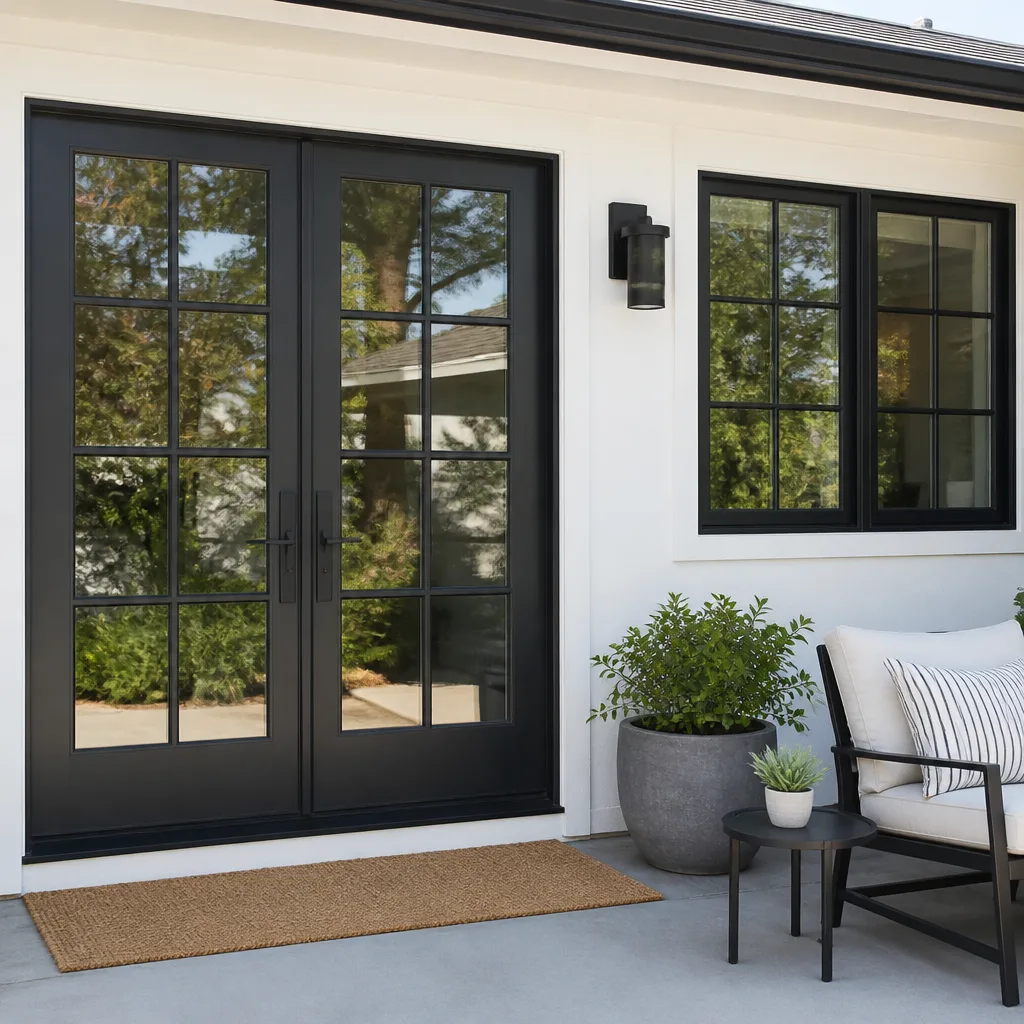 After
After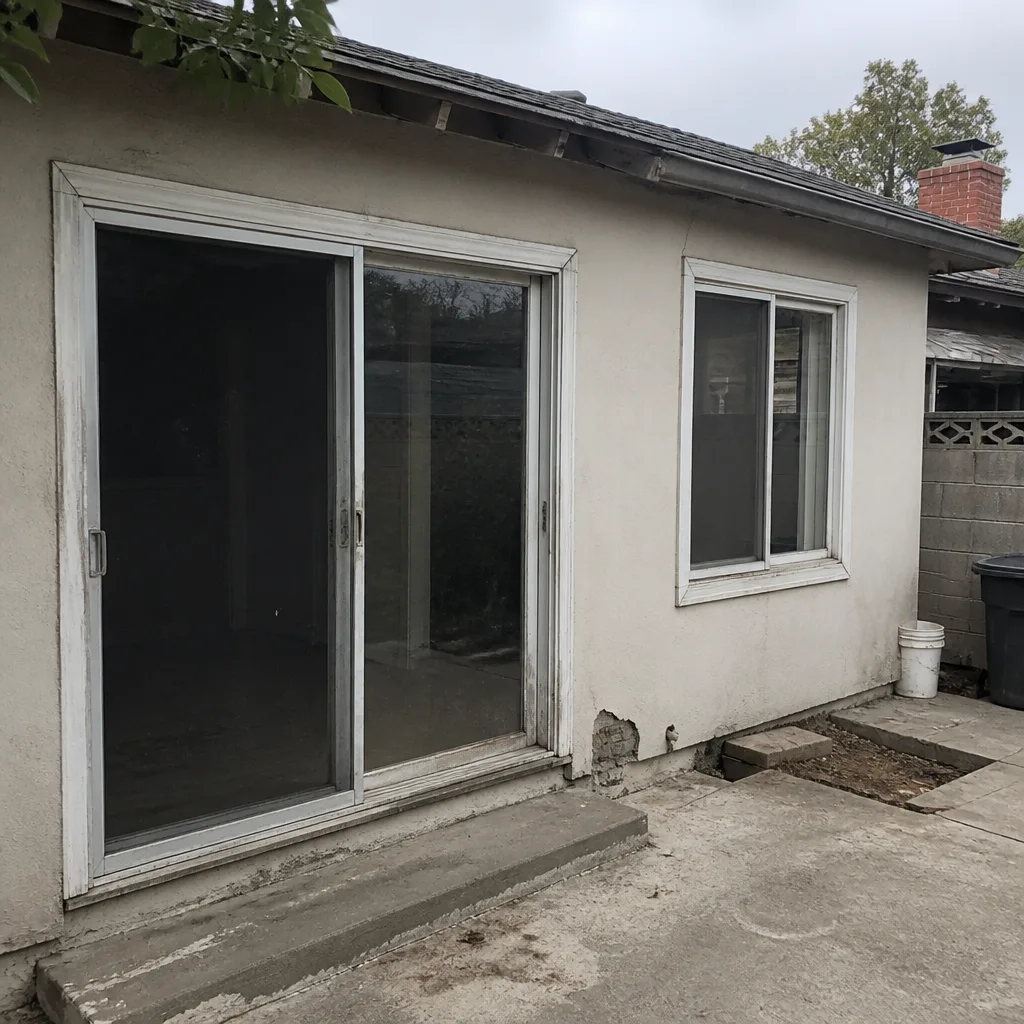 Before
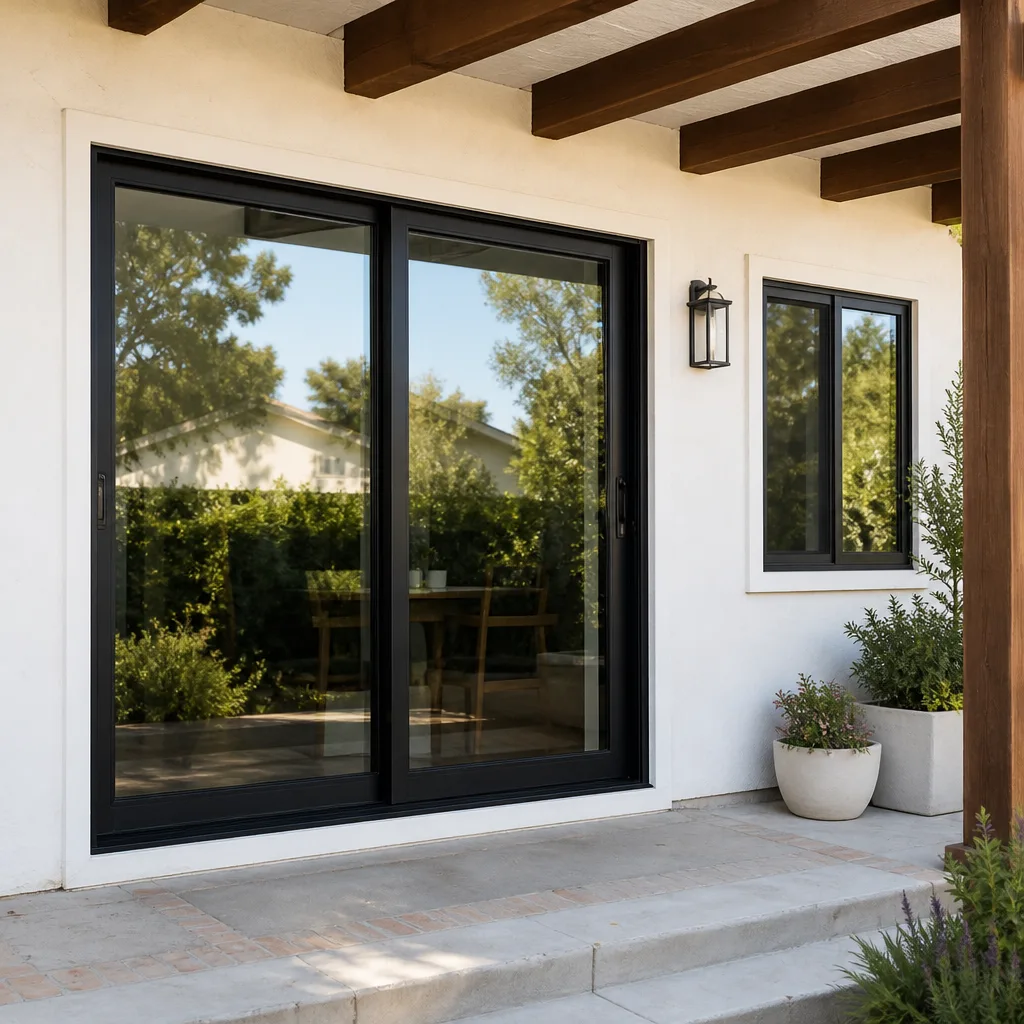 After
After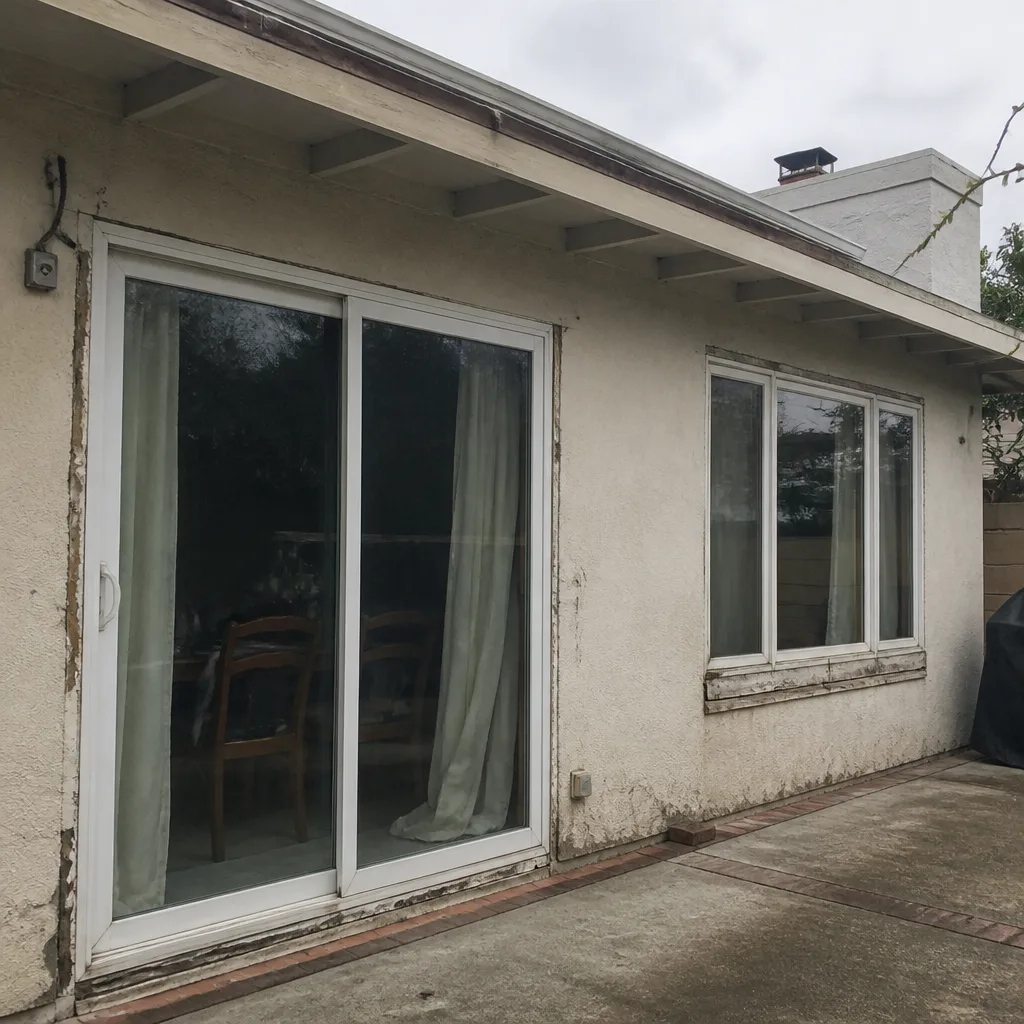 Before
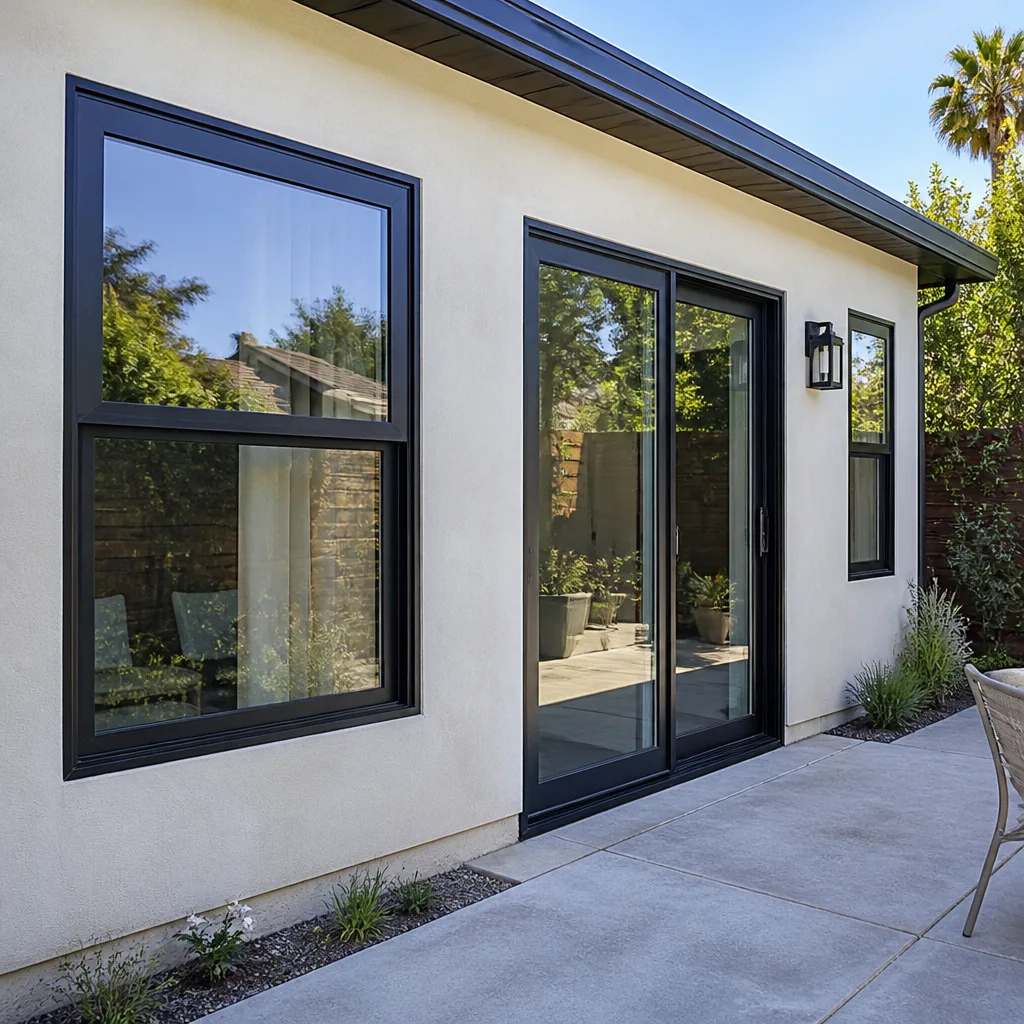 After
AfterThe Complete Window Replacement Guide for Los Angeles Homeowners
Most window spec sheets carry an ENERGY STAR climate zone for “Southern California” that treats Los Angeles as one uniform environment. That generic label misses what any homeowner in Los Angeles already knows from their thermostat bill: a window that works beautifully in a Pasadena bungalow can leave a Playa del Rey condo drafty and damp, and the reverse is just as true. The difference between a 30-degree Marine layer morning on the Westside and a 105-degree afternoon in the San Fernando Valley is not trivial, and matching glass coatings and frame materials to that reality is where good window decisions are made or lost. This guide walks through the full window replacement process, but refuses to pretend that one window fits every ZIP code.
Quick Answer
Window replacement in Los Angeles typically costs $600 to $1,400 per window installed, depending on frame material, glass package, and the condition of the existing rough opening. The right window for your home depends less on brand and more on matching U-factor and Solar Heat Gain Coefficient (SHGC) to your specific LA neighborhood’s microclimate and Title 24 code requirements. A written quote before any work starts, a clear permit timeline, and a one-year workmanship promise are non-negotiable in LA’s competitive contractor market.
Table of Contents
- LA Microclimates: Why Your Neighborhood Changes the Spec
- Title 24 and the 2022 Updates: What LA Replacement Windows Must Meet
- Older LA Housing Stock: Rough Openings, Stucco, and What You’ll Find in Walls
- Permits in LA: LADBS vs. Unincorporated LA County Approval Timelines
- What Window Replacement Costs in Los Angeles
- How the Replacement Process Actually Works, Step by Step
- Written Quotes vs. Verbal Estimates: Why It Matters in LA
- Common Mistakes to Avoid
LA Microclimates: Why Your Neighborhood Changes the Spec
Los Angeles is not one climate. It is at least four, often within a fifteen-minute drive of each other. The coastal zone, running from Malibu through Santa Monica down to San Pedro, sits in the marine layer for months at a time. Pacific Palisades and Playa del Rey get morning fog, salt air, and summer highs that rarely break 80 degrees. The San Fernando Valley, from Sherman Oaks through Encino to Woodland Hills, regularly hits triple digits in July and August. Inland communities like Pasadena, Altadena, and La Cañada Flintridge get both extremes: hot dry summers and cold winter nights. Downtown LA, Koreatown, and Mid-City form a dense urban heat island.
What this means for glass selection is concrete. Coastal homes rarely need the lowest Solar Heat Gain Coefficient (SHGC) rating; they need windows that close tightly against sea air, with frames that won’t corrode. We’ve seen aluminum frames on newer beachside properties in Playa del Rey pit within five years of salt exposure. Vinyl or fiberglass frames hold up better and are worth the premium when the Pacific is four blocks away.
Valley homes need the opposite: a low SHGC to block solar heat, paired with a U-factor around 0.30 or lower to keep air-conditioned air inside. The sun pounds west-facing walls in Woodland Hills harder than almost anywhere in the county. Pasadena’s historic districts add another layer because older double-hung windows were built with single-pane glass and wood frames that lose heat rapidly on winter nights. In our experience, homeowners in these older neighborhoods often see the largest energy-bill improvement from replacement simply because they’re starting from the most inefficient baseline. For a deeper look at when to handle work yourself, see our guide on DIY vs Professional Window Installation: What’s Safe to Do Yourself.
How to Pick Your Glass Package by Area
- Westside / Coastal (Santa Monica, Venice, Playa del Rey, Marina del Rey): Prioritize corrosion-resistant frames (vinyl or fiberglass) and warm-edge spacers. SHGC between 0.25 and 0.35 works fine. U-factor at 0.30 or below. Salt air and fog are the forces you’re defending against, not heat.
- San Fernando Valley (Sherman Oaks, Encino, Woodland Hills, Northridge, Studio City): Lowest SHGC you can reasonably afford (0.20 to 0.25), with a U-factor around 0.28 to 0.30. South- and west-facing windows should get the higher-performing glass. Reflect the sun, don’t absorb it.
- Inland / Foothills (Pasadena, Altadena, Glendale, La Cañada, Eagle Rock, Mount Washington): You straddle both extremes. Look for SHGC around 0.25 to 0.30 and a U-factor at or below 0.30. In Altadena’s cold winter stretches, a low U-factor matters as much as heat rejection.
- Urban Core / Heat Island (Koreatown, Downtown, Mid-City, West Adams, Silver Lake): Summer nights stay warm because pavement holds heat. SHGC of 0.25 or lower helps. U-factor matters less than on the coast or foothills, but don’t ignore it: LA Department of Water and Power rates climb quickly.
Title 24 and the 2022 Updates: What LA Replacement Windows Must Meet
California’s Title 24 Building Energy Efficiency Standards apply to every replacement window pulled through a permit in Los Angeles. The 2022 update, which took effect January 1, 2023, tightened the requirements for new residential windows. For Climate Zone 6, which covers Los Angeles proper, and Zones 7 through 10, which cover much of the county, you’ll need windows that meet a maximum U-factor of 0.30 and a maximum SHGC of 0.23 for most residential applications.
That’s not a recommendation. That’s a compliance line. A contractor who sells you a cheaper double-pane window with a U-factor of 0.35 may be selling a product that fails inspection on a permitted job. The California Energy Commission publishes the exact tables, but the practical takeaway for LA homeowners is simple: ask for the window’s U-factor and SHGC before you buy, and verify that the product is labeled as Title 24 compliant. Not every window with two panes of glass meets the current standard.
There’s also a practical consequence of the 2022 update that most guides skip. The stricter SHGC requirements pushed many manufacturers to default to high-performance low-E coatings. In coastal areas like Playa del Rey, where too much solar reflection isn’t needed, some homeowners end up with slightly darker or more reflective glass than they expected. It’s worth seeing a sample in real daylight, on your own wall, before signing.
Title 24 Cheat Sheet for LA Homeowners
- Confirm your ZIP code’s climate zone. Most of LA city is Zone 6; parts of the valleys can be Zone 8 or 9.
- Ask for the exact U-factor and SHGC ratings on the written quote, not just the product brochure. Brochures often list the best-case configuration.
- Verify the window carries an NFRC label, which is the standardized rating label that Title 24 enforcers look for.
- If you’re in a historic district (Hancock Park, Angelino Heights, parts of Pasadena), check whether the HPOZ rules impose any exterior appearance requirements beyond Title 24, because a modern frame profile may not pass district review.
- Keep documentation after installation. When you sell the home, the buyer’s lender or inspector may ask for compliance records.
Older LA Housing Stock: Rough Openings, Stucco, and What You’ll Find in Walls
Los Angeles has one of the oldest housing stocks of any major American city. Tens of thousands of homes were built between 1920 and 1975, spanning Spanish Revival bungalows in Mid-Wilshire, Craftsman houses in Highland Park, Streamline Moderne apartments along Wilshire, and sprawling ranch homes in the Valley. Each era has its own construction quirks, and window replacements in these homes are rarely the clean cut-out-and-drop-in job that newer tract homes make them out to be. If you’re weighing whether to tackle related projects yourself, read our comparison of DIY vs Professional Door Replacement: What’s Safe to Do Yourself.
The most common challenge in LA older homes is out-of-square rough openings. Wood framing that settled over eight decades means the height on the left side of the window may differ from the right by half an inch or more. A reputable installer will measure each opening individually and order windows sized to the actual opening, not to the original plan or to what the old window frame says. Cheaper installs use off-the-shelf standard sizes and pack the gaps with shims and foam; the result is often an air leak you can feel with your hand on a windy night in December.
Stucco exteriors add another layer of complexity. In homes from the 1930s through the 1960s, window flanges are often buried under layers of stucco and waterproofing. Cutting into stucco to remove an old window requires resealing and patching that matches the existing texture, which is a skill not every general handyman has. We’ve repaired jobs in West Adams and Leimert Park where a prior installer patched stucco with the wrong texture and the repair remained visible for years. Ask any contractor what their stucco repair process is before they cut the first hole.
Wood framing in 1920s bungalows often shows signs of dry rot at the sill, particularly on the south- and west-facing sides that took years of afternoon sun. A replacement job that discovers rotted framing is not a change-order scam; it’s a real condition that needs correction before the new window goes in. In Los Angeles, especially in hillside neighborhoods like Mount Washington or Echo Park where drainage is inconsistent, rot is common. The honest approach is to price the visible work and explain what happens if hidden rot is found, with a written process for how any additional cost will be documented and approved.
Permits in LA: LADBS vs. Unincorporated LA County Approval Timelines
Getting a permit for window replacement in Los Angeles depends on where your property sits. If you’re within the City of Los Angeles, you deal with LADBS (Los Angeles Department of Building and Safety). If you’re in an unincorporated area like parts of Topanga, Altadena, or Marina del Rey, the County of Los Angeles Department of Regional Planning and Building and Safety has jurisdiction. The process is similar, but the timelines are not the same, and the gap is rarely discussed.
Within LADBS, simple like-for-like window replacements on single-family homes can often be approved over the counter or through the online e-Permit system, sometimes within a few days. Multifamily buildings, hillside properties, or projects that change the window opening size require plan check review, which can add weeks or months depending on the backlog at your local LADBS field office. Unincorporated LA County, by contrast, tends to move slower for even simple replacements; two to three weeks is a realistic expectation, and some areas have additional fire-safety review requirements because of wildland-urban interface zones.
Whoever pulls the permit, the cost matters. In the city, fees for a single-family window replacement often run $150 to $400, depending on the value of the work and the number of windows. County fees are broadly similar but can include additional surcharges. A written quote should always state who pulls the permit, who pays for it, and what happens if plan check requires revisions. We’ve had homeowners in Pasadena tell us a previous contractor left the permit open for six months because no one knew the city had sent a correction notice to an email inbox no one checked.
Permit Steps, in Order
- Confirm your jurisdiction: City of Los Angeles (LADBS) vs. unincorporated LA County. Your property tax bill tells you.
- Determine if the project qualifies for simple like-for-like approval or requires plan check. Changing the size of any opening usually pushes you into plan check.
- Get a written permit fee estimate from your contractor or the building department before you pay anything.
- Submit the application, with product spec sheets (NFRC labels included), and monitor the status. LADBS has an online portal; the County does too but is less granular.
- Schedule the inspection after installation. The inspector verifies the windows match what was permitted and that flashing and anchoring meet code.
- Close out the permit. This matters when you sell or refinance; an open permit can stall escrow.
What Window Replacement Costs in Los Angeles
Replacement window pricing in Los Angeles runs a wide band because the market includes everything from big-box contractor programs to high-end architectural supply houses. For a standard double-hung or slider in a newer tract home, expect $600 to $900 per window installed. Mid-range casement or awning windows with better glass packages run $800 to $1,200. Large custom windows, arched tops, or multistory access in hillside homes can push toward $1,400 or more per opening. These are LA-specific numbers: we see higher labor costs here than in Riverside or San Bernardino counties, driven by traffic, parking access, and the permitting overhead described above.
Frame material is the single biggest cost driver. Vinyl is the most affordable and works well in coastal and mild inland conditions. Fiberglass costs 20 to 30 percent more than vinyl and handles Salt Air and thermal expansion better. Wood and aluminum-clad wood windows are the premium option in historic districts, but prices can reach twice vinyl. We carry CWS and ES Windows for projects that need a stronger frame profile without jumping to full wood. ECO Window Systems offers a solid mid-range vinyl and aluminum line for Valley and coastal homes where Title 24 compliance is the main requirement. Mr-Glass supplies impact-rated options relevant for hillside homes where wind-borne debris is a seasonal concern.
Sample LA Window Replacement Pricing (Per Window Installed)
- Standard vinyl double-hung, Title 24 glass: $600 – $850
- Fiberglass casement, low-SHGC coating for Valley sun: $850 – $1,100
- Vinyl or aluminum slider for mid-century ranch homes: $700 – $950
- Custom wood or aluminum-clad wood in historic district: $1,000 – $1,400+
- Impact-rated glass, hillside or canyon exposure: $1,100 – $1,500+
Every one of these ranges assumes a standard rough opening without major rot repair or stucco remediation. If rot is found, repair typically adds $100 to $300 per opening depending on severity. Stucco patching runs $150 to $400 per window area. A written quote should separate these as a contingency line, not hide them in vague “installation costs.” Window replacement in Los Angeles doesn’t have to be a mystery; it has to be documented.
How the Replacement Process Actually Works, Step by Step
A window replacement in Los Angeles, done properly, takes one to two days for a typical single-family home with eight to twelve windows. Multistory properties, custom sizes, or historic district review can extend that to a week or more. The replacement itself is less disruptive than most homeowners expect because windows go in from the outside. You don’t need to move furniture or vacate the living space, though you should plan for dust control around interior perimeter walls where old frames are removed.
- Measurement and product selection. An installer measures every opening individually, in three places per dimension. This is when glass packages and frame materials get finalized based on your specific exposure and Title 24 zone.
- Written quote and permit decision. You get a line-item price in writing. If the project needs a permit, the application goes in before windows are ordered. Custom windows take two to six weeks from order to delivery, depending on the manufacturer. CWS and ES Windows both run longer lead times on custom sizes; plan ahead if you’re in a historic district.
- Installation day. The crew removes the old window, inspects the rough opening for rot or water damage, and makes any needed repairs that were flagged in the written contingency. The new window is set, shimmed, leveled, and anchored to code. Flashing and sealing follow, then interior trim is reinstalled or replaced.
- Stucco or exterior patch. If your home has stucco, this step happens after installation. The patch needs to match the existing texture and cure before painting. A rushed job shows for years.
- Permit inspection and closeout. The building inspector verifies the installation. Once approved, the permit is closed and you get documentation.
- 365-day check. If anything shifts, seals fail, or hardware loosens within the year, it gets handled under the workmanship warranty. In writing, parts and labor, no argument.
Written Quotes vs. Verbal Estimates: Why It Matters in LA
Los Angeles has one of the most competitive contractor markets in the country. That’s a genuine advantage for homeowners, but it also creates an incentive for some operators to run what is politely called the low-ball verbal estimate: a number given on the phone or at the door that’s attractively low, followed by a “revised” figure once the job is underway. The homeowner is left either paying more or tearing out half-installed windows. We see this pattern more in the Valley and the urban core, where high density means a contractor can fill their schedule with quick hits and never worry about repeat business.
The protection is simple. Window installation in Los Angeles should always start with a written price, and that written price should survive the job unchanged unless the homeowner approves a specific change order in writing. Juniper’s practice is to put the number in writing before a single screw turns, and to document any hidden-condition costs with photos and a signature. That’s the difference between an estimate that morphs into a surprise invoice and a number you can plan around.
What should a legitimate written quote include? A line-item breakdown by window, showing frame material, glass package, any grid or obscure-glass options, and labor. Permit fees as a separate item. A contingency line for rot repair or stucco remediation with a maximum dollar amount. The workmanship warranty term in writing, covering 365 days, parts and labor. A timeline with start and completion windows. If a contractor refuses to put any one of these six items in writing, keep looking. There are plenty of good contractors in Los Angeles who will write the number down and honor it.
Our own process includes the Relay Visibility Guarantee: a live arrival time you can track, before-and-after photos of every job, a written price before anything starts, and a digital invoice you can pay from a link. That’s the standard. The more homeowners in Los Angeles insist on written pricing, the more the market shifts away from door-knock lowballs.
Common Mistakes to Avoid
- Buying the same glass package for a Valley home and a Westside home. A Playa del Rey condo and a Woodland Hills ranch have opposite solar priorities. Match SHGC and U-factor to your actual microclimate, not to what a neighbor across town installed.
- Skipping the permit. Unpermitted window work can stall escrow when you sell, and it may violate your homeowners insurance. In Los Angeles, the savings from skipping a permit rarely survive contact with a buyer’s inspector.
- Replacing windows to “fix” a leak without diagnosing the real source. Water intrusion around a window is often flashing or stucco failure, not the window itself. We’ve seen homeowners in Echo Park and Highland Park replace six windows only to find the leak was a failed stucco seal two feet above the opening.
- Accepting a verbal estimate as a real price. A number spoken at the door is worth the paper it’s printed on, and it’s printed on nothing. Get the line-item written quote.
- Choosing windows based on brand rather than spec. Every manufacturer makes multiple product tiers. A name brand with a cheap glass package will underperform an off-brand with a good glass package. Read the NFRC label, not the logo.
- Ignoring the rough opening condition in older homes. 1920s bungalows and 1950s ranch homes in LA almost never have perfectly square openings. If your contractor doesn’t measure each opening individually, the install will leak air, and you’ll feel it in January.
- Ordering custom windows before checking the HPOZ or historic district rules. In Hancock Park, Angelino Heights, and parts of Pasadena, exterior window appearance is regulated. A modern picture window that violates district character can be rejected at plan check and cost months of delay. Door replacement in Los Angeles faces the same reviews if it’s visible from the street.
When to Call a Professional
You can research windows forever, but there comes a point where the actual measurement, code compliance, and installation need trained hands. Call a professional when your home is older than 1970 and likely has out-of-square rough openings, when you need a permit pulled through LADBS or unincorporated LA County, when you see signs of dry rot or water damage around existing windows, when you’re in a historic district with appearance requirements, or when you want a written price that won’t change at the door. Juniper Windows & Doors offers free estimates in Los Angeles, call (682) 281-2168 to schedule one, and we’ll measure, spec, and write the number down before anything else happens. For a deeper look at what goes into a full project, see the Juniper Windows & Doors home page.
Frequently Asked Questions
Expect $600 to $1,400 per window installed in Los Angeles, with typical single-family homes running $7,000 to $14,000 for eight to twelve windows. Vinyl double-hungs sit at the low end of that range; custom wood windows in historic districts and impact-rated glass in hillside canyons sit at the high end. Call (682) 281-2168 for a written quote specific to your home, estimates are free.
Yes, in most cases. The City of Los Angeles through LADBS, and unincorporated areas through LA County, require permits for window replacement when the opening size changes or when the work goes beyond simple like-for-like replacement. Even like-for-like replacements may need a permit depending on your building type. A permit protects the sale of your home and keeps insurance claims valid.
Title 24 is California’s building energy efficiency code, and the 2022 update tightened window requirements for LA County, setting maximum U-factor and SHGC standards for Climate Zone 6 and surrounding zones. Windows that don’t meet the current standard can fail permit inspection. Ask for the NFRC label on every window you’re considering.
Match SHGC and U-factor to your microclimate: coastal homes need corrosion-resistant frames and moderate solar control, Valley homes need the lowest SHGC you can get, and foothills homes need a balance because they see both hot summers and cold winter nights. A professional who measures and specs per window, rather than selling one package for the whole city, will get this right.
It shouldn’t, unless hidden conditions like dry rot or failed stucco are discovered and you approve a written change order. That’s why a written quote is non-negotiable in LA, where the contractor market is competitive and some operators low-ball verbally and adjust at the door. Juniper’s 365-Day Done Right Promise covers completed work for a full year, parts and labor, in writing.
A typical single-family home with eight to twelve windows takes one to two days for installation, once windows arrive. Custom sizes take two to six weeks from order to delivery, and permit plan check can add days to months depending on your jurisdiction and whether the opening size changes. Start the process early if you’re in a historic district. Call (682) 281-2168 for a realistic timeline for your specific project.
The Bottom Line
Window replacement in Los Angeles goes wrong when homeowners treat the city as one climate and the process as one simple transaction. The right window matches U-factor and SHGC to your specific neighborhood, meets Title 24’s 2022 standards, and fits the actual rough opening in your home, not a brochure photo. A written quote, a clear permit path, and a one-year workmanship promise written into the contract turn a complicated purchase into a predictable one. Los Angeles has the housing stock, the code framework, and the contractor competition to reward homeowners who do the homework. Explore more guides & resources to keep learning. The contractor who writes the number down and honors it is the one worth calling.
Written by Sean Mackey, Owner at Juniper Windows & Doors, serving Los Angeles since 2001.