
Last updated October 9, 2026
Free in-home measure and quote - PGT, CGI and CWS impact lines compared on your actual openings, style by style
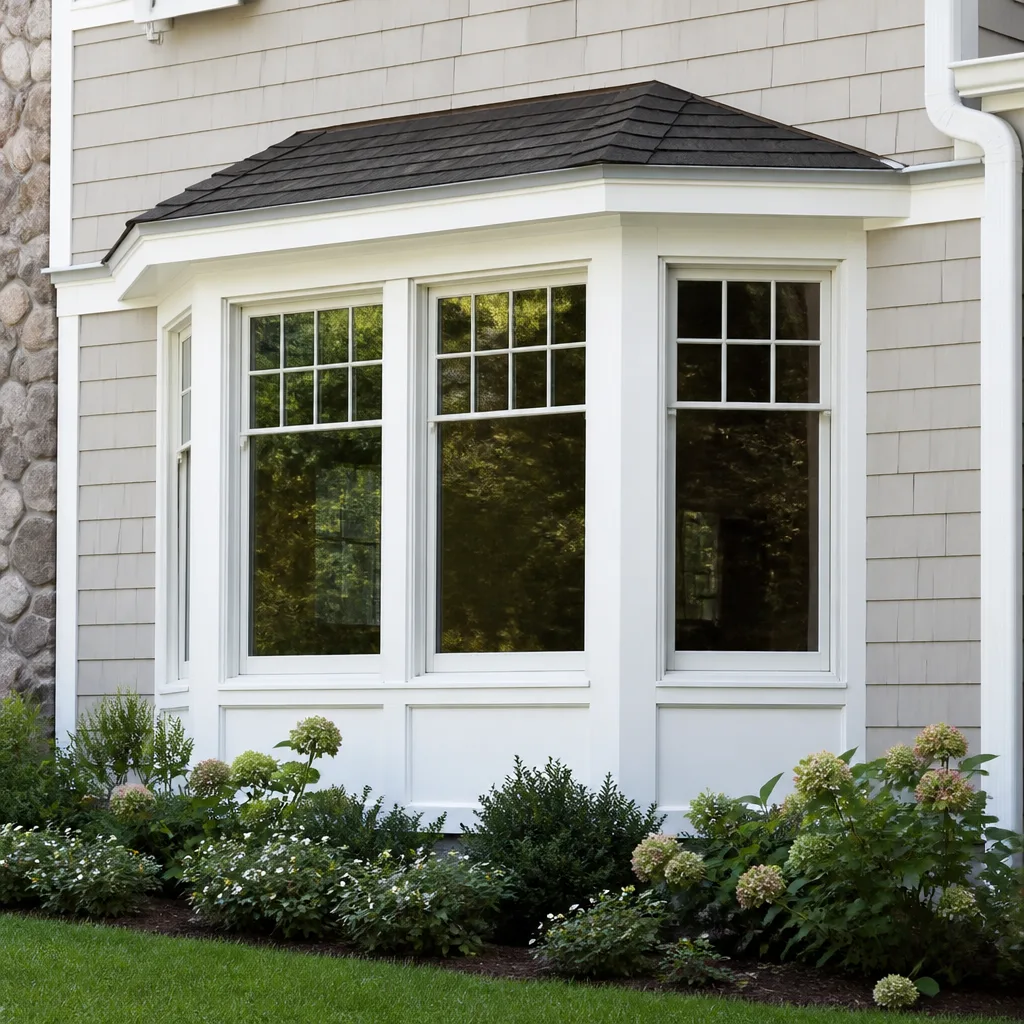
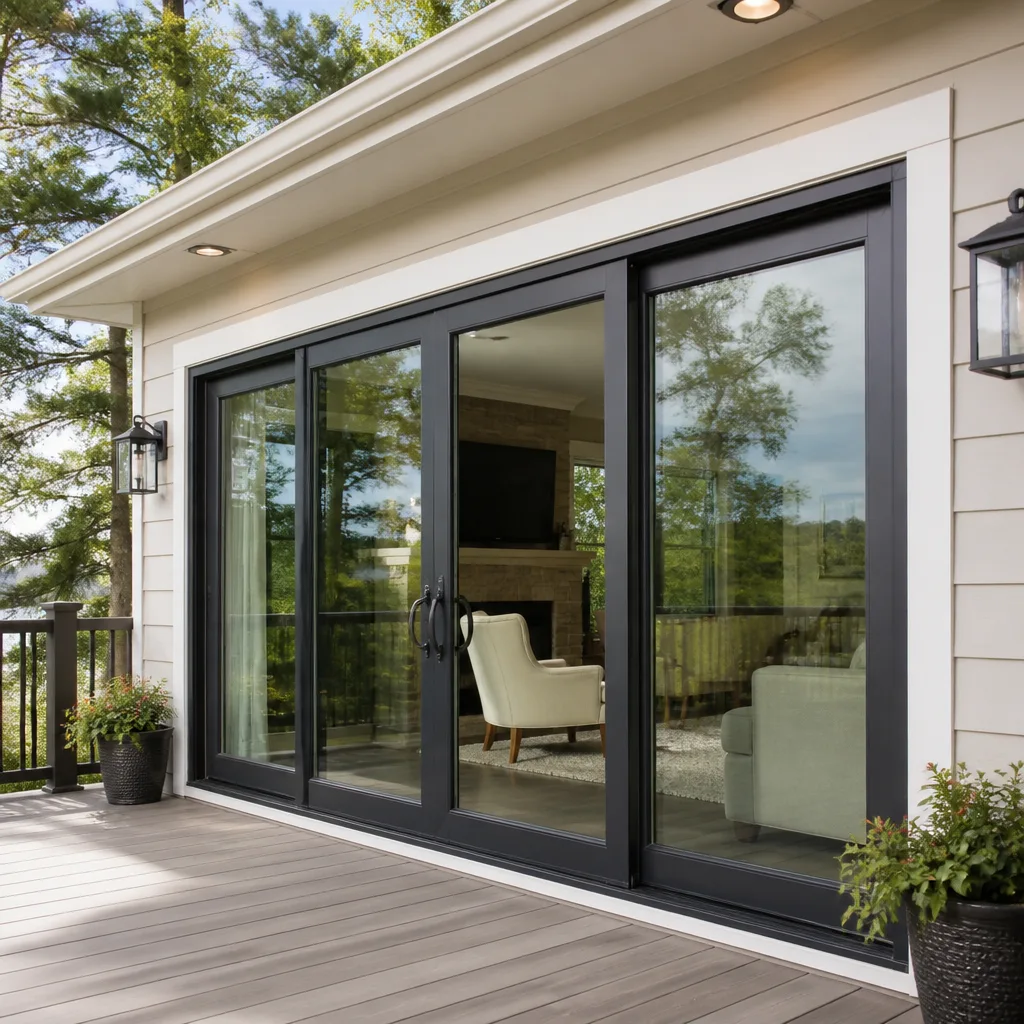
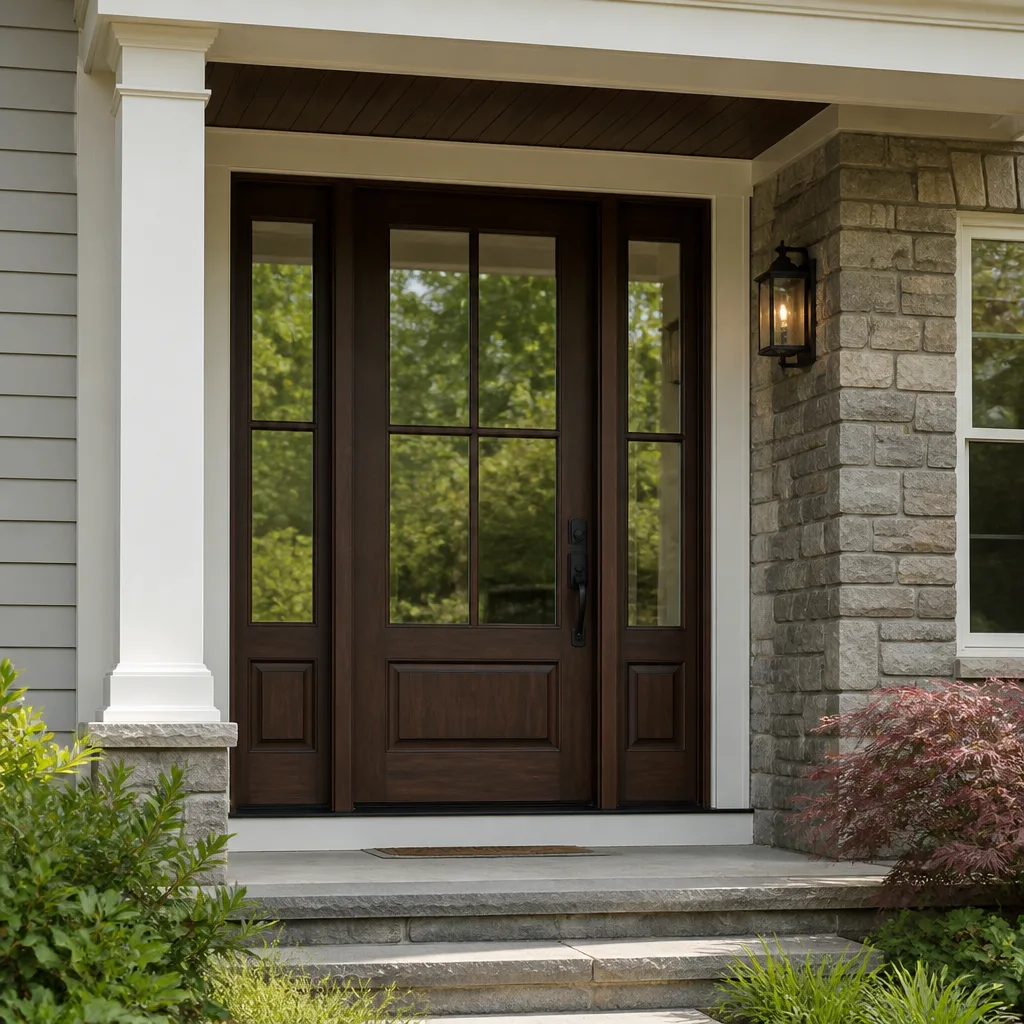
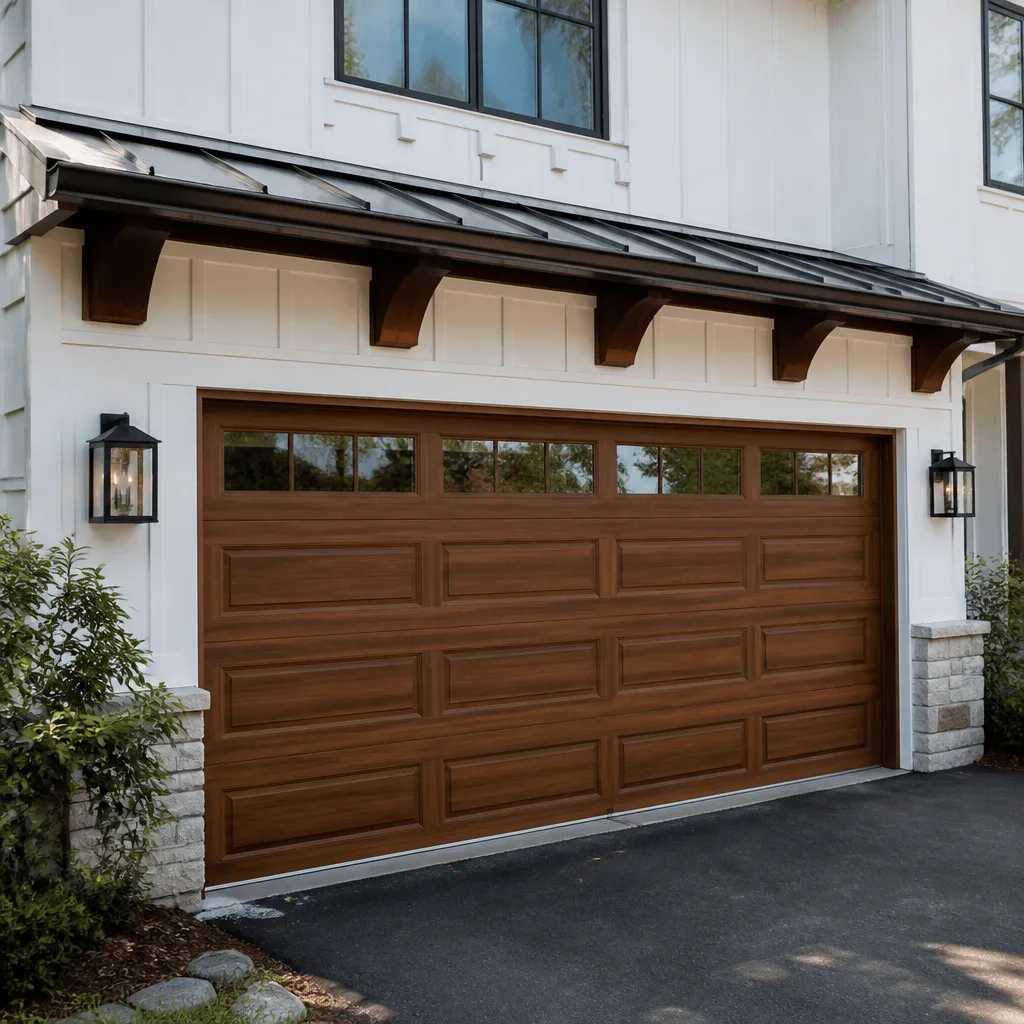
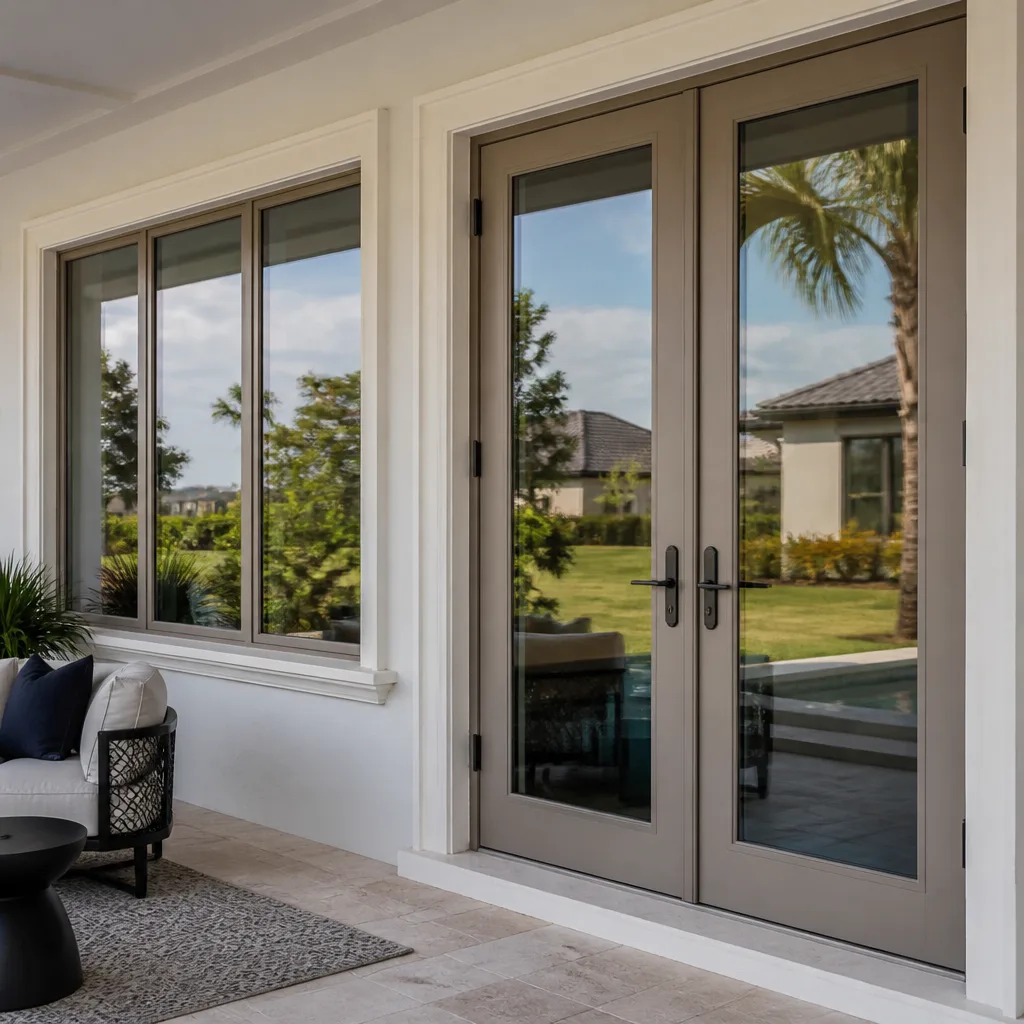

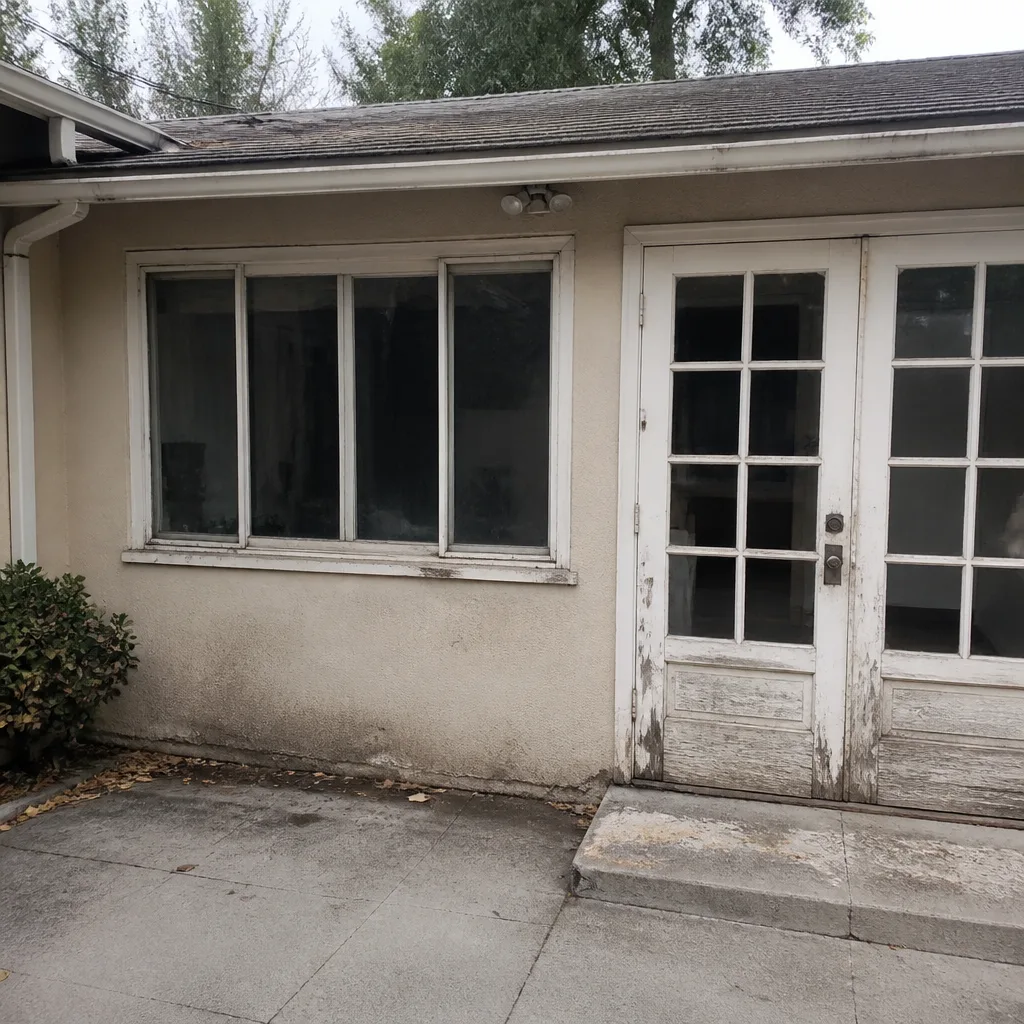 Before
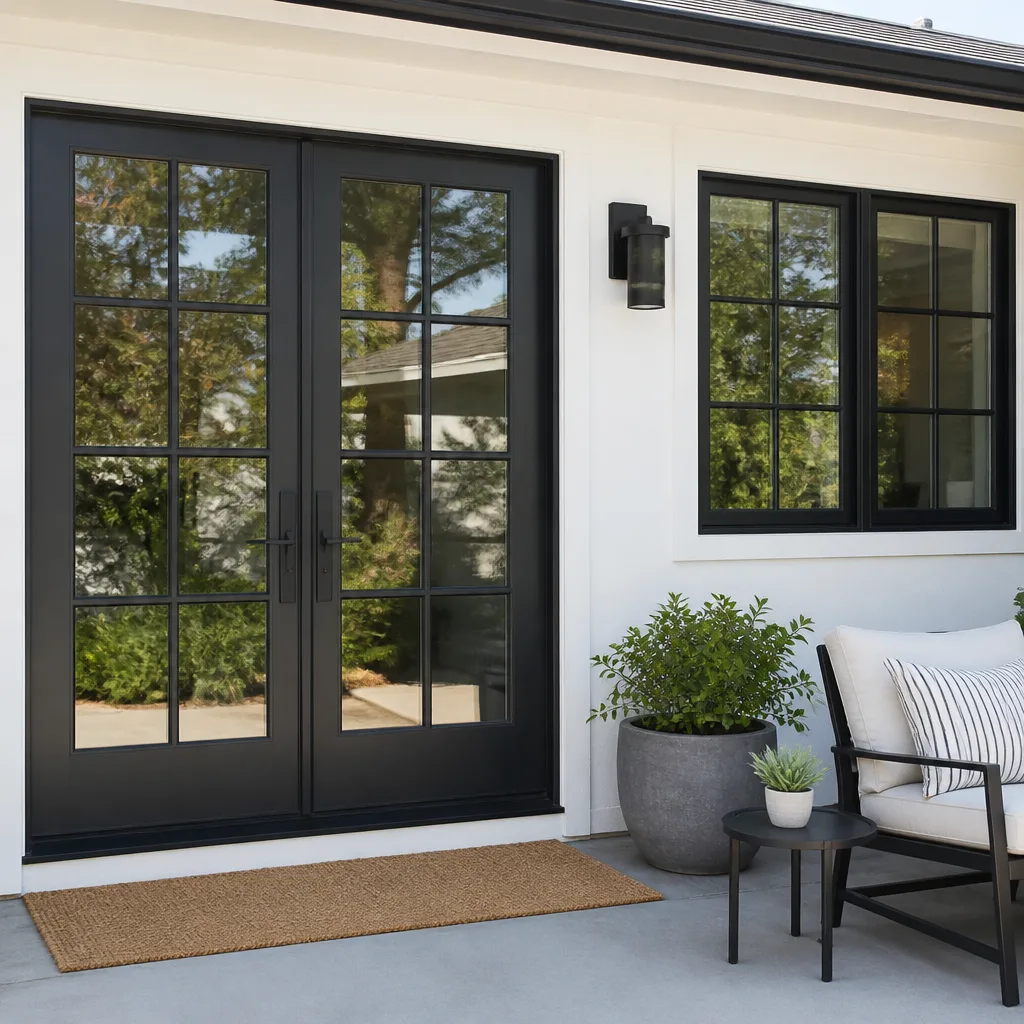 After
After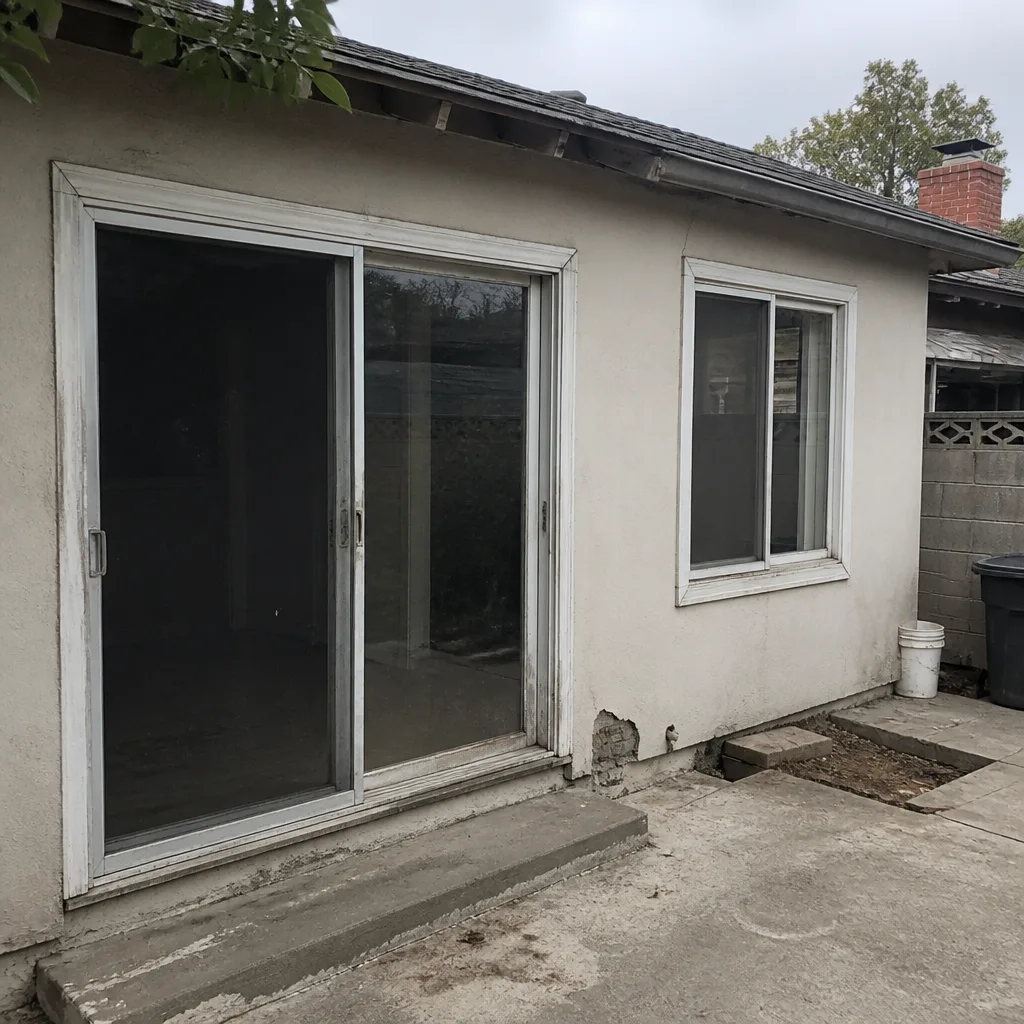 Before
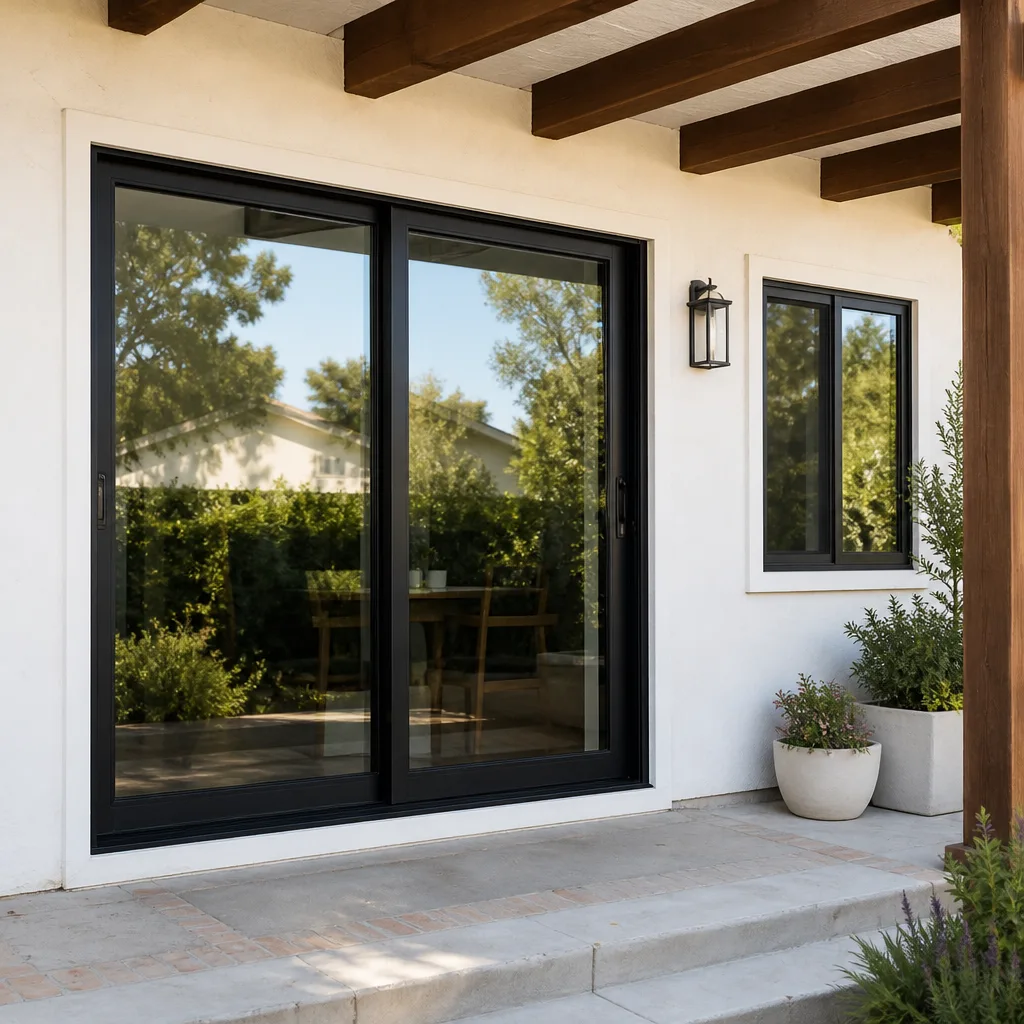 After
After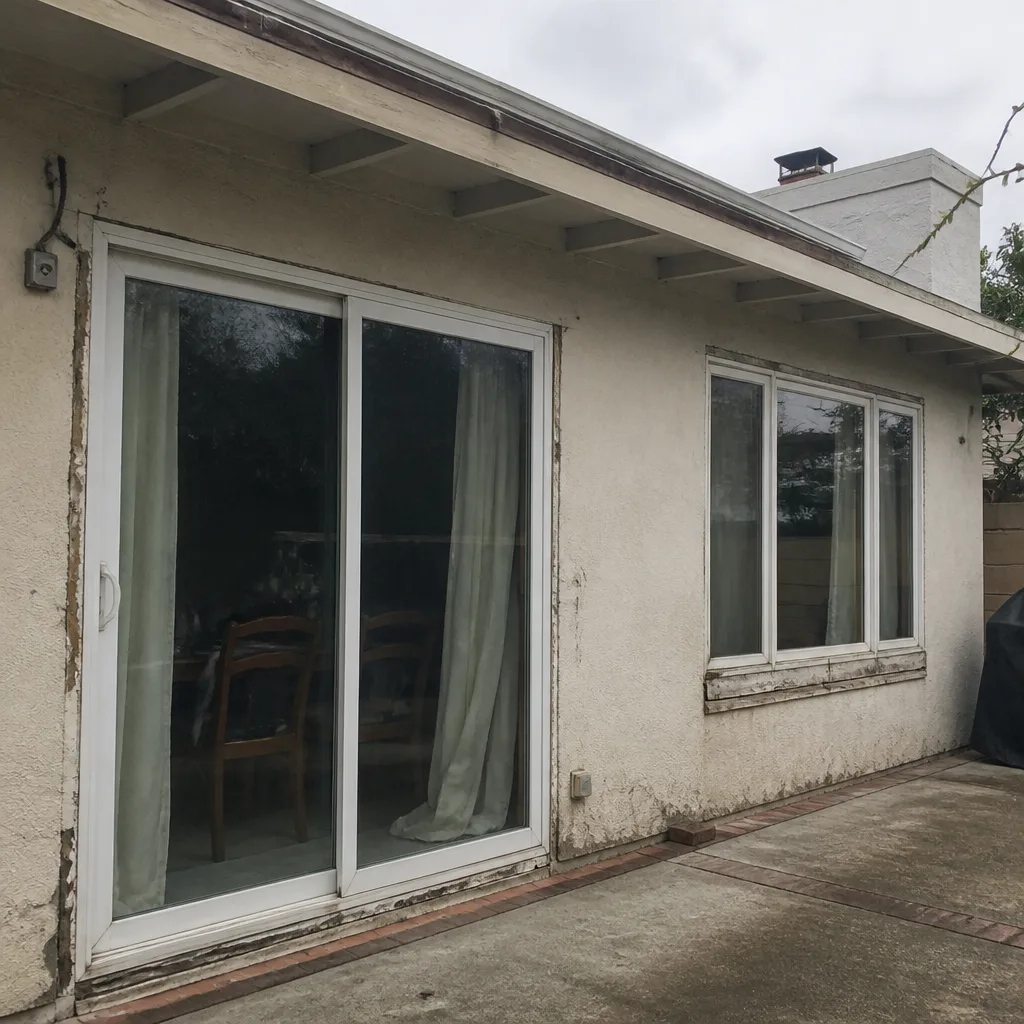 Before
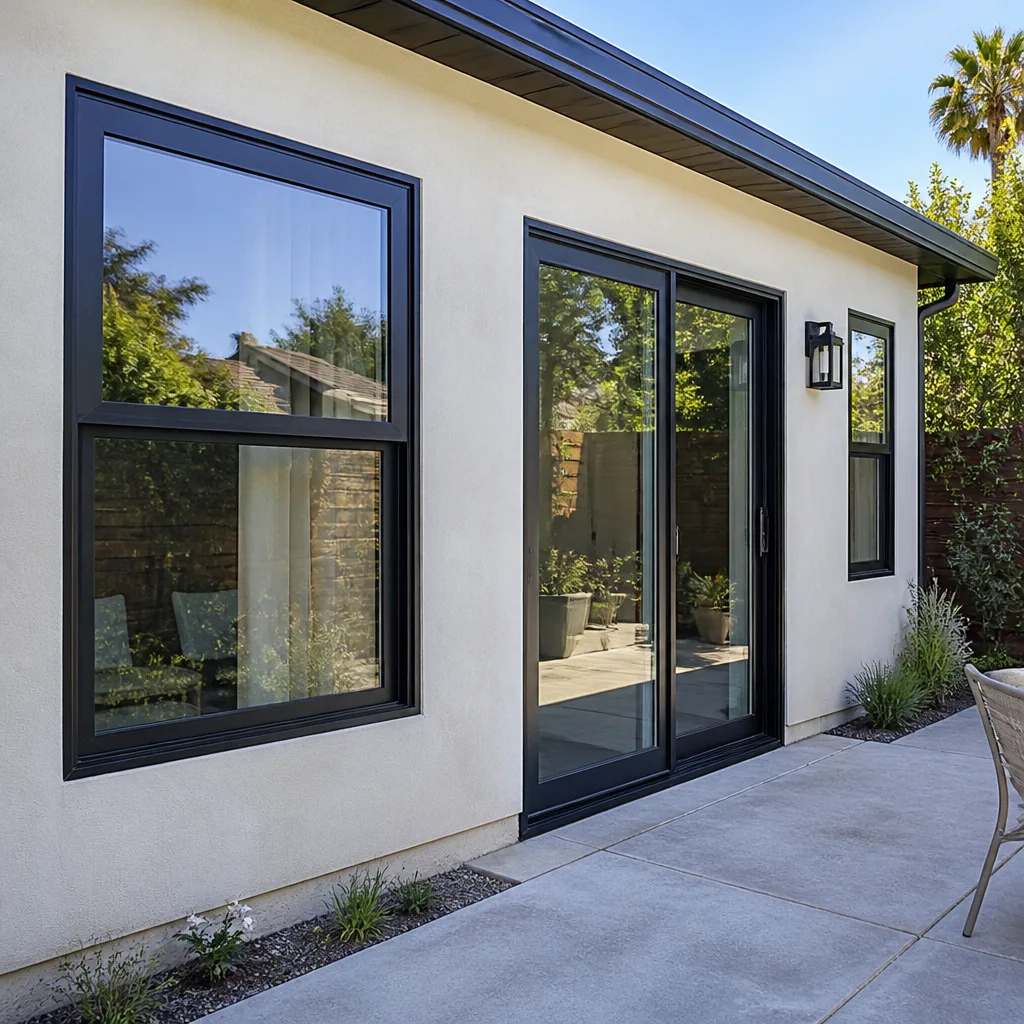 After
AfterDIY vs Professional Window Installation: What’s Safe to Do Yourself
Most DIY window installation guides start with a skills assessment. They ask whether you can measure twice and cut once. But if you own a home in Los Angeles, the more expensive question is whether your work will survive a title search. California requires permits for window installations that change the rough opening size, and unpermitted window work is one of the top five items that derail LA home sales during escrow. Sellers sometimes find themselves tearing out a perfectly functional window because the buyer’s lender flagged the missing paperwork. This guide covers what’s actually safe to do yourself, what creates liability you don’t want, and how to split the job so you save money without inheriting risk. For a deeper comparison, see our guide on DIY vs Professional Window Replacement: What’s Safe to Do Yourself.
Quick Answer
In Los Angeles, a homeowner can legally replace a window with an identical-sized unit without a permit, and a careful DIYer can handle caulking, trim, and prep work. But any installation that alters the rough opening, touches a fire-rated wall, or requires structural work needs a permit and a licensed contractor. For most full-frame replacements, the safe split is to hire a pro for the Window Installation services like unit-setting and flashing, then do the interior trim yourself. That approach preserves the warranty, keeps the permit clean, and still saves you money.
Table of Contents
- The Permit Reality in Los Angeles: What Actually Triggers One
- Resale Disclosure: How Unpermitted Windows Affect a Home Sale
- What’s Actually Safe for a DIYer to Do
- What Triggers the Contractor License Requirement Under CSLB Rules
- Insurance Gaps: When DIY Window Work Voids Coverage
- The Tool and Equipment Reality Check
- The Hybrid Approach: DIY Prep and Trim, Pro Unit-Setting
- Common Mistakes to Avoid
- When to Call a Professional
- Frequently Asked Questions
- The Bottom Line
The Permit Reality in Los Angeles: What Actually Triggers One
Los Angeles building codes are not subtle about windows. If your new window fits into the existing opening without changing its dimensions, you generally do not need a permit. That’s a straightforward, same-size swap. But if you’re enlarging an opening to let in more light, shrinking one, or adding a window where a wall currently exists, you’ve triggered the permit requirement under the Los Angeles Department of Building and Safety (LADBS). The permit exists because you’re changing the structural envelope of the house.
There’s a fire-rating component too. Homes in Los Angeles neighborhoods like Sherman Oaks, Encino, and parts of West LA are often subject to specific fire-rated wall assembly requirements, particularly on side yards facing a neighbor’s property. If your window installation touches a fire-rated wall, the permit review process verifies that the new assembly meets the required rating. Skip the permit here, and you’ve created a code violation that’s expensive to reverse later.
Here’s what the permit triggers look like in plain terms:
- Same-size replacement, no structural change: No permit needed, but the work must still meet current energy code requirements.
- Larger opening or new window: Permit required. Plan check, inspection, and compliance verification.
- Fire-rated wall involvement: Permit required, regardless of size. These walls have specific assembly specs that get checked.
- Second-story work: Height and safety requirements may trigger additional review, and fall protection rules apply to whoever does the work.
We’ve seen Los Angeles homeowners get surprised by the fire-rating requirement more than anything else. A window on the side of the house looks like any other window, but if the wall is rated, the rules change. Checking with LADBS before you cut is the cheapest insurance you’ll ever buy.
Resale Disclosure: How Unpermitted Windows Affect a Home Sale
California’s resale disclosure laws are unforgiving about unpermitted work. The standard Transfer Disclosure Statement asks sellers directly whether any work was done without required permits. You can’t plead ignorance: if you installed the window, you know whether a permit was pulled. Lying on the disclosure creates legal exposure that follows the sale. Telling the truth creates a negotiation problem. Buyers rightfully ask for a discount, a retroactive permit, or removal of the work entirely.
In our experience across Los Angeles, escrow disputes over unpermitted windows tend to follow a consistent pattern. The buyer’s home inspector flags the window, noting that the size or placement doesn’t match what’s on record. The lender’s appraiser then conditions the loan on resolving the permit issue. The seller now has three unappealing choices: pay for a retroactive permit and hope the work passes, replace the window with one that matches the original opening, or reduce the sale price to offset the buyer’s cost of fixing it. None of these options is cheap.
The retroactive permit isn’t a simple paperwork fix either. LADBS can require opening up the wall to verify flashing and waterproofing, which means tearing out drywall and trim. That’s a $1,500 to $4,000 exposure on a job the homeowner thought they’d saved $800 on by skipping the permit.
The lesson from Los Angeles real estate transactions is consistent: unpermitted window work doesn’t usually destroy a sale, but it routinely costs the seller more than the permit would have cost in the first place.
What’s Actually Safe for a DIYer to Do
Now for the constructive part. There are legitimate DIY tasks around a window installation that are safe, legal, and satisfying for a homeowner in Los Angeles. These tasks don’t require a permit, don’t require a contractor’s license, and don’t create the liability exposure described above. They do require patience and a willingness to read product instructions carefully.
Here’s what you can realistically tackle:
- Removing interior trim and casing: This is flat-out labor, and doing it yourself saves money. Use a pry bar, go slowly, and label each piece if you plan to reuse it.
- Prepping the opening: Once the old window is out and the pro has set the new unit, you can clean the rough opening, scrape old caulk, and prepare surfaces for the new trim. This prep work is the unglamorous part that eats hours of a pro’s time.
- Installing interior casing and trim: Cutting and nailing new interior trim is finish carpentry. It requires a miter saw and some patience. If you’ve done baseboards successfully, window casing is within reach.
- Painting and caulking interior surfaces: This is entirely yours. A clean caulk line and a careful paint job make any installation look professional.
- Replacing weatherstripping on an existing window: If your windows are older but sound, replacing compressed weatherstripping is a low-risk DIY job that improves comfort immediately.
None of these tasks touches the waterproofing layer, the structural connection, or the permit-gated elements of the installation. That’s the boundary line that keeps you on the right side of CSLB rules and your homeowner’s insurance policy.
What Triggers the Contractor License Requirement Under CSLB Rules
California’s Contractors State License Board (CSLB) is precise about what work requires a license. For window installation, the line is drawn at $500 for combined labor and materials on any project, but more importantly, any structural, waterproofing, or fire-rated work requires a licensed contractor regardless of price. You cannot hire an unlicensed individual to do this work, even if they’re cheaper. And if you’re the homeowner doing the work yourself, you’re exempt from licensing requirements only for your own primary residence.
The practical triggers for a licensed contractor in Los Angeles include:
- Setting a new window unit into a rough opening: This is flashing, waterproofing, and structural attachment. It requires a C-17 glazing or B general building license.
- Modifying the rough opening size: This is structural work. No question, no gray area.
- Any work on a two-story installation from the exterior: Fall protection and safety requirements are regulated.
- Installing impact-rated windows: Products like PGT and ViewLux windows have specific fastening and anchoring specifications. The product’s impact rating is only valid if installed to spec. A DIY installation with the wrong fasteners voids the product certification, which matters in Los Angeles where impact-rated windows are a verified selling point for coastal and wind-prone neighborhoods.
If you’re hiring anyone other than yourself to do this work, check the CSLB license number before they set foot on the property. Unlicensed work carries no recourse through the CSLB complaint process, and it creates another layer of disclosure awkwardness at resale.
Insurance Gaps: When DIY Window Work Voids Coverage
Standard homeowner’s insurance policies in California are written around the assumption that permitted, code-compliant work will be maintained. When a DIY window installation fails and causes water intrusion, mold, or structural damage, the claim lands in a gray zone. Insurers routinely deny or reduce coverage for damage caused by faulty workmanship performed by the homeowner, especially when the work was unpermitted or does not meet current building codes.
The denial reasoning is consistent: the policy covers sudden and accidental damage, not damage caused by defective construction performed by the policyholder. A window that leaks because the flashing was installed incorrectly is not “sudden” damage in the eyes of the insurer. It’s a construction defect. The water intrusion that follows is considered a consequence of that defect, not an accident.
Here’s a case we’ve seen more than once in Los Angeles: a homeowner replaced a window on the west-facing side of a house. The flashing detail was slightly off. The first heavy winter rain in El Niño season pushed water into the wall cavity. By the time the water showed up on the interior drywall, the wall was saturated and mold was setting in. The insurance claim was denied because the carrier attributed the water intrusion to faulty workmanship. The homeowner paid out of pocket for the full tear-out, remediation, and replacement. The original window cost was a rounding error compared to the final bill.
Professionally installed windows, by contrast, come with workmanship warranties that cover installation defects. When we set windows from Mr-Glass or Therma-Tru, the manufacturer covers the product and our 365-Day Done Right Promise covers the installation work for a full year, parts and labor, in writing. That’s the difference insurance makes invisible until it’s too late.
The Tool and Equipment Reality Check
What separates a professional window installation from a DIY weekend is not skill, it’s equipment. A professional crew arrives with installation jacks that lift a 150-pound window unit into precise position without strain. They use calibrated levels that are checked for accuracy, not the $12 level that’s been bouncing around your truck bed for four years. They carry spray foam rigs with professional applicator guns that lay down a consistent bead, not the $6 disposable cans from the hardware store that sputter and stop halfway through the job.
Here’s what the professional toolkit looks like for a standard full-frame replacement:
- Installation jacks or suction cups: For lifting and holding units in place while fastening. A two-person crew can set a window without them, but the precision suffers, and precision is what waterproofing depends on.
- Calibrated laser levels: For verifying the unit is plumb and square in three dimensions. A window that’s 1/8 inch out of square over six feet creates a flashing gap that leaks.
- Professional spray foam rigs: Consistent expansion foam that insulates and seals the cavity without bowing the frame. Box-store cans are unpredictable and often over-expand, warping the window frame.
- Flashing tape and liquid flashing products: Professional-grade materials that bond reliably with the window flange and the building paper. These products are often available only through contractor supply houses.
- Brakes for custom flashing: Some installations require custom-bent metal flashing on the exterior. Your rental options don’t include a brake that fits in a sedan.
The rental counter reality is that even with $300 to $400 in weekend rentals, you won’t match the setup of a professional crew. The equipment matters because window installation is a waterproofing job, not a carpentry job. The window is the easy part. The seal is the part that fails quietly and expensively.
The Hybrid Approach: DIY Prep and Trim, Pro Unit-Setting
After all the liability warnings, here’s the practical compromise: split the job. You save money on the labor-intensive parts of the project without taking on the waterproofing, permit, or warranty risk. We’ve helped Los Angeles homeowners structure hybrid projects this way more times than we can count.
The advantage is that you preserve the manufacturer’s warranty on the window unit and the installer’s workmanship warranty on the installation. Products from PGT, ViewLux, and Therma-Tru carry warranties that are only valid if an authorized installer handles the unit-setting and flashing. Do that yourself, and the warranty is void before the window ever opens.
Here’s how a hybrid approach works in practice:
- You handle demolition prep: Remove the interior trim, protect the floors and furniture, and clear a path for the installation crew. This is hours of labor you’re not paying for at professional rates.
- The pro handles the unit-setting: The installation crew removes the old window, inspects the rough opening, installs the new unit with proper flashing and waterproofing, and passes the permit inspection if one is required.
- You handle the interior finish: Once the inspection is signed off and the crew is gone, you install the interior casing, caulk, and paint. This is finish work that doesn’t affect the waterproofing envelope.
- You handle final cleanup: Window installations generate debris. Disposing of the old window and packaging is time you can spend, not money.
This approach typically saves $400 to $900 on a full-frame replacement compared to having the pro handle the entire project. It keeps your warranty intact, keeps the permit clean if the opening changed, and keeps your insurance policy whole. It’s the sweet spot between saving money and not inheriting risk.
For a deeper look at what’s involved in a professional installation, see our guide to Window Installation in Los Angeles.
Common Mistakes to Avoid
- Skipping the permit because “it’s just a window”: In Los Angeles, a window that changes the rough opening size or touches a fire-rated wall is permit-required. The retroactive permit costs more than the original would have. We see this mistake in escrow disputes across neighborhoods from Silver Lake to Woodland Hills.
- Installing the window level but not square: A window can be level in two dimensions and still be out of square in the third. That slight twist creates a flashing gap that leaks. Professionals check all three dimensions with calibrated tools.
- Relying on box-store spray foam for the entire seal: Foam is not waterproofing. Flashing tape, liquid flashing, and proper housewrap integration are the waterproofing layer. Foam is insulation. Confusing the two is how water intrusion starts.
- Hiring an unlicensed installer to save money: Under CSLB rules, unlicensed installation of structural or fire-rated window work is illegal, regardless of price. You have no recourse when the work fails, and your insurance policy has a new reason to deny a claim.
- Doing the finish trim before the inspection is signed: If a permit is involved, the inspector needs to see the flashing and the installation before the trim covers it. Covering the work too early means tearing it out to pass inspection.
- Choosing the cheapest window rather than the right window: Los Angeles homes need windows that handle UV exposure, heat, and specific energy code requirements. The cheapest box-store window rarely meets California’s Title 24 energy standards, which means a failed inspection or a window you’ll replace again sooner than you expect.
When to Call a Professional
Call a professional when the opening size changes, when a fire-rated wall is involved, when you’re on a second story, when you’re installing impact-rated or energy-compliant products, or when the existing window shows signs of water damage in the surrounding framing. These situations combine structural work, code compliance, and waterproofing that creates long-tail liability if done incorrectly.
For larger projects like full-home replacement, see Window Replacement in Los Angeles. If doors are part of the scope, check Door Replacement in Los Angeles.
Juniper Windows & Doors offers free estimates in Los Angeles. Call (682) 281-2168 and we’ll give you a written price before any work starts, along with an honest read on which parts of your project are DIY-appropriate.
Frequently Asked Questions
No, not if the new window fits the existing opening without changing its dimensions. A permit is required if you’re changing the size of the rough opening, creating a new opening, or working on a fire-rated wall assembly. When in doubt, call LADBS or ask a licensed contractor to check.
Expect to pay $450 to $1,200 per window for labor on a standard full-frame replacement, with total project costs including the window unit typically ranging from $900 to $2,800 per opening, depending on the product line and the complexity of the opening. PGT and ViewLux impact-rated windows sit at the higher end of that range. Call (682) 281-2168 for an exact written quote; estimates are free.
Yes, a homeowner can legally install windows in their own primary residence without a contractor’s license, as long as no permit-required scope is involved. If permit work is required and you hire someone, that person must be licensed with the CSLB.
Probably not. California insurers commonly deny water intrusion or mold claims traced to faulty DIY workmanship, especially when the work was unpermitted or non-code-compliant. Professional installations carry workmanship warranties that cover installation defects separately from your insurance.
Never attempt the flashing and waterproofing around a new window unit. That layer is what prevents water intrusion, and it’s the part that fails quietly and expensively. Leave the unit-setting and flashing to a licensed professional, even if you do everything else yourself.
A standard single-window replacement takes half a day, including removal, unit-setting, flashing, and interior trim. Full-home projects of 10 or more windows typically take two to four days, depending on the condition of the existing openings and whether any structural framing repairs are needed. Call (682) 281-2168 for a timeline on a specific project.
The Bottom Line
DIY window installation is safe and legal in Los Angeles only in a narrow band: same-size replacements with no structural changes, and the interior finish work that surrounds a professional installation. Everything else, from rough-opening changes to fire-rated walls to flashing and waterproofing, belongs in the hands of a licensed contractor. The savings from skipping the pro evaporate quickly when an escrow dispute forces a tear-out, or an insurance claim is denied because the workmanship wasn’t up to code. The hybrid approach delivers the best of both worlds: you save money on the labor you can do safely, and you keep your warranty, your permit, and your insurance intact. Explore more guides & resources for Los Angeles homeowners. That’s the balance that holds up over time.
For more guidance, start at the Juniper Windows & Doors home page or call (682) 281-2168 to talk through your project with a real person, any time of day.
Written by Sean Mackey, Owner at Juniper Windows & Doors, serving Los Angeles since 2001.