
Last updated October 9, 2026
Free in-home measure and quote - PGT, CGI and CWS impact lines compared on your actual openings, style by style
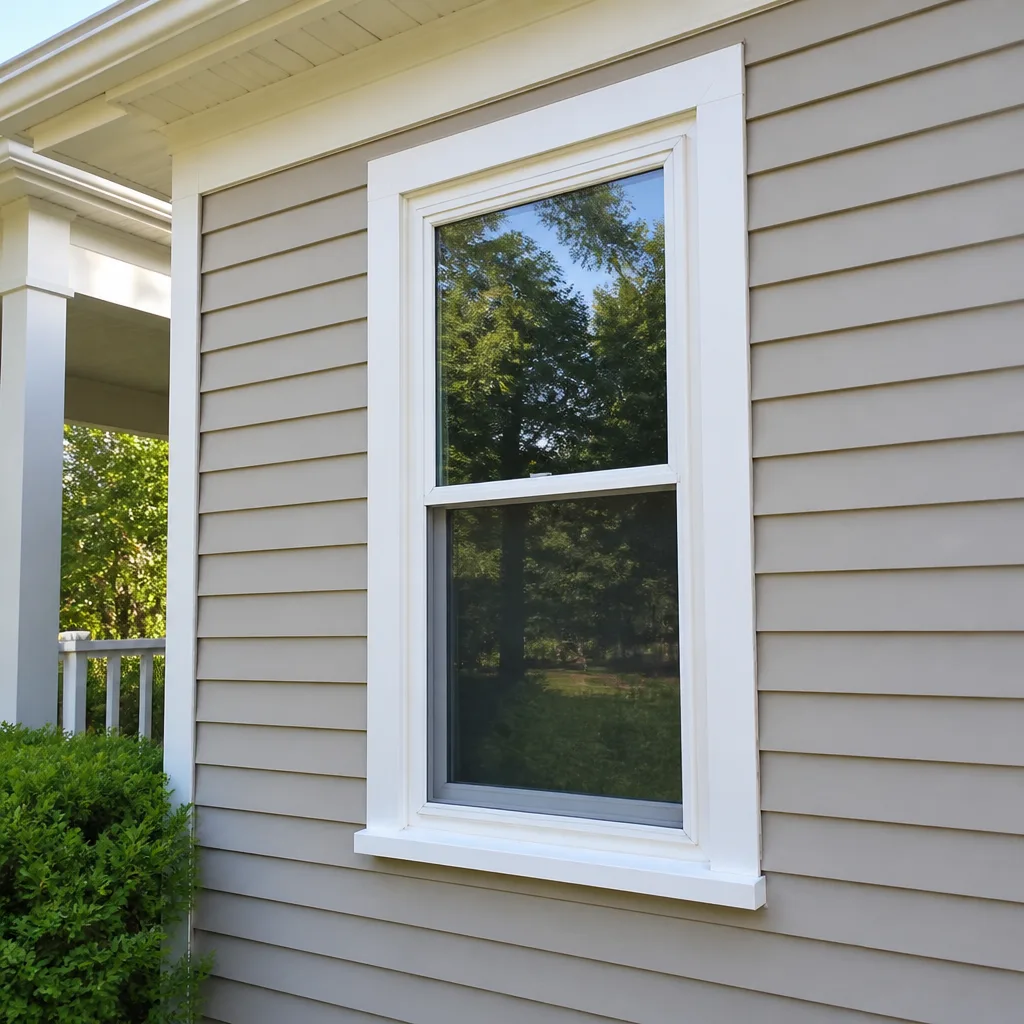
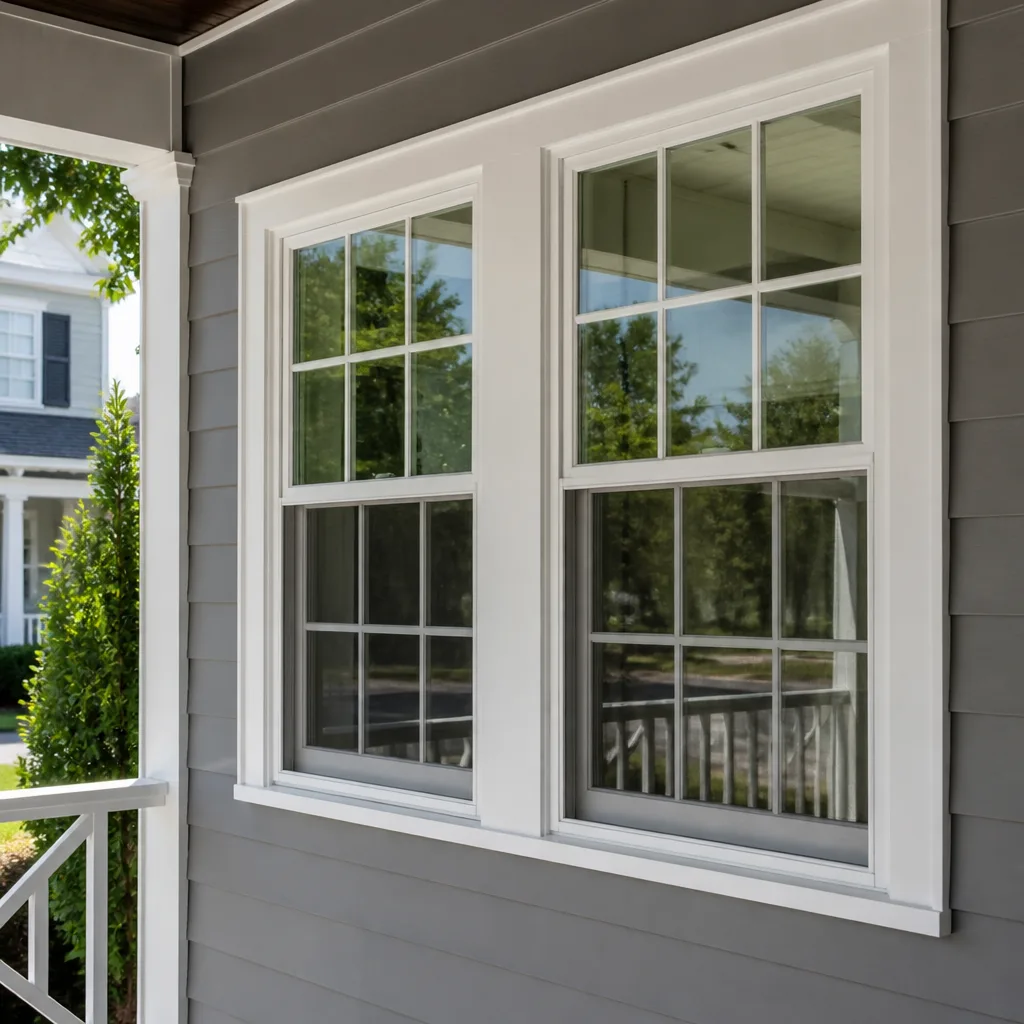
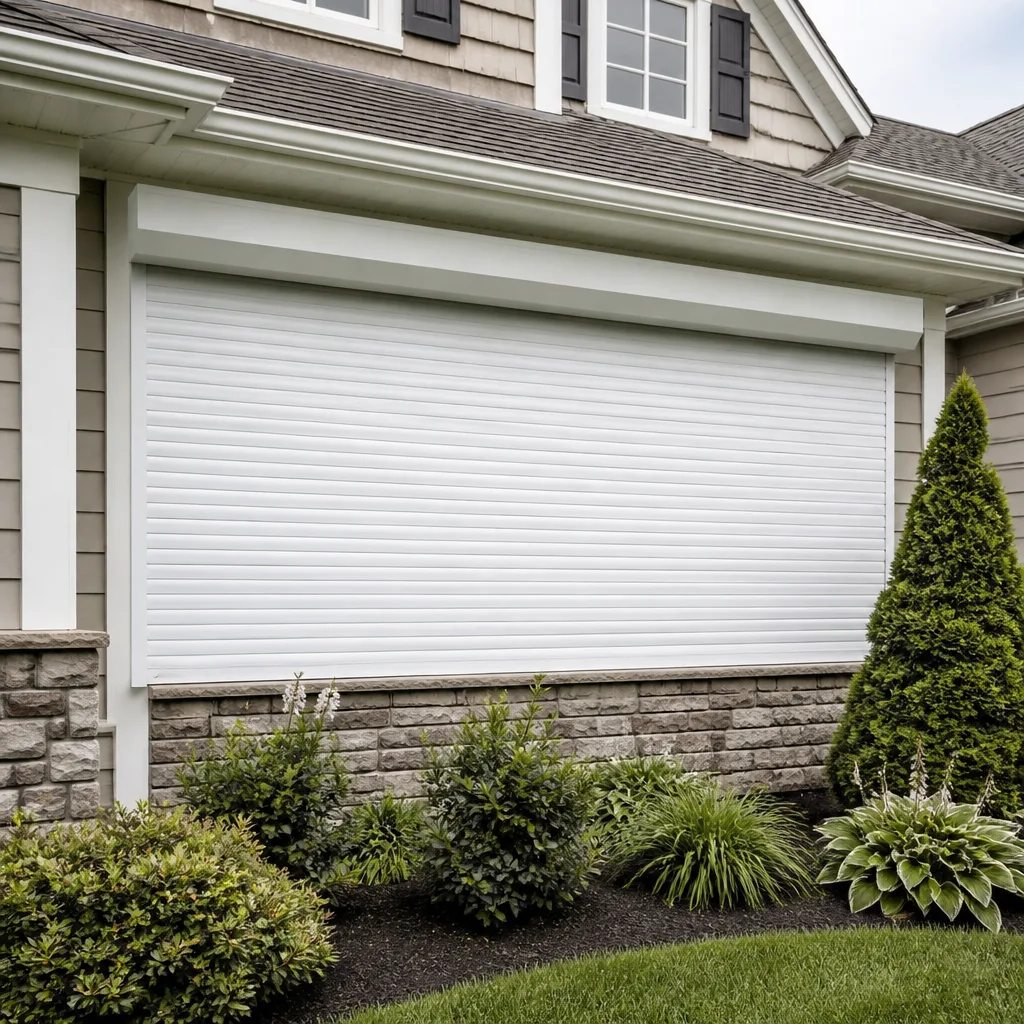
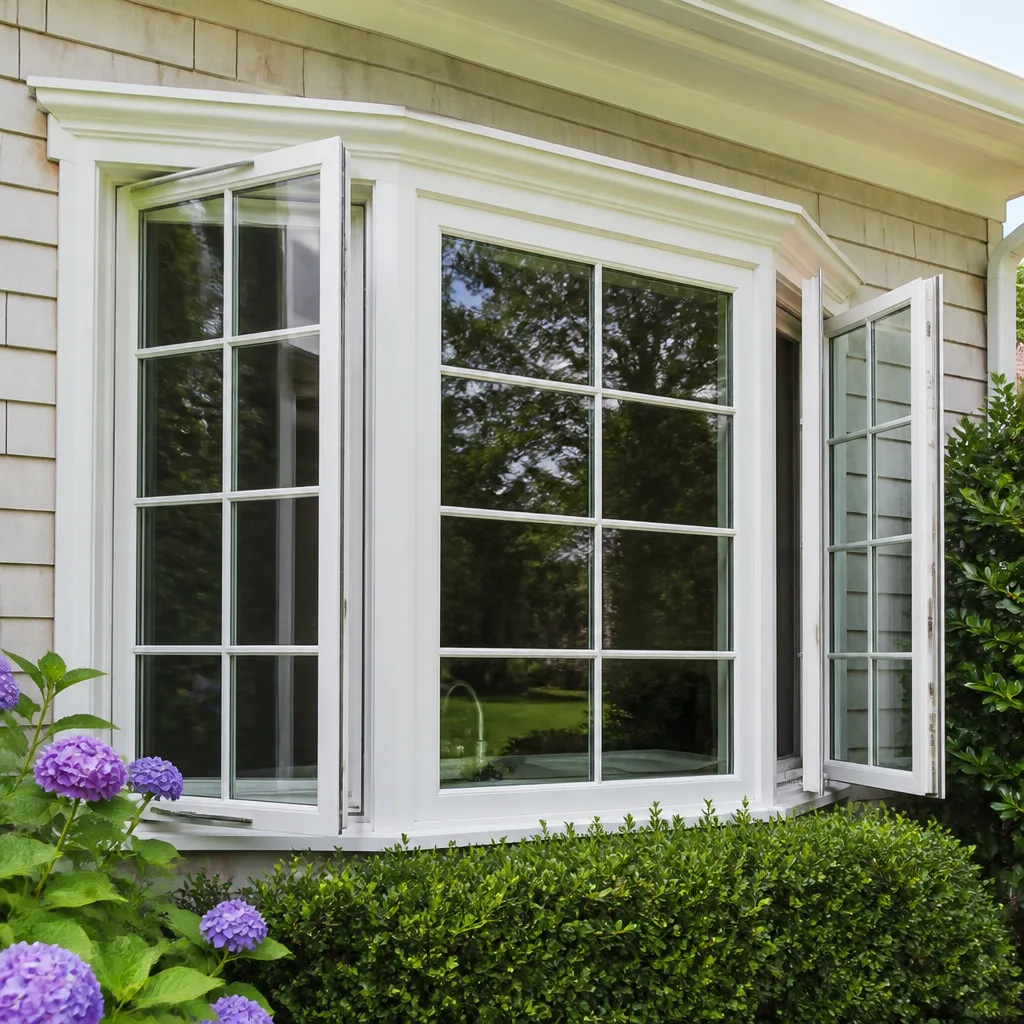
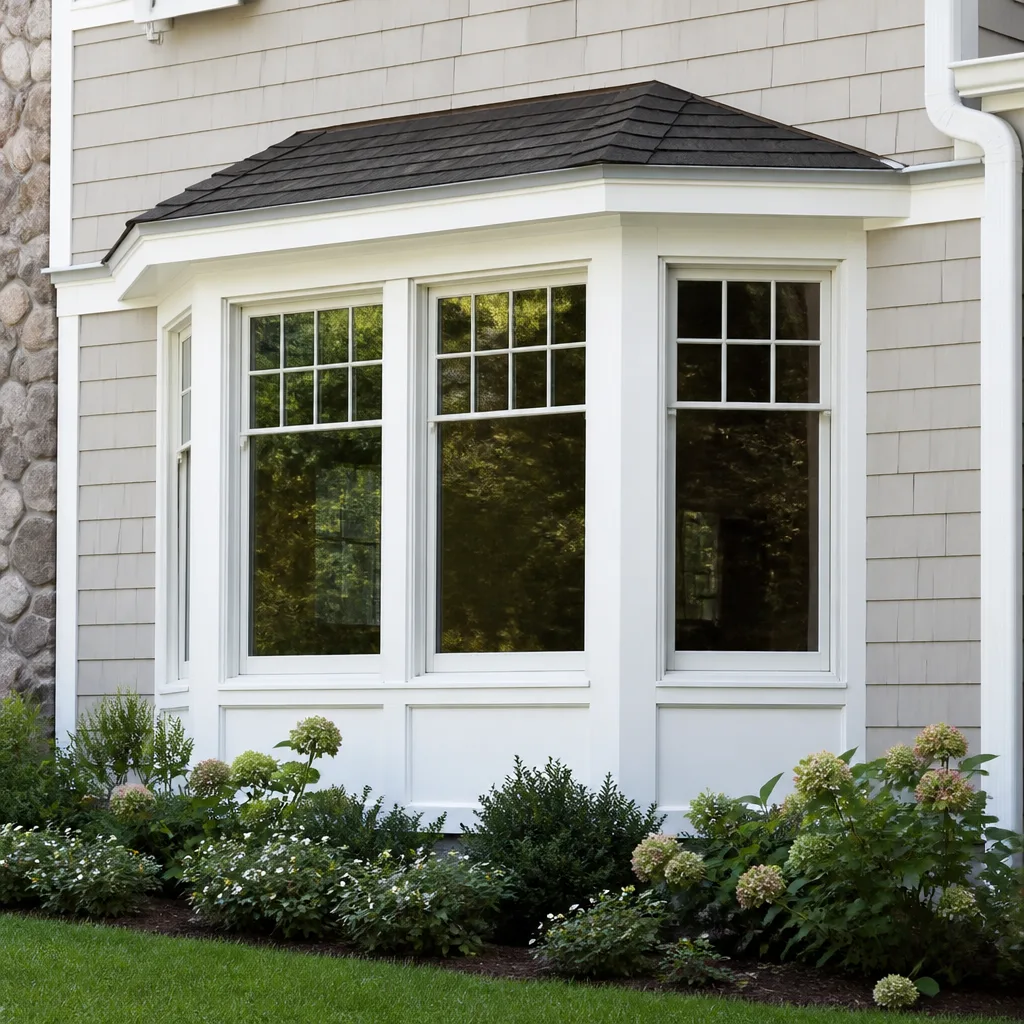
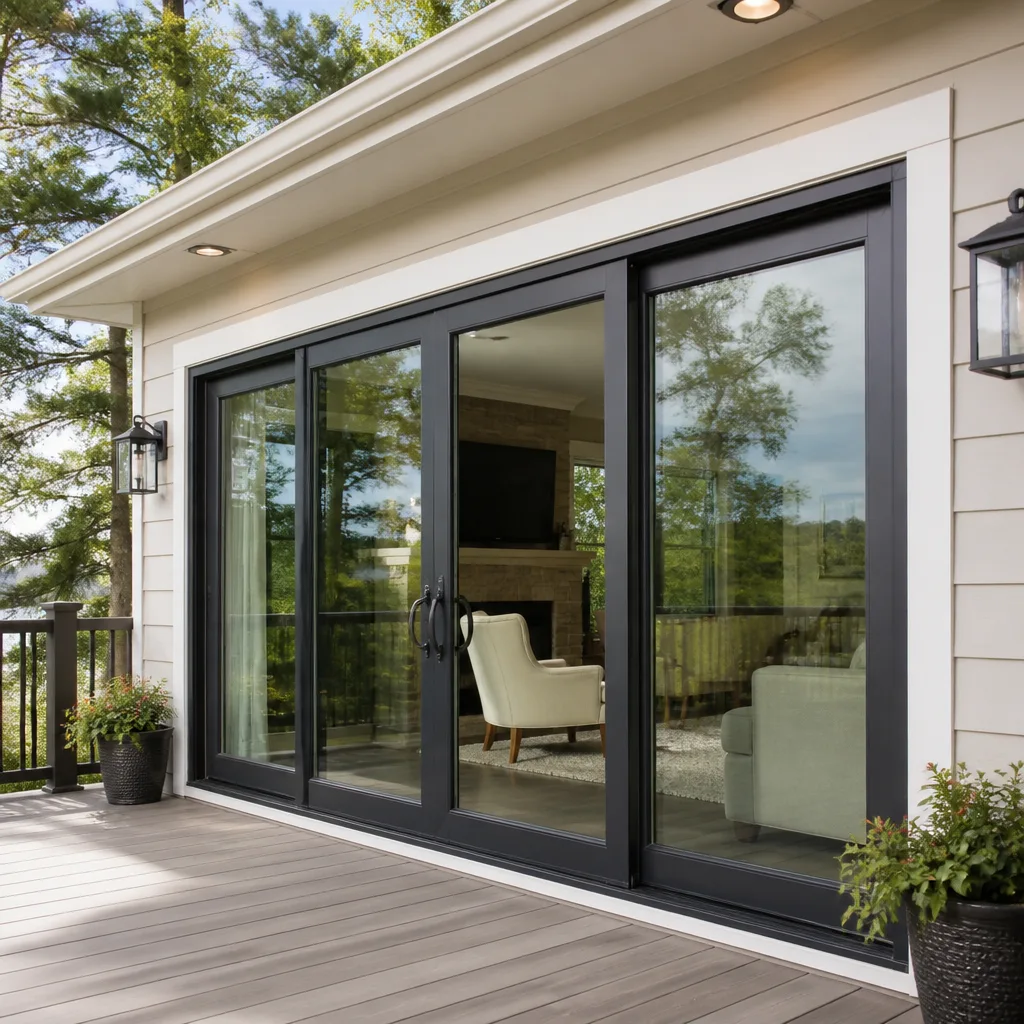
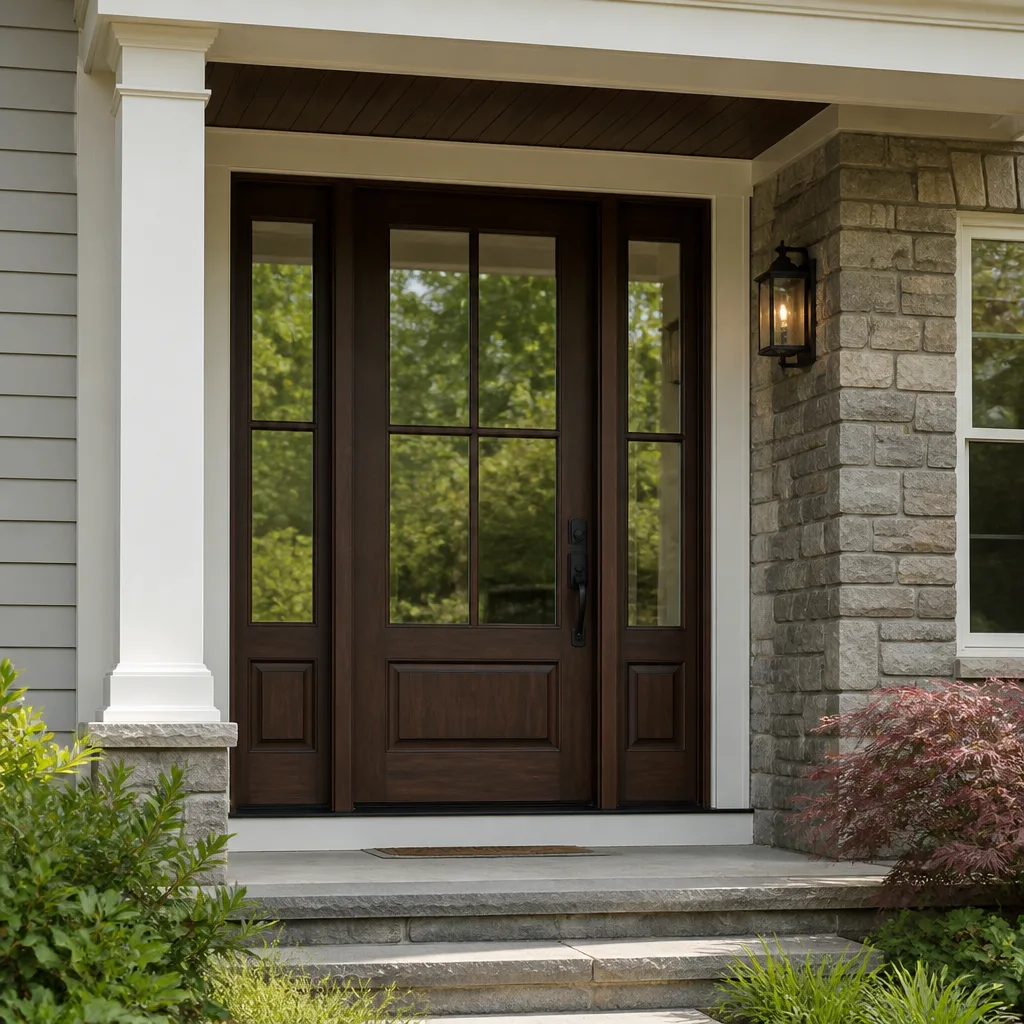
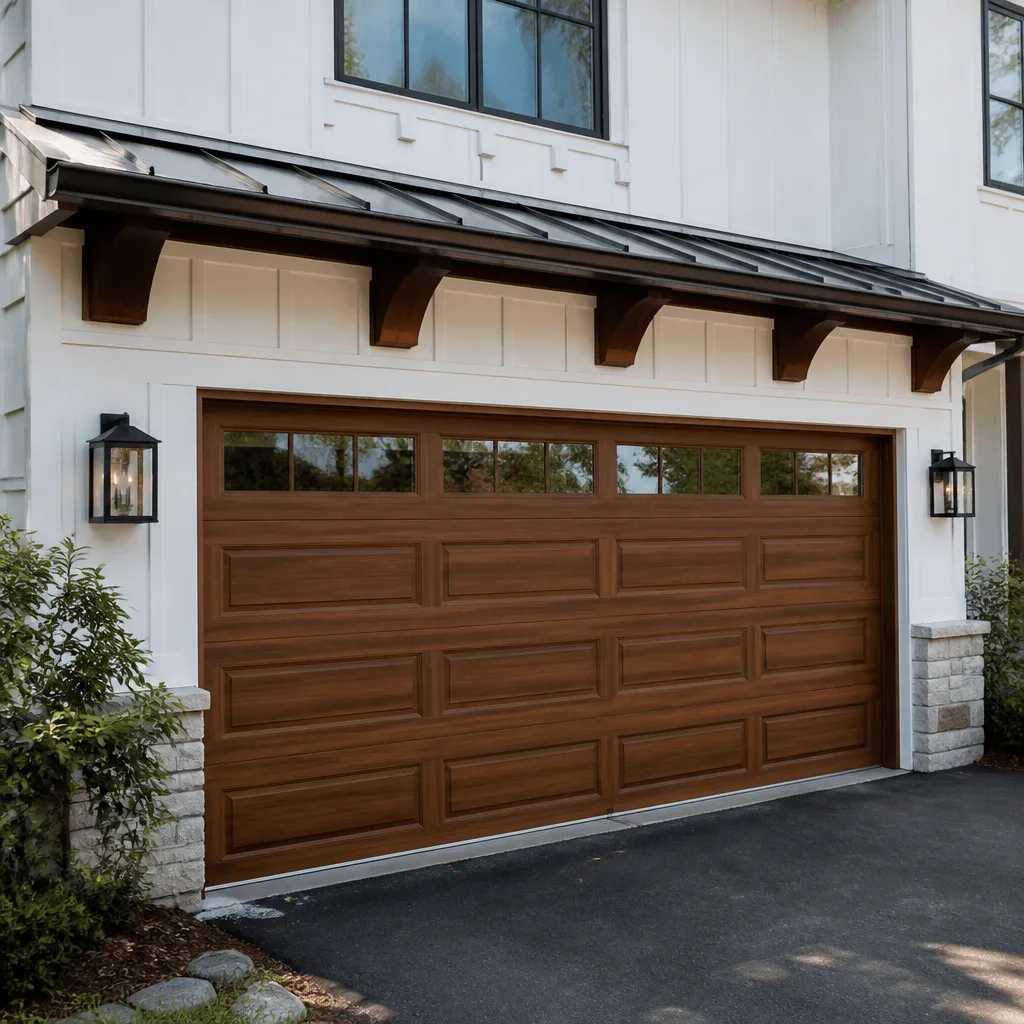
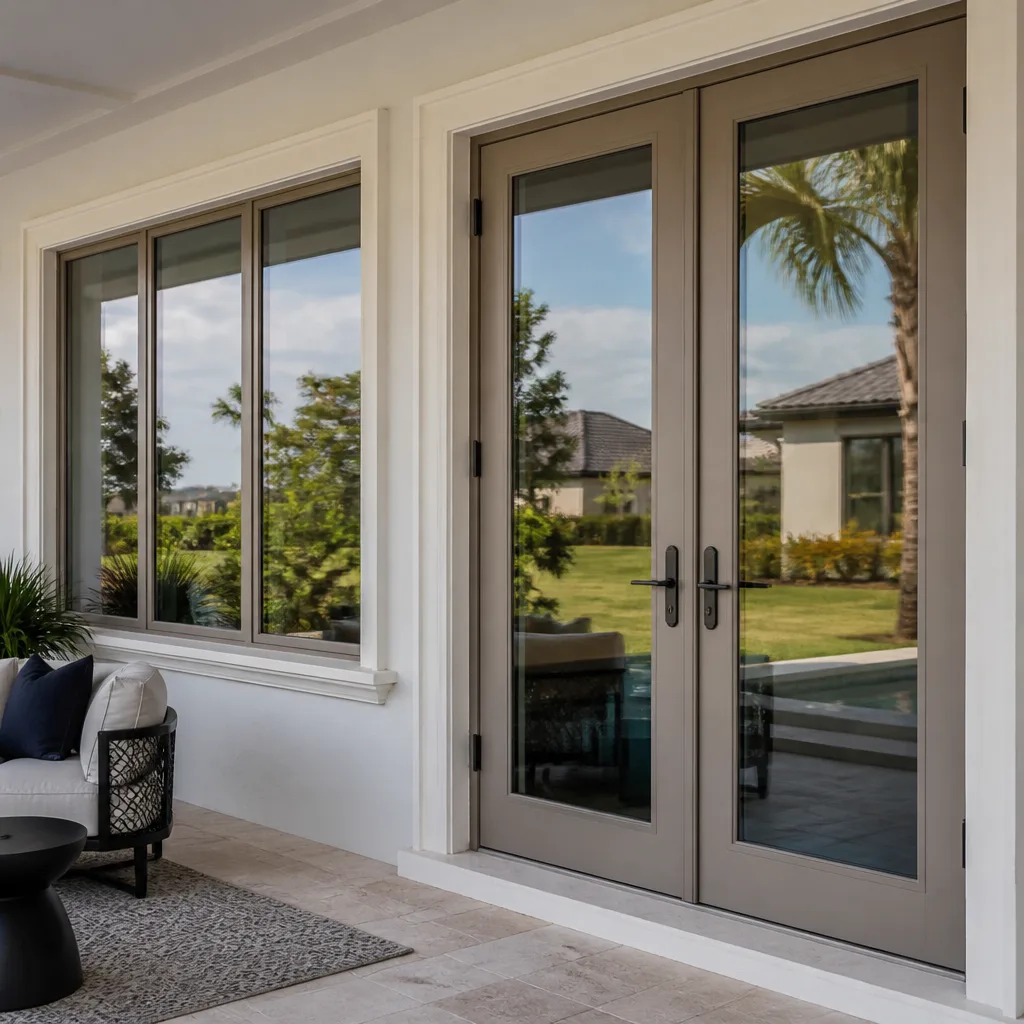
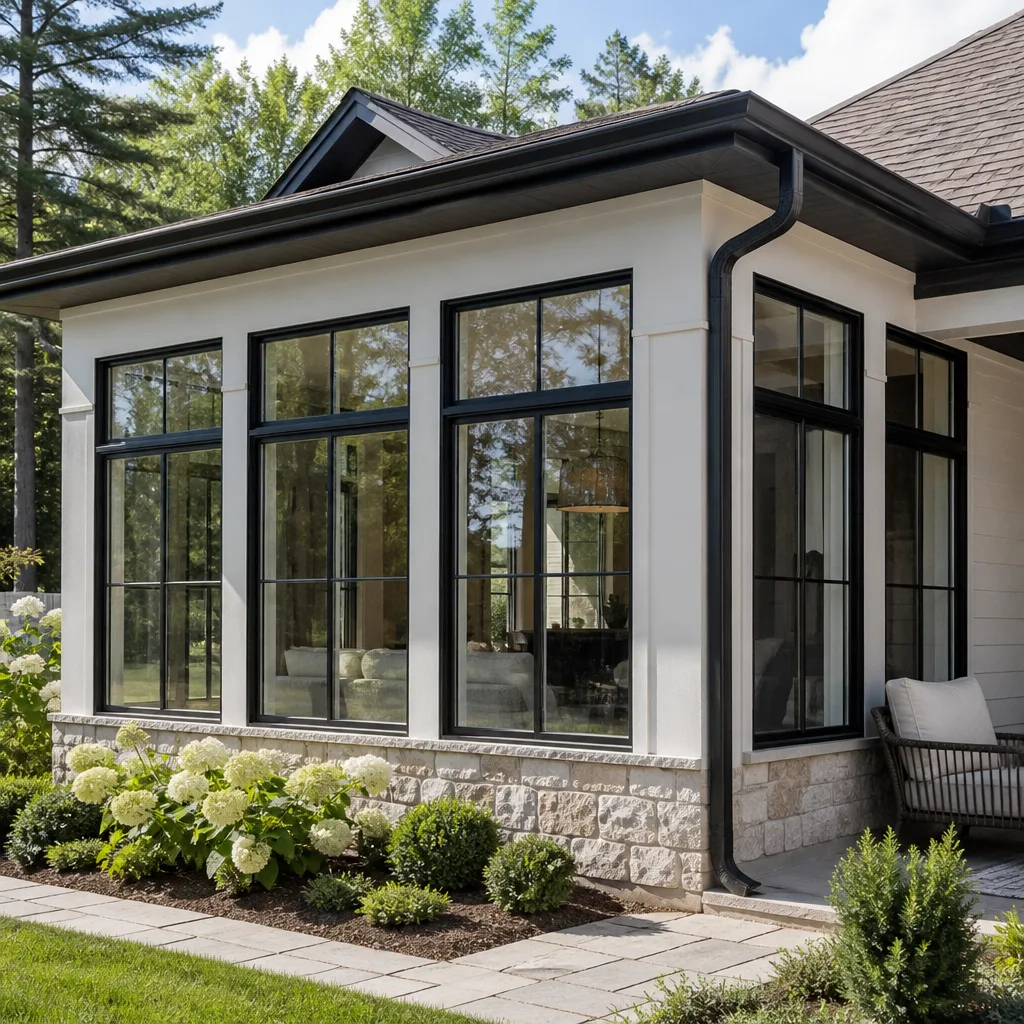
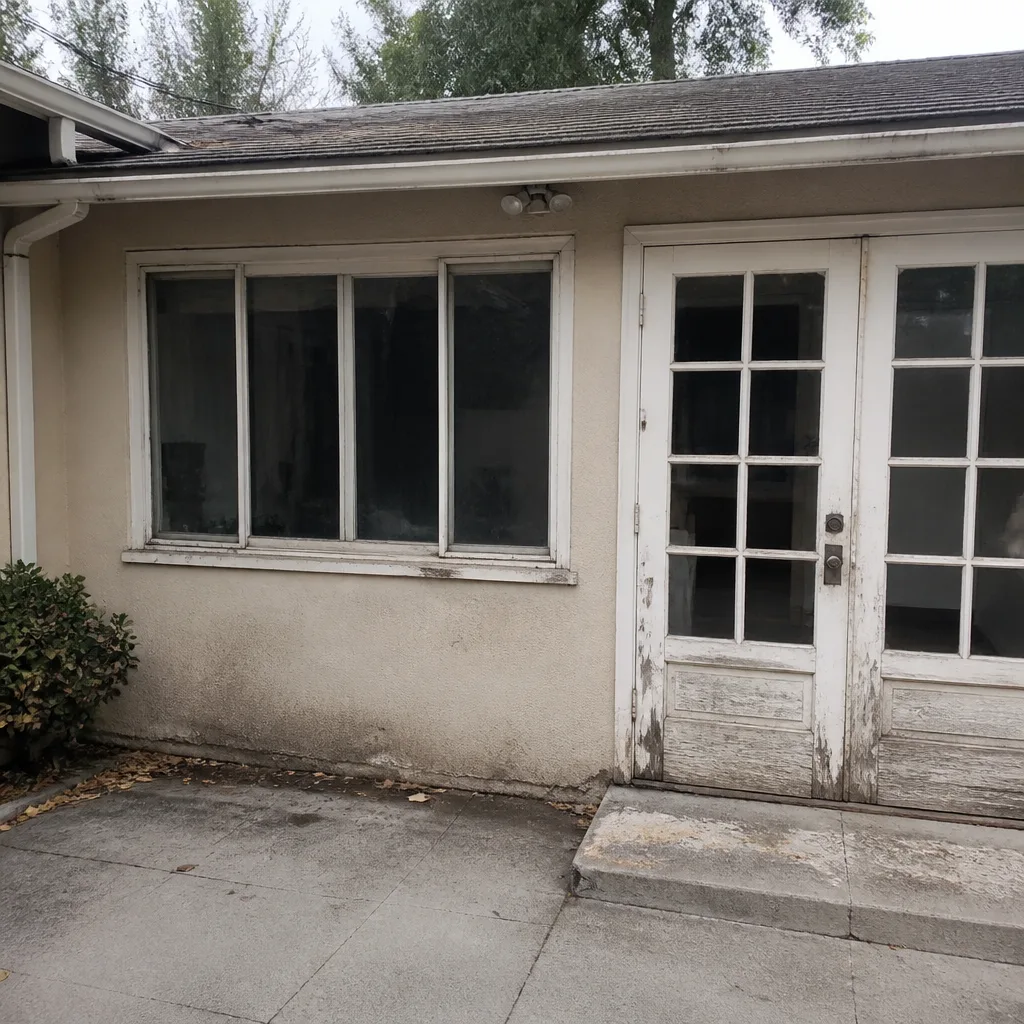 Before
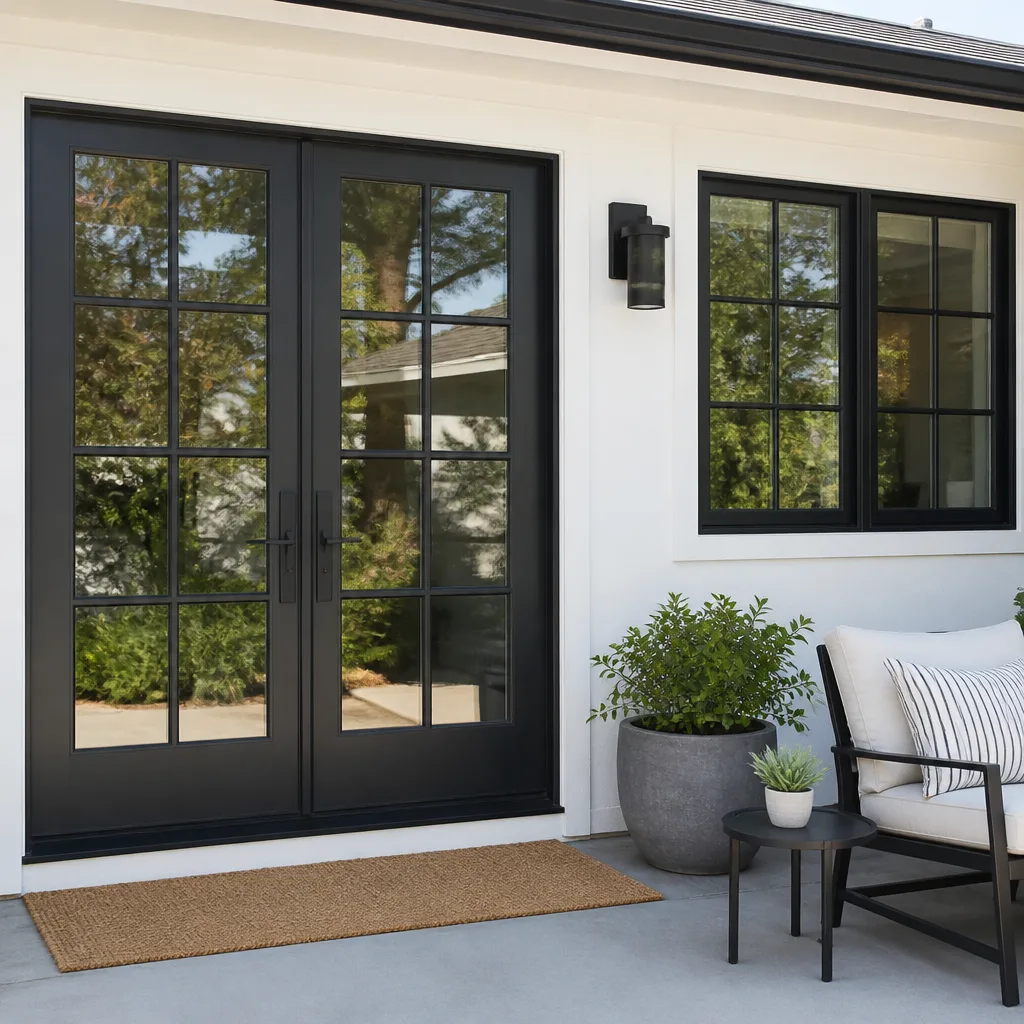 After
After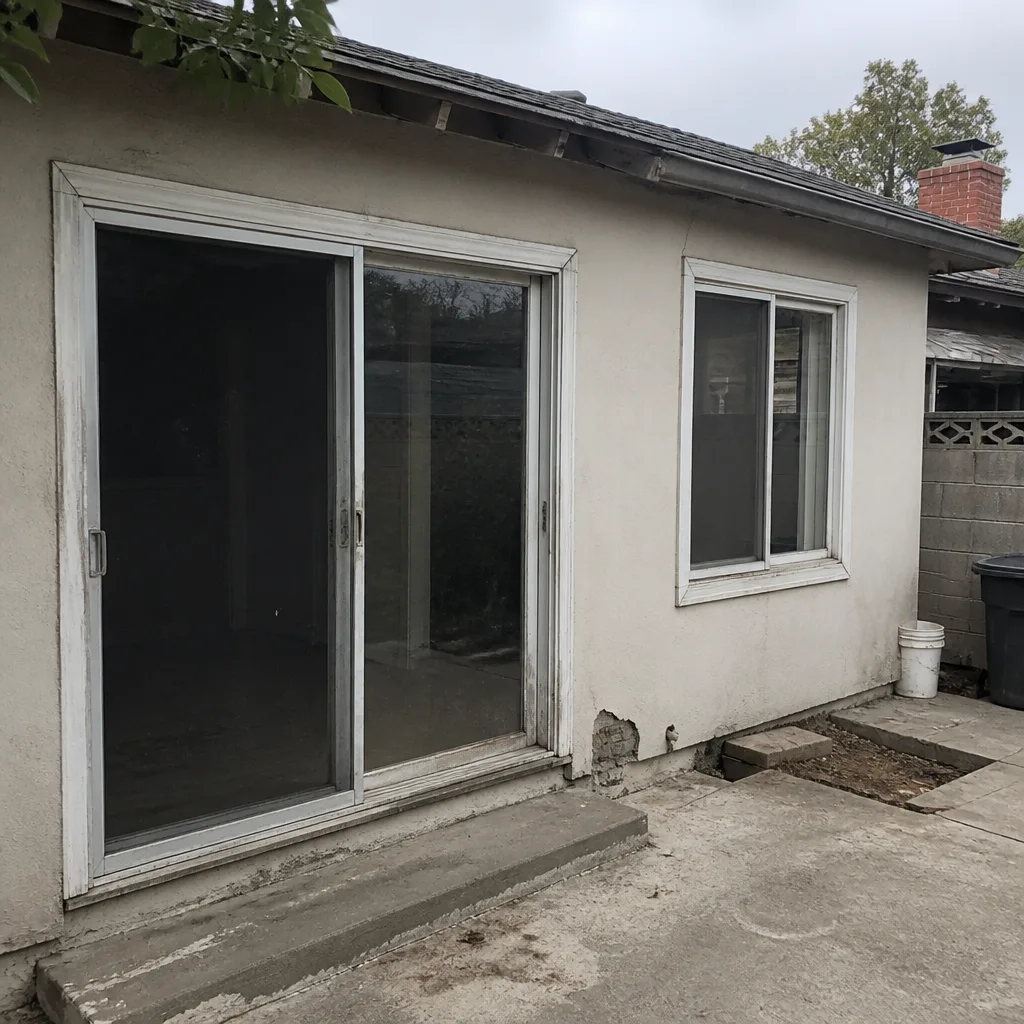 Before
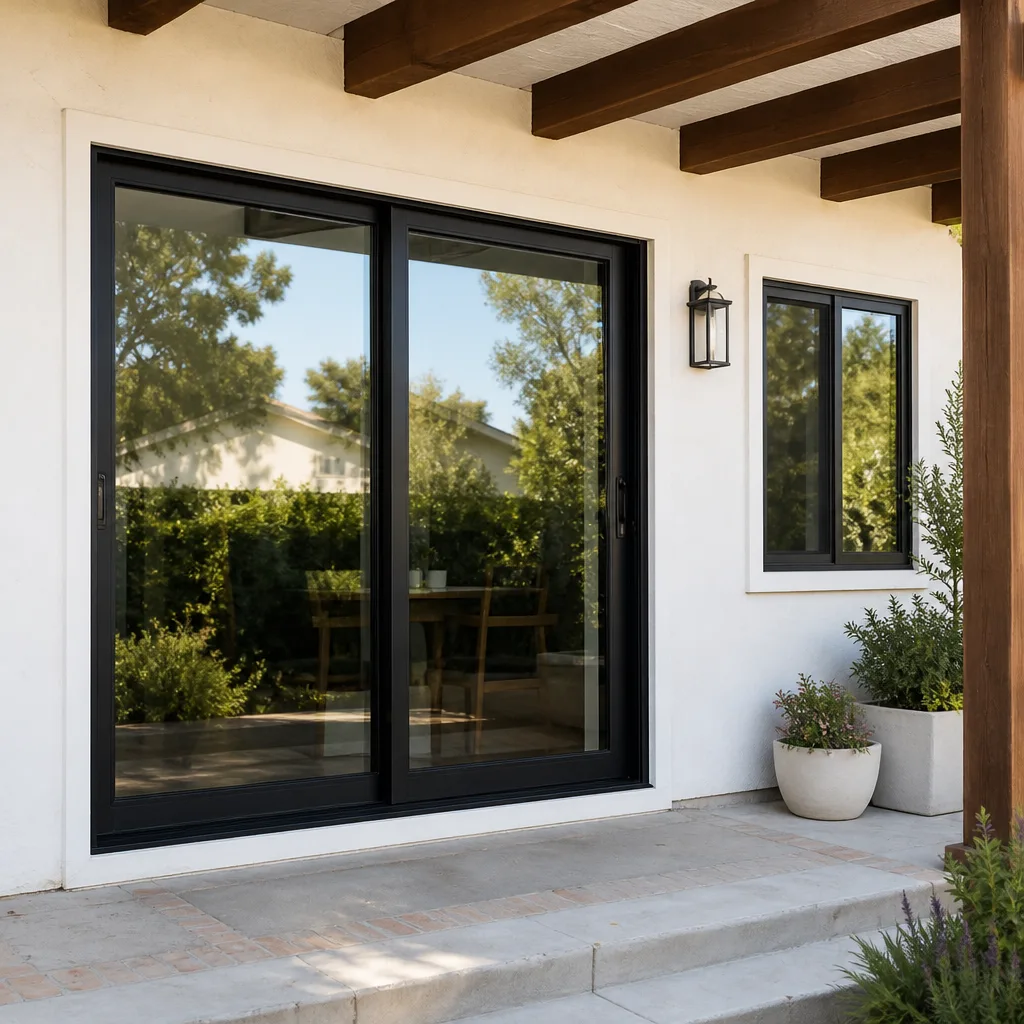 After
After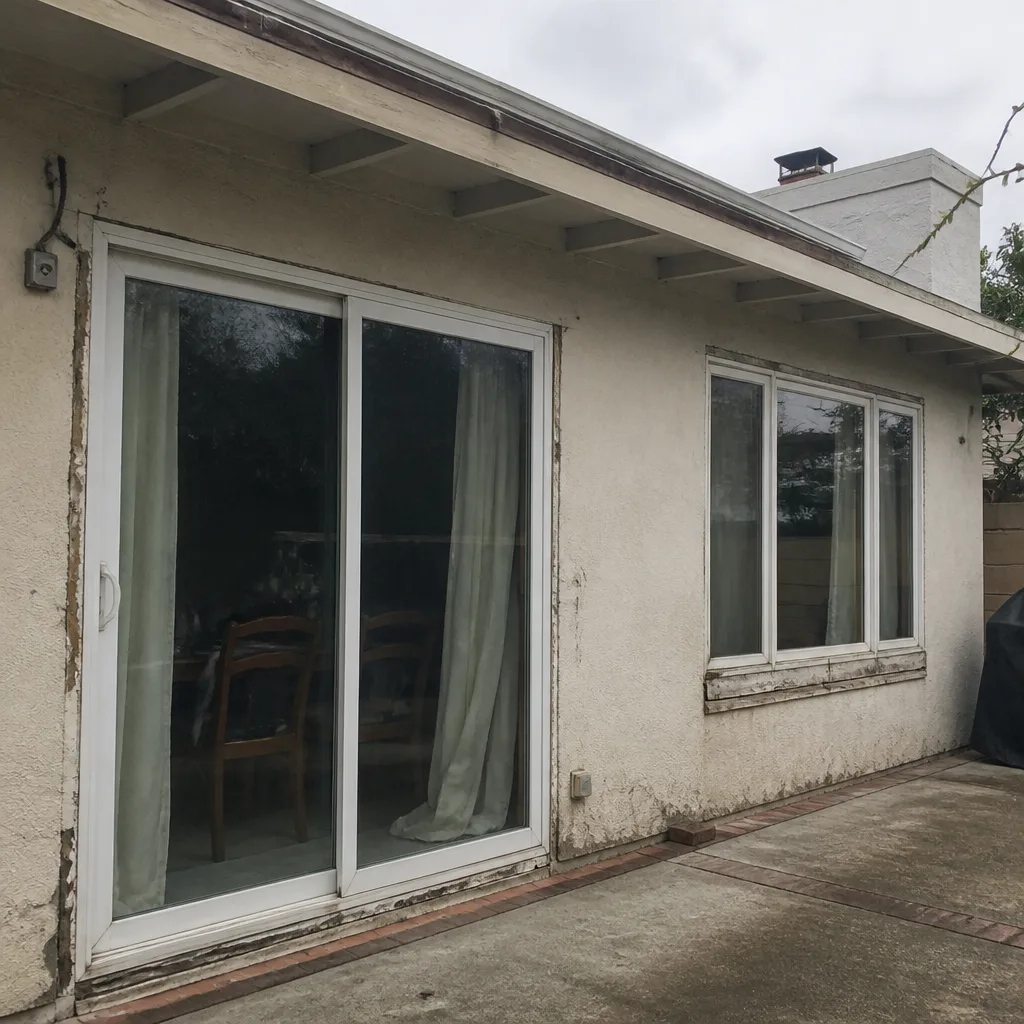 Before
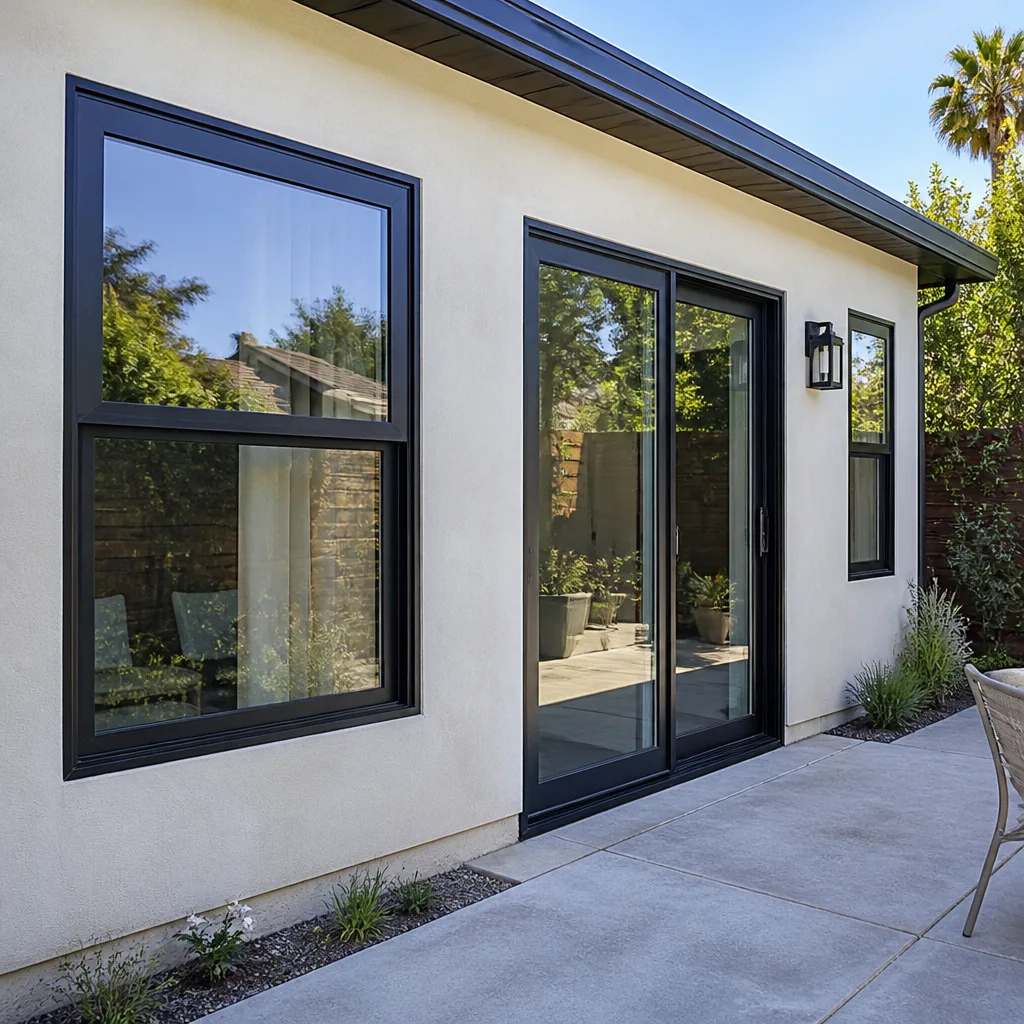 After
AfterDIY vs Professional Window Replacement: What’s Safe to Do Yourself
Here’s the counterintuitive truth most YouTube tutorials skip: pulling an existing window sash out of its frame is legal, harmless, and saves you $50 to $100 per opening in labor. But cutting into the rough opening even one inch to fit a new frame size crosses a hard line. That work requires a permit in Los Angeles County and can void your product warranty if done without a licensed contractor. This guide gives you the three-category framework we’ve developed over two decades of window work in Los Angeles: what’s genuinely safe to do yourself, what needs a licensed contractor, and what needs both a contractor and a permit. You’ll learn where your warranty actually lives and dies, and what a botched DIY install really costs when the first winter rain hits.
Quick Answer
You can safely handle sash removal, hardware swaps, weatherstripping, and surface-level maintenance on your own. You should not touch flashing, rough opening modifications, structural header work, or full-frame window replacement without a licensed contractor. In Los Angeles, any window replacement that changes the rough opening size requires a permit, and manufacturers including PGT can deny warranty claims on windows installed by unlicensed homeowners.
Table of Contents
- The Three-Category Framework: What’s Actually Safe
- California Contractor’s License Law and Window Replacement
- How DIY Installation Affects Your Product Warranty
- Structural Header Assessment: Why You Can’t Assume Anything
- Category One: The DIY-Safe Tasks, Step by Step
- Category Two: Contractor Territory, No Permit Required
- Category Three: Contractor Plus Permit
- The Real Cost Comparison: Labor Saved vs. Exposure Taken
- Common Mistakes to Avoid
- When to Call a Professional
- Frequently Asked Questions
- The Bottom Line
The Three-Category Framework: What’s Actually Safe
We divide window replacement work into three buckets. This framework exists because the line between “fine to do yourself” and “voids your warranty” is sharper than most homeowners realize. In Los Angeles, where we see everything from 1920s Spanish bungalows in Highland Park to new builds in Playa Vista, the answer shifts depending on your home’s age and your existing window type.
Category One: Green-light tasks. Removing a sash for cleaning or replacement. Swapping out hardware like locks, cranks, and lifts. Replacing weatherstripping. Adjusting a sash that sticks. These are surface-level tasks. They don’t touch the waterproofing, the structural connection between window and wall, or the manufacturer’s installation requirements. You can do these without a permit, without a license, and without worrying about your warranty.
Category Two: Contractor territory, no permit. Full-frame window replacement into an existing opening that matches the new window’s size exactly. This is real installation work. It involves flashing, shimming, sealing, and the kind of judgment that comes from doing hundreds of installs. It does not require a permit in Los Angeles as long as the rough opening dimensions don’t change. But it absolutely requires skill. Most product warranties, including PGT’s, require installation by a licensed professional to keep the warranty valid.
Category Three: Contractor plus permit. Any replacement that changes the rough opening size. Enlarging a window, adding a window where one didn’t exist, or resizing an opening to fit a new frame. This work requires a building permit in Los Angeles County and a licensed contractor to pull it. It also triggers structural review, which means someone has to assess the header above the opening and confirm it’s sized correctly for the new span.
California Contractor’s License Law and Window Replacement
California law is specific about who can legally perform window replacement work. The California Contractors State License Board (CSLB) requires a C-17 Glazing license for work specifically involving glass installation and replacement, or a B General Building license for broader residential work that includes window replacement as part of a larger project. If a homeowner hires someone without either license to perform Category Two or Category Three work, the homeowner assumes significant liability.
Here’s the exposure. When you hire an unlicensed contractor on a project valued at $500 or more in combined labor and materials, California law allows you to potentially avoid paying them entirely. That sounds like a consumer protection, but the reverse exposure is worse. If the unlicensed worker is injured on your property, your homeowner’s insurance may deny the claim because the work was performed illegally. In Los Angeles, where property values and litigation are both high, an injured worker’s claim can exceed six figures. That’s not a risk worth taking to save $500 on labor.
And the permit piece is separate from the license. Pulling the wrong permit, or skipping one, can come back when you sell the home. Los Angeles County accessors and title companies look for unpermitted work during escrow. If you’ve added windows or resized openings without a permit, you may be required to legalize the work retroactively, which means tearing open the wall to show the header anyway. The Retrofit Zone programs in Los Angeles have made inspectors more familiar with window work, and they check.
For window replacement in Los Angeles, the licensed contractor handles both the license and the permit. That’s the normal path. You’re not just buying labor. You’re buying legal coverage for the transaction.
How DIY Installation Affects Your Product Warranty
Product warranties and installation warranties are two different things, and most homeowners learn this distinction only after a leak. PGT, which makes impact-rated windows we install throughout beach-adjacent Los Angeles neighborhoods like Playa del Rey and San Pedro, writes its product warranty with installation language that matters. The specific phrasing used by PGT and other manufacturers typically requires that the window be installed “in accordance with manufacturer’s installation instructions” and “by a qualified professional.” If you installed it yourself and the glass seal fails in year three, the manufacturer can deny the claim based on installation error, even if your installation had nothing to do with the seal failure.
The burden flips to you. The manufacturer isn’t required to prove your installation caused the defect. They just have to show you didn’t meet the qualified-installer requirement. Once that’s established, the warranty is void. This applies whether it’s an ES Windows product with a premium aluminum frame, a Therma-Tru door, or a PGT impact window. The warranty is a contract, and it contains conditions.
The same pattern shows up with Mr-Glass and ECO Window Systems products. The product warranty covers manufacturing defects. The installation labor, however, is covered by the installer’s workmanship warranty. When you do it yourself, you become the installer. There is no workmanship coverage. If the window leaks because your flashing detail was wrong, that’s not a manufacturing defect. That’s an installation failure, and you’re paying to fix it yourself.
Structural Header Assessment: Why You Can’t Assume Anything
Every window opening has a header above it, a beam that carries the roof and wall load across the opening. When the original builder framed your home in, say, 1947, they sized that header for the window that went in. If the new window is wider, the header must be longer and possibly deeper. You cannot see the header without opening the wall. You cannot verify its size, its condition, or its connection details from the outside.
In Los Angeles, this matters more than in some other markets because of the seismic requirements. The City of Los Angeles Department of Building and Safety enforces structural provisions that date back to the Northridge earthquake and continue to tighten. A header that was fine for a 36-inch window cannot just be trusted for a 48-inch opening because someone on a forum said headers usually have extra capacity. When we work in hillside areas like Mount Washington or the Hollywood Hills, the structural realities get even more dramatic. Older homes in Los Angeles already carry deferred maintenance, and cutting into a load-bearing wall without understanding what’s above it is how you turn a $1,200 window replacement into a $40,000 structural repair.
The assessment itself is quick. A licensed contractor or structural engineer can usually open a small inspection hole, confirm the header size and condition, and recommend whether the rough opening can be modified safely. That’s what the permit process triggers. The inspector won’t sign off on the opening until the header is verified. This is a feature, not a bug. It’s the system working to protect your house.
Category One: The DIY-Safe Tasks, Step by Step
Here’s exactly what you can do without a license, without a permit, and without risking your warranty. These tasks are real, useful, and worth learning. They’re also the limit of what’s safe.
- Remove the sash for cleaning or replacement. Double-hung windows have two sashes, lower and upper. Press the jamb liner aside and tilt the sash out. Single-hung and casement windows differ, but the principle holds: the sash is designed to come out. If you’re replacing the sash with a direct match from the same manufacturer, the warranty stays intact.
- Replace hardware. Locks, lifts, cranks, and hinges are wear items. Swap them with matching parts from the original manufacturer when possible. If the original manufacturer is out of business, a universal replacement works in most cases. This is mechanical work, not structural work.
- Replace weatherstripping. Foam tape, V-channel, and bulb seals degrade over time. Pull the old material, clean the surface, press the new seal into place. On a double-hung window in Los Angeles, this takes about 20 minutes per window and makes an immediate difference in air leakage.
- Adjust a sticking sash. Usually the issue is dirt in the track or a misaligned roller. Clean the track thoroughly first. Then adjust the roller screws if accessible. Don’t sand or force the frame.
- Recaulk interior trim. Interior caulk is cosmetic. Cut out the old caulk, clean the surface, apply new paintable siliconized acrylic caulk. This has zero structural impact.
None of these tasks touch the flashing, the waterproofing plane, or the structural connection between window and house. That’s why they’re safe. That’s also why the savings are relatively modest: $50 to $100 per window in labor. Useful, but not life-changing.
Category Two: Contractor Territory, No Permit Required
Full-frame window replacement into an existing opening that already matches the new window’s size is real installation work. It requires a contractor’s skill set but not a permit in Los Angeles, as long as the rough opening dimensions don’t change. Here’s what the work actually includes.
The old window comes out completely, including the frame and the nailing flange. The rough opening gets inspected for rot, water damage, and squareness. The Contractor checks the sill for slope so water drains away from the house. New flashing goes in, a combination of adhesive flashing tape, metal drip cap, and sill pan. The new window gets shimmed level and square. Insulation goes around the perimeter. Exterior flashing tape seals the opening. Trim goes back on. Caulk seals the exterior junction.
This is a full day’s work for two people on a typical Los Angeles home, longer if you’re replacing multiple windows in a hillside property with tricky access. The failure points are all in the details: the flashing sequence, the sill slope, the shimming pattern, the sealant choice. Get any one of these wrong and you have a water intrusion problem that won’t show up for six months, until the first serious rain arrives and the water has been slowly wicking into the wall cavity the whole time.
The manufacturer’s warranty typically requires this work to be done by a licensed professional. Our window installation in Los Angeles follows the manufacturer’s installation manual to the letter, because the warranty depends on it. We’ve seen manufacturer reps deny claims on windows where the installation deviated, even when the defect was clearly a manufacturing issue. The installation is the warranty’s trigger, and DIY installation pulls the trigger toward denial.
Category Three: Contractor Plus Permit
Any window replacement that changes the rough opening size requires both a licensed contractor and a building permit in Los Angeles. This includes enlarging a window for more light, adding a new window to a wall, converting a small bedroom window to a larger egress window, or changing from a double-hung to a sliding glass door.
The permit does two things. First, it triggers a structural review. The Los Angeles Department of Building and Safety verifies that the header above the new opening is sized correctly for the new span. In practice, the contractor opens the wall, installs the correct header, and the inspector confirms it before the opening gets closed up. Second, the permit creates a paper trail that protects you when you sell. Work that matches the permit record is legal work. Work that doesn’t match is an escrow problem.
The egress window scenario is the one we see homeowners caught on most often in Los Angeles. You convert a fixed window in a bedroom to an operable window so the room legally qualifies as a bedroom. The window must meet specific minimum dimensions from the California Residential Code: at least 5.7 square feet of clear opening area, at least 24 inches of clear opening height, at least 20 inches of clear opening width, and a sill height no more than 44 inches from the floor. If you get any of these wrong, you don’t just fail inspection. You’ve invested thousands in a window that doesn’t legalize the bedroom. That’s the kind of outcome a licensed contractor prevents; they know the code from experience.
Windows and doors in this category are also where product selection matters most. An impact-rated window from PGT or ECO Window Systems, properly installed and permitted, adds resale value in Los Angeles coastal zones where wind-borne debris is a design consideration. An unpermitted installation of the same window adds risk. The housing market in Los Angeles is too competitive to carry that kind of baggage into escrow.
The Real Cost Comparison: Labor Saved vs. Exposure Taken
The appeal of DIY window replacement is obvious. A full-frame window install in Los Angeles typically runs $600 to $1,200 per window in labor, and if you’re replacing ten windows, the DIY savings look like $6,000 to $12,000. That’s real money. But the honest cost comparison includes what you’re not seeing.
Start with the warranty. A replacement window from a quality manufacturer carries a 10-year to lifetime warranty on the glass and frame. That warranty is only as good as the installation. DIY installation voids it or creates an deny-able gray area. The cost of a single failed insulated glass unit, the kind that fogs up between the panes, runs $150 to $400 per sash, plus labor. On a ten-window project, one or two seal failures over the life of the windows eats the entire labor savings.
Add the insurance exposure. If a helper gets injured working on your DIY window project, your homeowner’s insurance may not cover the medical costs because the work was unpermitted and unlicensed. An emergency room visit in Los Angeles runs $2,000 to $5,000 on the low end. A ligament tear requiring surgery runs $30,000 to $80,000. The medical system doesn’t care that you were trying to save money.
Add the rework cost. A window that leaks because the flashing was installed wrong may not show the leak for months. Water wicking into the wall cavity rots the framing, breeding mold, which is a serious health and remediation issue. Mold remediation in Los Angeles typically runs $1,500 to $6,000 per room. If the rot requires opening and replacing sheathing, the bill climbs higher. The original labor savings disappear immediately.
Now add the permit liability. Unpermitted work discovered during escrow can delay a sale, force a price concession, or kill a deal entirely. In the Los Angeles market, where median home prices run well into seven figures, a $10,000 price concession over unpermitted windows is common. The labor savings never make it to the closing table.
When you account for the warranty exposure, the insurance gap, and the rework risk, DIY full-frame replacement isn’t saving money in most cases. It’s shifting risk from the contractor to the homeowner, and the homeowner is the party least able to absorb it.
Common Mistakes to Avoid
- Skipping the permit on a rough opening modification. In Los Angeles, the building department can flag unpermitted work during a resale inspection, and the fix usually costs more than the permit would have. The permit is cheap relative to the exposure.
- Using spray foam around a window frame indiscriminately. Low-expansion foam is the correct product. High-expansion foam can bow the frame, bind the sash, and make the window inoperable. It’s a $5 mistake that ruins a $600 window.
- Assuming all flashing tape is the same. Butyl flashing tape and asphalt window tape behave differently in Los Angeles summer heat. Use the product the window manufacturer specifies. Substituting a cheaper tape is a false economy.
- Removing the sash on an old wood window and forcing a universal replacement which does not fit the track system. The result is a window that operates roughly, leaks air, and eventually fails. Direct-match replacement sashes beat universal fits every time.
- Believing that “no permit required” means “no skill required.” Category Two work is legal without a permit in Los Angeles, but it’s still professional installation work. The flashing, shimming, and sealing decisions are where leaks are born.
- Ignoring the sill slope. The sill must pitch downward toward the exterior. A flat or inward-pitched sill collects water and directs it into the wall. This is a three-degree correction that changes everything in the rainy season.
- Treating impact-rated windows as optional in Los Angeles coastal zones. Once you’re in a wind-borne debris zone, PGT and similarly rated windows and doors are frequently a code requirement. Installing a non-impact window there creates a compliance problem from day one.
- Relying on YouTube for older Los Angeles homes. A 1920s bungalow in Silver Lake has framing practices, plaster walls, and lead-paint considerations that a 2010 tract home video never addresses. Your house is not the same as the one in the video.
When to Call a Professional
Call a licensed contractor when the work involves removing the existing window frame, modifying the rough opening, touching the flashing or waterproofing plane, or when the window is in a hard-to-reach location like a second-story wall. In Los Angeles, our team at Juniper Windows & Doors, part of the Juniper Windows & Doors home family, provides free estimates and written prices before any work starts. We’re a windows-and-doors specialist, not a general remodeler, and the scope stays focused. Every job we quote for door replacement in Los Angeles or window work comes with a written price and the 365-Day Done Right Promise covering parts and labor in writing. Call (682) 281-2168 to get a ballpark price and an honest read on whether your project is DIY-safe or contractor territory.
Frequently Asked Questions
You can replace a window sash, swap hardware, or replace weatherstripping without a permit in Los Angeles. Full-frame window replacement is legal without a permit only if the rough opening dimensions don’t change. Any work that alters the rough opening size requires a permit from the Los Angeles Department of Building and Safety.
The most common DIY window mistake in Los Angeles is cutting into the rough opening to fit a new frame size without verifying the header above the opening. A header sized for the original window may not safely carry the load across a wider opening, especially in older Los Angeles homes with decades of settling. A licensed contractor can assess the header before any cutting happens.
Manufacturers including PGT and Therma-Tru generally require installation by a licensed professional to keep the product warranty valid. If you install the window yourself and the glass seal fails later, the manufacturer can deny the claim based on installation error, even if the defect was in the glass itself. The installation requirement is a warranty condition.
You can save roughly $50 to $100 per window by doing sash removals, hardware swaps, and weatherstripping yourself, as outlined in our Door Replacement Maintenance Schedule: What to Do and When. Full-frame DIY installation can look like $600 to $1,200 per window in labor savings, but warranty exposure, insurance gaps, and rework costs typically erase those savings when something fails. Call (682) 281-2168 for a written quote before you decide.
Category Two is full-frame replacement into an existing opening that already matches the new window’s dimensions; no permit required in Los Angeles but a licensed contractor is still required for warranty validity. Category Three is any work that changes the rough opening size; this requires both a licensed contractor and a building permit. The distinction matters for legality and for resale.
A licensed contractor pulls the permit for window replacement work in Los Angeles. Homeowners can technically pull permits for their own work, but the structural review and inspection process is designed around the contractor’s scope and schedule. In practice, using a licensed contractor keeps the process moving and the liability where it belongs.
Impact-rated windows from PGT, ECO Window Systems, and similar manufacturers add resale value in Los Angeles coastal zones where wind-borne debris governs the code. Properly permitted and installed impact windows meet current building standards and can reduce insurance premiums. An unpermitted installation of the same window carries permitting and structural risk that undercuts the value.
The Bottom Line
The DIY-versus-professional question isn’t a clean split. Sash removal, hardware swaps, and weatherstripping are genuinely safe, simple, and worth doing yourself in Los Angeles. Full-frame replacement and anything involving flashing, headers, or rough opening changes belongs in the hands of a licensed contractor, and the permit must follow the work whenever the opening changes. The warranty, the liability, and the long-term value of your home all hang on that line. If you’re replacing windows in Los Angeles and want a written price before any work starts, call Juniper Windows & Doors at (682) 281-2168. We’ll tell you straight whether your project is DIY-safe or contractor territory, and the estimate is free either way.
Written by Sean Mackey, Owner at Juniper Windows & Doors, serving Los Angeles since 2001.