
Last updated October 9, 2026
Free in-home measure and quote - PGT, CGI and CWS impact lines compared on your actual openings, style by style

 Before
 After
After Before
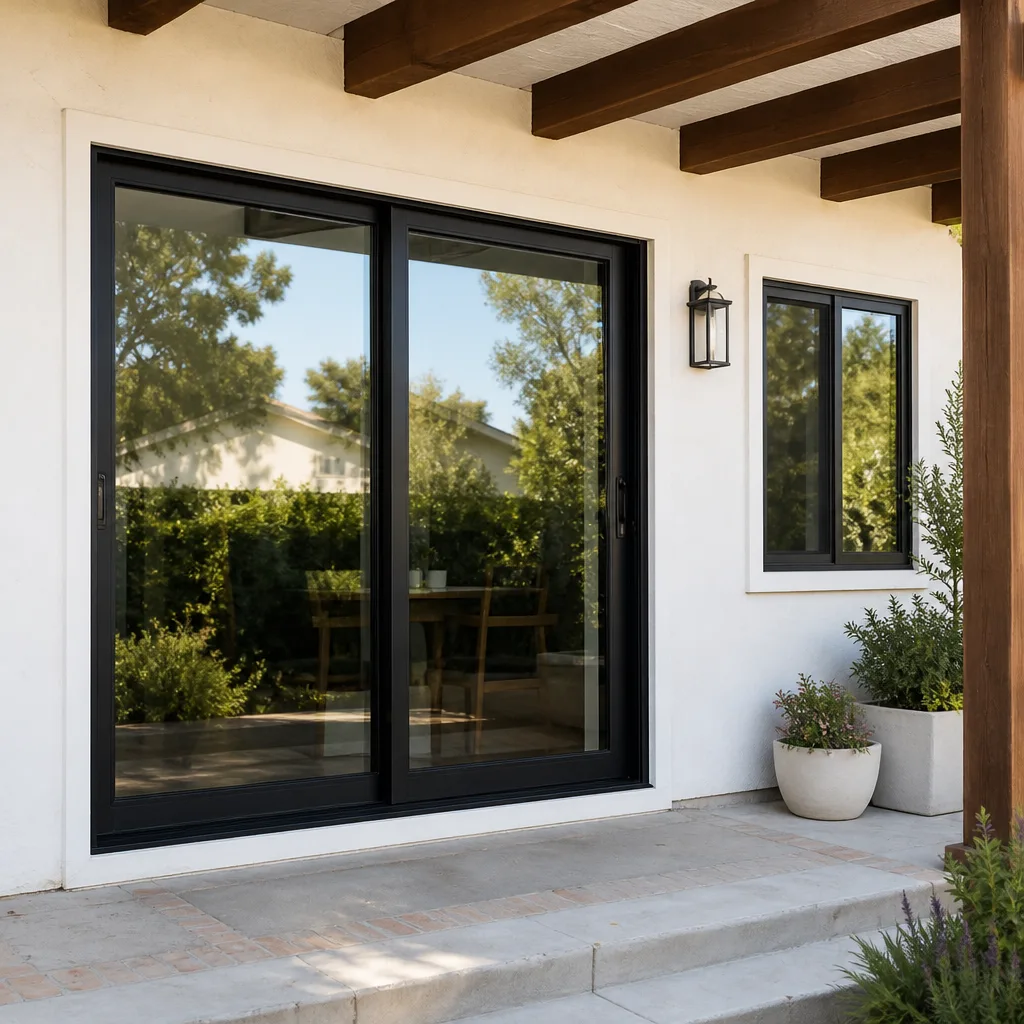 After
After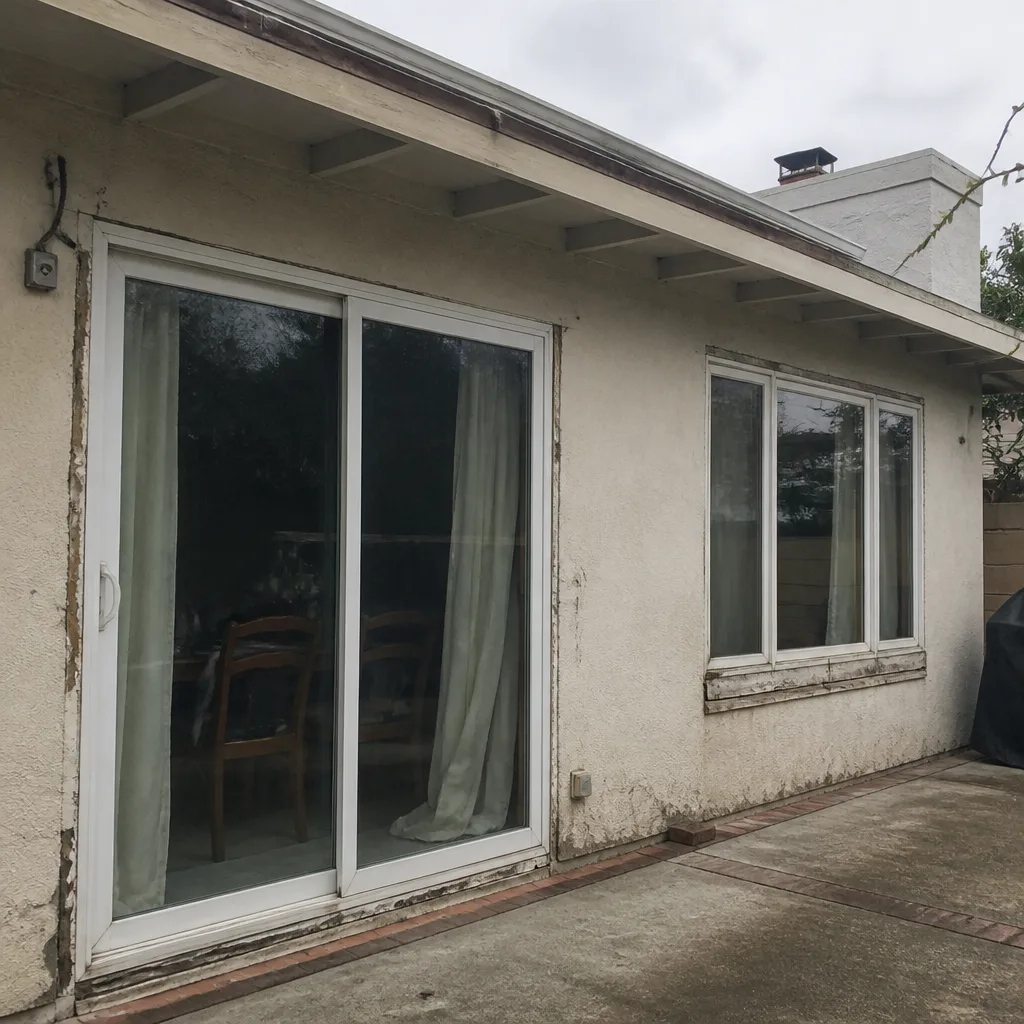 Before
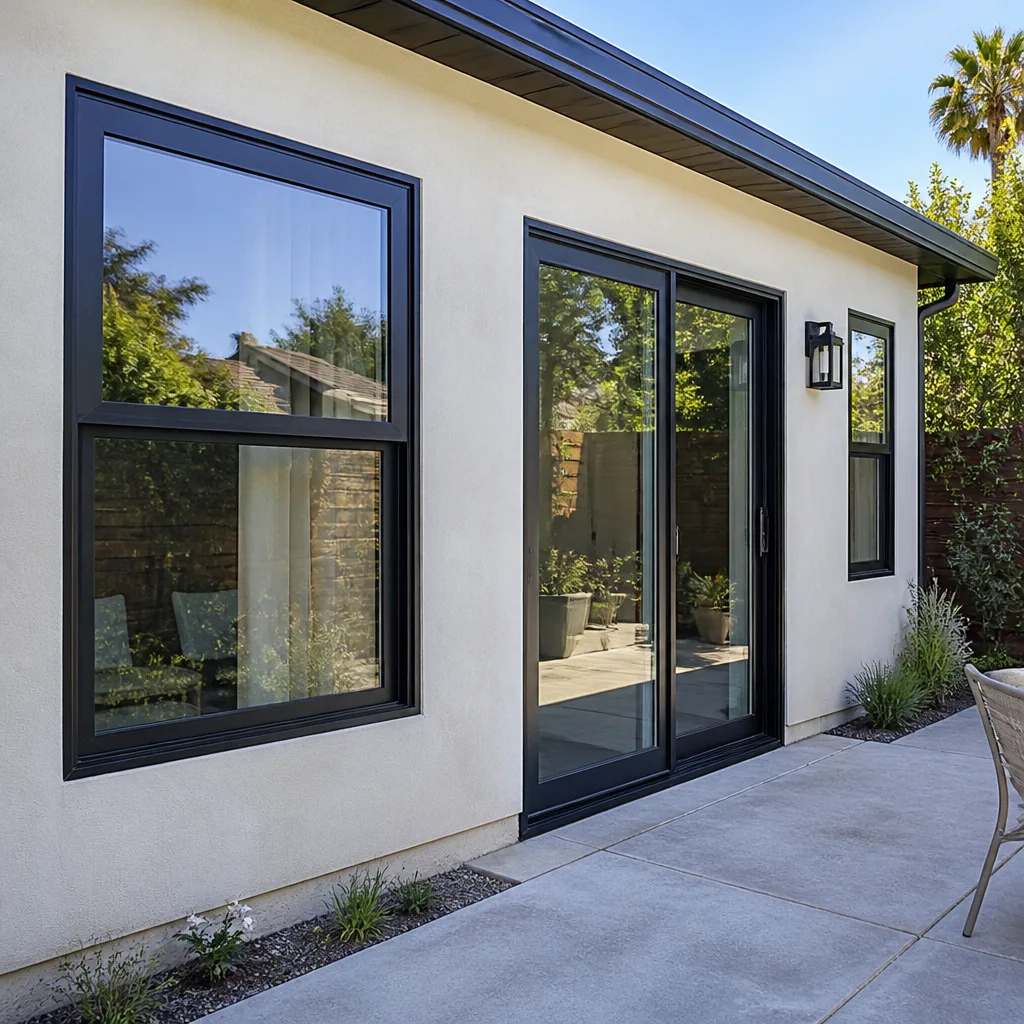 After
AfterDoor Replacement Maintenance Schedule: What to Do and When
Therma-Tru’s warranty documentation mentions a “periodic finish inspection” but never defines *periodic*. That single word has cost Los Angeles homeowners thousands in denied claims and avoidable repairs. We define it here: month 1, month 6, year 1, then annually, because the UV degradation curve on an unshaded south-facing door in Los Angeles is steepest in years one and two. By the end of this guide, you’ll have a working maintenance calendar for your new door, know which checks protect your warranty, and understand exactly when a $15 tube of sealant beats a $900 frame repair. For related help, see our Door Replacement Troubleshooting: Common Problems and How to Fix Them.
Quick Answer
A new entry door needs seven maintenance touchpoints in its first five years: a month-1 hardware and seal check, a 6-month finish inspection, a 12-month torque and lubrication pass, then annual inspections with a 3-year re-caulk. Skipping the 12-month hardware torque check is the most common way a $3,000 door develops a $900 problem. Log each check with photos and dates, because warranty claims live or die on written proof of “periodic inspection.”
Table of Contents
- Month 1: The Punch List After Your Door Settles
- Month 6: The Finish Inspection Los Angeles Sun Demands
- Year 1: The Torque Check That Saves a $900 Repair
- Annual Maintenance: Lubrication, Sweeps, and Hardware Health
- Year 3: The Re-Caulk Trigger and Water Intrusion Defense
- How to Log Maintenance So Your Warranty Claim Survives
- Common Mistakes to Avoid
- When to Call a Professional
Month 1: The Punch List After Your Door Settles
A newly installed door shifts. The frame settles, the hinges bed into the jamb, and the weatherstripping compresses as it learns the door’s exact closed position. This is normal, which is why the first maintenance window lands at the one-month mark, not day one. The month-1 check has three parts: hinge screw torque, weatherstripping compression, and threshold adjustment.
- Hinge screw torque. Screws back out a quarter turn or more during the first month of use. A door that drags at the top corner or needs a shoulder to latch is usually not warped, it’s hinge-sag. A #3 Phillips driver and five minutes fixes it. Snug every screw in the top and middle hinges; the bottom hinge rarely moves but check it anyway.
- Weatherstripping compression test. Close the door on a dollar bill at the top, middle, and bottom of the latch-side jamb. You should feel resistance when you pull the bill out. No resistance means the seal is not compressing, which is drafts and road noise. Too much resistance means the strip is crushed, which will tear within a year. Adjust the strike plate in or out to correct either condition.
- Threshold adjustment. Most modern thresholds have adjustable caps with screws underneath the top insert. If daylight shows under the door sweep, raise the threshold cap in quarter-turn increments until the sweep just kisses it. In Los Angeles, where rain comes in short but violent bursts, a gap of even 1/8 inch channels water straight at your subfloor during a storm.
We’ve seen doors in neighborhoods like Sherman Oaks and Culver City come through their first month needing nothing, and doors in exposed hillside areas like Mount Washington needing all three adjustments. The point is you check, not assume. These are five-minute jobs that cost nothing and prevent the slow damage that turns a new door into a whistling draft source by year two. If any of this feels like more than you want to handle, a Door Replacement in Los Angeles specialist can do the punch list during a routine visit.
Month 6: The Finish Inspection Los Angeles Sun Demands
At month six, you’re checking the door’s finish for the earliest signs of UV damage. Los Angeles sun is not the same as coastal Oregon sun. It’s unrelenting, it’s high-index, and it hits south-facing and west-facing doors with a full dose of infrared and UV radiation for six to eight hours a day, six months a year. Fiberglass doors, including Therma-Tru models, are finished with a UV-stable coating, but the coating is a sacrificial layer. It erodes. The six-month check tells you whether it’s eroding on schedule or eroding early.
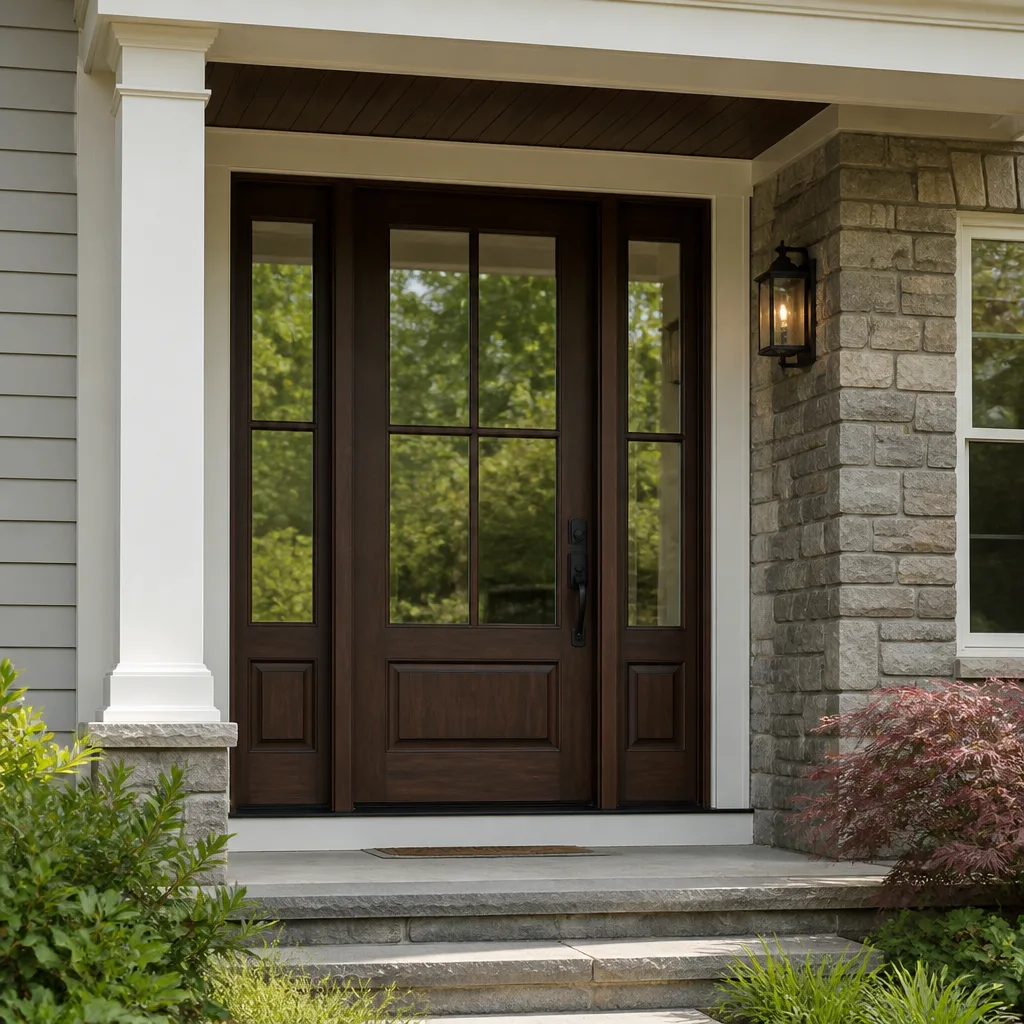
Run your hand over the door surface, especially the lower third where reflected heat from concrete and walkways accelerates damage. You’re looking for chalking: a fine, powder-like residue that comes off on your fingers. Light chalking on a six-month-old door that gets full afternoon sun is cosmetic. You wipe it down, you note it, you keep watching. Heavy chalking, where the finish looks powdery even before you touch it, is a different category. It means the UV protective layer is degrading faster than the manufacturer’s warranty anticipates, and you need a finish inspection documented before the problem becomes a negated claim.
Therma-Tru’s finish warranty generally covers defects, not neglect. The distinction the documentation doesn’t spell out: fail to log the six-month inspection, and a year-three finish failure gets classified as owner neglect. Log it, and the same failure reads as a latent coating issue. The inspection costs you ten minutes. We tell every homeowner the same thing in Los Angeles: photograph the door in direct sun at month six, photograph any chalking against a white paper towel, and save both to a folder named after the door. That folder is your warranty insurance.
Doors with glass, whether ViewLux or a Therma-Tru with lites, get a second six-month check: run a finger along the interior edge of each glass-to-frame seal. If the sealant feels chalky, cracked, or pulls away, that’s a water path forming. Silicone-based sealants don’t chalk the way urethanes do, so any powder there is a caution flag, not a cosmetic note.
Year 1: The Torque Check That Saves a $900 Repair
The twelve-month mark is where the maintenance schedule either becomes a habit or becomes a memory. And it’s the one homeowners skip most often, because the door still looks new. This is the maintenance touchpoint that separates doors performing quietly at year ten from doors that need hinge mortise repairs, frame shimming, or full re-hangs by year three.
Here’s what happens over a year of daily use: every open-close cycle applies a small torsional load to the hinge screws. With three hinges and one hundred open-close cycles a week (kitchen door, kid to school, groceries, trash, mail, repeat), that’s roughly 5,000 load cycles in year one. Each cycle works the screws a fraction of a degree. By month twelve, the top hinge screws on a heavily used door have backed out half a turn to a full turn. The door sags almost imperceptibly, the latch starts to scrape the strike plate, and the homeowner’s instinct is to slam it harder.
Slamming is the $900 mistake. A door that needs a slam to latch is transferring impact force through the hinge plate into the jamb, which starts to open up the screw holes. Once a screw hole strips in the jamb, the five-minute fix is gone. The repair now involves removing the hinge, filling and re-drilling the mortise, installing longer screws into the framing, and re-hanging the door. On a pre-hung entry door with sidelites, the price climbs further. This is the exact path from $15 fix to $900 frame repair we describe in our Juniper Windows & Doors home service overview.
At year one, every hinge screw gets snugged. Every one. Then the door gets the same compression test as month one. Then you lubricate the lock cylinder and hinges (see next section). Then you photograph it. Total time: 20 minutes. This single check, done annually, extends the door’s service life by years and keeps the hardware warranty claim clean if anything ever does fail.
Annual Maintenance: Lubrication, Sweeps, and Hardware Health
Annual maintenance is the repeating security beat: same week every year, same checklist, same photo log. For Los Angeles homeowners, we suggest timing it to the start of the rainy season in October or November. That way the door gets its weather-readiness pass right before the winter storms arrive, and the finish inspection coincides with the end of the harshest UV months.
The annual lubrication spec matters more than most people assume. The wrong lube degrades the hardware seals, gums the lock cylinder, and attracts the fine dust that Southern California produces in quantity during Santa Ana weeks. Here’s the compatibility breakdown we use on Therma-Tru hardware and recommend for every door we install:
- Lock cylinder: Dry graphite powder or a Teflon-based lubricant only. Never WD-40. WD-40 leaves a residue that traps grit, and in Los Angeles grit is constant. A gummed keyway is a lockout waiting for the worst possible evening.
- Hinge pins: White lithium grease or a silicone paste. Apply a thin film, cycle the door five times, wipe the excess. Excess grease is a dust magnet.
- Weatherstripping and door sweep: Silicone spray or a rubber conditioner. Petroleum-based products break down EPDM rubber over time, which is the material in most modern weatherstripping. Thirty seconds twice a year keeps the rubber supple and the compression intact.
While you’re at it, inspect the sweep. In Los Angeles, sweeps fail faster on west-facing doors where afternoon sun overheats the rubber. A sweep that’s brittle, cracked, or no longer making contact at the corners is a $20 part and a ten-minute replacement. A damaged sweep is also a known water path, but the hinge and hardware check matters just as much: screws, latch alignment, and deadbolt throw. The deadbolt should slide fully into the strike plate without resistance. If it scrapes, the door has shifted and the fix is hinge adjustment, not a new lock.
If your door came through Window Installation in Los Angeles energy audits for the house, the same logic applies to door seals: air leakage at the door is a measurable energy loss. Annual seal maintenance is part of the same envelope equation.
Year 3: The Re-Caulk Trigger and Water Intrusion Defense
Caulk and sealant at the door-to-frame junction and the stucco return has a realistic service life of three to five years in Los Angeles. Not ten. The sun cooks it, the Santa Anas cycle it, and the occasional three-day soaking rain wets it. At year three, you inspect the sealant with intent, not casually.
Run a finger along every exterior junction: door frame to stucco, threshold to concrete, mullions to transom, and any trim returns. You’re looking for three failure signs:
- Shrinkage cracks. Hairline separations where the sealant pulls away from the substrate. These let water wick in by capillary action, which is slow and silent and exactly how dry rot starts behind a door frame.
- Hardness. Good sealant remains slightly flexible. If it feels brittle or you can flake it with a fingernail, it’s shot, even if it looks fine to the eye.
- Gaps at the threshold. The threshold-to-concrete joint takes the worst of the water from roof runoff and splash-back. Any gap here is a direct, gravity-fed water path.
Re-caulking is a job a careful homeowner can do, but it requires the right product: a high-quality exterior polyurethane or a hybrid sealant, never painter’s acrylic, which fails in a single Los Angeles summer. The surface prep takes longer than the application, because old sealant must be fully removed and the joint cleaned with denatured alcohol for the new bead to bond. If any wood rot appears during removal, stop and get an assessment. Rot behind the threshold often indicates long-standing water intrusion that predates the current door.
Our team at Juniper Windows & Doors sees exactly this pattern on stucco homes across Los Angeles, from the Valley to the westside. The homeowner replaces the door, skips the year-three inspection, and discovers rot at year six when the door starts to feel soft at the threshold. By then the repair is a frame rebuild, not a re-caulk. The year-three trigger is the cheapest major repair you’ll ever avoid.
How to Log Maintenance So Your Warranty Claim Survives
Warranty claims fail for two reasons: neglect or missing documentation. The neglect part, you now understand how to prevent. The documentation part is equally preventable and requires no special tools.
Your maintenance log needs four elements for each entry: date, what you inspected, what you found, and a photo or video. A simple phone photo of the door, a photo of any issue you found, and a photo of the repair you made, saved to a folder named after the door, is enough. Does it need to be elaborate? No. It needs to exist.
Therma-Tru and other manufacturers define “periodic inspection” as a condition of finish warranties. If you claim a finish failure at year four and cannot produce evidence of inspection, the claim will likely be classified as owner neglect. If you can produce six dated photos spanning the door’s life, the claim goes through. The same applies to hardware warranties, especially on finish-coated hardware where surface pitting and corrosion are covered only if the hardware was maintained per the care guide. In coastal Los Angeles neighborhoods, salt air accelerates hardware wear, and the maintenance log is your proof.
We log this for every door we install. The Juniper digital invoice system stores each job’s installation details, product lines (Therma-Tru, ViewLux, and others), warranty registration date, and follow-up documentation. If a homeowner calls with a warranty issue at year three, we can pull the file in minutes and confirm what was inspected and when. For doors installed by other contractors, a photo folder and a recurring calendar reminder accomplish the same thing. The discipline is the asset.
Common Mistakes to Avoid
- Assuming a new door needs nothing for five years. The warranty clock starts at installation, and “periodic inspection” is a condition, not a suggestion. Los Angeles UV and dust cycles punish idle doors.
- Lubricating the lock cylinder with WD-40. It dissolves the existing lubricant and leaves a residue that traps grit. Use dry graphite or Teflon-based lube only, especially in Los Angeles dust conditions.
- Ignoring hinge screws until the door sags. By the time a door needs a slam to latch, the screw holes are already wallowing out. The annual torque check costs nothing; the re-hang costs hundreds.
- Slamming the door harder as a fix. The door is not being stubborn. It’s telling you the alignment is off. Slamming transfers impact force into the jamb and accelerates every problem on this list.
- Re-caulking with painter’s acrylic. Exterior door joints need polyurethane or hybrid sealant. Acrylic fails in a single Los Angeles summer and you’ll re-do the job within a year.
- Not photographing inspections. Your memory is not warranty documentation. A dated photo is.
- Skipping the threshold cap adjustment. A door that scrapes or shows light at the sweep is a door that’s failing the compression test. The fix is a screwdriver, not a new door.
When to Call a Professional
Some conditions should stop the DIY pass and trigger a professional assessment or Door Replacement. If you find wood rot at the threshold or behind the frame, get it evaluated before it spreads; rot indicates a water path that a new sweep won’t fix. If the door has shifted enough that the deadbolt no longer throws cleanly, or the strike plate no longer lines up even after hinge adjustment, the door may need a re-hang. If the finish shows heavy chalking at month six or flaking at year two, an inspection before you touch anything protects the warranty. Juniper Windows & Doors offers free estimates in Los Angeles – call (682) 281-2168 and we’ll assess the door in person.
Frequently Asked Questions
Basic annual door maintenance, including lubrication, hinge torque, and seal inspection, costs $0 if you do it yourself and roughly $150 to $250 for a professional service visit in Los Angeles. Major repairs like a re-hang or threshold replacement run $300 to $900 depending on the door type and damage extent. Call (682) 281-2168 for an exact quote – estimates are free.
A new door should be inspected at month 1, month 6, year 1, then annually after that. The month-1 and month-6 inspections address settling and finish degradation; the year-1 inspection is the critical torque and hardware pass. Most warranty failure claims trace back to a missed inspection in this window.
Yes. Therma-Tru’s warranty requires periodic finish inspections and basic maintenance as a condition of coverage. The documentation doesn’t define “periodic,” which is why we recommend logging month 1, month 6, year 1, and annually afterward. Photographs with dates are the simplest way to document compliance.
The most common mistake in Los Angeles is skipping the year-1 hinge torque check and then compensating by slamming the door. Learn to spot trouble earlier with our Door Replacement Warning Signs Every Homeowner Should Know. Los Angeles homes see high daily use on entry doors, and the impact force of slamming strips hinge screw holes quickly. A $0 torque check prevents the $900 frame repair.
Yes, a door sweep is a $20 part that installs with a screwdriver in about ten minutes. Buy a sweep designed for your door’s thickness and threshold style. In Los Angeles, west-facing doors often need sweeps replaced more frequently due to afternoon sun baking the rubber.
Inspect the sealant at year three and look for shrinkage cracks, brittleness, or gaps. Cracks at the threshold-to-concrete joint are the most urgent, since they create a direct water path into the subfloor. Re-caulking with a polyurethane or hybrid sealant, not painter’s acrylic, restores the seal.
The Bottom Line
Your new door has seven maintenance touchpoints in its first five years: month 1, month 6, year 1, then four annual passes with a re-caulk at year three. Each touchpoint is a ten-to-twenty-minute job that prevents a repair costing ten to fifty times the time investment. The schedule is simple because the consequences of skipping it are not. Log every inspection with photos, keep the right lubricants on hand, and call a professional when rot, major misalignment, or finish failure appears. A well-maintained door in Los Angeles should go twenty years before replacement. A neglected one often doesn’t see five. If you want a professional maintenance pass on an existing door or are considering a new door installation, call (682) 281-2168 for a free estimate. For more guides & resources, visit our blog.
Written by Sean Mackey, Owner at Juniper Windows & Doors, serving Los Angeles since 2001.