
Last updated October 9, 2026
Free in-home measure and quote - PGT, CGI and CWS impact lines compared on your actual openings, style by style
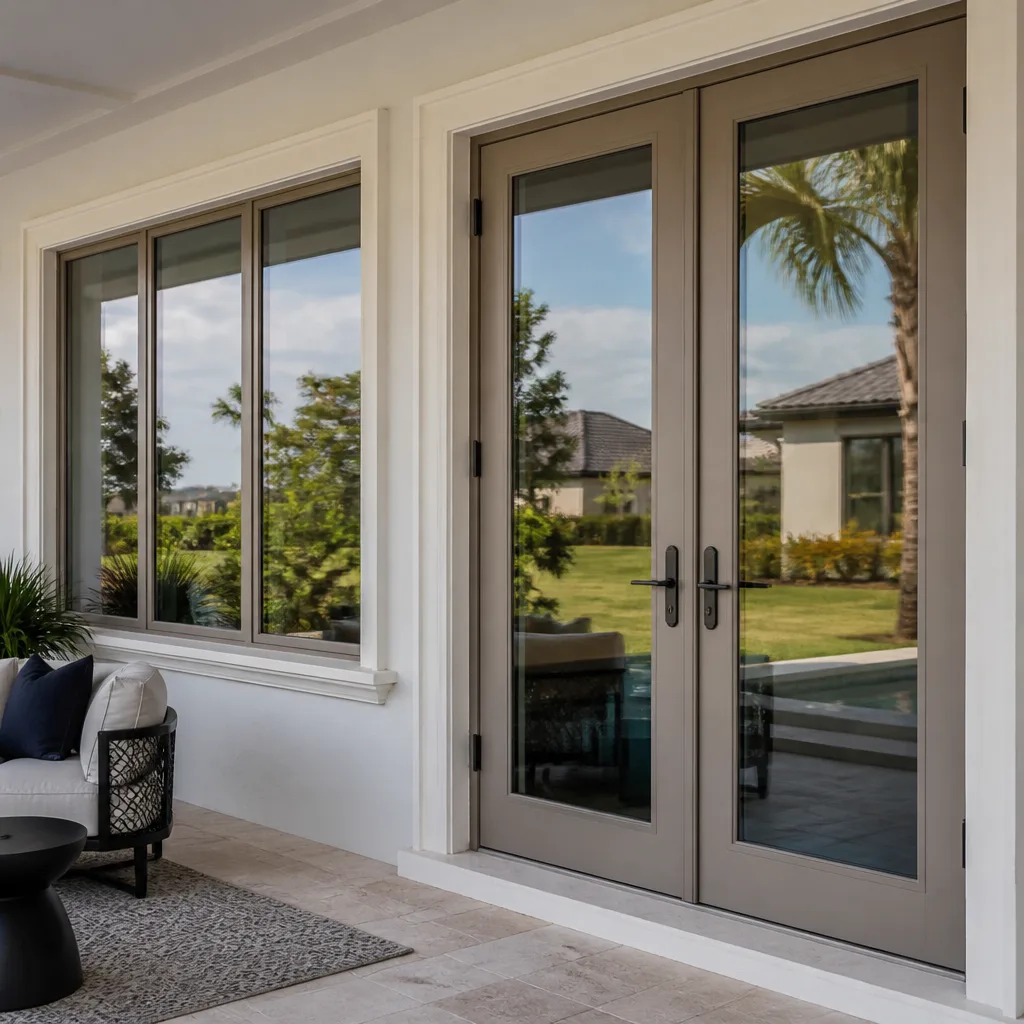
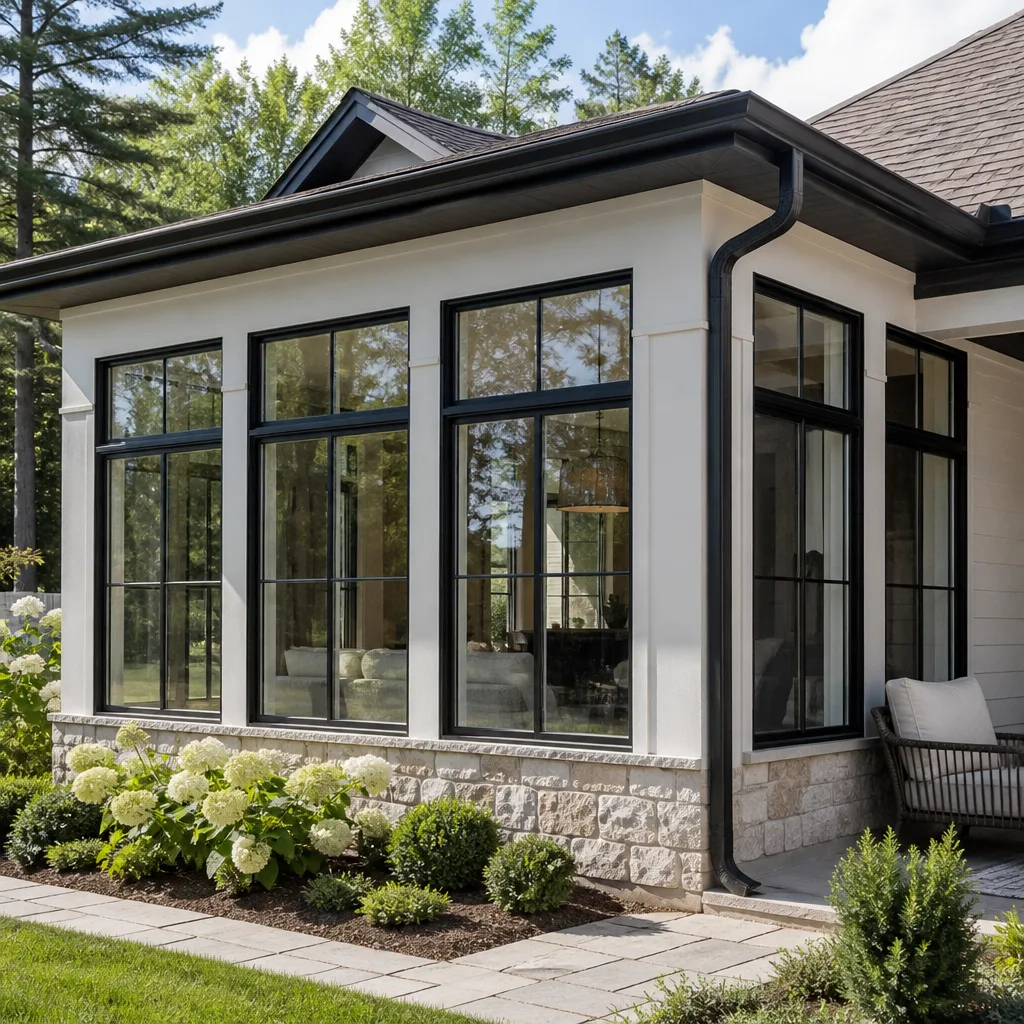
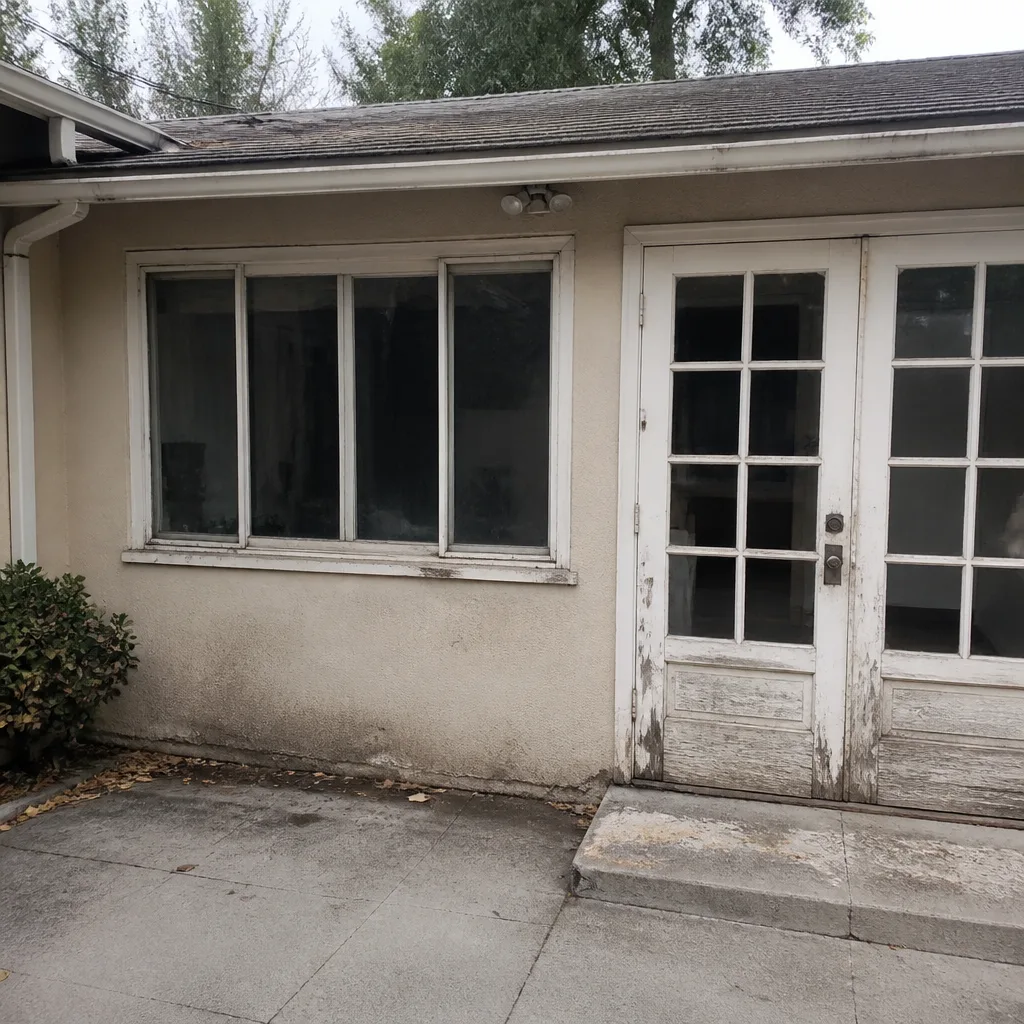 Before
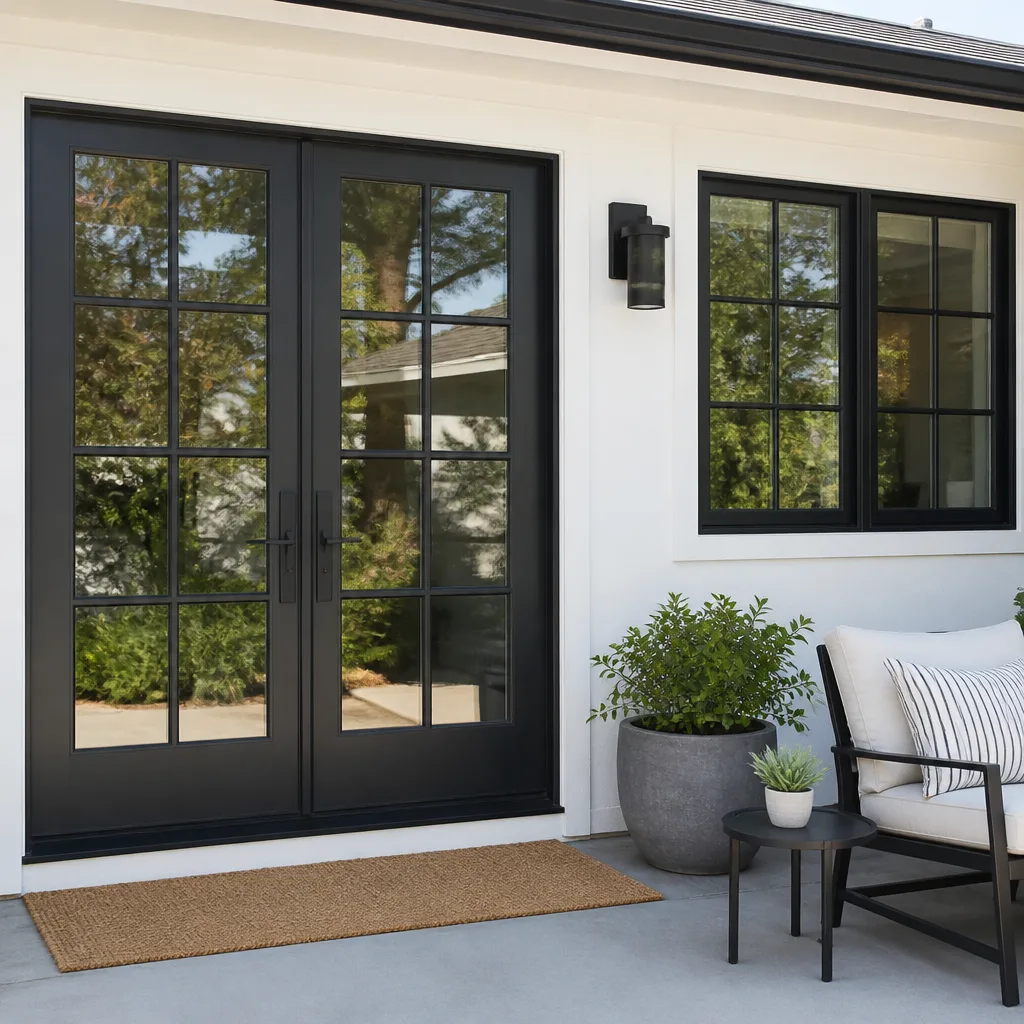 After
After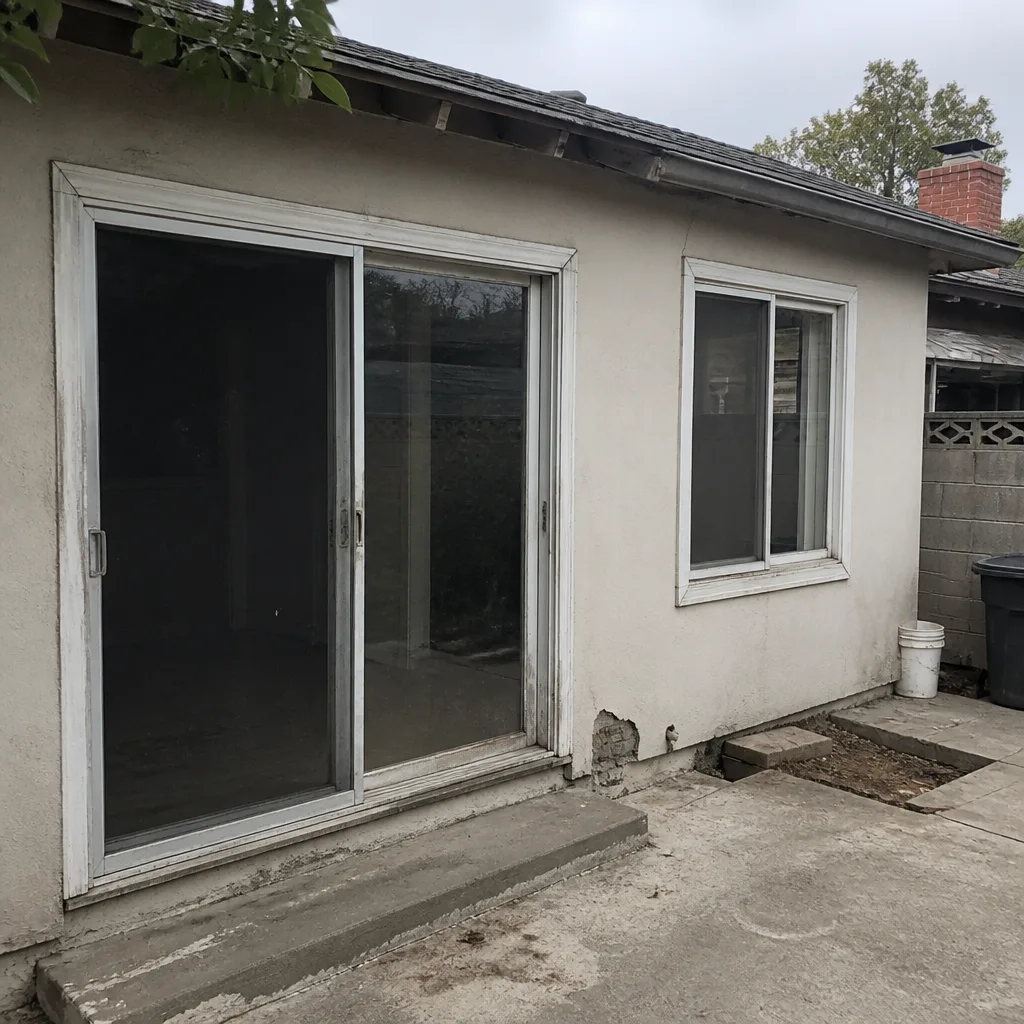 Before
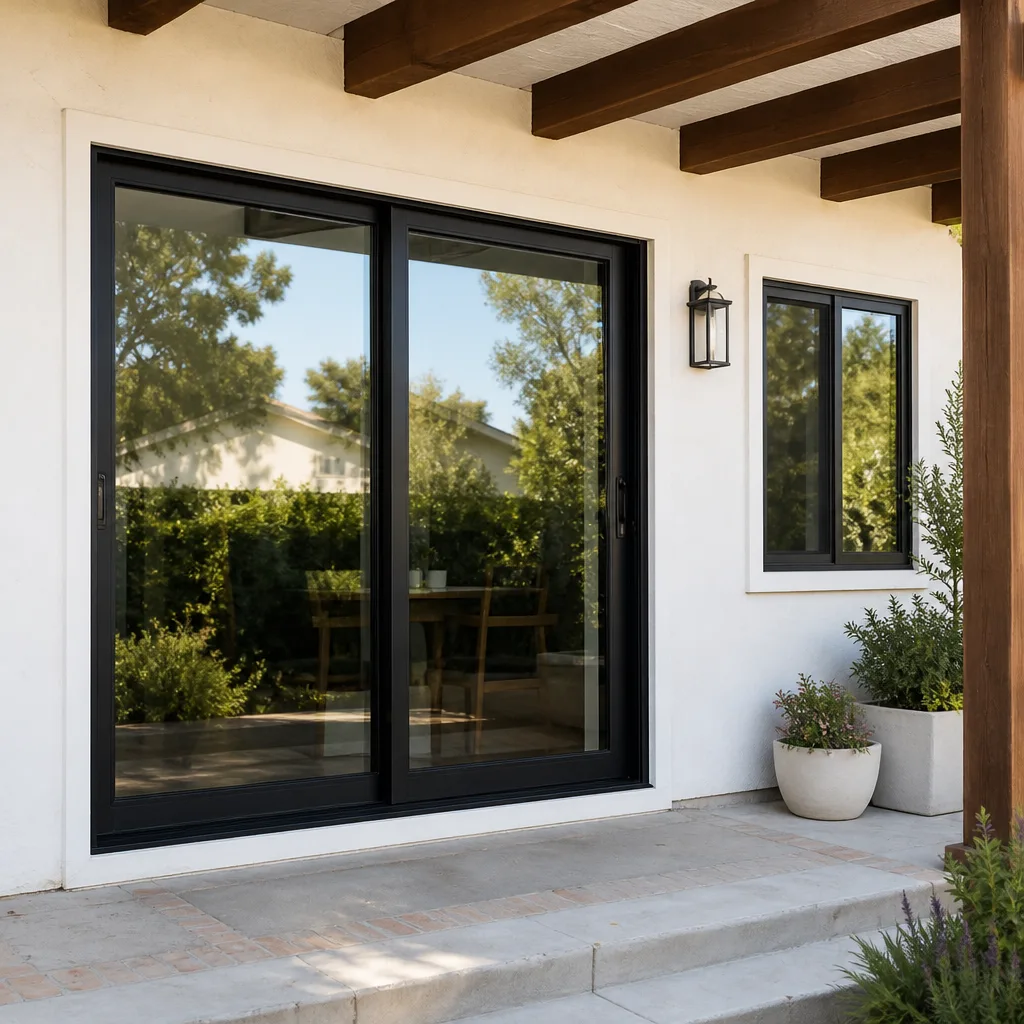 After
After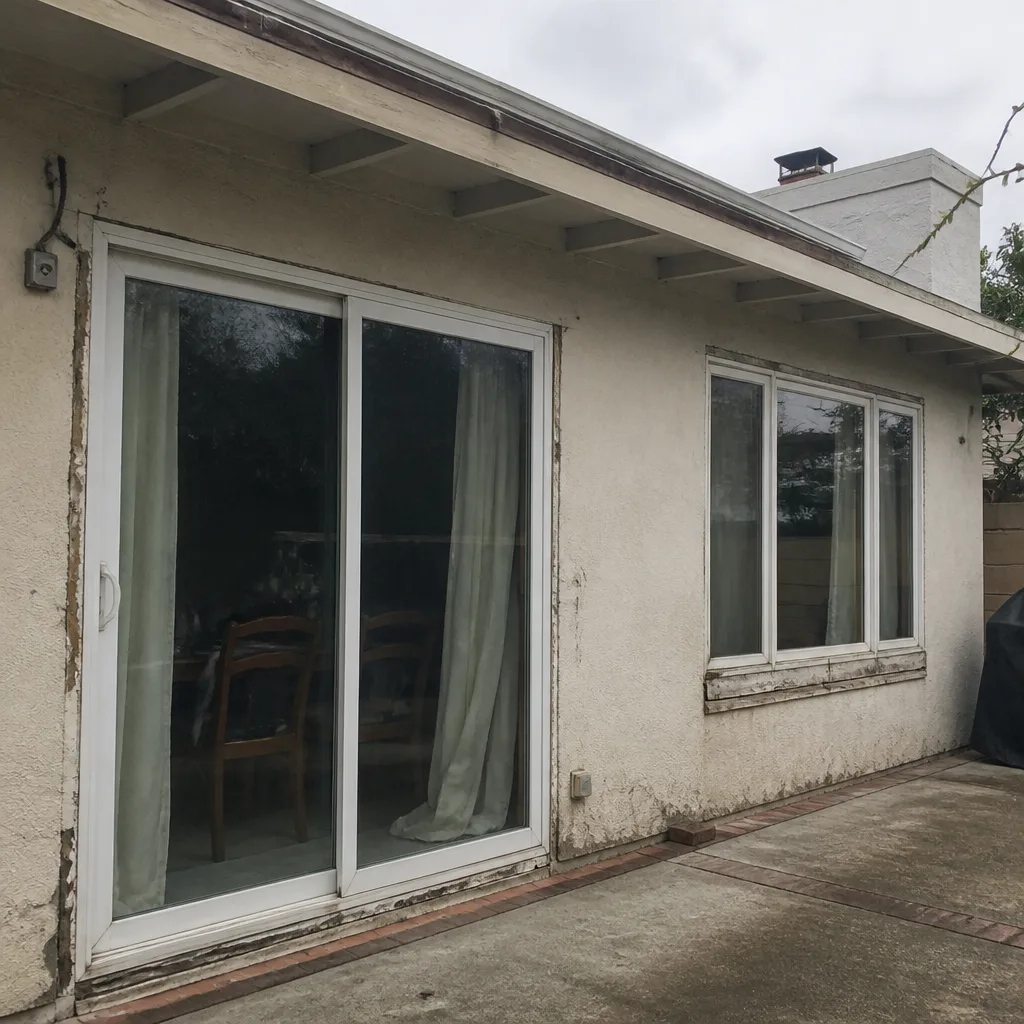 Before
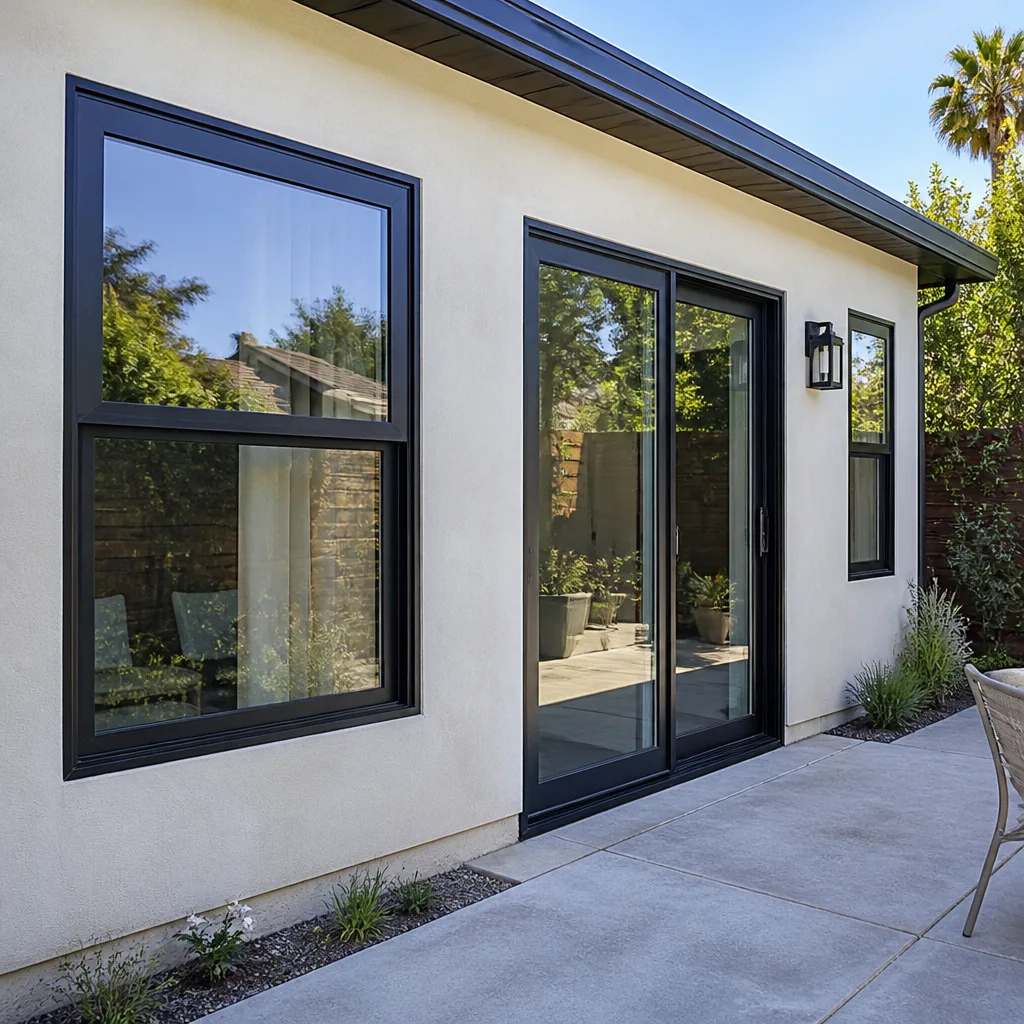 After
AfterDoor Replacement Troubleshooting: Common Problems and How to Fix Them
A door that sticks only in July and swings freely in January isn’t broken. It’s telling you the frame has a moisture problem. Replacing that door without addressing the frame just resets the clock on the same failure. This guide teaches you to read the symptom, find the root cause, and know whether the fix is a five-minute adjustment or a full replacement. Homeowners in Los Angeles deal with a specific set of door problems: coastal humidity near the beaches, dry inland heat in the Valley, and older homes throughout neighborhoods like Echo Park and West Adams where door frames have settled over decades. We’ll walk through each problem the way a technician sees it.
Quick Answer
Most common door problems, sticking, drafts, a latch that won’t catch, fall into one of three root causes: installation error, frame movement, or worn hardware. The fix ranges from a $5 hinge adjustment to our Door Replacement services, which typically cost between $900 and $3,200 in Los Angeles. Start by identifying which of the three causes you’re dealing with, because treating the wrong one means the problem returns within months.
Table of Contents
- The Seasonal Sticking Diagnostic: Wood Expansion vs. Foundation Settlement vs. Hinge Failure
- Latch and Deadbolt Misalignment: Strike Plate Shimming, Frame Twist, and Slab Warp
- Draft Mapping: Finding Exactly Where Weatherstripping Is Failing
- When a Fiberglass Door’s Bottom Rail Absorbs Moisture: The Two-Step Fix vs. Full Replacement
- The Paperwork Audit: Installer Warranty vs. Manufacturer Warranty
- Hinge Problems: Loose Screws, Bent Leaves, and Sinking Slabs
- Los Angeles Climate and Door Performance: What the Weather Actually Does to Your Door
The Seasonal Sticking Diagnostic: Wood Expansion vs. Foundation Settlement vs. Hinge Failure
A door that only sticks in certain months is giving you a diagnostic clue. The question is which clue. In our experience across Los Angeles, most seasonal sticking comes down to one of three causes, and each has a different fix. Wood doors absorb moisture and swell. When humidity rises, in June and July near the coast, or during Santa Ana-driven damp spells, the slab expands. The door rubs against the frame at the latch side or along the top. When humidity drops, the door shrinks back and swings freely. That’s classic wood expansion. The fix is often as simple as sanding down the rubbing edge and resealing it, but only after you’ve confirmed that’s actually the cause.
Foundation settlement produces a different pattern. A settling foundation tilts the frame out of square. The door sticks at one corner consistently, year-round, regardless of weather. The tell is the gap: if the gap between the door and frame is wider at one corner and tight at the opposite corner, the frame isn’t square. That’s a structural issue, not a door issue. Fixing the door won’t fix a moving foundation. You may need the frame re-shimmed or the opening re-framed before a new door goes in.
Hinge failure mimics both. A hinge with loose screws lets the slab sag. The door rubs at the top on the latch side. The test: open the door halfway and lift the handle. If the hinge side moves up while the latch side stays put, the hinges are loose. Tighten the screws. If they spin without grabbing, the screw holes are stripped. Replace them with 3-inch screws that bite into the framing behind the jamb. That single fix solves more sticking doors in Los Angeles than any sanding job ever will.
How to Run the Test Yourself
- Open the door and check the gap between the slab and the frame on all three sides. Even gap. The door is square.
- Uneven gap. Note which corner is tightest and whether the gap changes with the seasons.
- Gap changes with humidity. Wood expansion. Sand and reseal.
- Gap is always uneven, regardless of weather. Frame or foundation settling. Call for a structural look before replacing the door.
- Door lifts at the handle when you pull up. Hinge sag. Tighten or replace hinge screws first.
Los Angeles homes built before 1980 are particularly prone to frame settling. Clay-heavy soil in neighborhoods like Glassell Park and Highland Park expands and contracts with rain, nudging door frames out of square over time. If you notice cracks in the drywall above the door along with sticking, that’s a foundation signal, not a door problem.
Latch and Deadbolt Misalignment: Strike Plate Shimming, Frame Twist, and Slab Warp
A latch that won’t catch is annoying. A deadbolt that won’t throw is a security issue. Both usually trace to misalignment between the latch or bolt and the strike plate, the metal plate mounted on the frame. The question is what pulled them out of alignment. Three root causes account for nearly every case we see.
Strike plate misalignment is the simplest. The latch hits the strike plate too high, too low, or too far back to slide into the hole. The fix is tool-free to diagnose. Close the door slowly and watch where the latch touches the plate. Mark that spot. If the latch hits the plate but not the opening, you shim the plate or file the opening wider. A strike plate can be adjusted with a screwdriver, a file, and washers as shims. This is the five-minute fix.
Frame twist is different. The door frame has rotated slightly, so the plane of the door no longer matches the plane of the frame at the latch point. The door closes, but the latch hits the plate at an angle instead of square. You can see this by looking at the gap between the door and frame while the door is closed. If the gap is wider at the top of the latch side and tighter at the bottom, or vice versa, the frame has twisted. Twisted frames require re-shimming the jamb, which means pulling the casing, adjusting the shims, and reattaching everything. It’s a two-hour job for someone who does it regularly. It is not a five-minute strike plate adjustment.
Slab warp is the third cause. A warped door bows in or out, so the latch no longer lines up. Warp typically happens on solid wood doors that were never sealed on all six sides, or on doors exposed to direct sun on one face and shade on the other. In Los Angeles, south-facing entry doors in neighborhoods like Silver Lake and Los Feliz take direct sun for hours a day. The exterior face heats and dries while the interior face stays cooler. Over time, the slab bows. A warped slab won’t fix itself with a strike plate adjustment. You can sometimes correct a mild warp by removing the door, laying it flat, and weighting it, but a door that has warped once tends to warp again. Replacement is the honest recommendation when warp exceeds about a quarter inch of bow across the slab.
Tool-Free Tests for Each Root Cause
- Latch hits plate but won’t seat: Mark the point of contact with a pencil. Low or high contact means shim the plate. Contact too far out means file the opening.
- Door closes but latch angles into the plate: Check the reveal gaps around the closed door. Uneven gaps mean frame twist. Re-shim the jamb.
- Door has a visible bow when sighted from the edge: Lay a straightedge across the door face. Any gap over a quarter inch means warp. Replacement is the durable fix.
Draft Mapping: Finding Exactly Where Weatherstripping Is Failing
Drafts around a door are not distributed evenly. The air leaks through specific gaps: the bottom corner where the sweep has worn down, the top of the latch side where the frame has shifted, the hinge side where the weatherstripping has compressed permanently. Replacing all the weatherstripping because one section failed wastes material and often doesn’t solve the problem. The right approach is to map the draft and replace only what’s failing. This takes ten minutes and a tool you may already have.
Use a thermal camera if you have one. Point it around the closed door on a day when indoor and outdoor temperatures differ by at least 15 degrees. Cold or hot air leaking in shows up as a colored streak at the leak point. No thermal camera? Use a stick of incense. Light it, hold it near the door edges, and watch the smoke. Where the smoke wavers or pulls, air is moving. Mark each leak with painter’s tape.
What you’ll typically find in Los Angeles: the door sweep at the bottom is the most common failure point, especially on doors that face afternoon sun. The sweep’s rubber or brush wears down from contact with the threshold. The second most common point is the top corner on the latch side, where the frame has settled a fraction of an inch and the weatherstripping gap opens. The fix for a worn sweep is replacing the sweep, not the door. The fix for a corner gap is adjusting the strike plate or shimming the top hinge, not layering on more weatherstripping.
Weatherstripping itself is inexpensive. The labor to install it correctly is what varies. The key is compression: weatherstripping only works when the door compresses it slightly all the way around. Too little compression means leaks. Too much compression means the door is hard to close and latches poorly. In our experience, the ideal compression is about 20 to 30 percent of the weatherstripping’s uncompressed thickness. If you’re replacing weatherstripping on a door that also sticks or won’t latch cleanly, fix the alignment first, then map the drafts. Otherwise you’ll replace the weatherstripping twice.
When a Fiberglass Door’s Bottom Rail Absorbs Moisture: The Two-Step Fix vs. Full Replacement
Fiberglass doors carry a reputation for being waterproof. The slab itself is, but the bottom rail of many fiberglass doors is made of wood, and that wood can absorb moisture if the door was installed without sealing the bottom edge. Brands like Therma-Tru build their slabs this way for structural stability: fiberglass skins over a wood or composite core, with a wood bottom rail on many models. The bottom edge is the one edge installers sometimes forget to seal, especially if the door was hung in a rush. In Los Angeles, this matters less during the dry months and more when a winter rain hits or an irrigation sprinkler sprays the threshold regularly.
Moisture in the bottom rail shows up as swelling, visible cracks in the finish along the bottom six inches of the slab, or a door that suddenly rubs along the bottom during humid stretches. The two-step fix applies if the swelling is mild and the finish has not delaminated. Step one: remove the door from the hinges, lay it across sawhorses, and let the bottom rail dry completely, which can take three to seven days depending on humidity. Step two: seal the dried bottom edge with a high-quality exterior sealant, paying special attention to the corners where the face meets the bottom. Then reset the door and adjust the hinges.
The full replacement decision tree: if the bottom rail has cracked, if the fiberglass skin has separated from the core at the bottom, or if the slab no longer sits square in the frame because the rail has swollen and permanently distorted, the rail is gone. You can’t reliably seal a split rail back together. Water will keep entering through the split. At that point, a new slab or a complete door replacement is the honest fix. A new fiberglass door in Los Angeles runs between $1,200 and $3,200 installed depending on style, glass, and hardware. That’s a real number, but a door that’s already absorbed water once will absorb it again. The replacement should include sealing the bottom edge before the door is hung, which we do on every install. It adds fifteen minutes and prevents the cycle from repeating.
The Paperwork Audit: Installer Warranty vs. Manufacturer Warranty
The moment a door fails, the first question is whether the repair is covered. Most homeowners don’t know there are two separate warranties, which means they call the wrong party, waste a week, and then pay out of pocket for a repair that was covered. Before you call anyone, pull the paperwork. Here’s how to check.
The installer’s warranty covers workmanship. If the door was hung out of square, if the weatherstripping was installed incorrectly, if the threshold leaks because it was cut short, that’s on the installer. Most reputable installers in Los Angeles, including Juniper Windows & Doors, put this in writing. Our 365-Day Done Right Promise covers parts and labor on completed installations for a full year, in writing, with a free second visit if a repair fails. Not all installers offer this. Some offer 30 days. Some offer nothing at all. The paper matters.
The manufacturer’s warranty covers defects in the door itself: a fiberglass skin that delaminates, a wood core that rots, a warped slab, a hinge prep that fails, a finish that peels. Manufacturer warranties typically run longer, anywhere from 5 years to a lifetime limited warranty depending on the product. The catch: they usually cover the product, not the labor to remove and reinstall it. That’s why understanding both warranties before a problem happens saves hundreds.
How to Run the Audit
- Find the installer’s warranty document. Look for the coverage period and what specifically is covered. Workmanship only, or parts and labor?
- Find the manufacturer’s warranty. Note the product name, serial number if applicable, and coverage period.
- Diagnose the problem. Is it an installation issue (gaps, shimming, sealing) or a product defect (warp, delamination, finish failure)?
- Call the right party first. Installation issue. Call the installer. Product defect. Call the manufacturer with your proof of purchase.
- Neither warranty covers the issue. The problem may be environmental or structure-related. Foundation movement, termite damage, and water intrusion from improper landscape drainage are not warranty items. Get a professional assessment.
In Los Angeles, termites are a real factor in door frame failures, especially in older neighborhoods like Leimert Park and Jefferson Park. If you see small holes or sawdust-like frass around the door frame, the problem isn’t the door and it isn’t covered by any door warranty. It’s a pest control issue first, then a door repair.
Hinge Problems: Loose Screws, Bent Leaves, and Sinking Slabs
Hinges carry the entire weight of the door, every day, for decades. They fail in predictable ways. Loose screws are the most common: the constant pull of a heavy door works the screws out of the jamb over time, particularly in older Los Angeles homes where the framing behind the jamb is dry or split. The door sags. It rubs at the top of the latch side. The latch no longer lines up with the strike plate. The fix is replacing the short hinge screws with longer ones, ideally 3-inch screws that grab the wall framing behind the jamb rather than just the jamb material. That’s a fifteen-minute fix that resolves more door operation complaints than any other single adjustment.
Bent leaves are less common but harder to fix cleanly. A hinge leaf bends when the door is forced open violently or when a heavy door hangs on hinges that were installed slightly out of plane. The bent leaf pushes the entire door out of alignment. Depending on the severity, the hinge may be replaceable in place, or the door may need to be pulled, the hinge mortises cleaned up, and new hinges installed. If one hinge has bent, inspect the others: a door that bent one hinge is likely stressing the remaining hinges as well.
A sinking slab is the end stage. The top hinge screws have wallowed out their holes past the point where longer screws will hold, or the hinge itself has worn internally so the knuckles no longer align. The door sits low in the frame, scrapes the threshold, and won’t latch. At this point, the fix is heavier: pull the door, fill the stripped holes with wood dowels and adhesive, redrill, and rehang. That’s a two-hour job. We’ve done this repair on doors in Los Feliz, Hancock Park, and the Fairfax District, and the result is a door that closes like it did the day it was installed. The key is knowing when the hinge is salvageable and when the jamb itself is too far gone, at which point the jamb needs replacement, not just the hinge.
Los Angeles Climate and Door Performance: What the Weather Actually Does to Your Door
Los Angeles is not a wet climate. That doesn’t mean doors here don’t move. They move for different reasons than doors in Seattle or Miami. The dry inland heat of the San Fernando Valley draws moisture out of wood doors until they shrink and rattle. The marine layer in coastal neighborhoods like Venice and Mar Vista pushes humidity into door slabs until they swell and stick. A wood door that fits perfectly in April may rub in June and rattle by October. The swing is smaller than in truly humid climates, but it’s enough to throw off a latch by an eighth of an inch, and an eighth of an inch is the difference between a door that latches and one that doesn’t.
Sun exposure is the bigger variable in Los Angeles. An entry door that faces south or west gets direct sun for hours, most days of the year, in every month. That sun heats the exterior face of the door while the interior face stays cooler. The temperature difference is enough to bow a solid wood door over time and to degrade weatherstripping on the hinge side. Fiberglass doors resist this better than wood, which is one reason brands like PGT, CGI, and ES Windows have expanded their door lines: the fiberglass and steel products hold their shape through the thermal cycle. If you’re replacing a door in Los Angeles and the door faces direct sun, a fiberglass or steel slab is the more durable choice than wood, and a wood look fiberglass door from Therma-Tru gives the look without the movement. For a deeper look at the replacement process, see our Door Replacement in Los Angeles guide.
Code matters too. Los Angeles is in a high-seismic zone, and local building codes require that exterior doors be properly anchored to withstand lateral movement. Impact-rated glass is also a growing requirement in certain hillside and wildfire zones, and products from CWS and ECO Window Systems are designed to meet those standards. The right door for a Los Angeles home is not just about the look. It’s about holding up to sun, seismic movement, and increasingly strict local building standards. If you’re replacing windows as part of the same project, our Window Replacement in Los Angeles page covers the full scope.
Common Mistakes to Avoid
- Replacing a door before diagnosing the frame. If the frame is twisted or the foundation has settled, the new door will stick and leak exactly like the old one. Fix the frame first, then the slab.
- Planing down the top of a door that sags from loose hinges. The hinge screws are the problem. Planing the top just wears down the door and leaves the sag in place.
- Layering more weatherstripping over a draft instead of finding the actual gap. Map the draft first. Adding material to an area that isn’t leaking just makes the door harder to close.
- Assuming the manufacturer covers the labor. Most manufacturer warranties cover the product only. Check the installer’s warranty for labor coverage, and understand the difference before a failure happens.
- Sealing a fiberglass bottom rail that’s still wet. Trapping moisture inside the rail accelerates the damage. Let it dry completely before sealing the bottom edge.
- Ignoring rising utility costs as a door symptom. A door that leaks air around the frame or threshold can cost hundreds a year in heating and cooling in Los Angeles, where air conditioning runs for much of the year. A draft map costs nothing to run.
- Skipping the paper trail. No written warranty, no written price, no documentation means no leverage when a repair fails within weeks. Get everything in writing before work starts.
When to Call a Professional
If the diagnostic steps above point to a twisted frame, a settling foundation, or a warped slab, call for a professional assessment before spending money on parts. The same goes for a fiberglass bottom rail that has split or delaminated, a jamb that has rotted through, or any door in Los Angeles that’s in a seismic or wildfire zone where code compliance matters. A trained eye catches what a smartphone photo can’t, and the assessment usually reveals whether the fix is a hinge adjustment or a replacement. Juniper Windows & Doors offers free estimates in Los Angeles. Call (682) 281-2168 and a real person answers, 24 hours a day, even at midnight when the door won’t close and the dog is loose.
When replacement is the answer, get a written price before any work starts. That’s our non-negotiable: every job gets a written price before a single screw turns, backed by the 365-Day Done Right Promise in writing. No estimate that morphs into a surprise invoice at the door. If you’re also considering window work alongside the door replacement, our Window Installation in Los Angeles guide walks through the full scope and what it costs.
Frequently Asked Questions
Seasonal sticking almost always means the door slab is absorbing moisture and expanding, or the frame is moving with soil conditions. In Los Angeles, coastal humidity causes swelling in summer, while dry inland heat makes doors shrink and rattle in fall. If the gap changes with the seasons, it’s the door material responding to moisture. If the gap is always uneven, it’s the frame or foundation.
Door replacement in Los Angeles typically ranges from $900 for a basic steel slab to $3,200 or more for a fiberglass door with glass and hardware, installed. For a detailed breakdown, see How Long Does Door Replacement Take? Timelines and What to Expect. Entry doors with impact-rated glass, common in wildfire and hillside zones, run higher. Get a written quote that locks the price before work starts, so the final invoice matches the estimate.
Yes, in most cases. Loose hinge screws, a misaligned strike plate, or a swollen wood slab can all be corrected without a new door. Start with the simplest fix, tightening the hinge screws with 3-inch screws, and work up from there. Only warped or structurally damaged slabs truly need replacement.
We handle both. Every project, repair or replacement, gets a written price before work starts and is covered by the 365-Day Done Right Promise. Call (682) 281-2168 for a free estimate, and a live person answers 24/7.
Fiberglass is the most stable choice for direct sun exposure. It doesn’t bow from the temperature difference between the exterior and interior face the way wood does, and modern fiberglass doors, like those from Therma-Tru, replicate the look of wood without the movement. Impact-rated options from PGT and CGI also meet coastal and hillside code requirements for wind and debris resistance.
Pull both warranty documents: the installer’s warranty and the manufacturer’s warranty. Installer warranties cover workmanship like shimming, sealing, and alignment. Manufacturer warranties cover product defects like delamination or warp. If the problem is installation-related, call the installer. If it’s a product defect, call the manufacturer with your proof of purchase. Foundation movement and termite damage are not covered by either.
The Bottom Line
Door problems are diagnostic clues. A seasonal stick points to moisture or frame movement. A latch that won’t catch points to hinge sag, strike plate misalignment, or slab warp. A draft points to a specific gap, not a general need for more weatherstripping. The right fix follows the diagnosis, and the diagnosis usually takes ten minutes. When repair isn’t enough, replacement in Los Angeles means choosing a door that handles sun, seismic movement, and local code requirements, and choosing an installer who puts the price in writing before the work starts. That’s the standard. For more guides & resources, visit our blog. Get the paper. Call (682) 281-2168 for a free estimate.
Written by Sean Mackey, Owner at Juniper Windows & Doors home, serving Los Angeles since 2001.