
Last updated October 9, 2026
Free in-home measure and quote - PGT, CGI and CWS impact lines compared on your actual openings, style by style
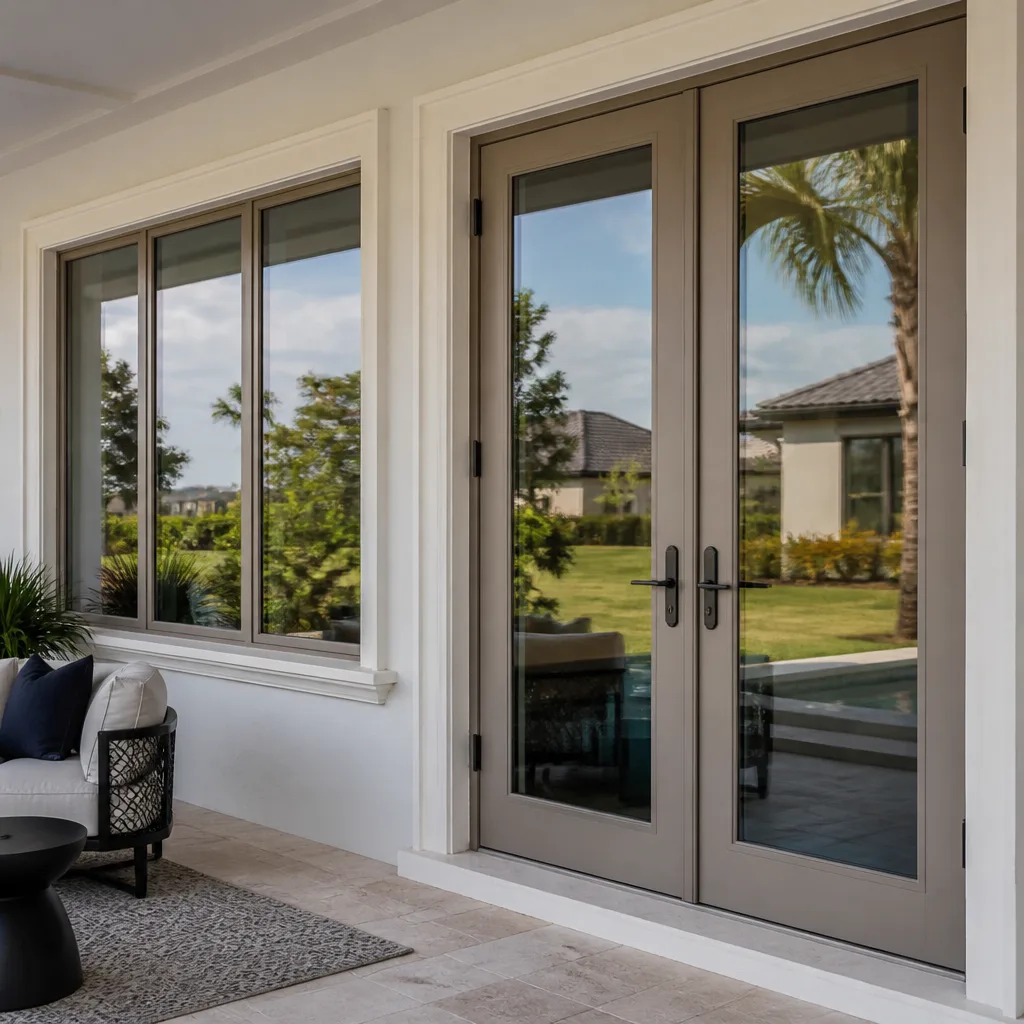
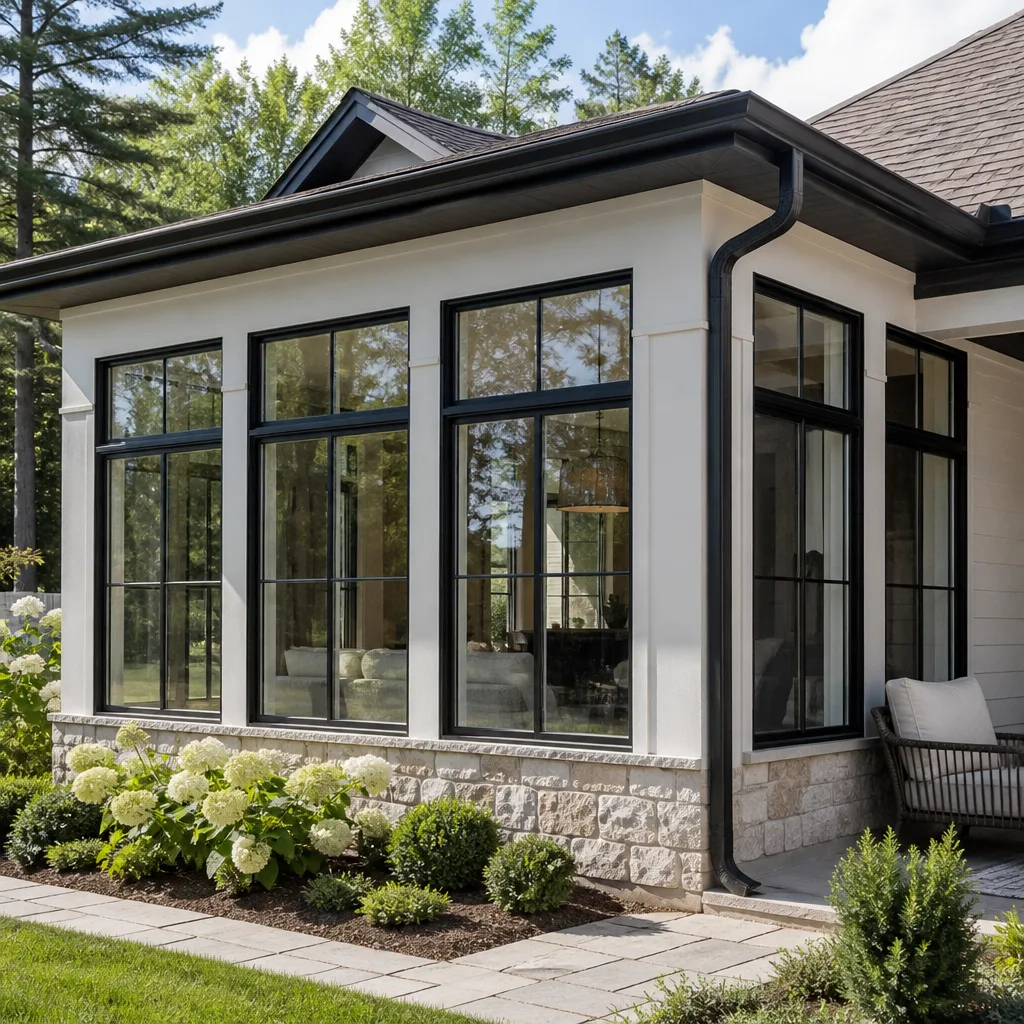
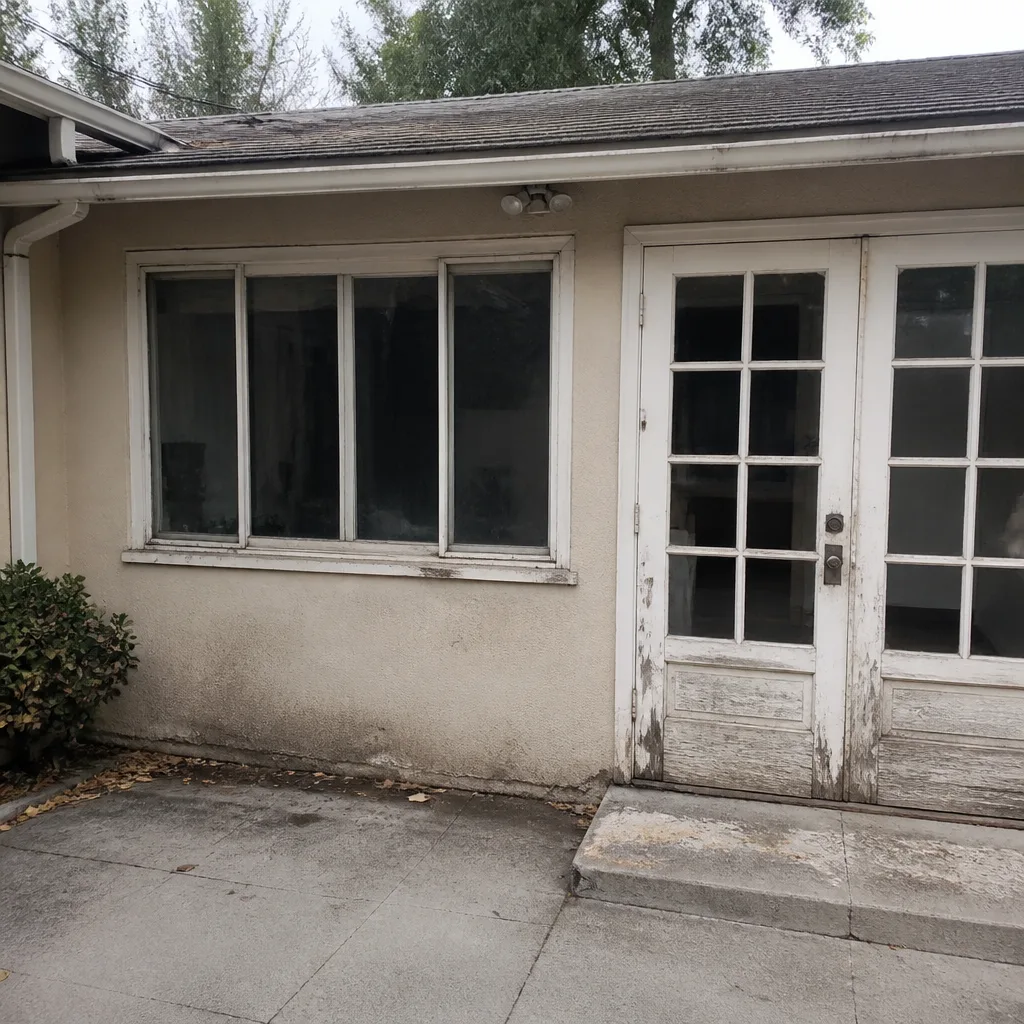 Before
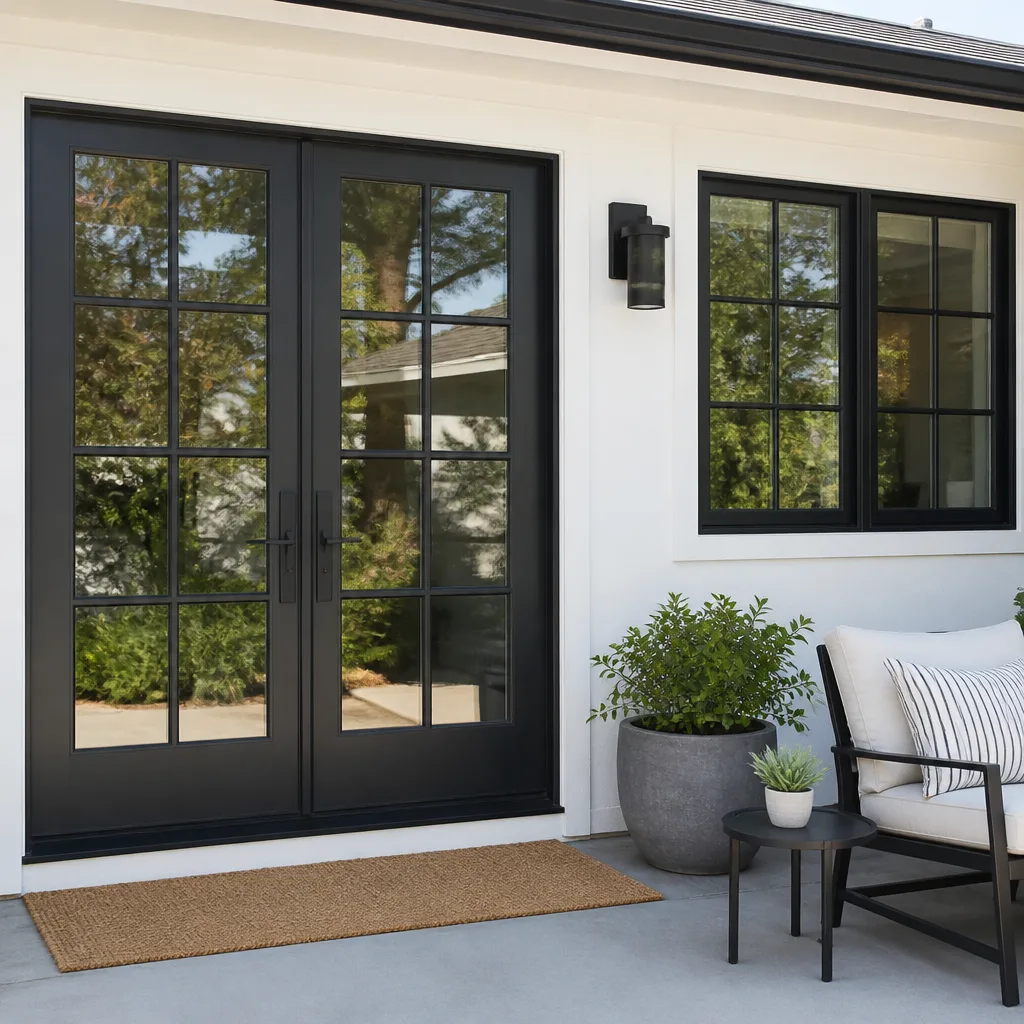 After
After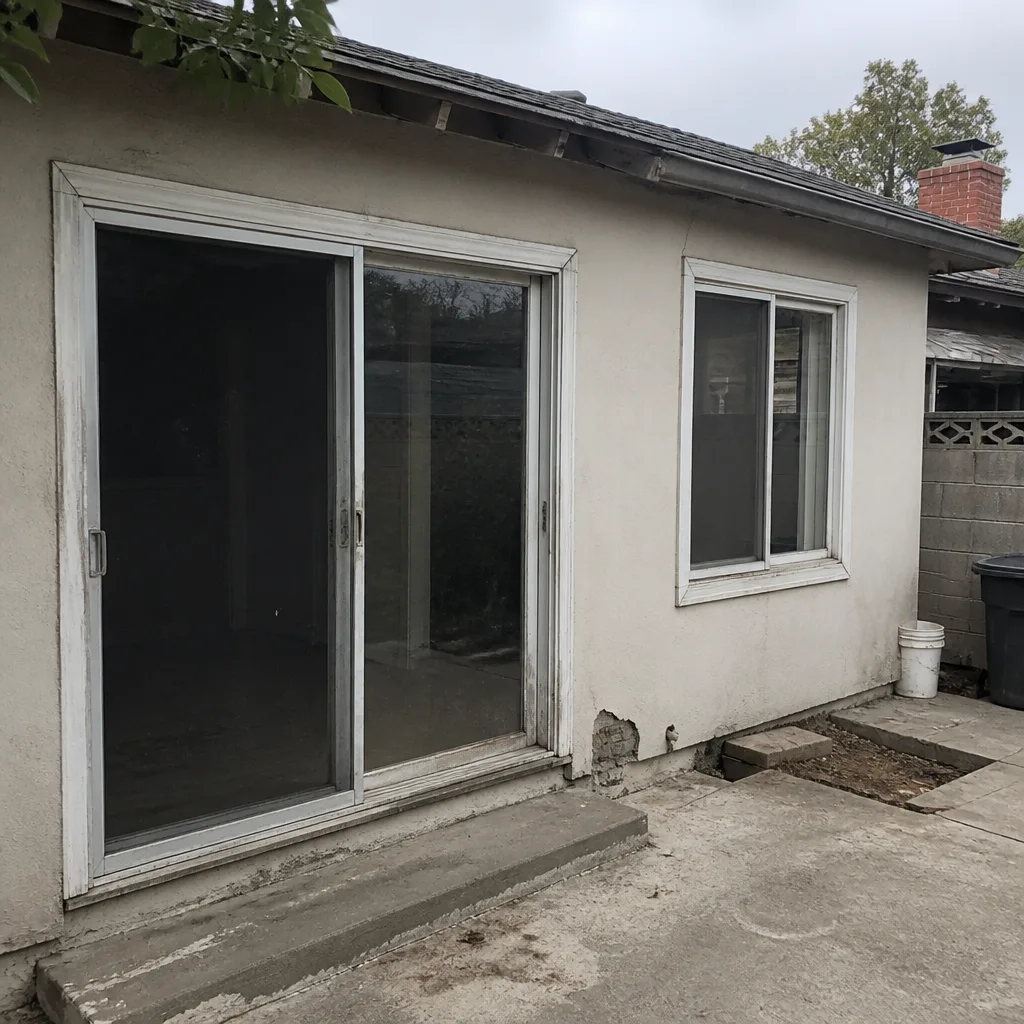 Before
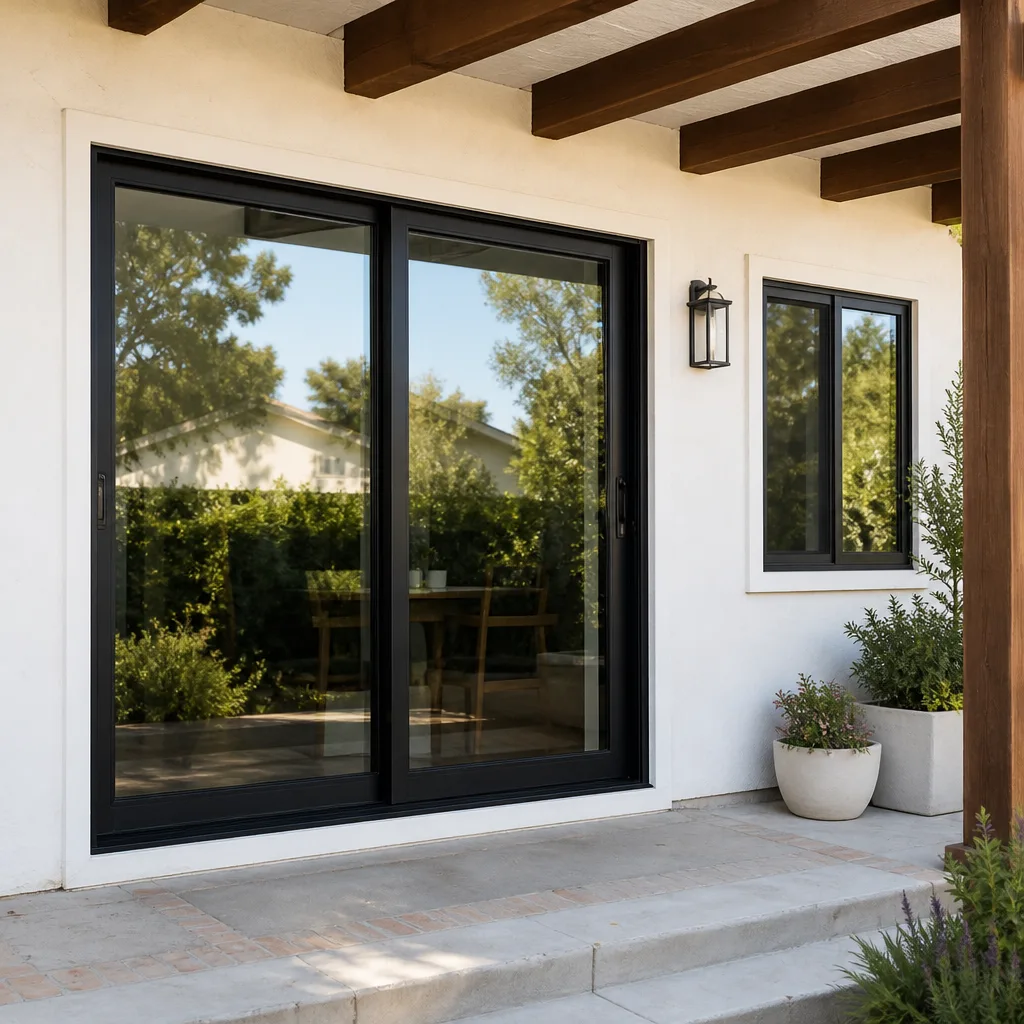 After
After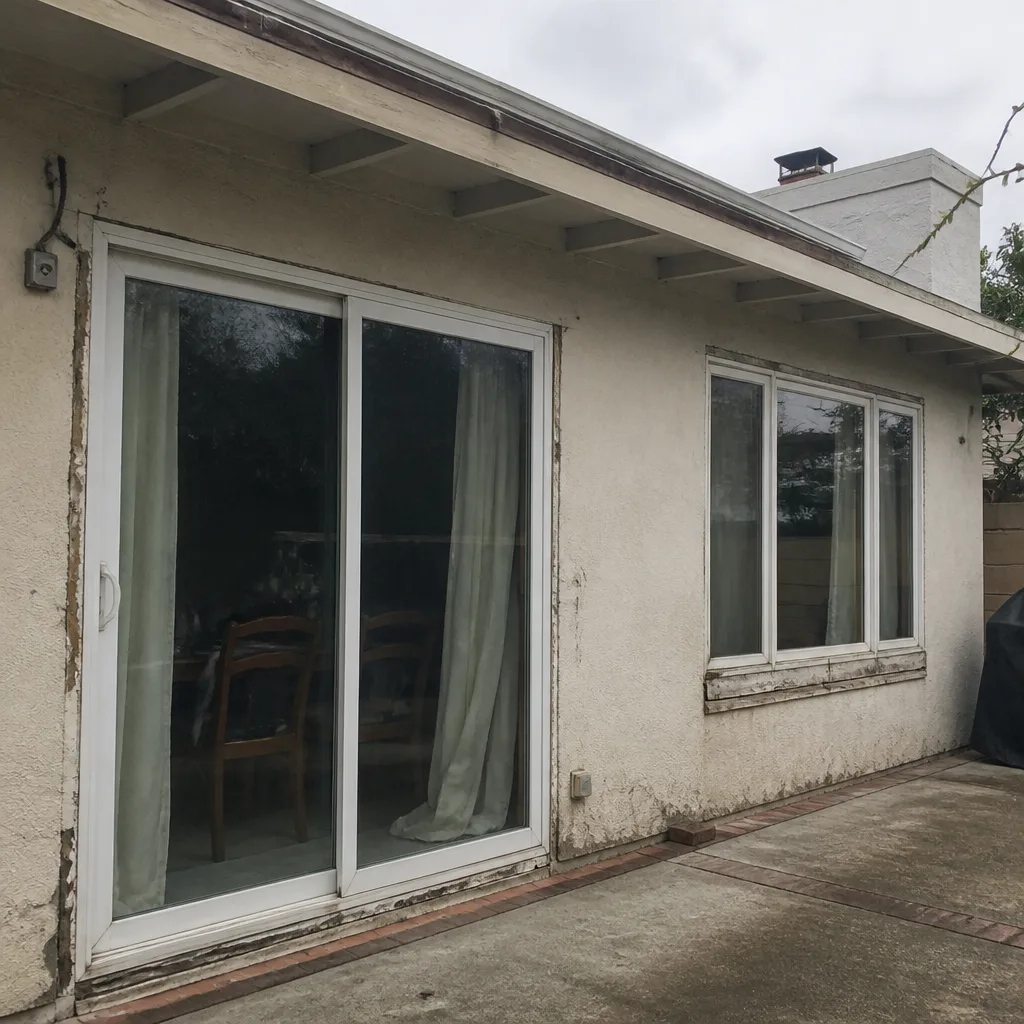 Before
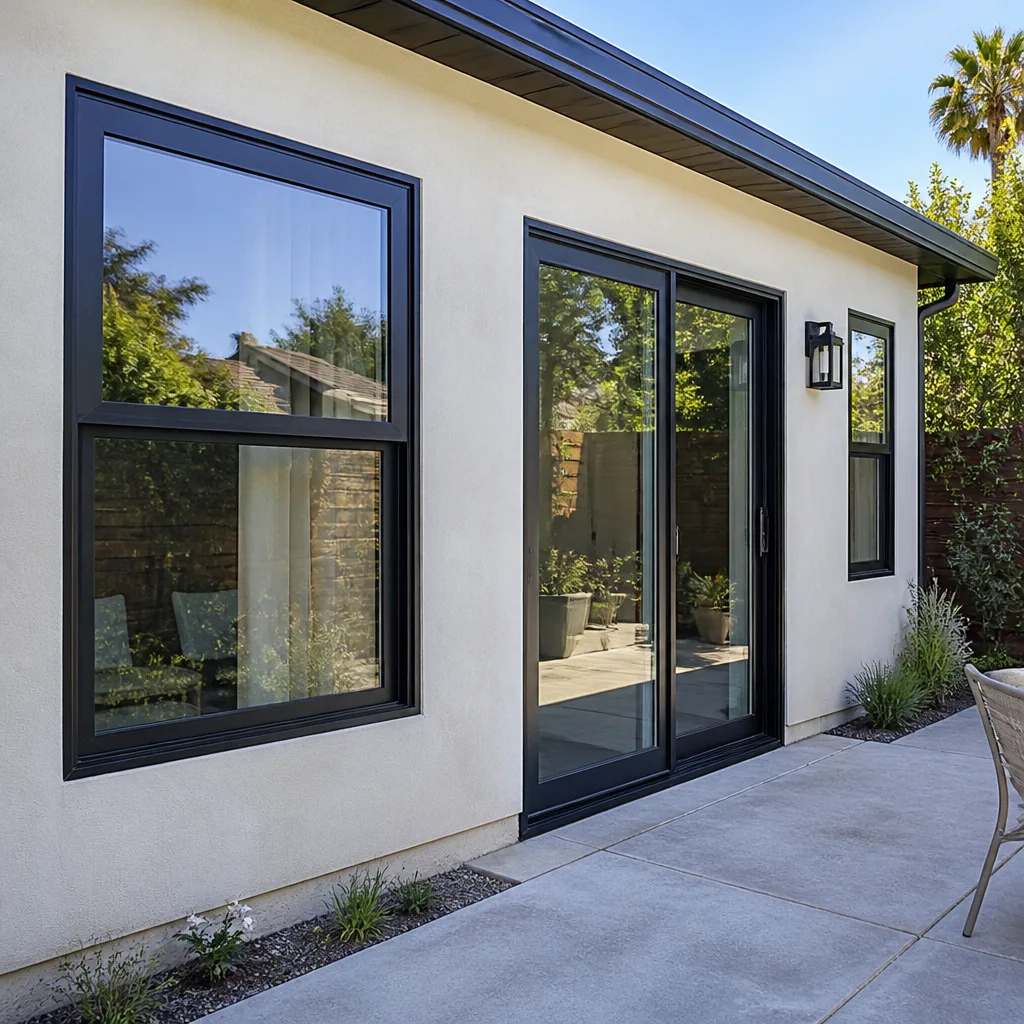 After
AfterDIY vs Professional Windows & Doors: The Los Angeles Homeowner’s Decision Guide
You can legally pull a permit and install your own windows in Los Angeles as an owner-builder. But the instant you pay any contractor to touch any other part of that same project, your owner-builder exemption evaporates, and you’re on the hook for code compliance as if you were a licensed GC. Most LA homeowners discover this mid-inspection, holding a clipboard and a correction notice. This guide covers the three legal and structural triggers that make professional window and door installation non-negotiable for most Los Angeles homes, the rare scenarios where DIY actually makes sense, and what the real cost math looks like on PGT, Therma-Tru, and ViewLux products. For door replacement warning signs every homeowner should know, see our dedicated post. By the end, you’ll know exactly which side of the line your project falls on.
Quick Answer
DIY window and door replacement in Los Angeles is genuinely viable for only a narrow band of cosmetic, like-for-like swaps in non-permitted sizes on simple cladding systems, typically saving $200 – $600 per opening. For anything involving stucco integration, permit triggers, impact-rated glass, structural headers, or manufacturer warranty requirements, professional installation costs $300 – $800 per window or door in labor but protects the warranty, passes inspection the first time, and removes your liability for latent failures. Most LA homes fall into the professional-only category.
Table of Contents
- The Owner-Builder Rule: California’s Legal Trap
- The Stucco Interface: Why LA Construction Is Uniquely Unforgiving
- What ‘Voiding the Warranty’ Actually Means for PGT and Therma-Tru
- Three Scenarios Where DIY Is Genuinely Viable
- Three Scenarios Where DIY Creates Code Problems
- Real Cost Comparison: Where the Math Actually Tips
- Common Mistakes to Avoid
- When to Call a Professional
- Frequently Asked Questions
The Owner-Builder Rule: California’s Legal Trap
California Business and Professions Code Section 7044 allows a property owner to act as their own contractor on their own residence, provided the work is for personal use and not for sale or rental within one year of completion. That’s the exemption everyone quotes. What almost nobody reads is the disqualifier: if you use any hired labor on the project, even a day laborer to haul debris or a handyman to patch drywall around a new window, the entire job must be performed by a licensed contractor. In Los Angeles, the Department of Building and Safety (LADBS) enforces this strictly. We’ve had homeowners call us after failing rough-in inspection because a neighbor’s handyman helped them lift a picture window into place, and the inspector asked who the guy in the truck was.
The liability exposure runs deeper than the permit. Under the owner-builder rules, you personally assume responsibility for the correctness of the installation, including latent defects. If a window leaks into a wall cavity and rots the framing over two years, there’s no contractor’s insurance, no workmanship warranty, and no one to sue but yourself. For a $400 window, that’s a rational risk. For a wall of impact-rated glass on a Malibu hillside, it’s not.
What owners can legally do: pull owner-builder permits, purchase materials, and perform the physical work themselves or with unpaid family members. What they cannot do: hire any paid labor without converting the project to a licensed-contractor job. The moment money changes hands for help, the exemption is gone, and the inspector has grounds to red-tag the work.
The Stucco Interface: Why LA Construction Is Uniquely Unforgiving
Stucco clads more than two-thirds of single-family homes in Los Angeles, from Mid-City Spanish bungalows to Studio City ranch houses. Stucco is a water-shedding system: it works only if every penetration, including windows and doors, is integrated with layered flashing that directs water outward and downward. A replacement window in a stucco wall isn’t just set into the rough opening, it’s tied into the building paper, flashed at the sill, head, and jambs, and then re-stuccoed to create a seamless drainage plane.
The typical DIY approach – remove the old window, set the new one, caulk the perimeter, and call it done – leaves what we call in the trade a “caulk-dependent seal.” Caulk always fails. The sun in Los Angeles does 292+ days of UV exposure per year, and the temperature swings between coastal fog and inland valley heat cause stucco to expand and contract enough that a purely caulk-based seal typically lasts 18 – 36 months before cracking. When it cracks, water enters the wall cavity and you don’t see it until paint bubbles or baseboards stain.
Proper stucco integration means removing enough stucco around the opening to install a two-stage joint: a backer rod behind exterior-grade sealant, plus overlapping flashing lapped correctly under the WRB. Most inspectors in Los Angeles check for this specifically because they’ve seen the damage an improperly flashed window causes in a single rainy season. This is a skill that takes dozens of installations to develop the feel for. It’s not a YouTube lesson with a 12-minute runtime.
What ‘Voiding the Warranty’ Actually Means for PGT and Therma-Tru
Homeowners often dismiss the warranty concern as a scare tactic because “lifetime warranty” sounds unconditional. But read the actual warranty language from PGT and Therma-Tru, both product lines we install across Los Angeles. Both require certified-installer documentation for full coverage. PGT’s warranty on impact-rated products specifically states that installation must be performed by a licensed professional following PGT’s installation guidelines for the warranty to remain valid. Therma-Tru’s door warranty has similar language for their door systems, particularly the multi-point locking hardware on models like the fiberglass Classic-Craft line.
What this means in practice: if you install a PGT window yourself and the insulated glass unit fails at year three – argon gas leaked, seal failed, condensation between the panes – you file a claim and the first document requested is proof of professional installation. No proof, no replacement. The warranty isn’t voided in the sense that the product is defective; it’s voided because the manufacturer cannot verify the failure wasn’t caused by improper installation.
For a single window, this might mean eating a $300 replacement sash. For a 12-window project with impact glass, it can mean $8,000 – $12,000 in glass replacement costs landing on you. The warranty documentation is part of what you’re paying for when you hire a professional installer who is certified by the specific manufacturer.
Three Scenarios Where DIY Is Genuinely Viable
This guide isn’t a blanket argument against DIY. We tell homeowners in Los Angeles that some projects are genuinely doable, and the math honestly favors doing it yourself. These are the three scenarios we consider viable, with clear boundaries. If you run into trouble, our door replacement troubleshooting guide covers common problems and how to fix them.
1. Like-for-like window swap in a non-permitted size. If an existing window is a standard size, the rough opening is clean and square, and the exterior is wood siding or stucco that you already plan to re-stucco yourself, replacing it with the identical rough-opening dimensions often doesn’t require a permit under LADBS rules. The project becomes a trim-removal, caulk-cutting, new-window-setting job. This is real work, usually a full day for a first-timer on one window, but it’s mechanically learnable.
2. Interior prehung door replacement. Replacing an interior passage door with a prehung unit from a brand like ViewLux doesn’t involve exterior waterproofing, structural headers, or permits in most LA municipalities. The scope is shim, level, nail, case. A patient homeowner with a 4-foot level and an afternoon can produce a door that opens and closes properly.
3. Hardware swaps. Replacing door hardware, weatherstripping, window screens, or a broken sash lock costs $30 – $90 in parts and requires no permit, no structural knowledge, and no warranty complication. This is where savings per hour of DIY labor are actually highest.
In each of these three scenarios, the homeowner isn’t fighting the building, the code, or the physics. They’re doing straightforward replacement labor. We always tell people: if you can comfortably rehang a bedroom door without a YouTube video playing in the background, you can probably handle these.
Three Scenarios Where DIY Creates Code Problems
The flip side of the coin. These are the three situations where we see DIY window and door work create code problems in Los Angeles, and where the project typically costs more to fix professionally than it would have cost to hire professionally in the first place. Following a door replacement maintenance schedule can prevent many of these issues from developing.
1. Egress and tempered-glass requirements. Los Angeles enforces the California Residential Code, and bedroom windows must open to a minimum clear opening of 5.7 square feet with a minimum 24-inch clear height and 20-inch clear width, with the sill no higher than 44 inches from the floor. Glass within 24 inches of a door or within 60 inches of a tub or shower must be tempered. A DIYer replaces a bedroom window with a smaller unit because it was on sale, and now the room doesn’t meet egress requirements. The inspector red-tags it. The window comes out, a properly sized one goes in, and the homeowner pays twice.
2. Structural changes to the rough opening. Widening a window opening or converting a window to a door means cutting into the wall framing and installing a header. The header must be sized for the span and the seismic loads specific to Los Angeles. LADBS requires structural calculations on larger openings, along with holdown and shear-wall details. A homeowner who sizes a header by “two 2x12s looks strong enough” can create a condition that fails in an earthquake or simply fails the plan-check stage. Once the opening is cut and the header is wrong, fixing it means re-framing under a correction notice.
3. Impact-rated or coastal-zone compliance. Properties in designated wildfire-urban-interface zones or within one mile of the coast have additional glazing requirements under California Building Code Chapter 7A and local LA coastal ordinances. Installing standard glass in a location that requires impact-rated or tempered glass is not something an inspector will wave through with a friendly warning. It’s a remove-and-replace correction, usually within 30 days.
Real Cost Comparison: Where the Math Actually Tips
The honest cost question isn’t “what does a window cost” but “what does a correctly installed, permitted, warrantied window cost versus a DIY window that may or may not pass inspection.” Here’s a breakdown on a typical 60-inch-wide by 48-inch-tall replacement window in Los Angeles: vinyl, dual-pane, low-E, no impact rating.
- DIY materials: $350 – $650 for a mid-grade vinyl window, $40 for flashing tape and sealant, $60 for tool rental if needed, $120 – $280 for LADBS owner-builder permit (when required). Total: $570 – $1,030
- Professional installed price: $900 – $1,700 for the same window with installation, permit, flashing, disposal, and labor included. Juniper’s written price in Los Angeles for this scope typically lands in the $1,100 – $1,500 range depending on access and stucco work.
The DIY savings looks like $330 – $670 per window. But then you factor in the realities: a professional installation includes a workmanship warranty (Juniper’s 365-Day Done Right Promise covers parts and labor for a full year), manufacturer warranty documentation, and liability transfer. The time cost is substantial too: a first-time DIY window replacement often takes 4 – 6 hours per window, not counting mistakes, runs to the hardware store, and the learning curve on flashing.
For a door replacement, the math is similar. A Therma-Tru fiberglass entry door, the kind that actually survives a Los Angeles summer without warping, runs $900 – $1,600 in materials alone. Professional installation adds $300 – $600. The DIY savings range is $300 – $600, but the risk of an improperly installed prehung door – one that binds, leaks, or doesn’t seal properly – is real, and the warranty consideration applies.
The math tips toward DIY only when the project is one of the three viable scenarios above AND the homeowner places near-zero value on the warranty and liability protection. For everyone else, the “savings” is a gamble with poor odds.
Common Mistakes to Avoid
- Assuming all window replacements need a permit. In Los Angeles, like-for-like replacements without structural changes often don’t require one, but the moment you alter the rough opening or the exterior cladding, you’re in permit territory. Check with LADBS before cutting anything.
- Using caulk as the primary seal on a stucco home. Caulk is a cosmetic seal, not a water-shedding system. Without proper flashing integration, a caulked window starts leaking within two to three Los Angeles summers.
- Buying a window based on sale price instead of rough opening size. A cheap window that doesn’t match the rough opening turns a simple swap into a structural job with headers, re-framing, and a permit.
- Hiring a handyman for a window or door install on a stucco home. Without LADBS-permitted work and proper flashing, you’re back to the owner-builder liability trap, and the handyman has no license to fall back on when something fails.
- Ignoring the owner-builder fine print. The moment paid labor enters the picture, the exemption dies. If you’re going to DIY, do it with only unpaid help.
- Forgetting that west-facing windows in LA take brutal afternoon sun. In neighborhoods from Santa Monica to Pasadena, low-E glass and proper solar heat gain coefficients matter more than on a north wall, and the wrong glass spec leads to absurd cooling bills.
- Skipping the manufacturer warranty documentation. A PGT or Therma-Tru warranty is only as good as the paper trail behind the installation. No certified installer, no coverage when the glass fails.
When to Call a Professional
Call a professional when the window or door is in a stucco wall, when the rough opening dimensions change, when the project requires impact-rated glass or coastal-zone compliance, when the warranty matters to you, or when you’ve never hung a door or flashed a window before. If the project involves more than two openings, the risk multiplies with every additional unit. Juniper Windows & Doors offers free estimates across Los Angeles, and every quote includes a written price before any work starts. Call (682) 281-2168 to talk through your specific project. We install PGT, Therma-Tru, ViewLux, and five other product lines, and we’ll tell you honestly if your job is a reasonable DIY project or one where professional installation is the only rational call.
Frequently Asked Questions
Professional window installation in Los Angeles typically costs $300 – $800 per window in labor, with the full installed price ranging from $900 – $1,700 for a standard vinyl dual-pane unit to $2,500 – $6,000 for impact-rated windows from PGT or CGI. Window installation in Los Angeles varies by access, stucco condition, and whether the rough opening is being modified. Call (682) 281-2168 for a written, line-item quote on your specific project.
In Los Angeles, like-for-like window replacements with identical rough opening sizes generally don’t require a permit, but any change to the opening size, structural framing, or exterior cladding does. LADBS enforces owner-builder rules strictly, and using paid labor on a permit-required project converts the job to a licensed-contractor requirement.
Yes, California law allows property owners to pull permits and perform work on their own residence, but the exemption applies only if no paid labor is used anywhere on the project. The moment you hire any help, the owner-builder exemption disappears and the work must be performed by a licensed contractor to pass inspection.
Yes, in practice. Both PGT and Therma-Tru require certified professional installation for full warranty coverage. A DIY install means no installation documentation, and most glass or hardware failure claims are denied because the manufacturer cannot rule out improper installation as the cause.
Stucco is a water-shedding system that requires layered flashing integration at every penetration. A window set into stucco with only caulk around the perimeter will leak within two to three years because UV exposure and temperature swings in Los Angeles crack the caulk and let water into the wall cavity.
For a standard single-window replacement, professional installation takes about two to four hours on-site. A full-house window replacement of 10 to 15 windows typically runs three to five days depending on stucco repairs, access, and whether custom sizing is involved. Window replacement in Los Angeles with Juniper includes a scheduled arrival time and photo updates throughout the job.
The Bottom Line
The DIY-versus-professional question for windows and doors in Los Angeles isn’t really about skill, it’s about three structural realities: the owner-builder permit trap, the stucco interface, and the warranty documentation chain. If your project falls within the narrow band of like-for-like swaps on simple cladding with no permit triggers, DIY can save a few hundred dollars per opening. For everything else, professional installation isn’t an upsell, it’s the only path that passes inspection, keeps the manufacturer warranty valid, and protects you from latent liability. Door replacement in Los Angeles and window work are where precision compounds. One window, one day, one inspector; if any piece of that chain fails, the project costs more than if you’d hired a professional from the start.
Written by Sean Mackey, Owner at Juniper Windows & Doors, serving Los Angeles since 2001. Browse our more guides & resources for additional help.