
Last updated October 9, 2026
Free in-home measure and quote - PGT, CGI and CWS impact lines compared on your actual openings, style by style
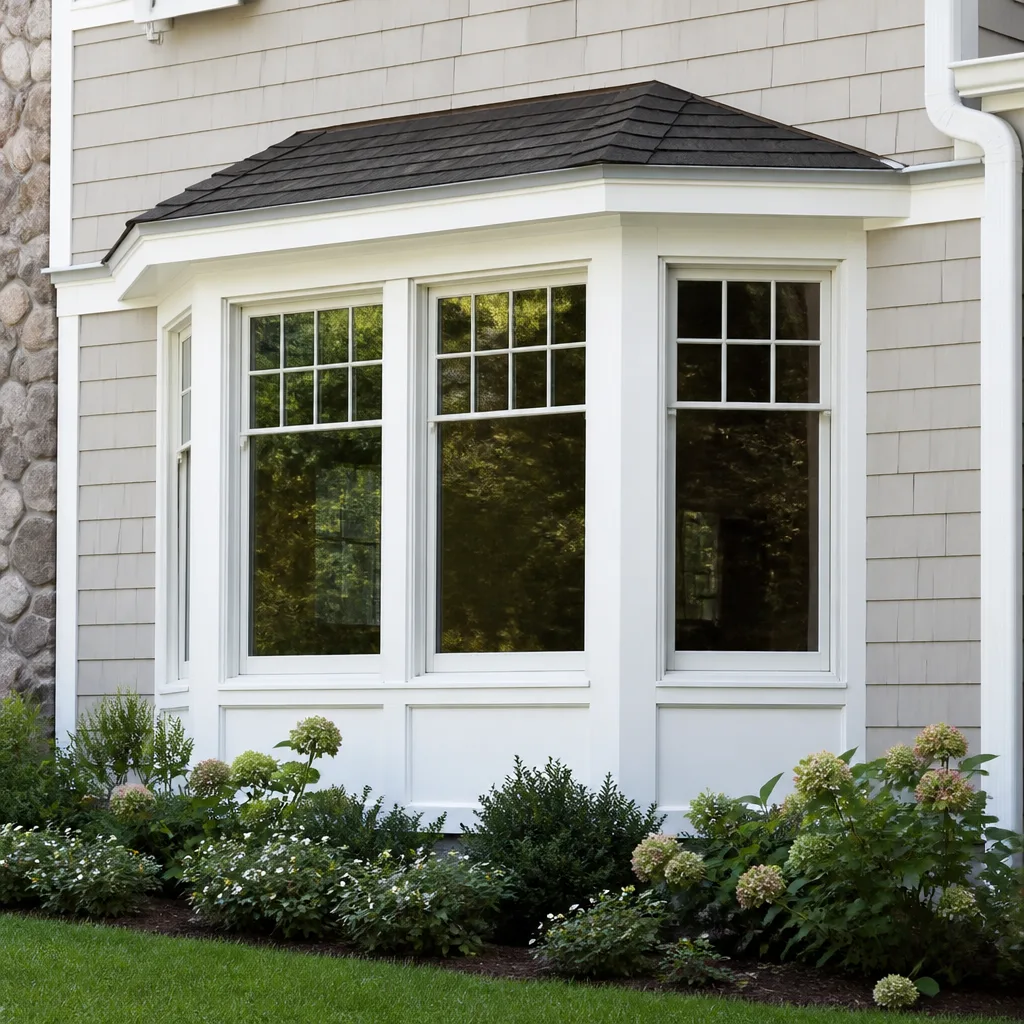
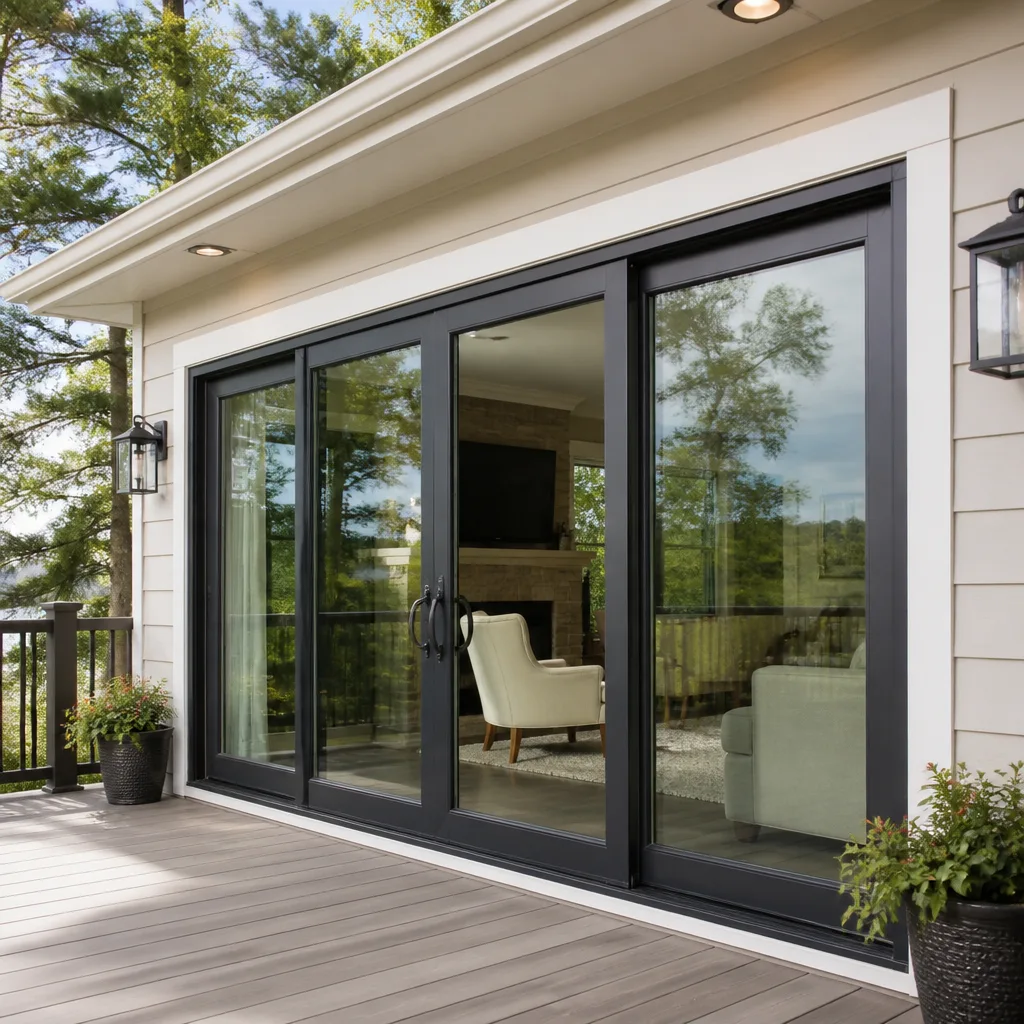
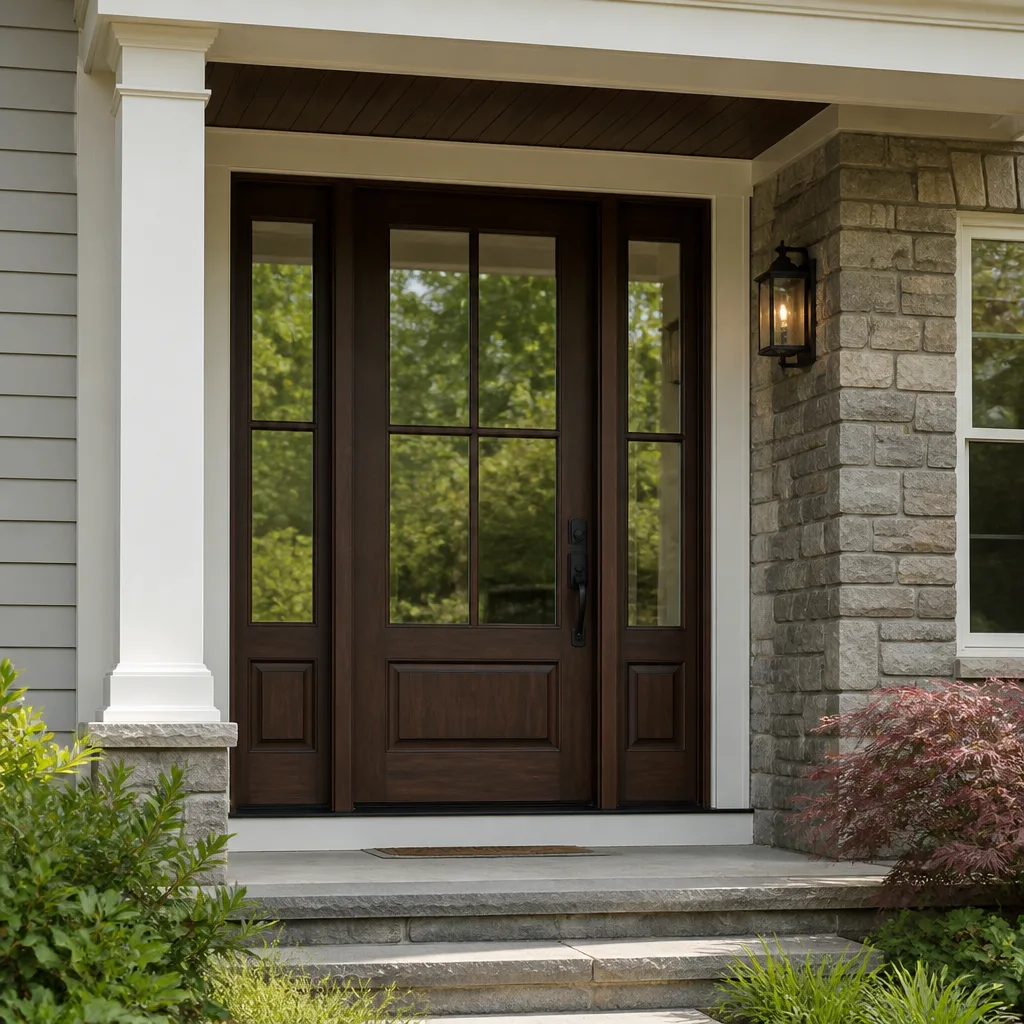
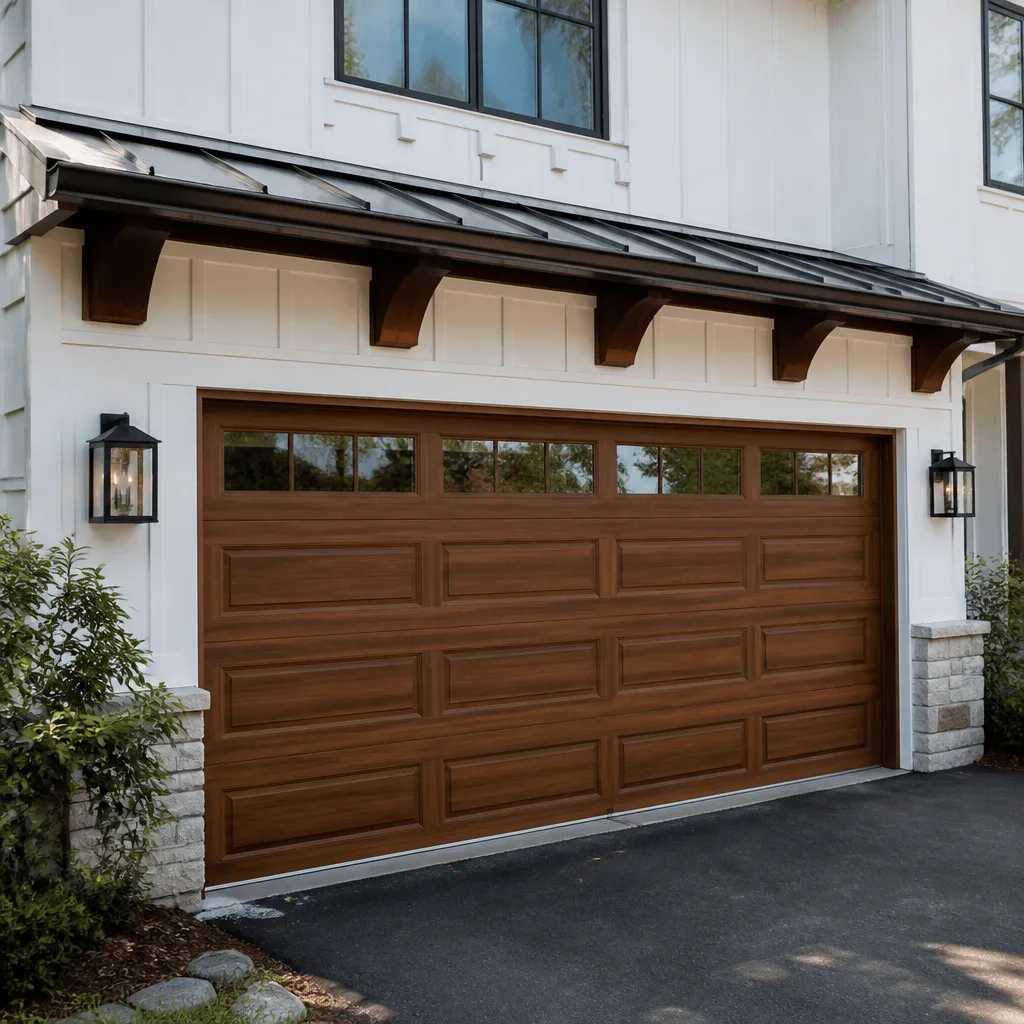
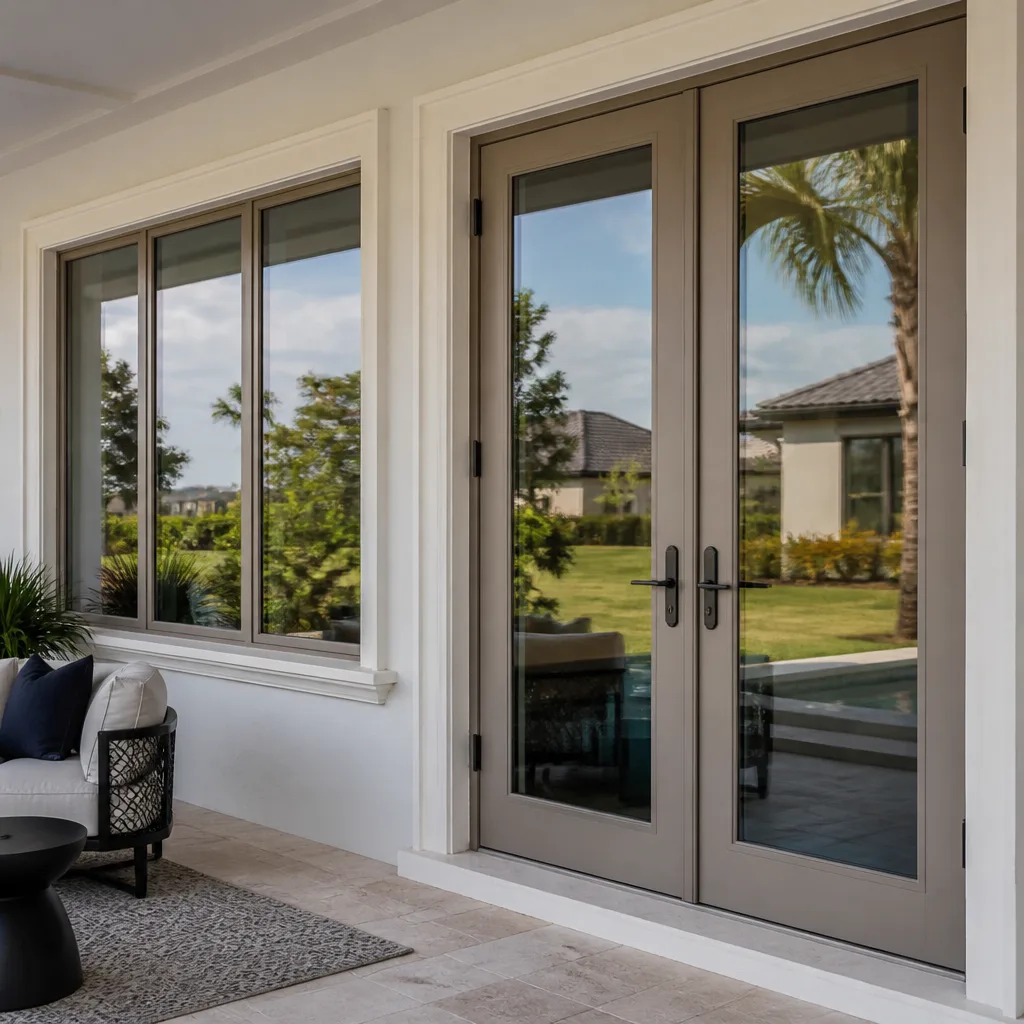
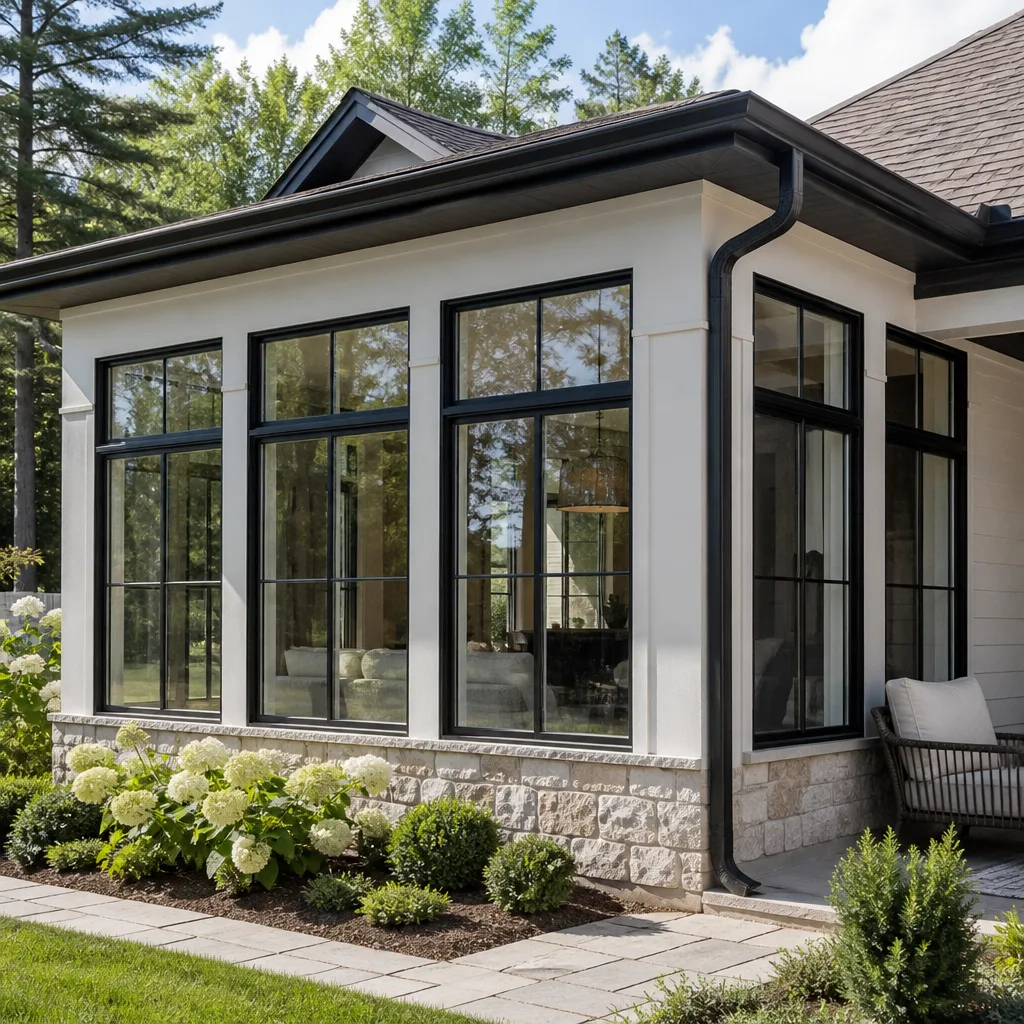
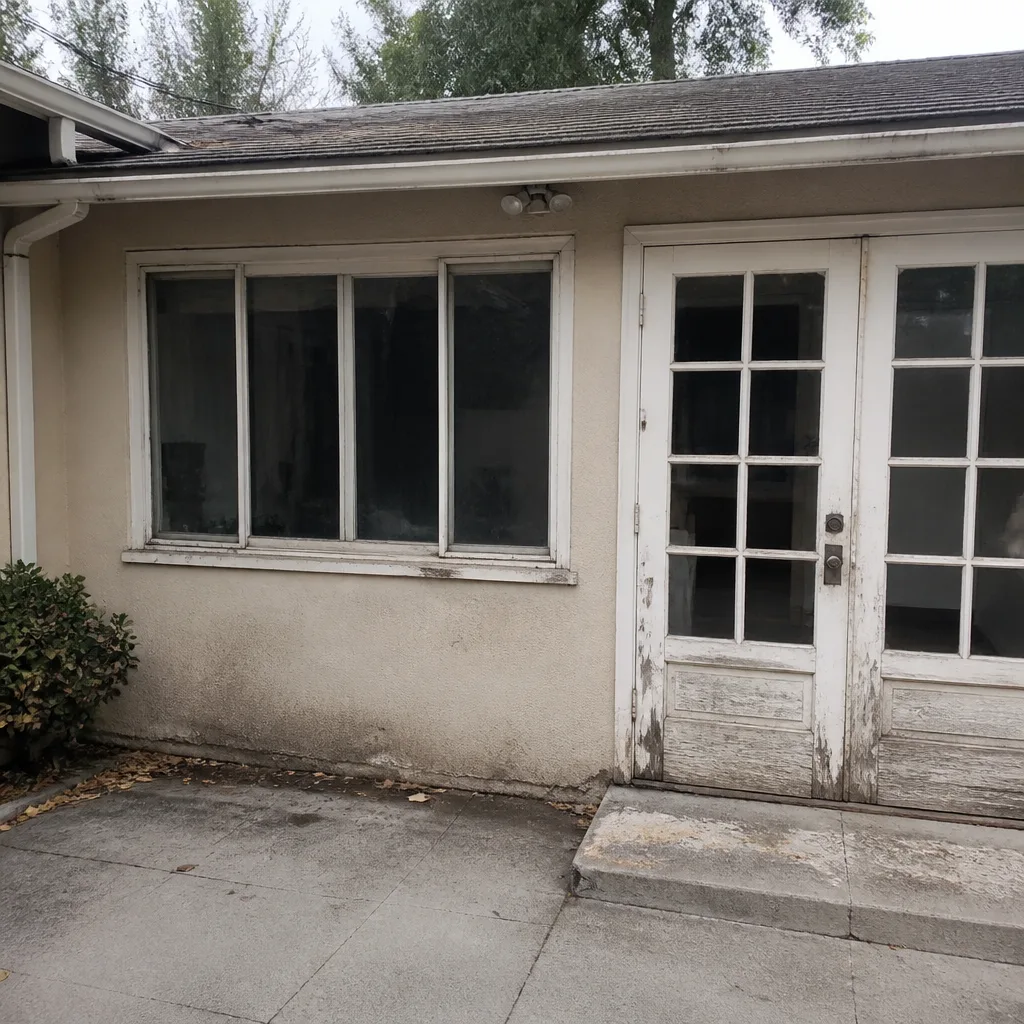 Before
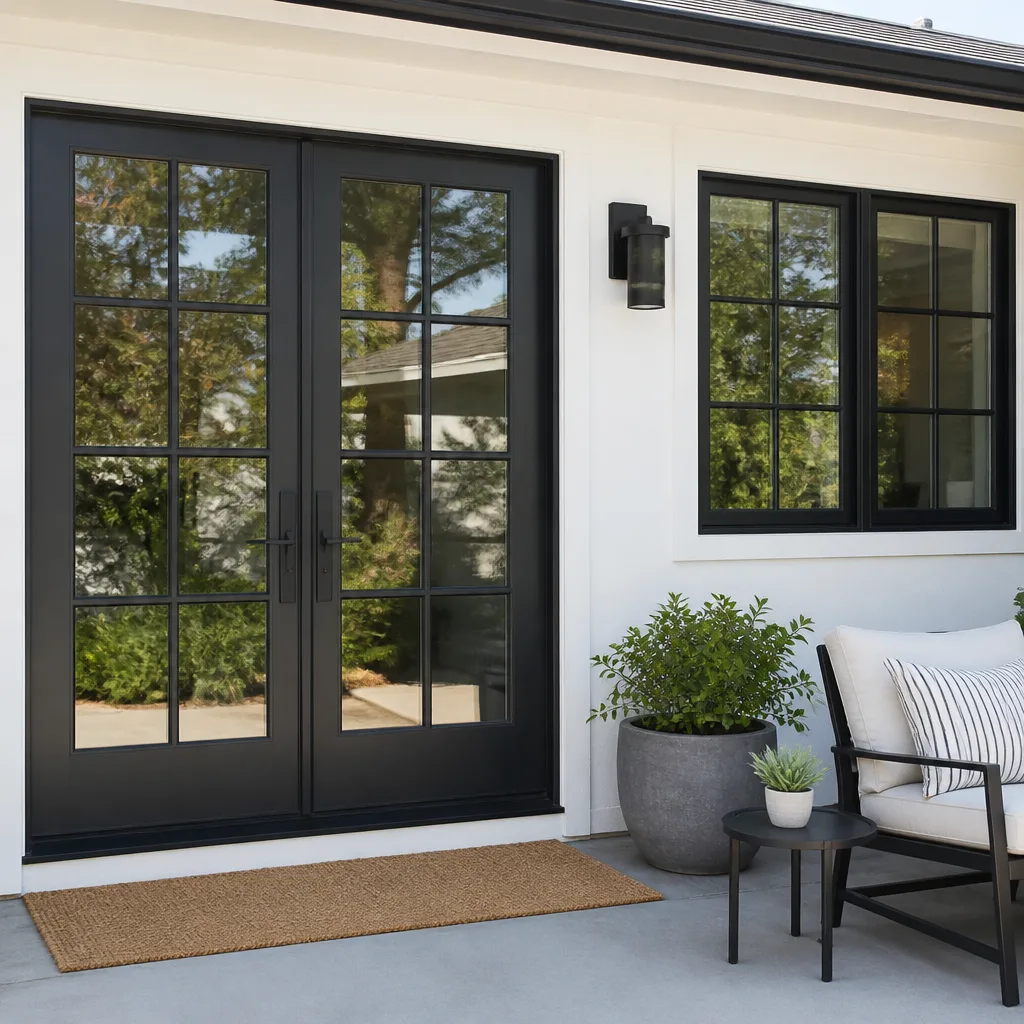 After
After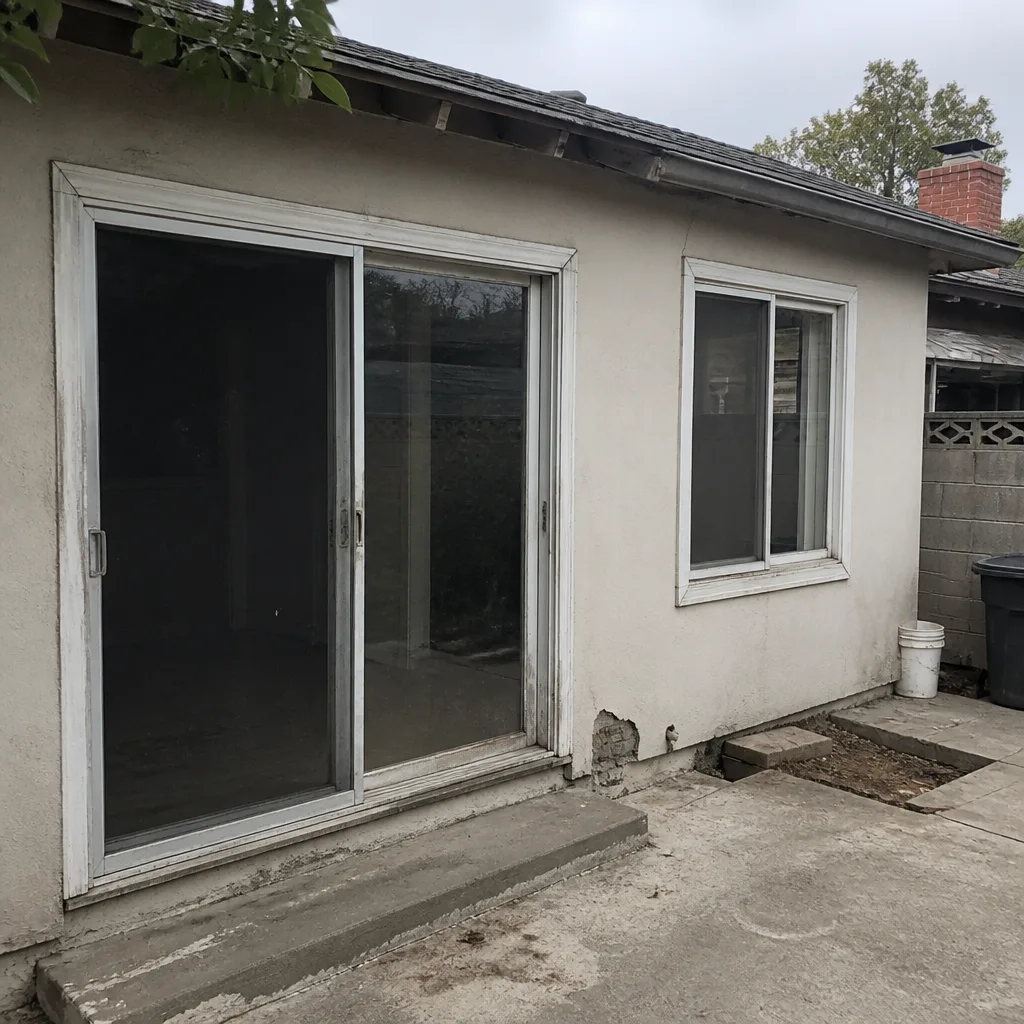 Before
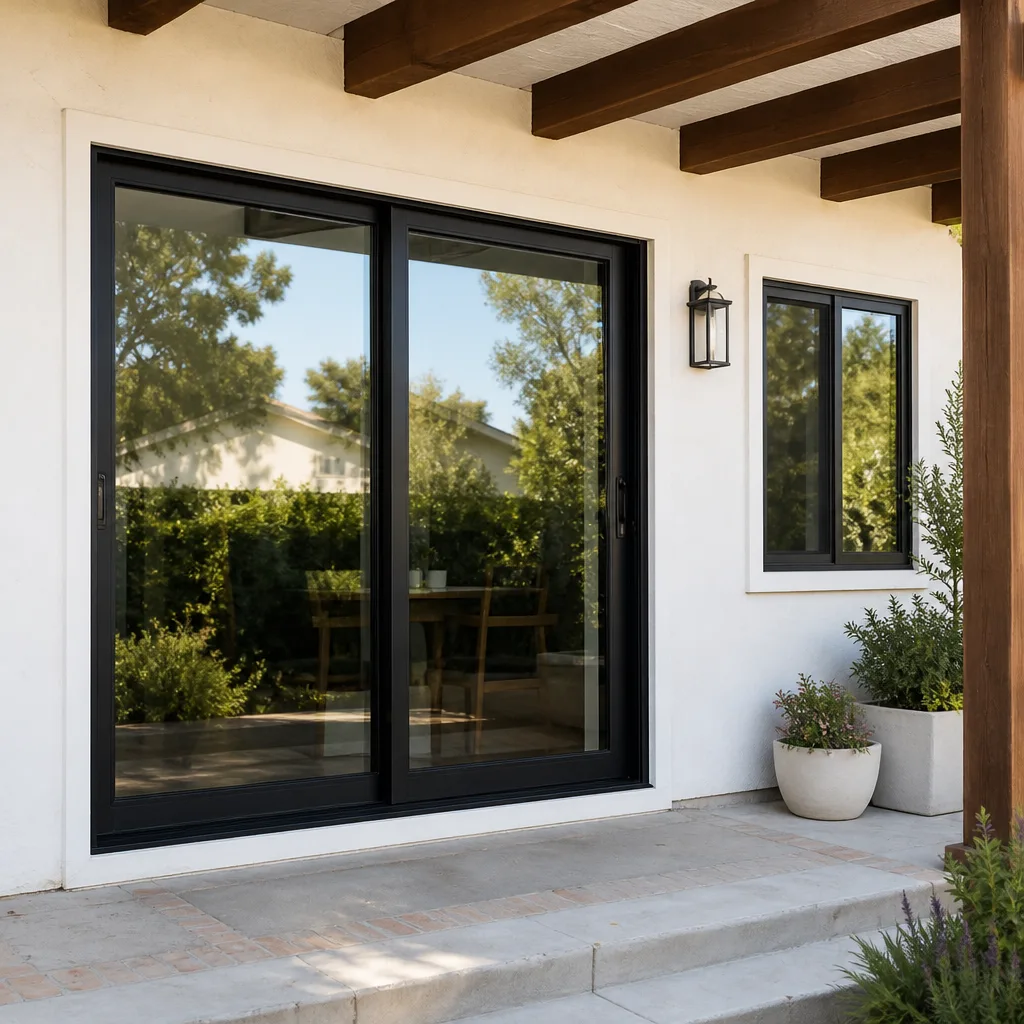 After
After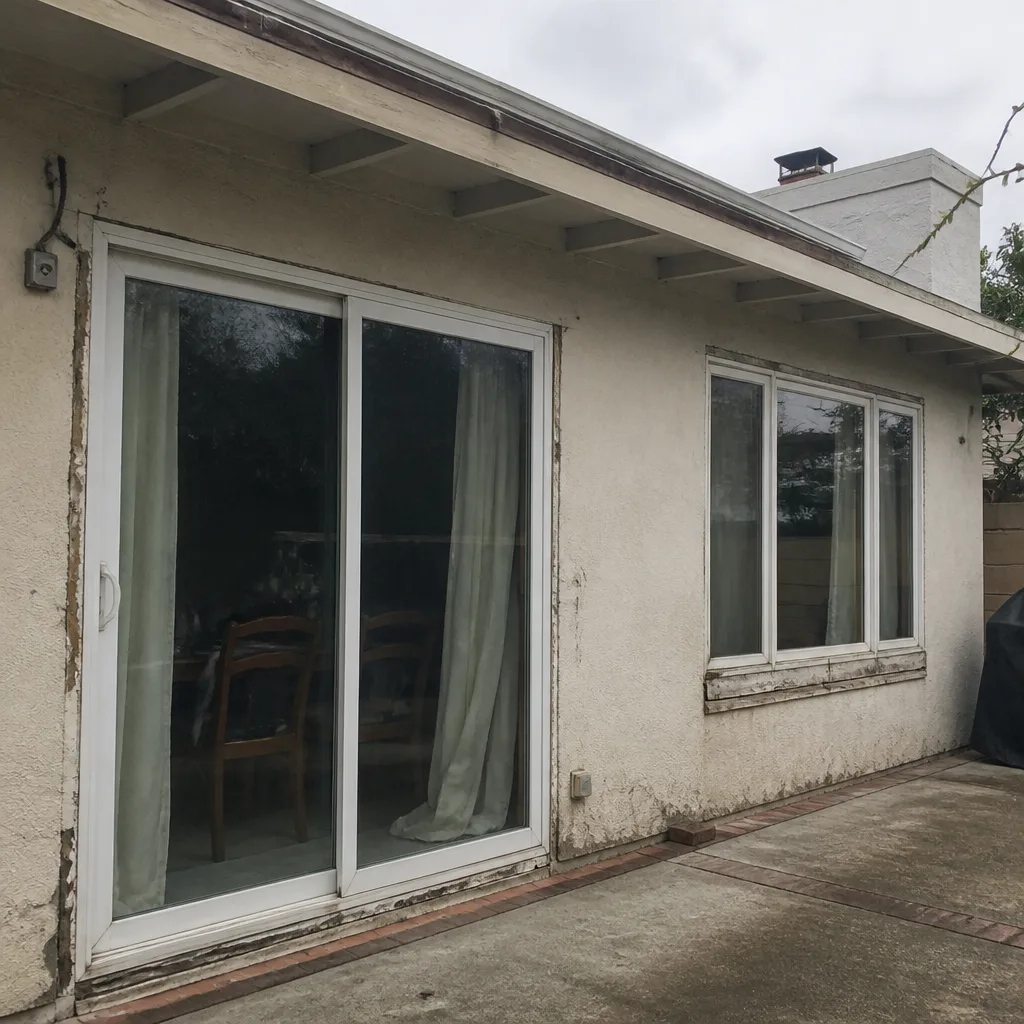 Before
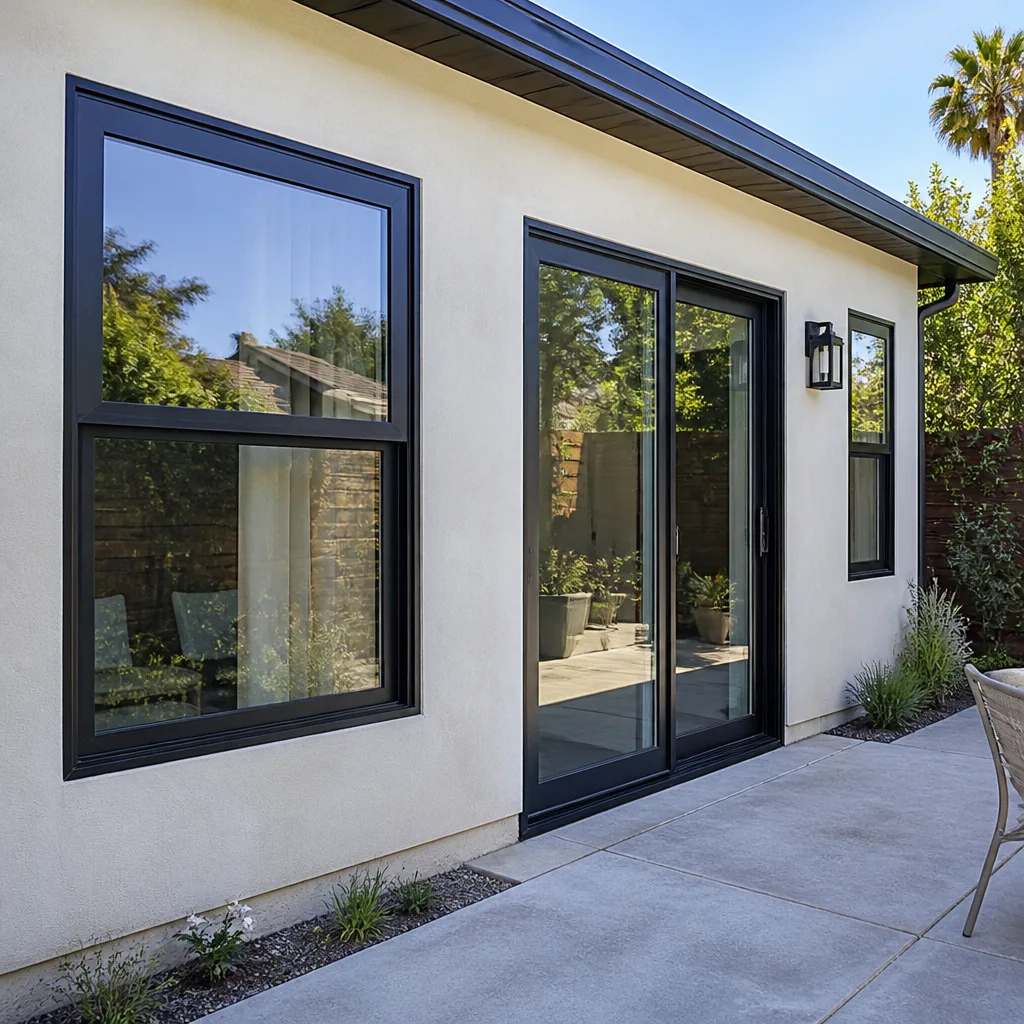 After
AfterThe Complete Window Installation Guide for Los Angeles Homeowners
Most window guides treat an installation like a straightforward swap: old frame out, new frame in, caulk it, done. Los Angeles doesn’t work that way. We replace, install, and upgrade windows across this city every week, and the jobs that go smoothly are the ones where homeowners understood three things before the first screw turned: Title 24 energy rules, HPOZ and HOA approval layers, and California’s lead-safe protocols for older homes. This guide walks through all three, plus the flashing, anchoring, and pricing details that decide whether a window will look right and perform well a decade from now. If you own a home in Los Angeles and you’re weighing new windows, here’s the full picture, from first quote to final inspection, or explore The Complete Window Replacement Guide for Los Angeles Homeowners for more detail.
Quick Answer
Window installation in Los Angeles means more than measuring glass: you’re working inside California’s Title 24 energy code, seismic anchoring rules for LA County inspectors, and, for any home built before 1978, lead-safe work practice requirements under California Health & Safety Code. Most full-frame replacements run $700 to $1,900 per window installed, depending on product line and opening condition. A legitimate crew will confirm your HOA or HPOZ status, pull the right permits, and hand you a written price before any work begins.
Table of Contents
- LA Permits, HPOZ Rules, and HOA Approval
- Pre-1978 Homes: Lead-Safe Work Practices
- Title 24 Energy Compliance in Los Angeles
- Seismic Anchoring: What LA Inspectors Check
- Flashing and Water-Resistive Barrier Integration
- What Window Installation Costs in Los Angeles
- Pre-Installation Checklist: What to Confirm Before the Crew Arrives
LA Permits, HPOZ Rules, and HOA Approval
Los Angeles treats window replacement as a building-code event, not a cosmetic one. The city requires a permit for window replacement when the opening size changes, when the frame is altered structurally, or when your home sits in certain coastal or hillside zones with stricter engineering review. A same-size insert job may still trigger a permit depending on your neighborhood’s specific overlay rules, so we never assume. We check the address against the LA Department of Building and Safety’s current requirements before a quote goes out.
The bigger tripwire for many homeowners is the HPOZ. Los Angeles has more than 30 Historic Preservation Overlay Zones: Angelino Heights, Hancock Park, West Adams, Highland Park, Carthay Square, and others. Homes inside an HPOZ face design review before any window work can proceed. That review looks at divided lite patterns, frame material, exterior color, and whether the replacement window matches the architectural character of the street-facing elevation. You can’t put a white vinyl slider into a 1920s Spanish Revival HPOZ home without a review, and the review itself can add weeks to a timeline. The city’s ZIMAS map is the free tool anyone can use to check HPOZ, hillside, or coastal zone status by address. Check it before you order product. We’ve had customers buy windows on sale, only to find they failed HPOZ review. That’s a return fee and a delay, entirely avoidable with a five-minute look-up.
HOAs add a second layer. Los Angeles condo and planned-development HOAs often maintain a pre-approved window list or a style guide that dictates color, grid pattern, and even glass tint. Some HOAs require architectural committee sign-off before installation; some require the contractor’s certificate of insurance on file. If you’re in any HOA, call them first. Ask for the window policy in writing. If a contractor tells you to skip HOA approval and just install, that’s a red flag: the unit owner, not the contractor, eats the fine when the association enforces the rule after the fact.
Pre-1978 Homes: Lead-Safe Work Practices
Any home in Los Angeles built before 1978 is presumed to contain lead-based paint until testing proves otherwise. That’s a federal and California standard, and it changes how a window installation must be performed. Windows are the most direct lead exposure path in an older home, because the friction surfaces, sashes, and frames where old paint rubs against itself release dust every time a window opens or closes. When we remove a pre-1978 frame, we disturb paint. California Health & Safety Code requires a lead-safe work practice certification for exactly this kind of work. The contractor must set up plastic containment around the work area, use HEPA filtration, minimize dust with wet methods, and clean to a documented clearance standard before reoccupying the room.
This isn’t a scare tactic. It’s the law, and it’s a real cost and a real timeline factor. A lead-safe window replacement in a Los Angeles home takes longer per opening than a post-1978 job, because setup, containment, cleaning, and verification are all part of the process. The contractor performing the work must be registered with the California Department of Public Health’s lead program. Ask to see that registration before signing a contract for a pre-1978 home. If the company either can’t produce it or tells you lead paint isn’t a concern, walk away. The fines for a non-compliant contractor start in the thousands, and the homeowner’s liability runs parallel to the contractor’s, not behind it.
For homeowners planning a DIY or handyman route on an older home: the same rules apply to you. California doesn’t exempt owner-occupants from lead-safe work requirements if you’re doing renovation that disturbs painted surfaces. A window swap isn’t a weekend project under this statute. The practical outcome for most Los Angeles homeowners is simple: hire a registered, lead-certified window installer and budget for containment time in your schedule. See DIY vs Professional Door Replacement: What’s Safe to Do Yourself for a parallel look at when professional work is the safer call. We handle pre-1978 homes throughout LA and we set the lead-safe expectations in writing before work starts, not after the walls are opened.
Title 24 Energy Compliance in Los Angeles
California’s Title 24 Building Energy Efficiency Standards apply to every window installed in Los Angeles, new construction or replacement. The rules aren’t suggestions and they aren’t waived for owner-occupied homes. The energy code sets a maximum U-factor and a maximum Solar Heat Gain Coefficient (SHGC) for your climate zone, and Los Angeles County spans several zones with different thresholds depending on the building’s orientation and the window’s exposure.
Here’s the plain-language version of those terms. U-factor measures how well a window holds interior heat in during cool months; a lower number is better. SHGC measures how much solar heat the glass lets through; a lower number means less heat gain. Title 24 treats these two numbers as a package, and the package must meet the code for your specific LA climate zone before an inspector signs off. Most of the products we install, including lines from ECO Window Systems and ViewLux, are built with low-e coatings and gas-filled glass packages specifically engineered to meet Title 24 without pushing every homeowner into the absolute top-tier price bracket. Compliance isn’t necessarily a premium product problem; it’s a specification problem. The window has to be spec’d correctly for the opening.
The enforcement mechanism is the permit and inspection. When you pull a permit for window installation in Los Angeles, the inspector verifies compliance through the window’s NFRC label, which lists the U-factor and SHGC for the exact unit installed. If a contractor installs a non-compliant window and walks away before inspection, the homeowner is stuck correcting it. Always confirm the proposed window’s NFRC numbers against your project’s Title 24 documentation before installation day. We can’t stress this enough: the quote should name the exact window model and its energy-performance numbers, not just a brand and a size.
Seismic Anchoring: What LA Inspectors Check
Los Angeles sits on dozens of fault lines, and the building code reflects that reality. Window frames in LA County must be anchored to the surrounding structure in a way that resists lateral movement during a seismic event, not just gravity in a straight line down. Inspectors look at fastener type, fastener spacing, and the connection between the window flange and the structural framing. In older wood-frame homes, that means checking whether the rough opening has solid, rot-free wood around the perimeter with adequate depth for the required fasteners.
The anchoring protocol starts with an inspection of what’s already in the wall. We’ve opened rot around window frames in older Los Angeles homes more times than we can count, especially in beach-adjacent neighborhoods where salt air accelerates frame decay and in hillside homes where drainage directs water toward openings. When the framing is compromised, the fix is to cut out the punky wood and reframe before the window goes in. That’s a separate line item on the quote and the inspector wants to see it addressed before the window is anchored. Fasteners get spec’d by the window manufacturer’s installation instructions and the project’s structural notes. This isn’t a place to improvise with whatever screws are in the truck.
What inspectors in LA County are actually looking for on a typical residential job: fastener placement matching the manufacturer’s diagram, no excessive shimming that leaves the frame bowed or twisted, and anchors that are tight enough that the frame doesn’t rack when pressure is applied. If a homeowner sees a crew installing windows with only foam and a few nails, that’s going to fail. A seismic-compliant installation reads as solid from the day it’s installed. Ask your installer to explain the anchoring plan in plain terms before the crew starts. If the explanation is vague, press for details. You’re paying for this work to keep its shape through the next earthquake, not just until the final walk-through.
Flashing and Water-Resistive Barrier Integration
The difference between a window that leaks in five years and one that stays dry for thirty often comes down to flashing and how well it ties into the wall’s water-resistive barrier, or WRB. In Los Angeles, where we live with the weird rhythm of prolonged dry spells broken by sudden heavy rain, a window that’s fine for eleven months can reveal a leak in a single January storm. The leak usually isn’t the window’s fault. It’s the flashing.
Flashing is the layered system that directs water away from the rough opening: head flashing at the top that shingles over the window’s top edge, side flashing that laps over the WRB, and sill flashing at the bottom that carries water out and away. The key principle is that every vertical seam overlaps the one below it, like shingles on a roof, so water that runs down the wall gets kicked out instead of sliding behind the window flange. California’s building code and the window manufacturer’s instructions both specify these details, and a good LA inspector looks for exactly this at the rough-in inspection.
WRB integration is where shortcuts happen. The WRB, whether it’s tar paper on an older house or a modern housewrap, must be cut and folded so that it laps over the window flange in the right sequence. If a crew tears the WRB and doesn’t repair it, or installs the window on top of a gap in the barrier, the wall system is now a water path. We inspect the WRB condition before setting any window, and on older Los Angeles homes we often find the original barrier is failing in patches. Repairing it before installation is a conversation we have at the quote stage, so the number in the estimate reflects what the wall actually needs. Flashing tape, a quality sealant, and the correct lapping sequence are a fraction of the total job cost. A leaking window that rots a wall is never a fraction.
What Window Installation Costs in Los Angeles
If you’re pricing windows in Los Angeles, expect a wide but predictable range. A basic vinyl insert window in a standard opening runs roughly $700 to $1,200 per unit installed, including old-window removal and basic trimwork. A full-frame replacement with new framing, flashing, and exterior trim usually falls between $900 and $1,900 per opening. Higher-end product lines like ViewLux or Therma-Tru entry doors paired with window packages push higher, especially when you’re upgrading to impact-rated glass or custom sizes. These are per-opening installed prices, not material-only figures.
The price moves for identifiable reasons. Here’s what changes it:
- Opening count and size: More windows spreads the fixed setup cost, but big custom openings cost more per square foot.
- Frame condition: Rotted framing, termite damage, or undersized structural members require reframing, which adds labor and materials.
- Product spec: Basic dual-pane vinyl sits at the low end. Impact-rated glass, specialty coatings, and custom grid patterns move the number up.
- Lead-safe requirements: Pre-1978 homes add containment, HEPA cleanup, and verification time per window.
- HOZ/HPOZ design review: Historic zones can require specific frame materials, which shifts the product price.
- Stucco or hard exterior surfaces: Refinishing around the new window after installation adds a repair line item on many LA homes.
What should worry you is an estimate that’s dramatically lower than this range with no explanation. A $300 installed window in Los Angeles in 2026 means someone is cutting a corner you can’t see, and the corner is usually flashing, anchoring, or lead-safe compliance. Our approach at Juniper Windows & Doors, through our Window Installation services, is a written price before any work starts, itemized so you can see exactly where the money goes. No vague allowances, no change-order surprises when the crew finds rotted wood on day one. The number we hand you is the number you pay, and the 365-Day Done Right Promise backs the installation for parts and labor for a full year, in writing.
Pre-Installation Checklist: What to Confirm Before the Crew Arrives
The day before installation is the moment to lock down the details. We send every Los Angeles customer a written confirmation ahead of the install date, and we recommend homeowners run through this list on their own, too. It prevents ninety percent of the problems that used to plague this trade.
- Confirm the permit status in writing. If a permit is required, the pulled permit number should be in your hands before the crew arrives. No permit number, no work.
- Verify HOA or HPOZ approval is complete. You want the approval letter or email archived, not a verbal “we got it.” This protects you if a dispute comes up later.
- Walk the product list against the quote. Confirm the exact window models, glass packages, and grid patterns match the written quote. If you spec’d a Mr-Glass double-hung and the truck shows up with a different line, stop the job.
- Identify the work areas and interior protection plan. Know which rooms will be worked in, and confirm the contractor’s drop-cloth and dust-containment approach for your floors and furniture.
- Confirm lead-safe protocol for pre-1978 homes. Ask for the lead-safe registration number and confirm the containment plan covers the full work zone.
- Review the payment schedule and final walk-through process. You should know what’s due at completion, what the final inspection involves, and how punch-list items get handled.
- Confirm cleanup and debris removal. The crew should haul away all old windows, trim, and packaging. It’s not your job to figure out where the old glass goes.
Run through this list and a good installation goes quietly. Skip it and you’re negotiating from the curb while a crew waits on your driveway. Never the position you want to be in.
Common Mistakes to Avoid
- Skipping the ZIMAS check before ordering windows. Knowing your HPOZ status takes five minutes and saves you from buying windows that will fail design review in Los Angeles’s historic districts.
- Hiring a contractor who can’t discuss flashing. If the word “flashing” draws a blank look, the installer doesn’t understand how water moves through a wall system. That leak risk is on you in year three.
- Assuming a window replacement never needs a permit. LA’s permit rules for window work shift with the zone, the hillside ordinance, and the structural changes involved. Always verify with LADBS before starting.
- Buying windows based on price per unit without checking Title 24 compliance. The cheap window that fails the energy code becomes an expensive correction order after the inspector walks through. We’ve seen it happen in neighborhoods across the San Fernando Valley.
- Neglecting the reframing line item. Los Angeles homes, especially in coastal neighborhoods like Playa del Rey or older inland areas, hide rot behind old windows. If the quote doesn’t account for possible reframing, the number isn’t honest.
- Letting the HOA conversation slide until after installation. HOAs in LA condo buildings often have binding architectural rules. The association can and will make you remove a non-conforming window at your own cost.
When to Call a Professional
If your home sits in an HPOZ, requires a permit with structural changes, or was built before 1978, you should not be doing this without a licensed, lead-certified window contractor. Same goes for any opening that shows rot, termite damage, or water staining around the frame. Those are signs that the installation is now a structural repair, not a simple swap. If you’re replacing multiple windows or changing opening sizes, the coordination of permits, product orders, and inspections is a full job on its own. Juniper Windows & Doors offers free estimates in Los Angeles. Call (682) 281-2168 and we’ll walk the project with you before any commitment.
Frequently Asked Questions
Most window installations in Los Angeles run $700 to $1,900 per window installed, depending on product line, opening condition, and whether lead-safe or HPOZ requirements apply. Basic vinyl inserts sit at the lower end, while full-frame replacements with impact-rated glass and custom sizing push toward the top. Call (682) 281-2168 for a written line-item quote on your specific openings, not a ballpark.
Many window replacements in Los Angeles require a permit, especially when the opening size changes, the frame is altered structurally, or the home sits in a hillside, coastal, or seismic review zone. Same-size insert replacements may not require one, but the only way to know for your address is to check with LADBS. We verify permit needs for every project before quoting.
Title 24 is California’s energy code, and it sets maximum U-factor and SHGC values for windows based on your climate zone in Los Angeles County. A window that fails Title 24 can fail final inspection and leave you correcting the install. Confirm the window’s NFRC label and energy performance against your project’s Title 24 documentation before signing.
Lead-safe work practices are the containment, HEPA filtration, and cleaning protocols required by California law when disturbing painted surfaces in any home built before 1978. Los Angeles has tens of thousands of pre-1978 homes where window replacement triggers these requirements. Your contractor must be lead-certified by the California Department of Public Health to perform this work.
A full-frame replacement removes the entire old window including the frame and the trim, then installs a new frame with new flashing and anchoring. A pocket insert fits a new window inside the existing frame. Inserts cost less up front but leave the old flashing and frame rot in place, which can create problems later in Los Angeles’s rain-heavy winter cycles.
A typical same-day installation handles one to three windows per crew day. Lead-safe containment on a pre-1978 home adds setup and cleanup time per opening. HPOZ design review can add weeks before installation even begins, so check that early in the process. We sequence projects to minimize days on site and coordinate all inspections with the city.
The Bottom Line
Window installation in Los Angeles is a building-code project with a view. Title 24, seismic anchoring, lead-safe rules for older homes, and HPOZ or HOA layers all sit between you and a finished window that looks right and keeps the wall dry. The homeowners who end up happy are the ones who checked their property’s status early, confirmed the window’s energy numbers in writing, and hired a contractor who talks about flashing, anchoring, and permits as easily as they talk about glass. Get the written price first. Confirm the compliance. Then let the crew work. For more guides & resources, visit our blog. If you’re ready to start, call (682) 281-2168 for a free estimate on your Los Angeles home, and we’ll build a project plan that covers every layer from first quote to final inspection.
Written by Sean Mackey, Owner at Juniper Windows & Doors, serving Los Angeles since 2001.